7 reasons why 3I/ATLAS could challenge current asteroid deflection plans

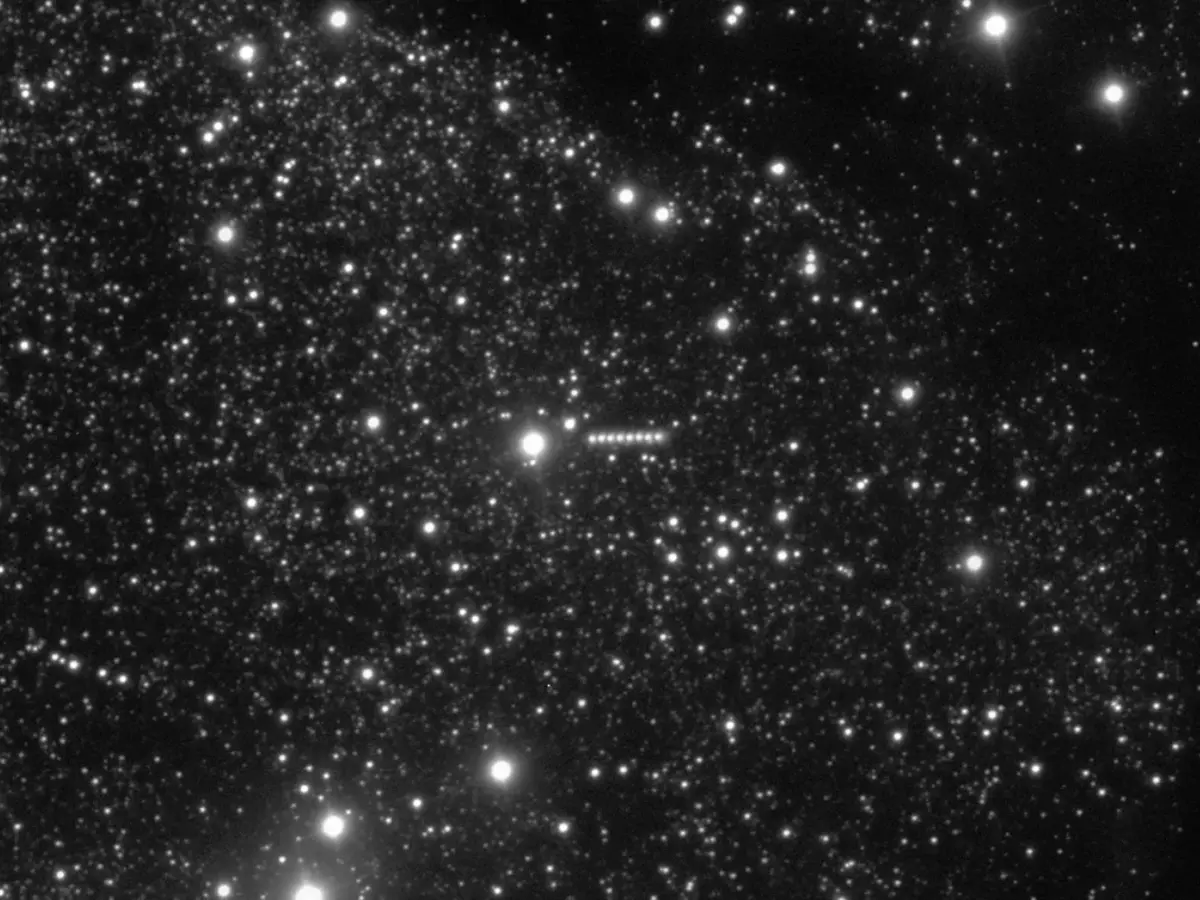
The discovery of 3I/ATLAS, the third confirmed interstellar object to pass through our Solar System, has sent ripples through the global space defence community.
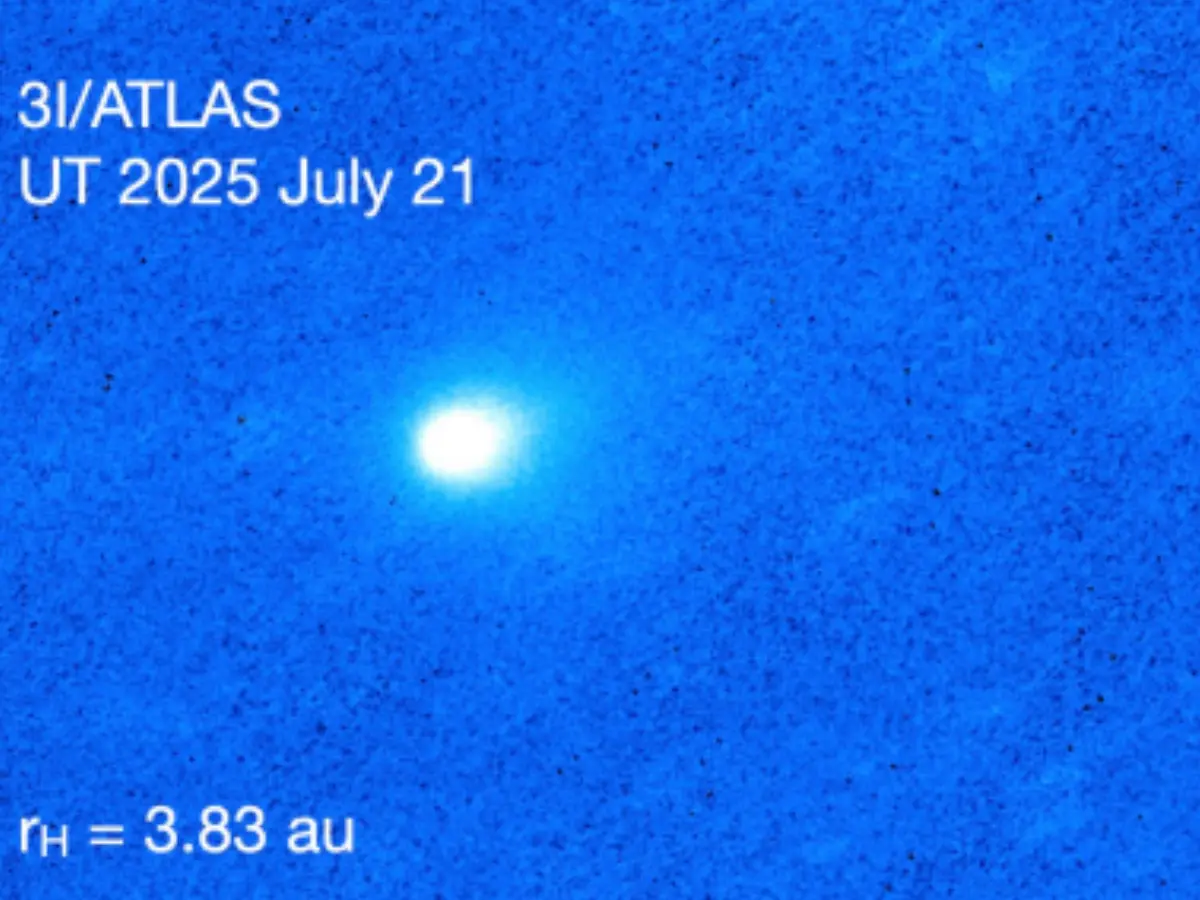
1. Unpredictable Trajectory
Most deflection systems are designed for objects whose orbits can be mapped years in advance. But 3I/ATLAS is arriving from deep space on a hyperbolic trajectory, making its path harder to model and respond to in time.
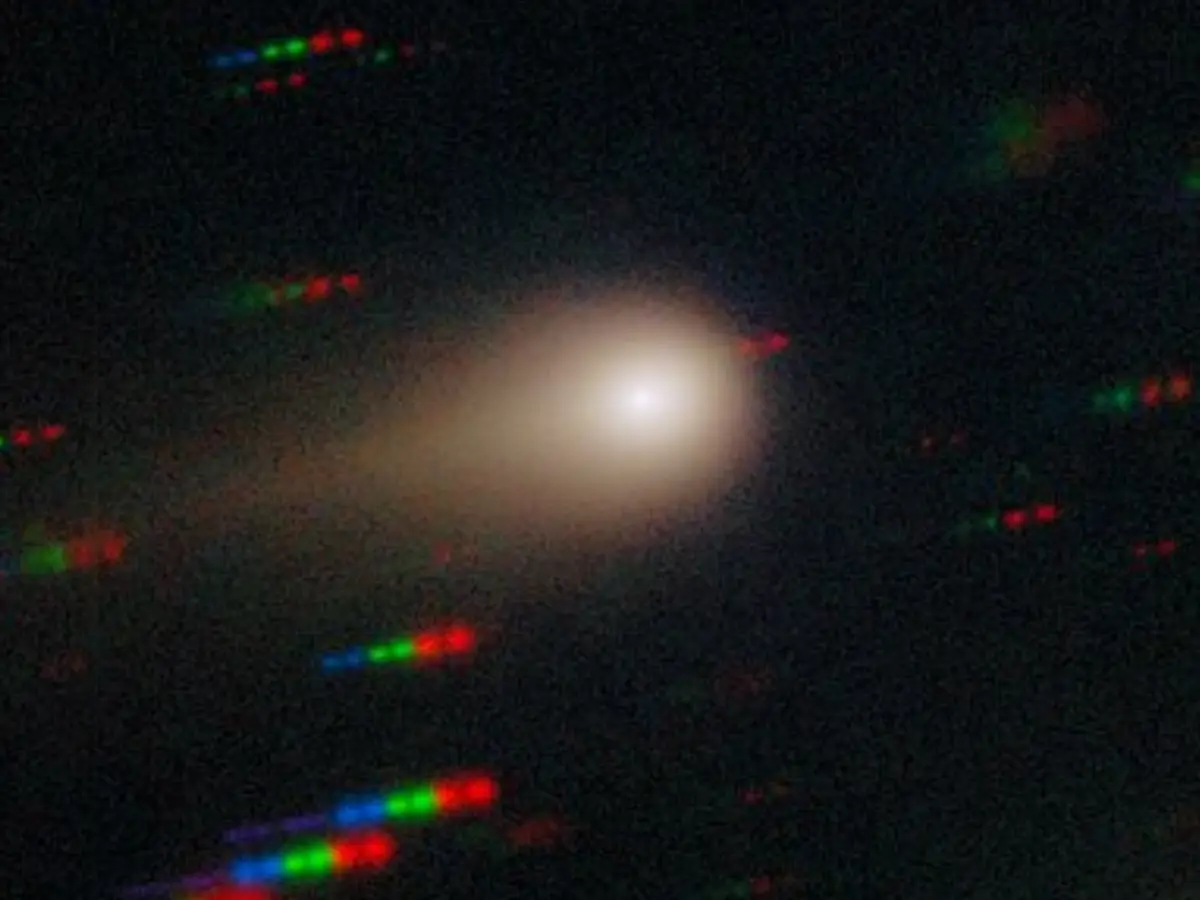
2. Extremely High Speed
Traditional asteroid deflection techniques, like kinetic impactors, rely on early detection and gradual course correction. But 3I/ATLAS is moving at interstellar speeds, giving humanity far less time to mount a defence.
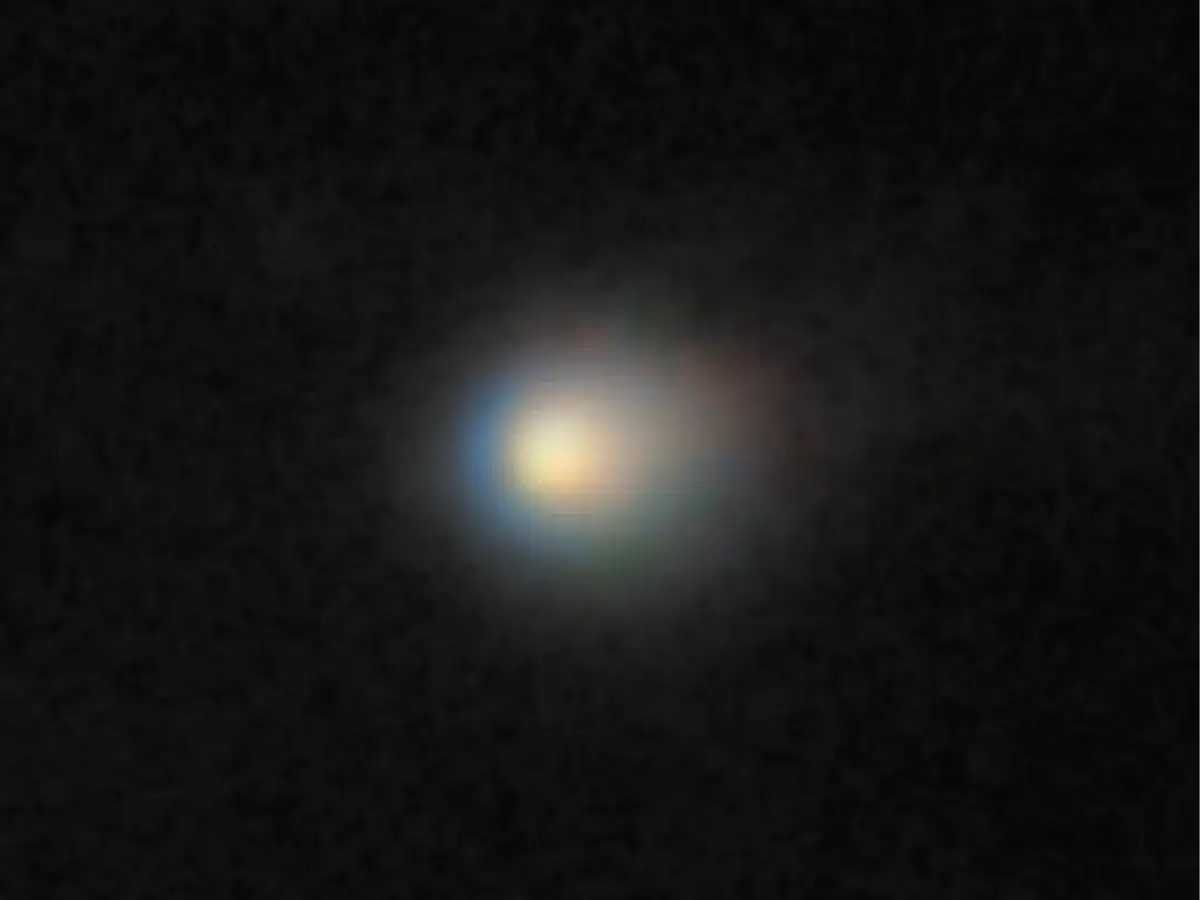
3. Late Detection Window
Like ‘Oumuamua, 3I/ATLAS was detected only after it entered the Solar System. This short warning time is a critical weakness, by the time we spot such objects, our defensive options shrink dramatically.
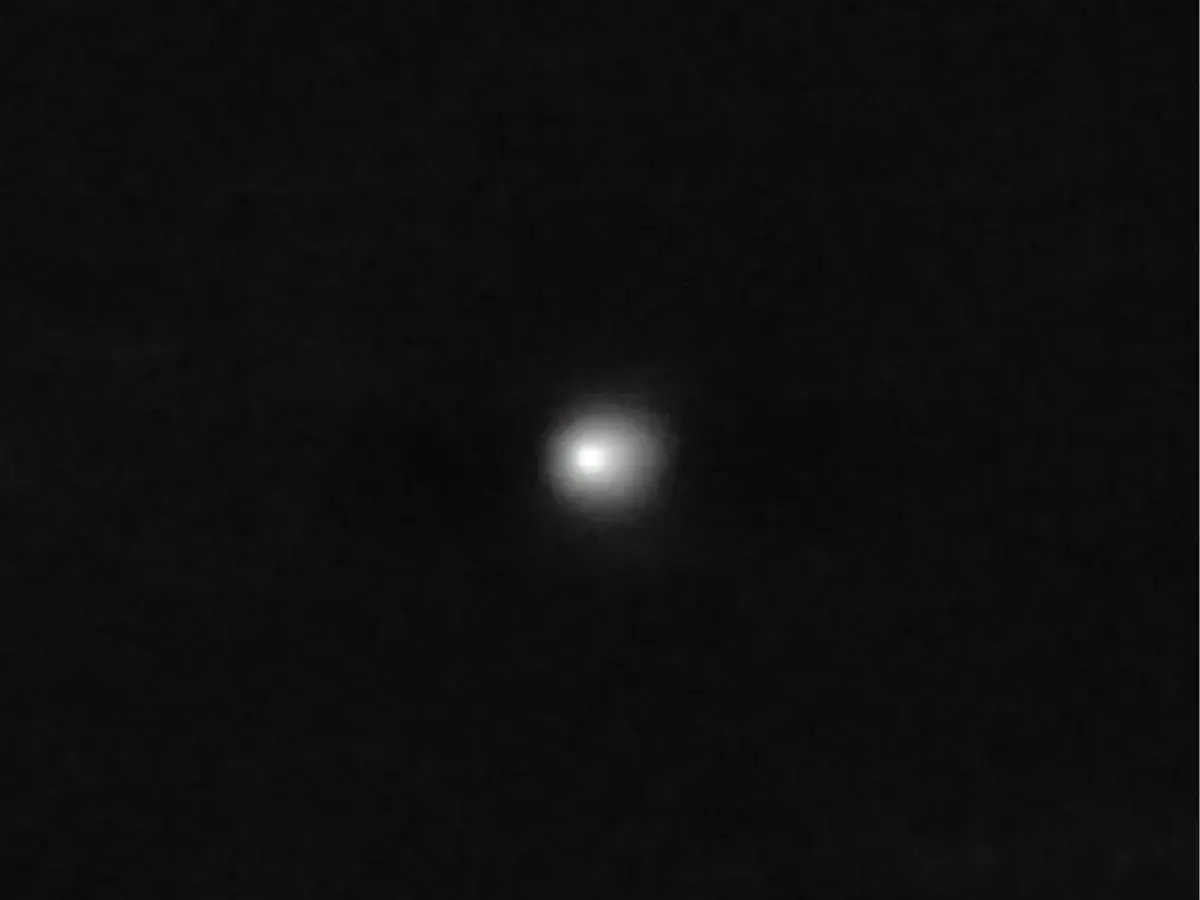
4. Unknown Physical Composition
Deflection plans assume certain mass, density, and structural properties. But 3I/ATLAS may have a non-standard composition, possibly porous or metallic, making it harder to predict how it would react to impacts or nuclear pushes.
5. Non-Gravitational Acceleration
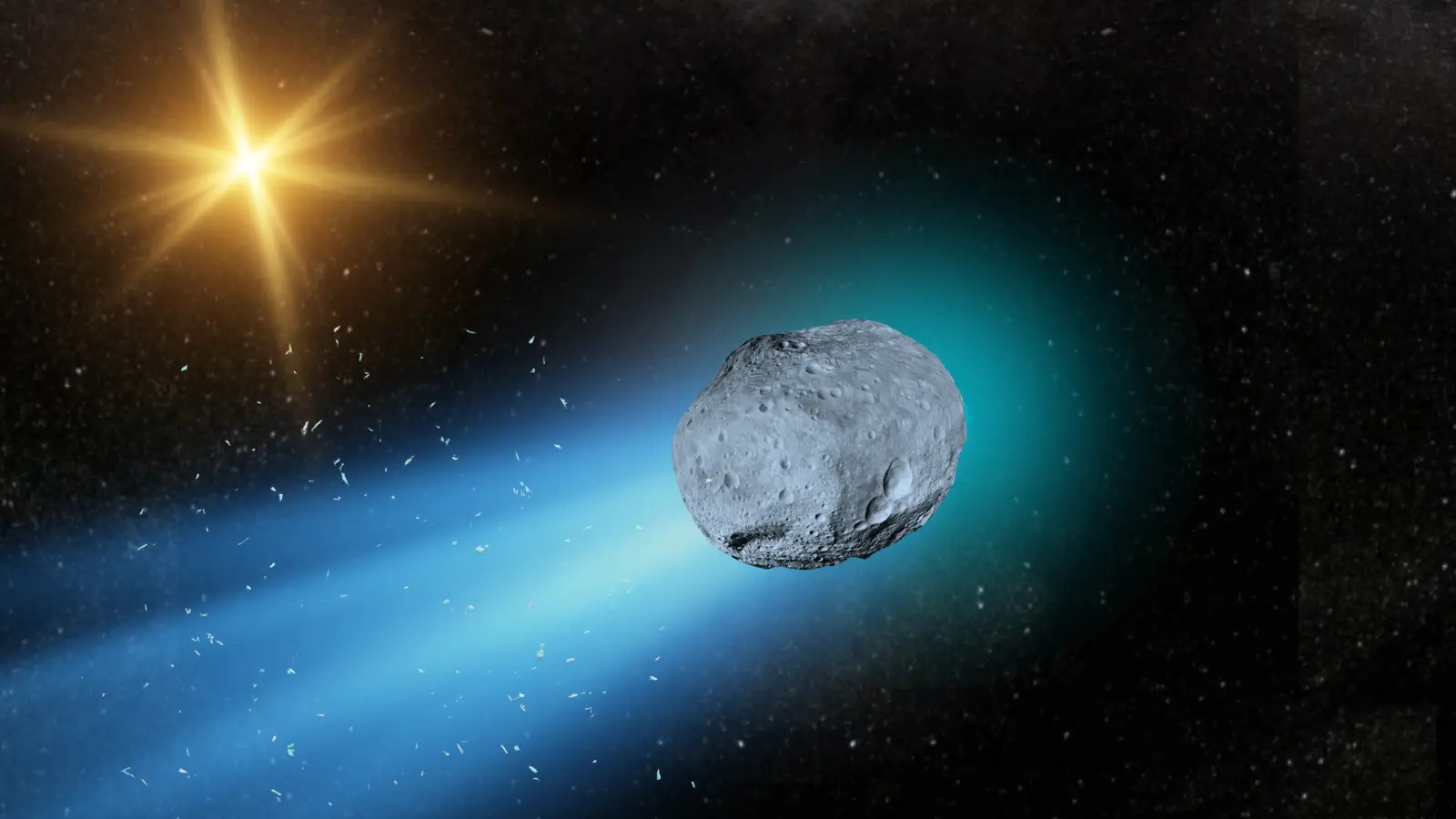
Early tracking suggests 3I/ATLAS might display unusual acceleration patterns, similar to ‘Oumuamua. If the object is propelled by unknown mechanisms or volatile activity, standard trajectory models may fail.
6. Current Defense Systems Aren’t Built for Interstellar Objects
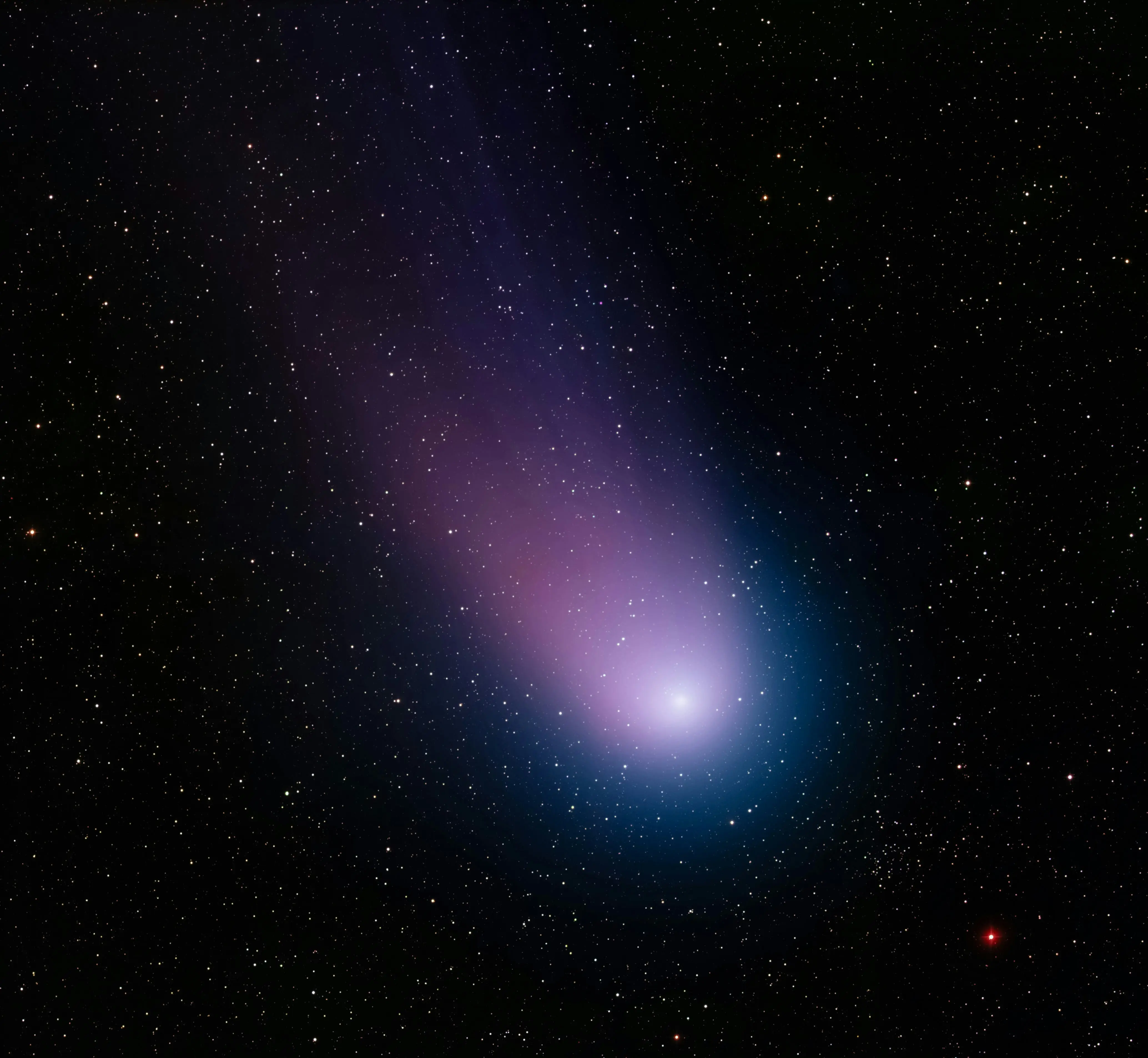
Missions like DART are designed for near-Earth asteroids with known orbits, not fast-moving cosmic visitors from other star systems. A 3I/ATLAS–type object exposes the technological gap in our preparedness.
7. Global Coordination Would Be Too Slow
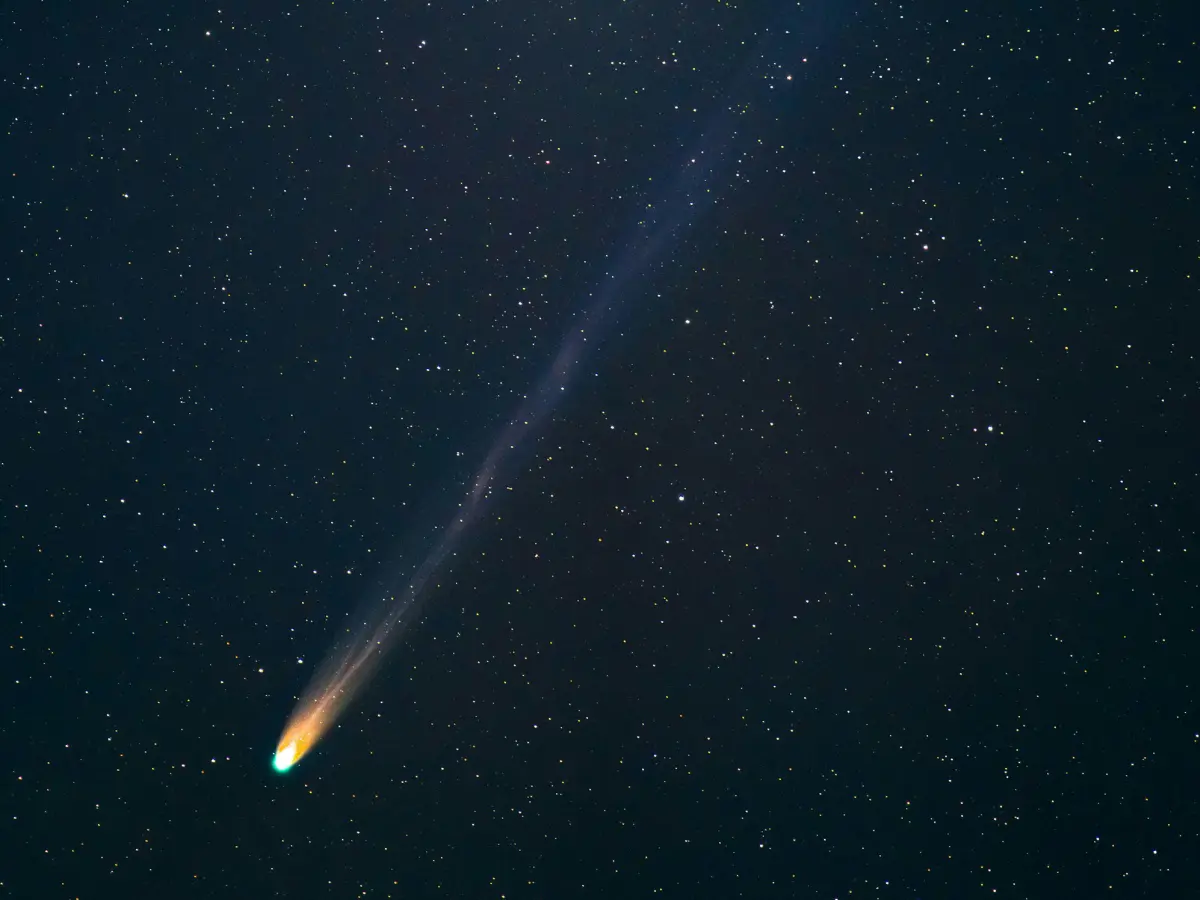
Even if the threat was identified, current international coordination frameworks are slow to mobilise. An object like 3I/ATLAS, with weeks or months of lead time at best, would demand rapid, united action, which doesn’t yet exist.
Why it matters
3I/ATLAS is more than just a passing interstellar visitor. It’s a real-world stress test for planetary defence strategies. If a similar object were on a collision course, current deflection methods might not be fast or precise enough, forcing agencies to rethink how to handle interstellar threats.
)
)
)
)
)