7 reasons why 3I/ATLAS could become the ‘Rosetta Stone’ of interstellar objects

Beyond its striking trajectory, scientists believe this object could hold key insights into the formation of other star systems, much like the Rosetta Stone unlocked the mysteries of ancient Egyptian writing. Here are seven reasons why 3I/ATLAS might be the most important interstellar object ever studied:
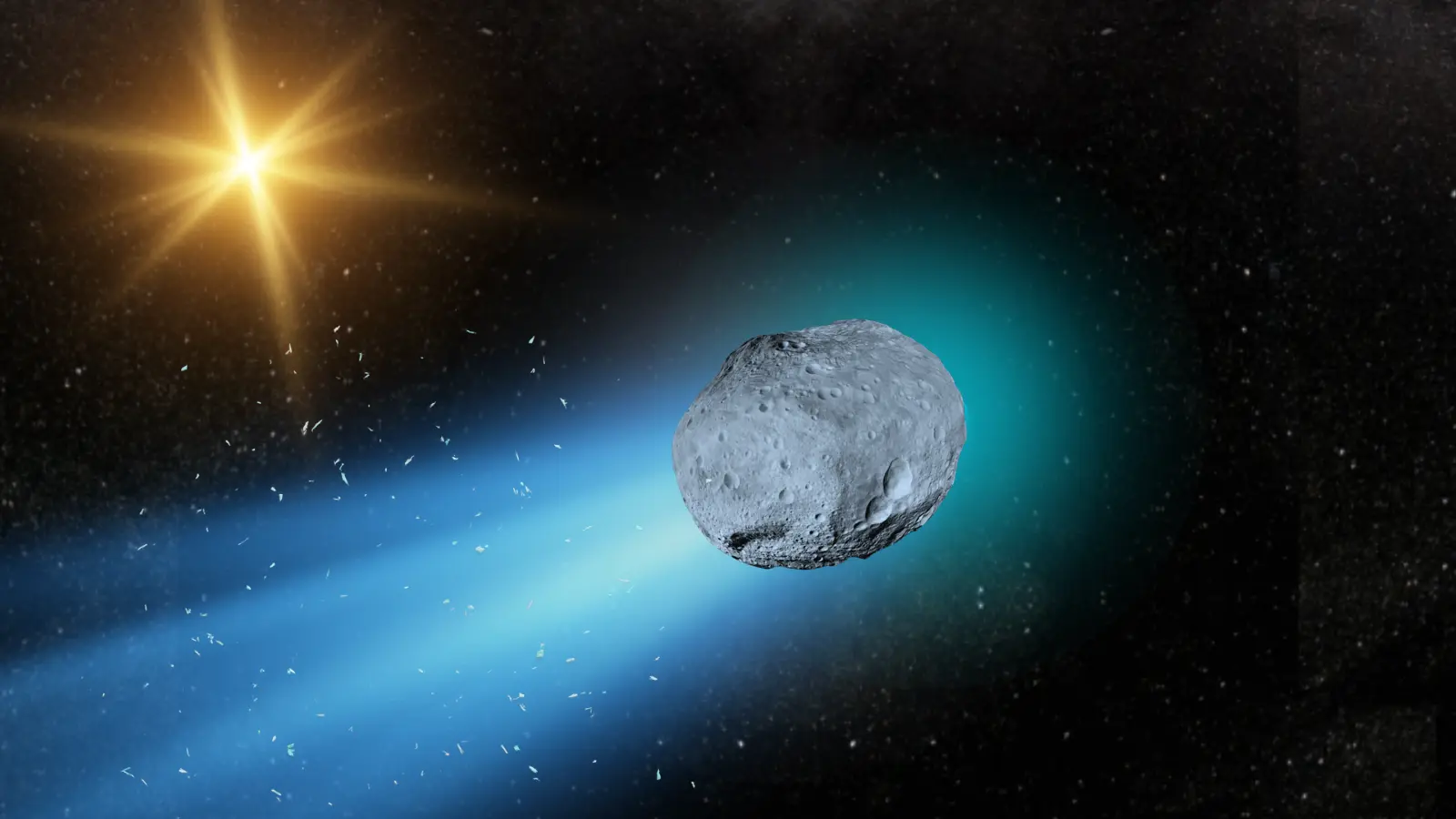
Beyond its striking trajectory, scientists believe this object could hold key insights into the formation of other star
After ‘Oumuamua (2017) and Comet 2I/Borisov (2019), 3I/ATLAS is only the third known object to originate from outside our Solar System. Each discovery offers a unique glimpse into distant star systems and 3I/ATLAS may fill crucial gaps left by the first two.
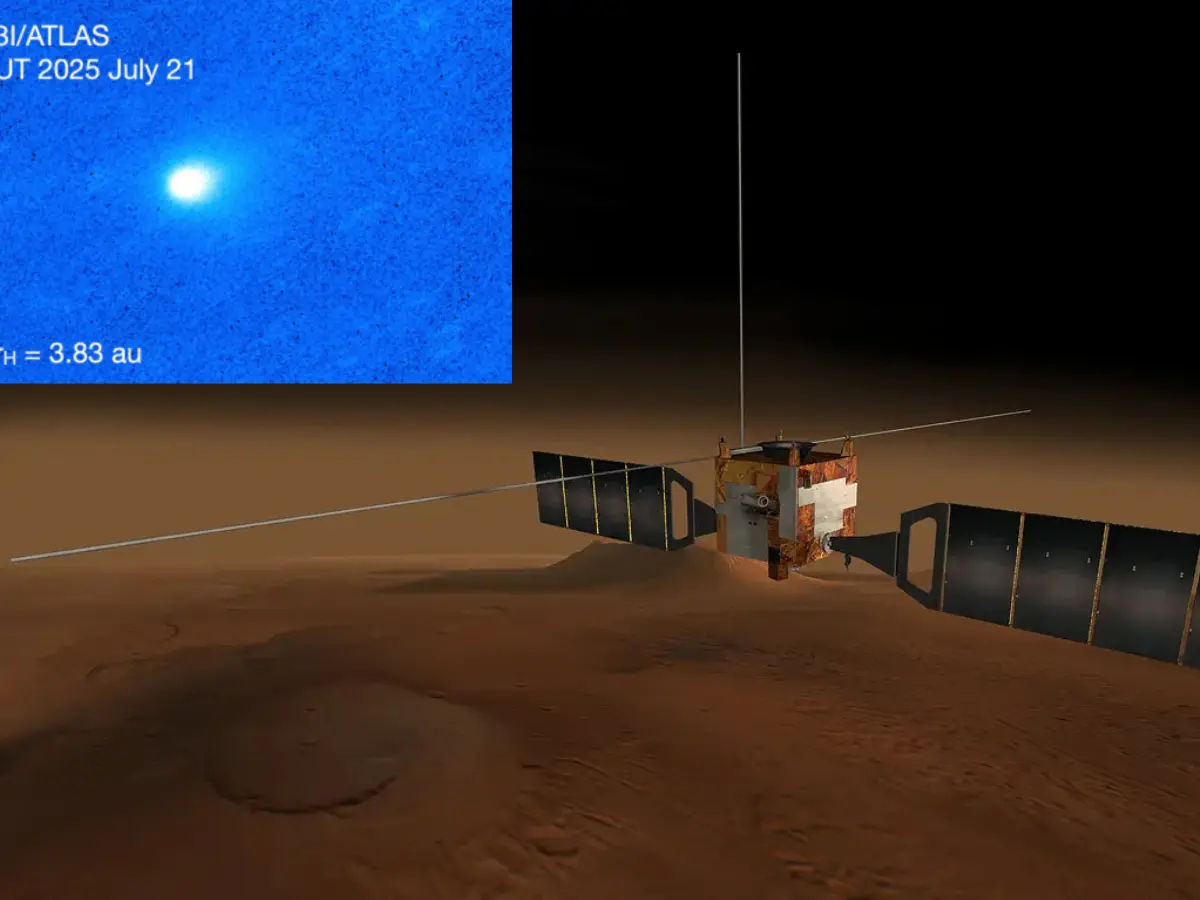
2. Its Composition Could Reveal Alien Chemistry
Preliminary spectral analysis suggests 3I/ATLAS might contain organic molecules and exotic ices not commonly found in local comets. Studying its chemical fingerprint could help scientists decode the building blocks of distant planetary systems.
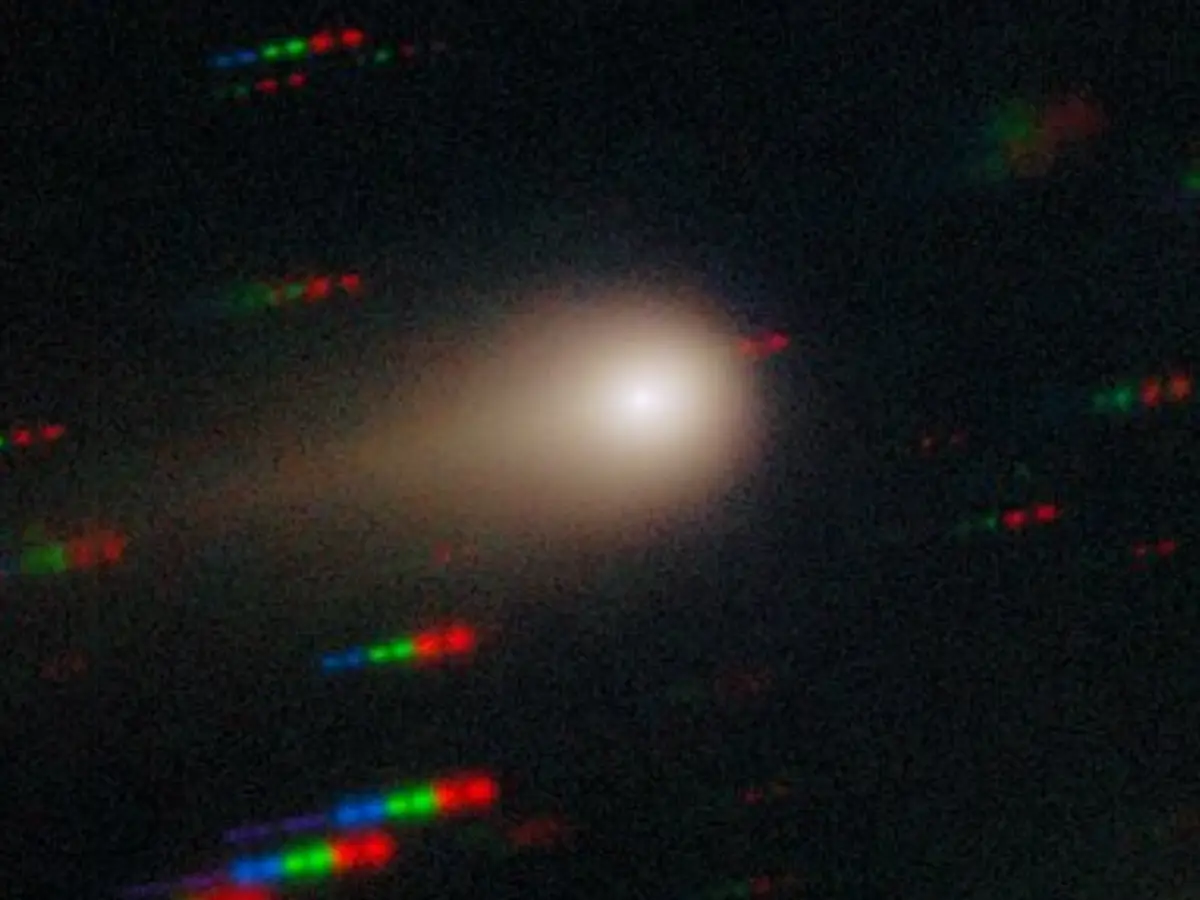
3. Its Speed Is Ideal for Scientific Observation
Unlike ‘Oumuamua, which zipped by too fast for close study, 3I/ATLAS has a trajectory that allows extended observation time. This gives researchers a rare chance to collect high-resolution data across different wavelengths.

4. It Might Hold Clues to Interstellar Formation Theories
Competing models debate how interstellar objects are ejected from their home systems. The structure and density of 3I/ATLAS could support or challenge existing theories about planetary formation and migration.
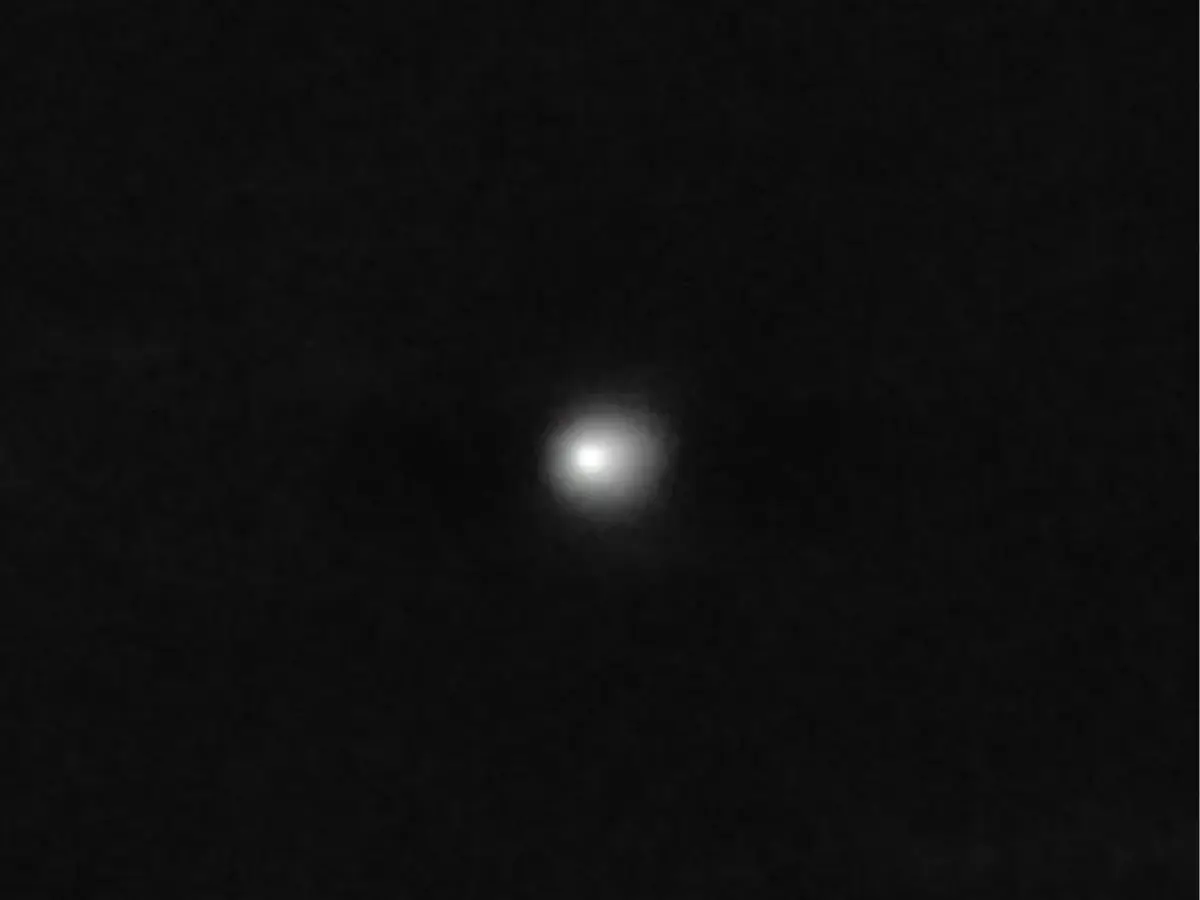
5. It Could Be a Benchmark for Future Detections
With better telescopes like the Vera Rubin Observatory coming online, 3I/ATLAS can serve as a reference object, helping astronomers refine search strategies, detection algorithms, and classification systems for the next wave of interstellar visitors.
6. It Might Contain Preserved Ancient Material
Because it has traveled through interstellar space for millions or even billions of years, 3I/ATLAS could carry pristine cosmic material unaffected by nearby stars, essentially a time capsule from another system’s infancy.

7. It Can Redefine Humanity’s Cosmic Context
Decoding 3I/ATLAS might be akin to deciphering the first extraterrestrial message. Its physical and chemical clues could reshape our understanding of where we came from and how common planetary systems like ours are across the galaxy.

Why it matters
If 3I/ATLAS lives up to scientific expectations, it could become the Rosetta Stone for interstellar studies, providing a universal “translator” for understanding objects from beyond our Solar System.
)
)
)
)
)