7 reasons 3I/ATLAS might be the most important object in our sky right now

Now we all know 3I/ATLAS is unique, but do you realise it might be the most important object in our sky right now? Know top 7 surprising reasons behind this.
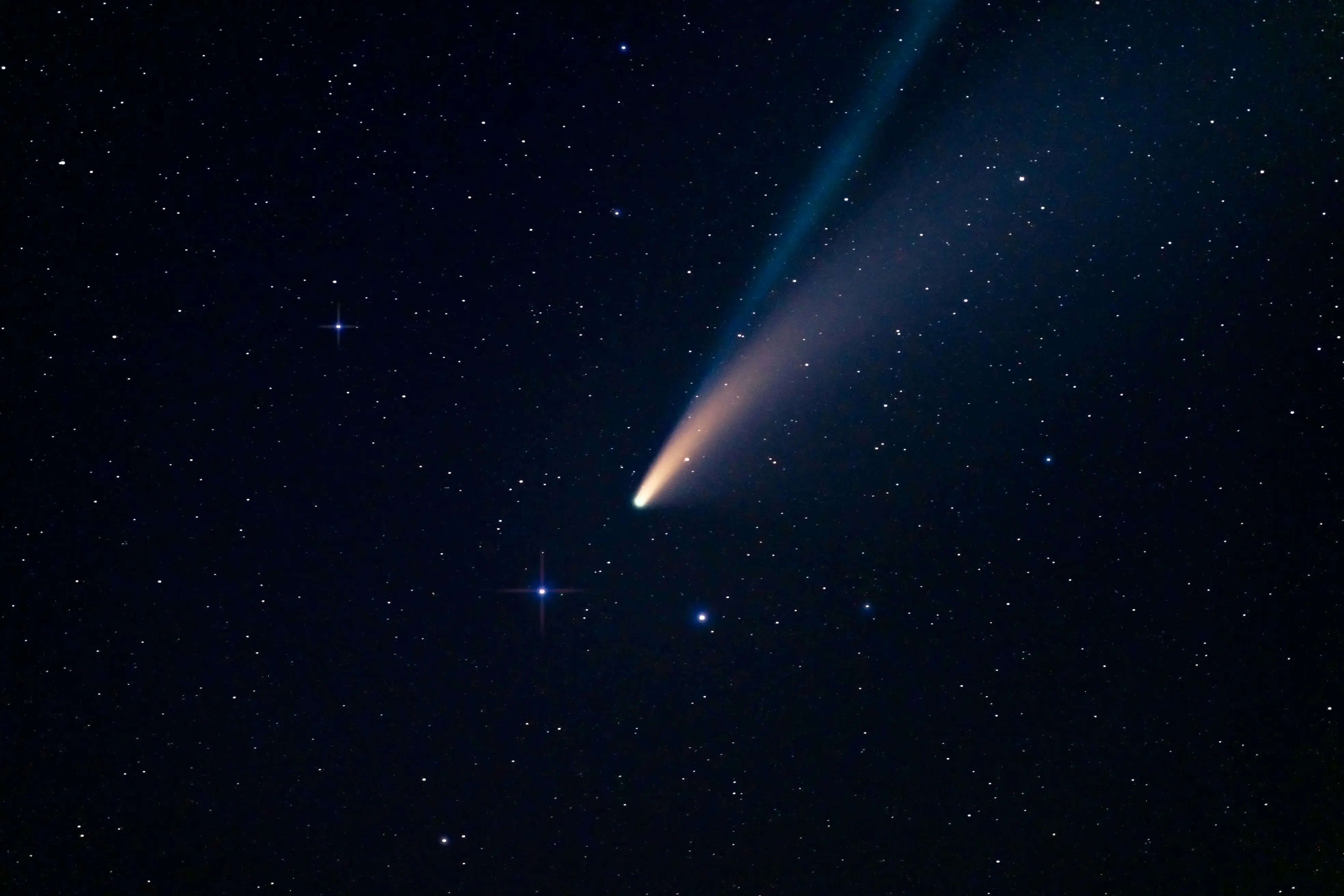
Inspiring International Collaboration
The comet’s passage has united space agencies worldwide to share observations using spacecraft near Mars, Venus, and Jupiter. This rare chance to study an interstellar visitor is fostering new collaborations and advancing space science.
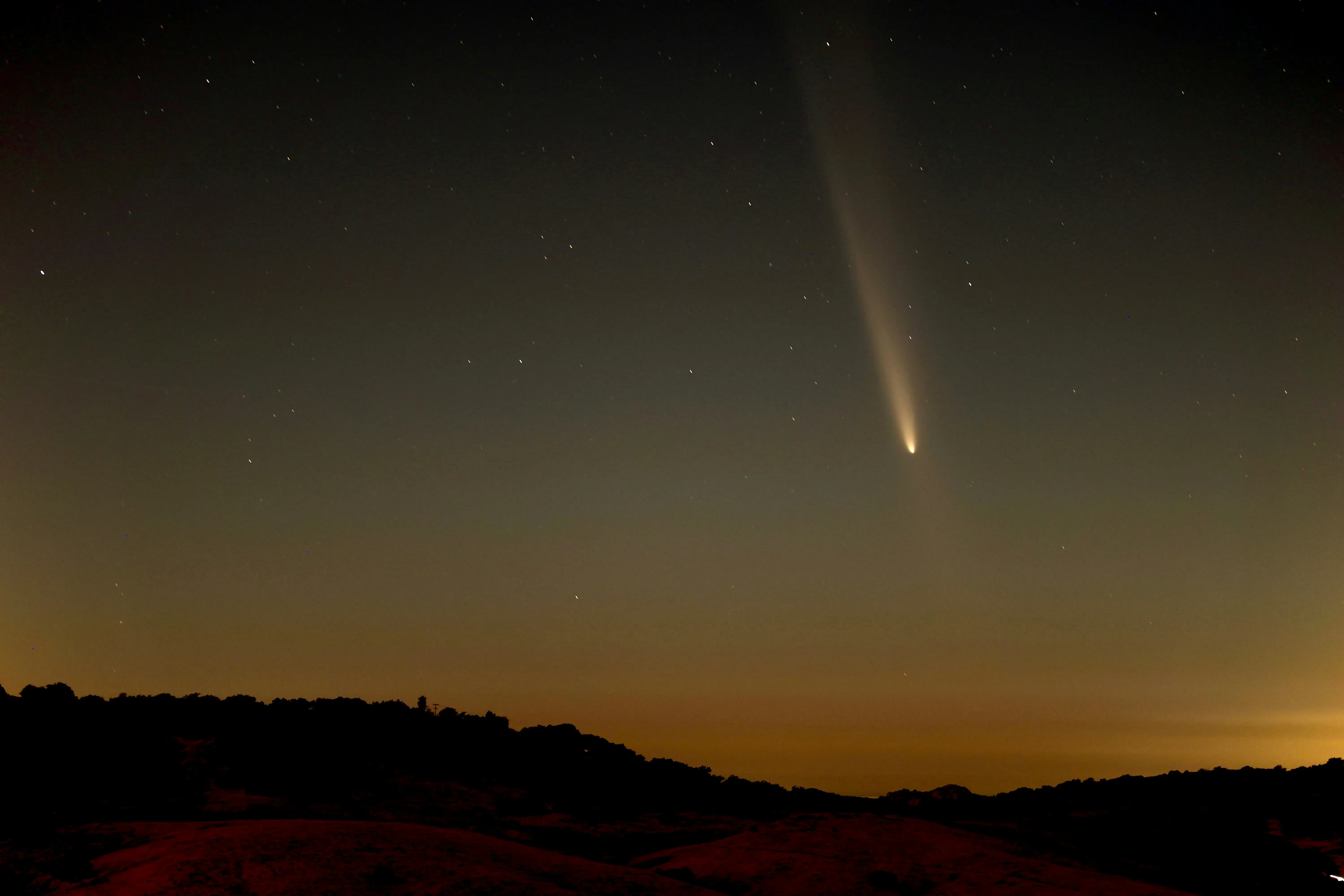
Window Into Building Blocks of the Universe
3I/ATLAS carries pristine material from another planetary system, potentially dating billions of years. Studying it helps scientists understand how planets and comets form around other stars, expanding our knowledge of cosmic origins and evolution.
Safe Yet Significant Near Earth Pass
Though it will pass Earth at a safe distance of 1.8 AU (270 million km) on 19 December 2025, 3I/ATLAS remains a key object of study. Its trajectory near the planets Venus, Mars, and Jupiter allows scientists to examine its interactions with different solar system environments.
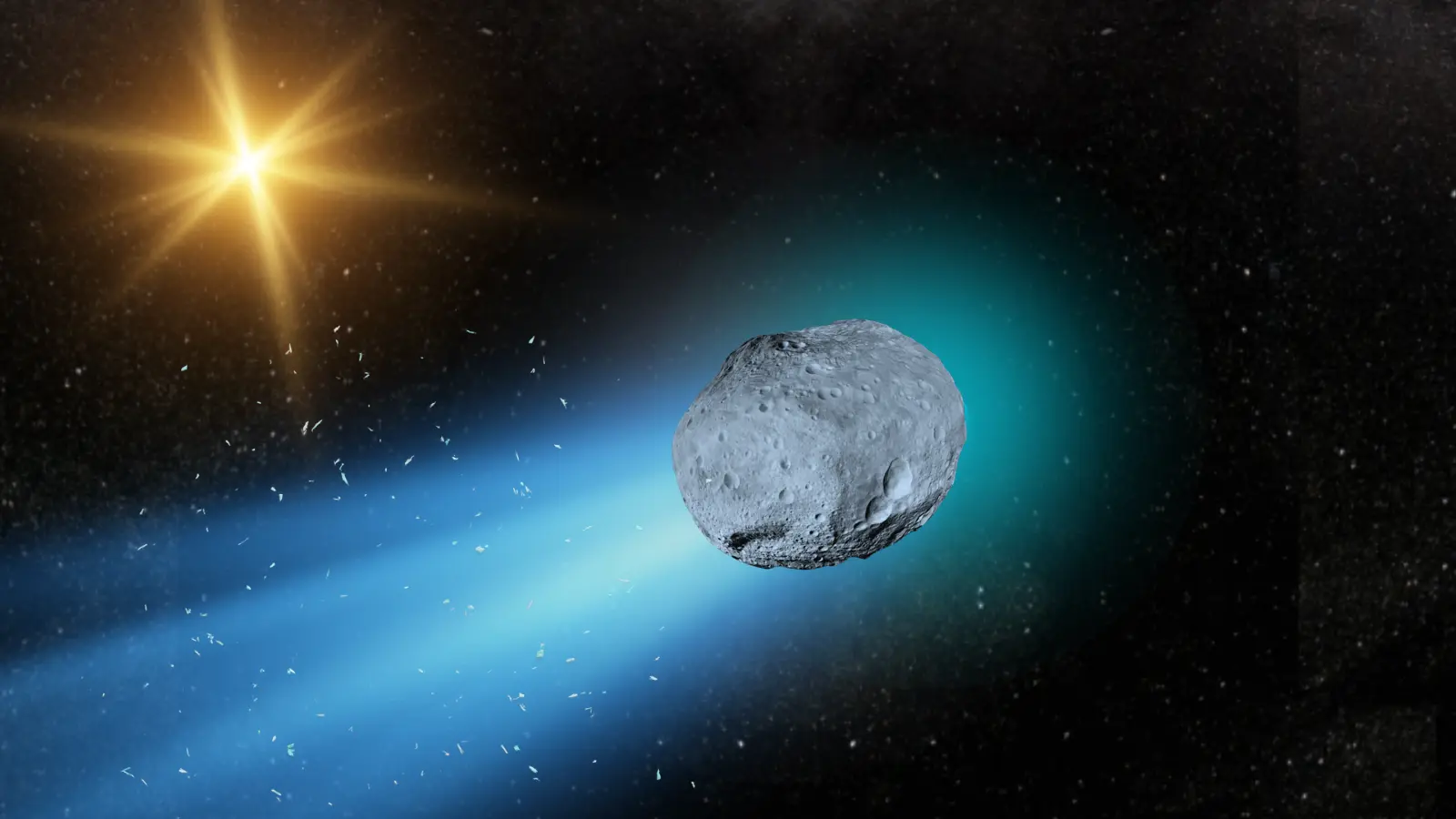
Close Approach to Mars and Sun
In early October 2025, 3I/ATLAS passed within 28 million km of Mars, observed by spacecraft orbiting the planet. It reached its closest point to the Sun on 29 October at 1.36 AU, providing critical data about comet behaviour near the Sun’s warmth.
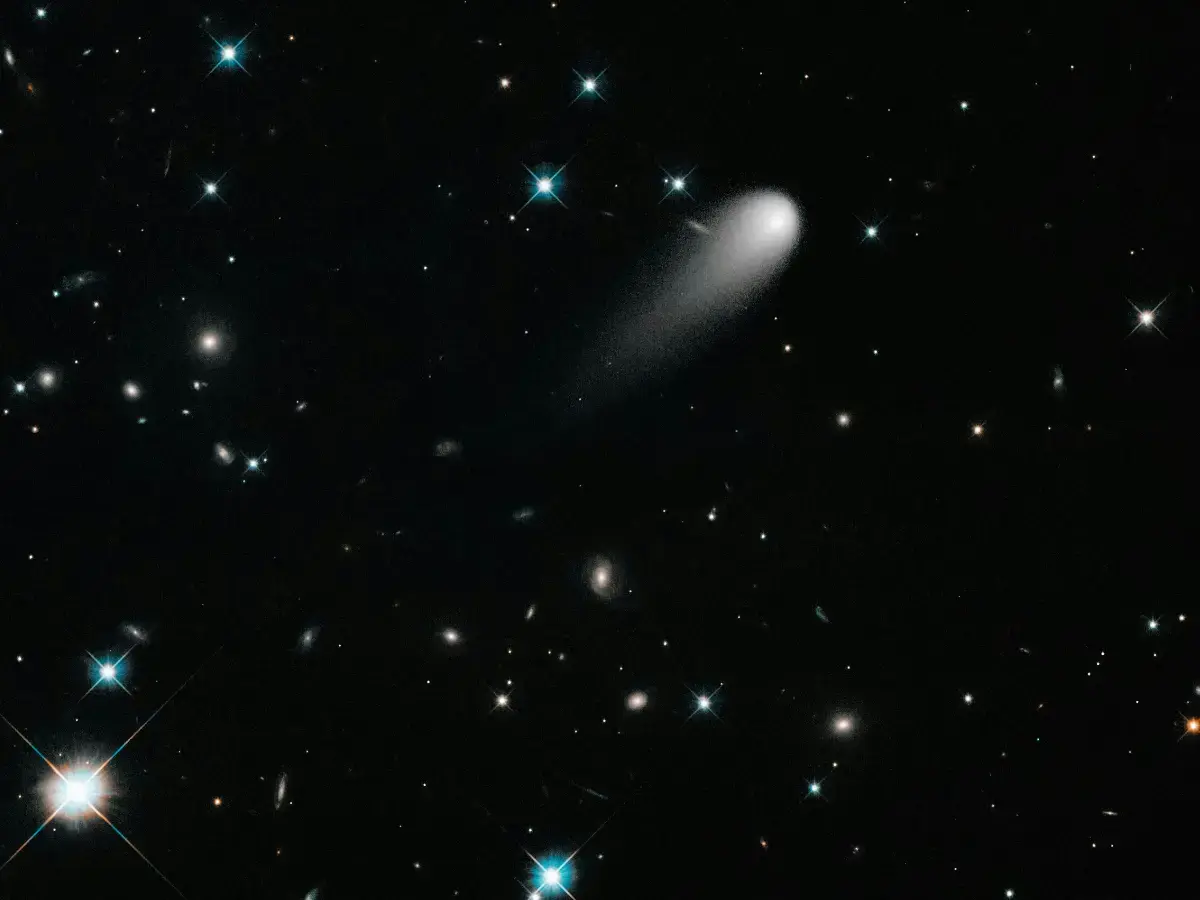
Unique Composition
Studies by the James Webb Space Telescope found 3I/ATLAS unusually rich in carbon dioxide, with small amounts of water ice, carbon monoxide, and carbonyl sulfide. These rare gases differ from typical solar system comets, offering clues about conditions in other star systems.

Fastest Known Comet
3I/ATLAS races through space at nearly 219,000 km/h (130,000 mph), far faster than typical comets. This extreme speed reveals how objects can travel immense distances across the galaxy before briefly visiting our solar system.
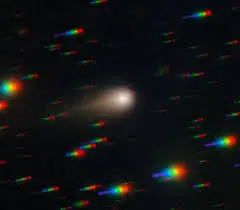
A Rare Interstellar Visitor
Discovered on 1 July 2025, 3I/ATLAS is only the third confirmed interstellar object to enter our solar system. Its hyperbolic trajectory shows it is not bound to the Sun, highlighting its extraordinary origin outside our cosmic neighbourhood.
)
)
)
)
)