7 reason why 3I/ATLAS is a cosmic wake-up call for global defence agencies

The interstellar object 3I/ATLAS is more than just a comet, it’s a warning from the cosmos. Its unusual trajectory, size, and characteristics highlight the need for global defence agencies to rethink space monitoring, preparedness, and rapid-response strategies.
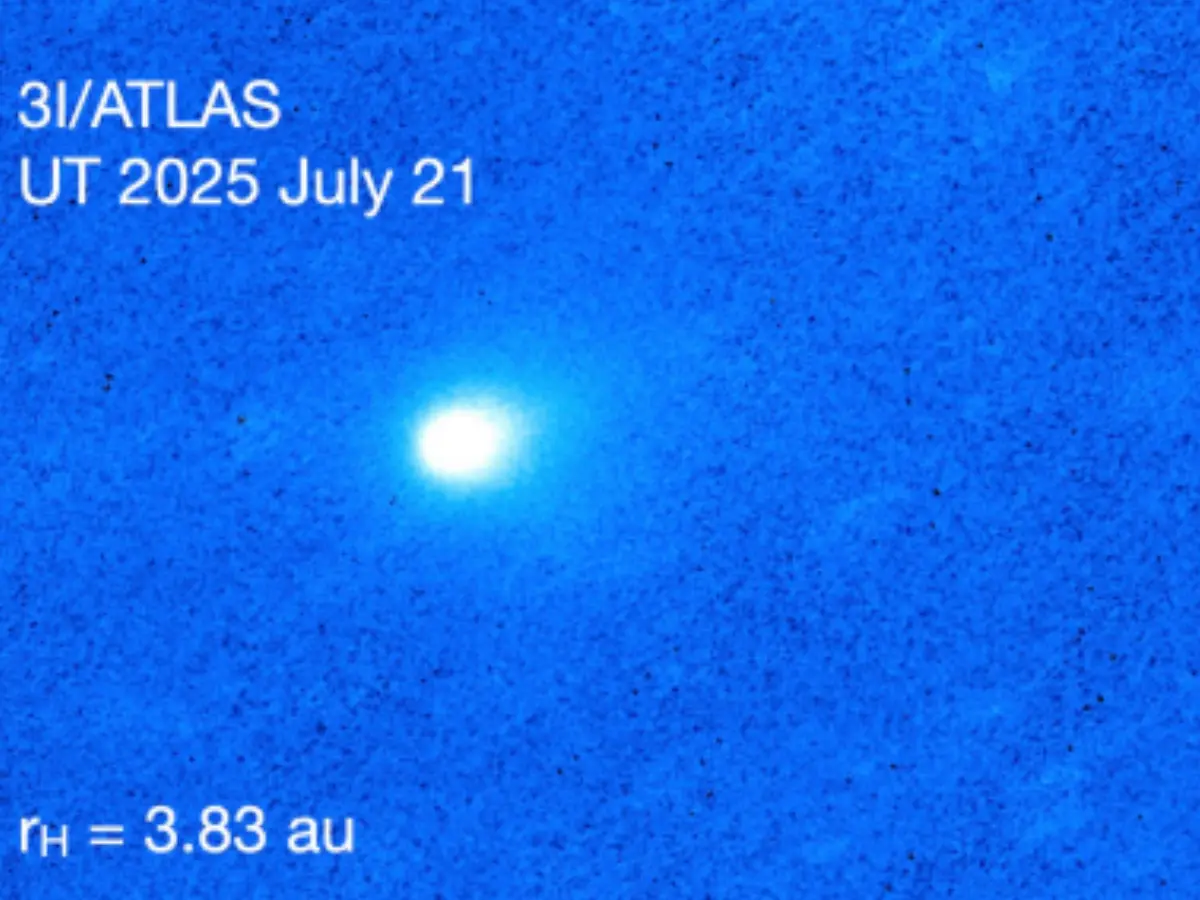
1. Unprecedented Trajectory
3I/ATLAS moves at extraordinary speed and follows a path unlike any solar system object, challenging current detection systems. Its unpredictability signals the need for improved early-warning mechanisms for space threats.
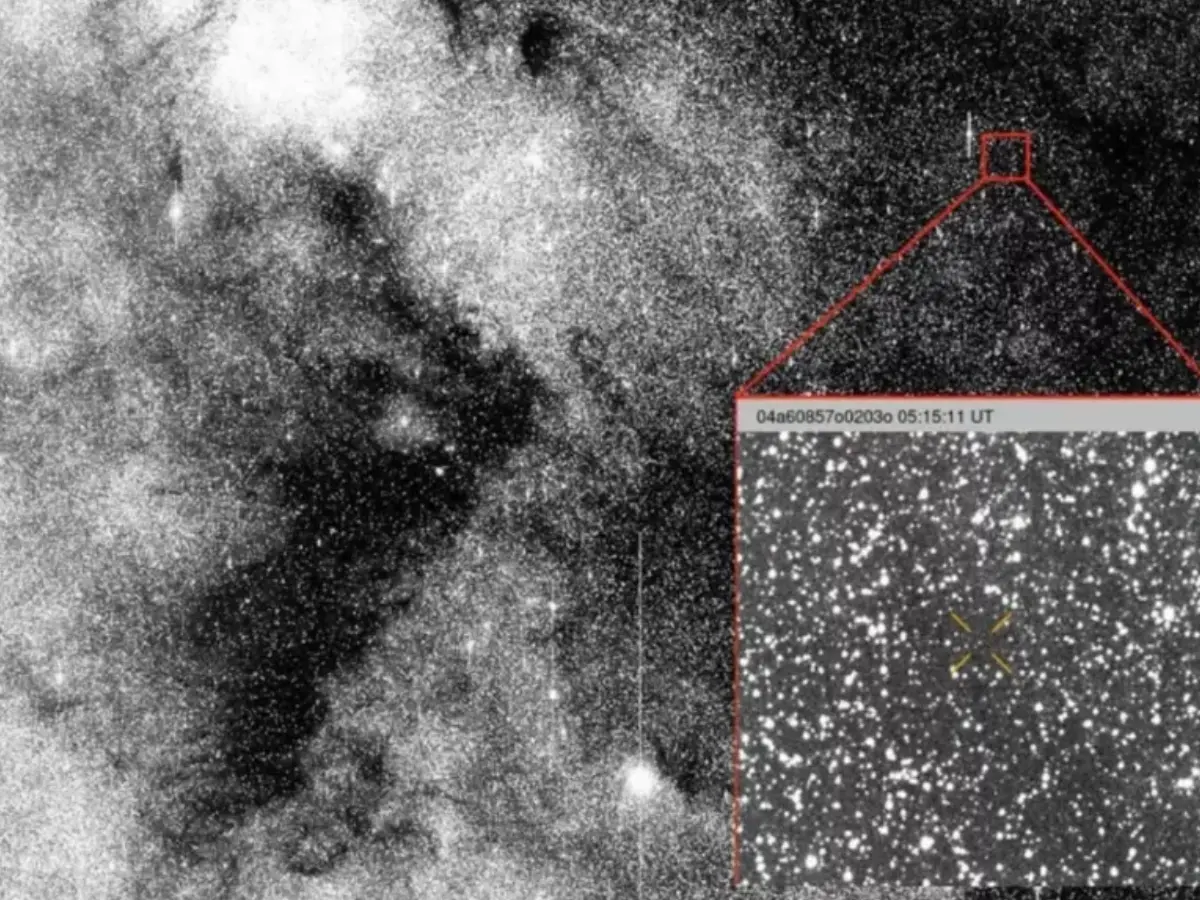
2. Potential Alien Technology
Scientists have speculated that 3I/ATLAS could be a technological artifact. Whether benign or hostile, even the hint of extraterrestrial intelligence demands attention from defence agencies worldwide.
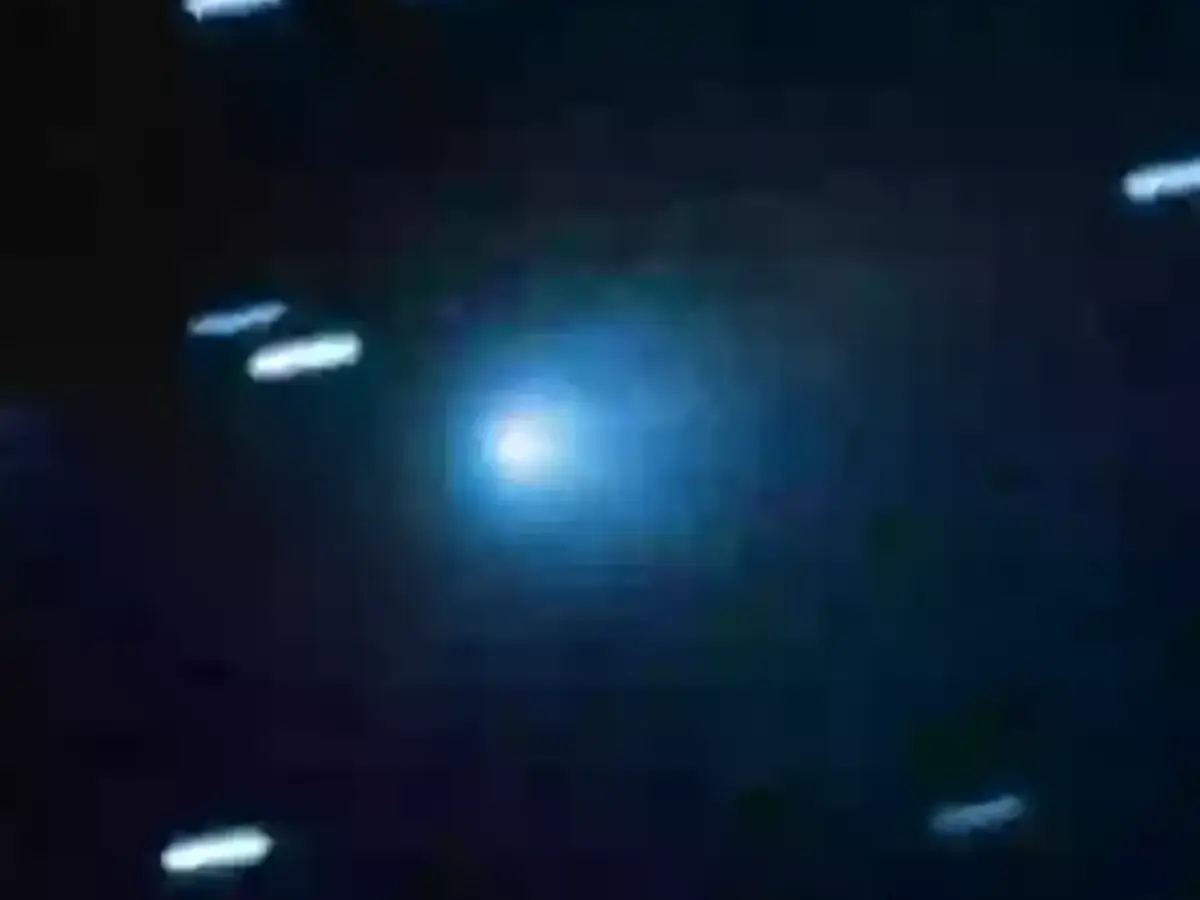
3. Close Approaches to Planets
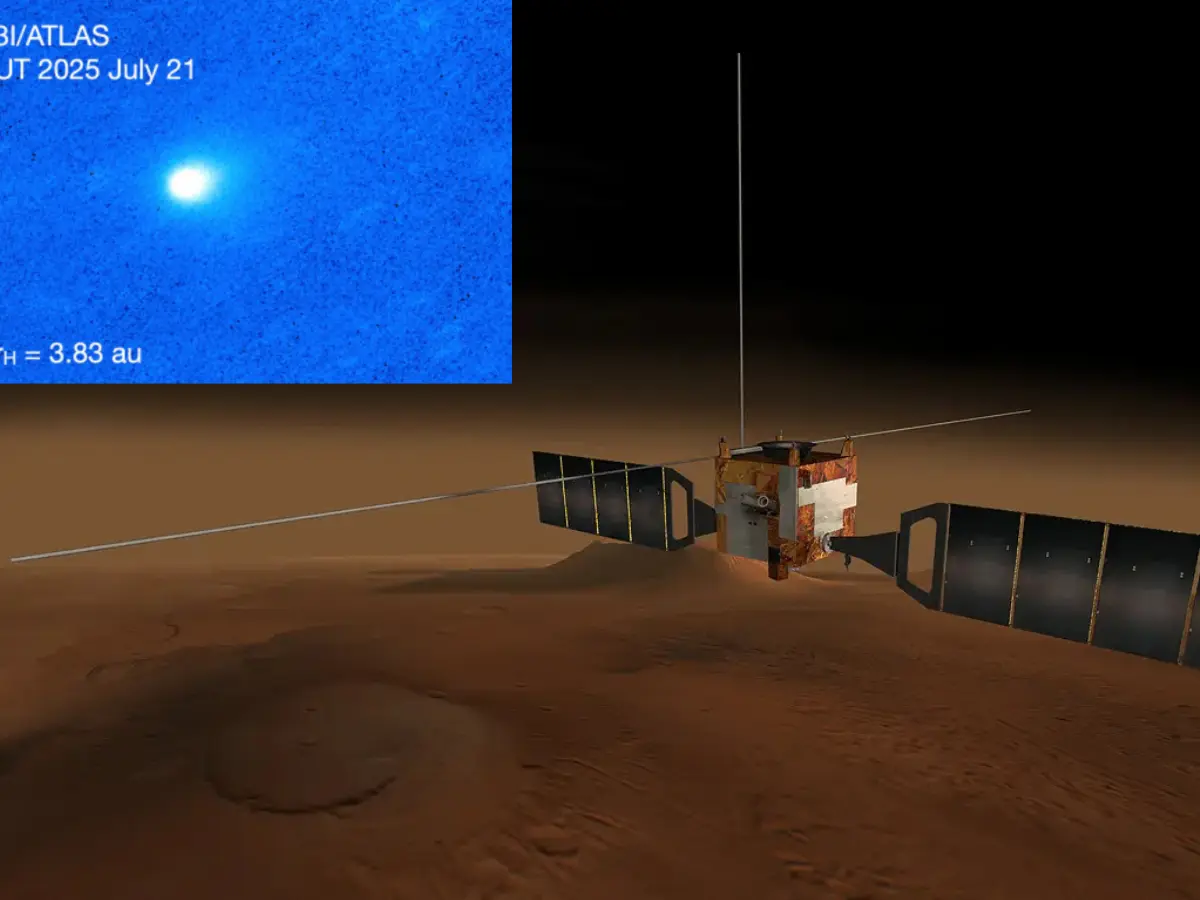
The comet passes near Mars, Venus, and Jupiter. These flybys provide a reminder that celestial bodies can enter near-Earth space, and defence systems must be prepared for unexpected orbital encounters.
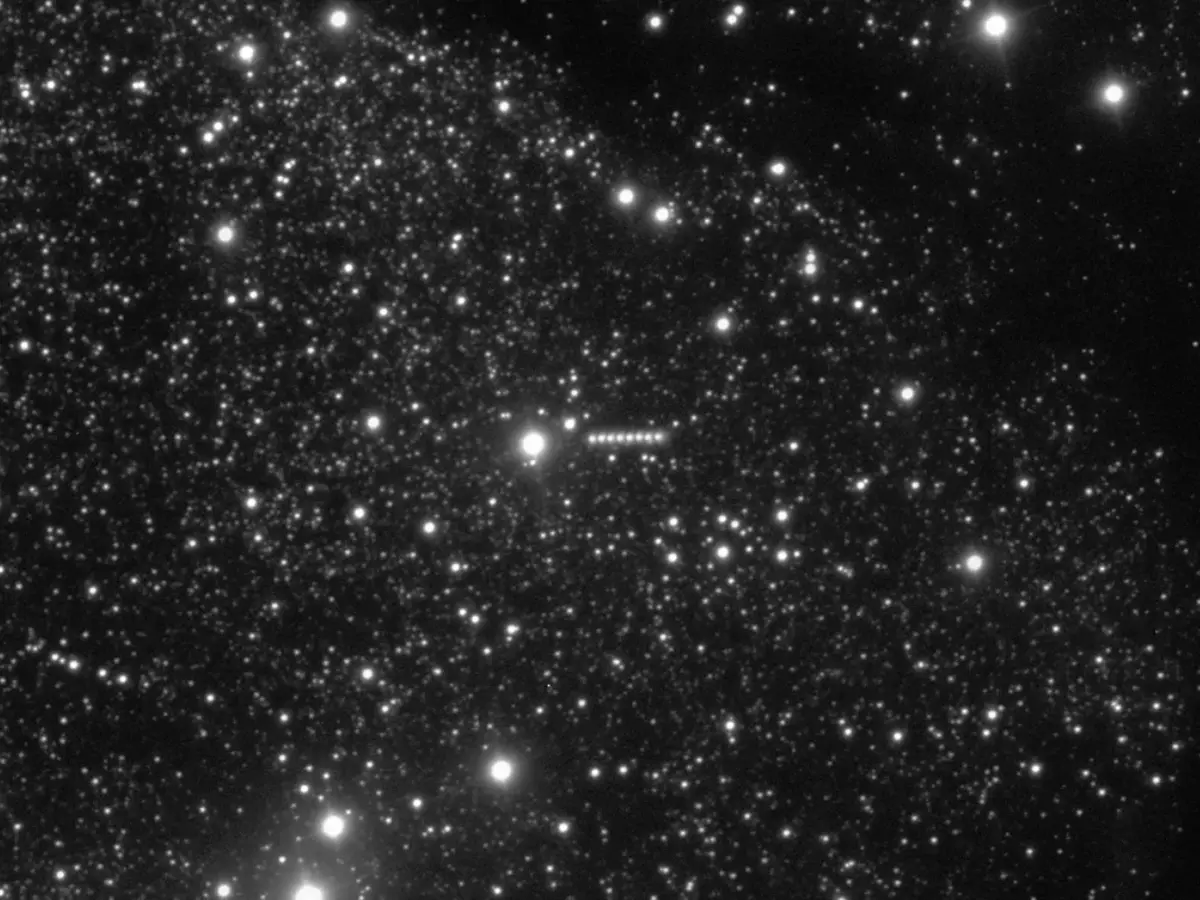
4. High Mass and Size
With a nucleus over 3 miles wide and mass exceeding 33 billion tons, 3I/ATLAS is much larger than previous interstellar objects. Such objects could cause damage if miscalculated, highlighting vulnerabilities in planetary defence planning.
5. Unusual Physical Behaviour
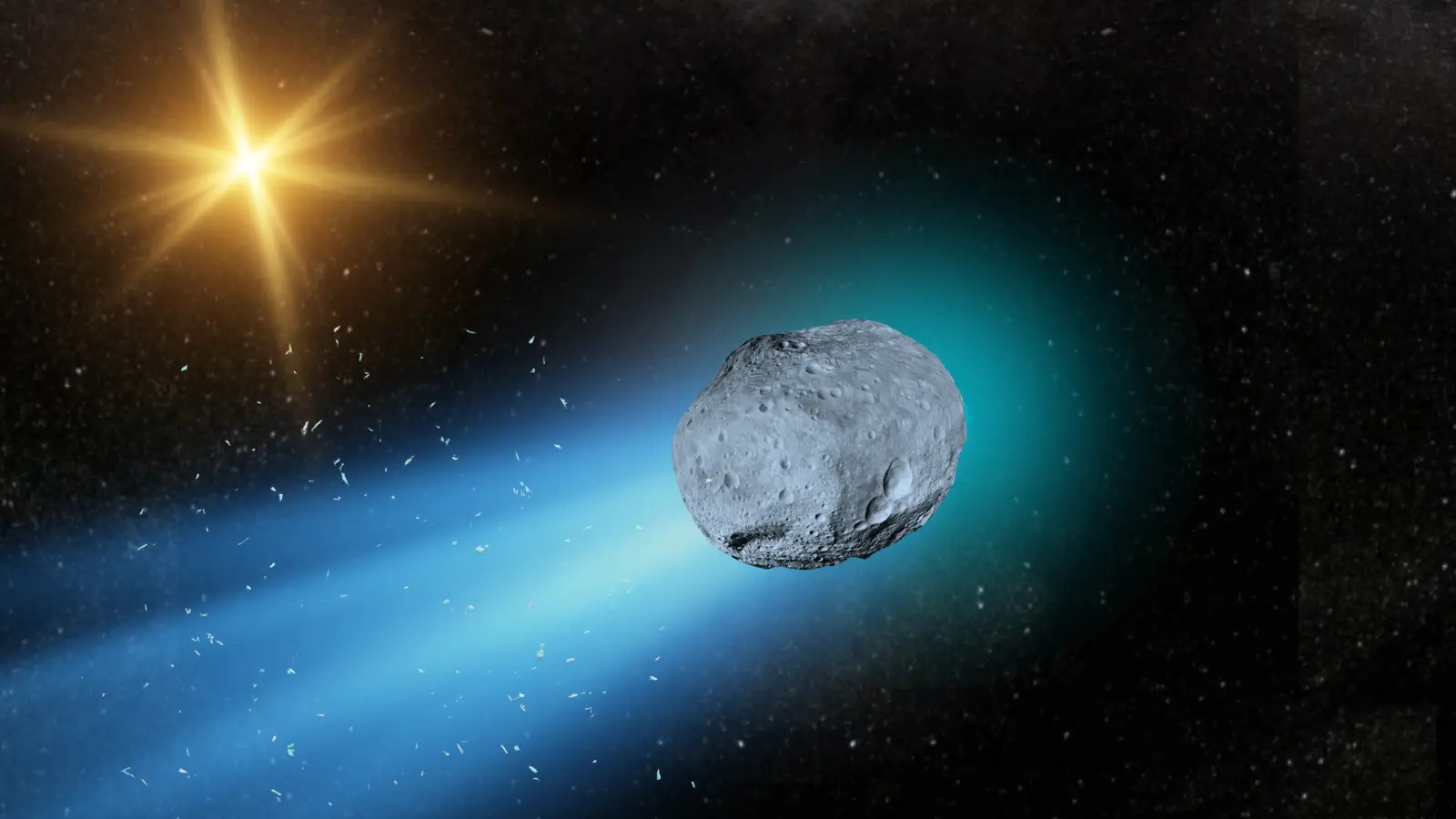
The comet exhibits non-gravitational acceleration and atypical composition, making predictions difficult. Defense agencies must upgrade monitoring capabilities for objects with irregular dynamics.
6. Stimulus for Global Collaboration
3I/ATLAS demonstrates that cosmic threats are a shared concern. Nations must cooperate, share data, and establish protocols to respond effectively to unexpected space intrusions.
7. Rethinking Space Security
The comet underscores gaps in current space defence strategies, from early detection to interstellar object tracking. Agencies are now considering the broader implications of cosmic phenomena on national and planetary security.
)
)
)
)
)