6 surprising things to know about time zones across the world

Know some quirky facts about time zones? Some places split time within tiny islands, others share a zone despite huge differences, and some regions even create their own unique clocks. Time zones can be full of surprising twists.
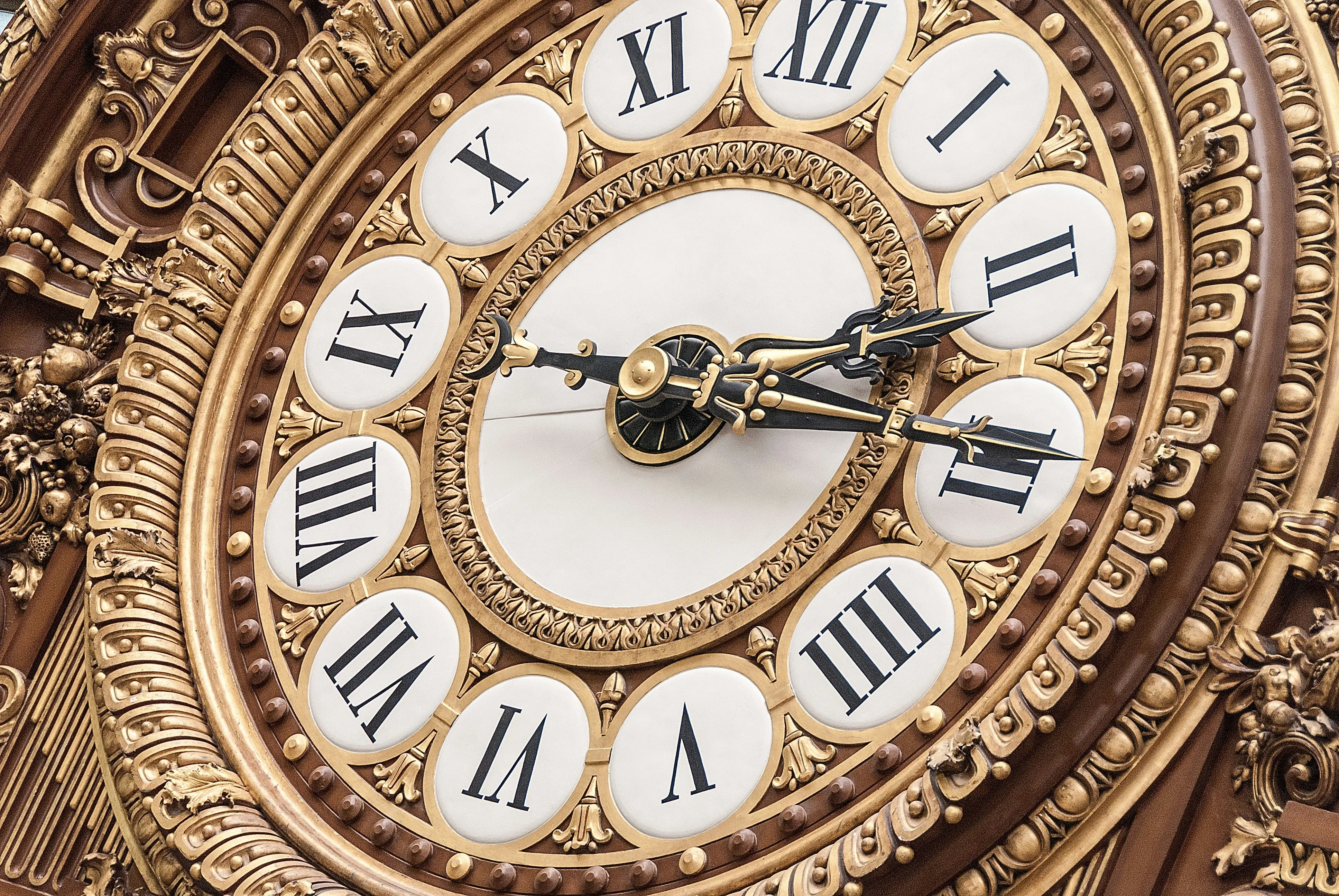
France has the most time zones in the world
France holds the world record with 12 time zones, more than any other country, thanks to its widespread overseas territories across the globe. Not far behind, Russia and the United States each have 11 time zones spanning their vast mainland and distant lands. Time really stretches far in these nations.
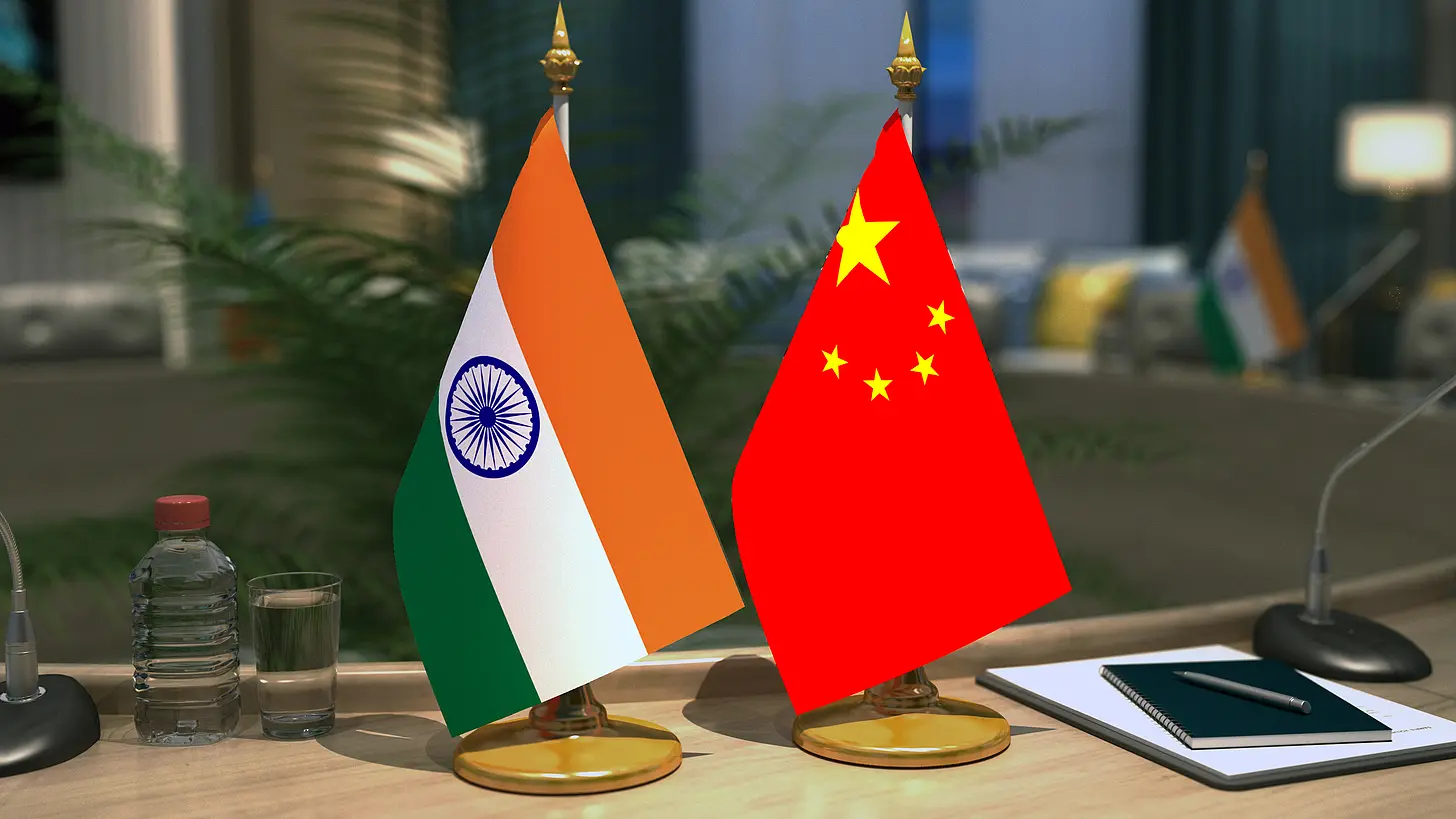
China & India: The Single Time-Zone Kings
Even though China is extremely wide, it uses only one official time across the whole country. This means in the far west, the sun rises and sets much later than the official clock says, so people often have to adjust their daily routines to match the daylight. India, also very large, follows a similar single-time system, which helps keep things simple but causes differences in daylight hours across the country
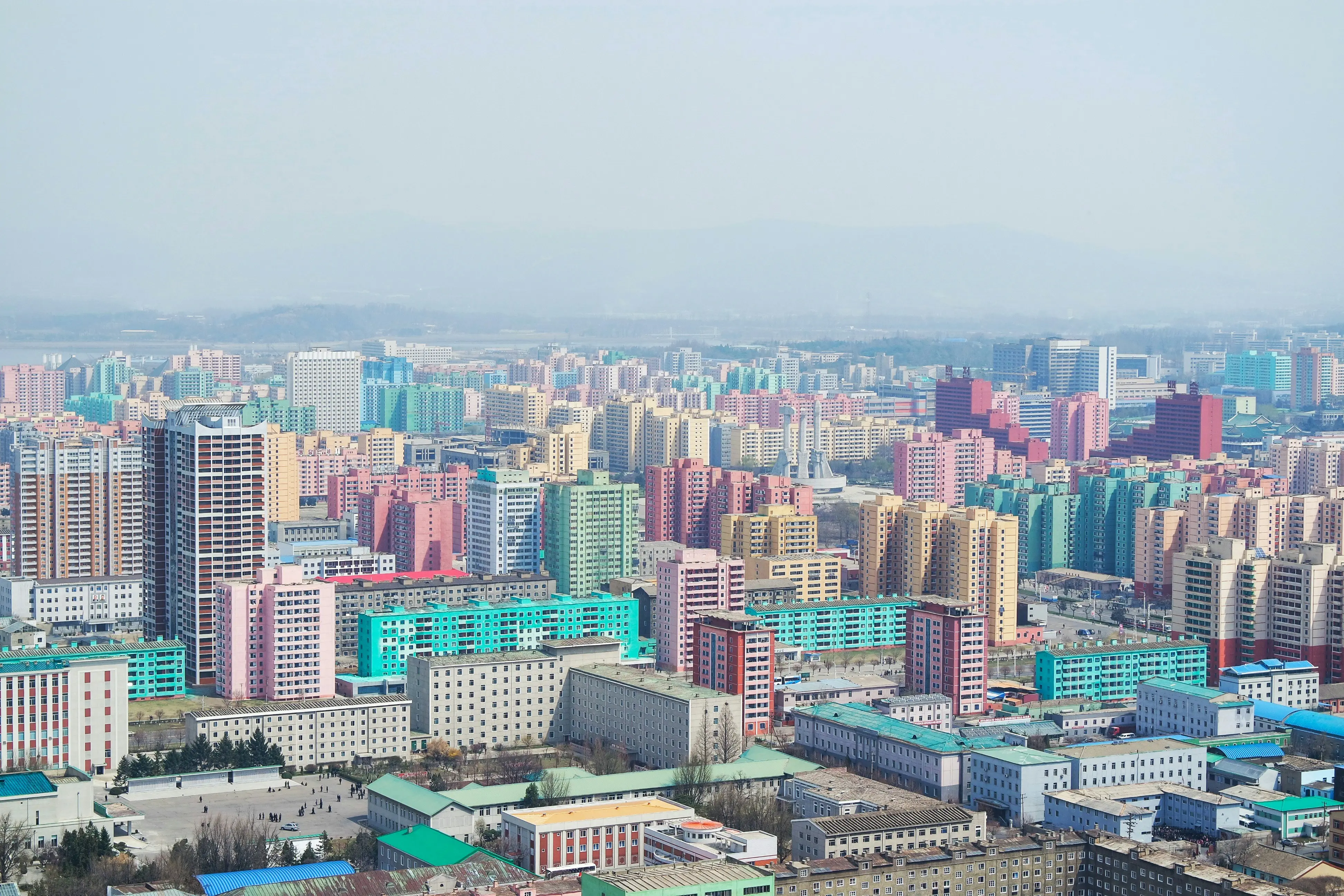
North Korea 's Pyongyang Time
In 2015, North Korea created its own time zone, known as Pyongyang Time, by setting clocks back 30 minutes. This move marked the 70th anniversary of liberation from Japanese rule and aimed to break away from Japan’s and South Korea’s shared time zone, highlighting North Korea’s unique identity.
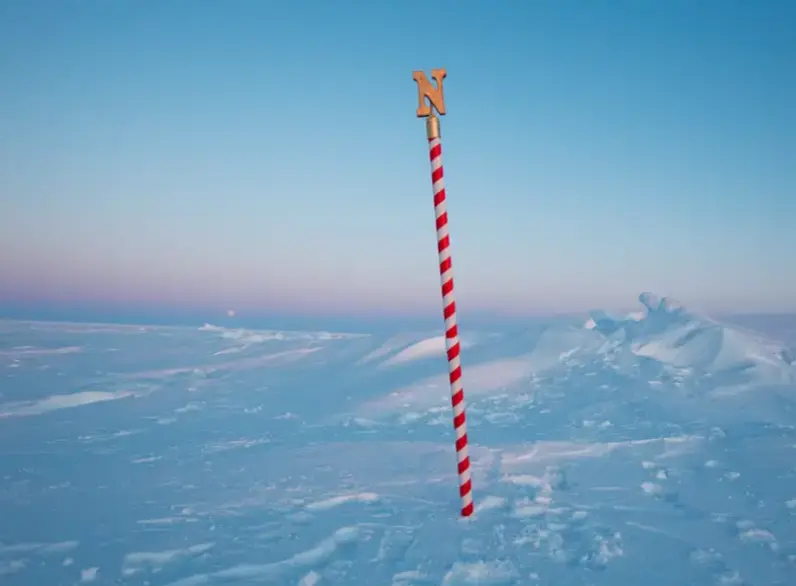
North and the South Pole don’t have official time zones
The North Pole and South Pole don’t have official time zones because all the lines of longitude meet there. Explorers and researchers simply choose any time zone that suits them, often using the time of their home country or supply base.
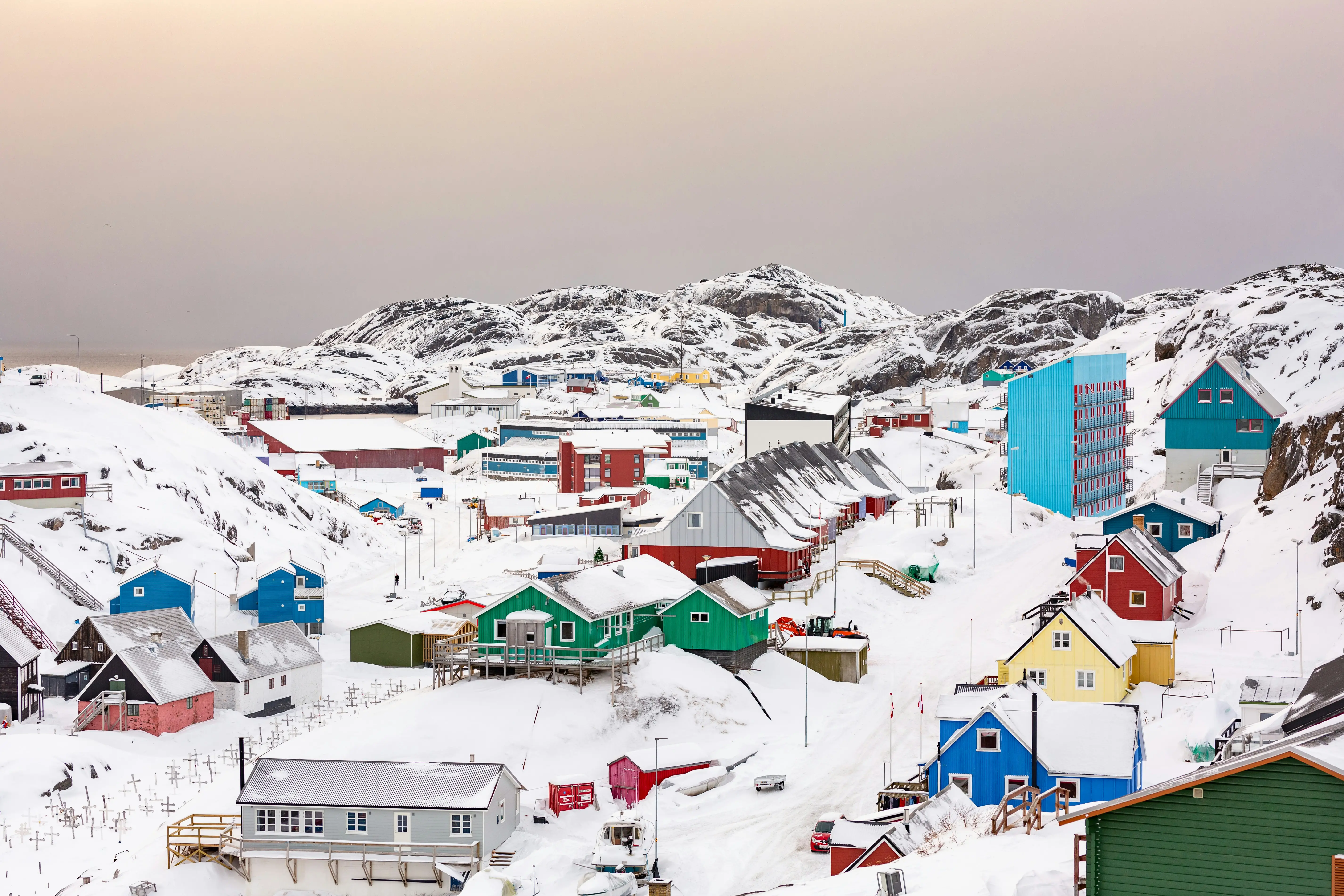
Greenland is in the same time zone as Britain
Greenland’s remote weather station, Danmarkshavn, in the middle of the North Atlantic, uses the same time as Britain (GMT). This tiny outpost sees temperatures as low as –40°C in winter and is home to just eight people, with polar bears roaming the nearby vast Northeast Greenland National Park
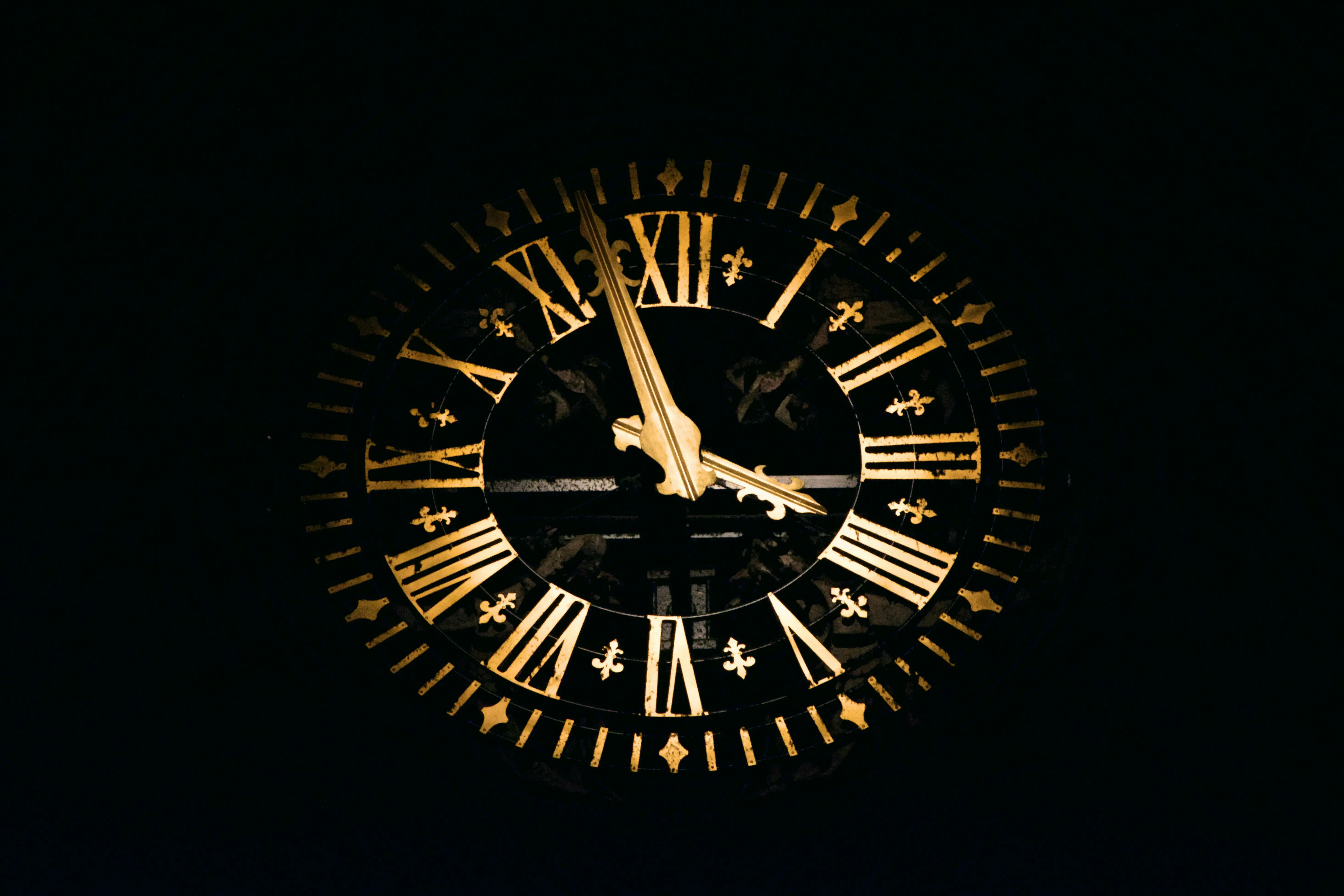
Hawaii and Alaska share a time zone
Hawaii and Alaska may seem worlds apart—one known for beaches and surfing, the other for icy wilderness—but they share a time zone for half the year. When Alaska observes daylight saving time, its clock matches Hawaii’s, which does not observe daylight saving. Both states are also home to volcanoes, surprisingly connecting these very different places.
)
)
)
)
)