From Shanghai Maglev to JR Shinkansen, 6 fastest trains in the world, check which train tops list

From Shanghai Maglev to JR Shinkansen, here's a look at the top six fastest trains in the world. This list also includes CR Harmony, CR Fuxing, DB ICE and SCNCF TGV.
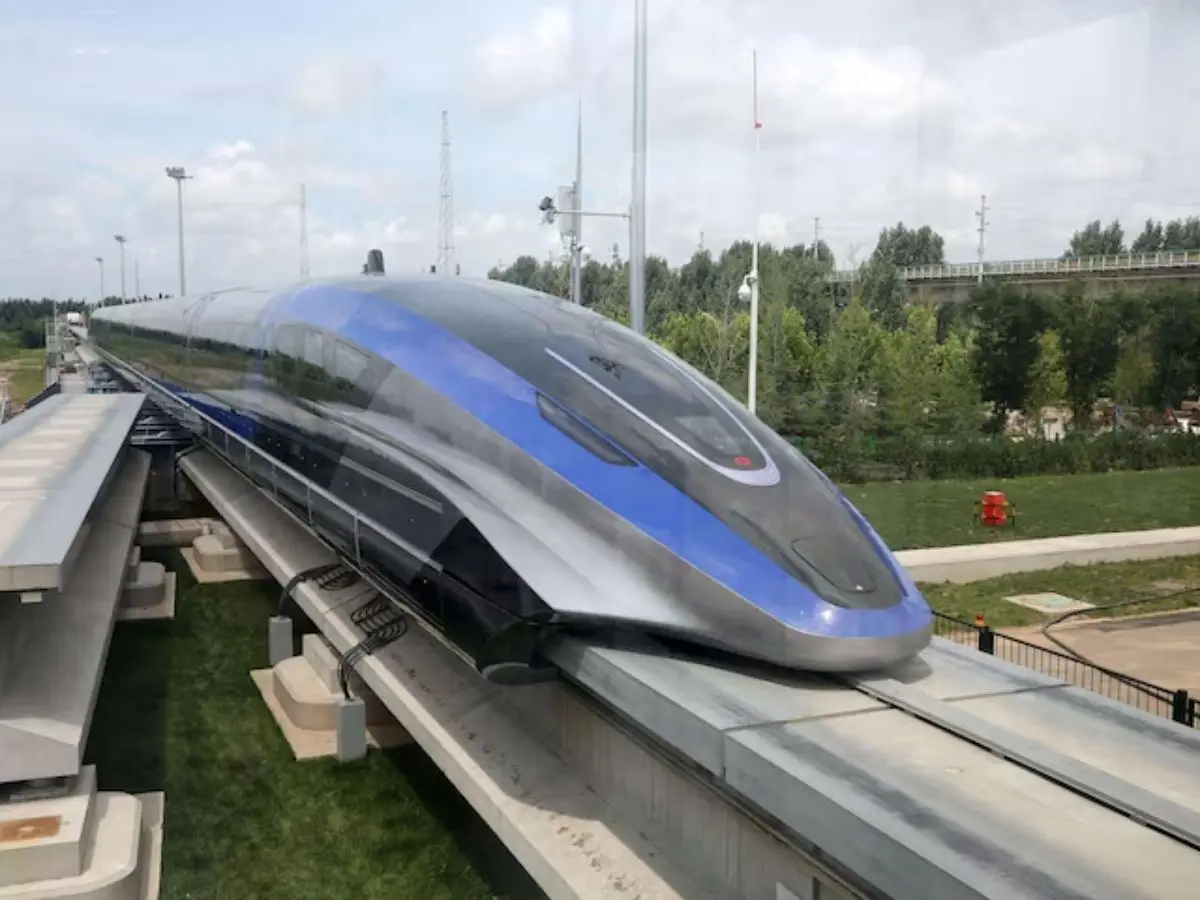
Shanghai Maglev (China) - 460km/h
The Shanghai Maglev, also called the Shanghai Transrapid, is the world’s fastest train in service. It runs at an average speed of 251 km/h and can reach up to 460 km/h. In tests, it has even touched a record speed of 501 km/h.
This train is managed by the Shanghai Maglev Transportation Development Company and was built through a partnership between Siemens and ThyssenKrupp (German companies).
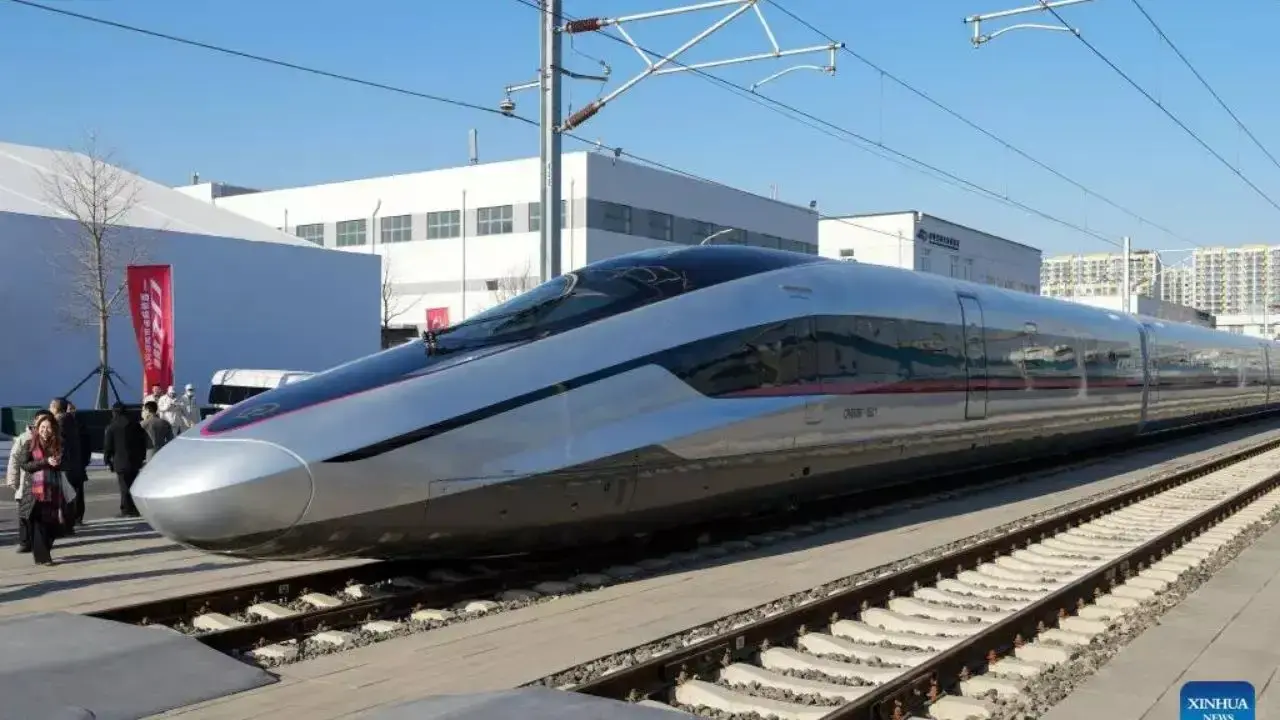
CR Harmony (China) - 350km/h
The CR Harmony, part of the CRH series of high-speed trains, runs at 350 km/h. Although it operates at the same speed as the Fuxing trains, but still it ranks higher because of its higher test speeds.
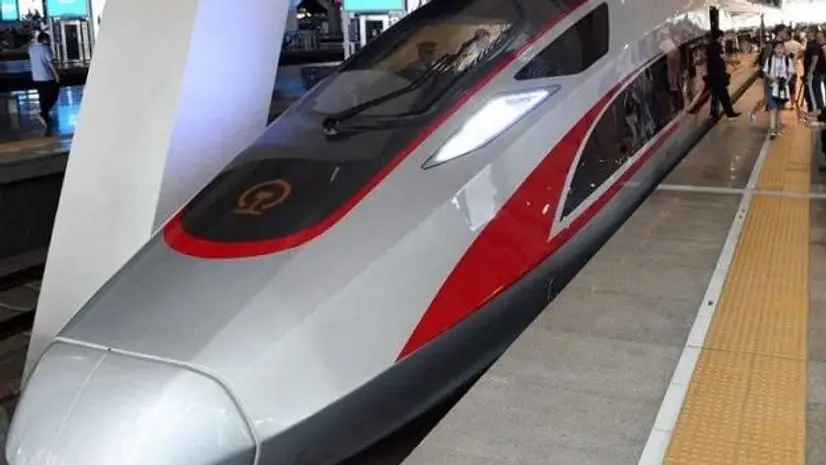
CR Fuxing (China) - 350km/h
The CR Fuxing trains are China’s first high-speed trains made entirely with local technology, without any help from foreign companies. These trains usually operate at a speed of 350 km/h but have also reached 420 km/h during trials/tests.
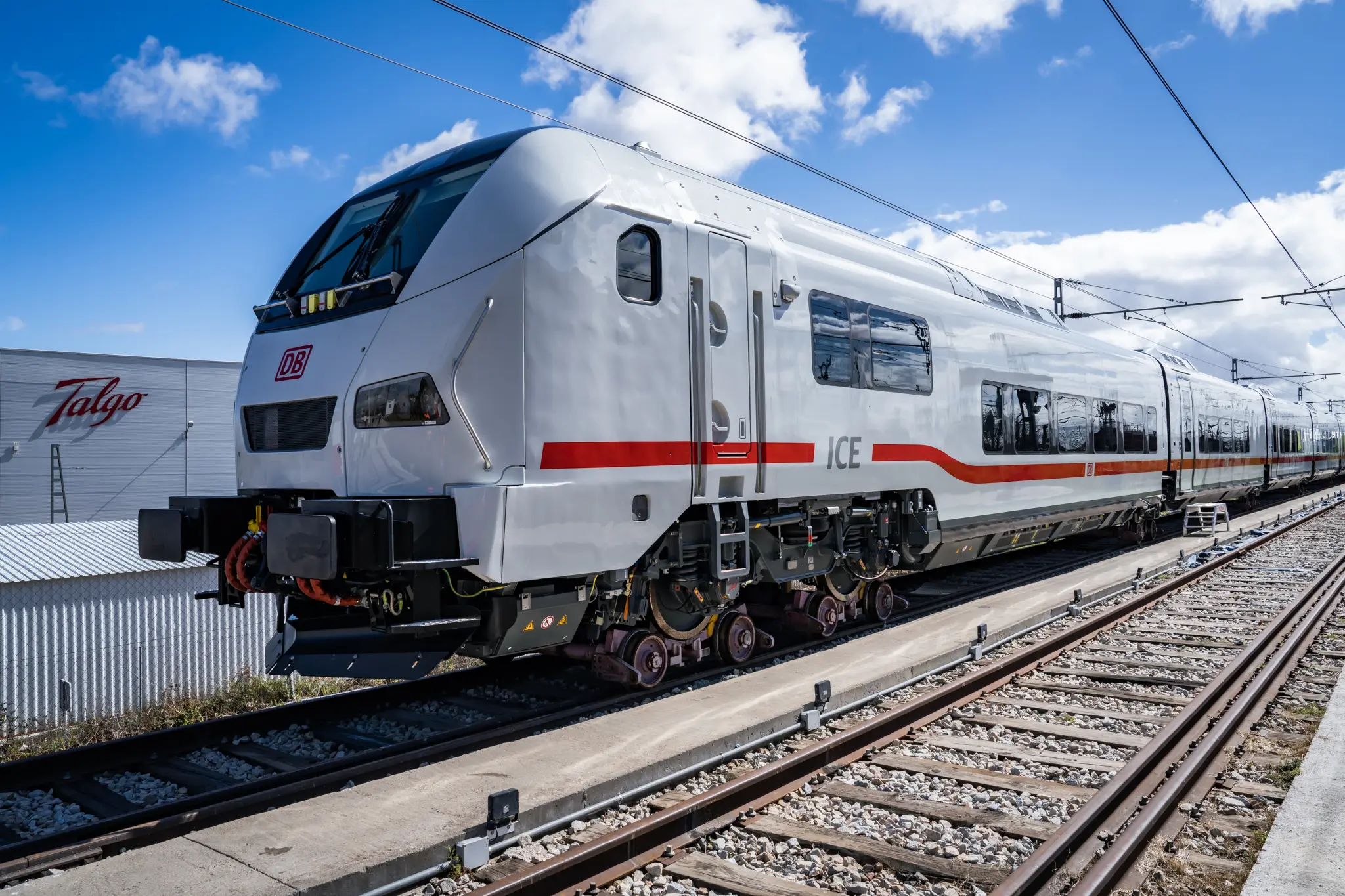
DB ICE (Germany) - 350km/h
Germany’s flagship high-speed trains, the ICE 3 series, were built by Siemens and Bombardier. These trains serve Dutch Railways and run across borders to the Netherlands, Belgium and France.
The ICE 3 series includes different versions such as ICE 3, ICE 3M, New ICE 3 and ICE 3neo. Some of these trains, called ICE International, are specially designed to operate in multiple countries.
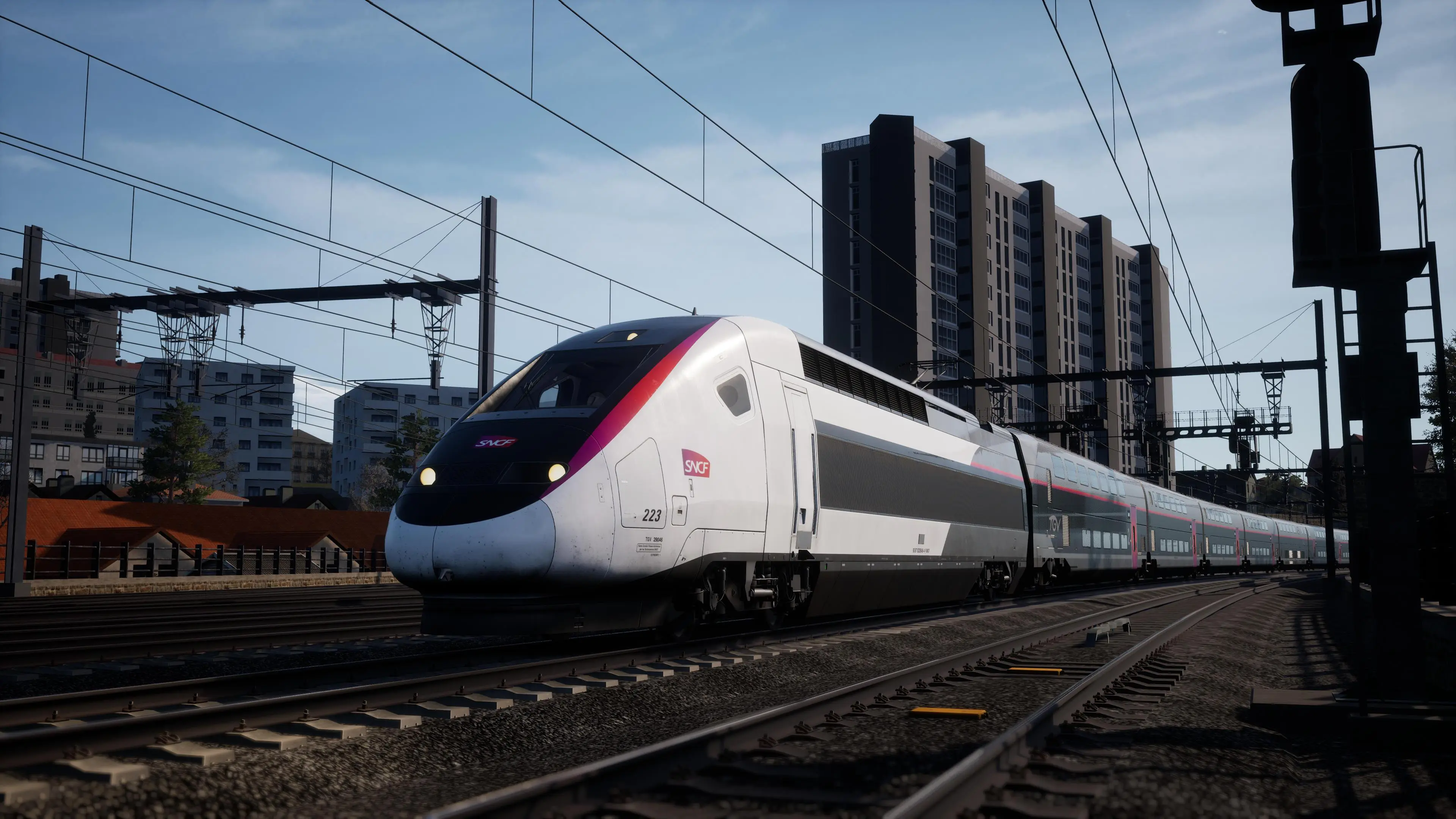
SCNCF TGV (France) - 320km/h
France’s TGV (Train Grande Vitesse) is one of the most iconic high-speed trains in the world. Since its debut in 1981, it has repeatedly broken speed records. These trains generally operates at the speed of 320km/h.
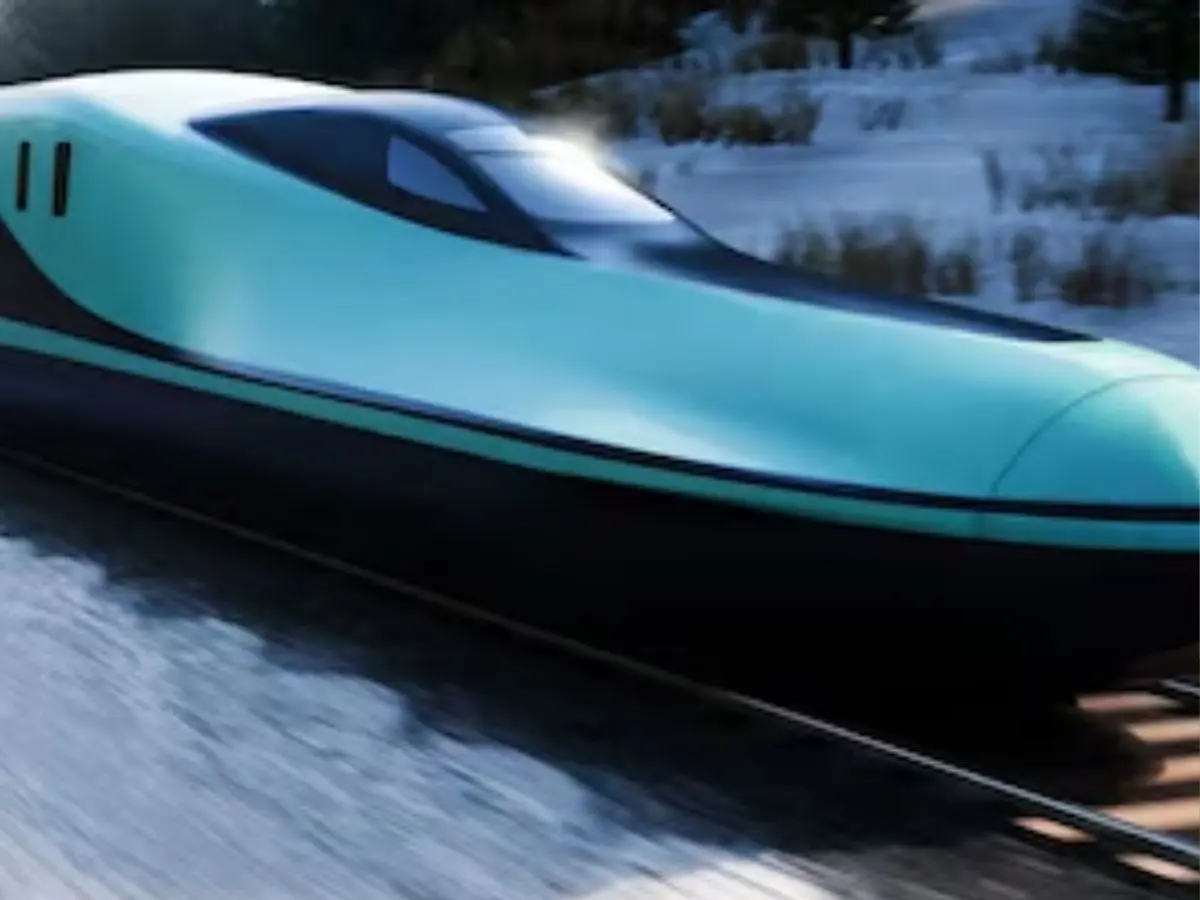
JR Shinkansen (Japan) - 320km/h
Japan’s Shinkansen, better known as the bullet train, is next train on this list. The first-generation Shinkansen had a top speed of 220 km/h, but later on modern versions like the E5 and H5 Series, built by Hitachi and Kawasaki, runs at 320 km/h.
)
)
)
)
)