6 countries where foreigners can legally join the army

Several countries still allow foreigners to serve in their national armies. Some rely on historic agreements, others on manpower needs, and a few offer enlistment as a route to citizenship.
Introduction: why states hire outsiders
Many national armed forces make formal or informal provision to recruit non-nationals. Reasons vary, historical regimental practice, manpower shortfalls, diaspora links, or pathways to citizenship, but the result is the same: foreigners in regular state militaries rather than private mercenary groups. The five examples below use the latest public data and official guidance; caveats from sources are noted where recruitment is restricted or temporarily closed.
French Foreign Legion
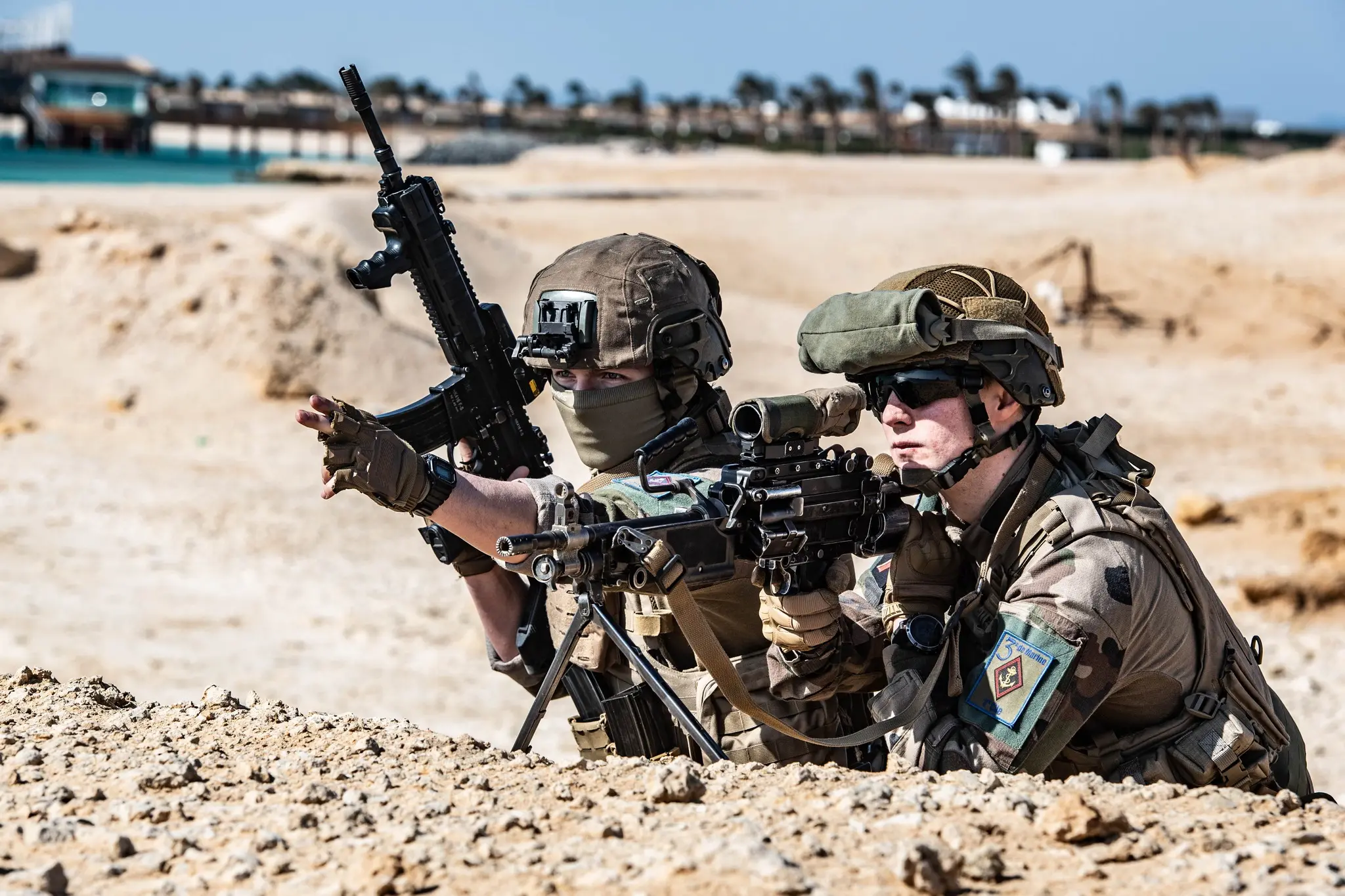
The French Foreign Legion is explicitly designed to recruit foreigners and has done so since 1831. It reports several thousand legionnaires drawn from many nationalities; recruitment runs year-round at official centres in France. (The Legion forms part of the French Army and issues five-year initial contracts.)
United Kingdom
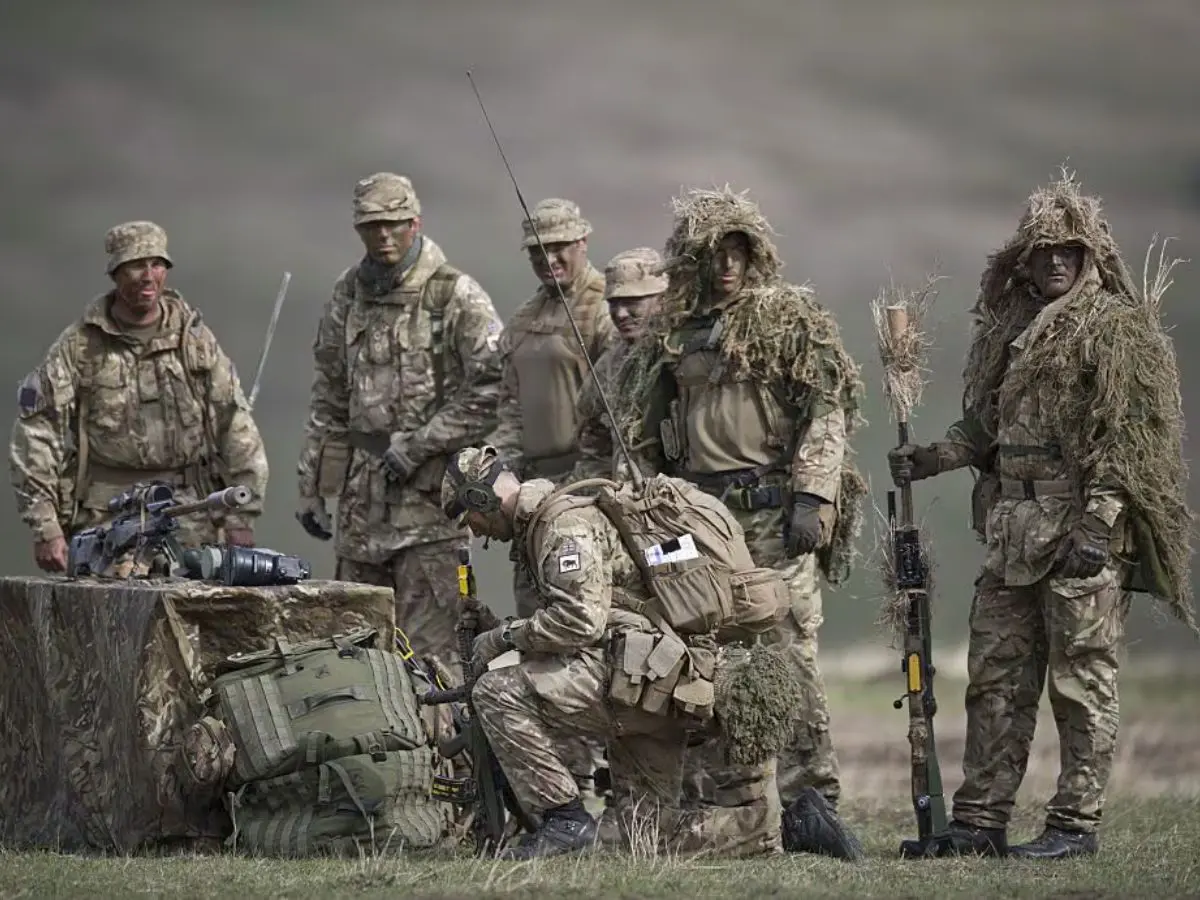
British armed forces have long accepted citizens of the UK, Republic of Ireland and Commonwealth countries, Gurkha regiments recruit Nepali citizens under historic agreements. However, recruitment windows for Commonwealth residents have at times been closed or restricted (official guidance noted a closed window for 2024 applicants except in specialist categories).
Israel
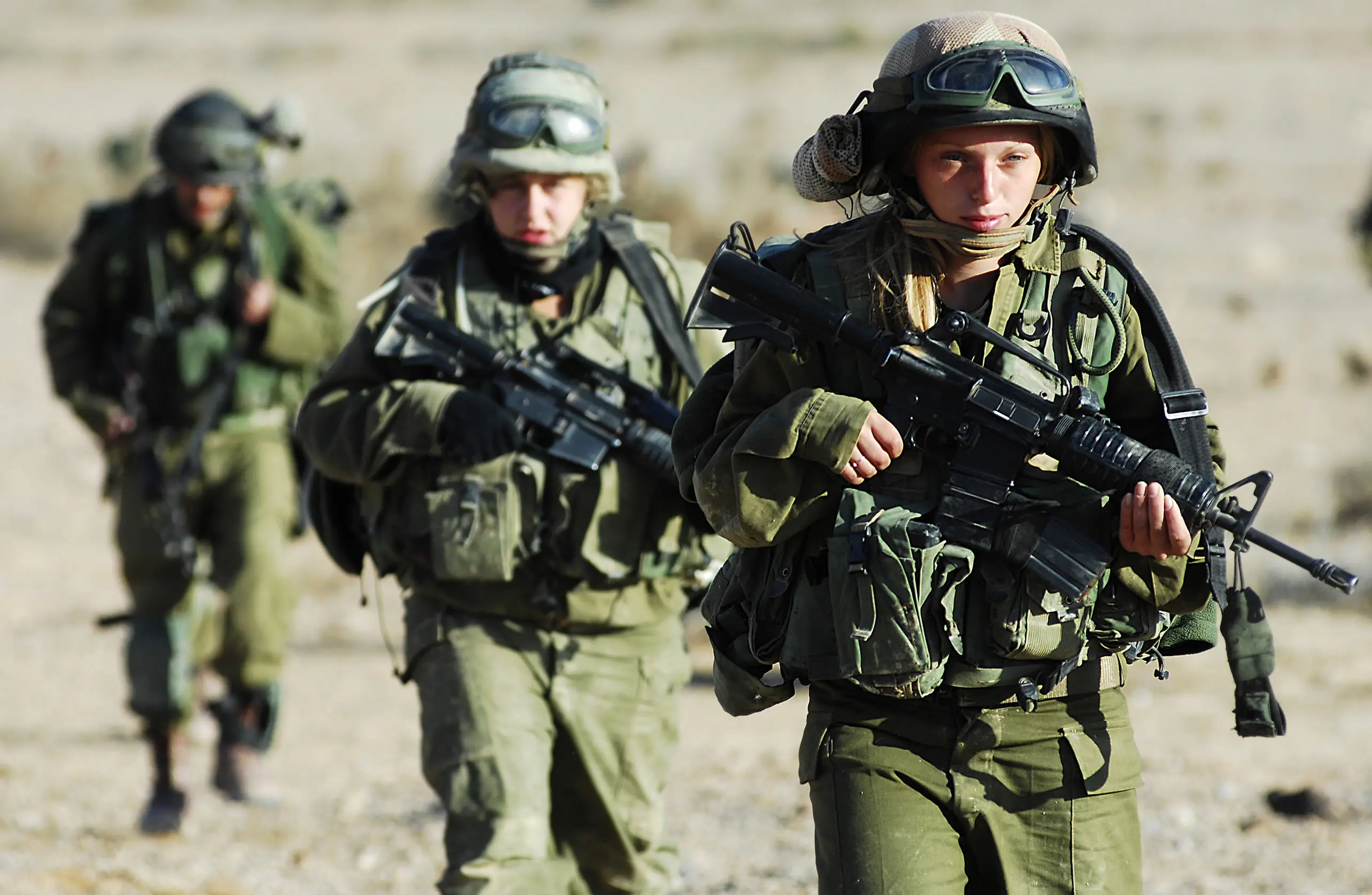
Israel operates volunteer routes for non-Israeli Jews and descendants through the Mahal programme and related tracks; these are age- and status-restricted and intended mainly for those with Jewish heritage or immigration intent. Civil and legal guidance explains which foreign volunteers may be accepted.
Ukraine
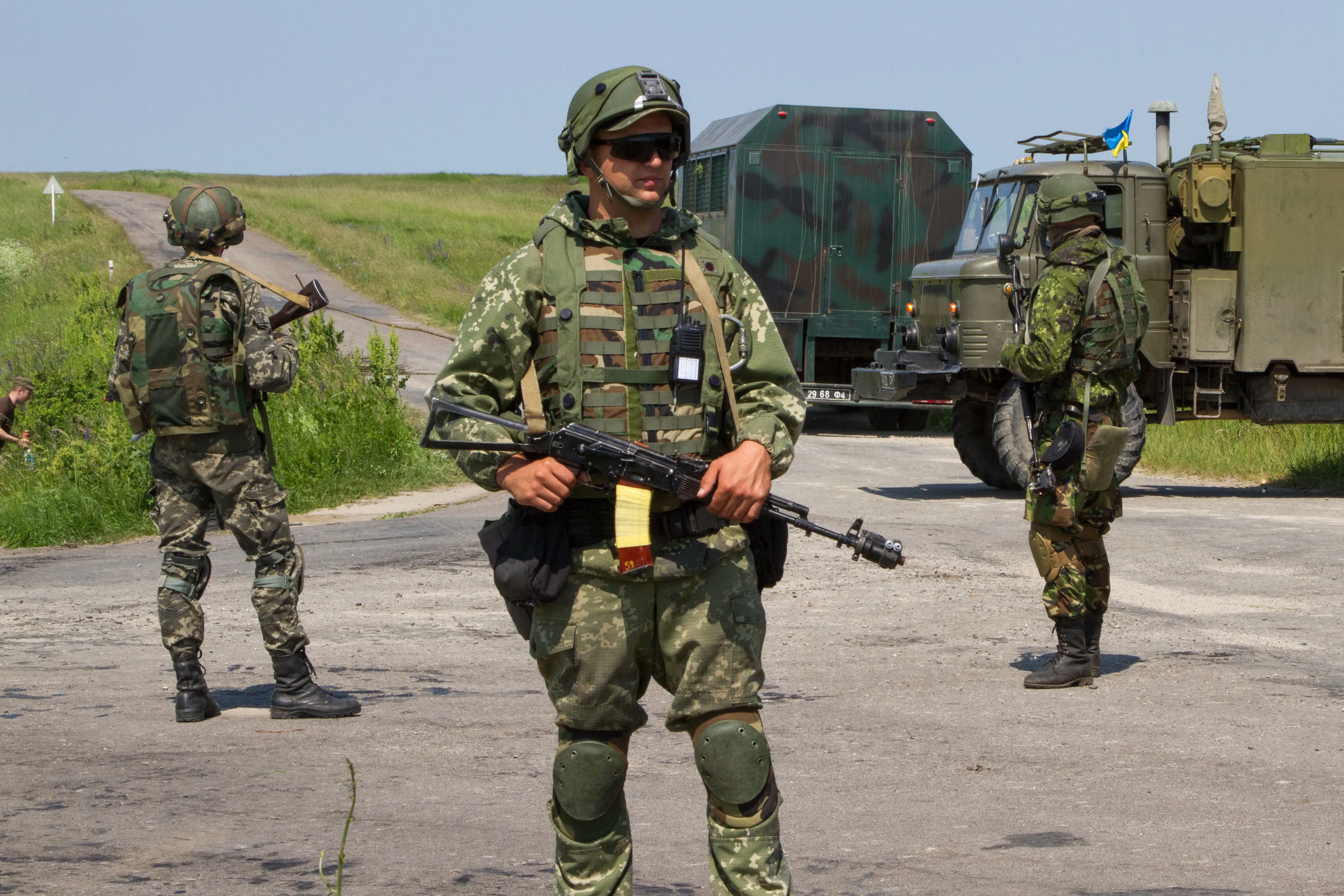
Ukraine formed the International Legion in 2022 to accept foreign volunteers to support defence operations; public figures on applications and actual fighters vary widely by source, but the phenomenon remains a major feature of Ukraine’s wartime manpower policy and has involved thousands of applicants and several thousand confirmed foreign members.
Russia
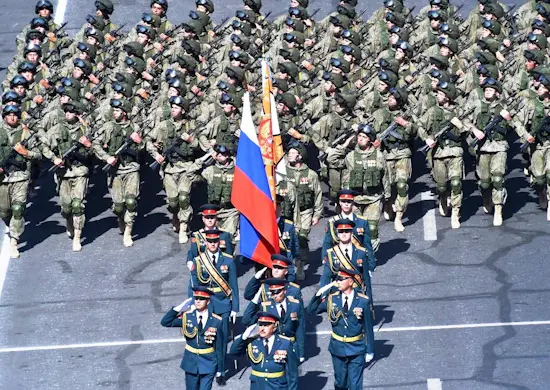
Since 2022 Russia introduced simplified procedures for foreigners to sign contracts and obtain Russian citizenship after service; Moscow further relaxed rules in 2025 permitting broader foreign enlistment during mobilisation periods, a recent policy change publicised in multiple reports.
India
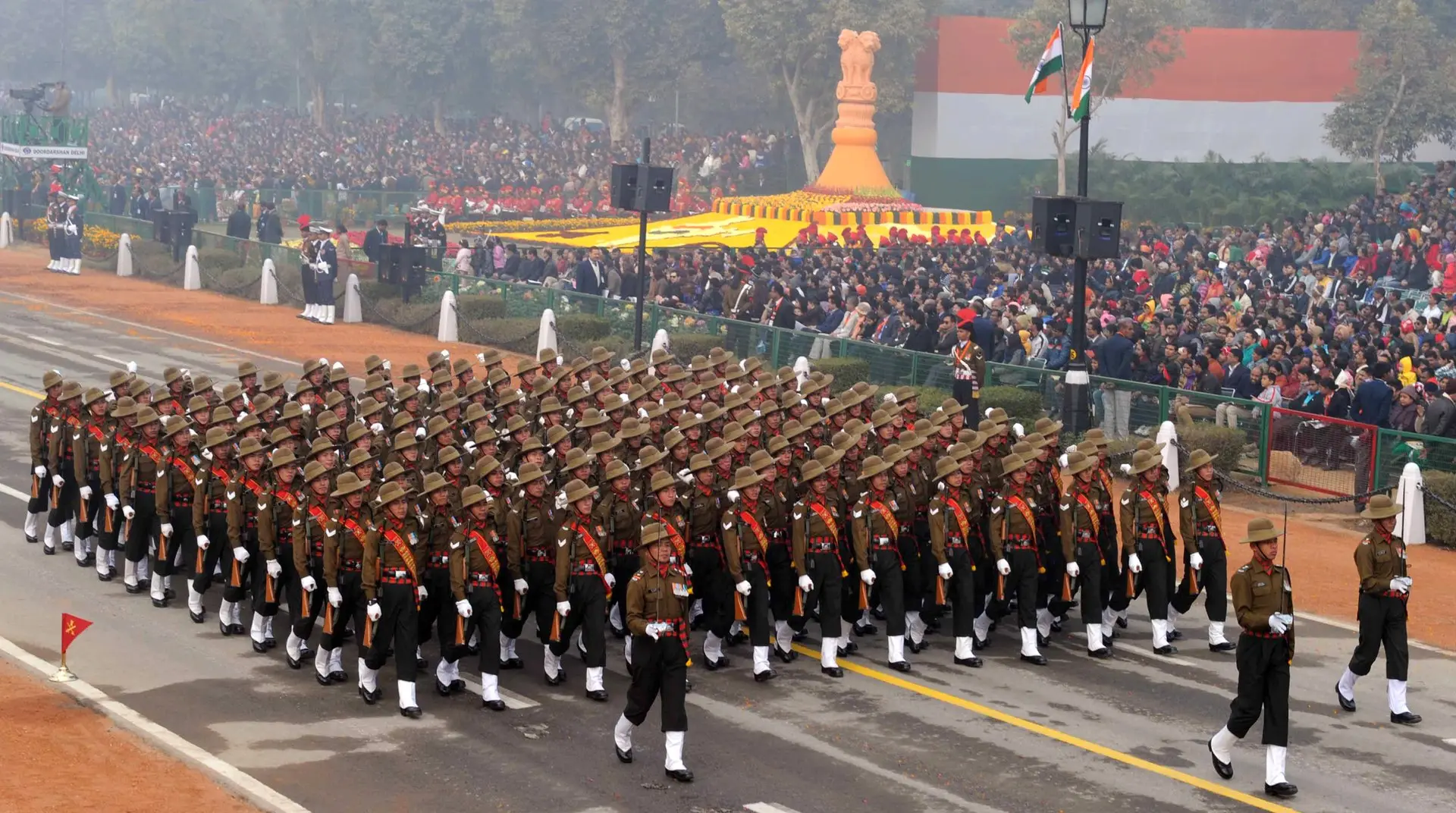
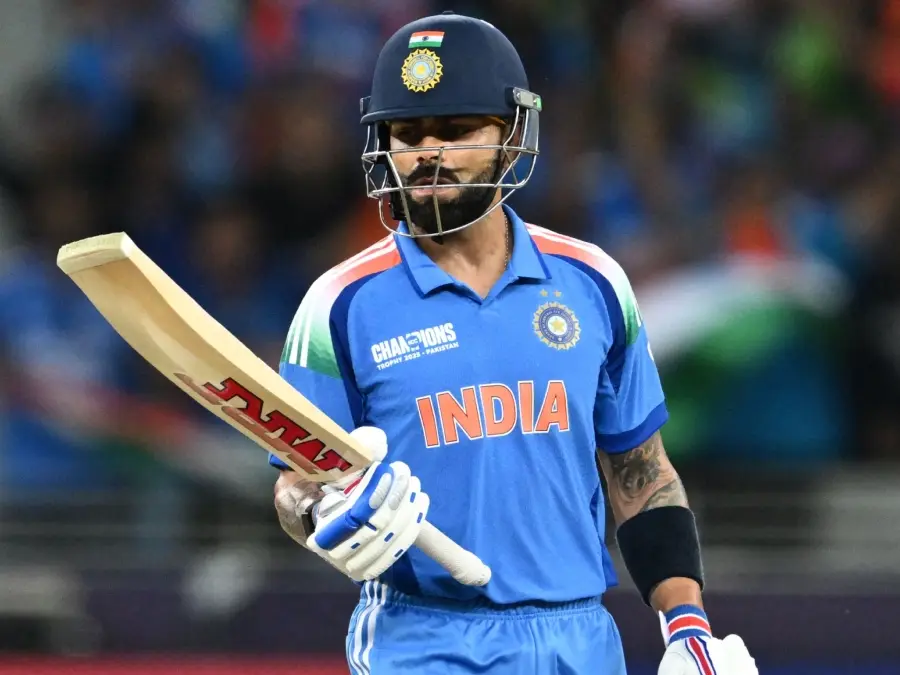
India does not maintain a standing programme like the French Legion, but it has provisions for recruiting certain categories of foreigners. Regulations allow Nepalese and Bhutanese citizens to serve due to longstanding treaty arrangements, and individuals of Indian origin from other countries may be considered in specific cases. These arrangements remain narrow and heavily regulated, and recruitment figures are not comparable to larger foreign enlistment schemes elsewhere. Additionally, since around 2020, and more decisively after the introduction of India’s Agnipath scheme in 2022, Nepal has stopped allowing its citizens to enlist under the new short-term service rules.
)
)
)
)
)