5 smartest AI-powered weapons currently in service

The world's 5 smartest AI-powered weapon systems, like the Smash 2000L rifle scope, India's AI Negev LMG, and AI-scouting drones, are already in service, making modern combat faster, safer, and more high-tech.
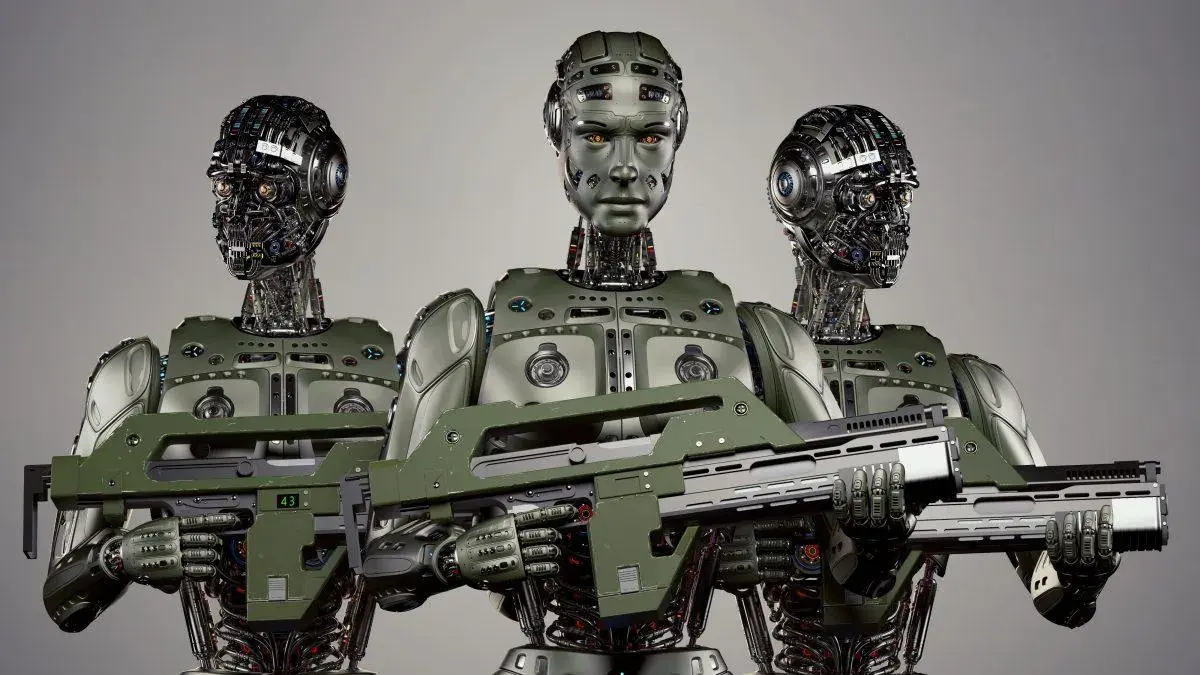
AI in Action New Face of Modern Warfare
Artificial intelligence now powers many of the world’s most advanced weapon systems. These smart arms can identify targets, track threats and even act on their own. Militaries in the US, Israel, India, Russia and China use AI weapons ranging from smart rifles to autonomous missile drones.
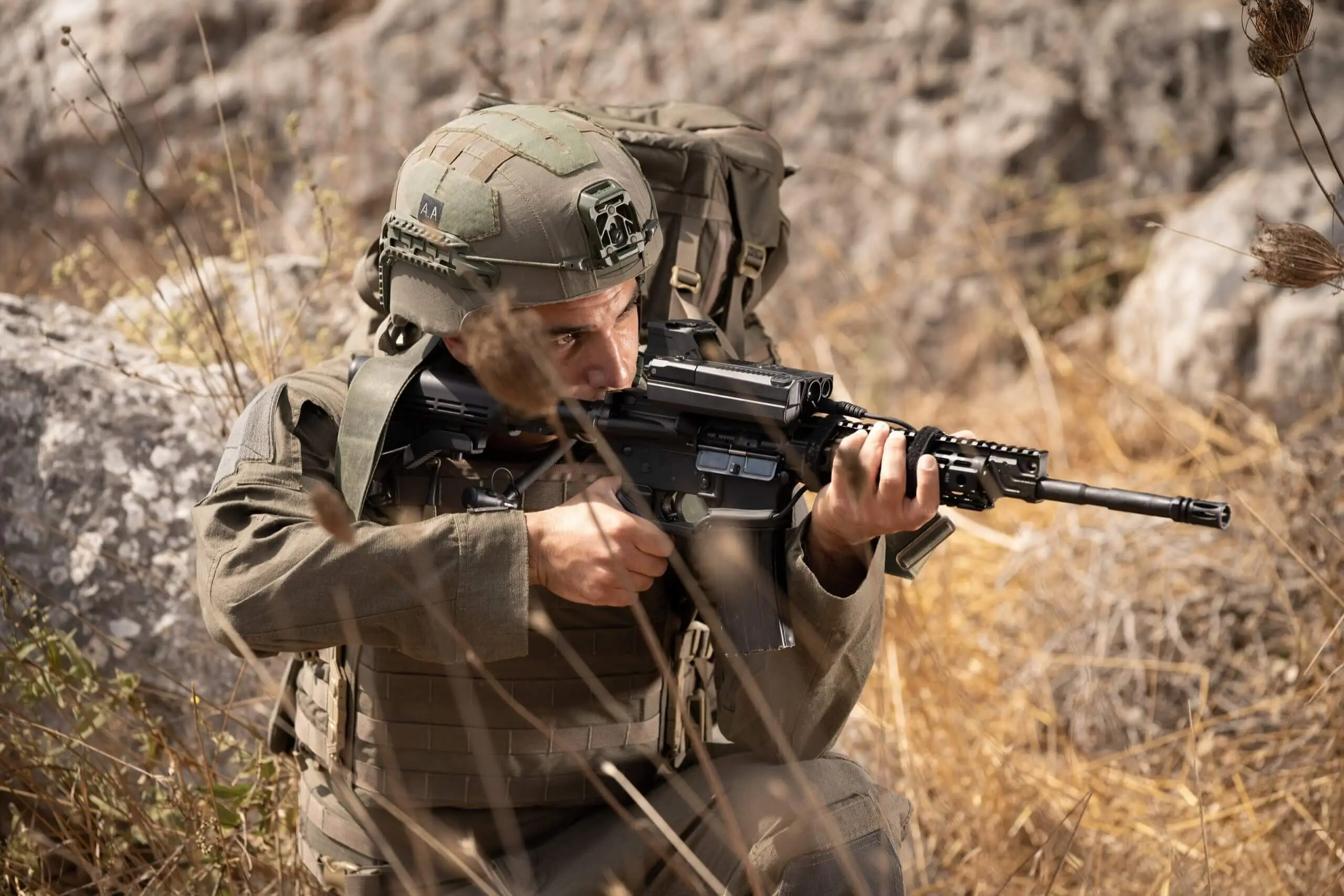
Smash 2000L AI Smart Scope for Soldiers
The Smash 2000L, used by US, Israeli and Indian forces, is an AI-powered sight that turns a regular rifle into a smart weapon. It tracks and locks onto fast-moving targets, including drones, and only allows the gun to fire when perfectly aimed. This improves accuracy and helps even average shooters engage threats quickly and safely.
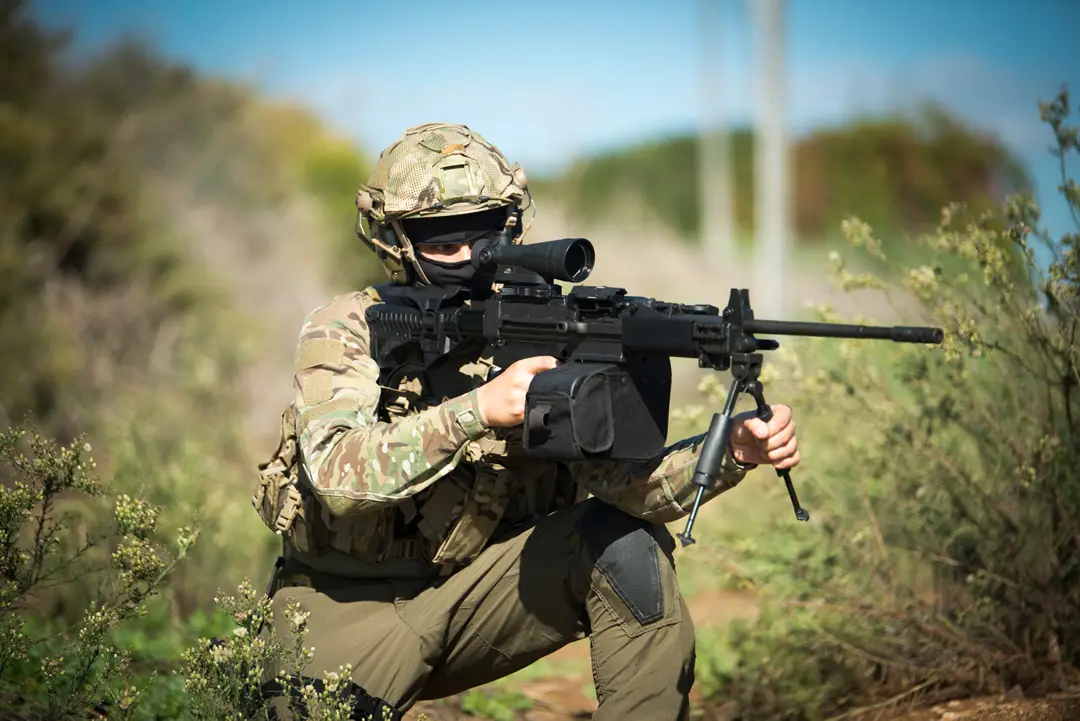
AI-Enabled Negev LMG India’s Autonomous Machine Gun
India tested its AI-powered Negev light machine gun at high altitude in 2025. The system can spot, classify and attack targets automatically, even in mountainous terrain. Using sensor fusion, remote commands and intelligent firing, it reduces risks for soldiers and strengthens border security.
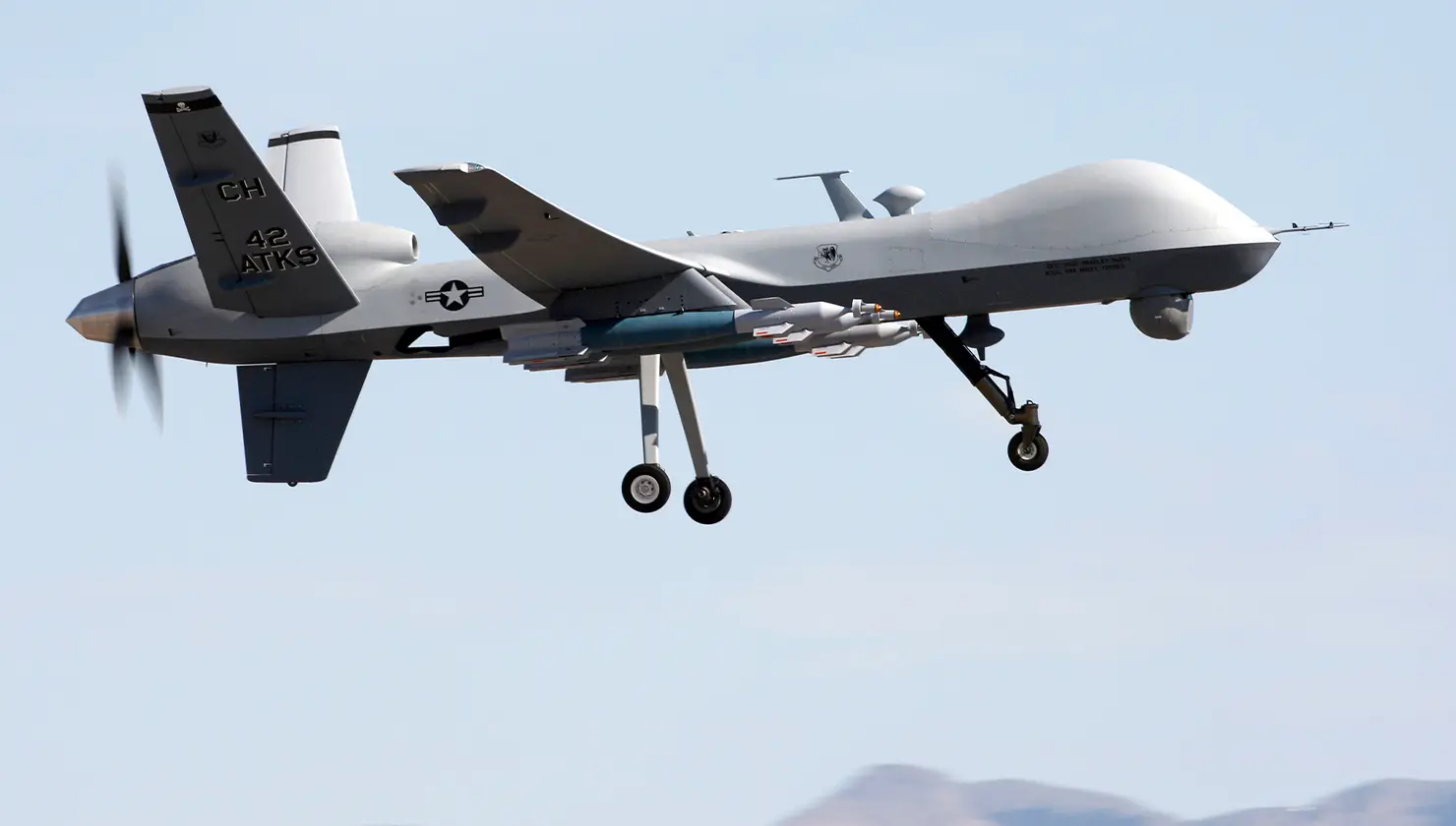
Loitering Munitions AI Drones on the Hunt
Drones like Israel’s IAI Harop and the US Switchblade are known as loitering munitions or kamikaze drones. Guided by AI, they search for threats, circle above, identify targets and strike without direct human control. These weapons are widely used today for precise and cost-effective attacks.
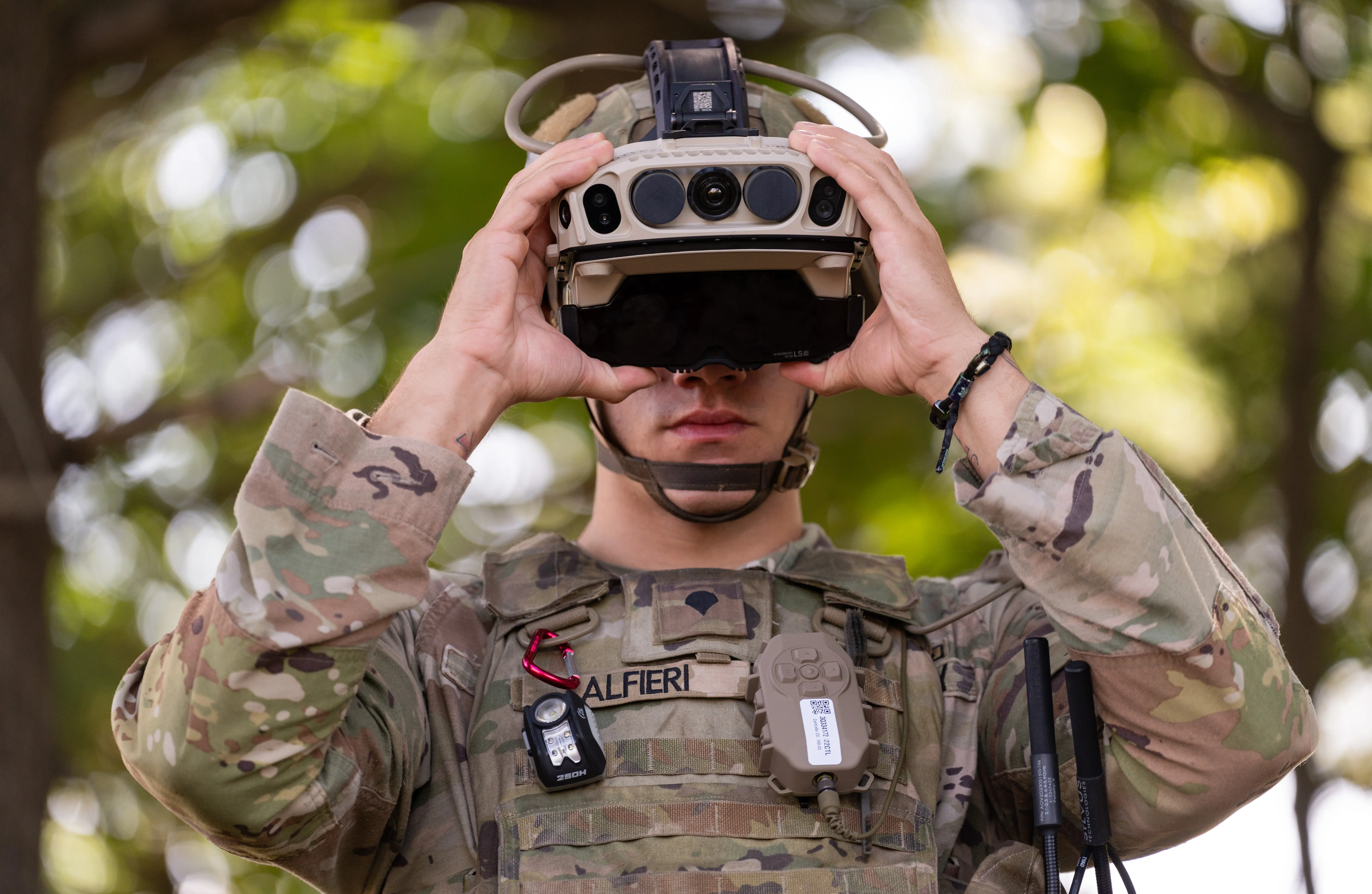
Microsoft IVAS AI-Augmented Battlefield Vision
The US Army’s IVAS headset, developed with Microsoft, puts AI in the soldier’s field of vision. It merges night vision, thermal imaging and smart maps, overlaying targets and mission information on the helmet display. This helps soldiers make faster decisions and improves team coordination.
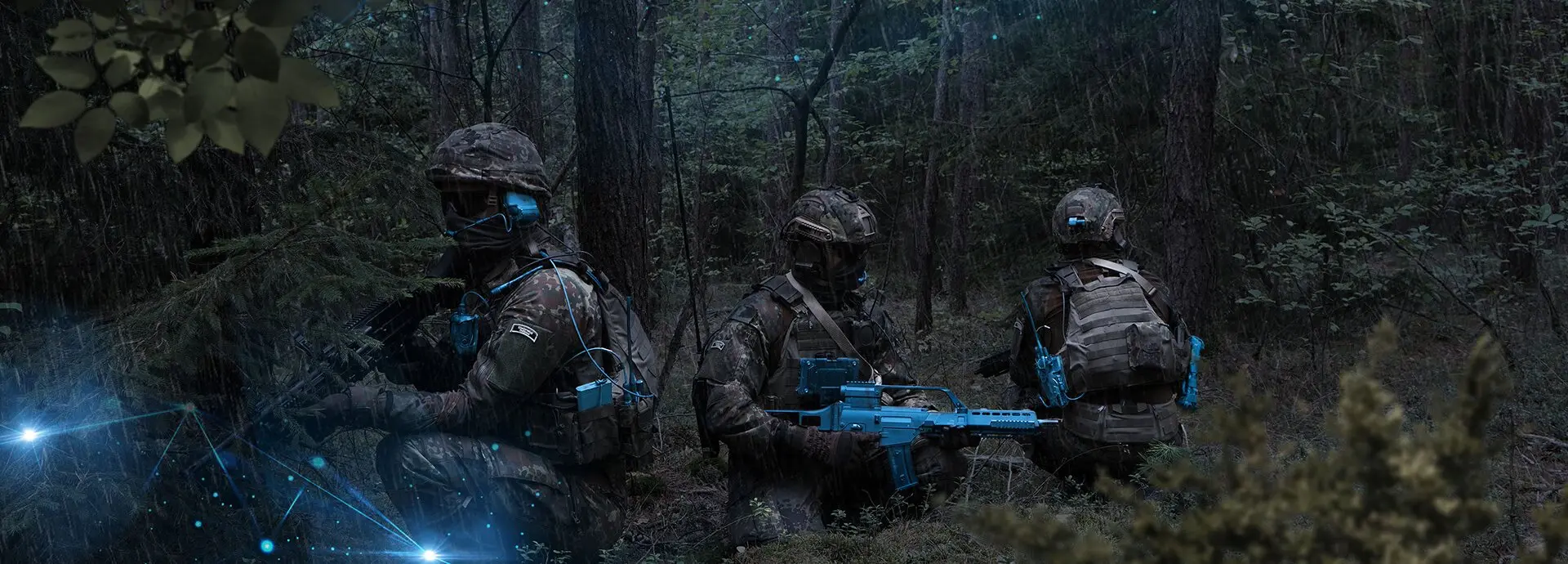
Gladius 2.0 Germany’s Networked Digital Platoon
Gladius 2.0 connects German infantry with an AI-powered network using rugged tablets, smart helmets and sensors. The AI filters battlefield data, highlights threats, suggests routes and supports command decisions, making every soldier safer and more effective in combat.
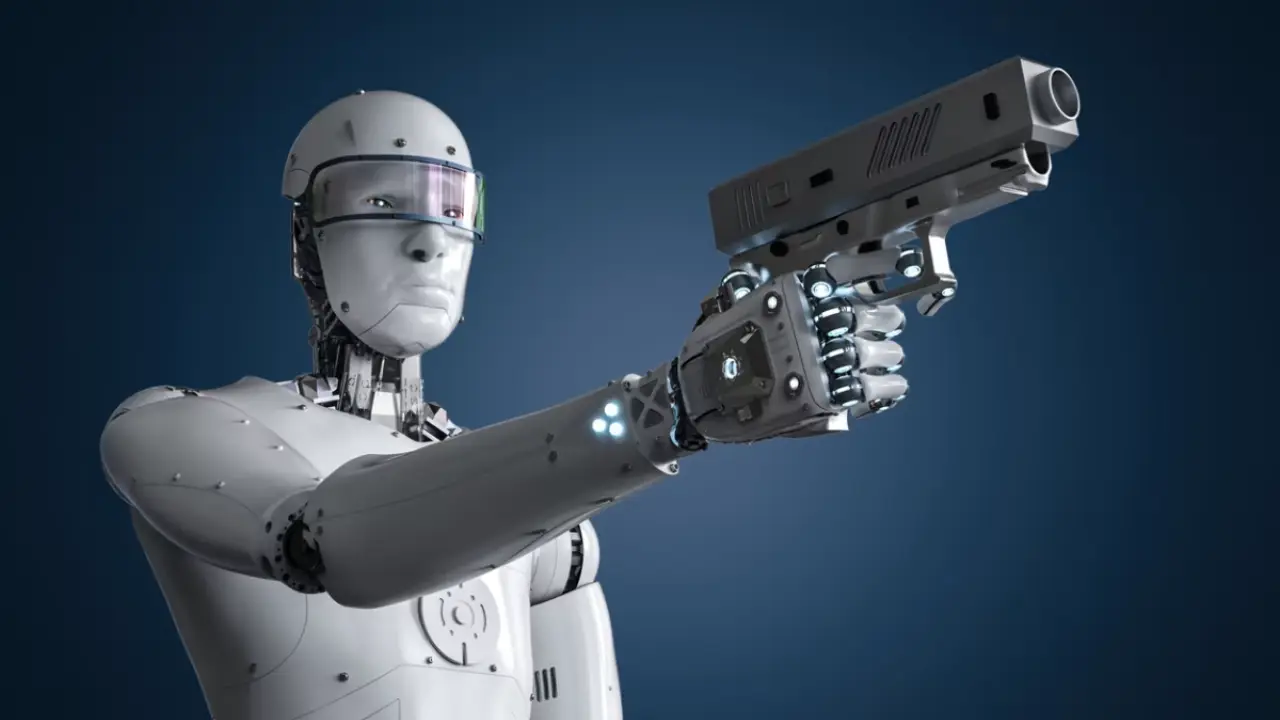
The Rise of AI Weapons Future and Risks
AI weapons bring faster, smarter and more lethal systems on land, sea and air. As these tools become common, countries face challenges around autonomous actions, ethical choices and keeping human control.
)
)
)
)
)