5 similarities between a fighter jet and a formula 1 car

Aerodynamics is life in both aviation and motorsport. Fighter jets are crafted to slice through air with minimal drag while maintaining stability at supersonic speeds. Similarly, F1 cars are precision-shaped to generate optimal downforce, keeping them glued to the track at over 300 km/h.
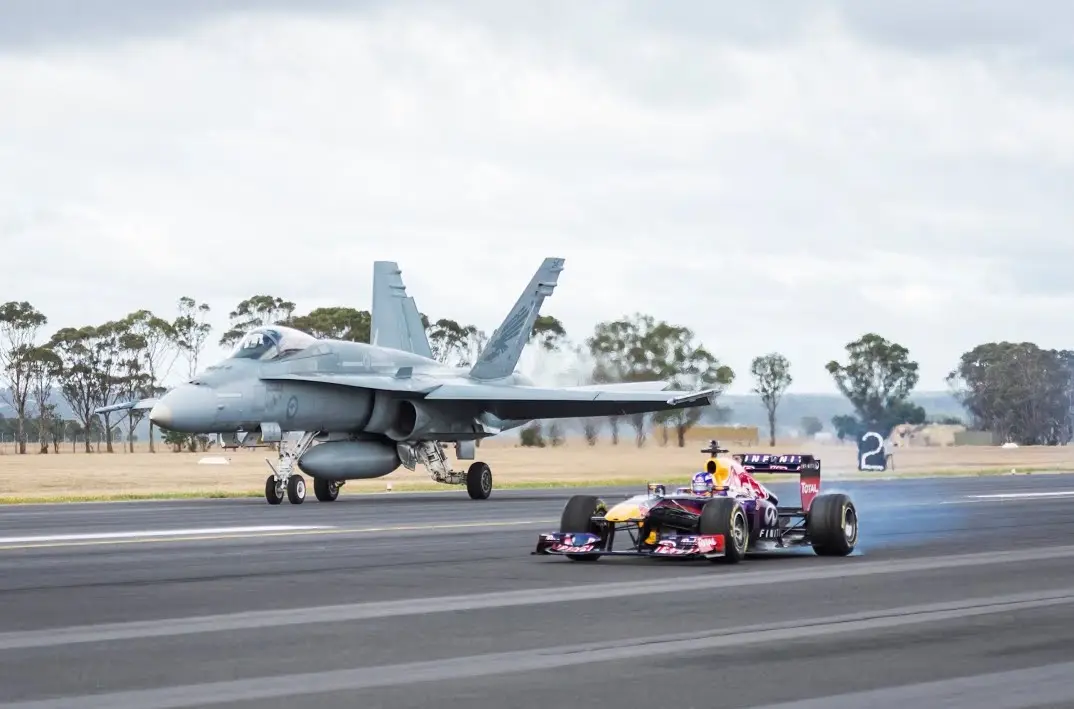
Fighter Jet vs Formula 1 Car
They may operate in totally different domains—one tearing through the sky, the other screaming across tarmac—but fighter jets and Formula 1 cars share more than just speed. Here’s how these two extreme machines and the people inside them, mirror each other in design, performance, and pressure.
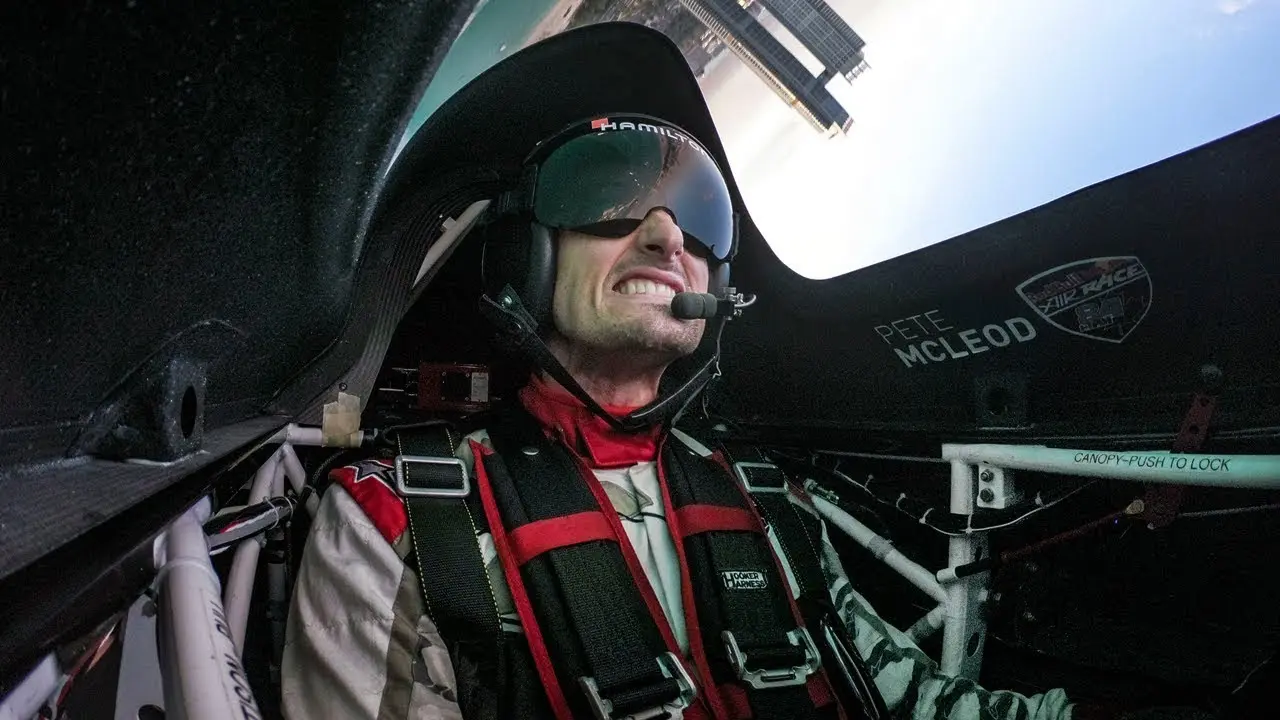
Extreme G-Forces
Whether it’s a fighter pilot pulling a 9G turn or an F1 driver taking a high-speed chicane at 5Gs, both are pushing their bodies to the limit. The force of gravity in these moments can cause blackouts, tunnel vision, and immense strain on the neck and core. That’s why both fighter pilots and F1 drivers undergo intense physical training, especially focused on neck strength and cardiovascular endurance, just to stay conscious and sharp during these extreme conditions.
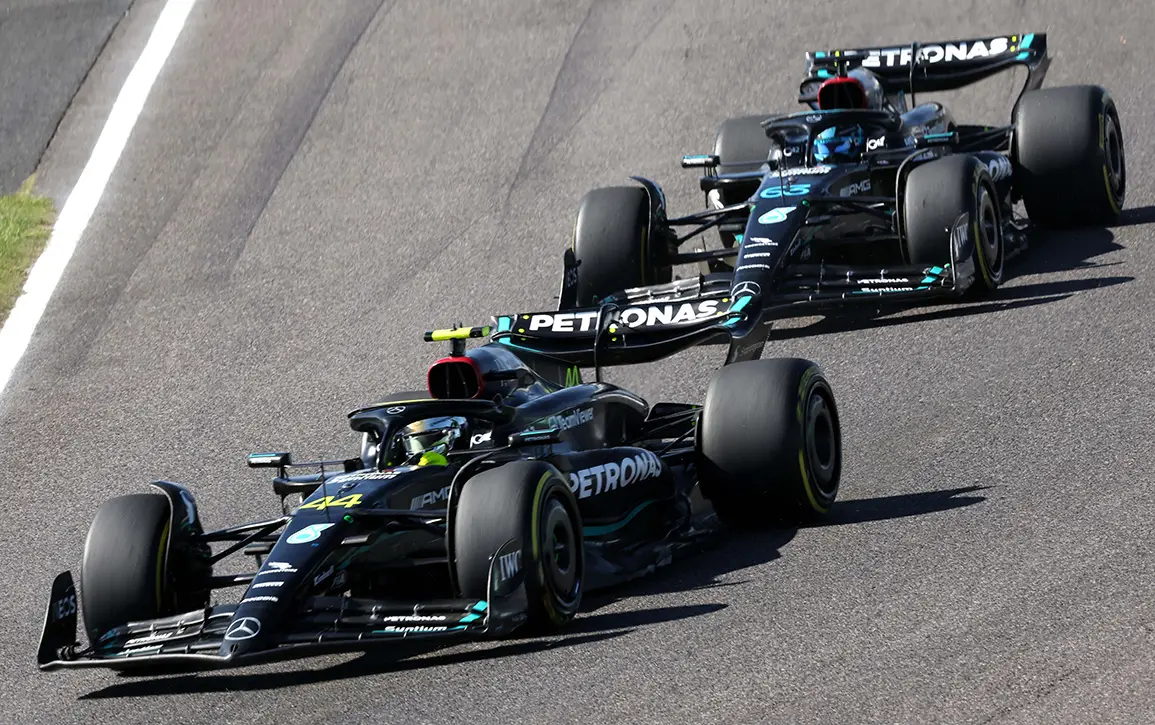
Aerodynamics Rule Everything
Aerodynamics is life in both aviation and motorsport. Fighter jets are crafted to slice through air with minimal drag while maintaining stability at supersonic speeds. Similarly, F1 cars are precision-shaped to generate optimal downforce, keeping them glued to the track at over 300 km/h. Every curve, flap, and angle on both machines is tested, often in wind tunnels, to squeeze out the tiniest advantage. Engineers in both domains spend countless hours tweaking designs to gain milliseconds.
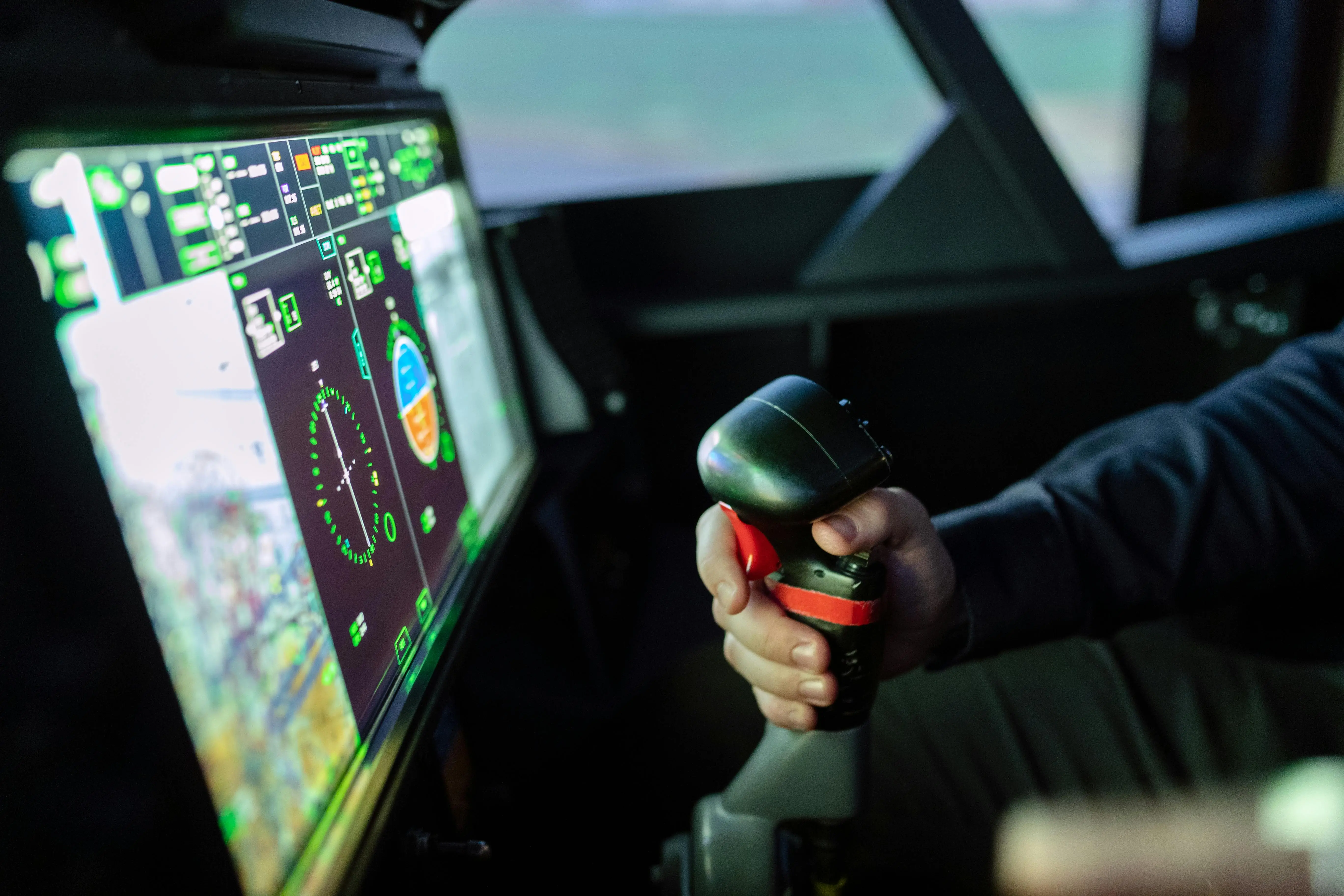
Cockpit Design = Minimal, Functional, and Isolated
Step inside an F1 cockpit or a fighter jet and you’ll find a no-nonsense environment built purely for control and survival. Fighter pilots have a head-up display (HUD), control sticks, and a sea of switches, each critical to navigation and combat. F1 drivers, meanwhile, grip a steering wheel loaded with over 20 buttons, dials, and toggles, managing everything from engine modes to brake balance. In both cockpits, there’s zero room for luxury—only precision, ergonomics, and lightning-fast access to commands.
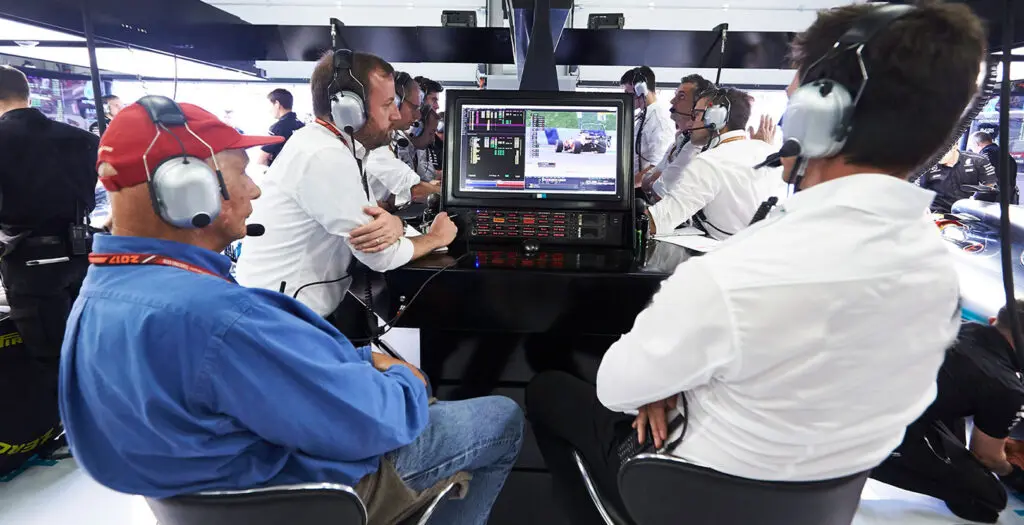
Real-Time Data Streaming to Ground Teams
In both fields, data is king. Fighter jets and F1 cars constantly transmit real-time telemetry, covering engine performance, temperatures, g-forces, fuel levels, and dozens of other metrics, to support teams on the ground. For F1, this helps race engineers make live strategy calls or flag technical issues before they cause a crash. In combat aviation, ground control can monitor the aircraft’s health or intervene during critical missions. The ability to manage complex systems remotely is a core similarity.
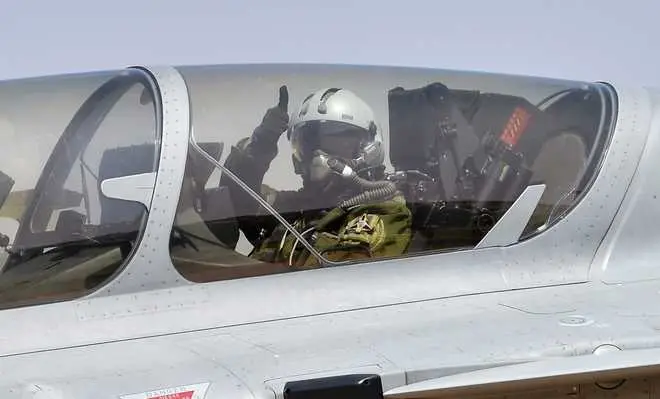
The Machine Is Custom-Tuned to the Human
No two cockpits are exactly alike because they’re custom-fit to the human inside. Fighter jets are tailored to suit each pilot’s body dimensions, eye line, and even hand size. F1 drivers also undergo custom seat fittings, pedal adjustments, and helmet integration to match their physical needs and comfort. The relationship between human and machine is so intimate that any small change can affect control, confidence, and performance. It’s man and machine fused into one ultra-responsive system.
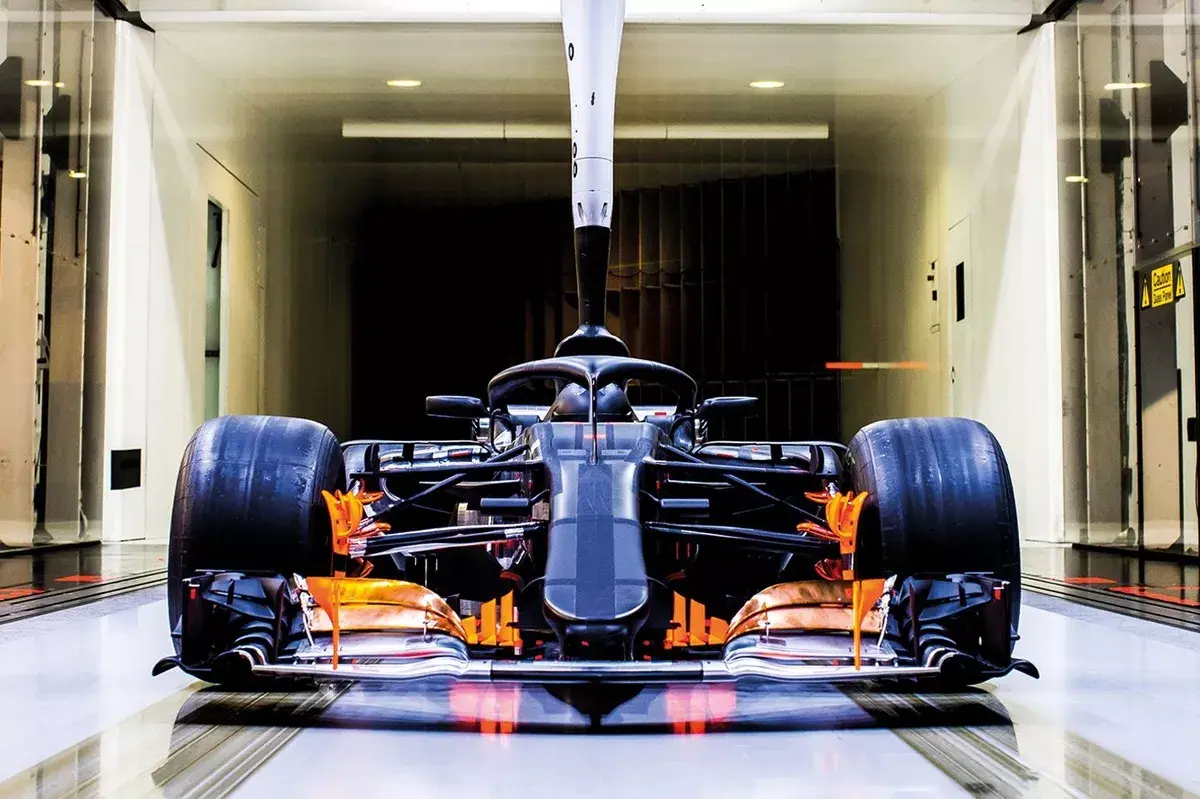
Both Use Wind Tunnels and Simulators for Training
Before they even hit the air or track, fighter jets and F1 cars go through extensive virtual and physical testing. Engineers rely on wind tunnels to fine-tune airflow and shape, while pilots and drivers use hyper-realistic simulators to train under pressure. In both industries, simulators replicate real missions or races to build muscle memory and decision-making skills. It’s safer, cheaper, and essential for elite-level performance.
)
)
)
)
)