5 of the world’s most secure bunkers that are nearly impossible to breach

From hidden cities to mountain fortresses, top nations have built ultra-secure command bunkers to protect leaders during crises. Built to survive war and cyber attacks, these bunkers hide advanced tech few know about.
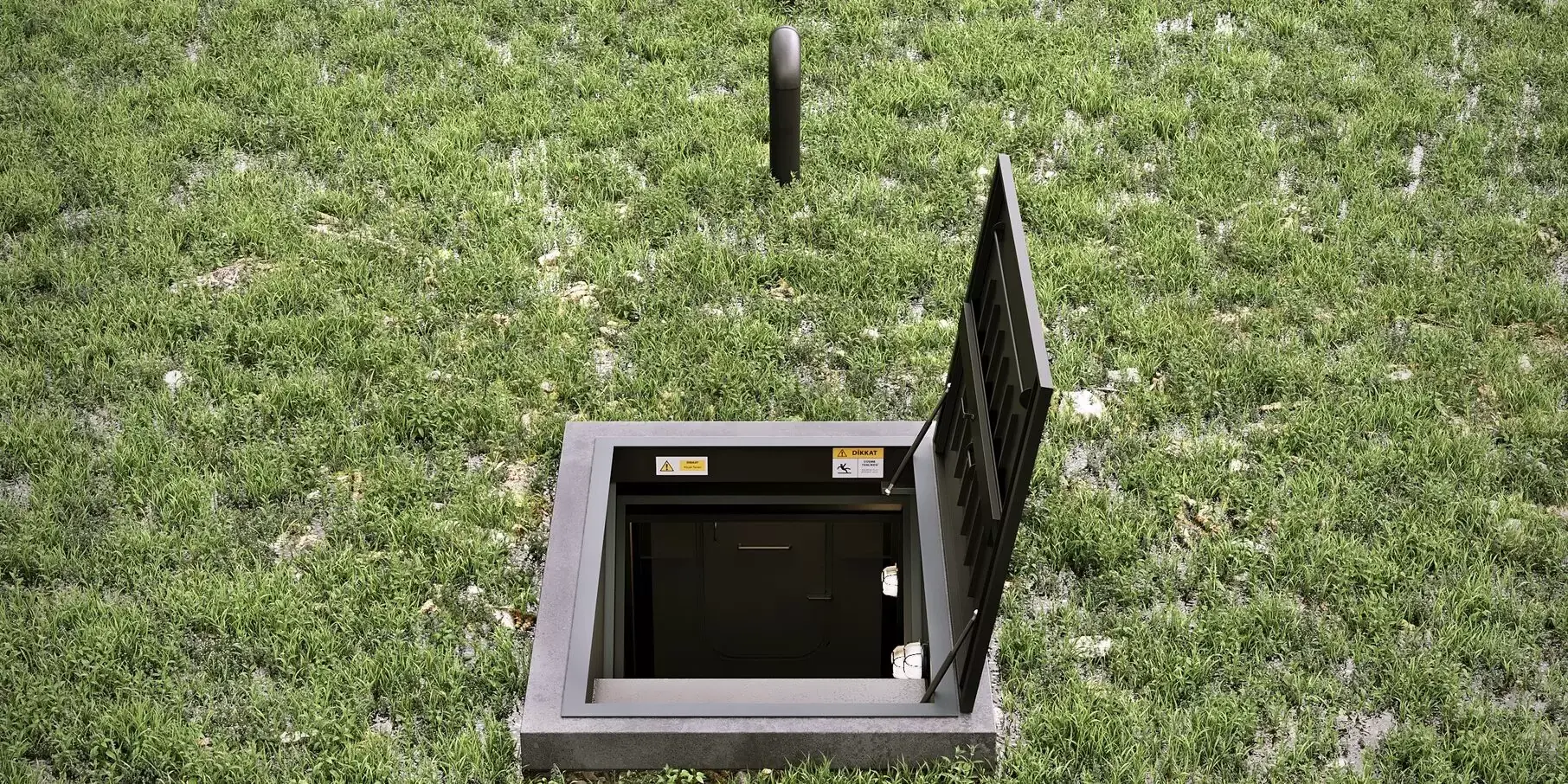
Underground fortresses what are command bunkers
Command bunkers are underground bases built to keep leaders and military control protected during war. It uses layers of concrete, steel and advanced systems to withstand nuclear strikes.
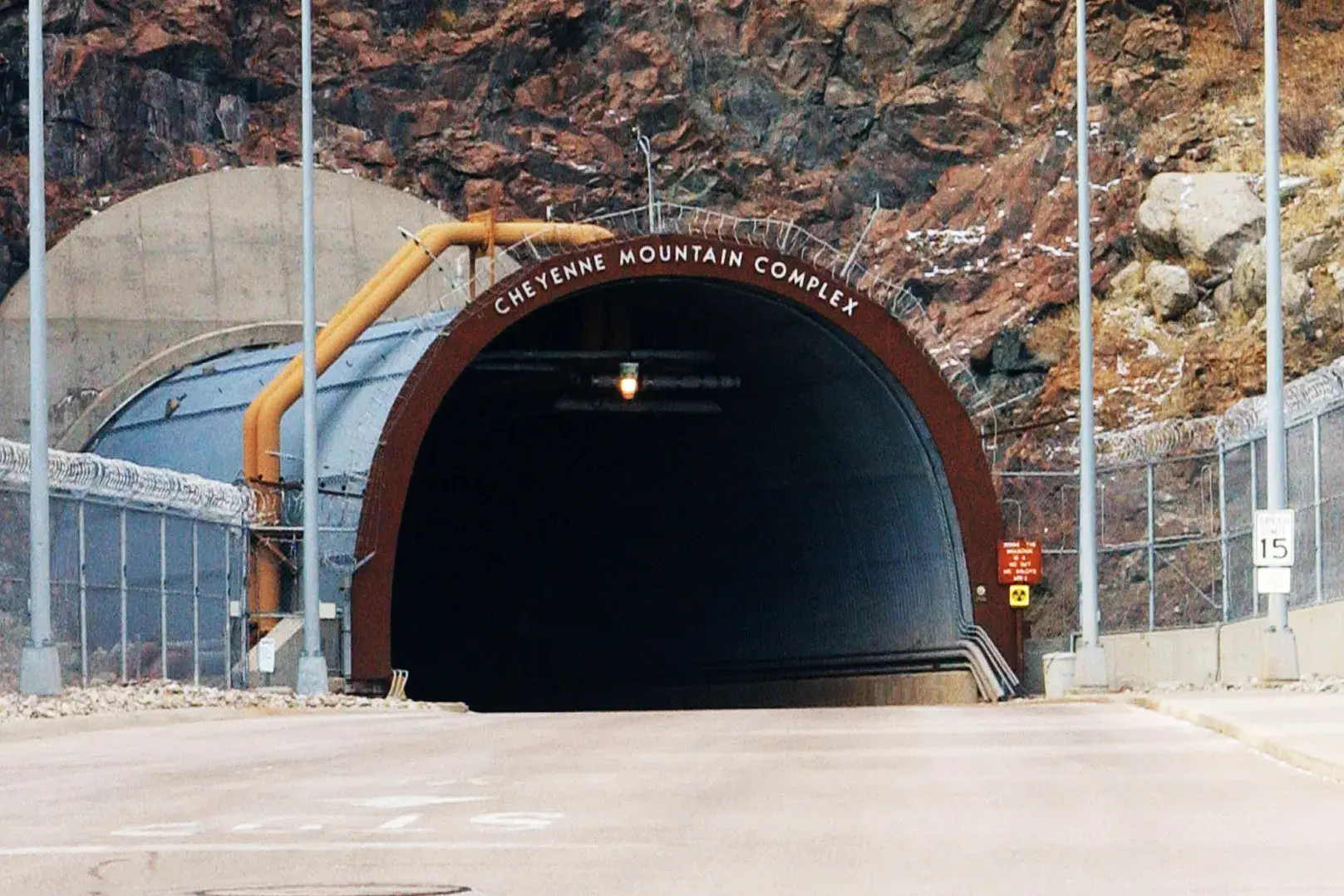
Cheyenne Mountain Complex, USA
Located in Colorado, Cheyenne Mountain sits buried under 600 metres of granite. It houses North American Aerospace Defence Command, or NORAD. The site has huge blast doors, its own power plant and water supply, and it can operate sealed off from the outside world for months, as it has all the required essentials.
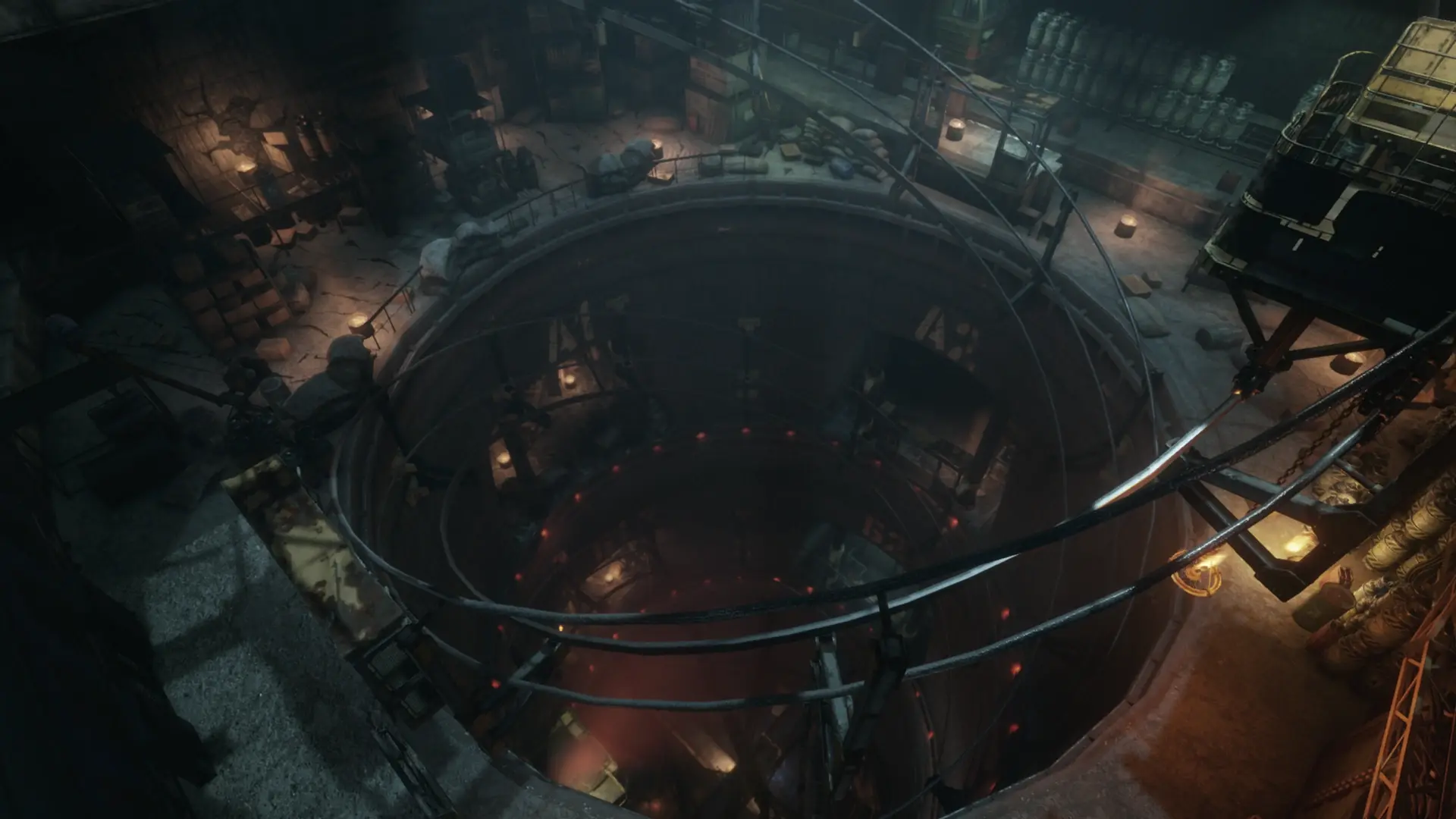
Moscow’s Mount Yamantau, Russia
Mount Yamantau in the Ural Mountains is surrounded by secrecy. Russian sources claim the underground facility has hardened communications, storage for supplies and backup command posts for Russia’s military leadership. Its construction began in the 1990s and continues to this day, with little transparency from the Russian government. The area is heavily guarded and inaccessible to the public.

Beijing underground city, China
Built during the Cold War, Beijing’s multi-level underground city was designed for leaders and the military. Reports say it links to command centres, hospitals and storage sites and is believed to have reinforced shelters against nuclear attack.
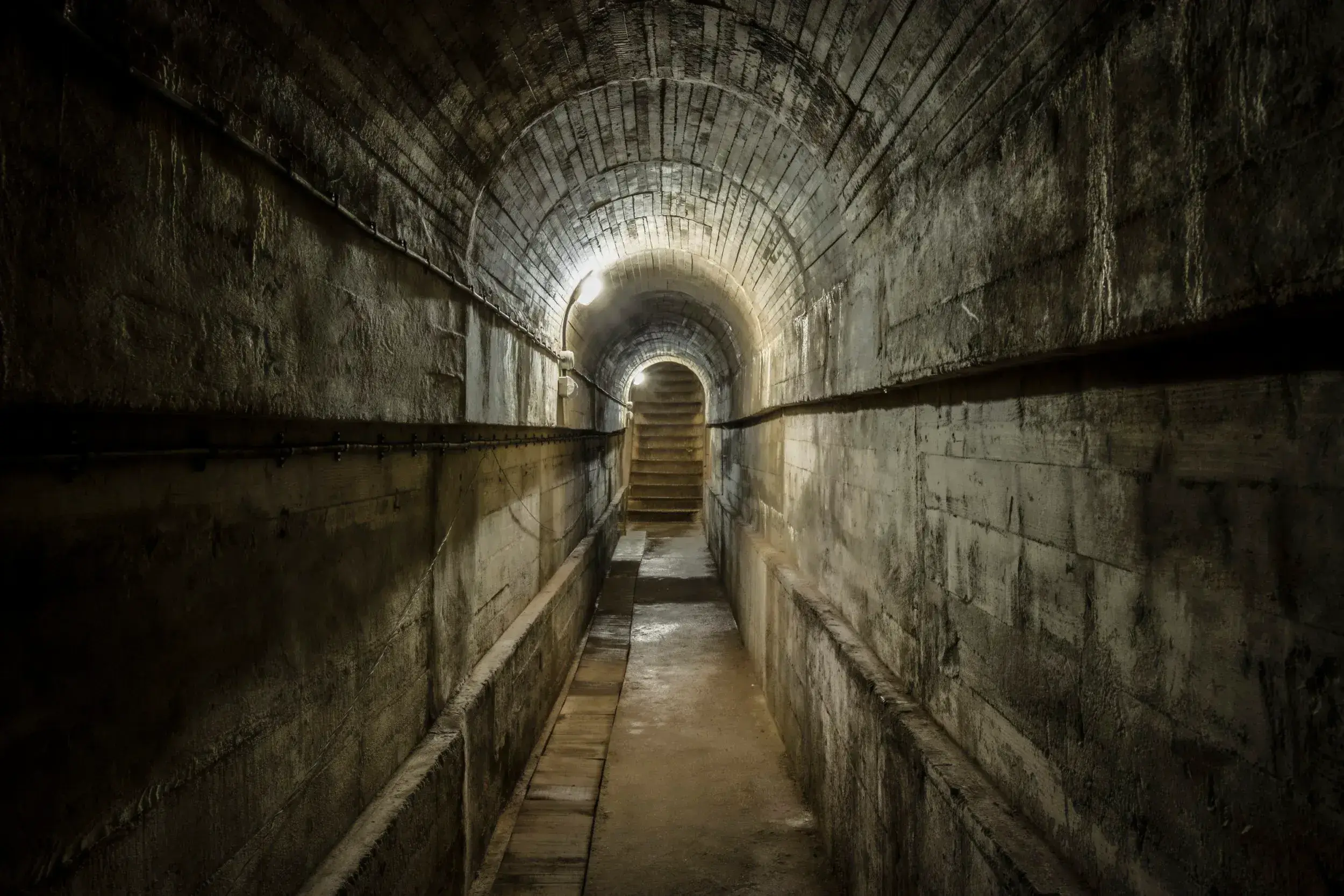
Shivalik bunker, India
Hidden in the Shivalik hills, this bunker supports India’s strategic command. Defence reports says that it is built with earthquake-resistant tunnels, multi-layer blast protection and encrypted satellite.
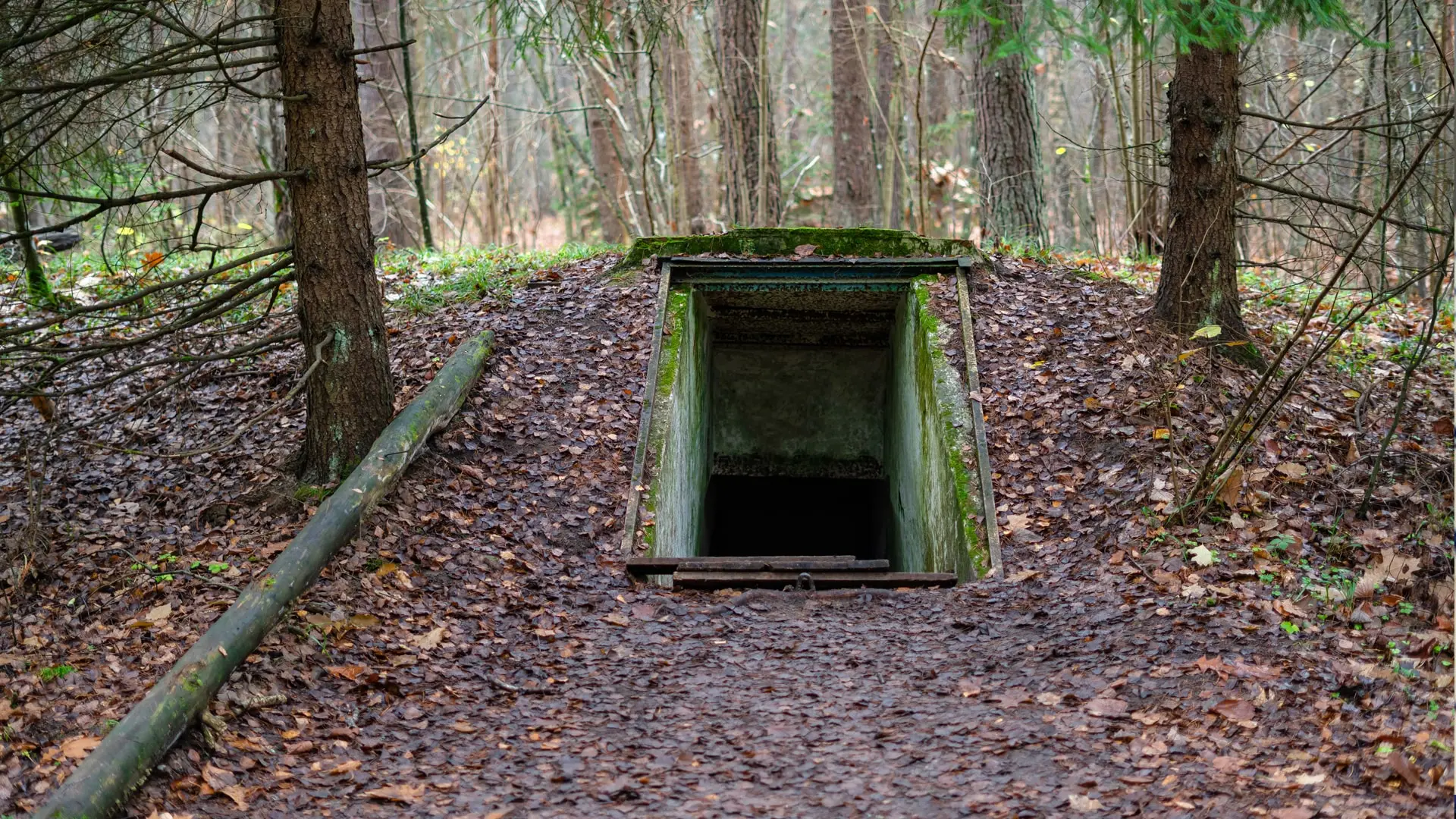
RAF Pindar, United Kingdom
It is located near Whitehall in central London. RAF Pindar is the UK’s secret military control hub. Reports say it is bombproof, shielded from internet networks to prevent hacking, and directly linked to all branches of defence for crisis response.
)
)
)
)
)