5,000 people, nuclear reactors and jet runways: How modern aircraft carriers power the world’s mightiest navies

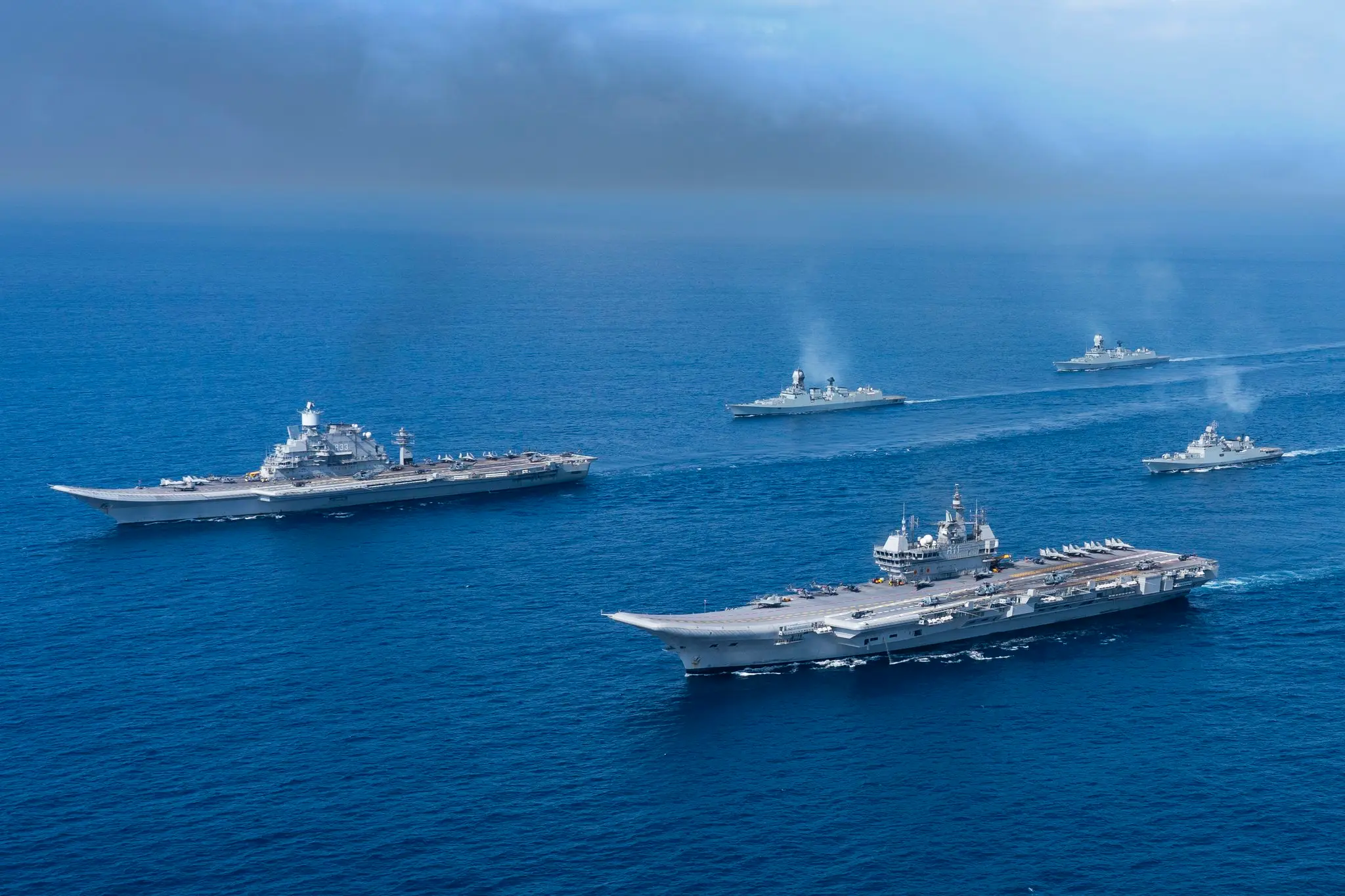
Modern supercarriers like the USS Gerald R. Ford, INS Vikrant, and HMS Queen Elizabeth represent the pinnacle of maritime engineering, self-sustaining hubs that can operate for months in hostile waters without support.
The rise of a naval revolution
When aircraft carriers first appeared in the early 20th century, few could have predicted that these modest, converted cruisers and naval colliers (coal transport ships) would evolve into the world’s most formidable and intricate machines. Originally designed to launch biplanes from wooden decks, carriers have since transformed into mobile fortresses that combine the capabilities of an airbase, command centre, and city. Modern supercarriers like the USS Gerald R. Ford, INS Vikrant, and HMS Queen Elizabeth represent the pinnacle of maritime engineering, self-sustaining hubs that can operate for months in hostile waters without support.
Life aboard a floating city
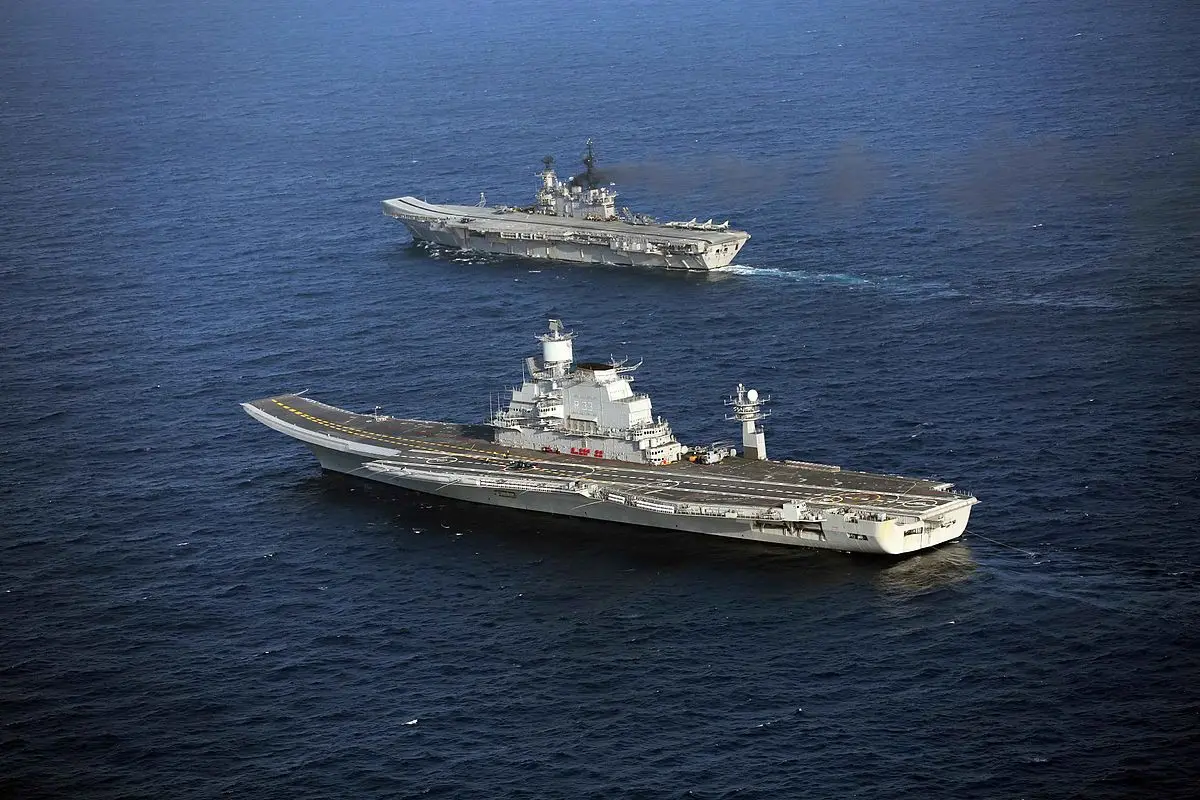
The scale of life on an aircraft carrier is astonishing. A US Navy Nimitz-class vessel carries over 5,000 personnel when fully operational and deployed, this is equivalent to a small town, complete with everything they need to live and work at sea. There are medical bays that function as full hospitals with surgical theatres, intensive care units, and dental clinics. Galleys operate around the clock, serving over 18,000 meals daily. There are bakeries, barber shops, gyms, post offices, chapels, and even television broadcasting studios for crew morale. Freshwater is produced through onboard desalination plants, while advanced waste management systems recycle and dispose of refuse safely. Indian Navy’s INS Vikrant similarly accommodates over 1,700 sailors and aviators, with facilities that rival any modern base on land.
Engineering on an unprecedented scale
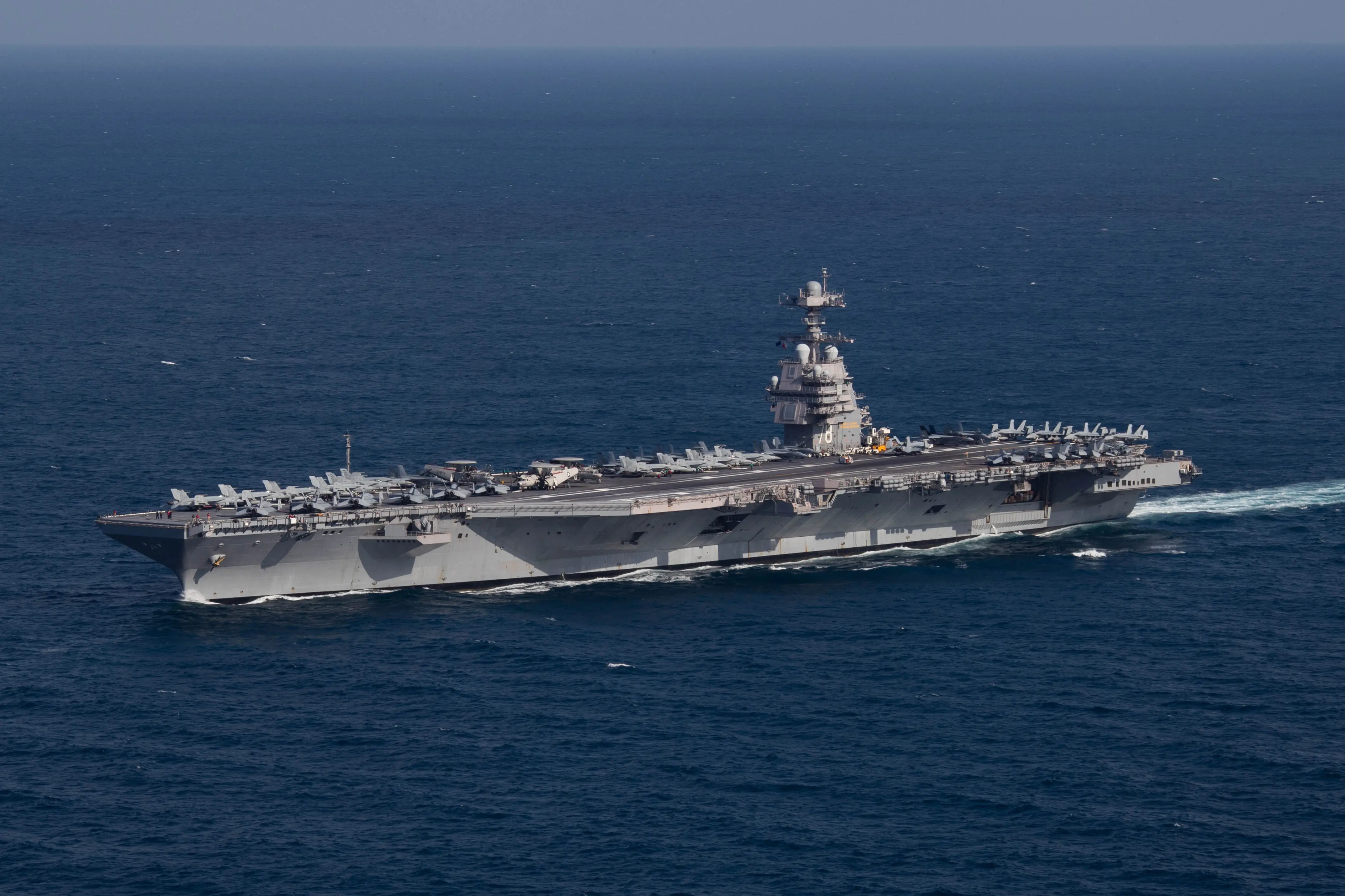
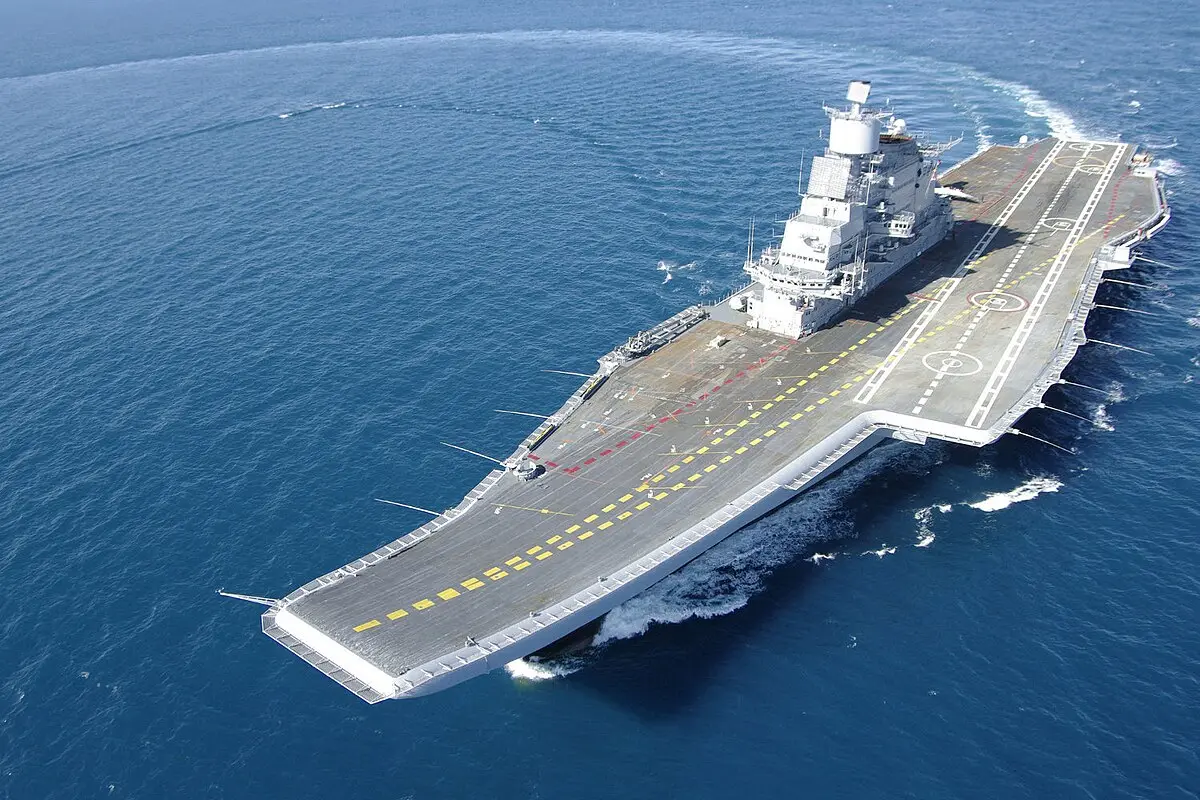
Aircraft carriers are floating marvels of engineering precision. The nuclear-powered USS Gerald R. Ford, the most advanced carrier ever built, is powered by two A1B reactors that can run for over 25 years without refuelling. Its 337-metre-long flight deck features electromagnetic catapults and arresting gear capable of launching and recovering fighter jets in seconds. India’s INS Vikrant uses a ski-jump system for short take-off but arrested recovery (STOBAR) operations, launching MiG-29K fighters from its 262-metre deck. Beneath the surface, hangars, workshops, fuel bunkers, and ordnance magazines stretch across 15 decks, connected by aircraft lifts capable of hoisting 30-tonne jets between levels in under a minute.
Command and control at sea
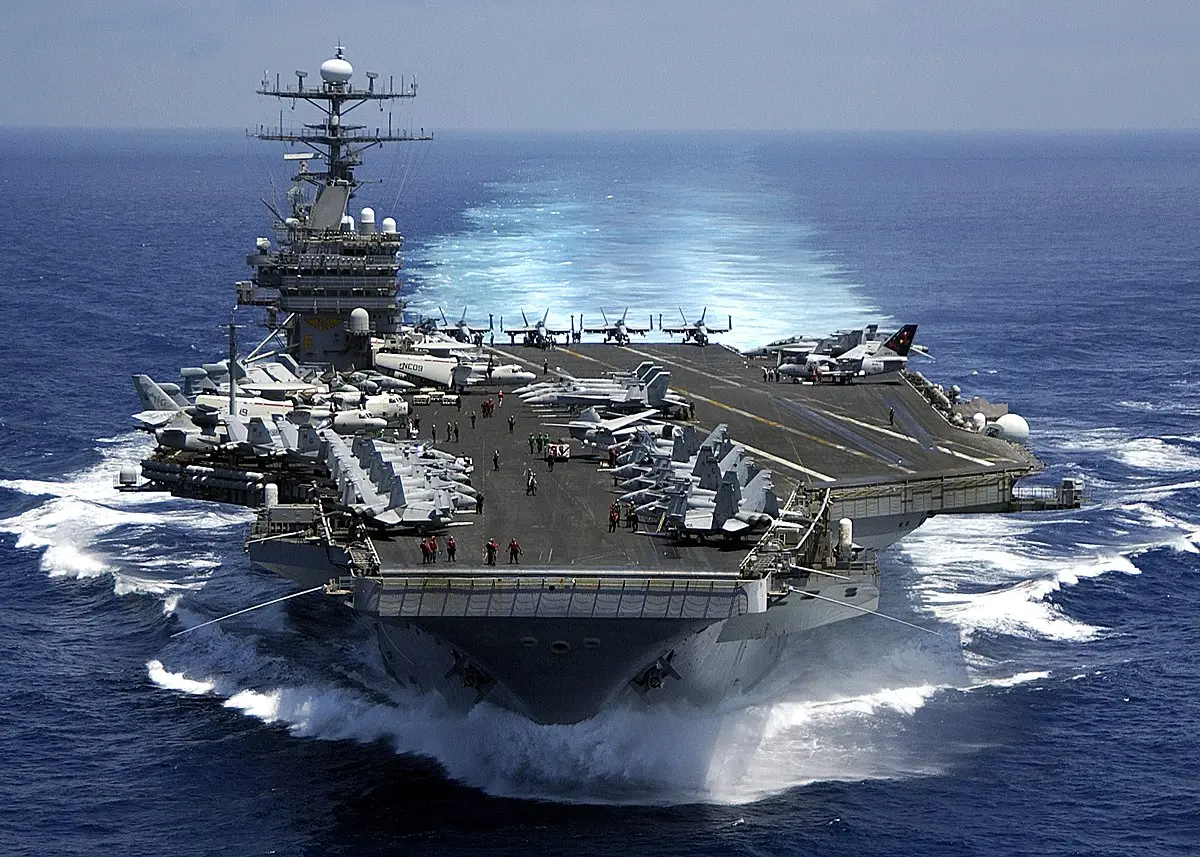
Beyond air operations, carriers serve as nerve centres for global command and control. The Combat Information Centre (CIC) functions as a floating headquarters, integrating radar feeds, satellite communications, and electronic warfare systems. Onboard, radar suites like the American SPY-6 and India’s Revathi provide 360-degree situational awareness, tracking both aerial and maritime threats. From the bridge, the ship’s captain and air wing commander coordinate simultaneous operations involving dozens of aircraft, supply vessels, and escorts. Each carrier leads a Carrier Battle Group (CBG) or Carrier Strike Group (CSG), forming the core of maritime power projection.
The human factor
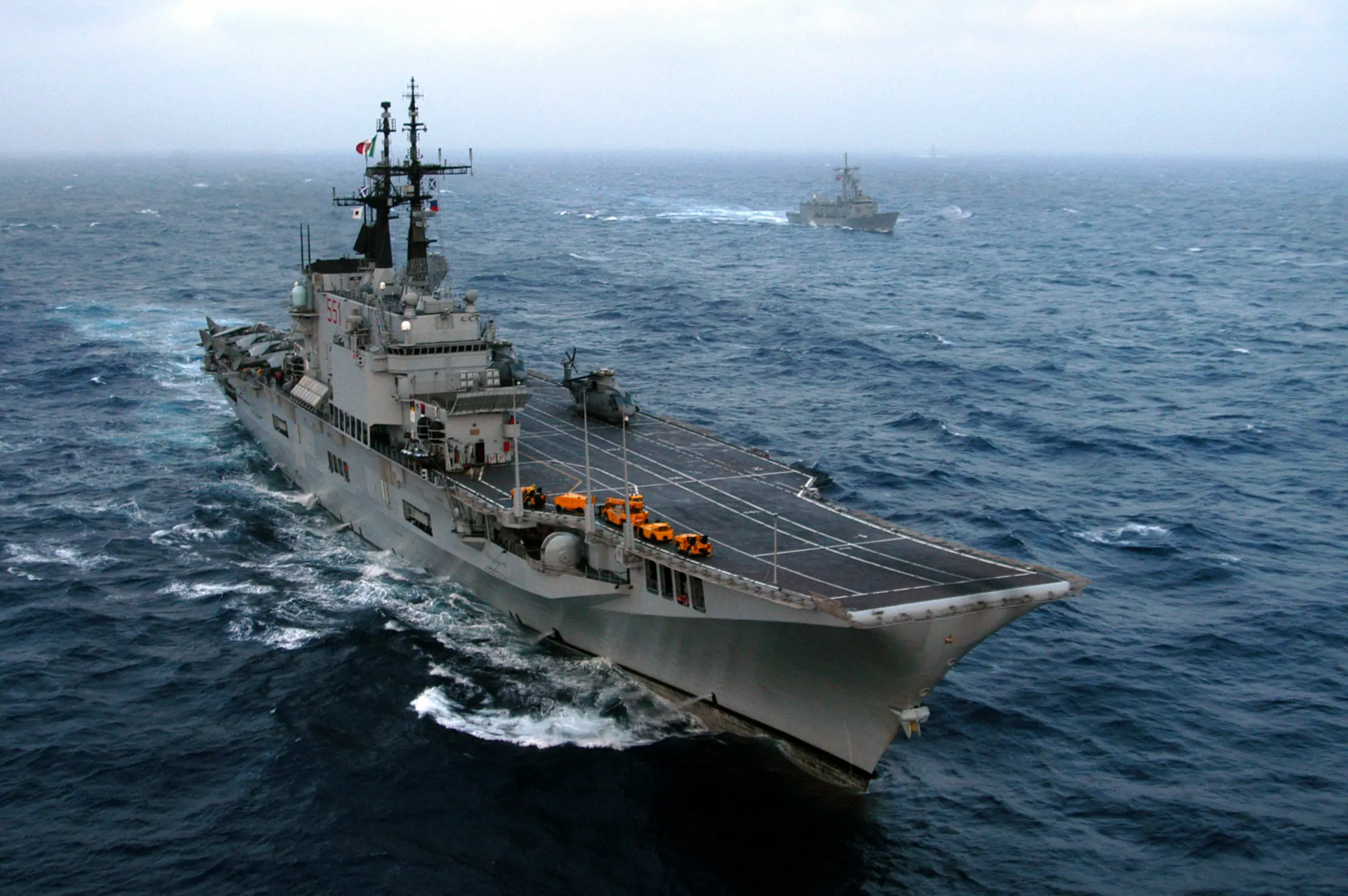
Operating such a colossal platform demands precision and teamwork. On the flight deck, often called “the most dangerous workplace on earth”, crews clad in colour-coded uniforms manage the chaos of simultaneous take-offs, landings, and refuelling amid searing heat and deafening noise. Below deck, engineers monitor turbines, electricians maintain radar and weapon systems, and chefs feed thousands of personnel daily. Every member, from a jet pilot to a cleaner, functions as part of a vast, synchronised machine designed for constant readiness.
Carriers as tools of diplomacy
Aircraft carriers are not just instruments of war, they are ambassadors of power. When INS Vikramaditya docks in a foreign port or the USS Ronald Reagan patrols the South China Sea, they project influence, not merely deterrence. Carriers play crucial roles in humanitarian assistance, disaster relief, and evacuation missions, as seen when the USS Abraham Lincoln delivered aid during the 2004 Indian Ocean tsunami. Their presence reassures allies and reminds adversaries of a nation’s reach and resilience.
The future of the floating fortress
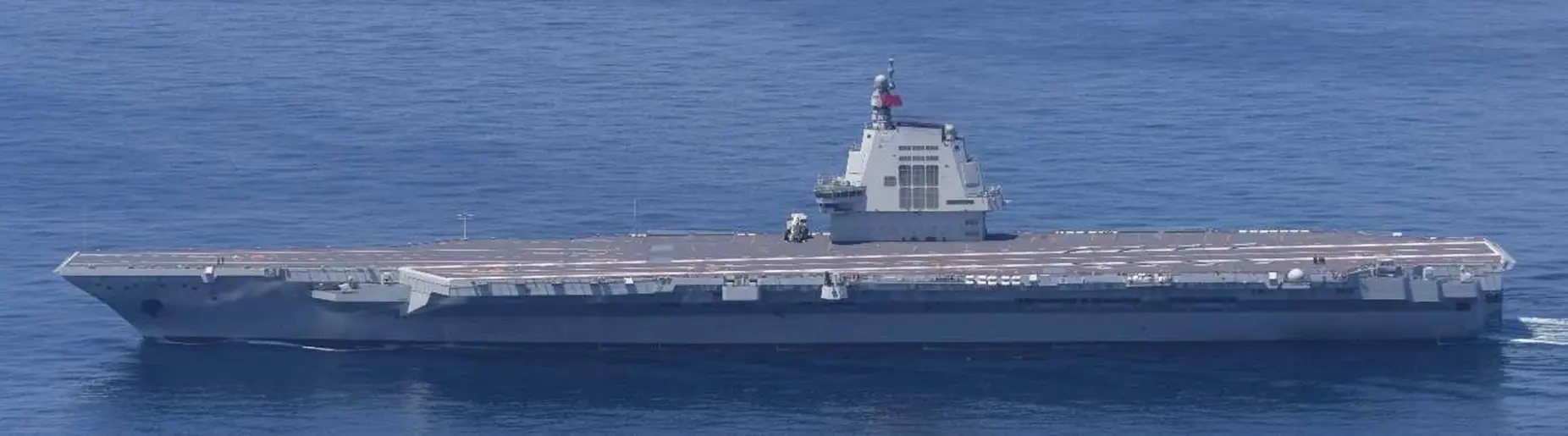
The next generation of aircraft carriers is being shaped by automation, artificial intelligence, and unmanned combat air vehicles. Future ships like India’s proposed INS Vishal and China’s Fujian will feature electromagnetic launch systems, integrated electric propulsion, and deck-handling robots. Laser-based defence systems and swarm drones are being tested to protect against hypersonic threats.
)
)
)
)
)