3I/ATLAS sets date with Eupheme, an irregular moon orbiting Jupiter

3I/ATLAS is flying towards Jupiter and will come close to the Hill radius, the region where the planet's gravity is stronger than the Sun's. It will also come near its irregular moon Eupheme a day later, setting up another amazing rendezvous.
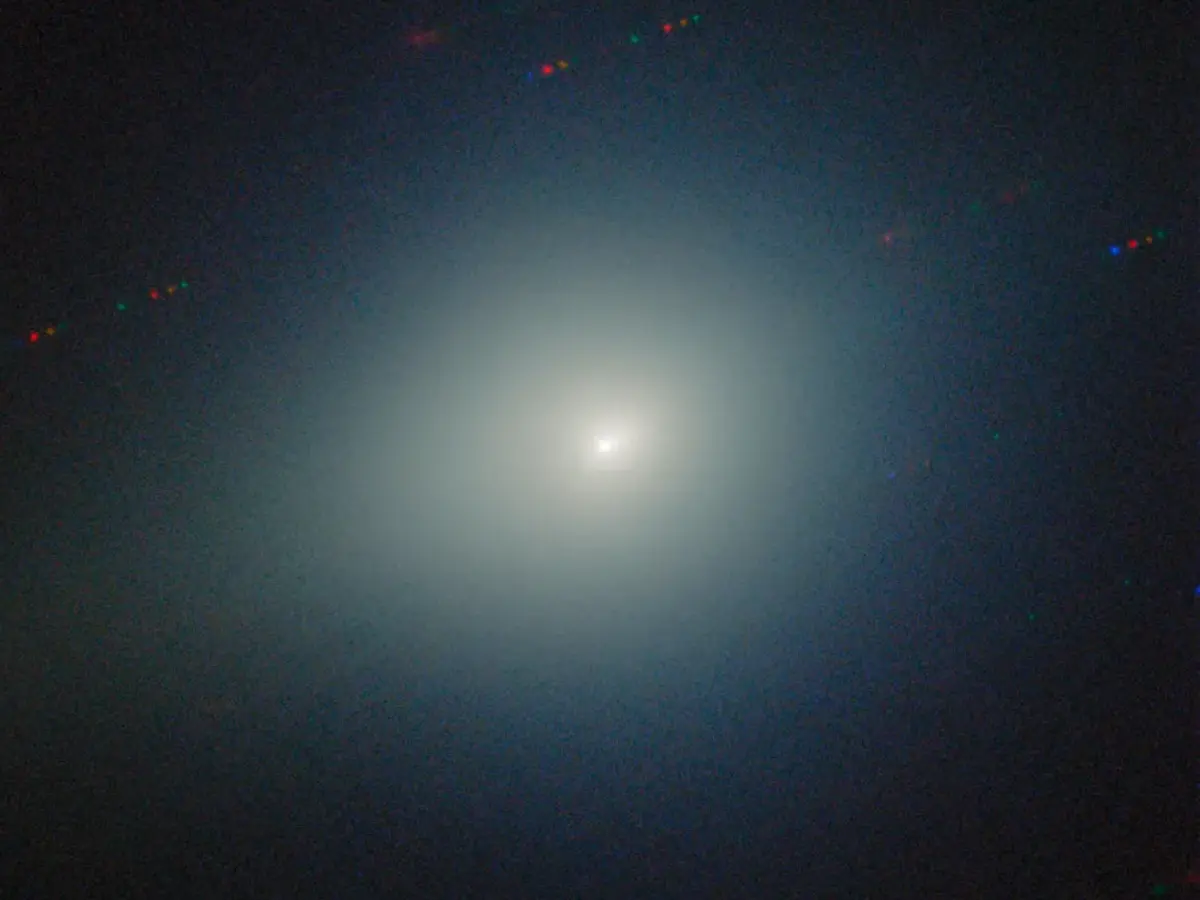
3I/ATLAS gets ready for its date with Jupiter
After completing flybys near Mars, Sun and Earth, 3I/ATLAS is now moving towards Jupiter. Data suggests that it will come extremely near the Hill radius of the gas giant, inside which Jupiter's gravity overpowers that of the Sun. Could it do an unexplained manoeuvre near the biggest planet of the solar system? Can it leave behind pieces released by it near Jupiter?
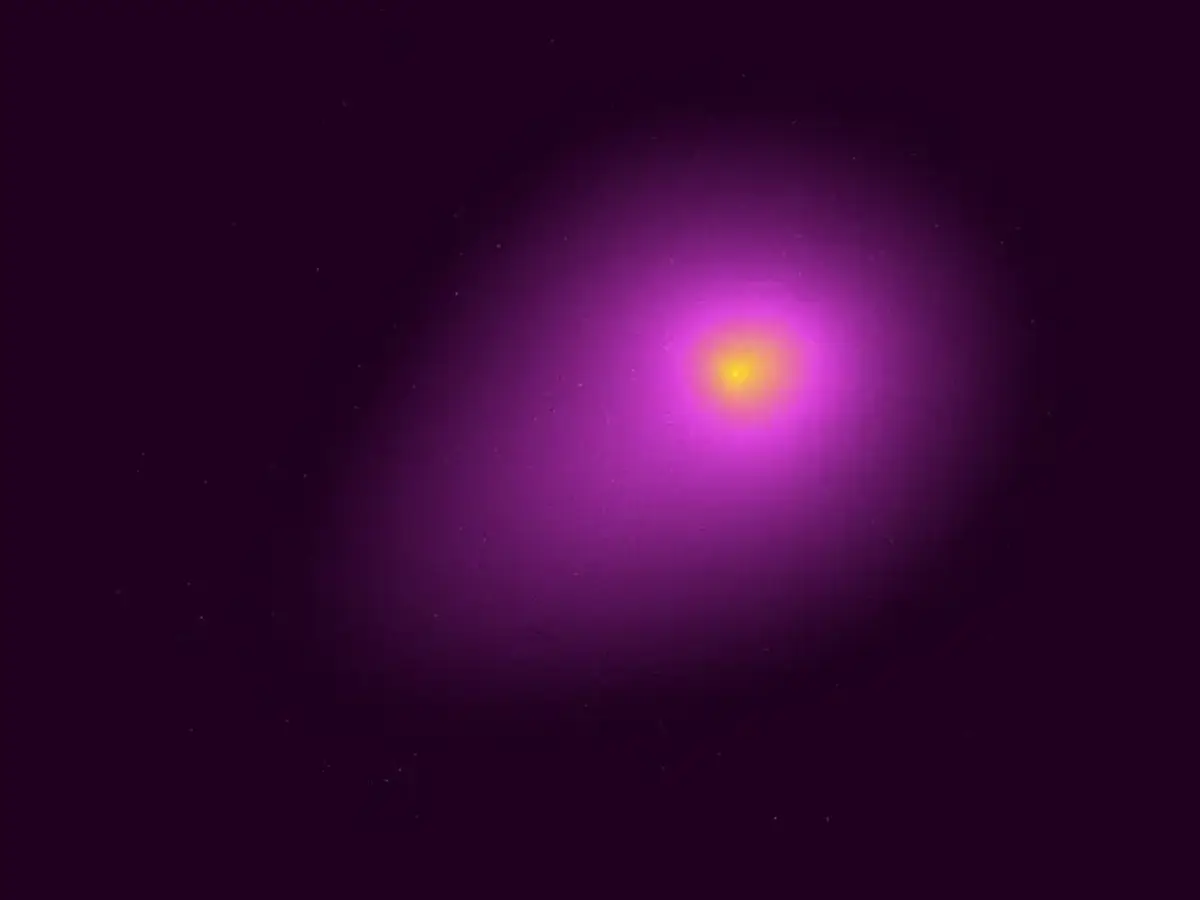
3I/ATLAS will come near Jupiter’s Hill radius
3I/ATLAS will be within 53.61 million kilometres from Jupiter on March 16, 2026. Jupiter’s Hill radius spans 53.5 million kilometres, which means the interstellar object will go close to the endpoints of this region. Some scientists think that if it releases any objects here, they could get caught in Jupiter's gravity.
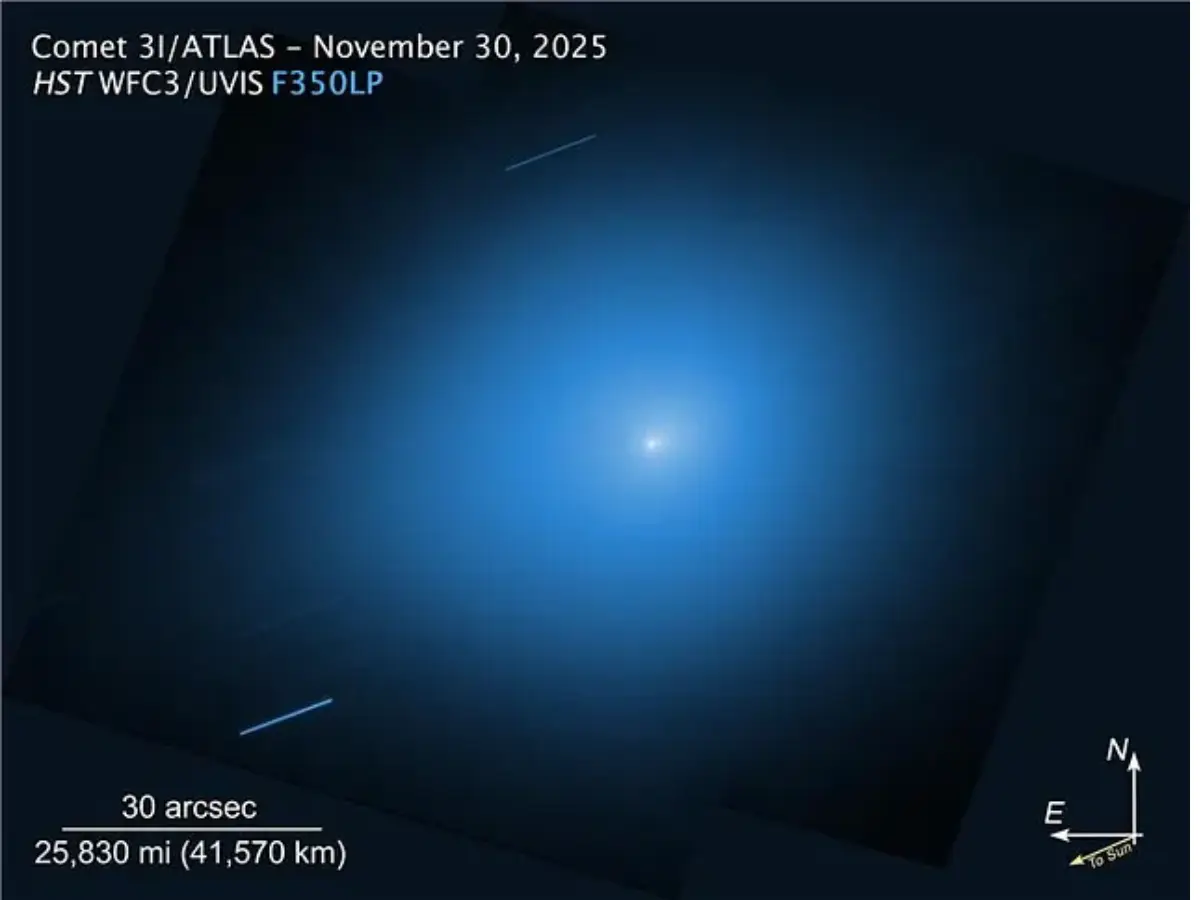
Could Jupiter get another moon?
Right now, Jupiter has 95 known moons. Any objects that are potentially released by 3I/ATLAS could get gravitationally bound to Jupiter as long as a force can cancel the relative motion between 3I/ATLAS and Jupiter. Harvard scientist Avi Loeb says that if scientists spot a fresh 96th moon around Jupiter after March 16, 2026, it would be a clear technological signature for 3I/ATLAS.
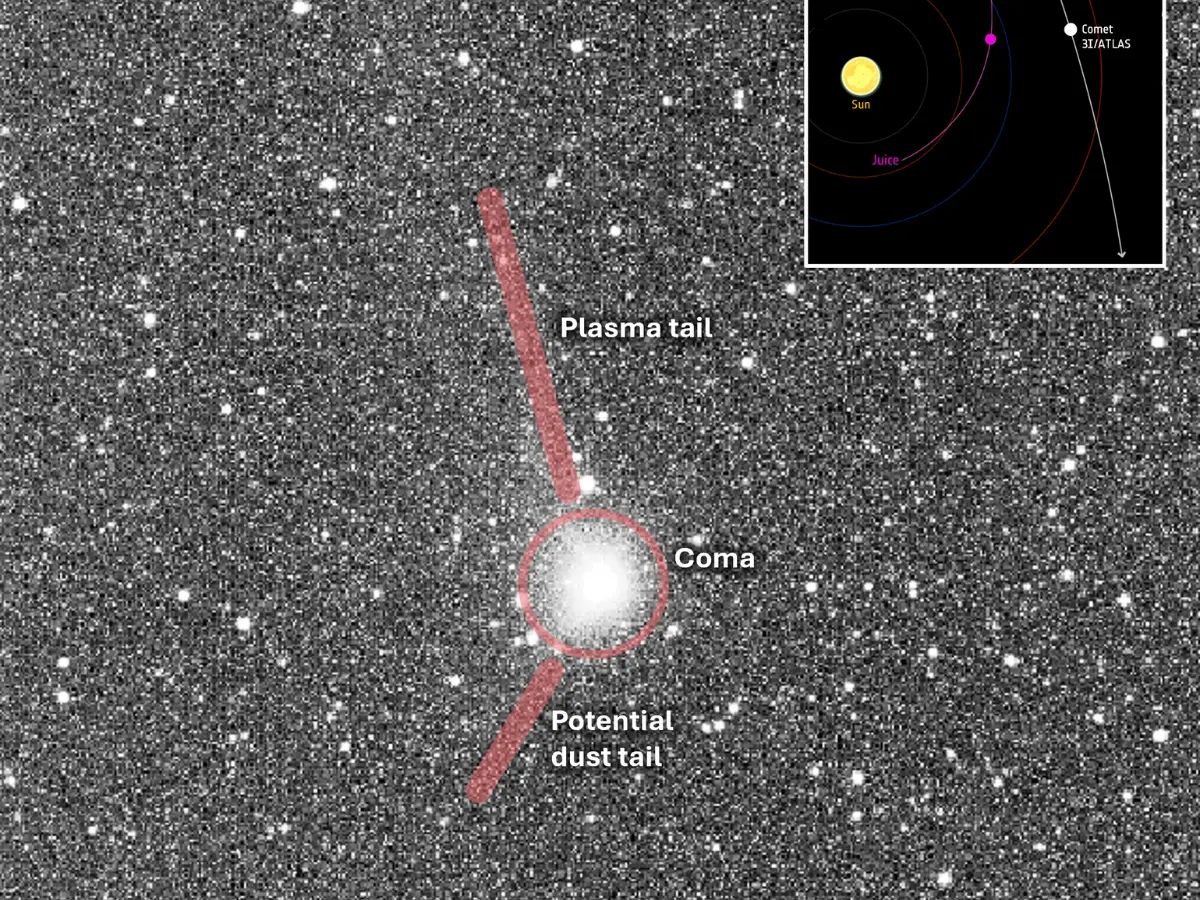
3I/ATLAS and a velocity kick
If 3I/ATLAS is a comet, which has been reiterated by astronomers across the world, a velocity kick as high as 66 kilometres per second is not possible. Loeb also states that "a kick of the required magnitude and direction to bring a fragment of 3I/ATLAS into a bound orbit around Jupiter is an impossible outcome from the break-up of a comet."
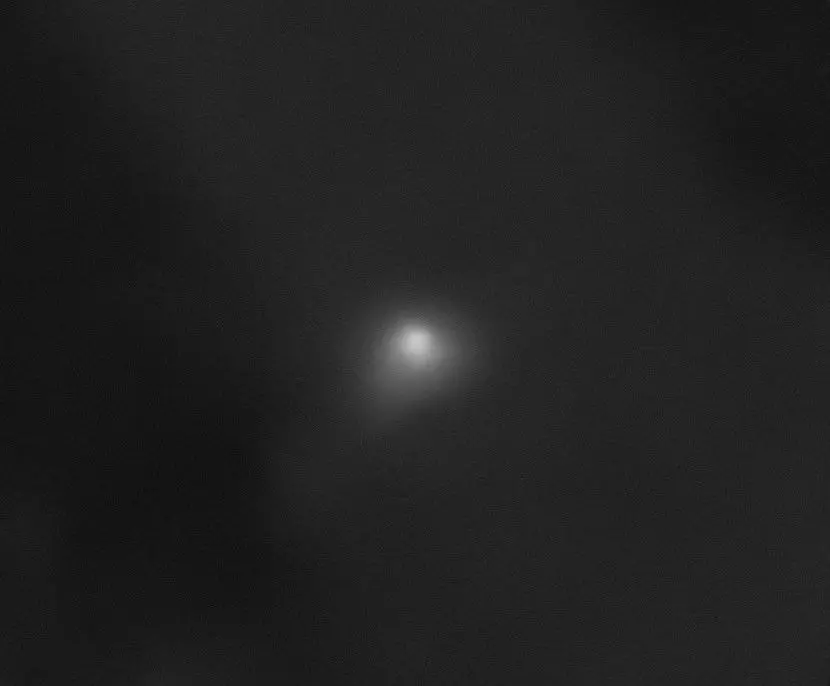
3I/ATLAS and Eupheme, an irregular Jovian moon
A day later, 3I/ATLAS will come near Jupiter’s irregular moon Eupheme, flying within a distance of 30.46 million kilometres. Eupheme was discovered in 2003 and is classified as an irregular moon and a member of the Ananke group. This group consists of 15 Jovian satellites with similar orbits and is thought to have originated from one parent body that collided with another body and broke apart.
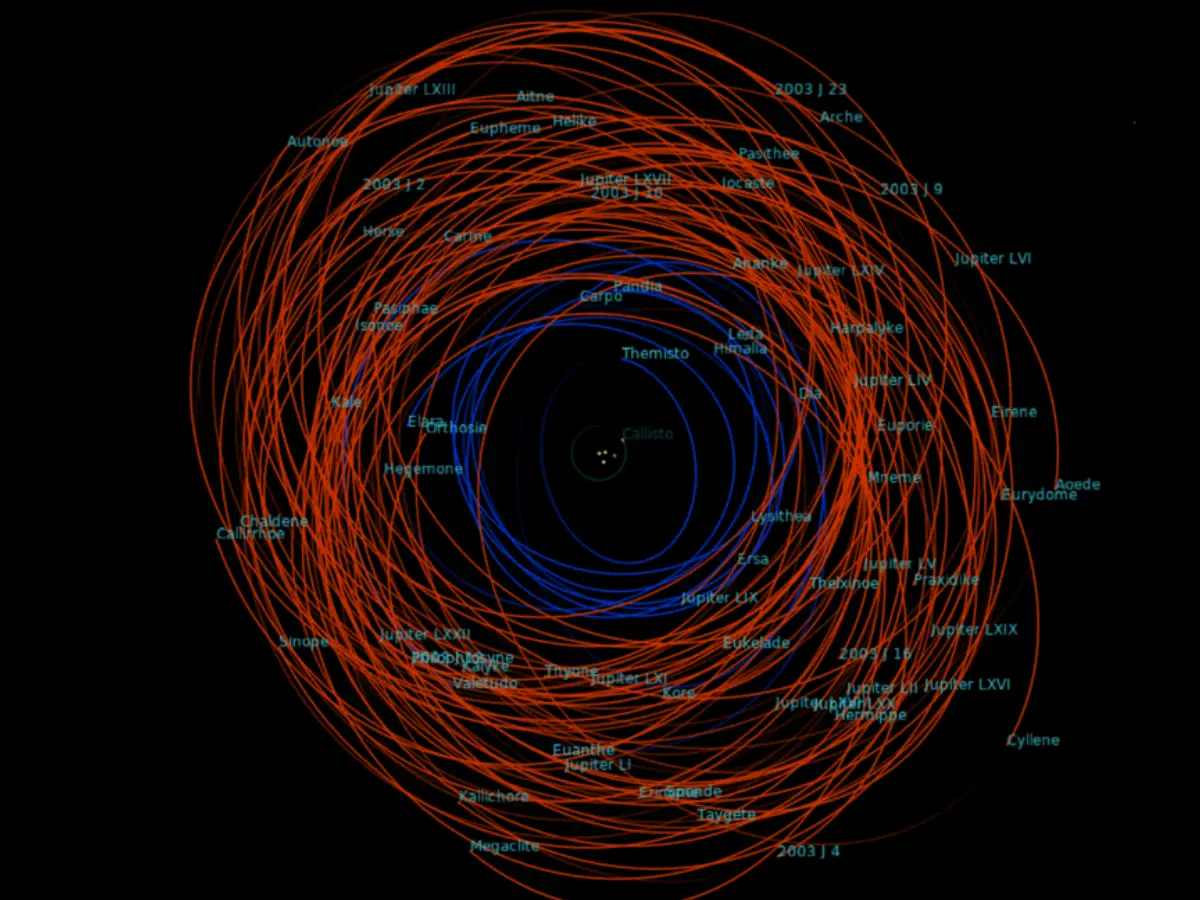
Eupheme broke from Ananke, a larger body that got caught in Jupiter's gravity
They all got caught in Jupiter's gravity, and the biggest piece was also named Ananke. These moons orbit opposite to Jupiter’s spin on highly elliptical and inclined orbits, while Jupiter moves in an equatorial plane. This is what happens with a parent object that gets caught as compared to those that originate with the primordial system.
)
)
)
)
)