'$2.1 billion for one plane': Why US built B-2 bomber and was it worth it?

The B-2 Spirit stealth bomber costs $2.1 billion per aircraft. Only 21 were ever built. The US Air Force operates 20 of them today. For context, the entire GDP of several small nations is less than the price of a single B-2. Here is what that money actually bought, why it cost so much, and whether the investment made strategic sense.
The Number That Stops Conversations
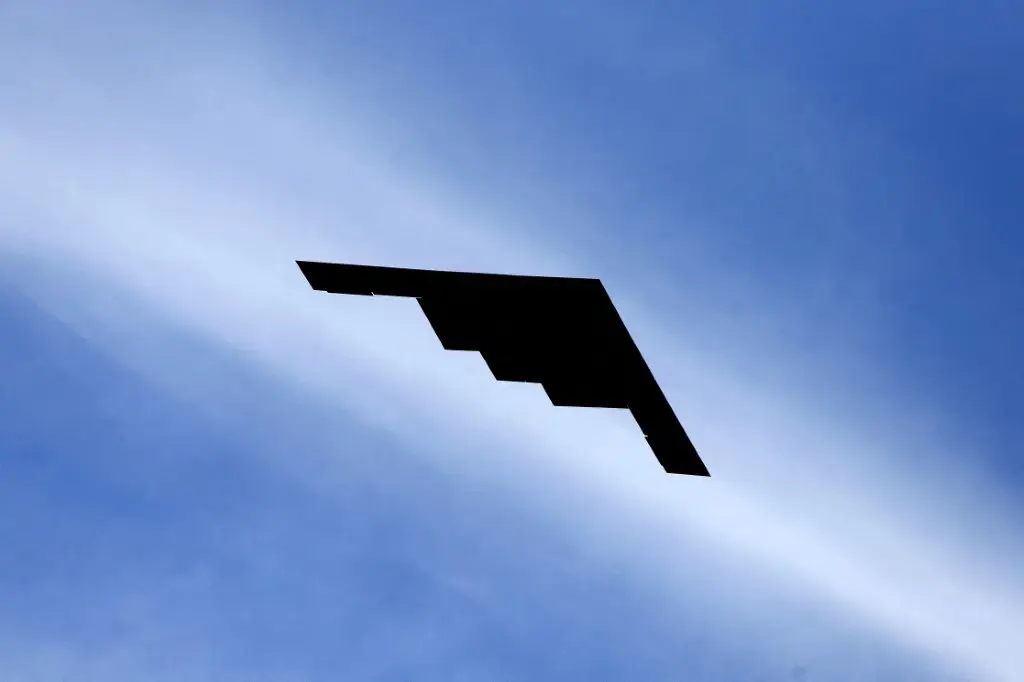
The B-2 Spirit has an average unit cost of approximately $2.1 billion per aircraft — and that is before factoring in research, development, and infrastructure costs. When those are included, the total programme cost divided by the number of aircraft produced pushes the effective cost per plane to over $3 billion. It is the most expensive military aircraft ever built by any country in history.
What $2.1 Billion Could Buy Instead
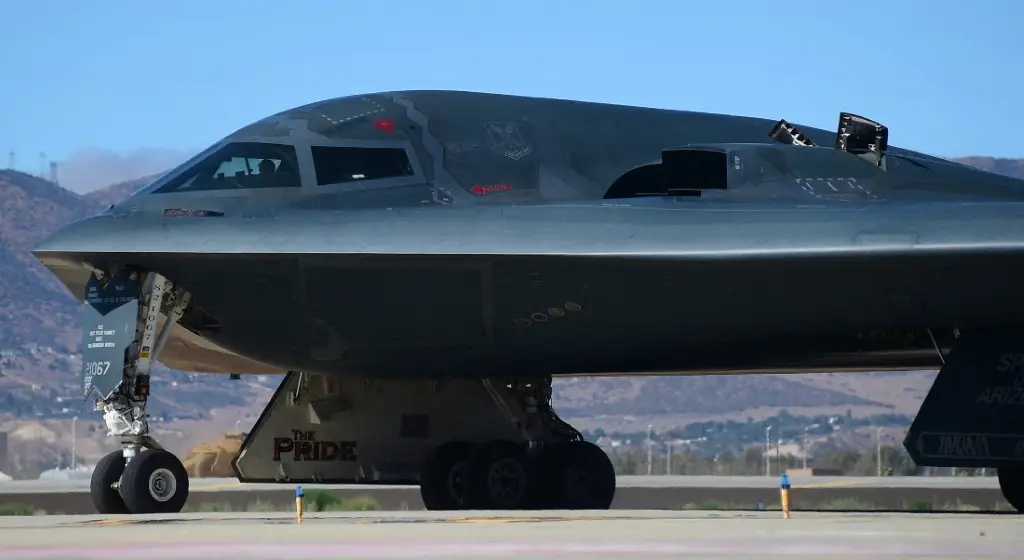
For the price of one B-2: approximately 30 F-35 fighter jets. Enough to build three aircraft carriers in the 1990s. The annual operating budget of a mid-sized US city. Or 150 B-52s at their original production cost adjusted for inflation. The comparison is not an argument against the B-2 — it is a way of understanding the scale of the investment the United States made in stealth bomber technology.
Why It Cost So Much
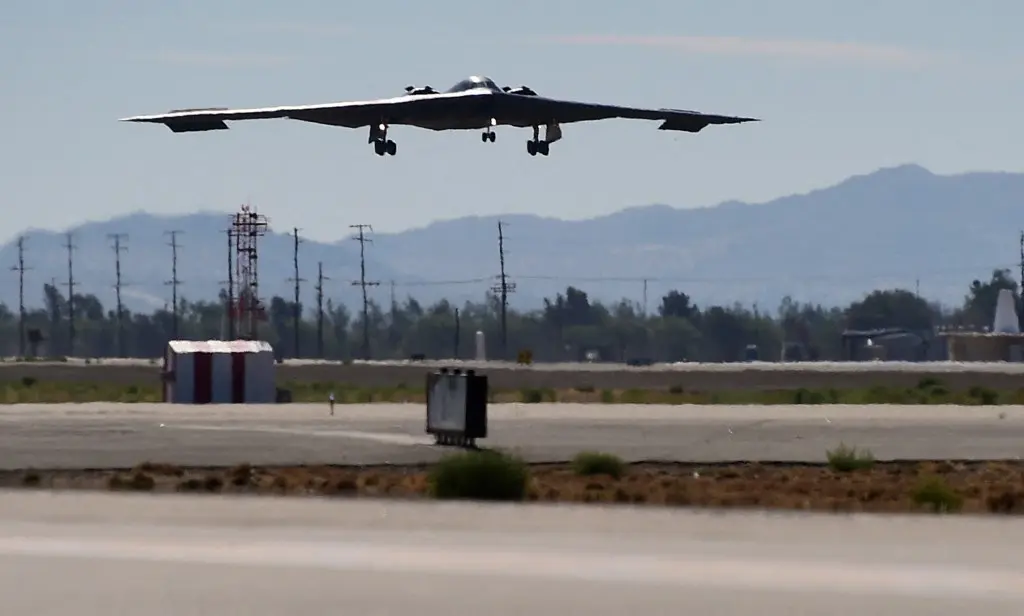
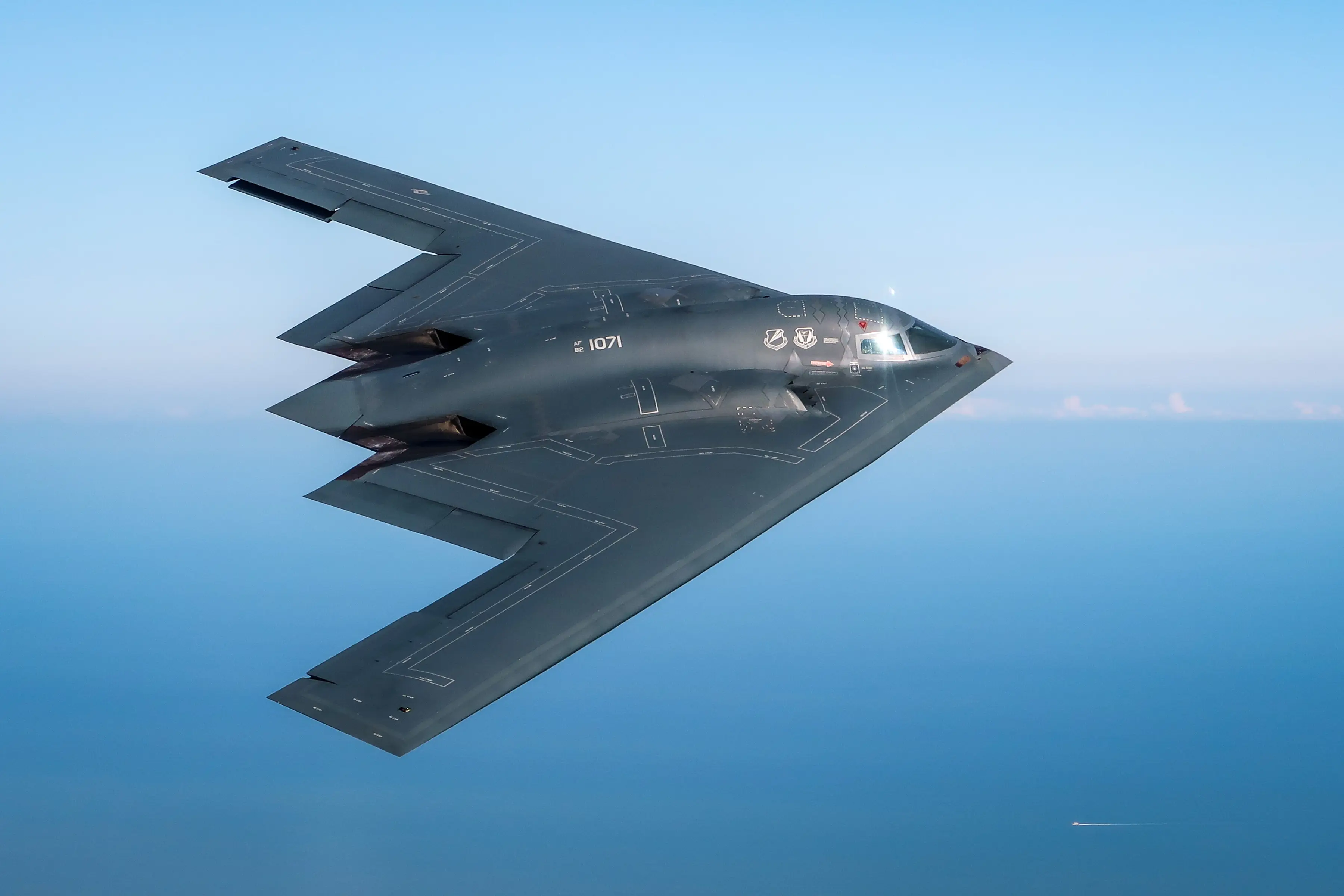
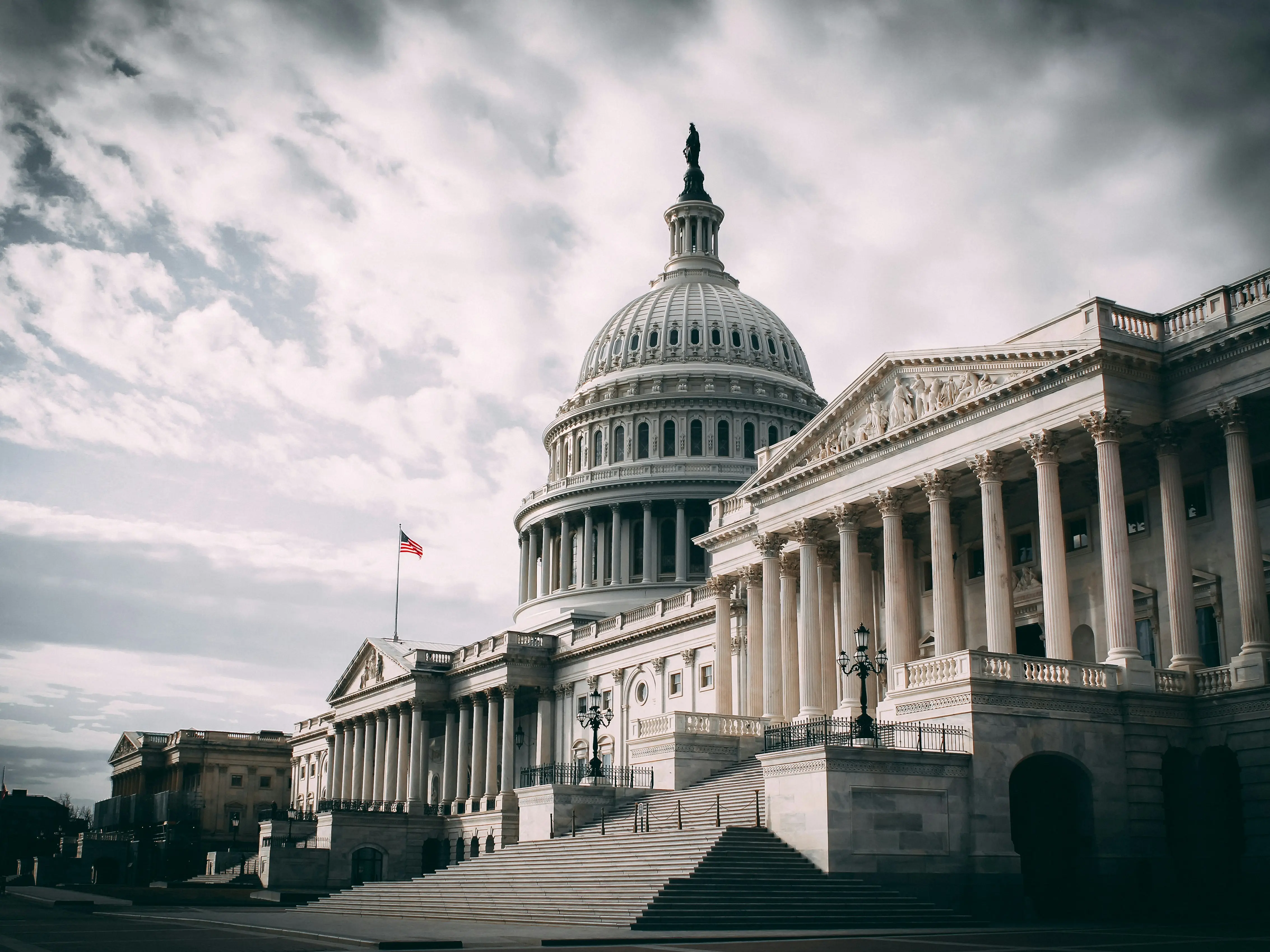
The B-2's price reflects several compounding factors. The flying-wing design required entirely new aerodynamic and flight control engineering. The radar-absorbing materials used in its skin were developed from scratch and are extraordinarily expensive to manufacture and maintain. The avionics and mission systems were state of the art in the 1980s when the programme was designed. And crucially, the original plan was to build 132 aircraft — the cost was spread over that number. Congress ultimately funded only 21, concentrating the entire development cost into a tiny production run.
The Decision To Build Only 21
The B-2 programme began in the late 1970s as a Cold War necessity — a stealth aircraft that could penetrate Soviet air defences undetected. By the time the Berlin Wall fell in 1989 and the Soviet Union collapsed in 1991, the strategic rationale for 132 stealth bombers had changed fundamentally. Congress cancelled the full production run. The Air Force had asked for 132. It received 21. The development costs remained fixed. The unit price soared.
What The Money Actually Bought
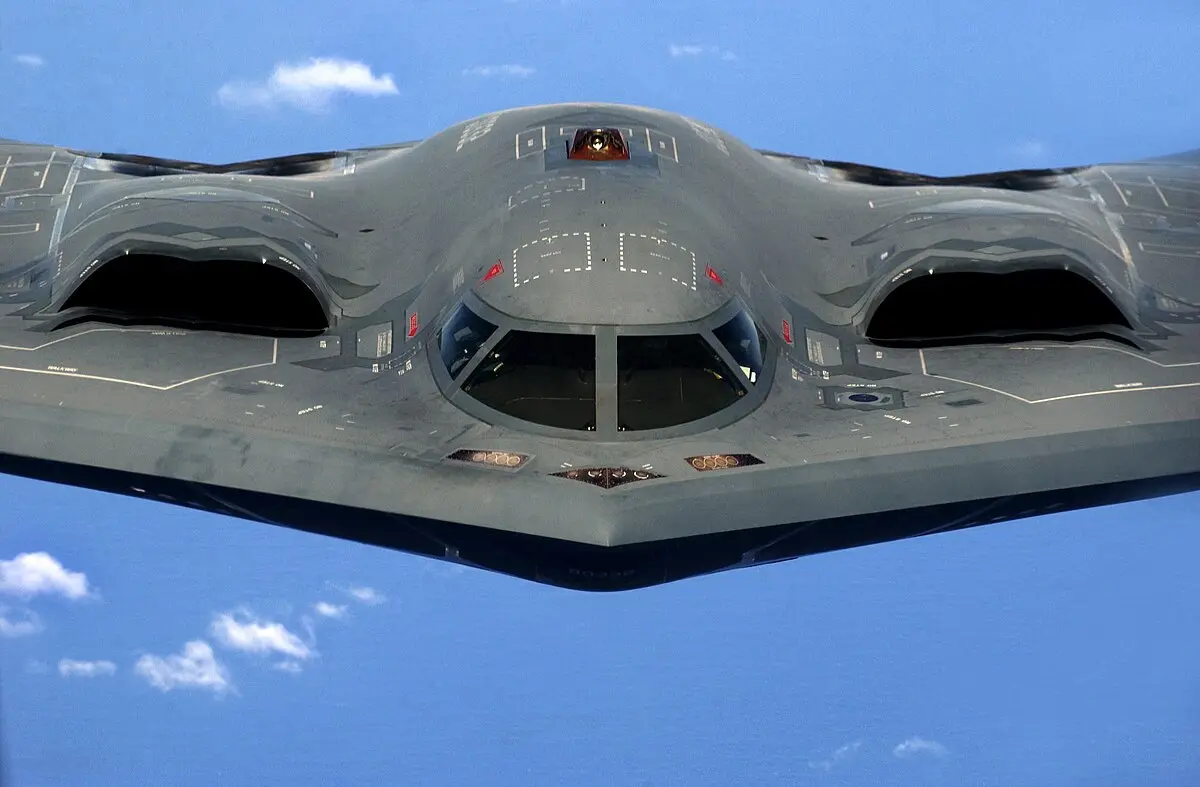
The B-2 can penetrate air defence systems that would destroy any other aircraft. In 1999, B-2s flew from Missouri to Serbia and back — 30 hours round trip — striking targets in the first night of NATO's Kosovo campaign with complete surprise. In 2003, B-2s hit hardened Iraqi leadership bunkers on the opening night of the Iraq War. These are missions that no other aircraft in the world could have executed with the same combination of range, payload, and survivability.
The $130,000 Per Hour Operating Cost
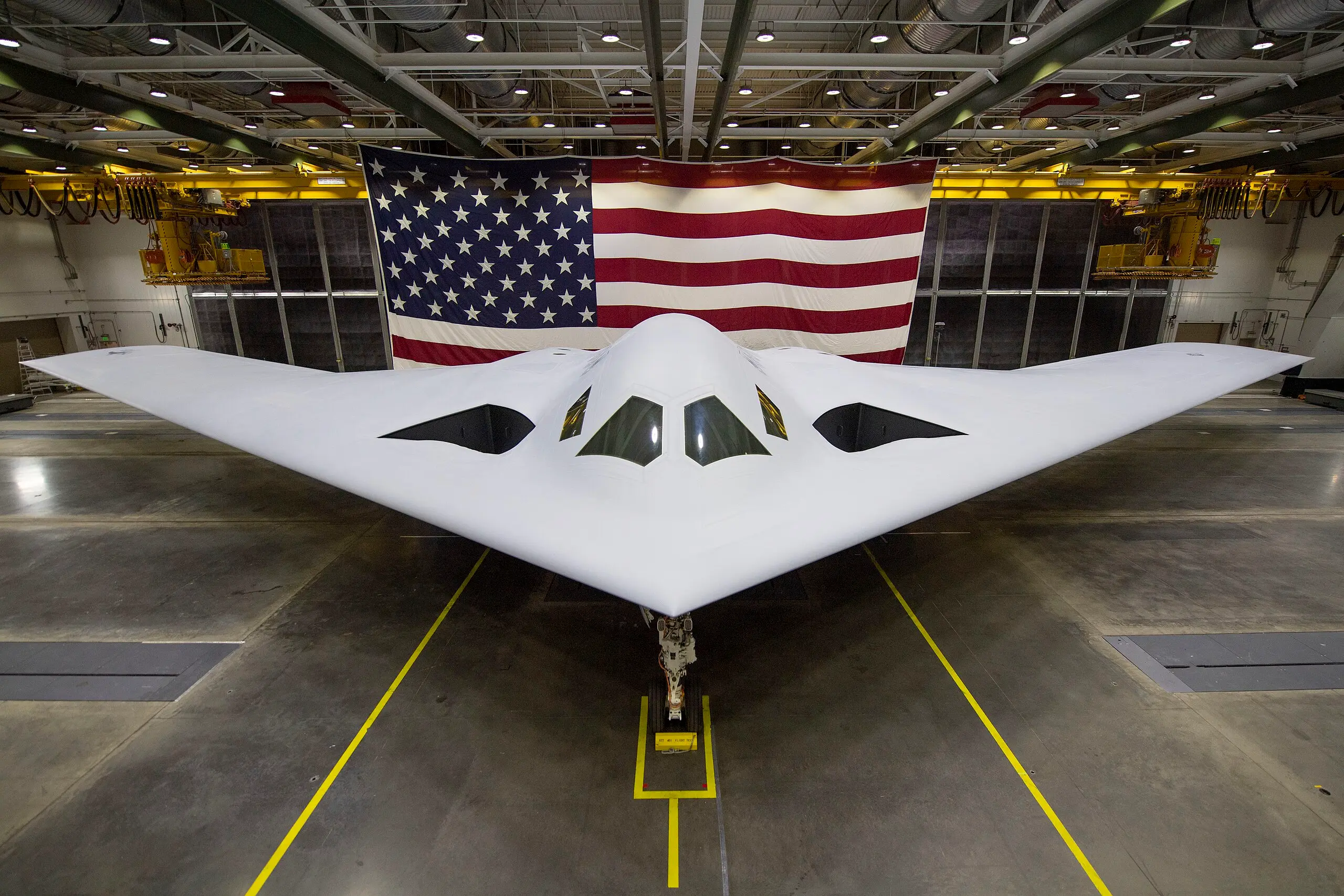
Owning the B-2 is expensive. Operating it is more so. The aircraft costs approximately $130,000 per flight hour to operate — nearly double the B-52's $70,000. The radar-absorbing coating requires constant inspection and repair. The climate-controlled hangars it requires exist at only one permanent base in the world. Every deployment requires advance teams to prepare specialised facilities. The B-2 is not just an expensive aircraft to buy. It is an expensive aircraft to keep.
Was It Worth The Money?
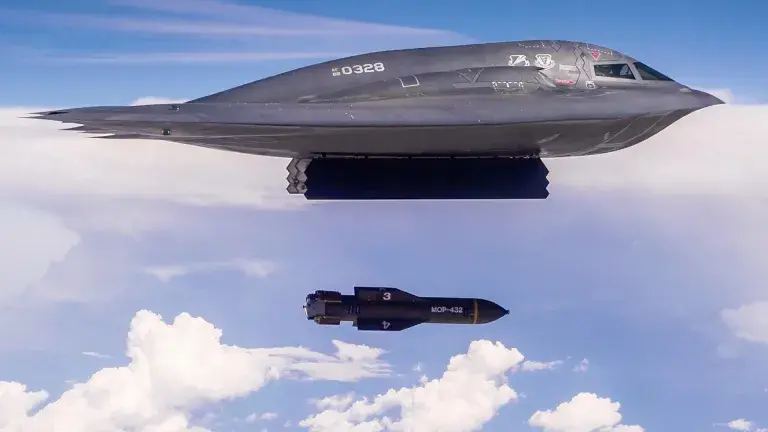
The answer depends on what question you are asking. As a strategic deterrent — a weapon that forces adversaries to spend enormous resources on air defence upgrades that may still not stop it — the B-2 has worked. As a combat aircraft, it has struck targets in Kosovo, Afghanistan, Iraq, and Libya that conventional aircraft could not safely approach. As a symbol of American technological investment in military capability, it represents a level of sophistication no other nation has matched. Whether 21 aircraft at $2.1 billion each was the right allocation of defence spending is a question that has never been fully resolved.
)
)
)
)
)