$100 billion microchip: Why US and China are risking everything for AI supremacy

The global race for AI supremacy hinges on advanced microchips, sparking a high-stakes technological Cold War between the US and China.
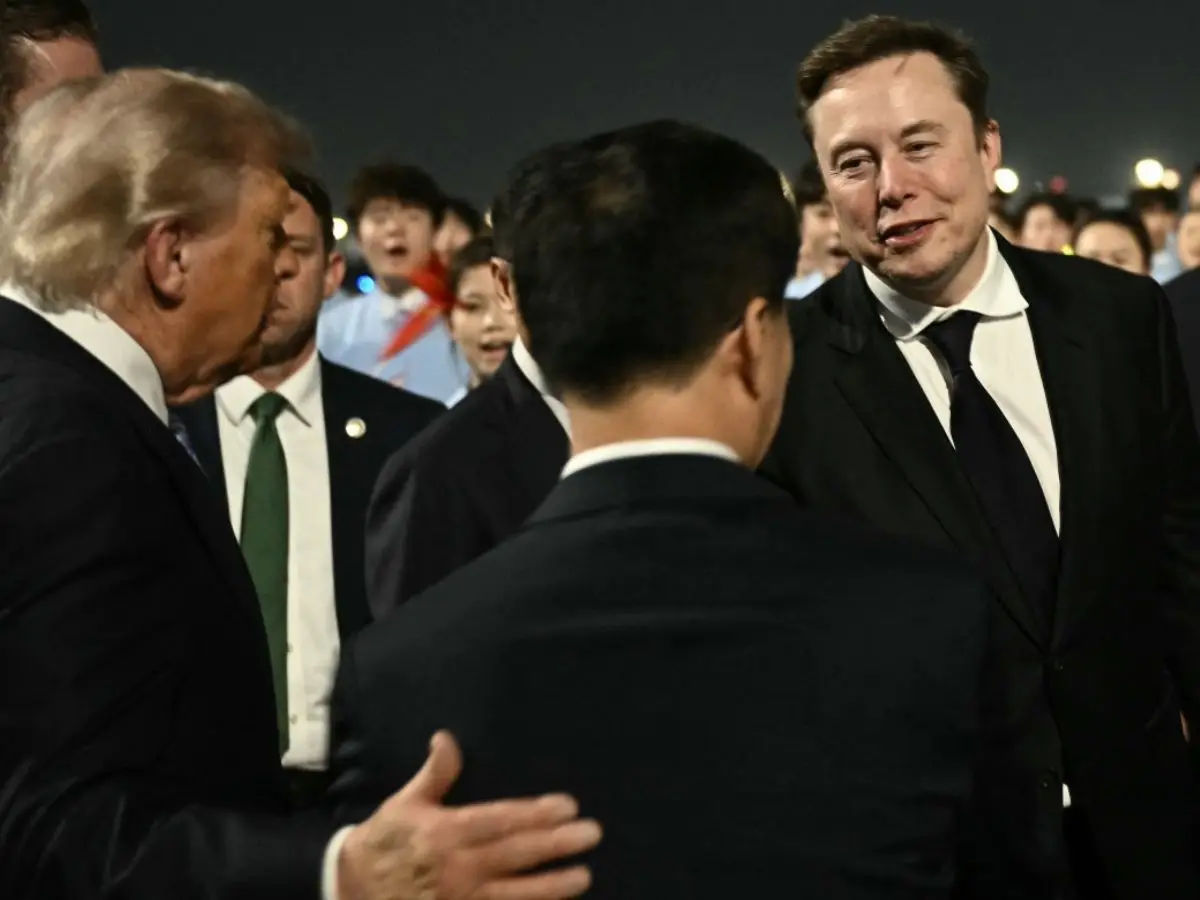
The $100 Billion Microchip
Artificial Intelligence is the new nuclear weapon, and the microchips that power it are the uranium. The global economy and future military dominance now hinge on the production of incredibly advanced, nanometer-scale semiconductors.
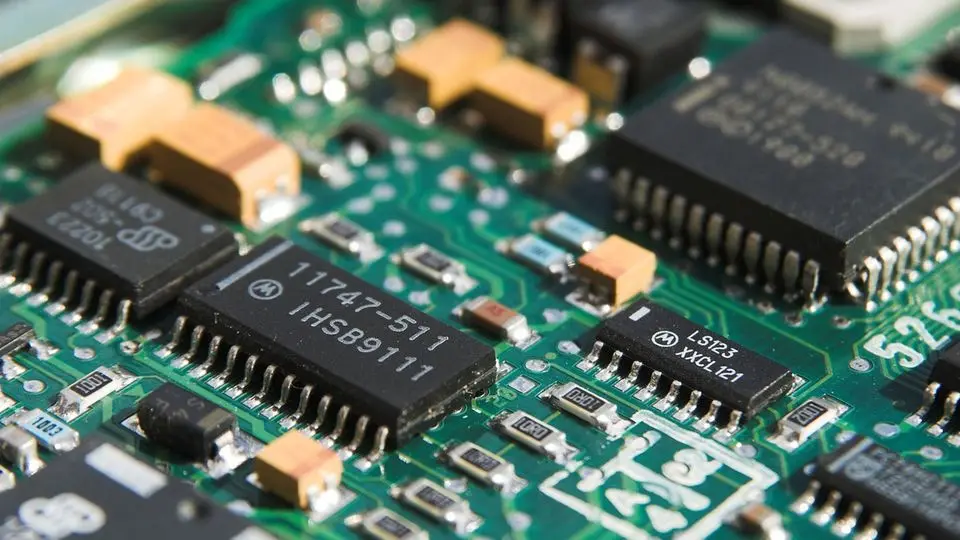
The GPU Bottleneck
Companies like Nvidia design the GPUs essential for training massive AI models, but manufacturing them is a bottleneck. The world relies on a fragile supply chain to produce the hardware needed for the AI revolution.

US Export Controls on China
To maintain its edge, the United States has enacted crippling export controls, effectively banning the sale of the most powerful AI chips and the machines that make them to China, sparking a technological Cold War.
China's Push for Self-Reliance
Cut off from Western tech, Beijing is pouring hundreds of billions of dollars into its domestic semiconductor industry, racing to build indigenous chips capable of rivaling Silicon Valley's best.
The Taiwan Semiconductor Factor
Taiwan Semiconductor Manufacturing Company (TSMC) produces the vast majority of the world's advanced chips. This makes the island of Taiwan the most strategically important real estate on the planet, and a flashpoint for global conflict.

AI Superiority as National Security
The nation that controls AI controls the future of cyber warfare, autonomous weapons, and global logistics. Falling behind in the chip war is viewed by both superpowers as an existential threat.
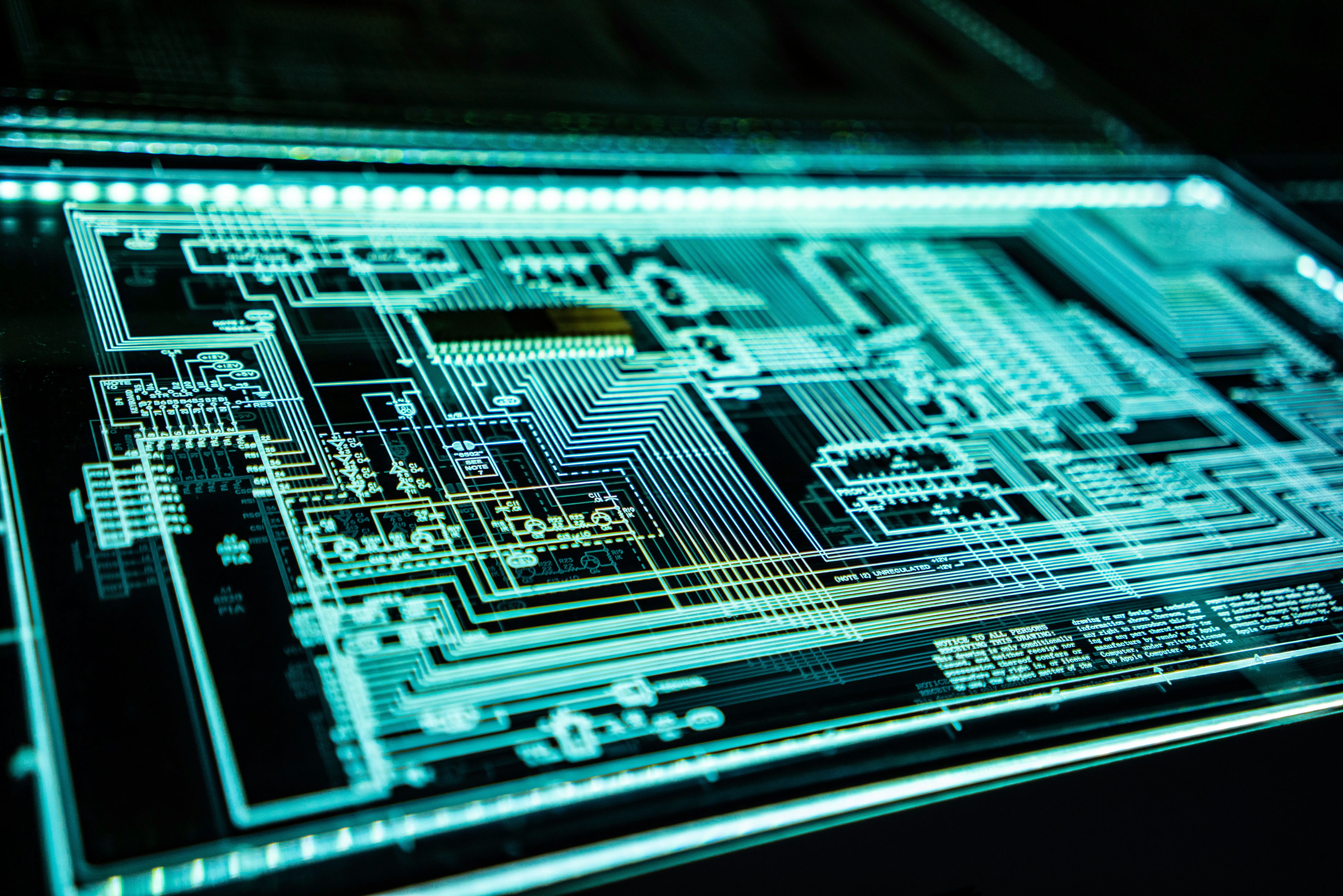
The New Cold War
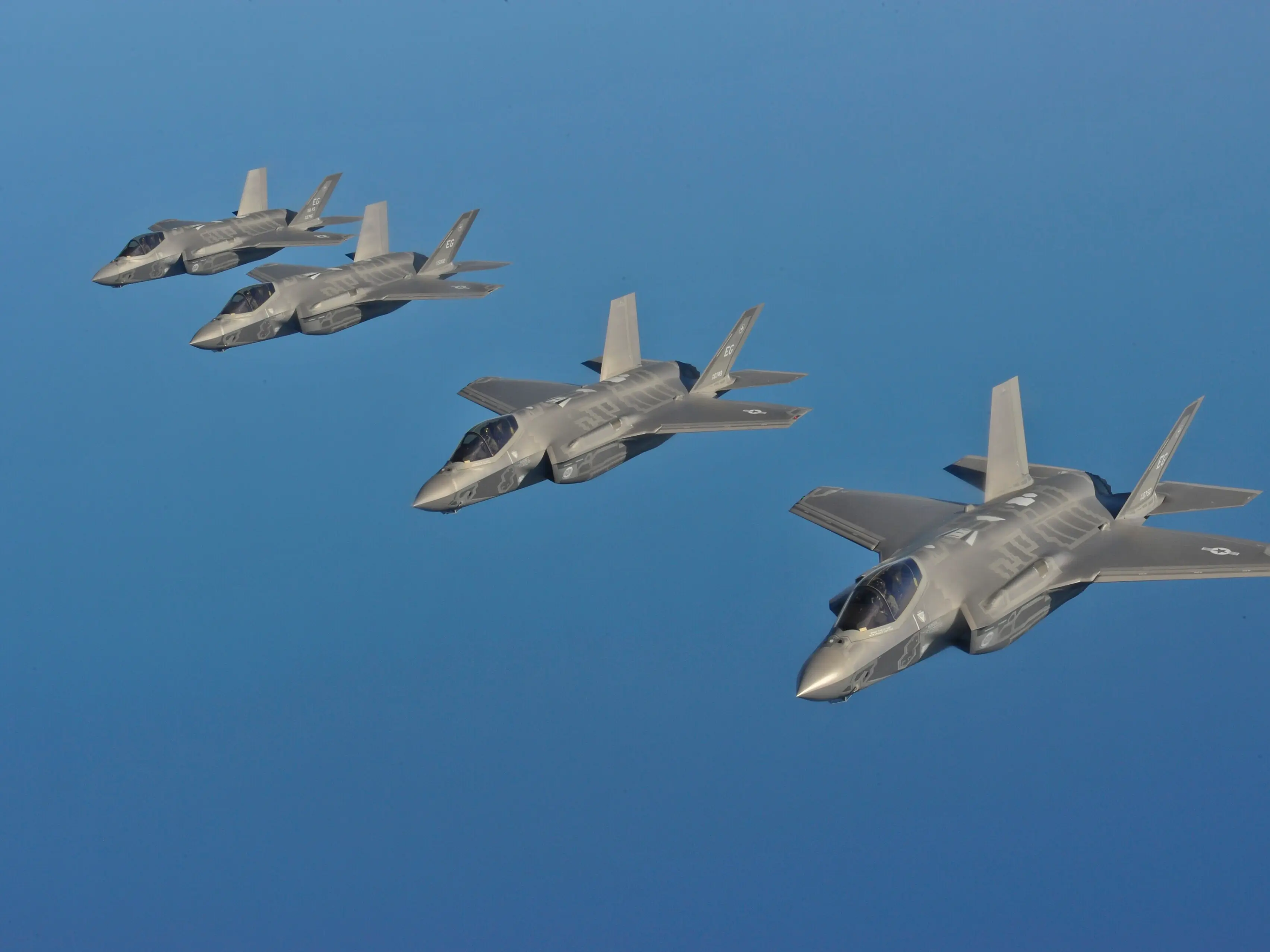
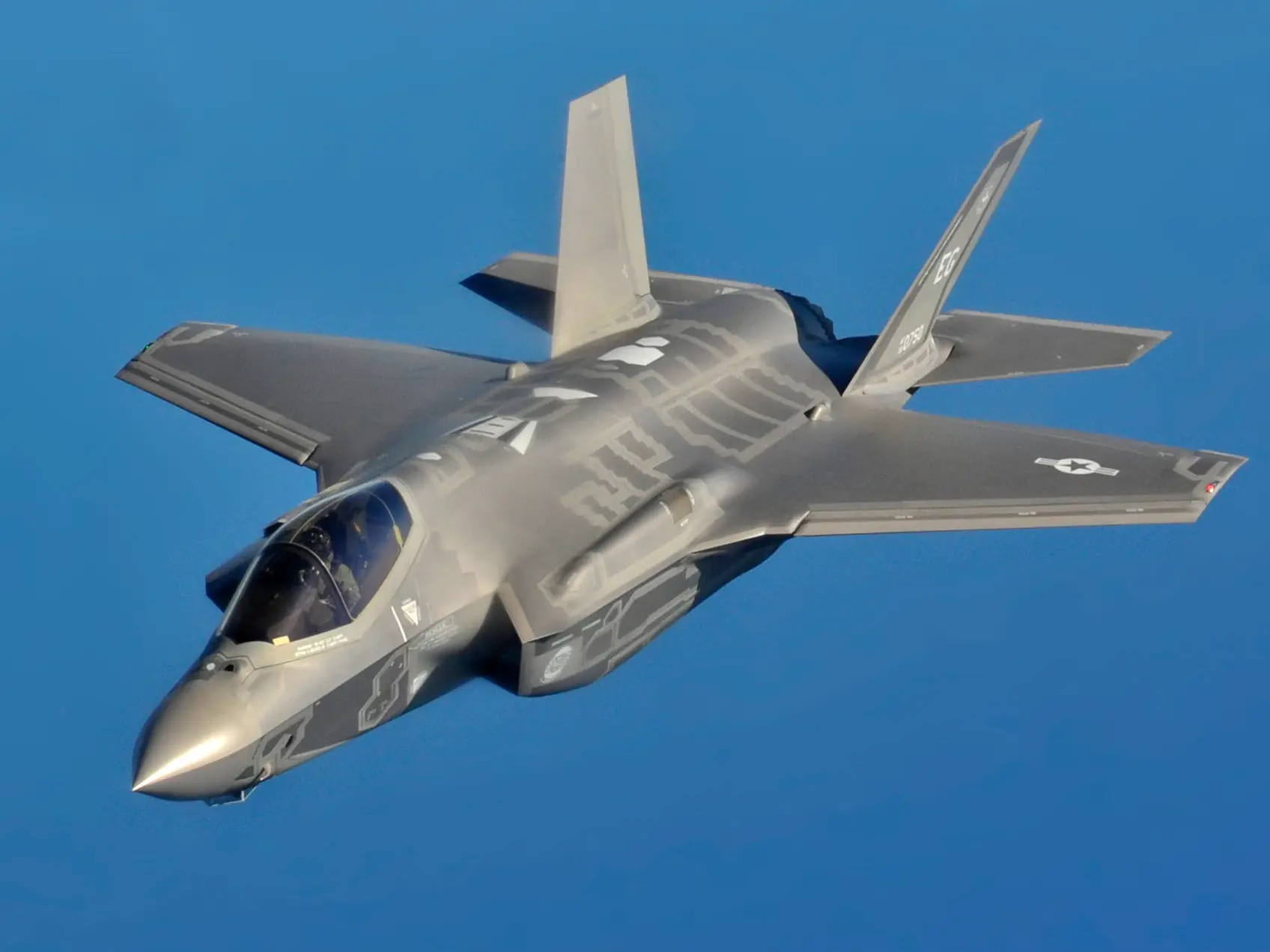
As the race accelerates, the tech sector is becoming increasingly militarized. The battle for the $100 billion microchip is redefining geopolitical alliances and setting the stage for the next century of superpower rivalry.
)
)
)
)
)