10 railway stations famous for futuristic architecture

From Tokyo’s Shibuya and Belgium’s Liège-Guillemins to Mumbai’s futuristic heritage station, these stations are icons of innovation, design, and smart technology powering the future of rail travel.

Shibuya Station, Tokyo, Japan
Shibuya Station is a symbol of Tokyo’s modern urban life, featuring a dynamic design and multi-level structure. Its iconic scramble crossing, innovative pedestrian flow, and use of light make it one of the world’s most visually striking railway stations.
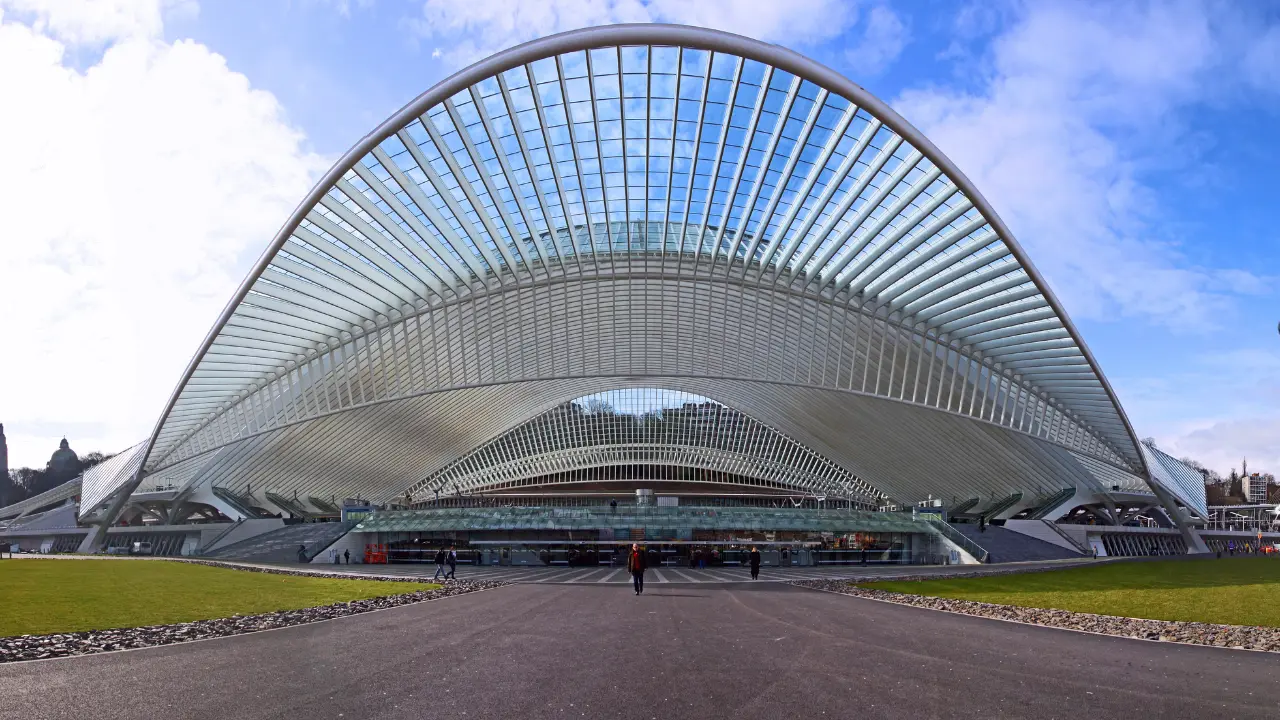
Liège-Guillemins Station, Belgium
Designed by Santiago Calatrava, this TGV station’s sweeping steel arches, glass facades, and flowing lines create a sensation of constant movement. It functions as a public art gallery, with open spaces for visitors, redefining modern rail travel.
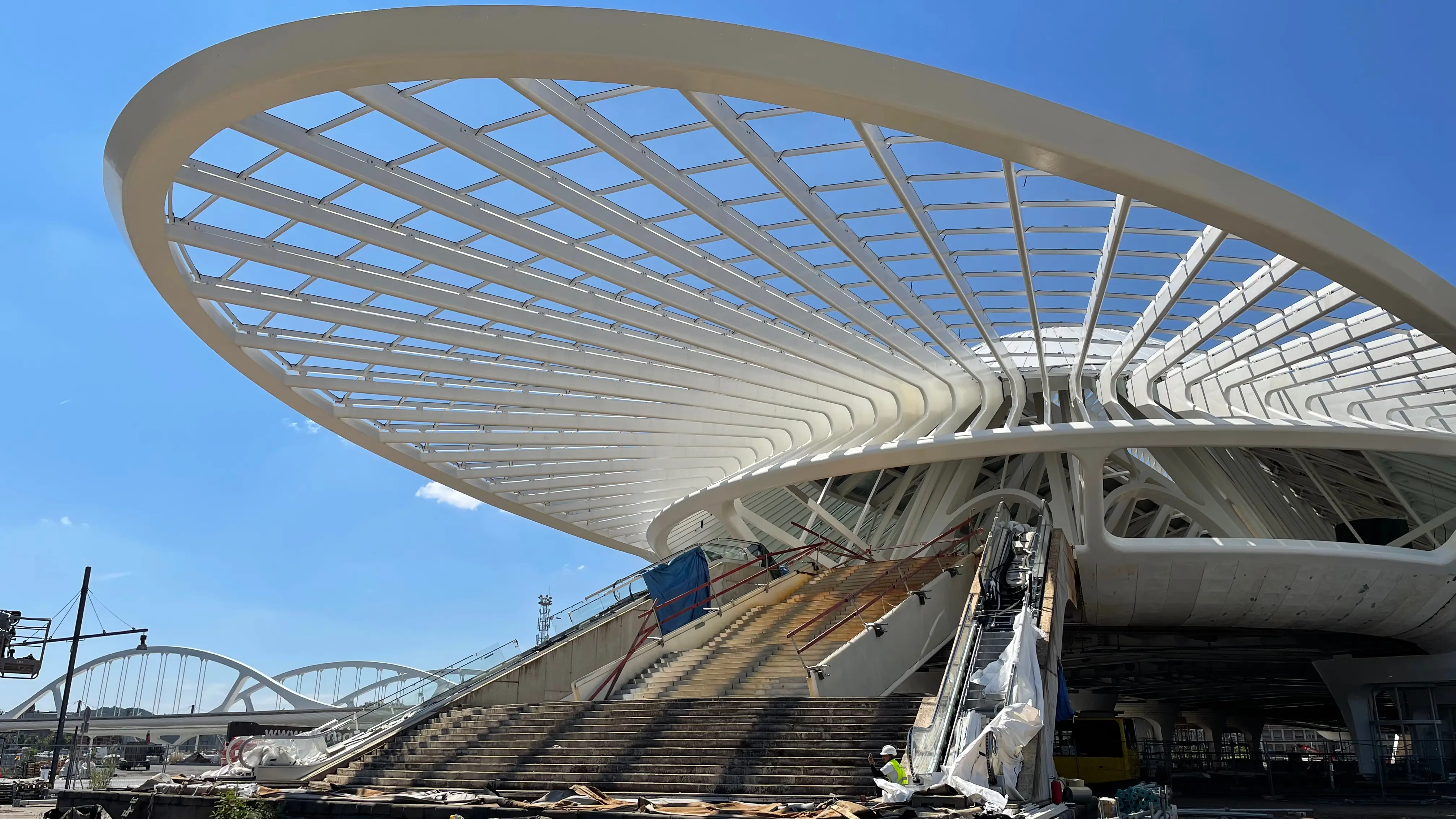
Mons Railway Station, Belgium
Awarded by UNESCO’s Prix Versailles, Mons Station boasts brilliant white, airy spaces, steel structures, and a cathedral-like footbridge. Designed by Calatrava, it connects the city’s historic and new districts and combines technical achievement with aesthetic elegance.
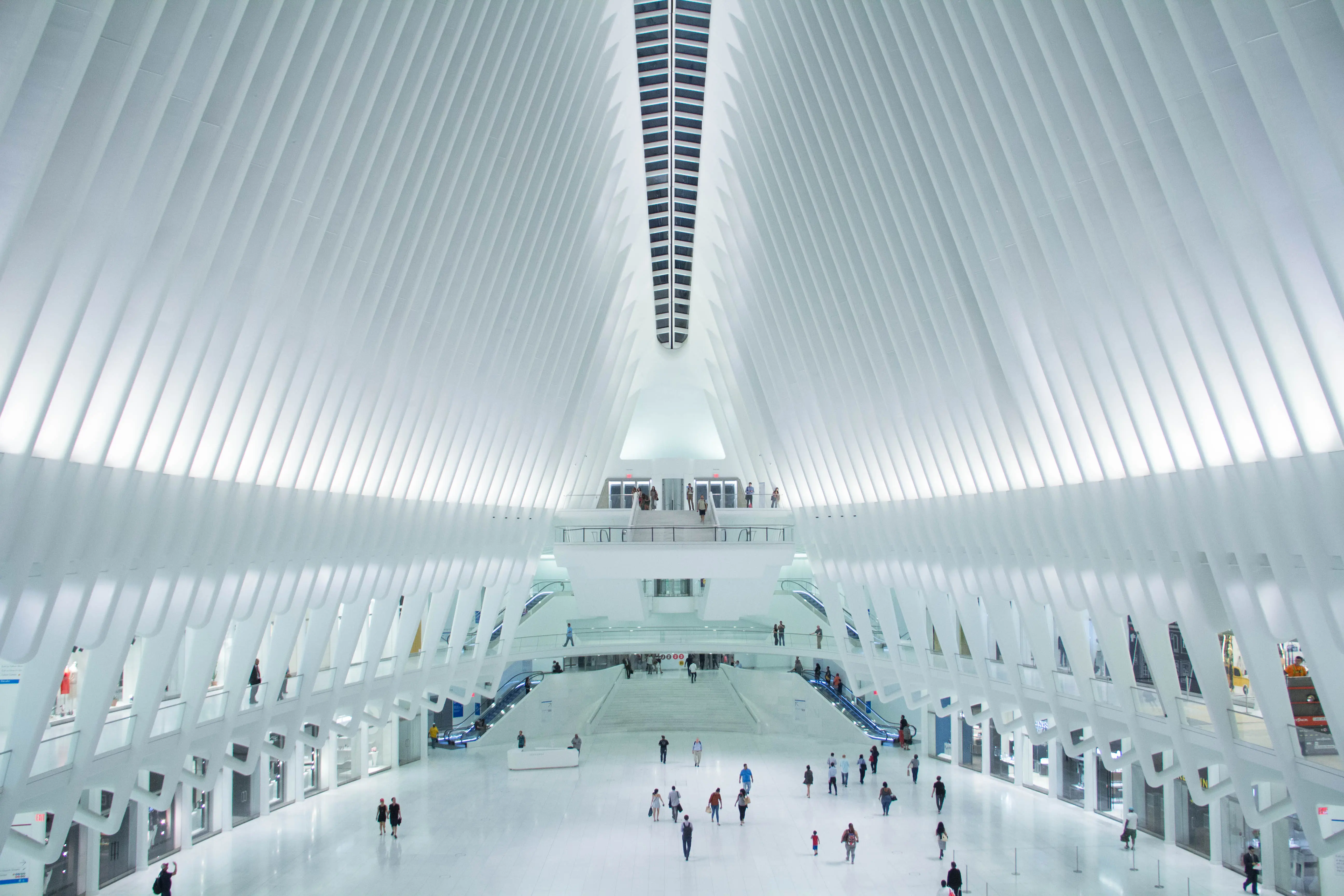
World Trade Center Transportation Hub, New York, USA
Designed by Calatrava, the “Oculus” features soaring “steel ribs” and a massive glass structure that floods the underground concourses with natural light. It smoothly links subways, trains, and ferries, acting as an architectural gateway to New York.
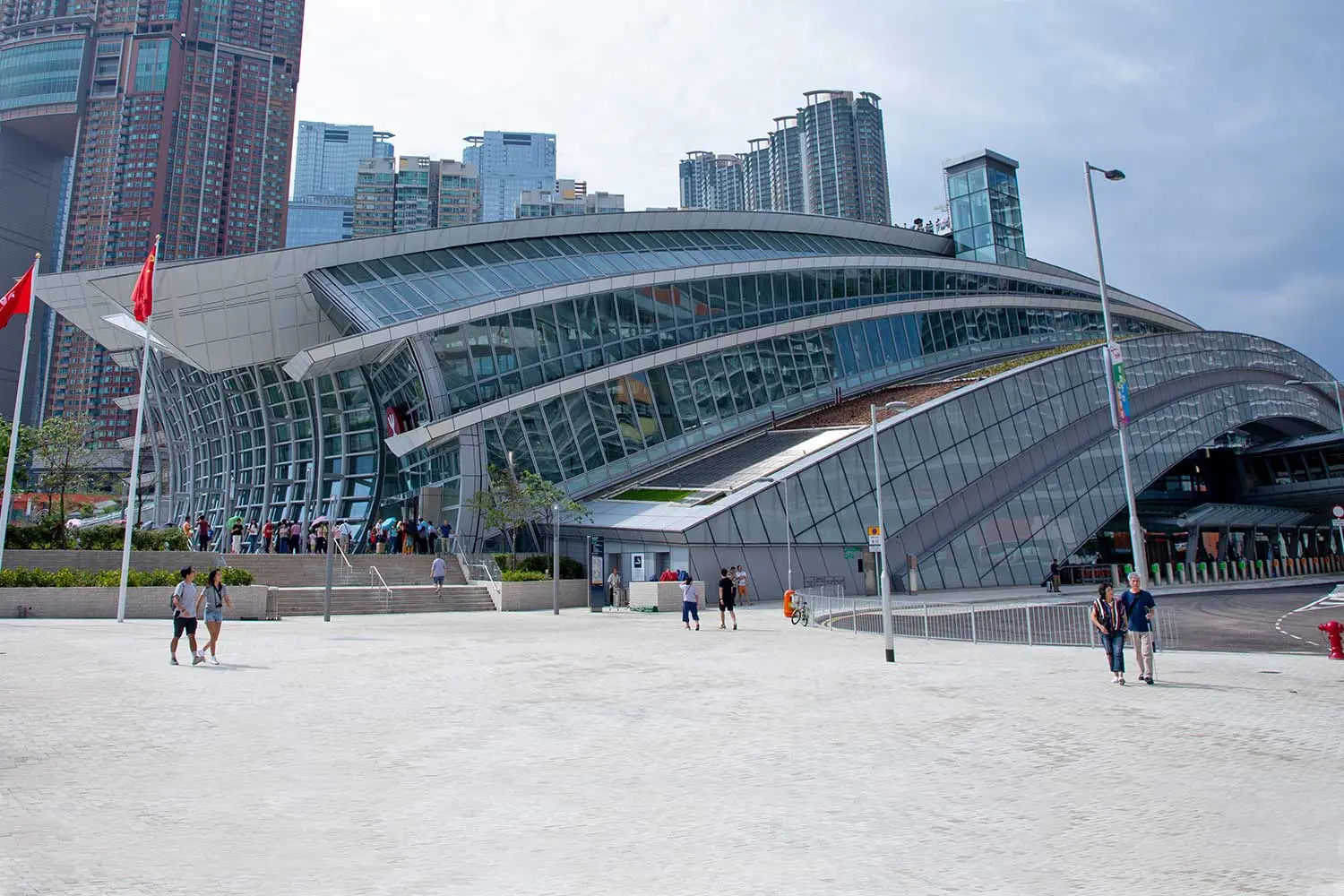
Hong Kong West Kowloon Terminus
Known for its sweeping curves, green roofs, and transparent walls, West Kowloon Terminus integrates high-speed rail travel with public parks. The design encourages natural light, energy efficiency, and a seamless connection between the city and station.
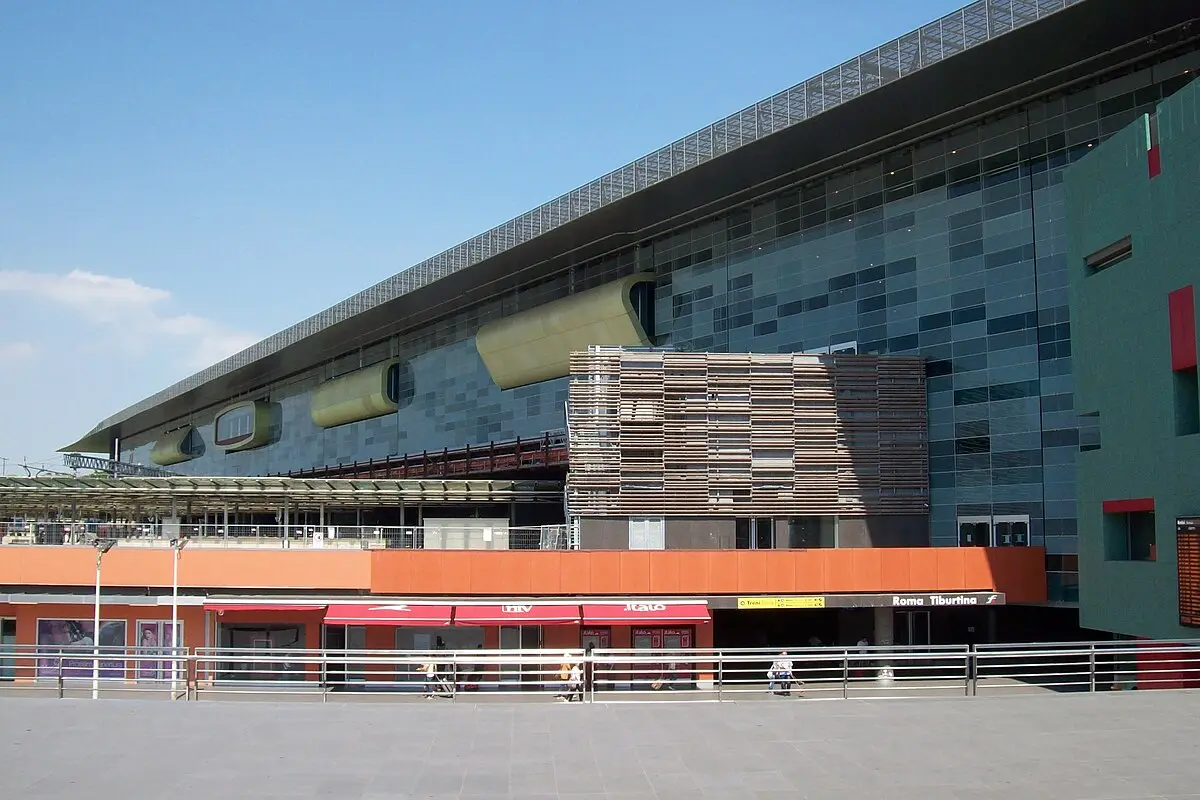
Rome Tiburtina Station, Italy
Rome Tiburtina stands out with bold, futuristic design including expansive glass walls and dramatic canopies. It is a key intermodal hub, handling high-speed and local trains while blending functional infrastructure with modern architectural statements.
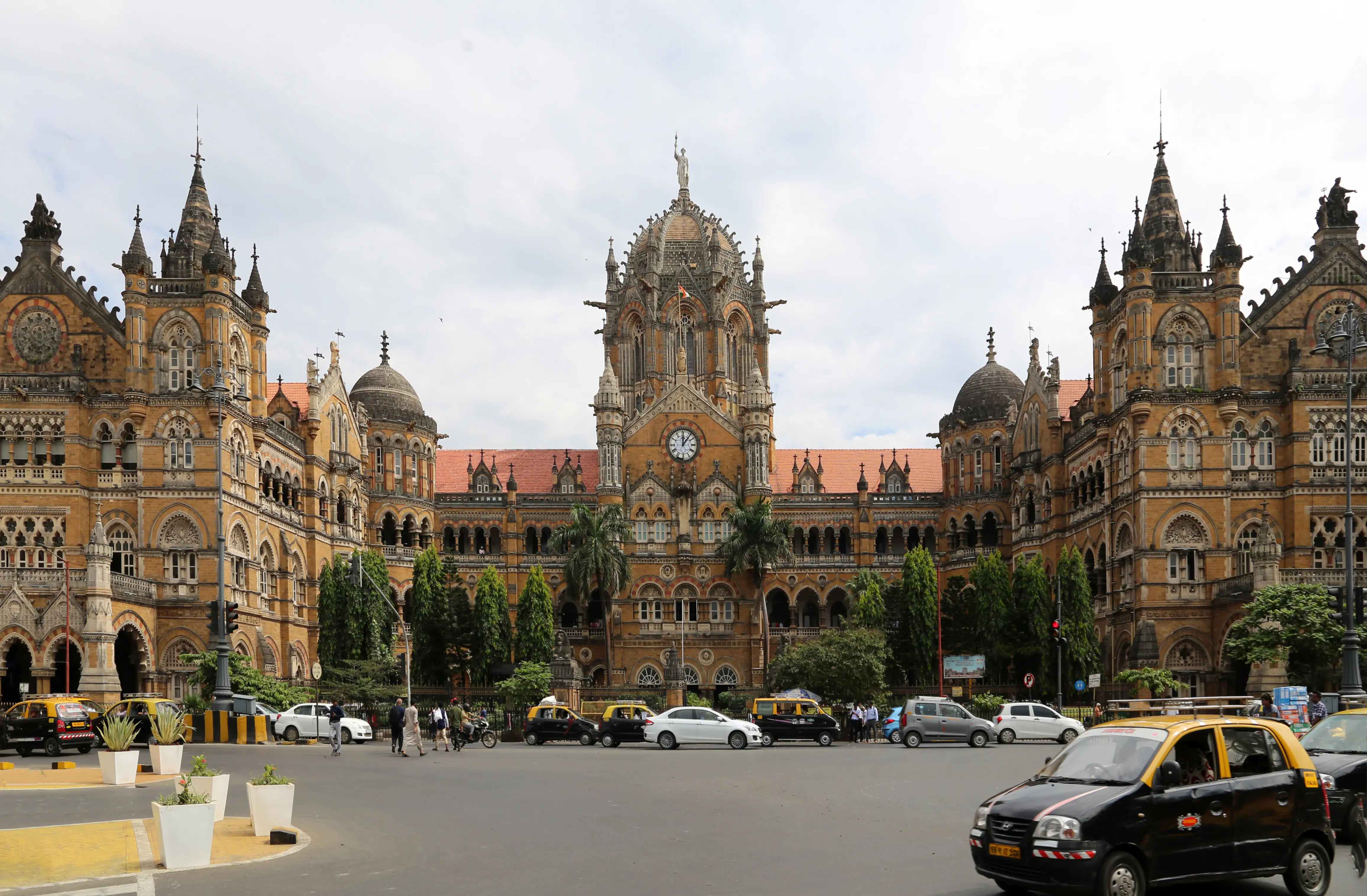
Chhatrapati Shivaji Maharaj Terminus, Mumbai, India
This UNESCO World Heritage Site blends Victorian Gothic Revival with traditional Indian elements. Its bold domes, pointed arches, and ornate detailing recently modernised with digital features and solar panels exemplify futuristic heritage integration.
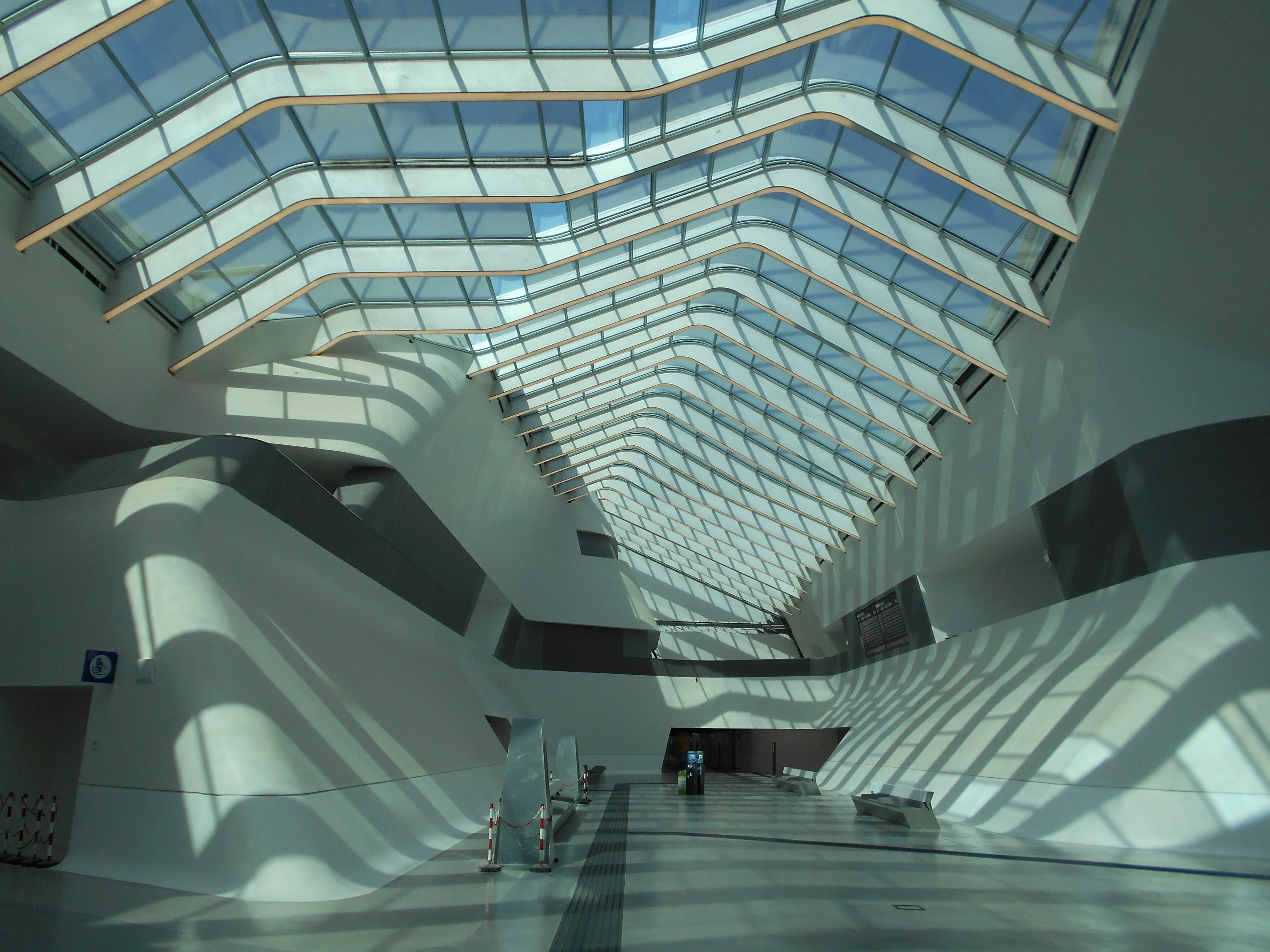
Naples Afragola Station, Italy
Designed by Zaha Hadid, Afragola looks like a flowing, sculptural bridge over the railway lines. Its sinuous form, innovative engineering, and spacious concourses make it a showcase of contemporary Italian station architecture.
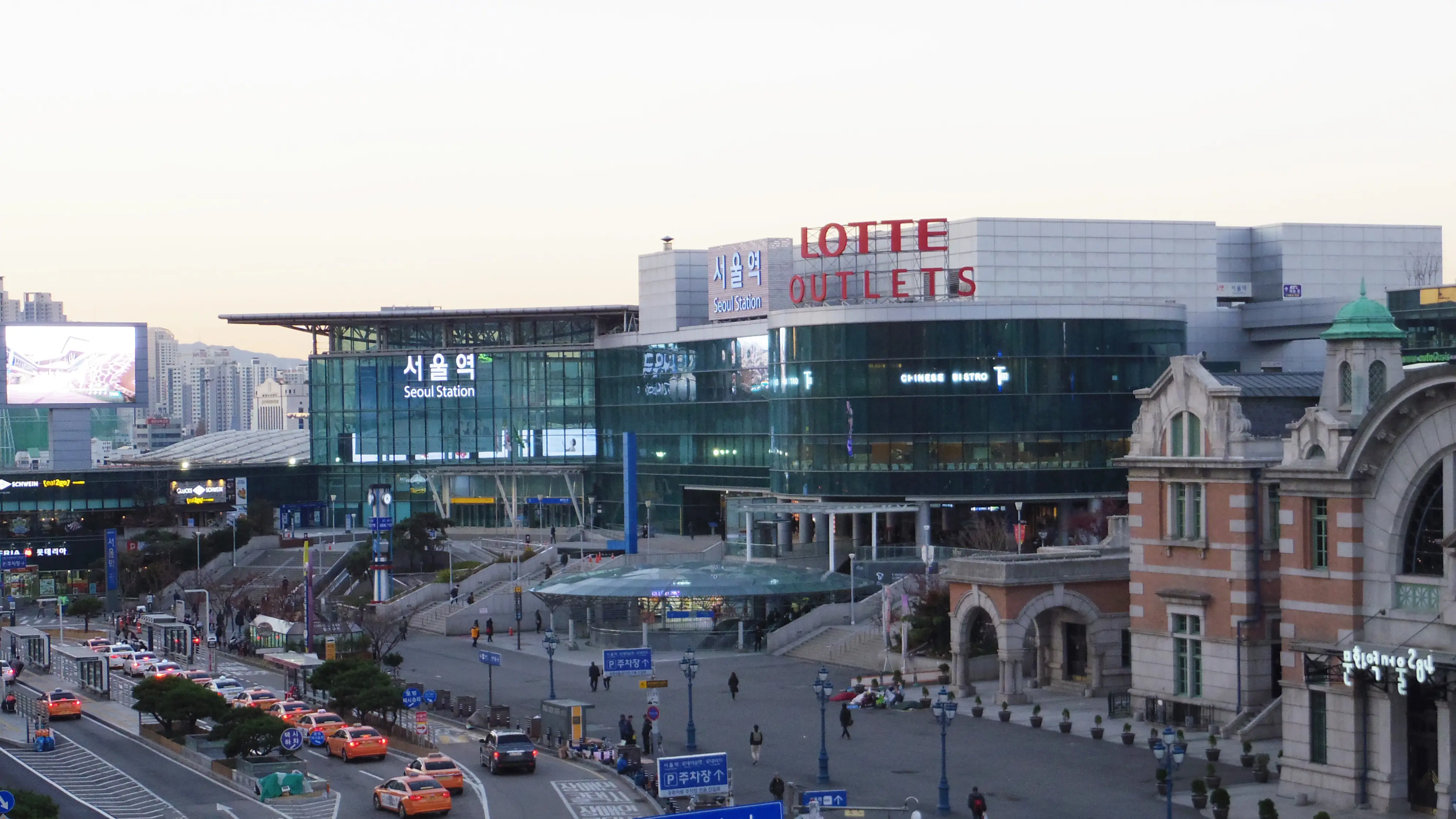
Seoul Station, South Korea
The famed Seoul Metro hub is celebrated for seamless connectivity, elegant concourses, digital displays, and integration with underground city networks. Its tech-driven approach has made it a global model for smart, user-focused station design.
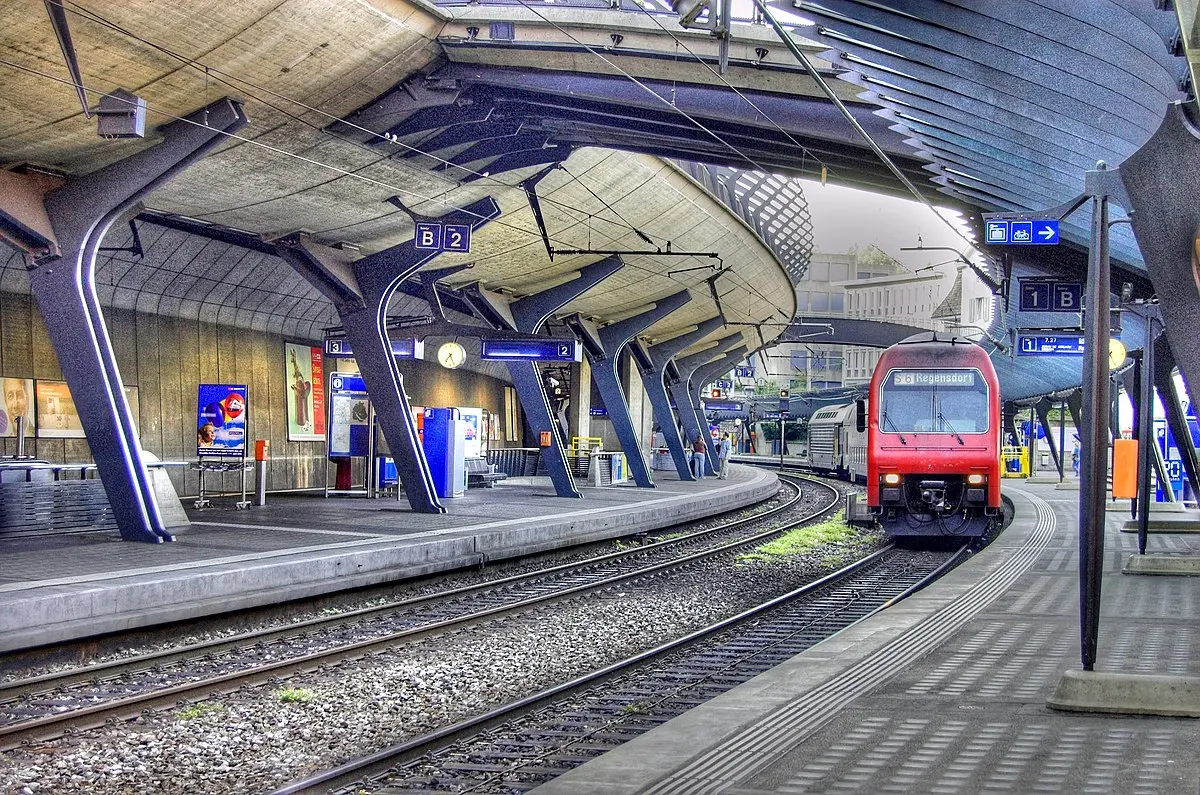
Stadelhofen Station, Zürich, Switzerland
Designed by Santiago Calatrava, Stadelhofen Station is a blend of engineering and organic architecture. The station features a cantilevered concrete canopy that curves elegantly over the platforms, creating a visually light and flowing space. The design incorporates reinforced concrete, steel, and glass allowing natural light to fill the station, enhancing passenger experience. The structure complements Zürich's natural landscape, using the site's topography for smooth circulation and integrating green spaces around the stationStadelhofen Station .
)
)
)
)
)