‘Zero to 160’: How does the USS Abraham Lincoln’s catapult move faster than a race car?

A 30-tonne fighter jet hits 160 mph in two seconds using nothing but pressurised steam and nuclear power on the USS Abraham Lincoln. This raw acceleration exerts 4 Gs on pilots, launching aircraft faster than a Formula 1 car accelerates.
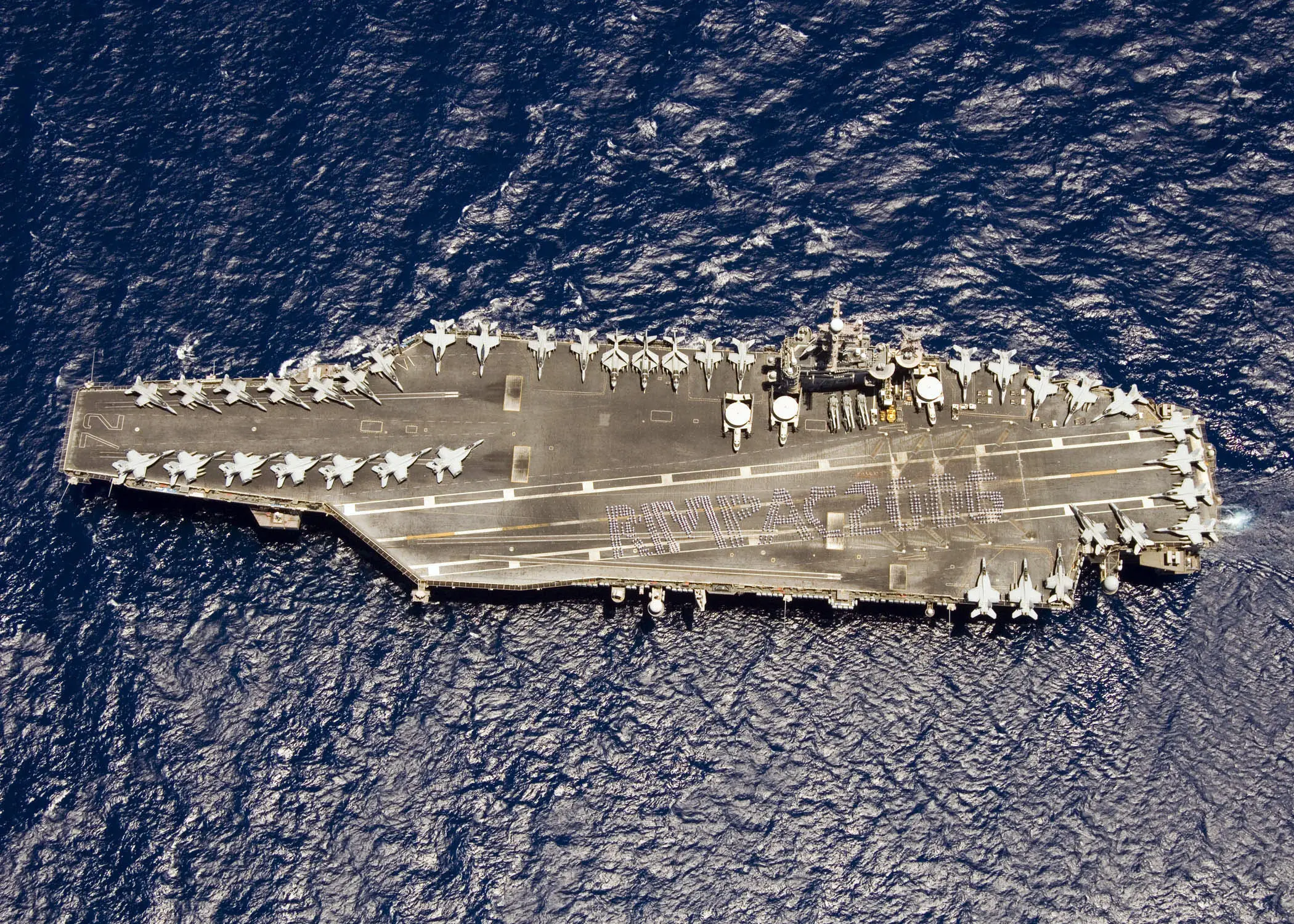
0 to 265 km/h
The ship’s catapult propels a fighter jet from a complete standstill to roughly 265 km/h (165 mph) in just over two seconds. This rapid acceleration is essential to generate the lift needed for flight before the runway ends.
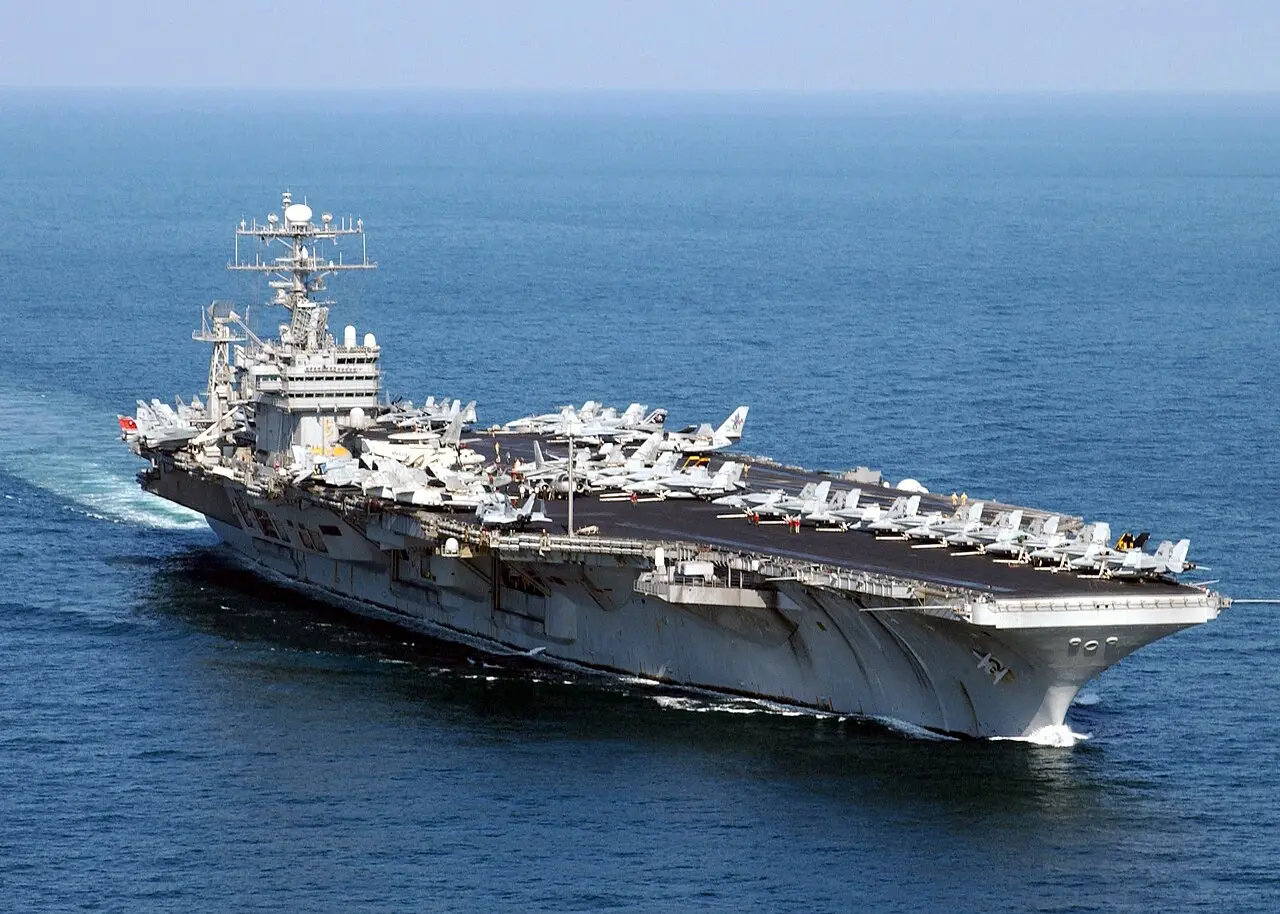
Steam power force
Unlike newer magnetic systems, the USS Abraham Lincoln uses high-pressure steam from its nuclear reactors. This steam is stored in massive accumulators below deck, ready to release a powerful burst of energy instantly.
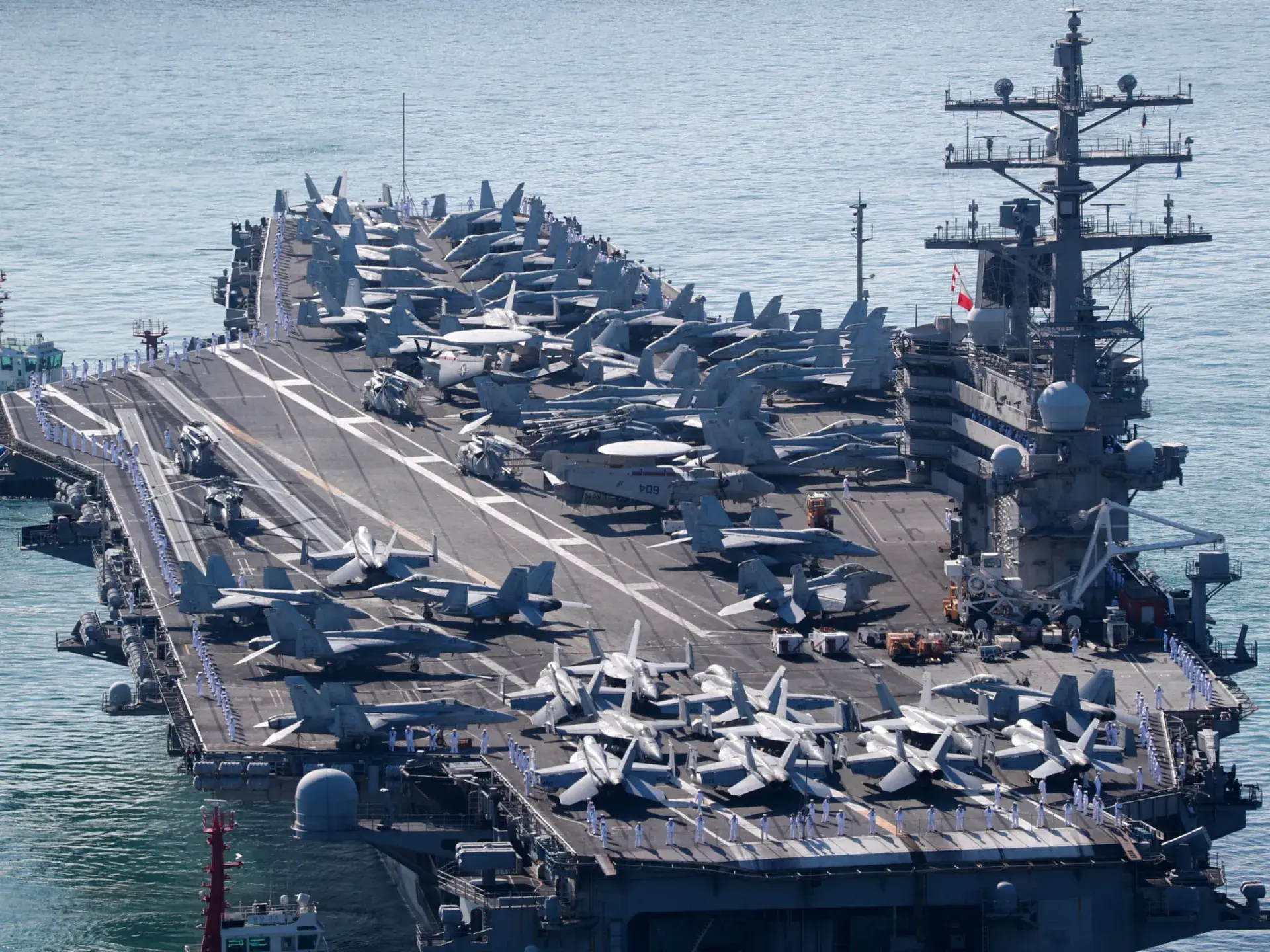
30 tonnes moves fast
A fully loaded F/A-18 Super Hornet can weigh nearly 30,000 kilogrammes (30 tonnes). The catapult system generates enough kinetic energy to throw this massive aircraft into the air as if it were a small stone.
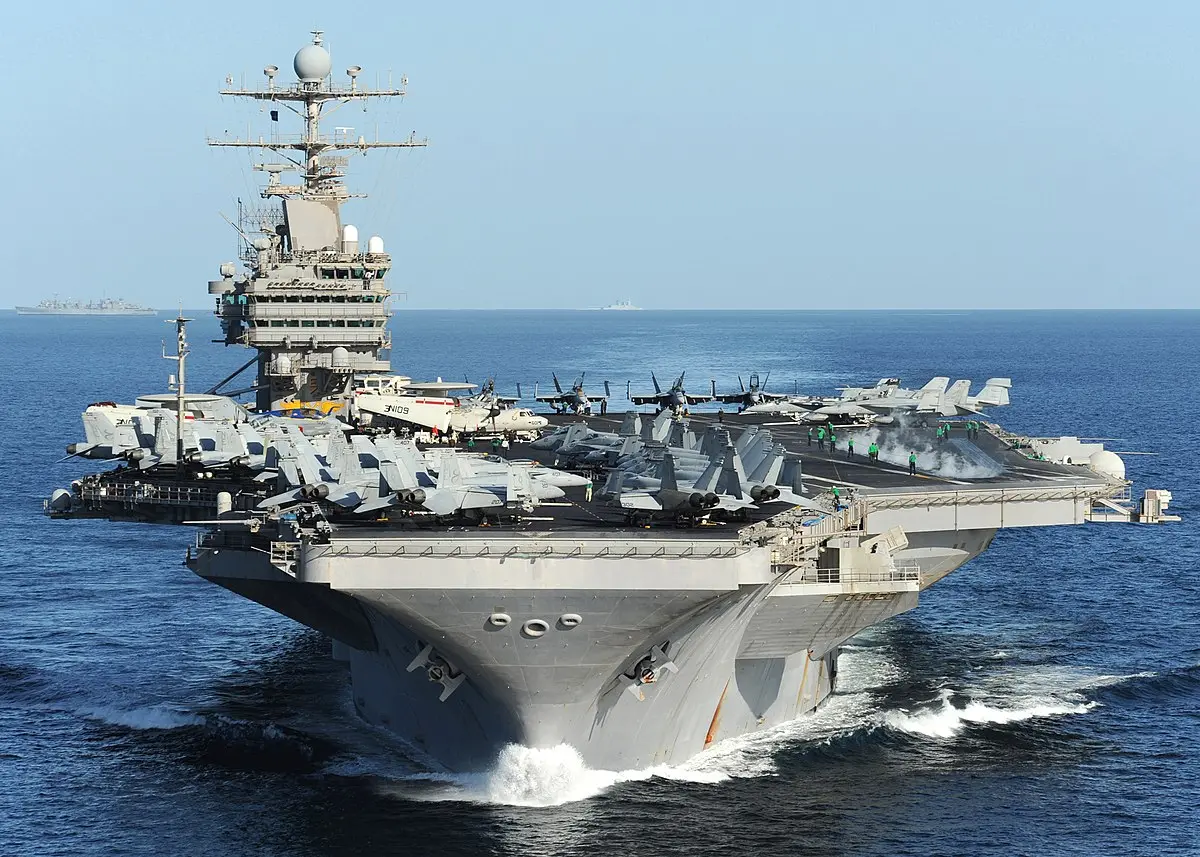
94-metre launch run
The aircraft has only about 94 metres (310 feet) of track to reach flight speed. Without the catapult’s assistance, the jet’s own engines would not provide enough speed, causing it to roll off the deck and fall.
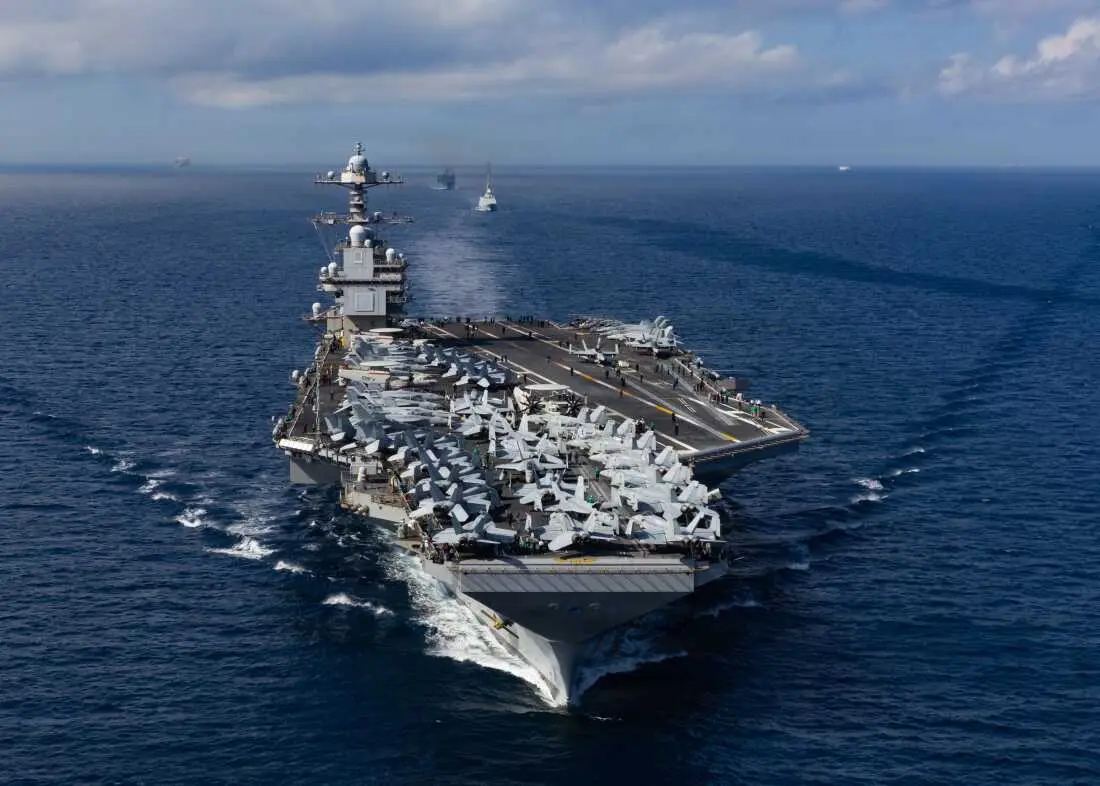
4 Gs of pressure
Pilots endure extreme physical stress during the launch sequence. The sudden acceleration pushes them back into their seats with a force of up to 4 Gs, which is four times the force of gravity.
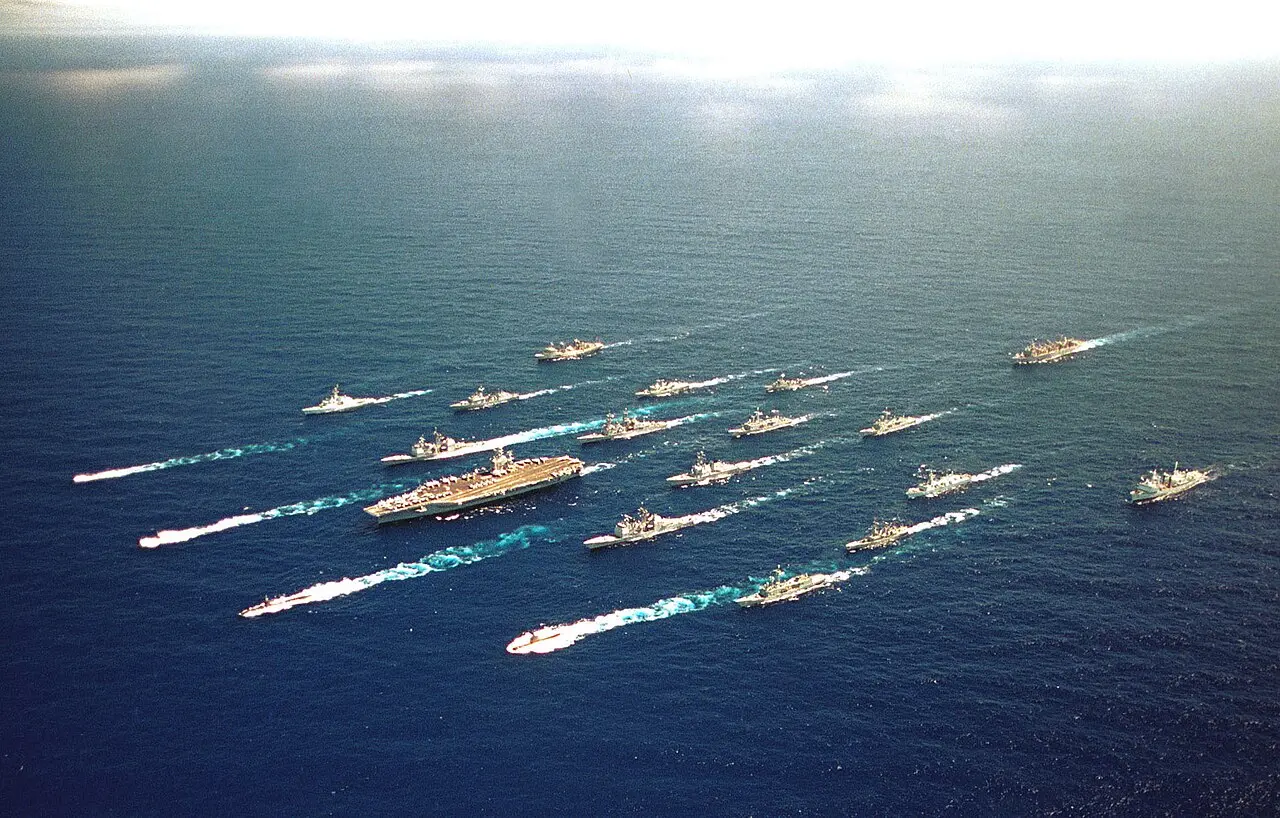
The launch valves
When the officer signals the launch, huge valves open in milliseconds. This releases the stored steam behind two massive pistons that run the length of the track, dragging the shuttle and aircraft forward.
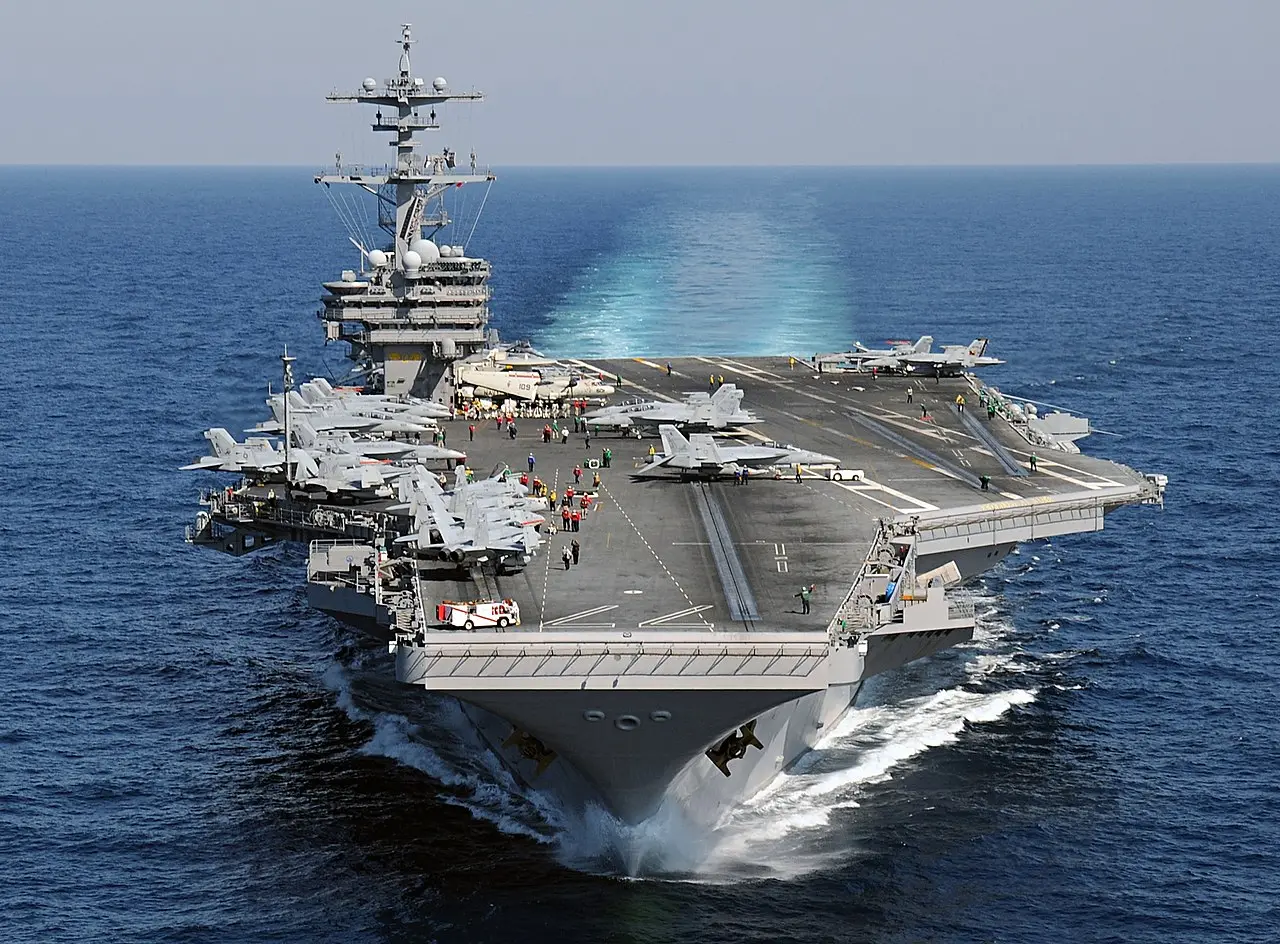
Faster than F1
While a Formula 1 car is built for speed, it moves a light frame. The carrier catapult accelerates 30 tonnes to take-off speed faster than an F1 car can reach its top gear, showcasing immense raw power.
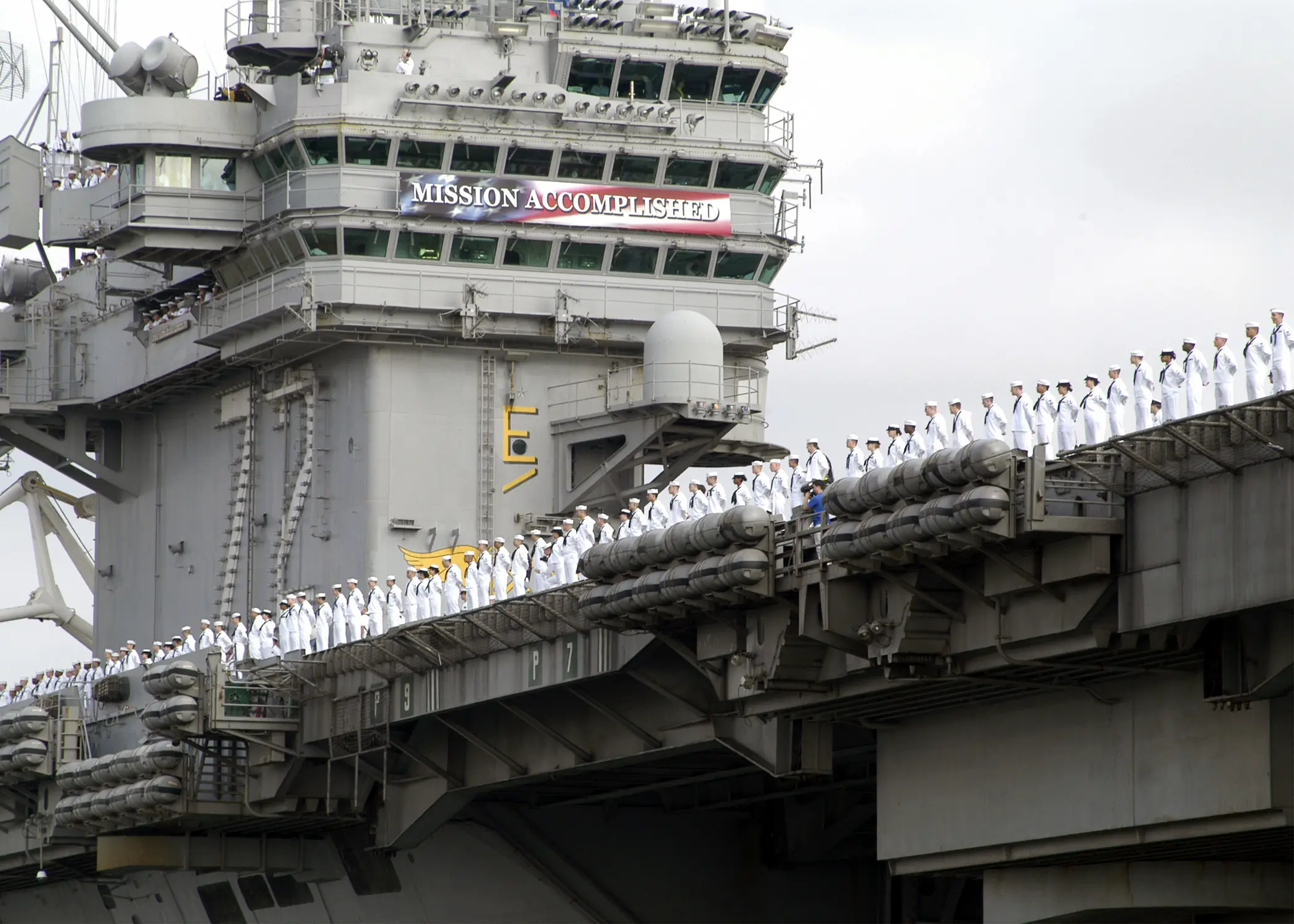
Water brake stop
Once the jet releases, the catapult pistons are travelling at 260 km/h and must stop in just a few feet. Water brakes, or water-filled cylinders, absorb this massive impact to prevent the machinery from breaking.
60-second cycles
The system is designed for high-intensity warfare and can reset rapidly. During flight operations, crews can reload the shuttle and build up steam pressure to launch another aircraft roughly every 60 seconds.
Decades of service
The C-13 steam catapult design has served the US Navy reliably for over 50 years. Despite new digital tech on future ships, the USS Abraham Lincoln proves that pressurised steam remains a dominant force in naval aviation.
)
)
)
)
)