‘We missed our window’: Why scientists couldn’t observe 3I/ATLAS at its closest approach

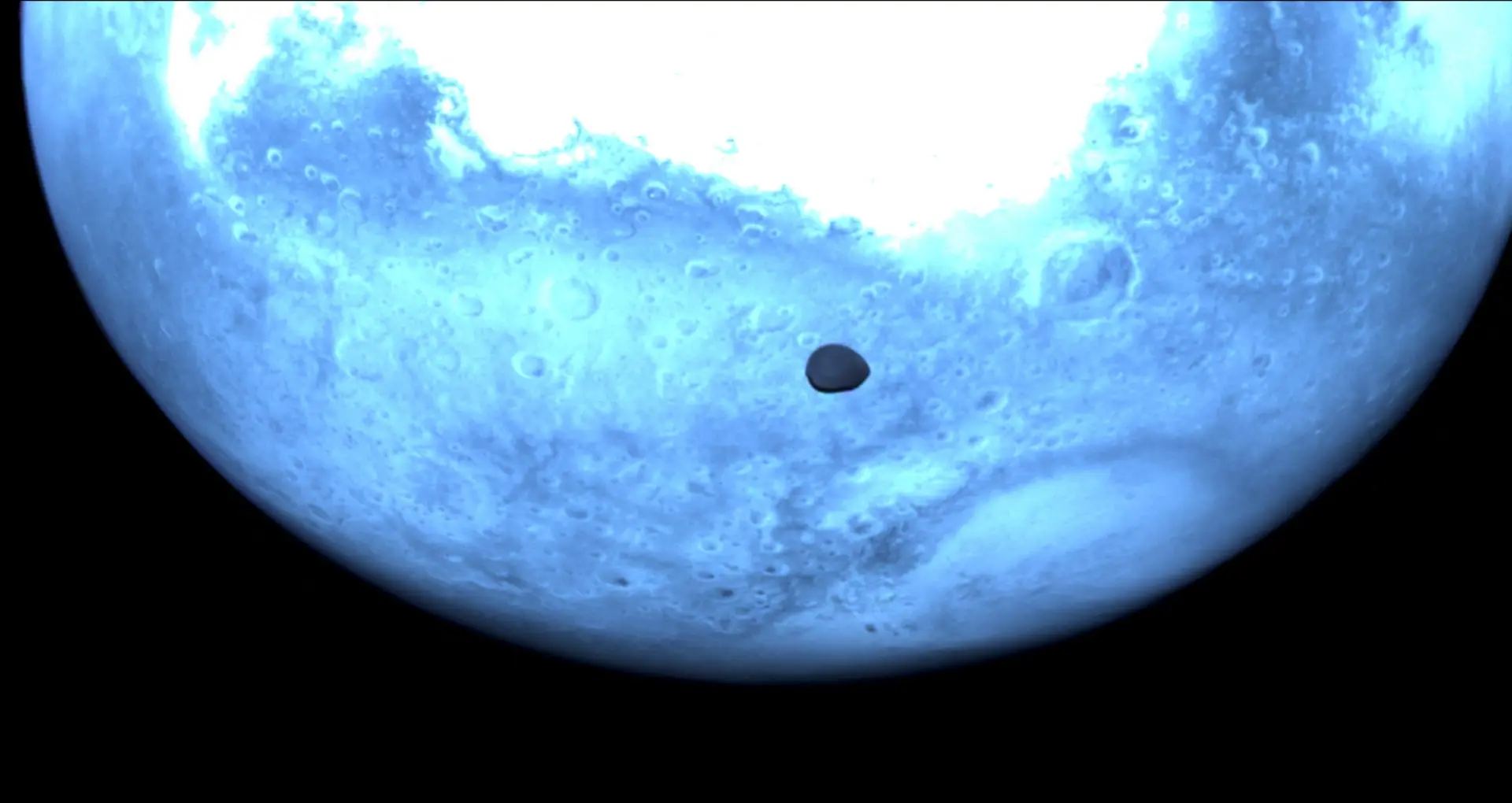
When the interstellar object 3I/ATLAS made its closest pass near Earth and the inner Solar System, it should have been the astronomical event of the decade.

1. It Arrived During a Period of Low Preparedness
When 3I/ATLAS was first detected, most major observatories were prioritizing other sky surveys. According to Avi Loeb, “We didn’t even realize how fast we were losing our viewing window.” By the time telescopes reoriented, the object’s trajectory had already shifted beyond ideal visibility.
2. Its Brightness Dropped Unexpectedly
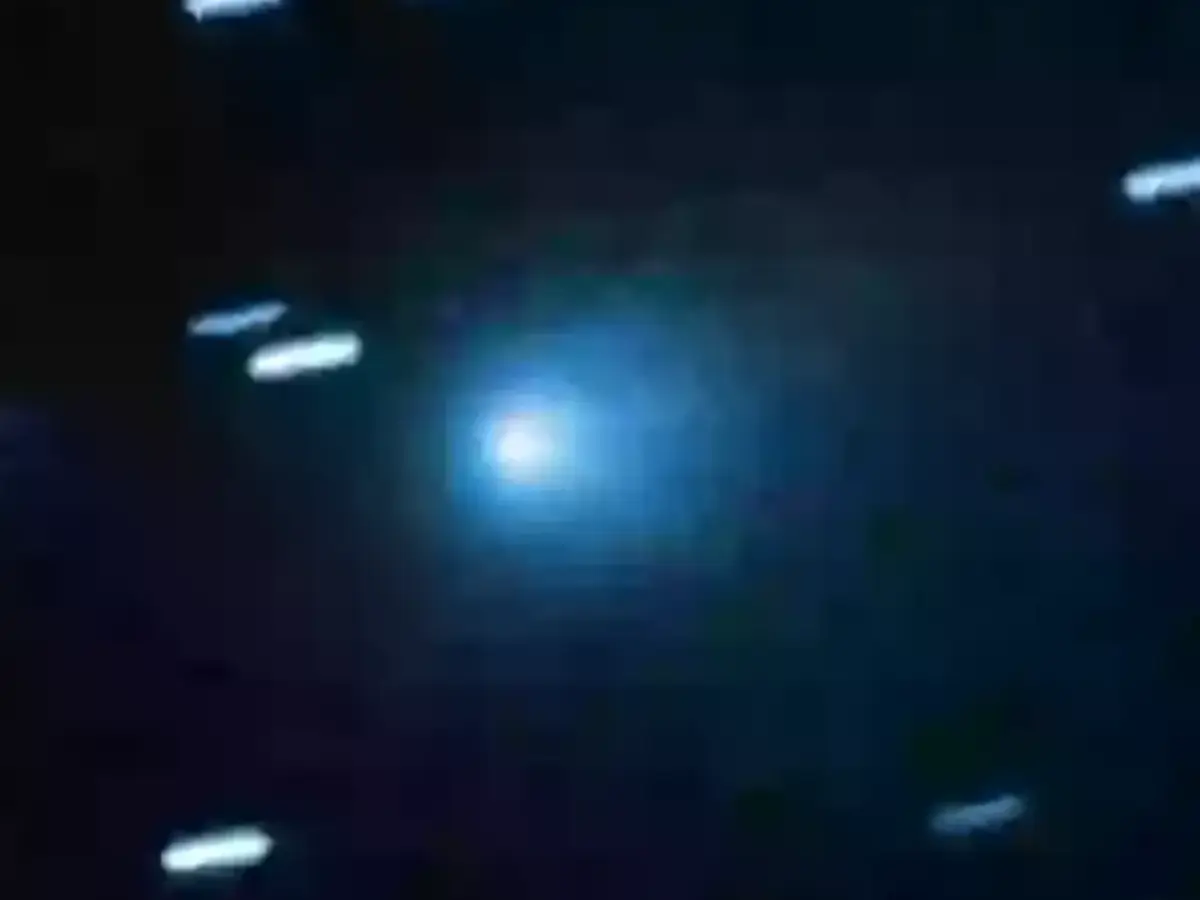
3I/ATLAS dimmed faster than expected, a rapid fading that puzzled astronomers. Some scientists believe this could indicate non-natural material composition or a fragmenting shell, both of which would have complicated optical tracking.

3. Global Disruptions in Telescope Scheduling
During its prime visibility, several ground-based observatories were affected by maintenance schedules, weather issues, and funding delays. The James Webb Space Telescope was still focused on early galaxy mapping, while NASA’s Near-Earth Object (NEO) program lacked flexibility to pivot.

4. Data Fragmentation Between Agencies
There was no unified protocol for studying interstellar objects post-‘Oumuamua’. Different agencies collected scattered data sets, light curves, infrared readings, and trajectory estimates but failed to combine them in time. Loeb later said, “The bureaucratic lag cost us the truth.”
5. Orbital Geometry Created a Blind Spot
As 3I/ATLAS approached its perihelion, it moved into a solar glare zone, effectively becoming invisible to most Earth-based instruments. This “sunward trajectory” meant that for several weeks, even powerful telescopes couldn’t safely observe it without risking sensor damage.
6. Loeb and Others Called for Rapid-Response Space Telescopes
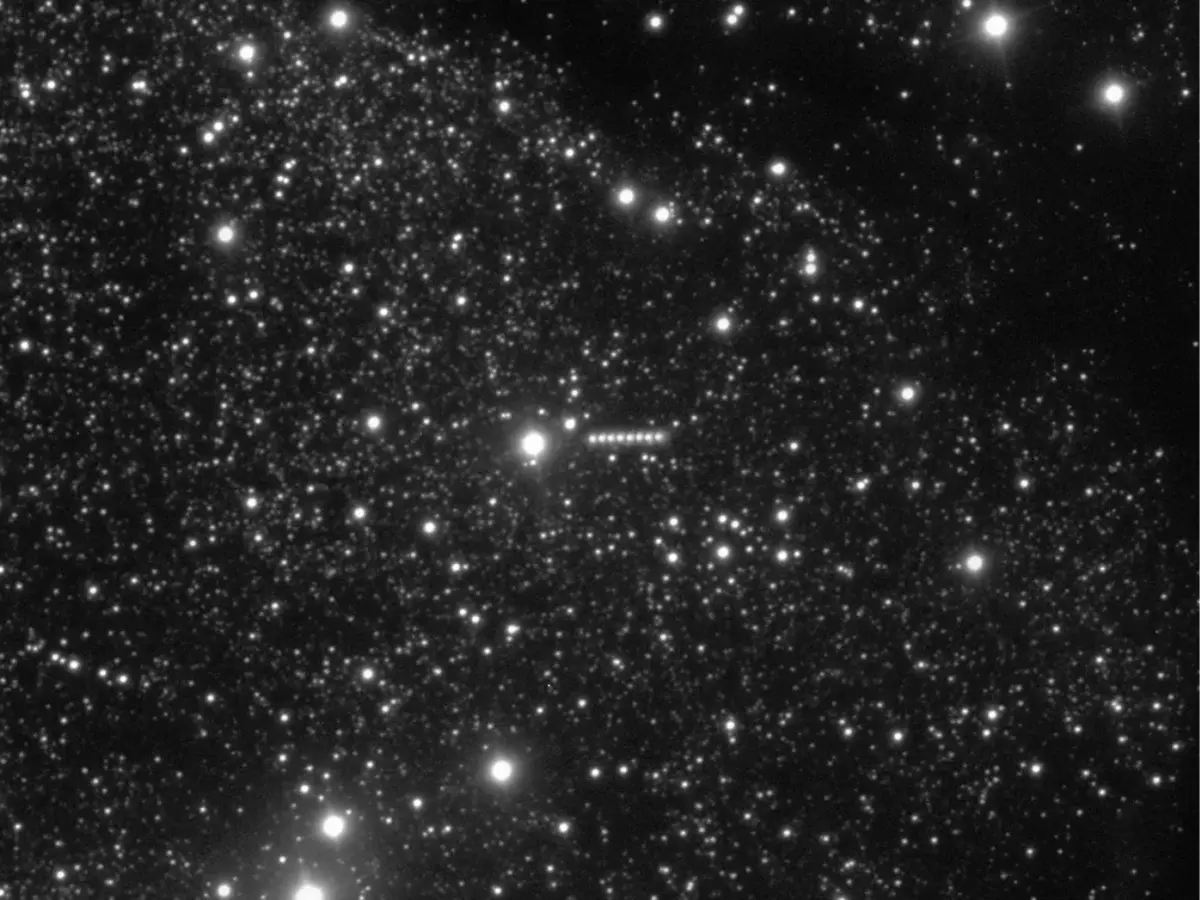
Loeb has since advocated for dedicated interstellar response satellites that could pivot to new targets within hours. “When the next one comes, we can’t depend on luck,” he said in a 2025 interview. Other astronomers now echo that sentiment, calling 3I/ATLAS a “once-in-a-generation miss.”
7. Speculation Fills the Data Gap
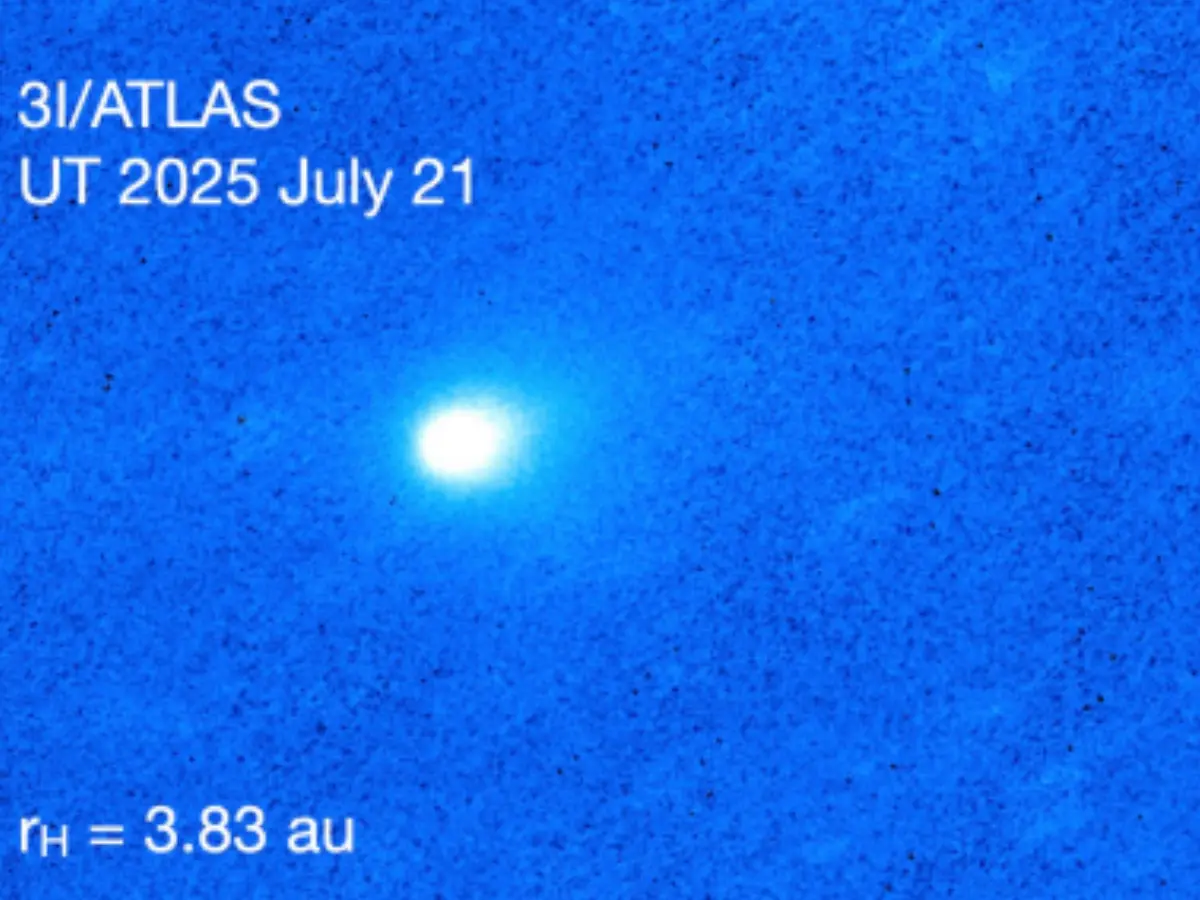
Because hard data is limited, speculative models have flourished, including theories that 3I/ATLAS could be an artificial probe or alien debris. The lack of direct observation at its closest point leaves room for everything from cometary outgassing to engineered propulsion systems.
Final Thought
3I/ATLAS may have already exited the inner Solar System, but its brief appearance left scientists with a haunting realisation, humanity wasn’t ready to study visitors from the stars. As Loeb said, “We had a cosmic guest knock on our door, and we didn’t even open it.”
)
)
)
)
)