‘VTOL to autonomous’: 6 future fighter jet concepts pushing boundaries

Future fighter jets are set to change air combat with vertical takeoff, AI copilots, drone wingmen, and stealth tech. From advanced engines to smart sensors, here’s a look at what air forces worldwide could be flying by 2030.
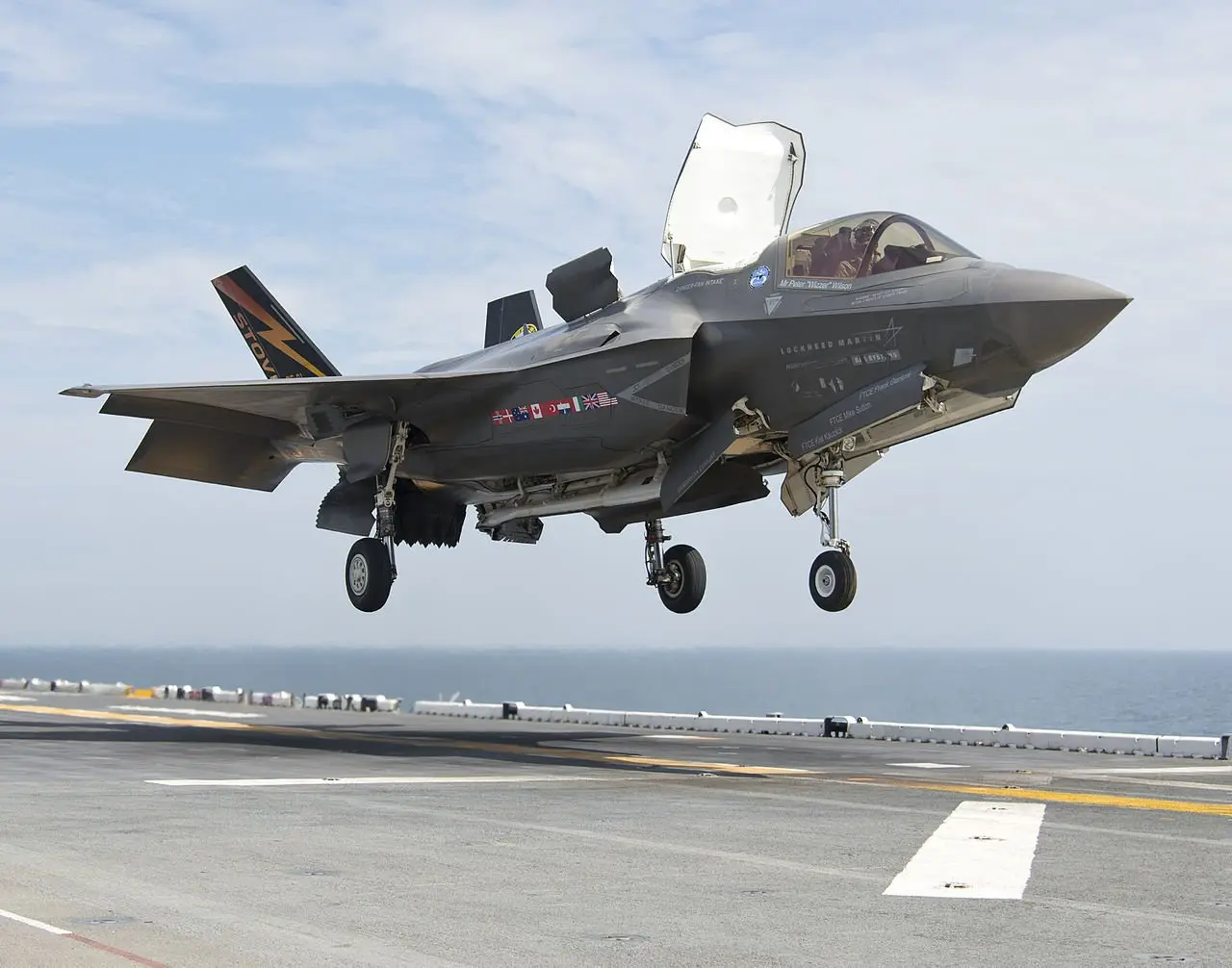
Future fighter jets
Fighter jets are evolving fast. New designs aim to make planes faster, stealthier and more intelligent. Vertical takeoff and landing (VTOL) and autonomous flying are key trends shaping tomorrow’s jets.
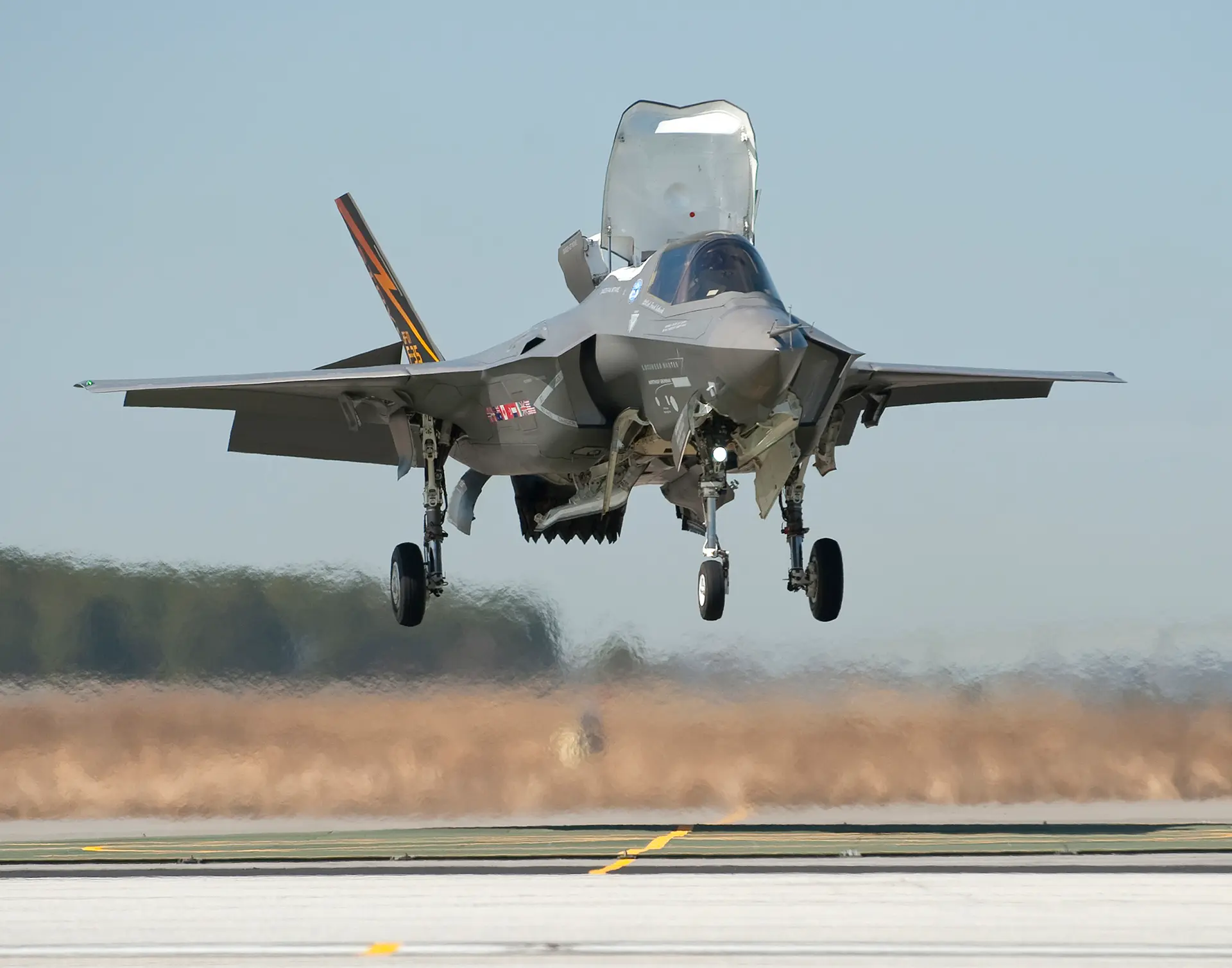
VTOL and STOVL capabilities
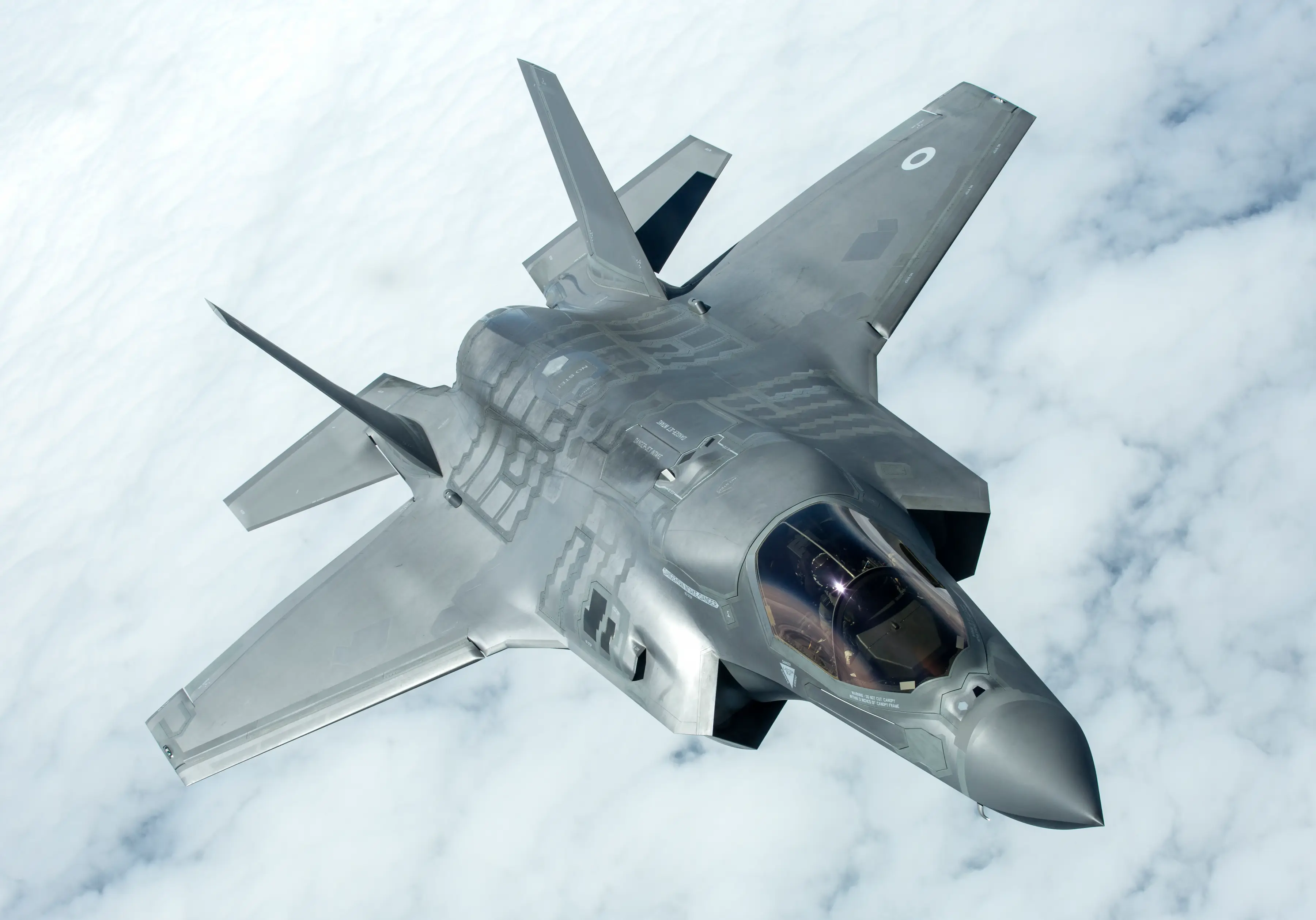
VTOL jets can take off and land vertically, needing no runway. The F-35B Lightning II is an example, able to operate from aircraft carriers and rough fields. Future jets will improve on this agility and flexibility.
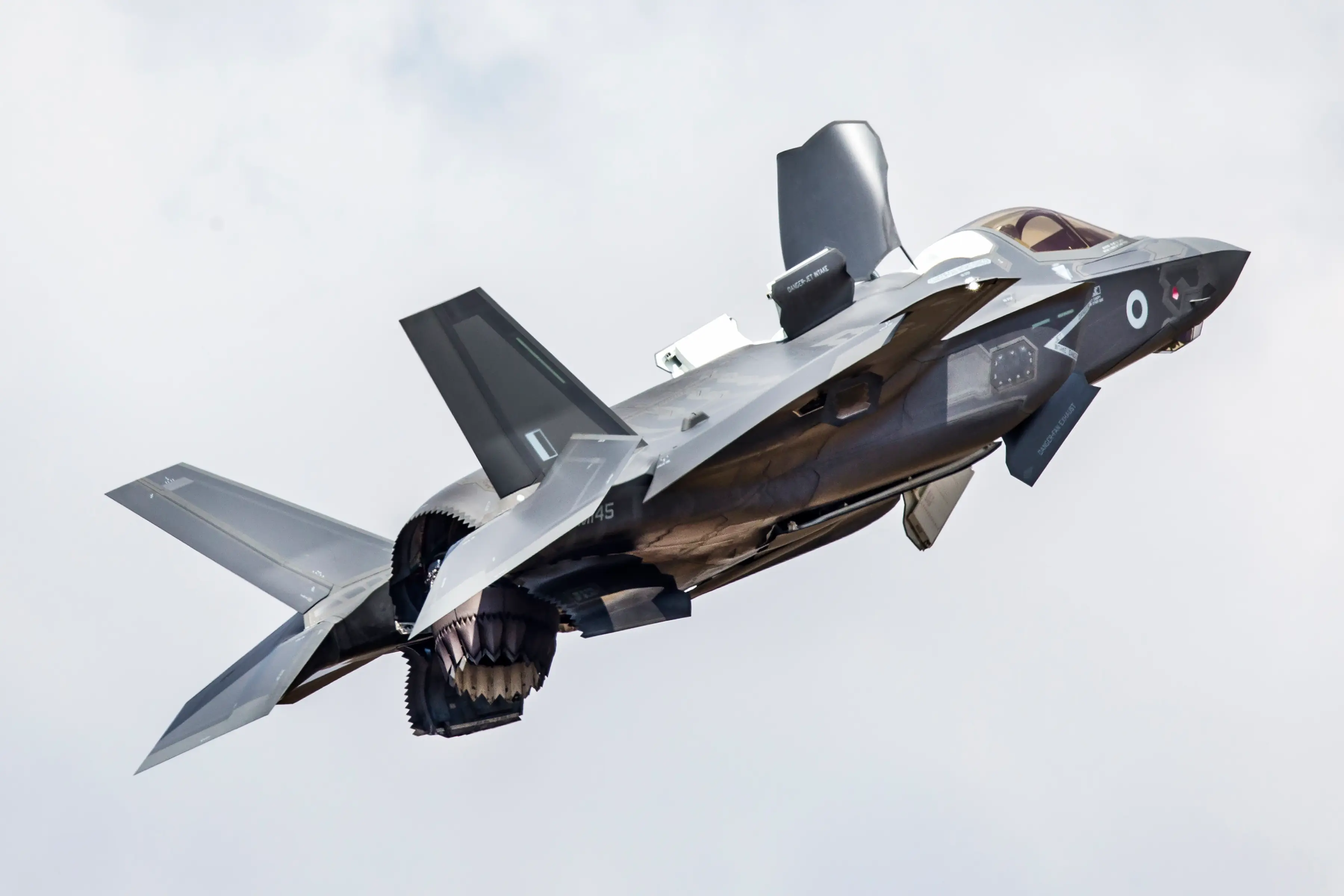
Artificial intelligence integration
AI will assist or even replace pilots in some roles. Autonomous jets like the AI-driven F-16 experiments show how machines can manage complex missions independently or alongside human pilots.
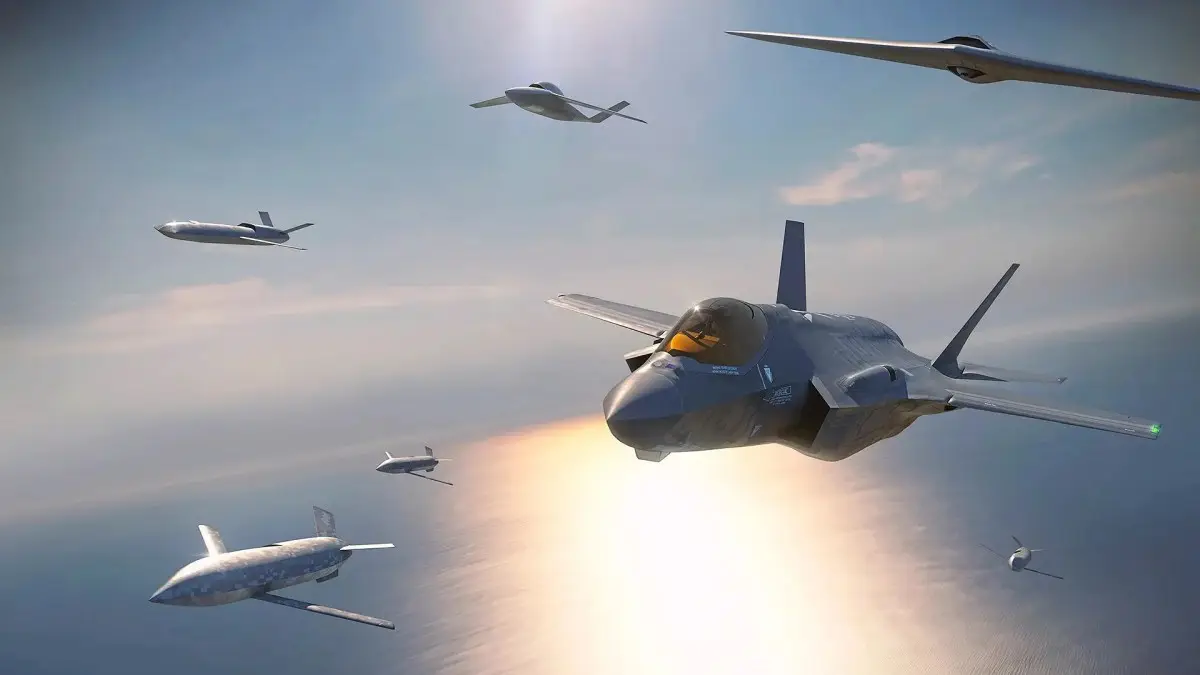
Drone wingmen and swarms
Next-gen fighters will command unmanned drone wingmen. These drones can scout, jam enemy radar or attack separate targets, multiplying force without risking pilots.
Advanced propulsion systems
New engines, such as adaptive cycle engines with multiple airflows, will let future fighters cruise efficiently at supersonic speeds and deliver powerful thrust in combat.
Enhanced stealth and sensors
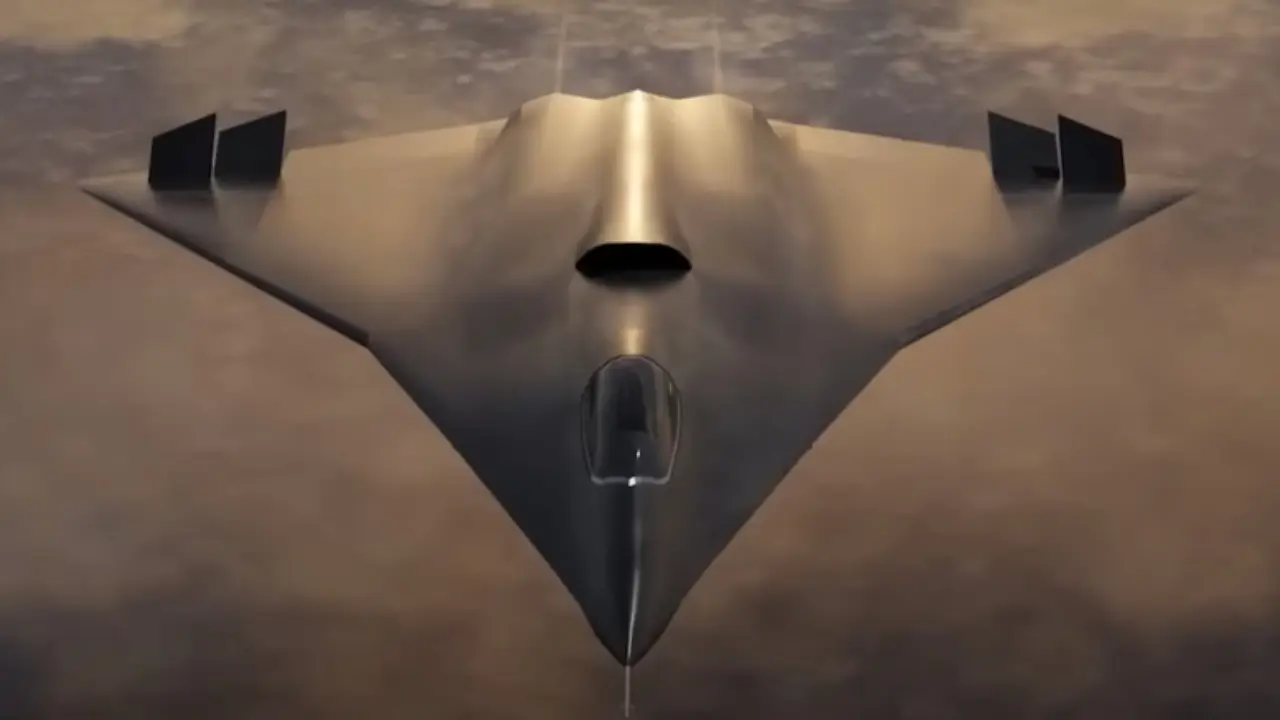
Future fighters will combine improved stealth designs with sensor fusion. This means pilots get a clearer picture of the battlefield and can stay hidden from enemies.
smarter fighter jets
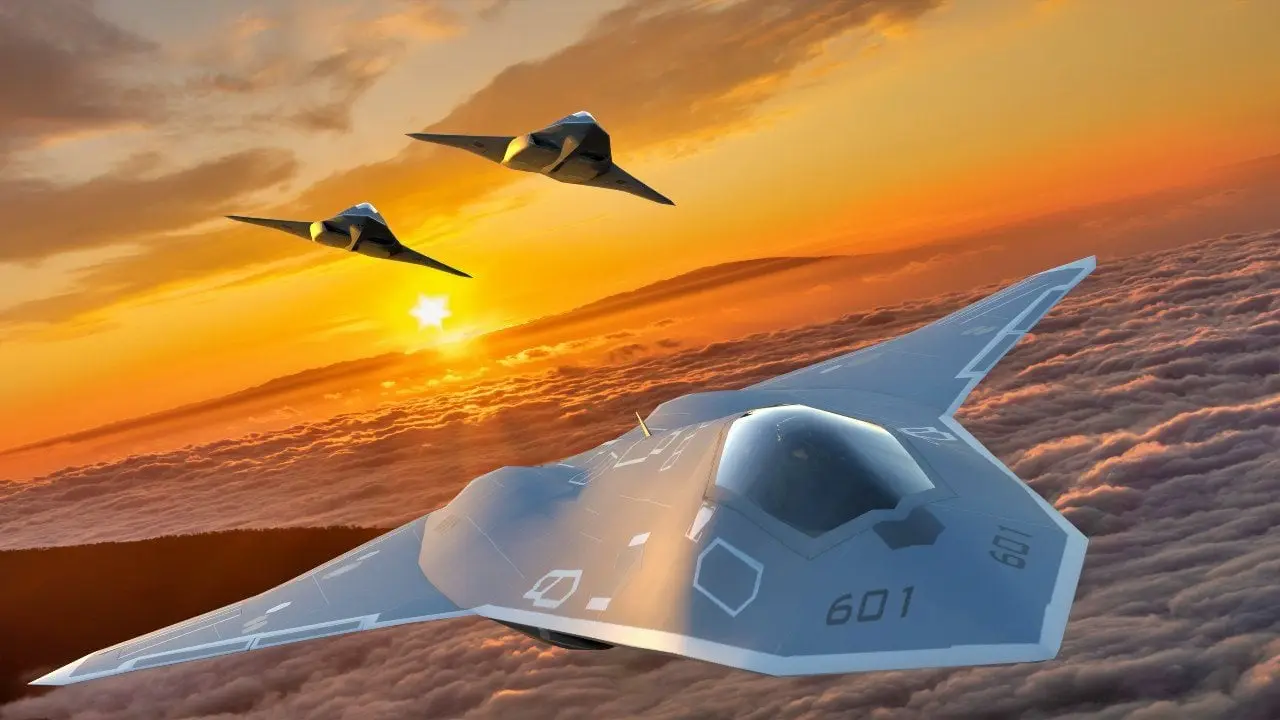
By 2030, these technologies, VTOL, AI autonomy, drones, adaptive engines, advanced stealth. It will form the backbone of air forces globally. The future of air combat promises faster, smarter, and more connected aircraft.
)
)
)
)
)