‘Three-stage propulsion’: The reason behind Agni-V’s extraordinary range

Agni-V's three solid-fuel stages generate the thrust needed to reach over 5,000 kilometres distance. Composite materials reduce weight, allowing each stage to push the missile higher and faster, enabling it to carry nuclear warheads across intercontinental distances.
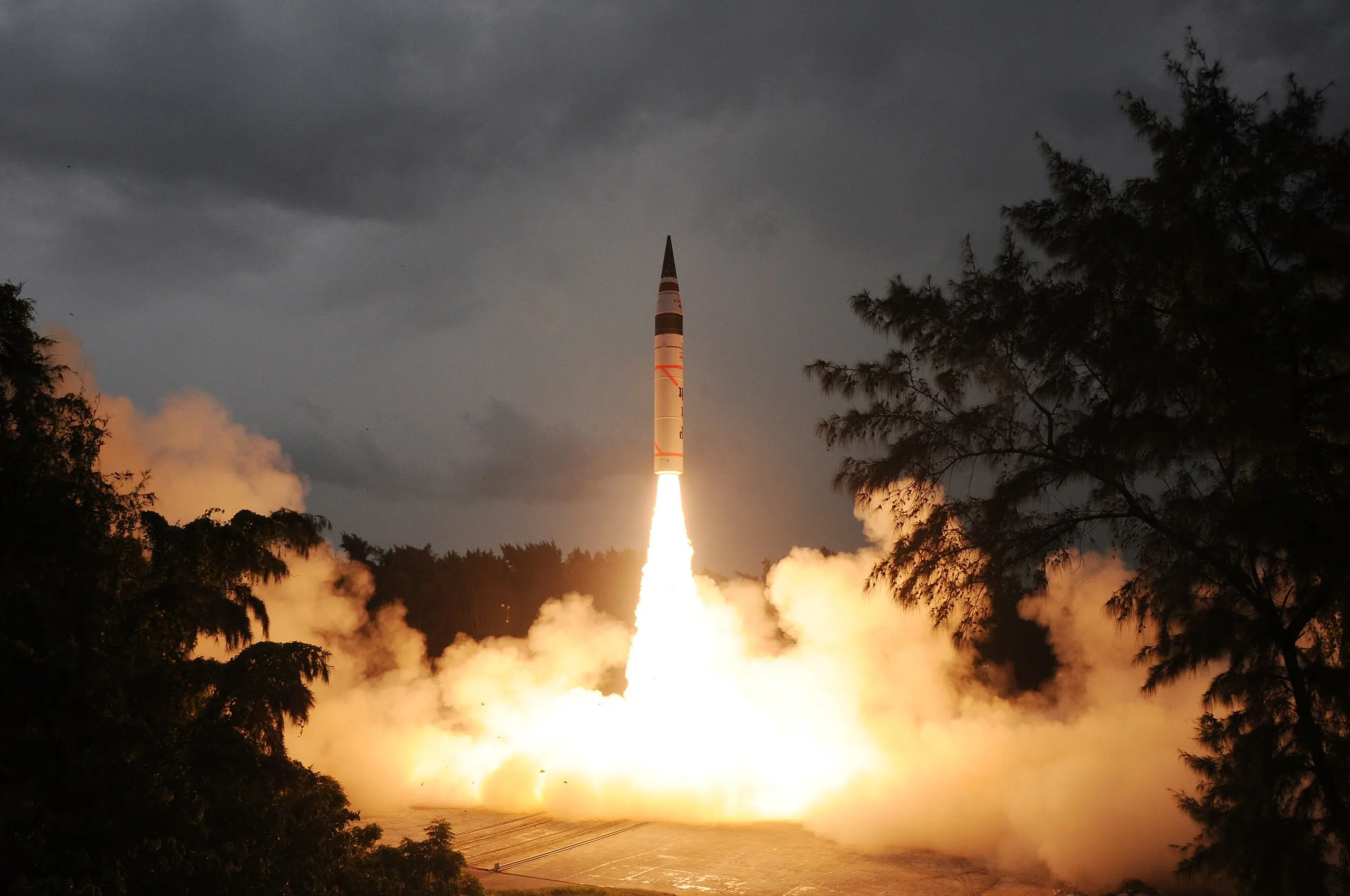
The Three-Stage Architecture
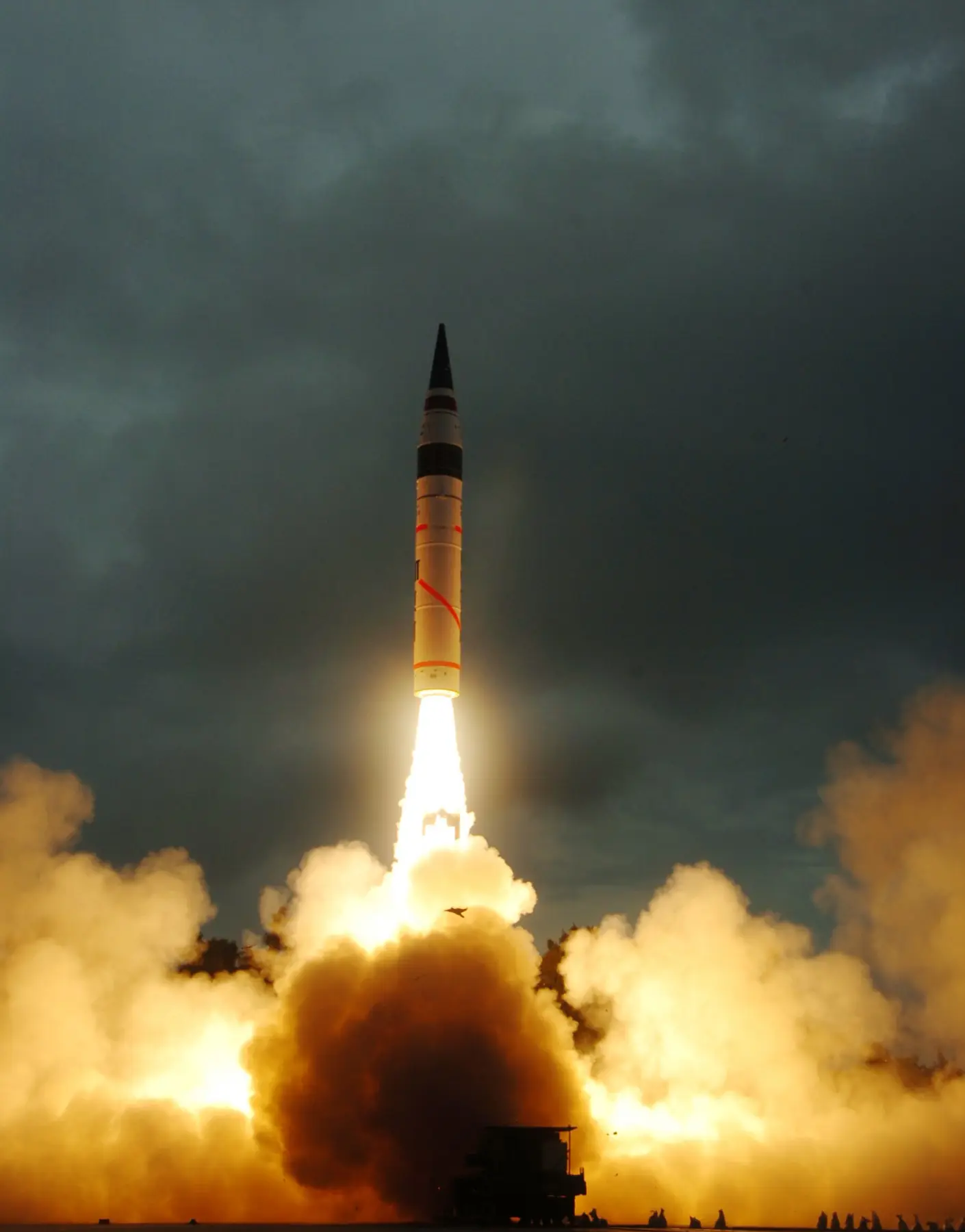
Agni-V uses three distinct rocket stages, each igniting sequentially to propel the missile higher and faster. The first stage, drawing from Agni-III design, burns for 90 seconds and reaches 40 kilometres altitude. The second stage then fires to push the missile towards 150 kilometres, before the third stage takes over for final acceleration. This stepped approach allows each stage to do its specific job, then fall away, reducing weight for the next burn.
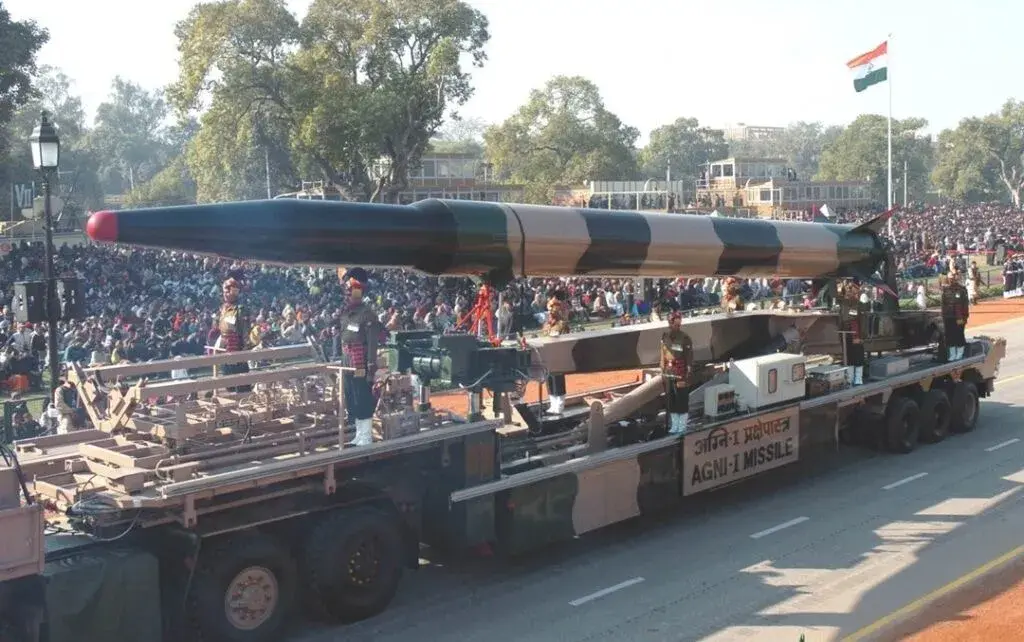
First Stage Raw Power
The first stage burns solid fuel for 90 seconds, delivering the raw thrust needed to lift Agni-V's 50-tonne weight off the ground. This heavy-duty motor uses maraging steel casing to withstand extreme pressure and temperature during initial launch. Once the first stage has accelerated the missile to sufficient velocity and altitude, it separates cleanly, allowing the lighter second stage to take over with better efficiency.
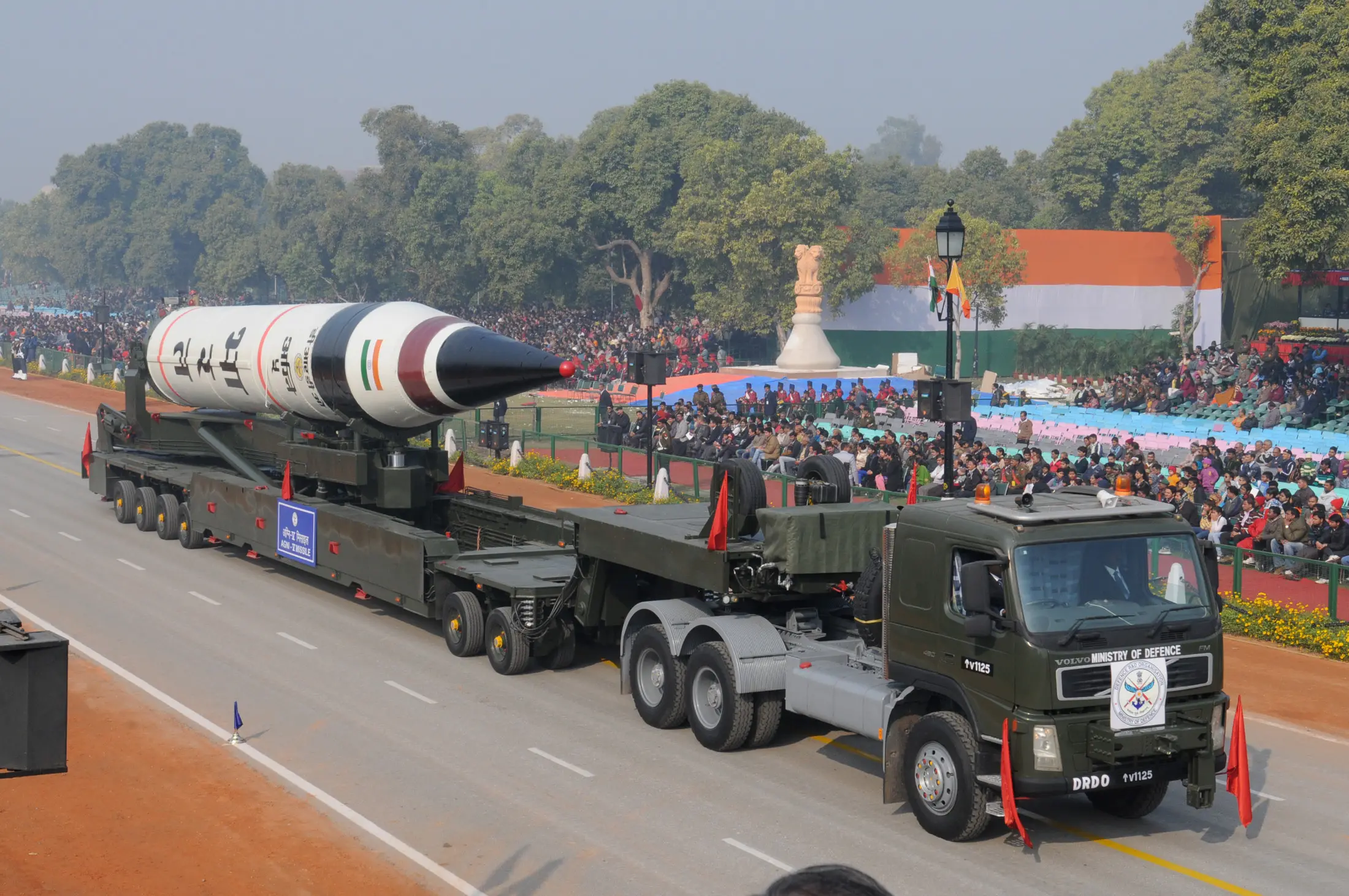
Second Stage Efficiency Gains
The second stage uses a modified design from Agni-III but with a crucial upgrade: its motor casing is made entirely from carbon-fibre composite material instead of steel. This composite casing weighs significantly less than traditional steel, allowing the second stage to push the missile higher with the same fuel load. At 150 kilometres altitude, the second stage separates, leaving the smallest and final stage to complete the journey.
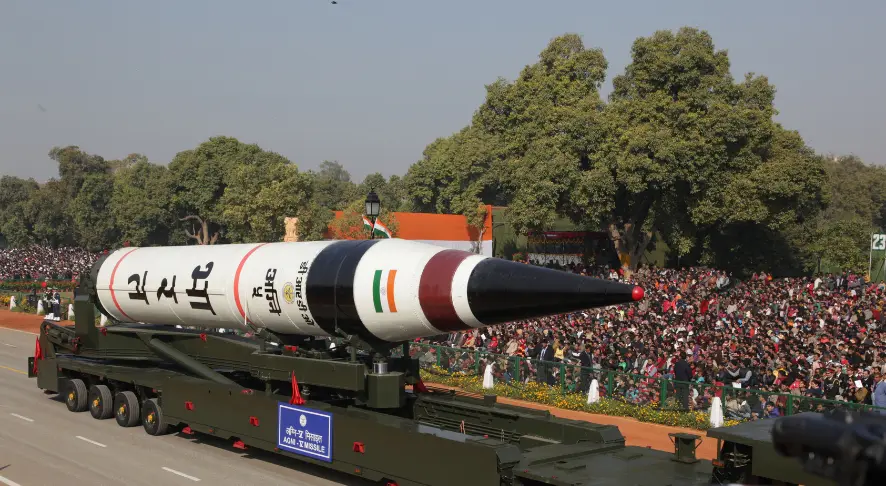
Third Stage for Ultimate Range
The third stage is miniaturised and weighs about 3.3 tonnes, but it delivers the critical final boost needed to achieve intercontinental range. Housed inside a conical composite casing, this stage accelerates the re-entry vehicle to extremely high altitudes around 800 kilometres. Its shorter burn duration provides the final velocity adjustment, pushing Agni-V's payload across the 5,000-kilometre distance to the target.
Composite Materials Changed Everything
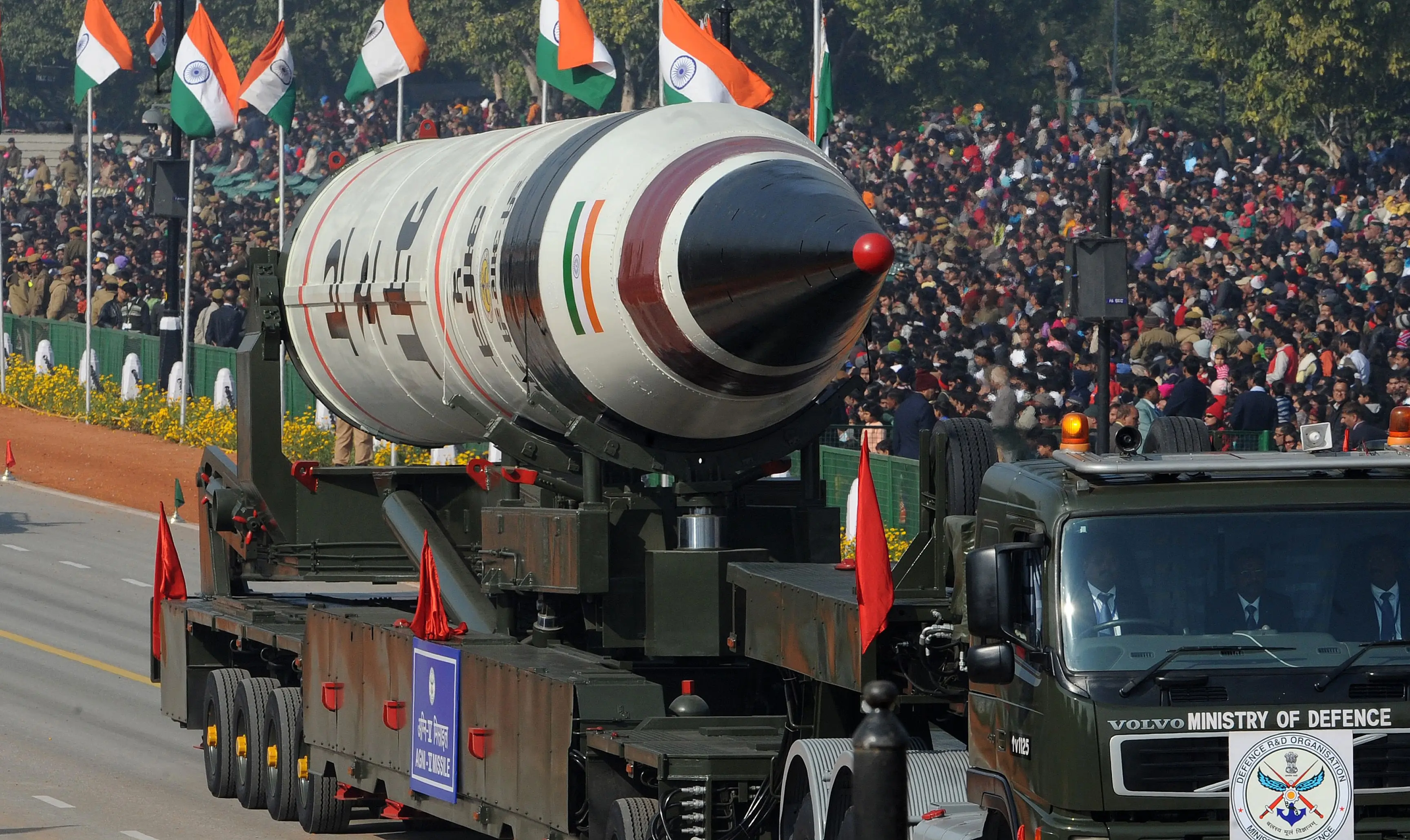
Carbon-fibre reinforced polymer replaced heavier steel in stages two and three, cutting overall missile weight substantially. Lighter weight means the same fuel load propels the missile further, which is why adding one extra stage to Agni-V extended range so dramatically compared to earlier two-stage Agni missiles. By 2022, even the first stage transitioned to composite construction, reducing weight even more.
Reaching Maximum Altitude
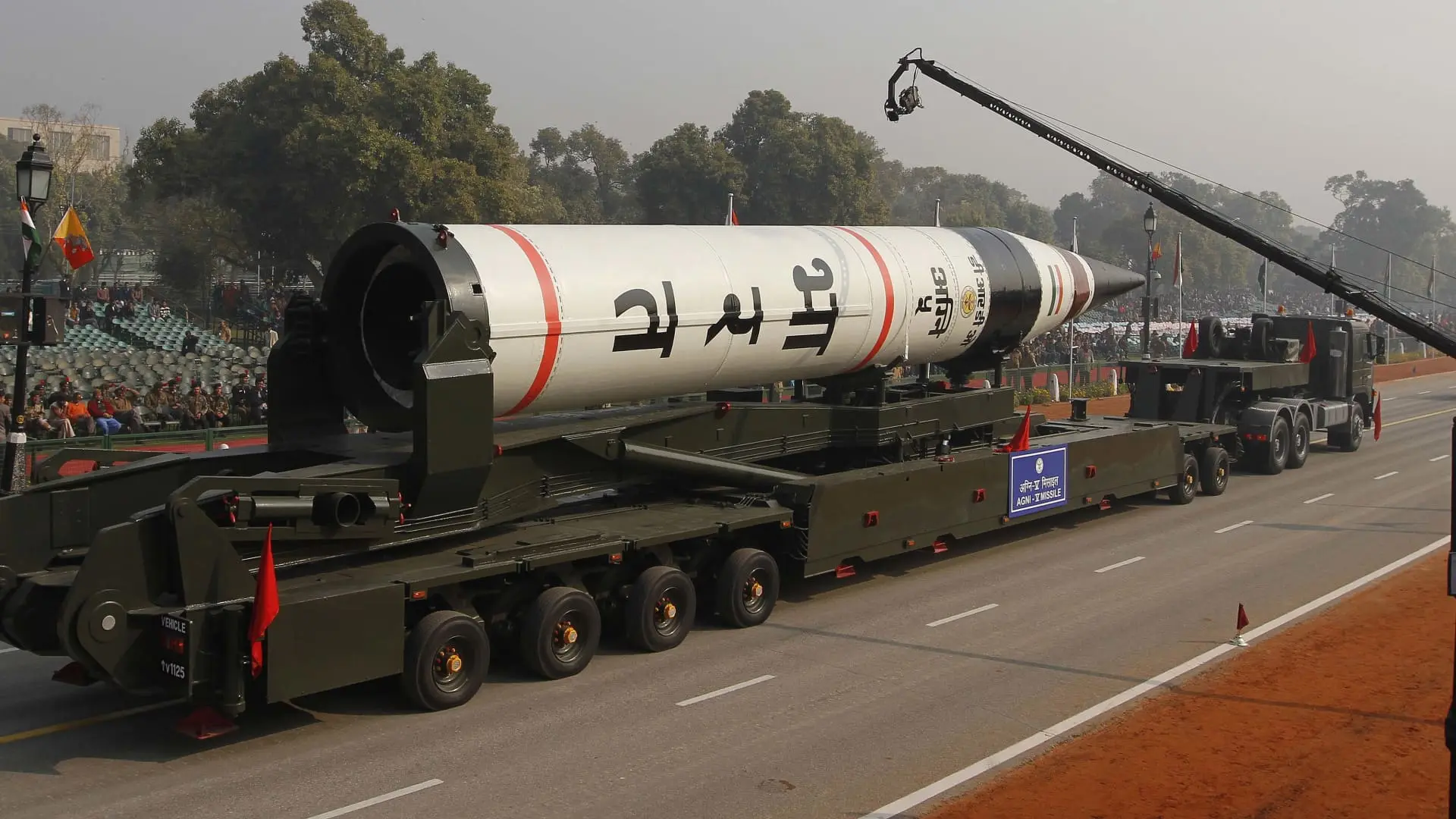
During the first stage burn, Agni-V climbs to 40 kilometres. Stage two pushes it to 150 kilometres. The third stage takes over beyond the atmosphere, accelerating the re-entry vehicle through the vacuum of space where air resistance vanishes. The missile finally reaches 800 kilometres altitude during the mid-course phase, where the third stage separates and the warhead bus begins its ballistic descent toward the target.
How Three Stages Enable MIRV Delivery
The three-stage system generates enough velocity and altitude to carry not just one warhead but multiple warheads simultaneously. By the time the third stage separates, Agni-V's bus is at extreme altitude and velocity, from where the warheads can be released on different trajectories toward separate targets. This three-stage architecture essentially creates the energetic platform that makes MIRV deployment possible over continental distances.
)
)
)
)
)