‘The ultimate weapon’: How one US bomber changed World War II

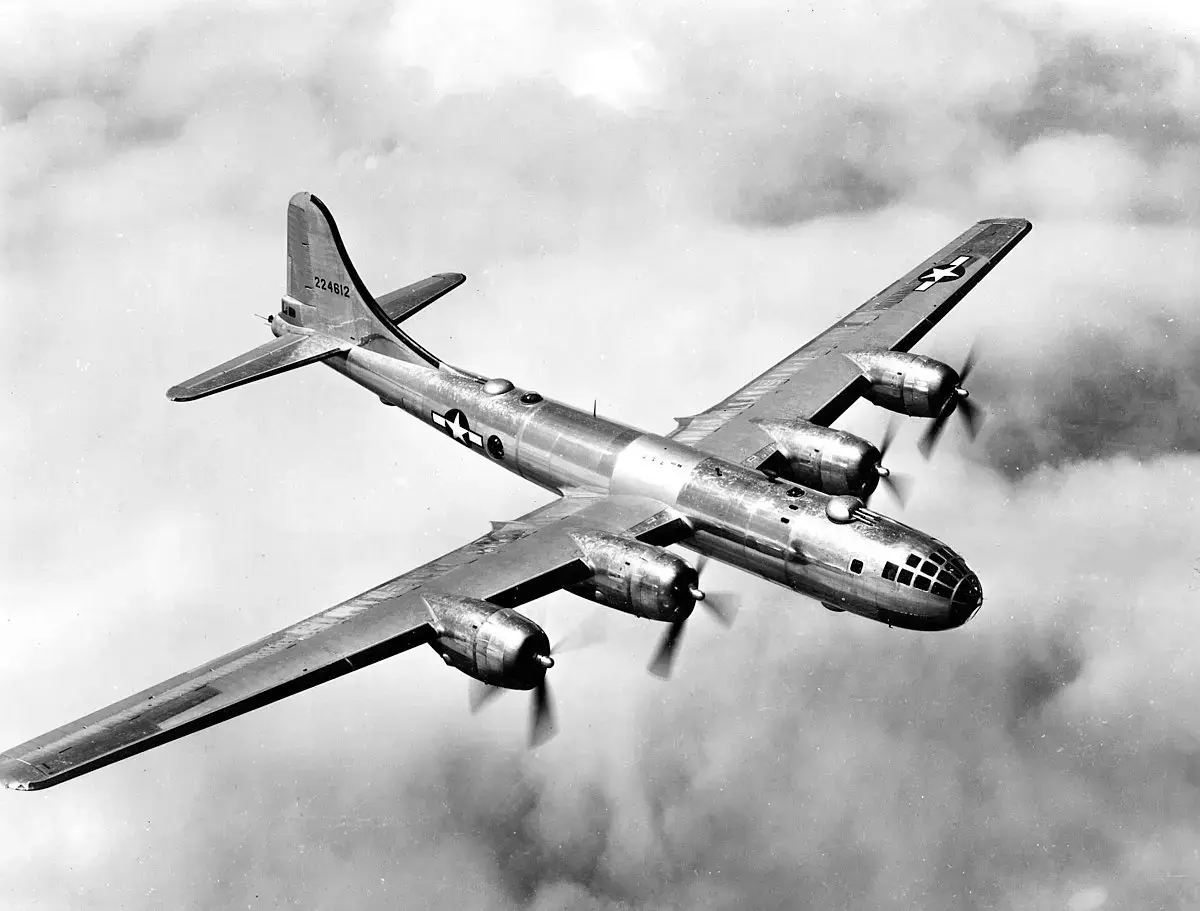
Costing USD 3 billion, the Boeing B-29 Superfortress was the most expensive weapons project of WWII. Featuring a pressurised cabin and remote-controlled guns, this advanced bomber dropped the atomic bombs on Japan, ending the global conflict.
The USD 3 Billion Gamble
The Boeing B-29 Superfortress programme cost the US government USD 3 billion, making it the most expensive military project of World War II. According to the National Museum of the United States Air Force, its overall development and production cost actually exceeded the highly secretive Manhattan Project by over USD 1 billion.
A Pressurised Breakthrough
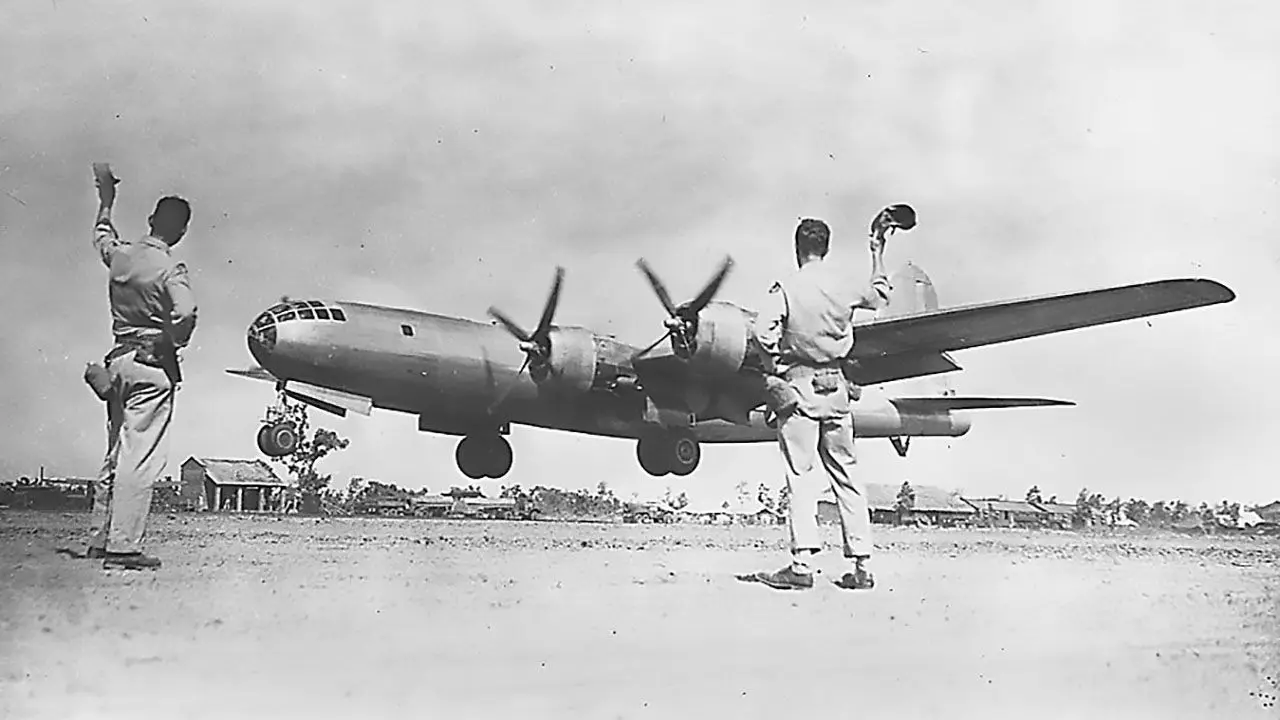
Prior to the B-29, heavy bomber crews endured freezing temperatures and relied on cumbersome oxygen masks at high altitudes. This revolutionary aircraft featured a fully pressurised cabin, allowing its 11-man crew to fly comfortably at an altitude of 33,000 feet, safely above most enemy anti-aircraft fire.
Remote-Controlled Firepower
Operating at extreme altitudes made traditional, manually operated gun turrets impossible to man due to the pressurisation requirements. Instead, Boeing engineers installed an advanced analogue computer system that allowed gunners to fire the bomber's ten .50-calibre machine guns via remote control from heated compartments.
Massive Wright Cyclone Engines
To lift a fully laden weight of 120,000 pounds, the Superfortress relied on four massive Wright R-3350 Duplex-Cyclone radial engines. Each twin-turbocharged engine generated 2,200 horsepower, pushing the massive bomber to a maximum speed of nearly 360 miles per hour, making it faster than many enemy fighters.
The 20,000-Pound Payload
The aircraft was specifically engineered to carry devastating payloads across the vast expanses of the Pacific Ocean. It boasted an operational range of over 3,200 miles and could carry up to 20,000 pounds of conventional bombs, systematically destroying Japanese industrial targets from bases in the Marianas.
The 'Silverplate' Fleet
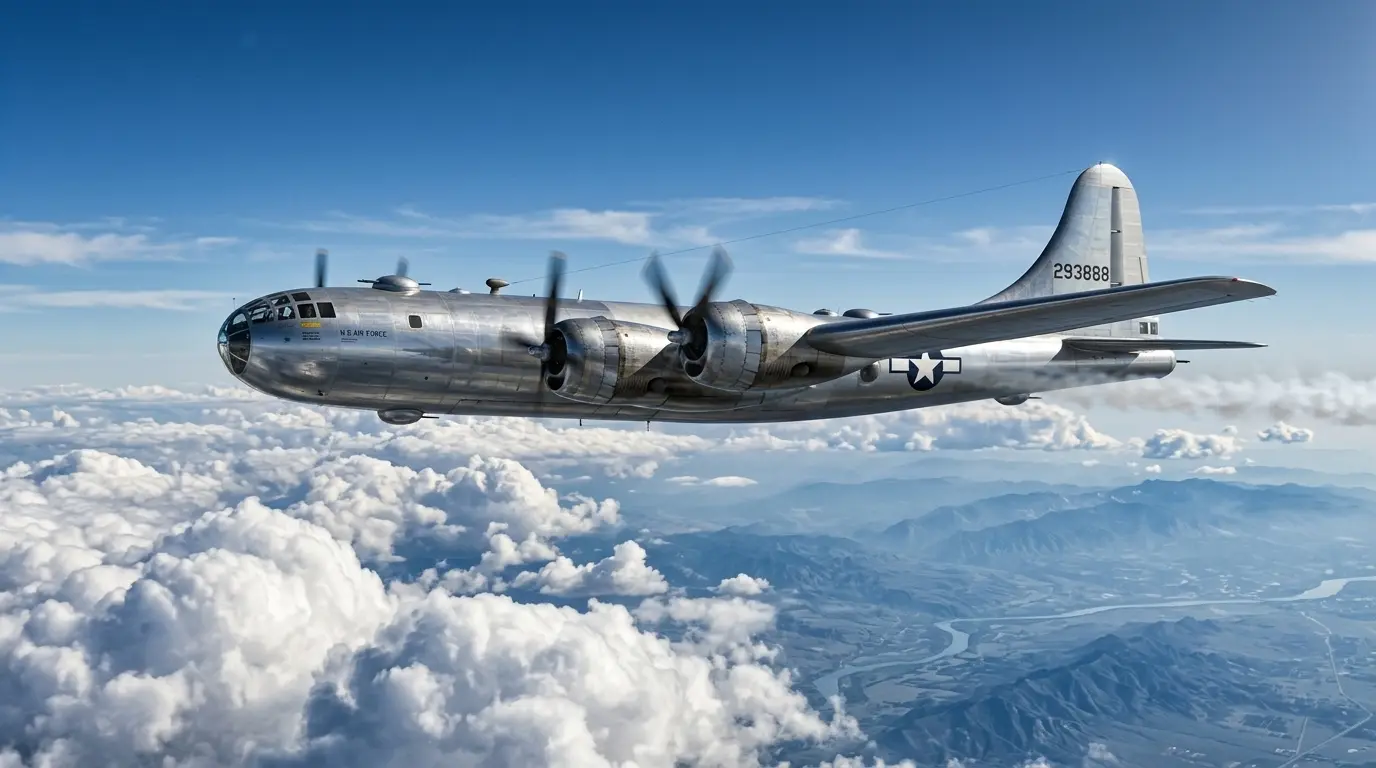
Standard B-29 bombers could not physically accommodate the massive new nuclear weapons developed by American scientists. The US military initiated 'Project Silverplate' to radically modify a select group of these bombers, stripping their armour and upgrading their bomb bays strictly for atomic payloads.
Ending the Global Conflict
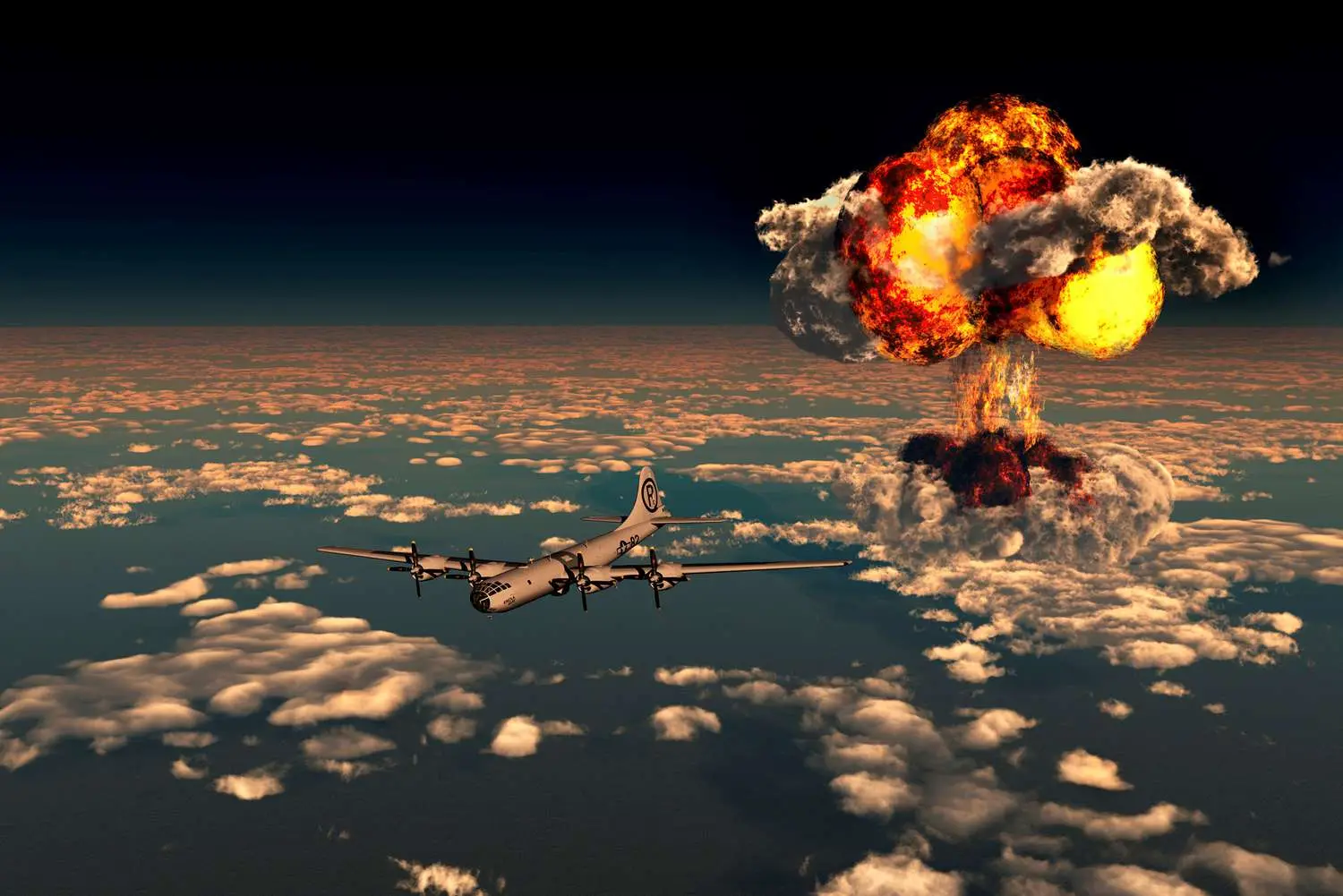
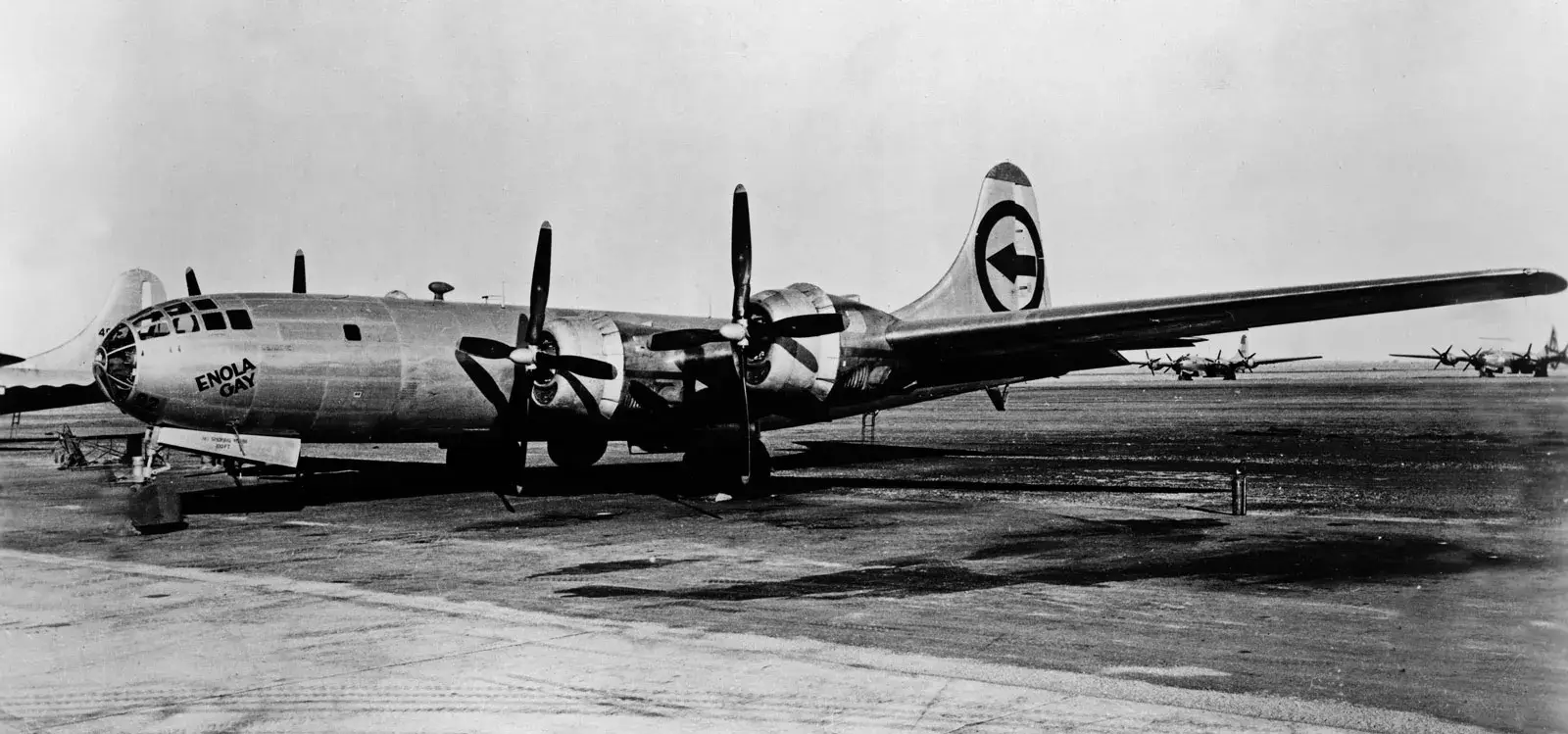
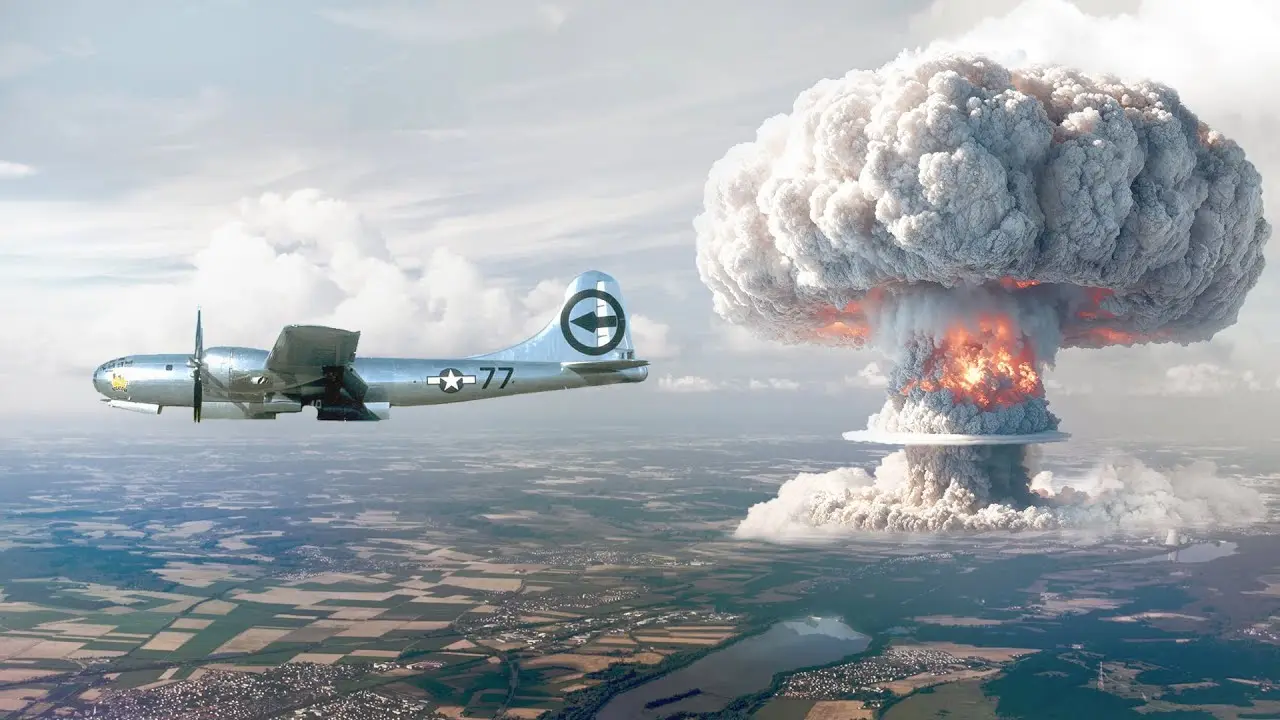
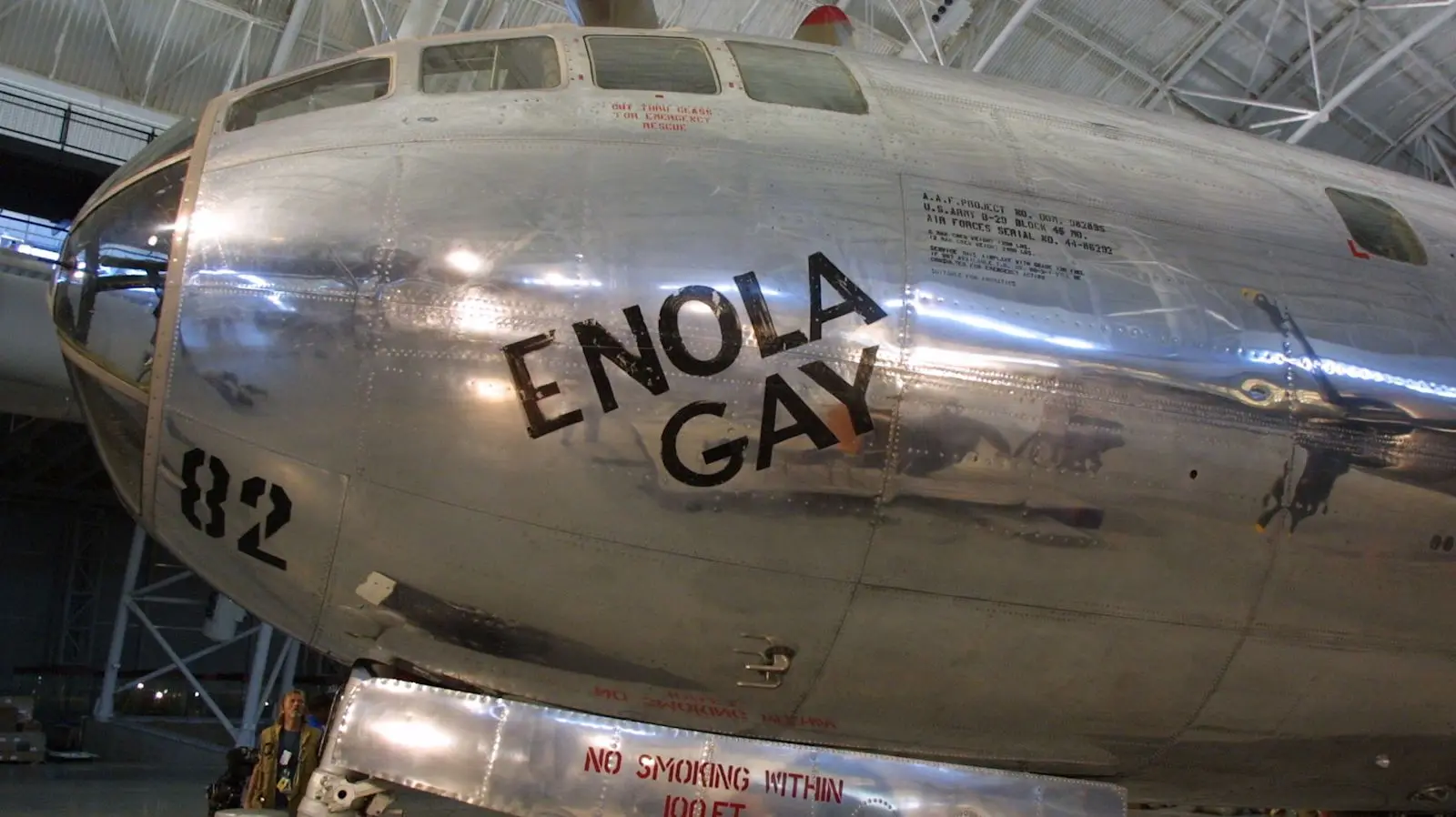
In August 1945, two specially modified B-29s, named 'Enola Gay' and 'Bockscar', dropped atomic bombs on Hiroshima and Nagasaki. The unprecedented destruction delivered by these aircraft immediately triggered the surrender of the Japanese Empire, definitively ending the Second World War.
)
)
)
)
)