'The only humans to die in space': Inside the Soyuz 11 mission that shocked the world

On June 30, 1971, as Soyuz 11 descended back to Earth, communication with the spacecraft was lost. The capsule landed safely in Kazakhstan, but when recovery crews opened the hatch, they discovered all three cosmonauts dead.
The Mission
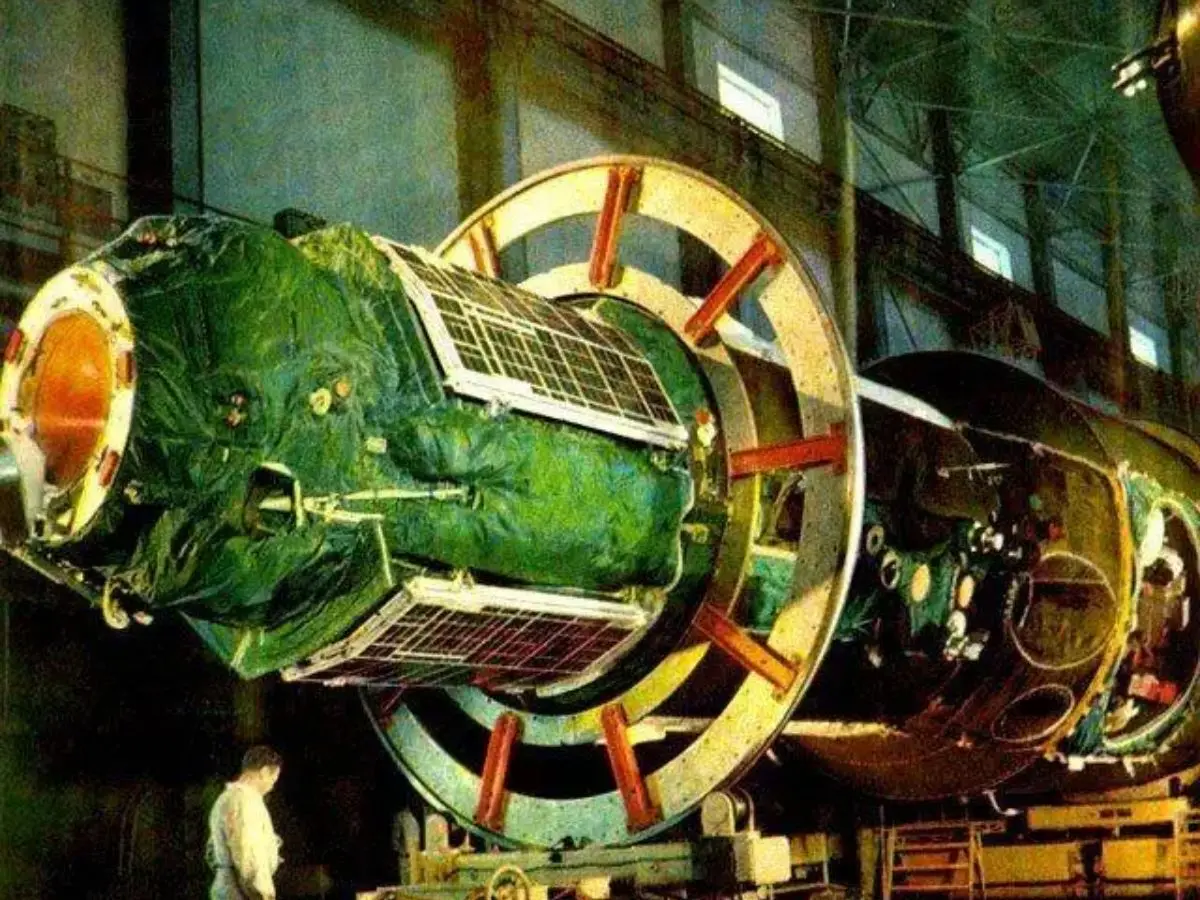
In June 1971, three Soviet cosmonauts became the only humans to die in space while completing a historic 23-day mission aboard Salyut 1, the world’s first space station. Their groundbreaking journey promised scientific breakthroughs and a demonstration of long-term human habitation in orbit, but a fatal cabin depressurization turned triumph into tragedy. The incident not only shocked the world but also transformed spacecraft safety protocols, leaving an enduring legacy in human spaceflight and a haunting reminder of the razor-thin margin between exploration and disaster.
What happened?
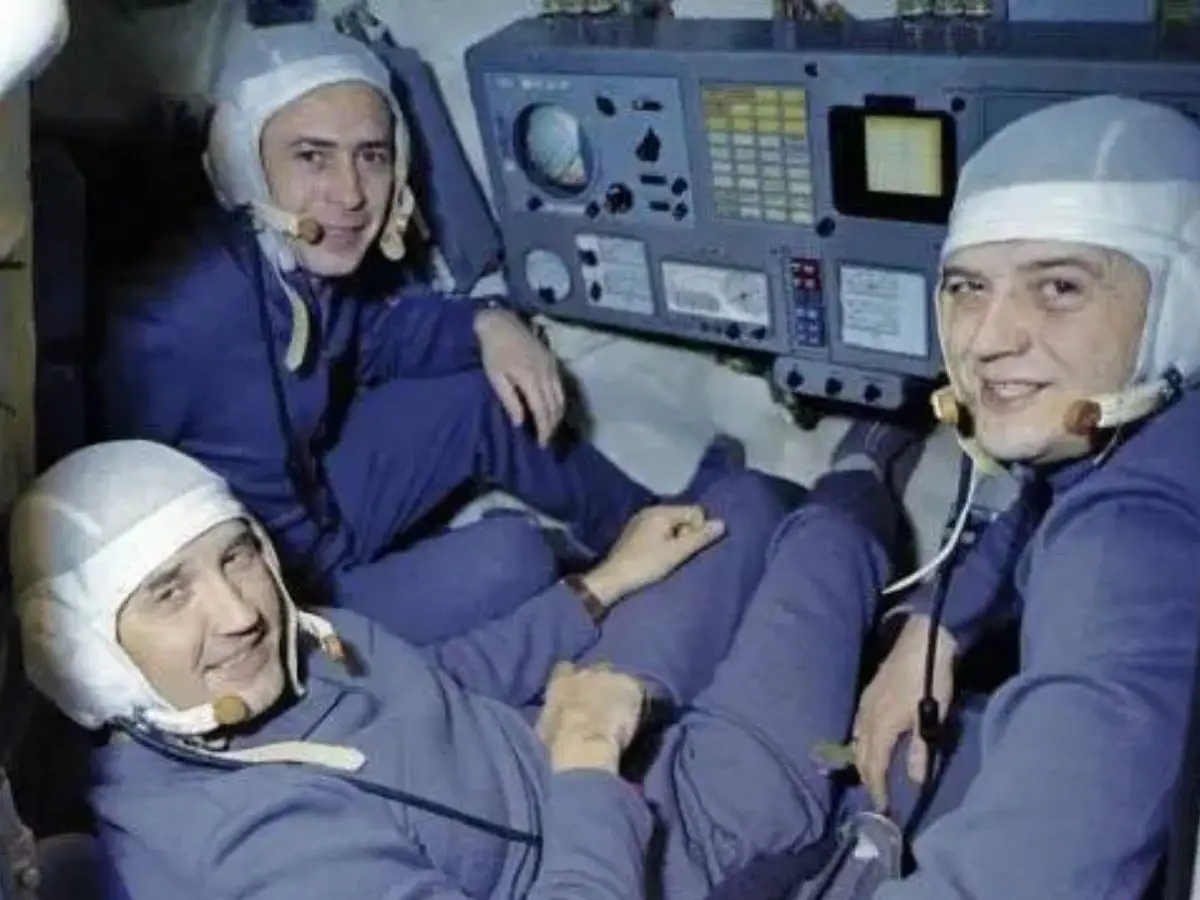
On June 6, 1971, Soviet cosmonauts Georgi Dobrovolsky, Viktor Patsayev, and Vladislav Volkov launched aboard Soyuz 11, destined for Salyut 1, the world’s first space station. Their mission was to conduct scientific experiments and demonstrate the feasibility of long-term human habitation in space. After 23 days in orbit, they prepared for their return to Earth.
The Tragedy
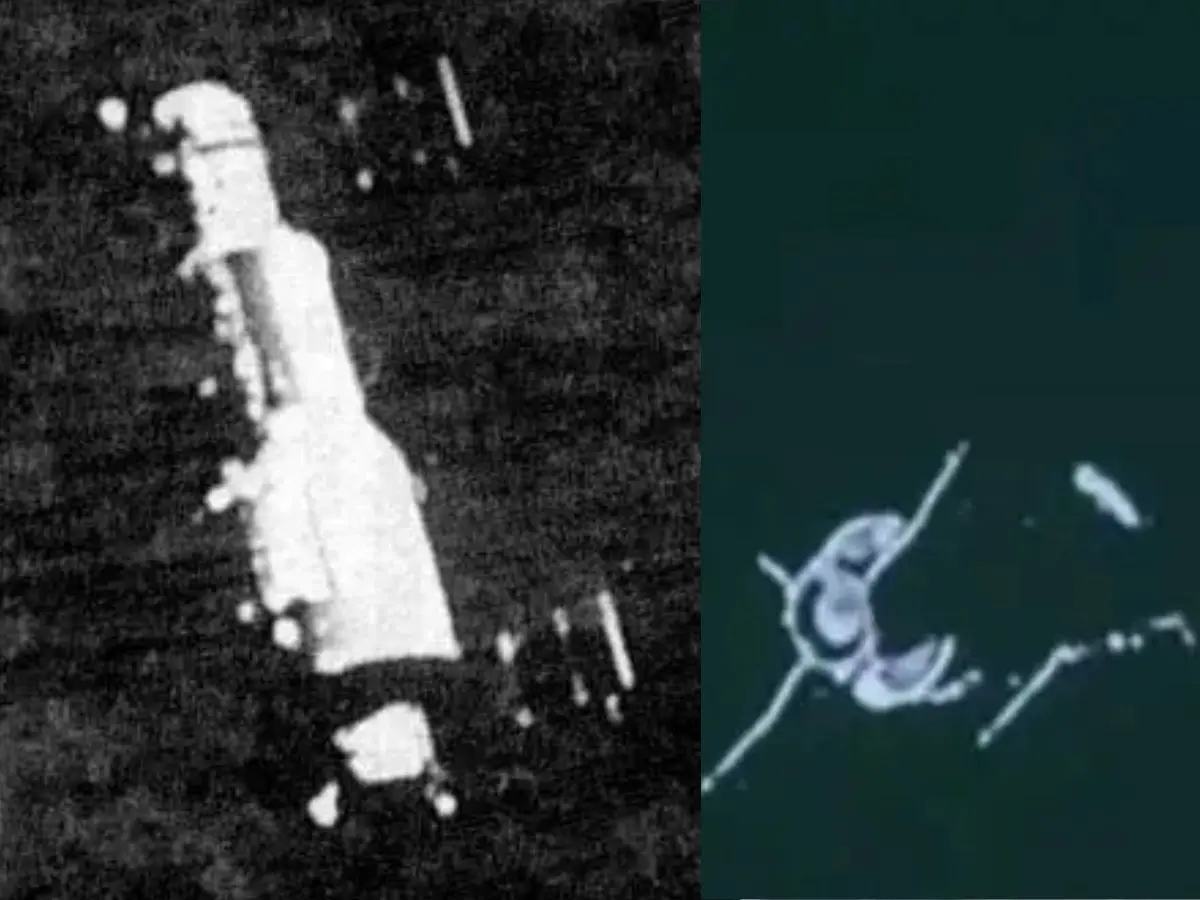
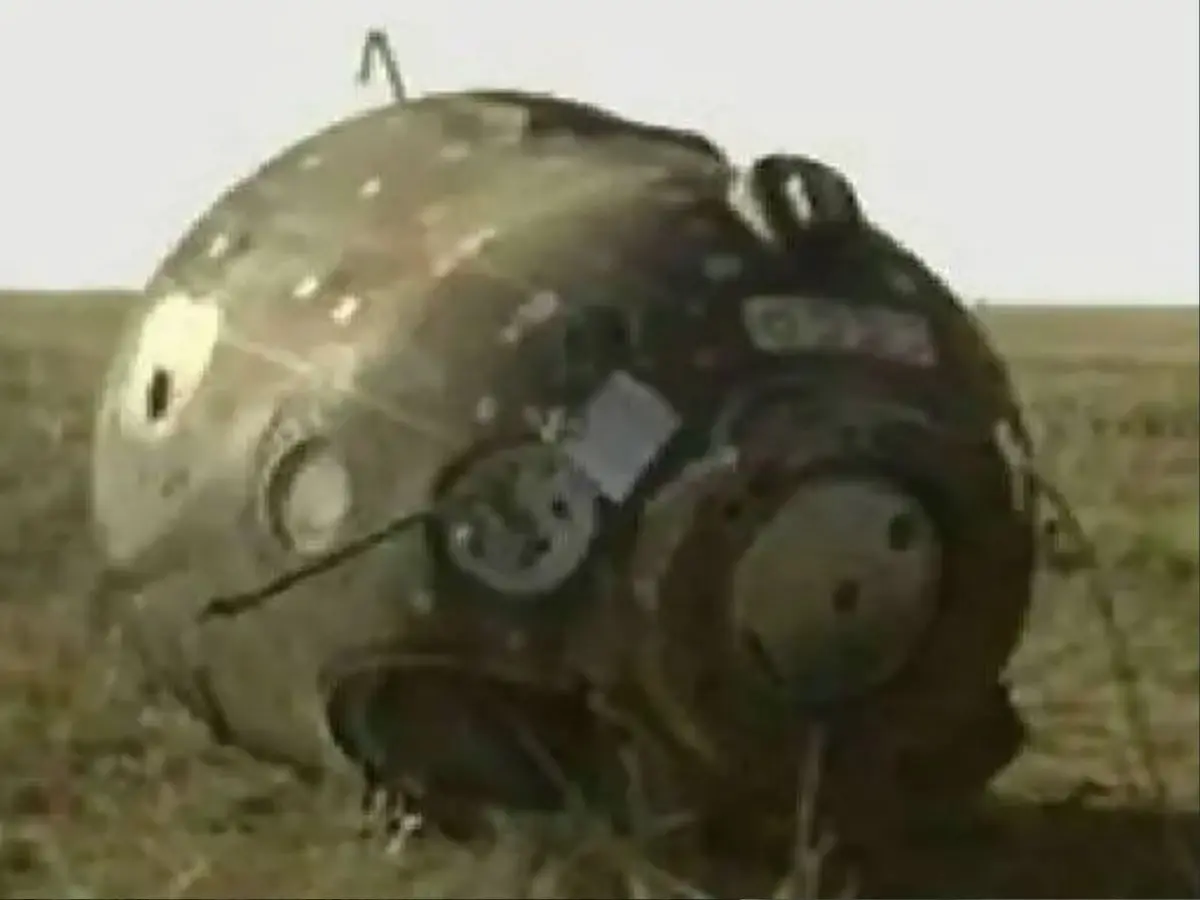
On June 30, 1971, as Soyuz 11 descended back to Earth, communication with the spacecraft was lost. The capsule landed safely in Kazakhstan, but when recovery crews opened the hatch, they discovered all three cosmonauts dead. The cause of death was determined to be asphyxiation due to cabin depressurization. A valve between the orbital and descent modules had malfunctioned, causing the cabin to lose pressure at an altitude of 168 km. This depressurization led to the cosmonauts' deaths, making them the only humans to have died in space.
The Aftermath
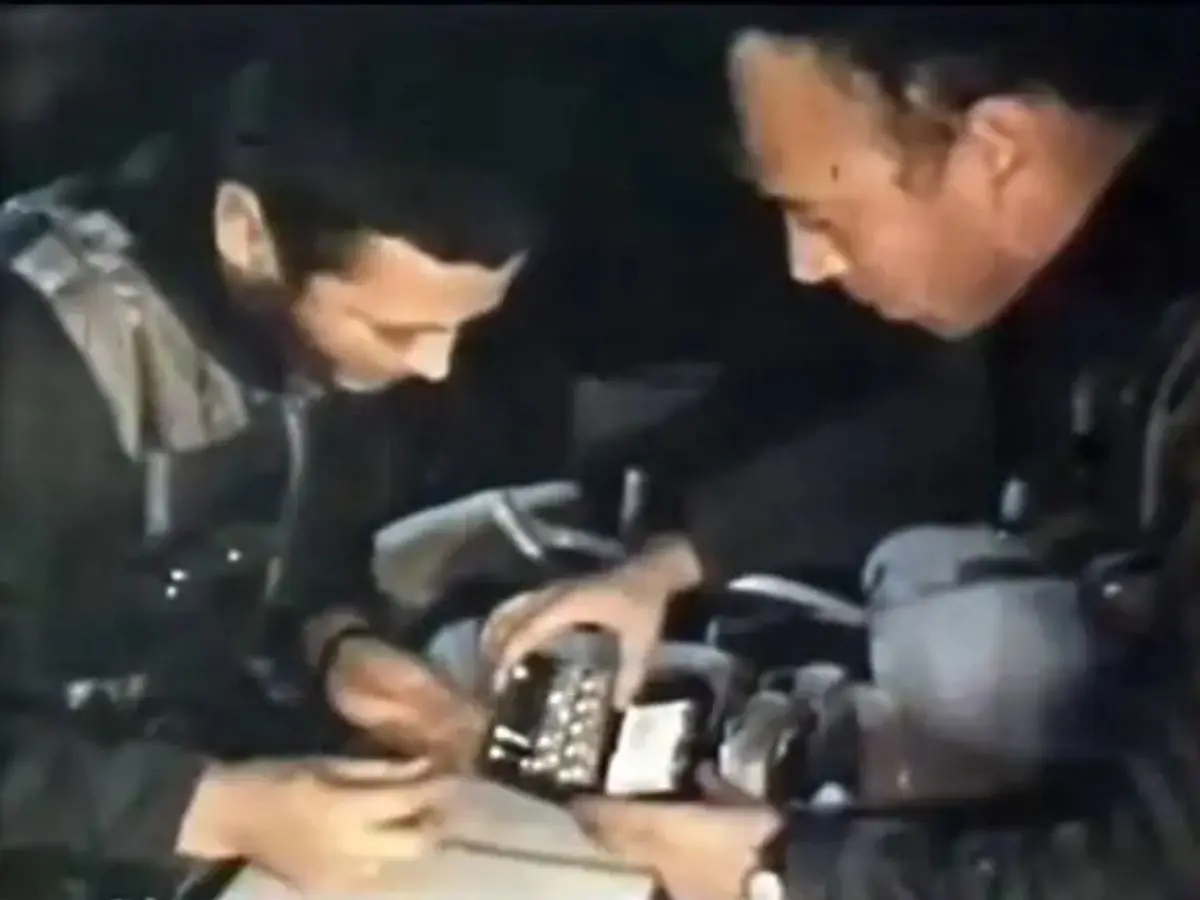
The Soviet Union conducted an extensive investigation into the incident. The faulty valve was identified as the primary cause of the depressurization. As a result, significant design changes were made to subsequent Soyuz spacecraft, including the addition of pressure suits for cosmonauts during launch and re-entry. These modifications aimed to prevent similar tragedies in the future.
Legacy
The loss of Soyuz 11's crew had a profound impact on space exploration. It underscored the inherent dangers of human spaceflight and led to increased safety measures in spacecraft design and mission planning. The incident also highlighted the importance of thorough testing and quality control in aerospace engineering.
Commemoration
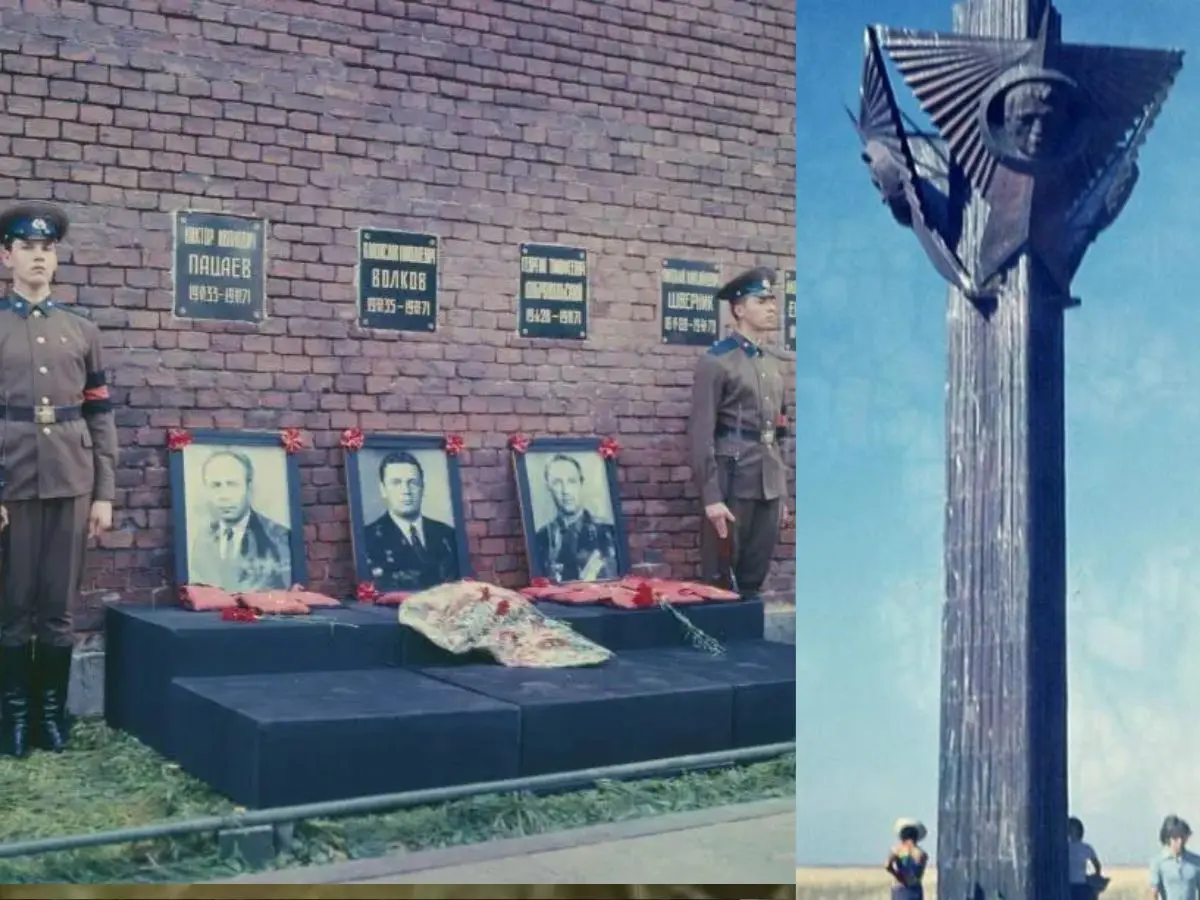
The three cosmonauts were posthumously honored for their bravery and contributions to space exploration. Memorials and tributes have been established in their memory, ensuring that their sacrifice is not forgotten. Their story serves as a reminder of the risks faced by those who venture into space and the ongoing efforts to ensure their safety.
Conclusion
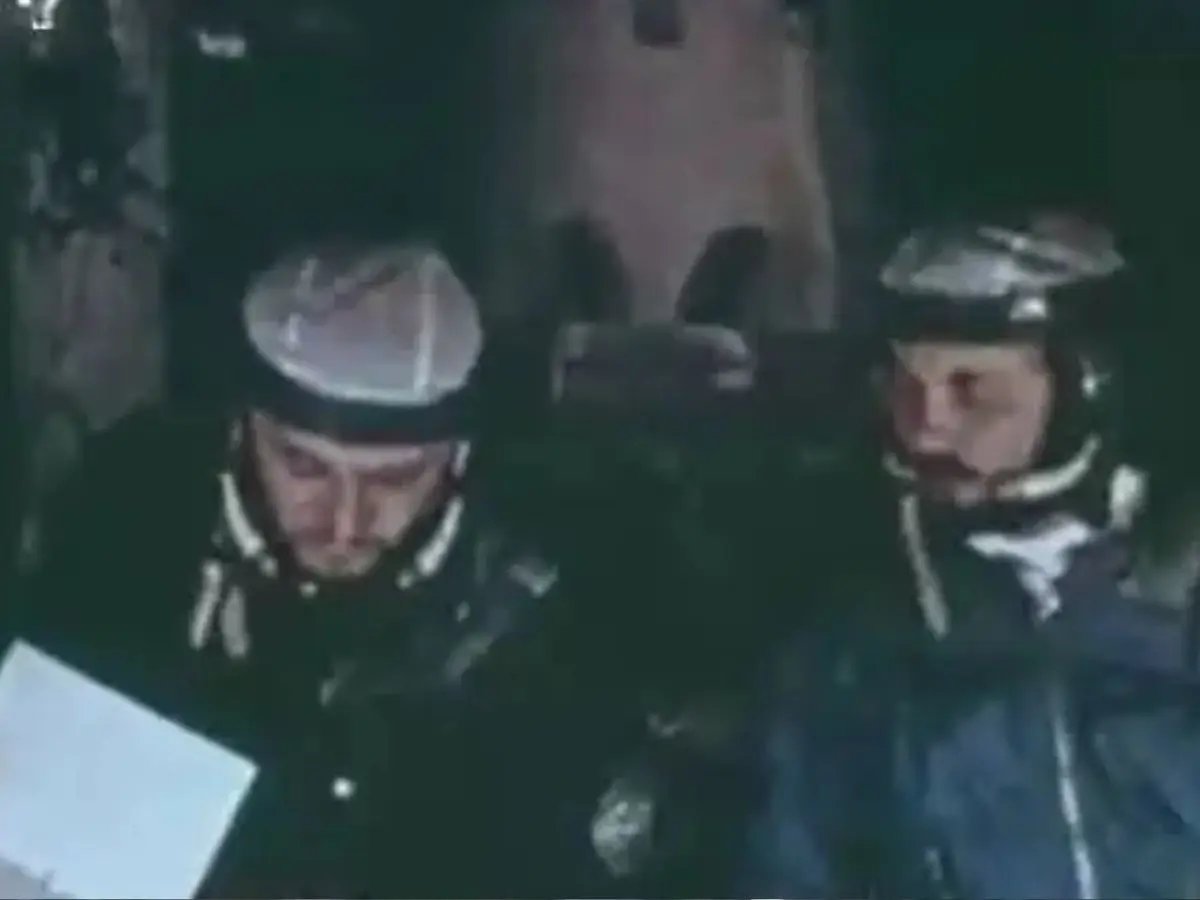
The Soyuz 11 tragedy remains a somber chapter in the history of human spaceflight. While it resulted in the loss of three lives, it also led to significant advancements in space safety and engineering. The legacy of Georgi Dobrovolsky, Viktor Patsayev, and Vladislav Volkov continues to inspire those who pursue the exploration of space.
)
)
)
)
)