‘THAAD to S-500 Prometheus’: 10 most powerful military radars in the world

These next-generation radar systems from the S-500 to SPY-7 claim that they can track hypersonic missiles, detect targets thousands of kilometres away, and even monitor near-space.
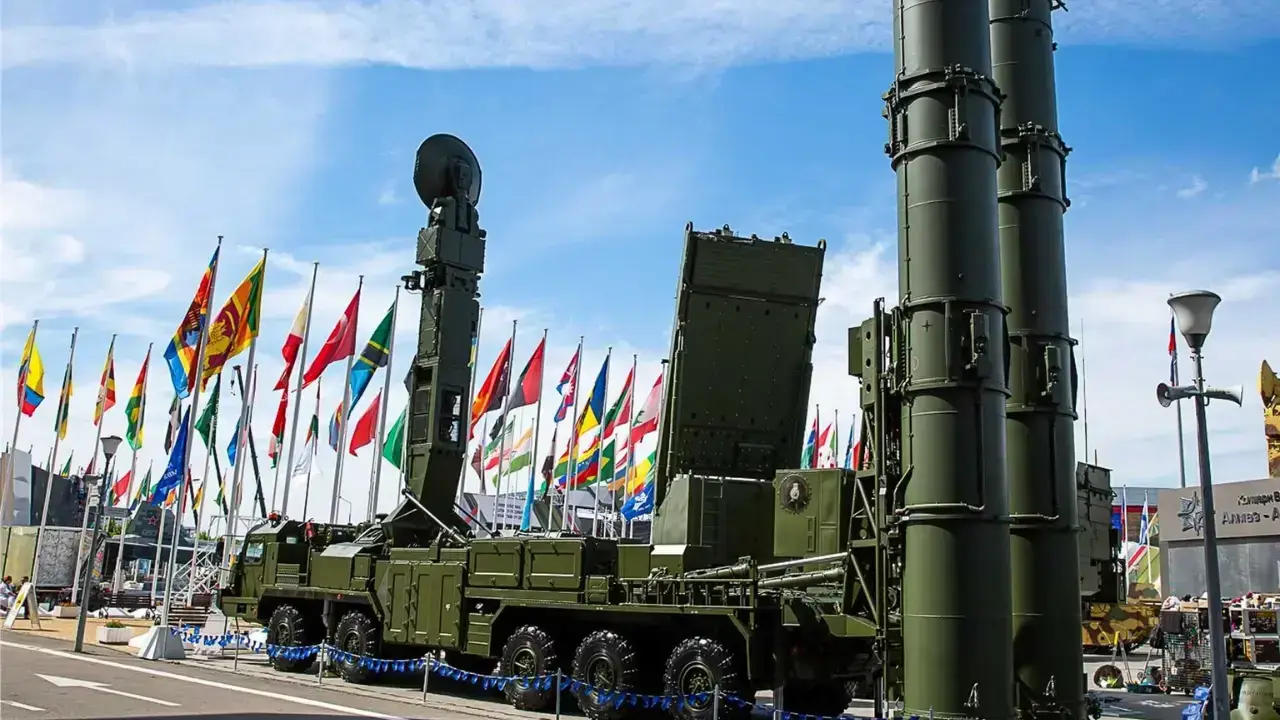
S-500 Prometheus - 2,000 Kilometre Ballistic Detection
Russia's S-500 Prometheus features the 91N6E(M) acquisition radar detecting ballistic targets at 2,000 kilometres and aircraft at 800 kilometres. The system tracks and engages 10 hypersonic targets simultaneously flying at 7 kilometres per second. Target altitude capability reaches 180-200 kilometres enabling near-space interception of satellites.

AN/SPY-6 AESA Radar - Simultaneous Multi-Threat Engagement
The US Navy's AN/SPY-6 active electronically scanned array detects aircraft, cruise missiles, ballistic missiles, and surface threats simultaneously. Four-sided phased arrays with 24 radar modules each provide 360-degree coverage. The system performs electronic warfare whilst maintaining search, track, and engagement functions concurrently.
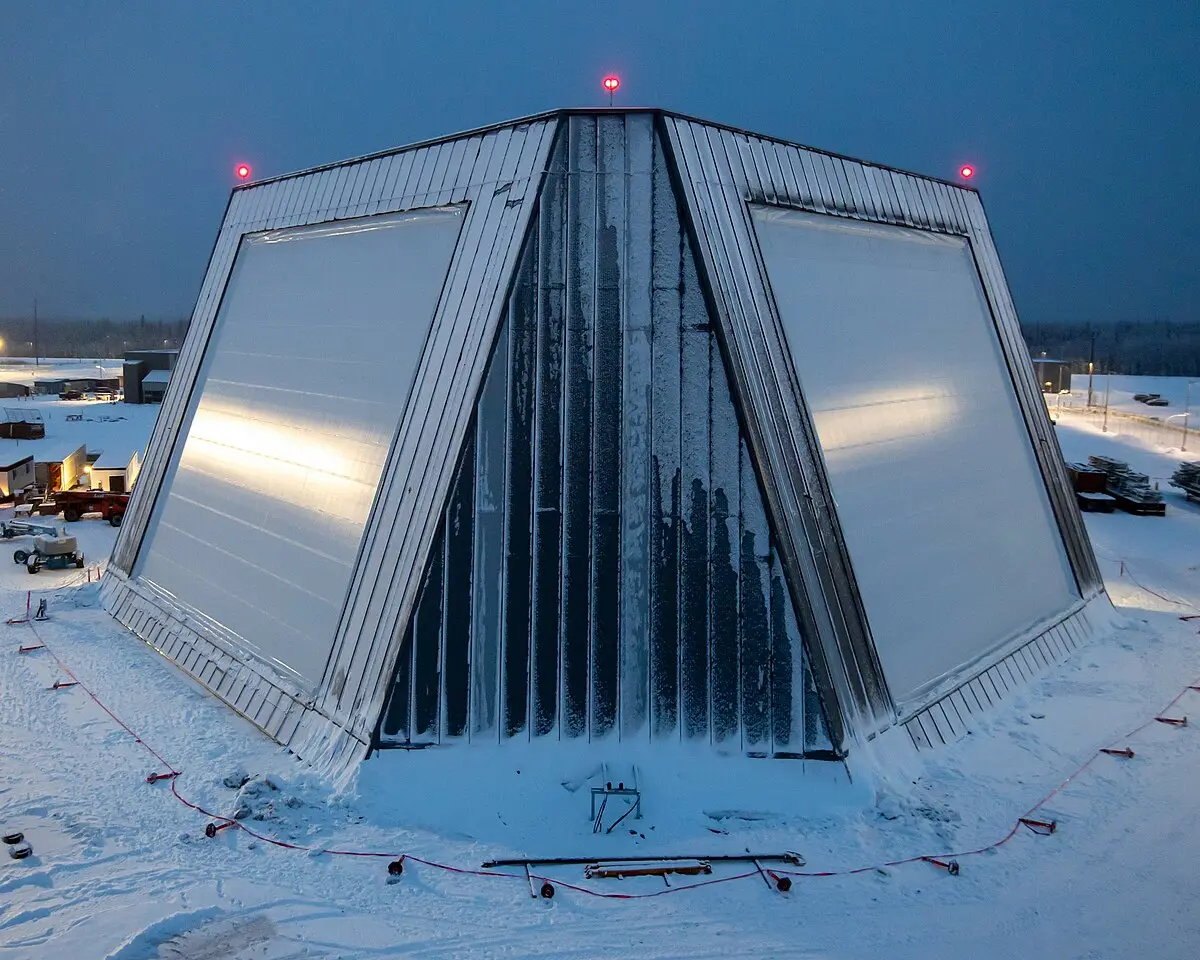
LRDR - Over 20 Metres Tall Per Face
America's Long-Range Discrimination Radar features two faces standing over 20 metres tall and wide each, providing precision ballistic missile defence data. The system replaces older sensors in the Ballistic Missile Defence System with three-fold performance improvement. LRDR forms the basis of the advanced SPY-7 radar platform.
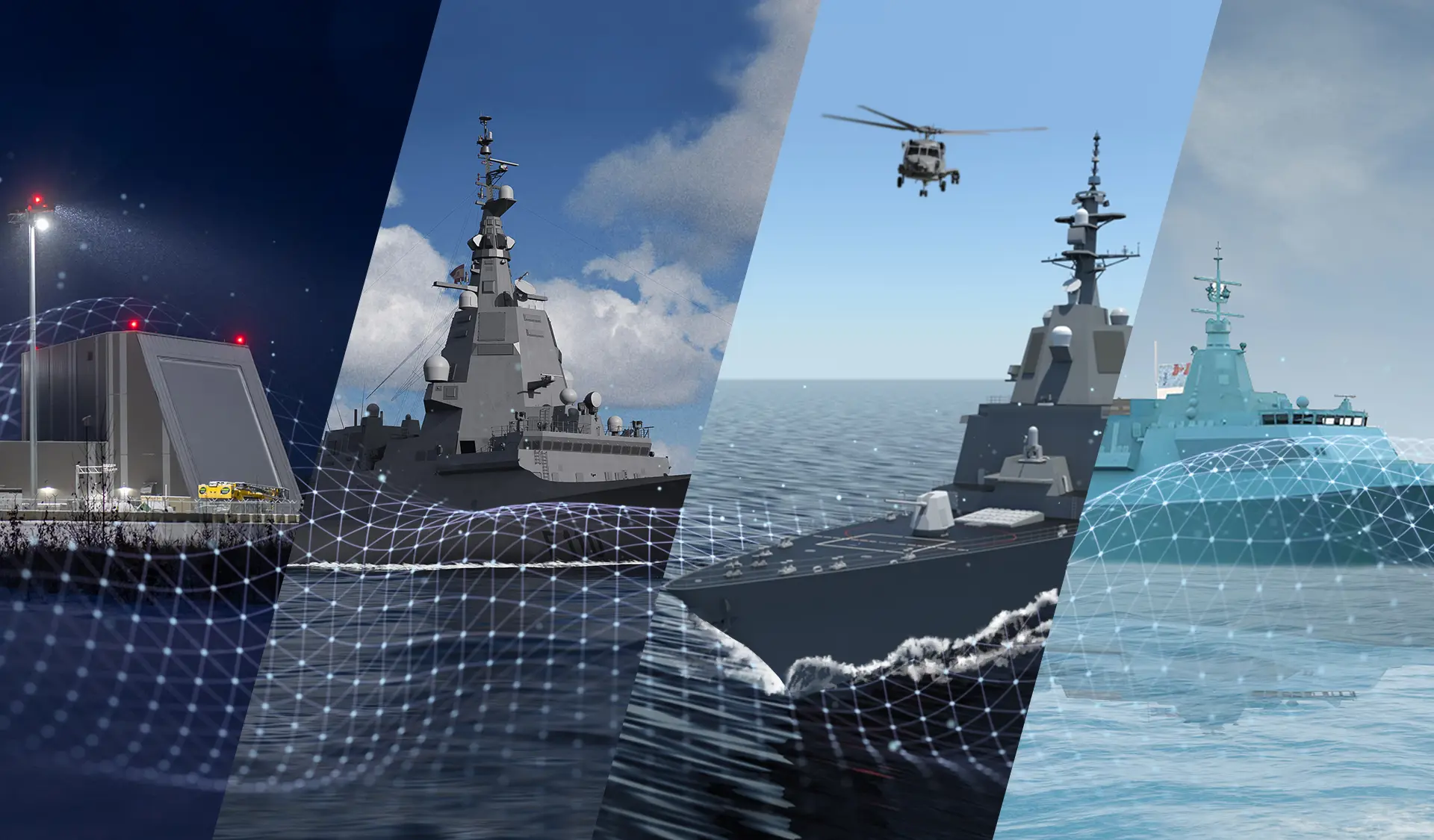
SPY-7 Radar - Three-Fold Performance Improvement
Lockheed Martin's SPY-7 represents a significant leap forward with three times better performance compared to existing systems. The radar integrates dual-band technology with S-band and X-band frequencies for comprehensive search and precision targeting. Advanced signal processing enables simultaneous air and missile defence operations.
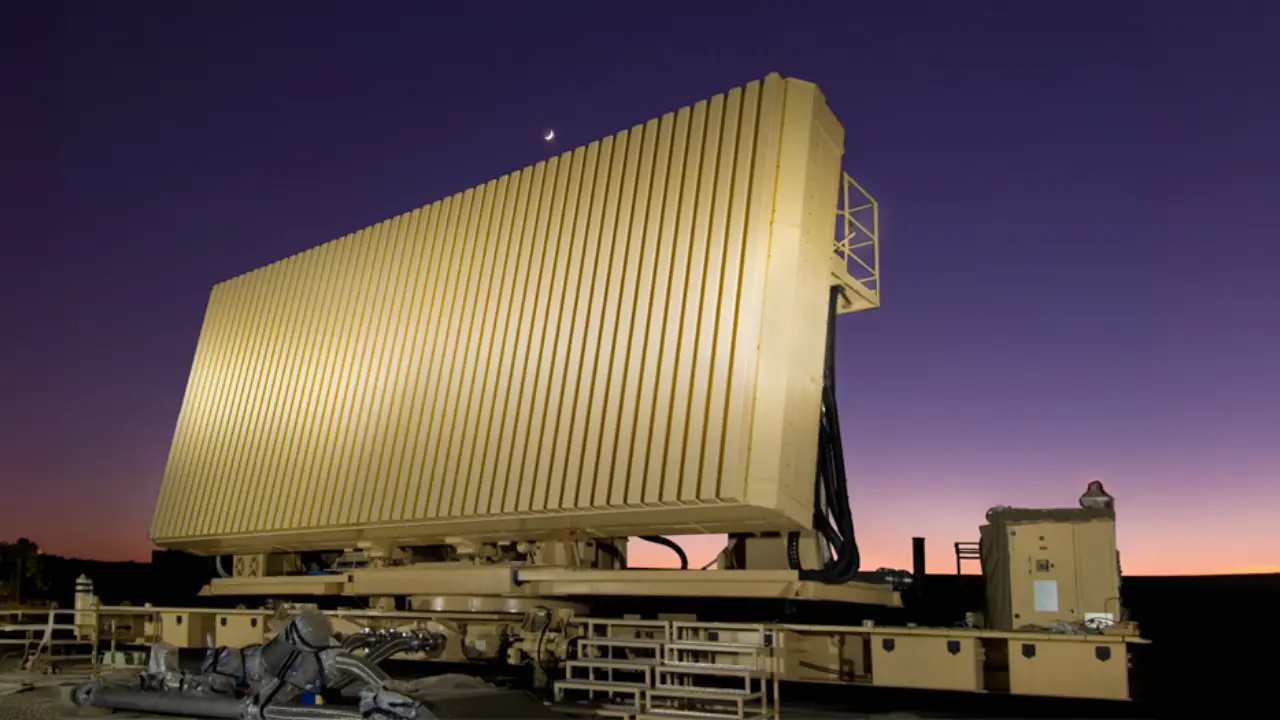
Israeli EL/M-2080 Green Pine - AESA Transportable System
Israel's Green Pine radar EL/M-2080 family features active electronically scanned array technology providing transportable ground-based surveillance. The solid-state AESA design enables rapid deployment and repositioning. Frequency-hopping and pulse compression techniques dramatically reduce jamming vulnerability.
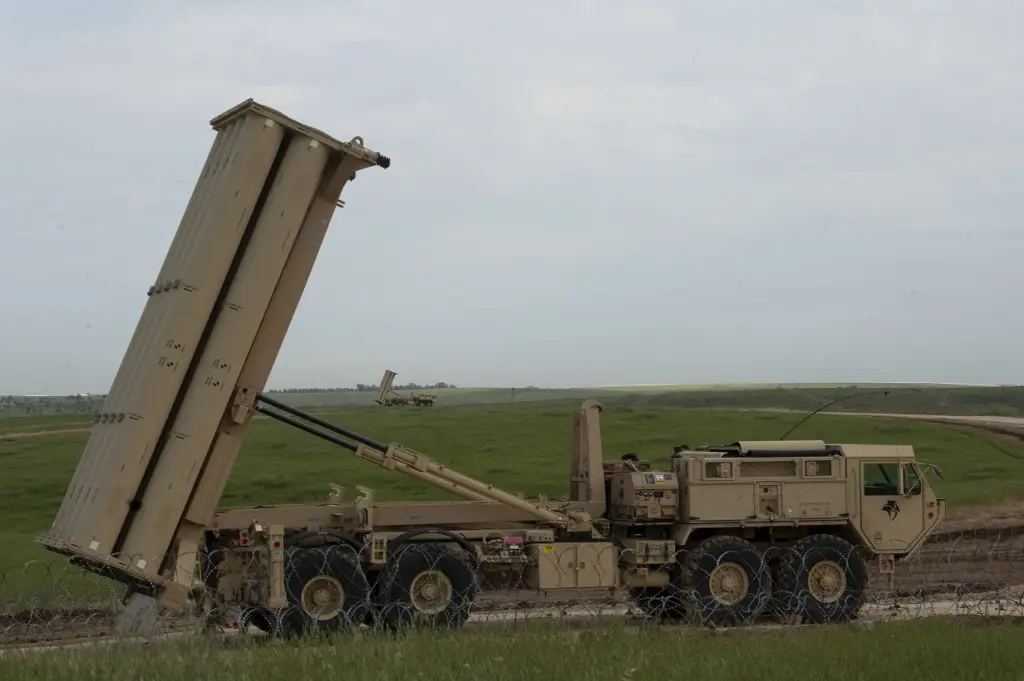
THAAD AN/TPY-2 - 1,000 Kilometre Tracking Range
USA's THAAD employs the AN/TPY-2 radar achieving 1,000 kilometre target tracking range with 16-of-16 test intercept success rate. The truck-mounted system interoperates with Aegis, Patriot, and satellite systems extending coverage across multiple platforms. Advanced signal processing enables simultaneous tracking of numerous targets.
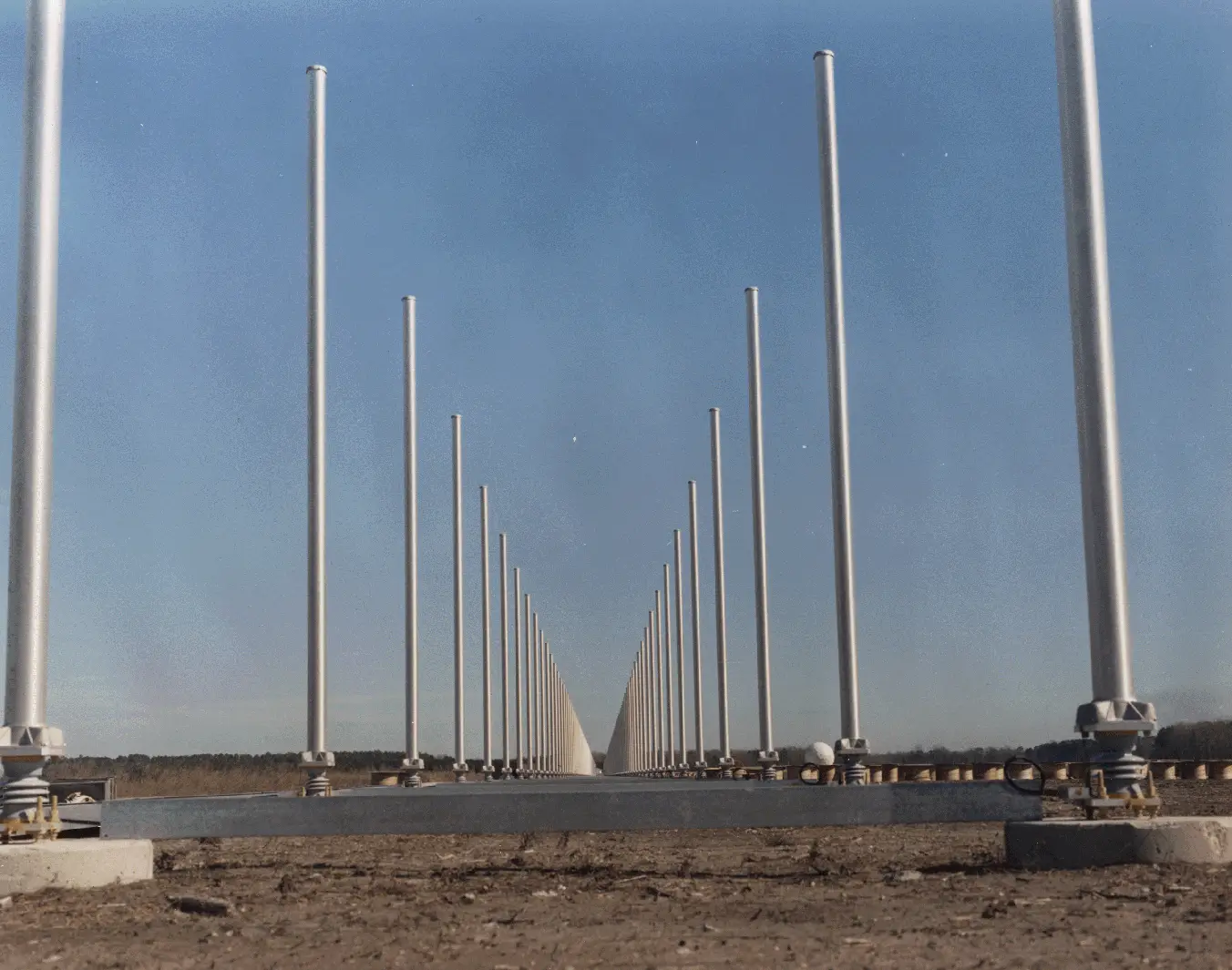
Over-the-Horizon Radar - Hundred-Kilometre Detection Range
Over-the-horizon radar systems use ionosphere reflection or Earth surface wave propagation achieving detection ranges exceeding conventional systems. Shortwave systems refract signals off the ionosphere for very long-range detection. Surface wave systems using low-frequency radio waves follow Earth's curvature reaching beyond visual horizon.
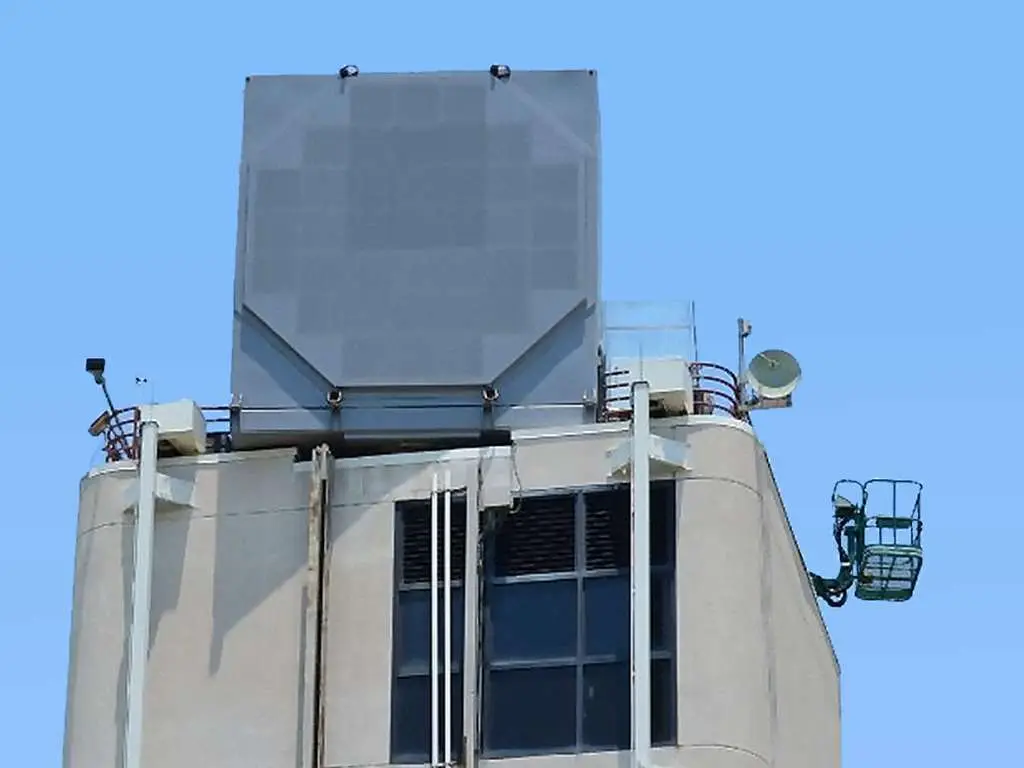
AN/SPX-6(V) Dual-Band Naval Radar - 37 Receiver Modules
The AN/SPX-6(V) dual-band radar employs 37 receiver modules with digital beamforming and gallium nitride technology. S-band provides wide-area search whilst X-band delivers precision targeting. The system achieves simultaneous air defence and fire-control operations aboard naval vessels.
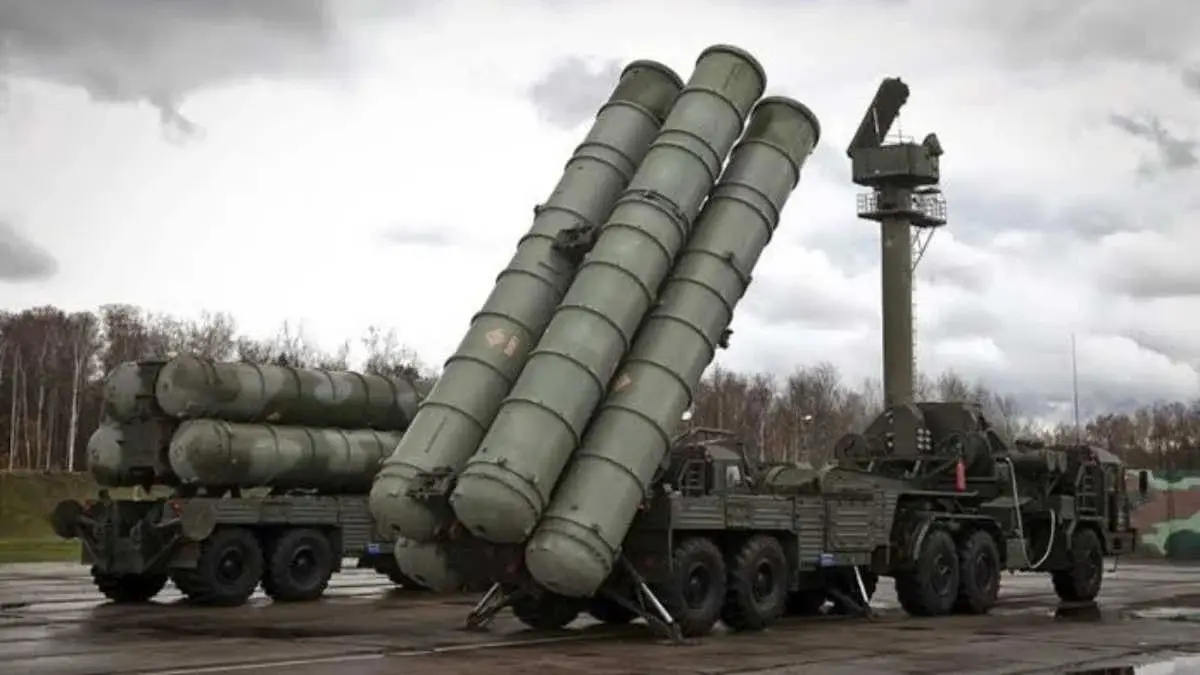
S-400 Triumph 96L6-TsP - C-Band Engagement Radar
Russia's S-400 Triumph includes 96L6-TsP C-band multi-mode engagement radar with 300 kilometre detection range and 150 kilometre engagement range. The system tracks 300 simultaneous targets with anti-stealth capability reaching 150 kilometres. Fire-control radar provides precision targeting for surface-to-air missiles.
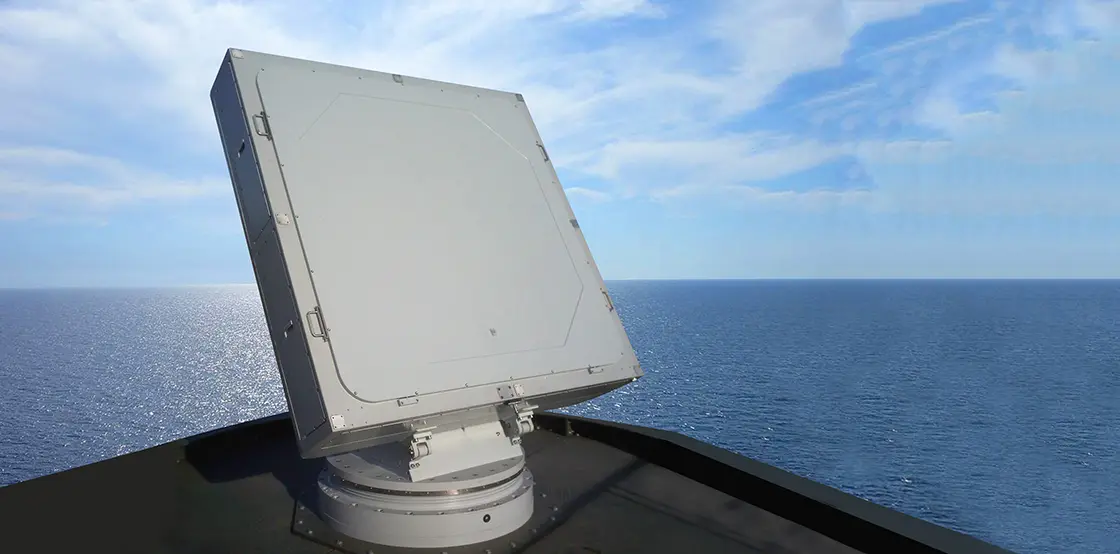
AESA Technology Evolution - Frequency-Hopping and Pulse Compression
Modern AESA radars employ frequency-hopping where transmit frequency changes with each pulse, reducing jamming vulnerability. Pulse compression or "chirping" distributes frequencies across wide bands within individual pulses. Active electronically scanned arrays control phase and amplitude independently enabling multiple agile beam generation.
)
)
)
)
)