‘Switzerland to Finland’: 5 countries with the cleanest underground water reserves

Clean groundwater is vital for safe drinking water. Countries like Switzerland, Finland, and Iceland lead the world with naturally pure underground sources, strong environmental laws, and minimal treatment needs.
Why groundwater purity matters
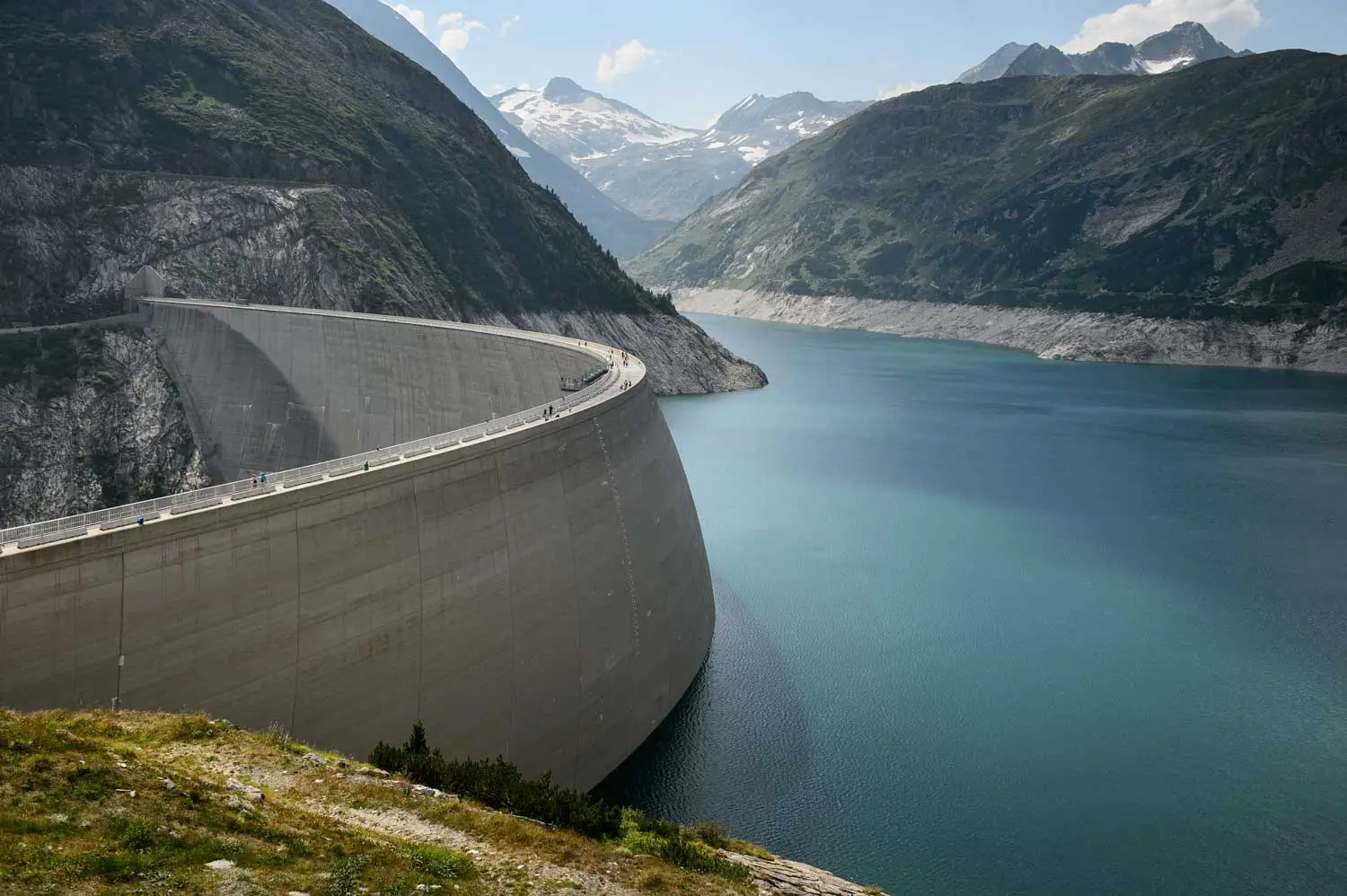
Underground water, found in aquifers and springs, is the main source of safe drinking water for billions. Clean groundwater means less disease and better quality of life. Pollution, overuse, or poor treatment can quickly make water unsafe to drink.
Switzerland’s alpine gold
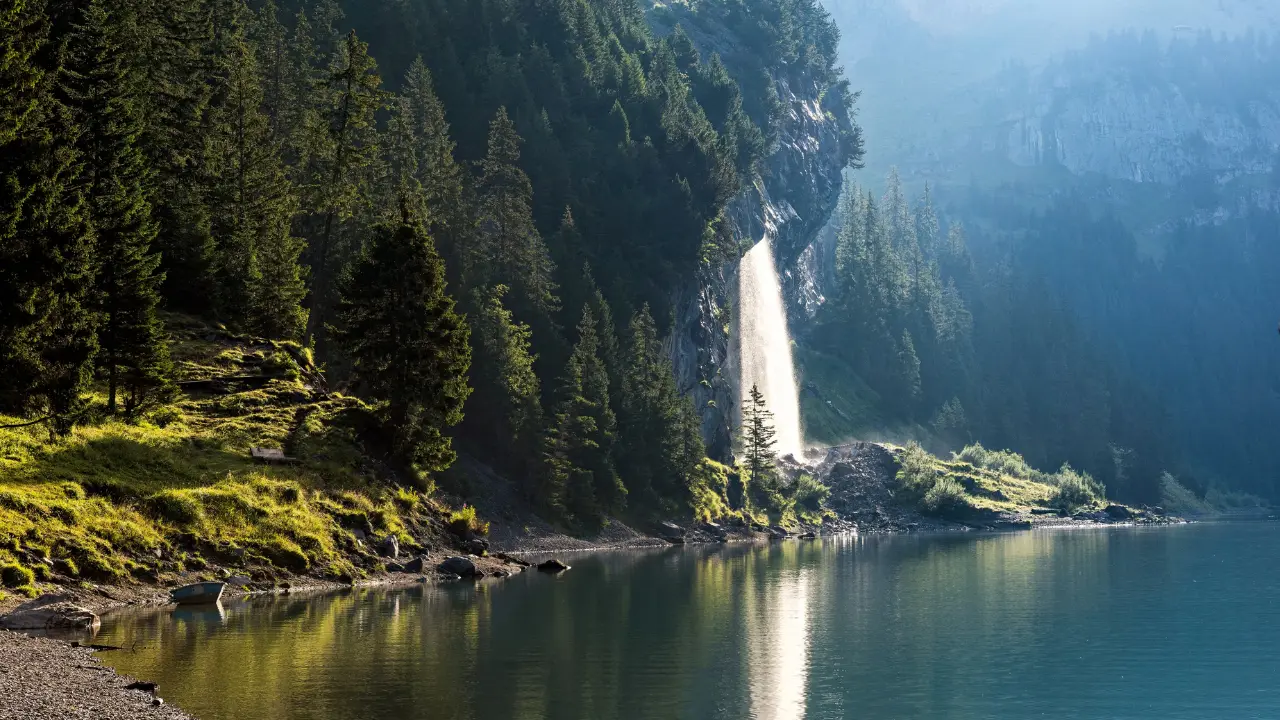
Switzerland is world-renowned for its glacier-fed lakes, rivers, and deep underground stores. Most of its tap water comes from pristine groundwater, protected by strict environmental laws. Testing is frequent, and little treatment is needed, so Swiss tap water is clean and tasty.
Finland’s lake and spring purity
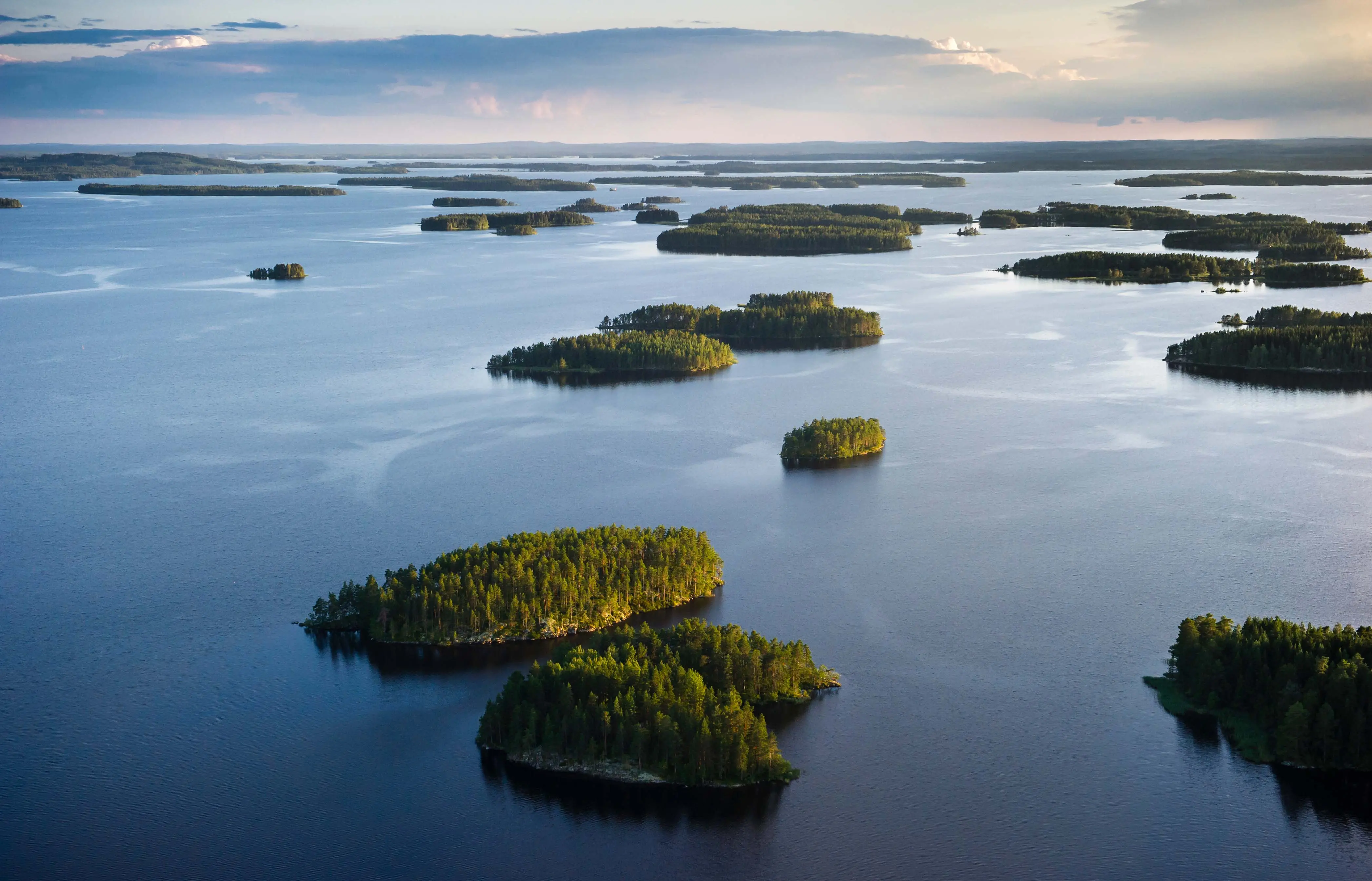
Finland boasts over 180,000 lakes and abundant underground aquifers. 99.99 per cent of water quality checks pass safety levels. Only minimal treatment is required, mostly just UV or filtration. Groundwater here is naturally filtered by sand and rock.
Iceland - untouched by industry
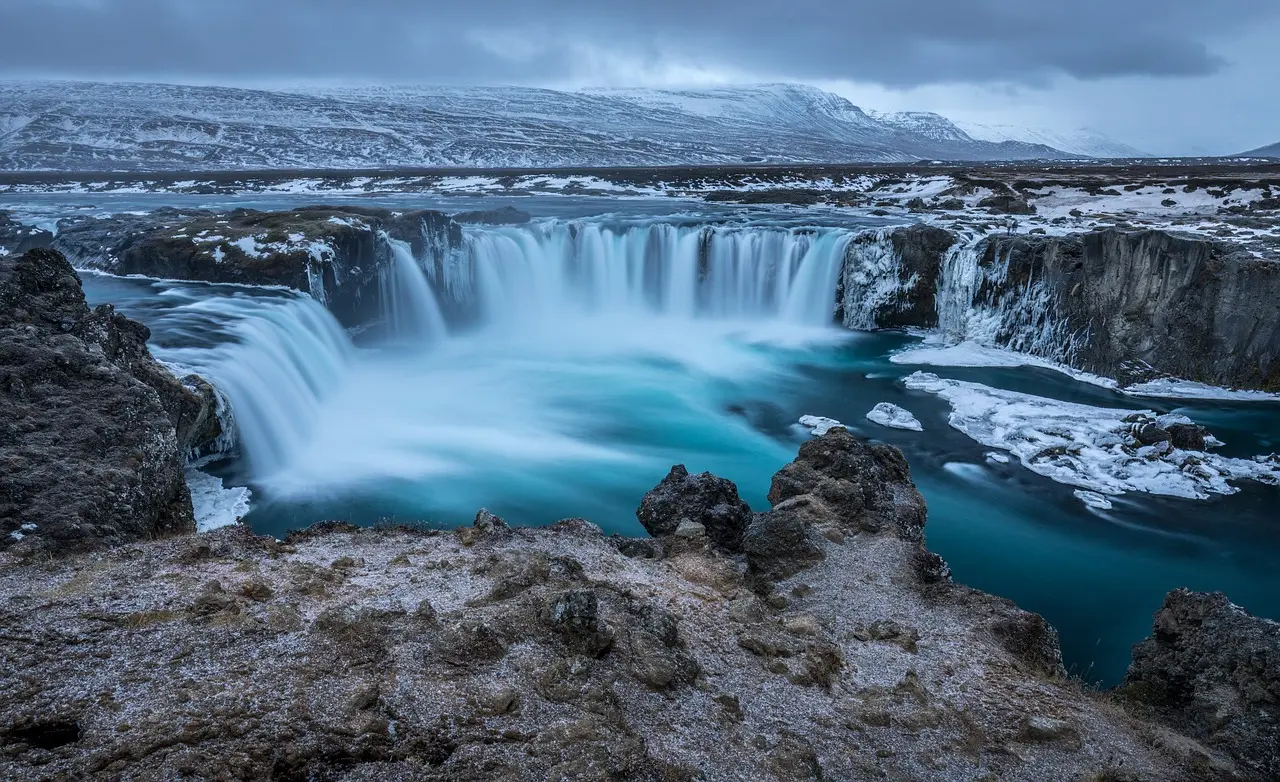
Iceland’s water comes almost entirely from underground sources and glacial melt. With nearly no industrial pollution and a small population, Iceland’s underground water is so pure that it rarely needs chlorination or extra filtration. Locals often drink it straight from the tap or springs.
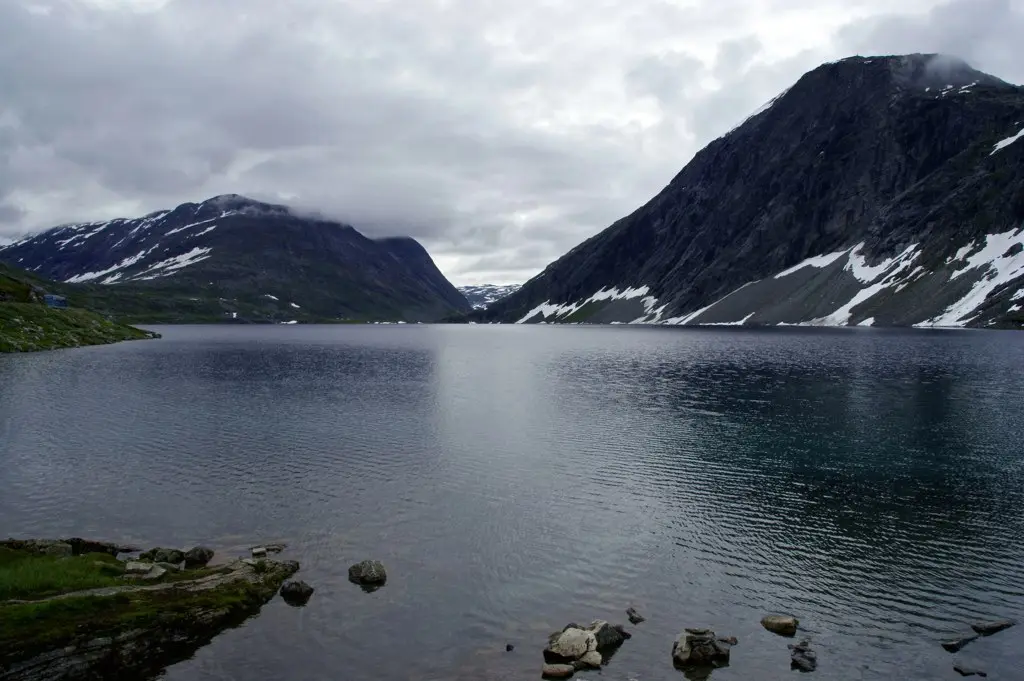
Norway’s mountain clarity
Norway’s groundwater travels through layers of rock and sand, getting filtered naturally. Strict national policies protect water sources from pollution. Heavy reliance on mountain aquifers and high-tech treatment keeps Norwegian water among the safest in Europe.
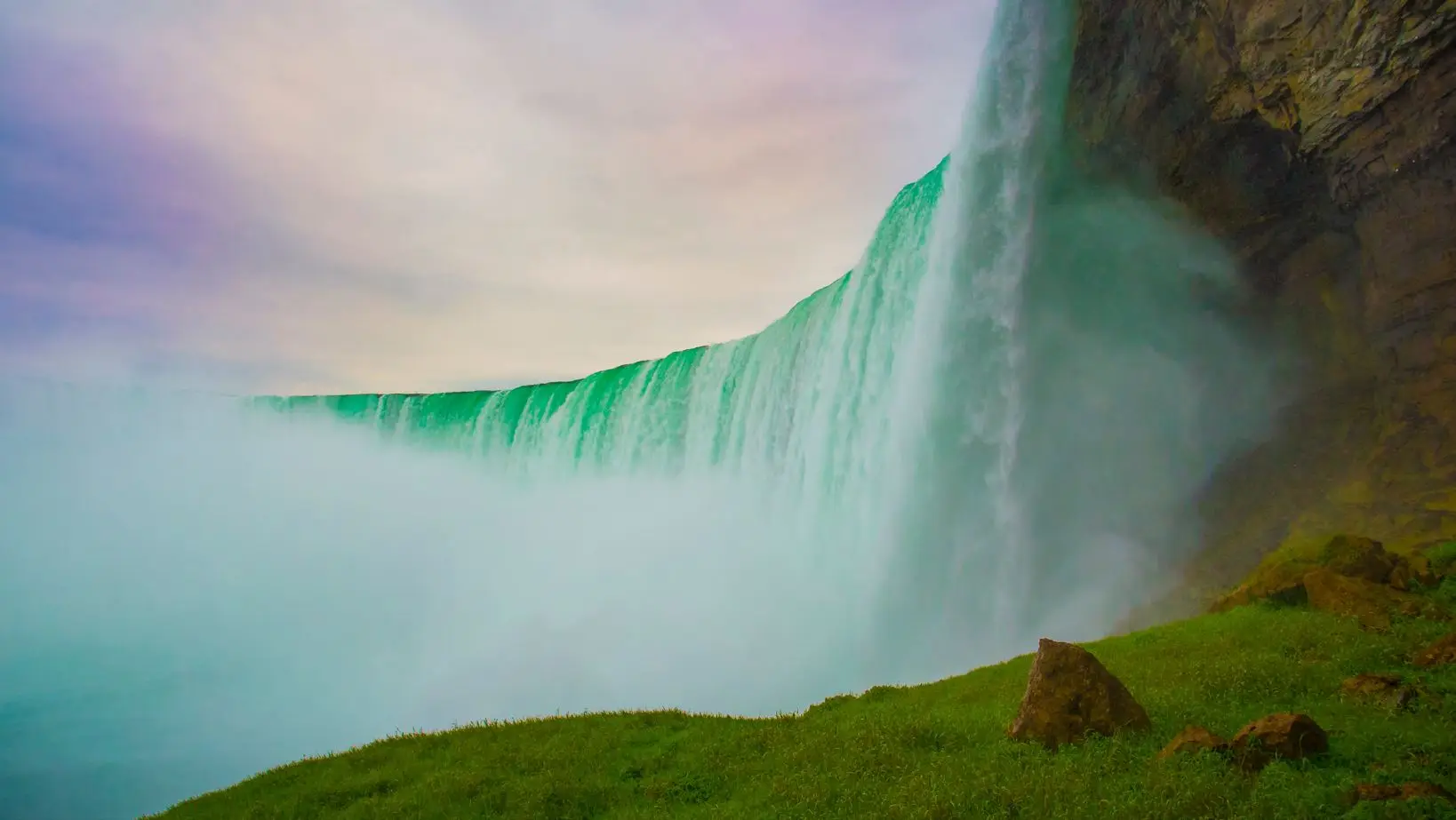
Canada: vast reserves, high protection
Canada holds about 20 per cent of the world’s freshwater and draws huge volumes from underground aquifers. Provincial governments run frequent quality tests. Clean groundwater from lakes, rivers and deep wells provides safe water even in remote communities.
)
)
)
)
)