'Split-second decisions': How they shape air-to-air missile outcomes

Pilot OODA Loop decision cycles determine air combat outcomes more than missile specifications. Cockpit workload and target identification errors degrade missile engagement effectiveness despite advanced weapons technology.
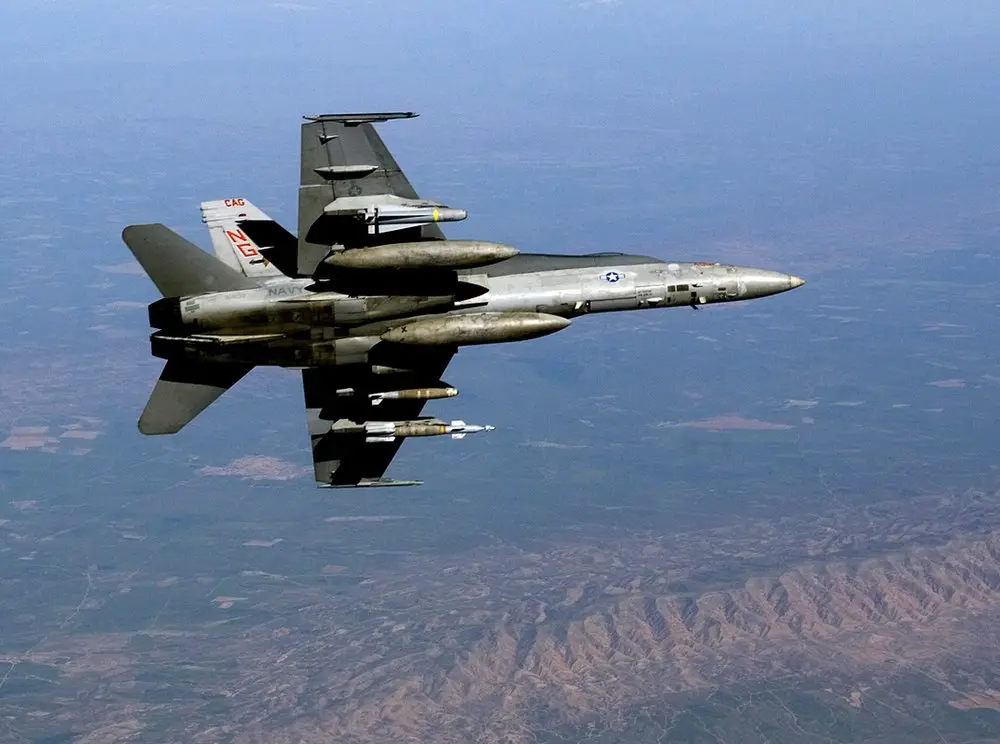
The OODA Loop Explains Combat Superiority
Colonel John Boyd discovered that pilots operating through the OODA Loop - Observe, Orient, Decide, Act - faster than opponents gain overwhelming advantage. Boyd's analysis of Korean War F-86 victories revealed that aircraft design enabled quicker decision cycling, not superior pilot skills. Pilots completing OODA cycles faster force opponents into reactive rather than proactive states.
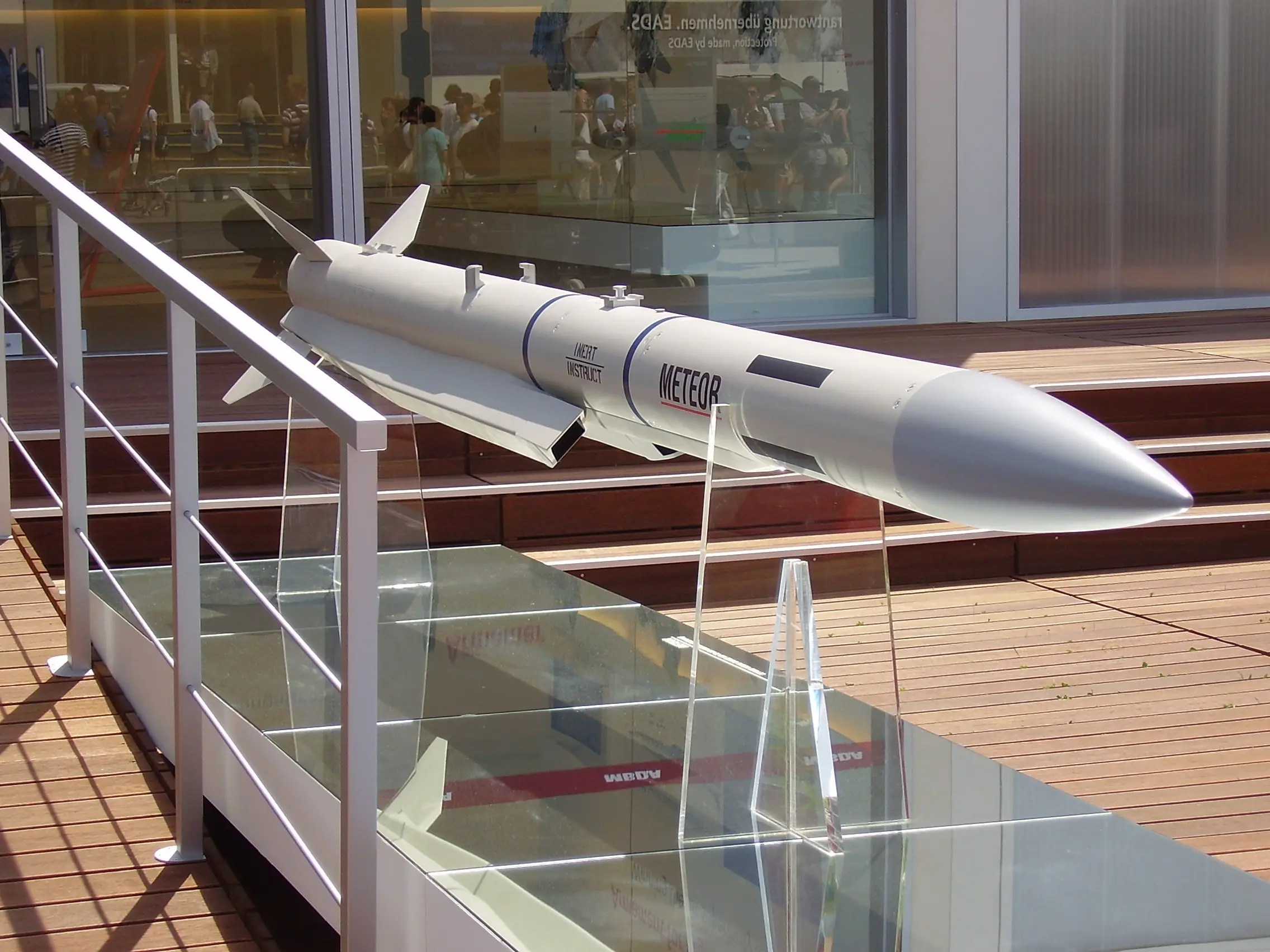
Decision Cycles Compress in Closing Engagements
When two fighters close head-on, combined closure rate exceeds 900 miles per hour. Engagement windows compress to seconds, forcing pilots to make targeting decisions with partial information. Pilots cycling through OODA loops rapidly decide missile launch timing whilst slower-reacting opponents lose decision options and escape opportunities.
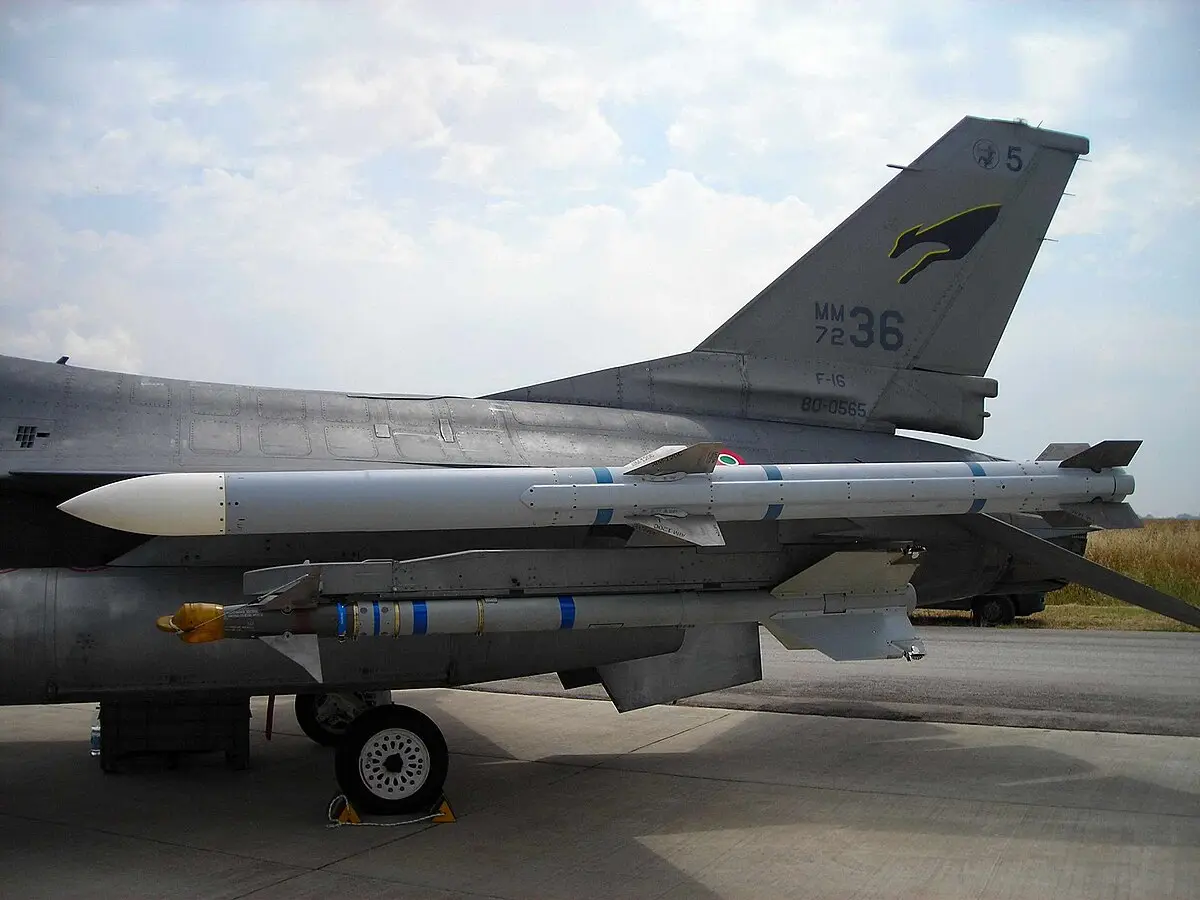
Situational Awareness Is Critical Before Launch
Fighter pilots must maintain constant awareness of friendly aircraft positions, target locations, altitude, speed, and tactical geometry. Studies show strong correlation between high situational awareness and improved air combat performance. Poor awareness leads to target misidentification and engagement decisions degrading missile effectiveness substantially.
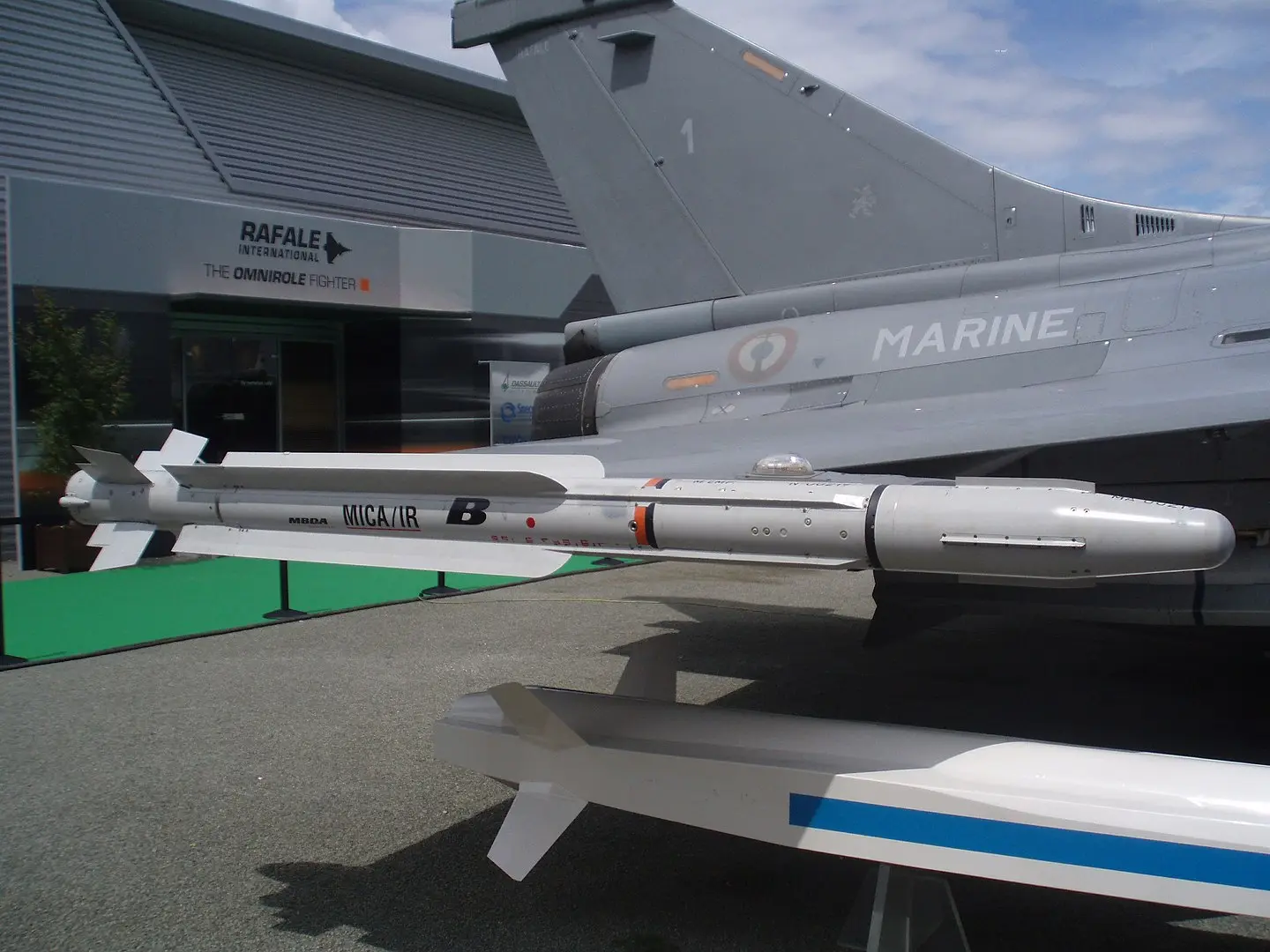
Cockpit Workload Degrades Decision Quality Measurably
Modern fighter avionics increase cockpit workload rather than reducing it. Pilots managing radar displays, threat warnings, datalink updates, and tactical positioning simultaneously experience cognitive overload. Research confirms that elevated workload degrades decision-making speed and accuracy, causing pilots to commit engagement errors.
Target Identification Errors Remain Common Problem
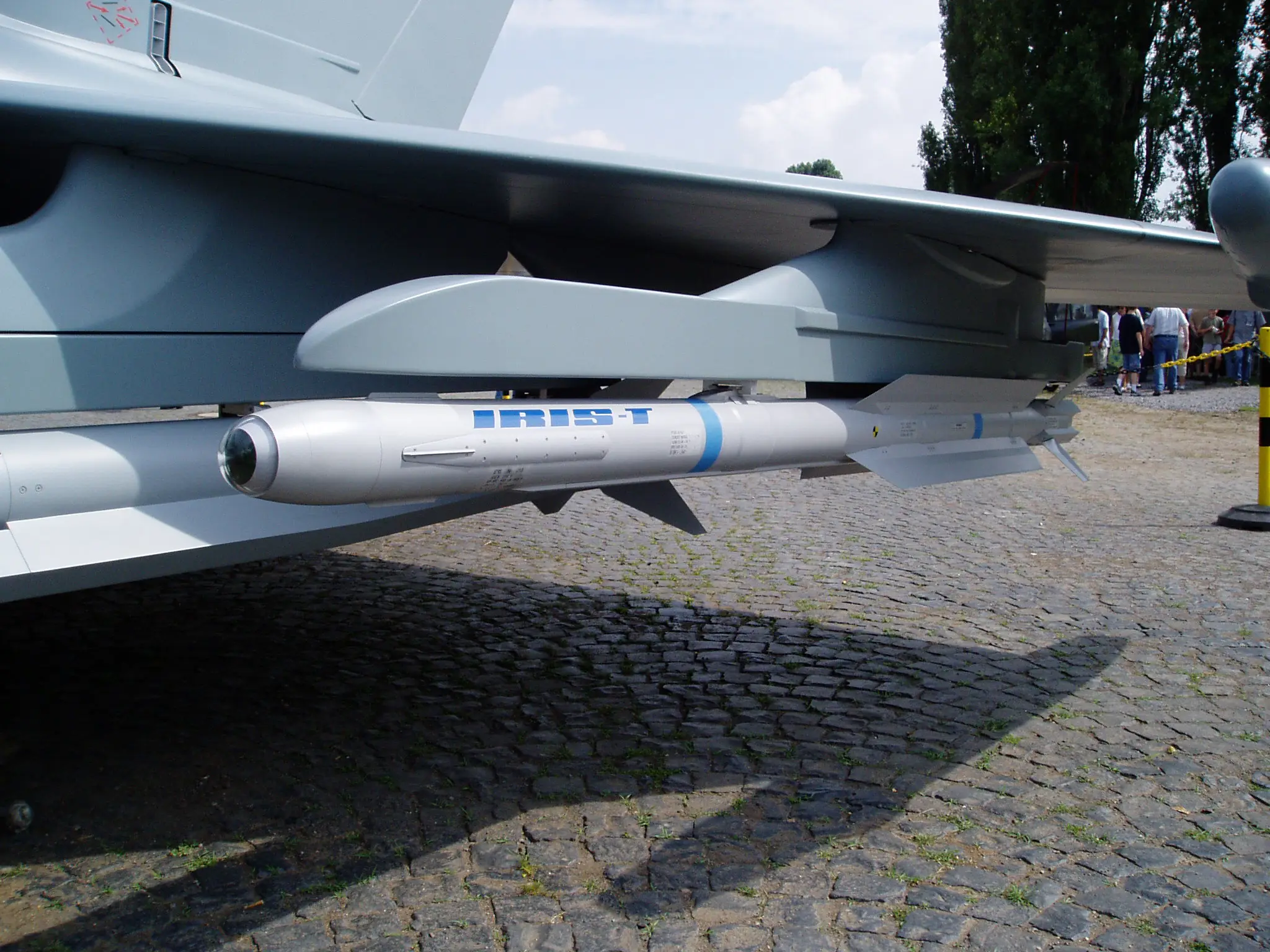
Missile engagement decisions begin with correct target identification. Pilots misidentifying targets has caused friendly-fire incidents throughout air combat history. Positive target identification before missile launch remains challenging when cockpit workload is high and engagement timelines are compressed.
Launch Timing Determines Probability of Kill
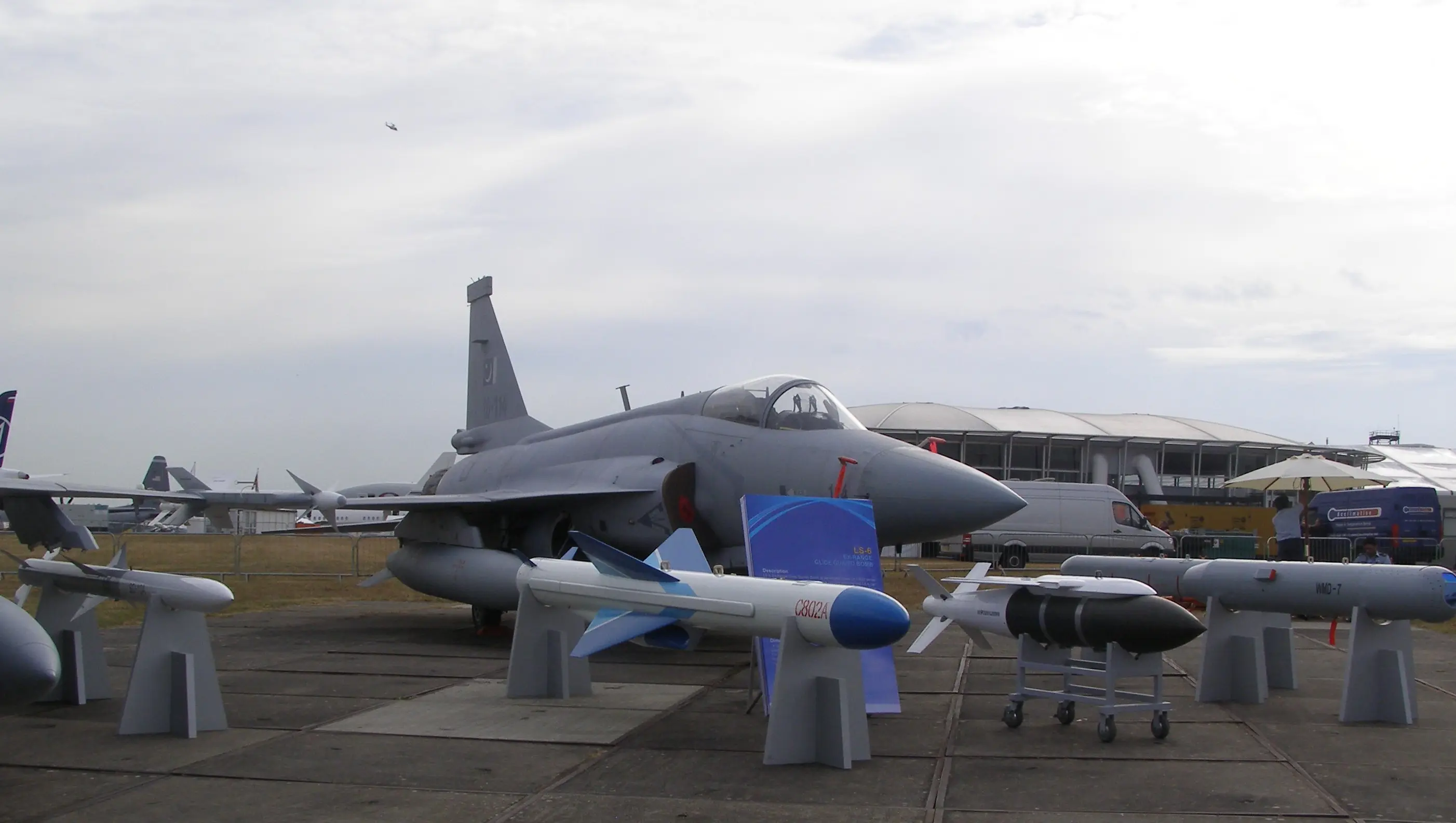
Pilots must launch missiles within precise engagement windows. Launching too early sacrifices kill probability. Launching too late risks insufficient missile energy reaching targets. The split-second decision of when to trigger missile launch, made during high-stress compressed timelines, profoundly affects engagement success.
Recognition-Primed Decision Making Under Pressure
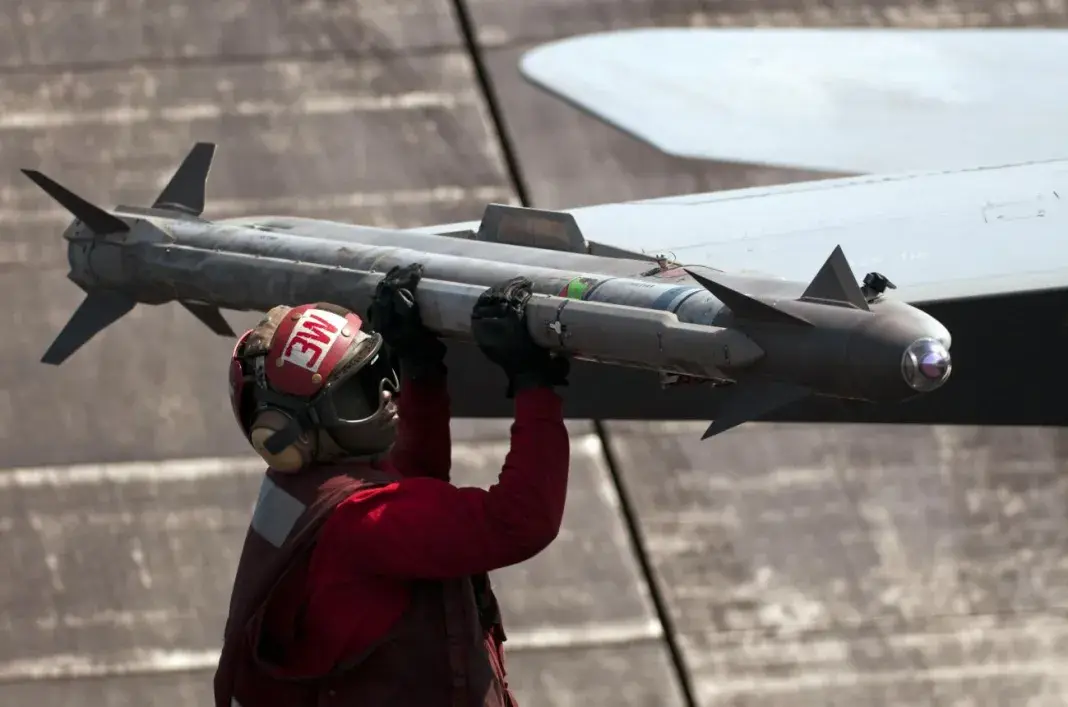
Experienced pilots develop mental models enabling rapid decision-making without conscious deliberation. Training in dissimilar air combat scenarios teaches pilots to recognise tactical patterns and respond instinctively. Recognition-primed decisions made by well-trained pilots prove faster and more effective than deliberate analytical decision-making.
Pilot Training Directly Determines Engagement Outcomes
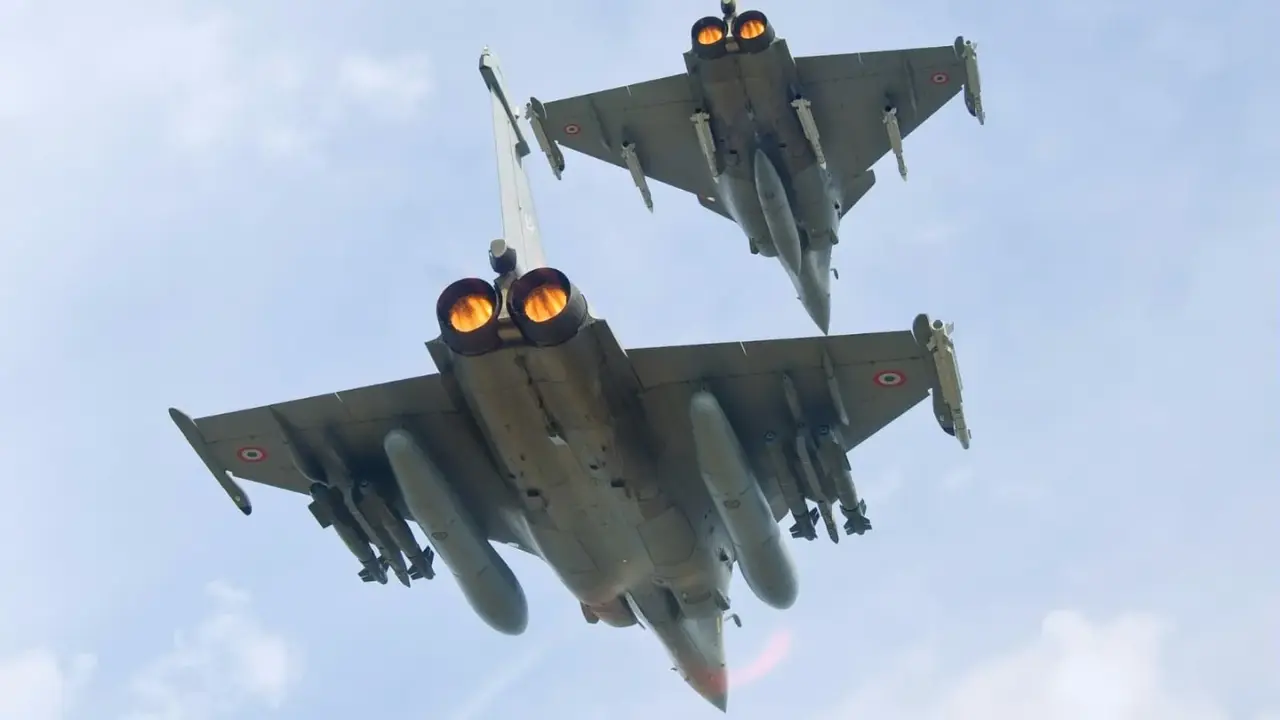
Military training emphasises decision-making cycles, situational awareness development, and tactical pattern recognition. Studies show training programmes specifically targeting decision-making improve pilot performance measurably. Better-trained pilots cycle through OODA loops faster and make superior targeting decisions under pressure.
Datalink Information Can Overwhelm Pilot Processing
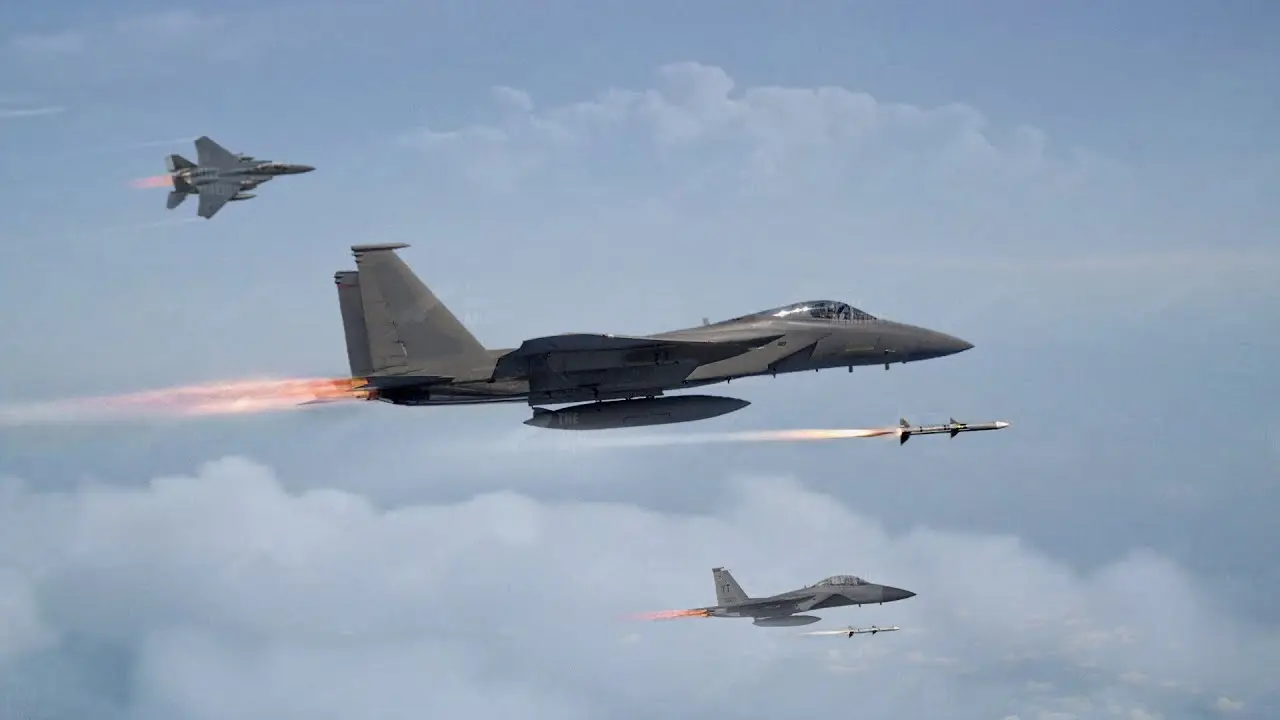
Modern missiles depend on continuous datalink updates with target position before seeker activation. Pilots must interpret datalink information whilst managing other cockpit tasks. Datalink updates increase cognitive load, potentially degrading the pilot's ability to make parallel decisions about evasion, manoeuvring, or multiple target engagement.
Pilot Response Differs From Pilot Reaction Fundamentally
Fighter pilots distinguish between quick reaction and thoughtful response. Reaction is automatic but often produces suboptimal results. Response is considered, weighing longer-term consequences. Well-trained pilots develop capacity to respond - not merely react - even when compressed decision timelines offer insufficient time for deliberation.
)
)
)
)
)