'Sound-Powered Phones': Why the USS Abraham Lincoln uses 1940s tech during power outages

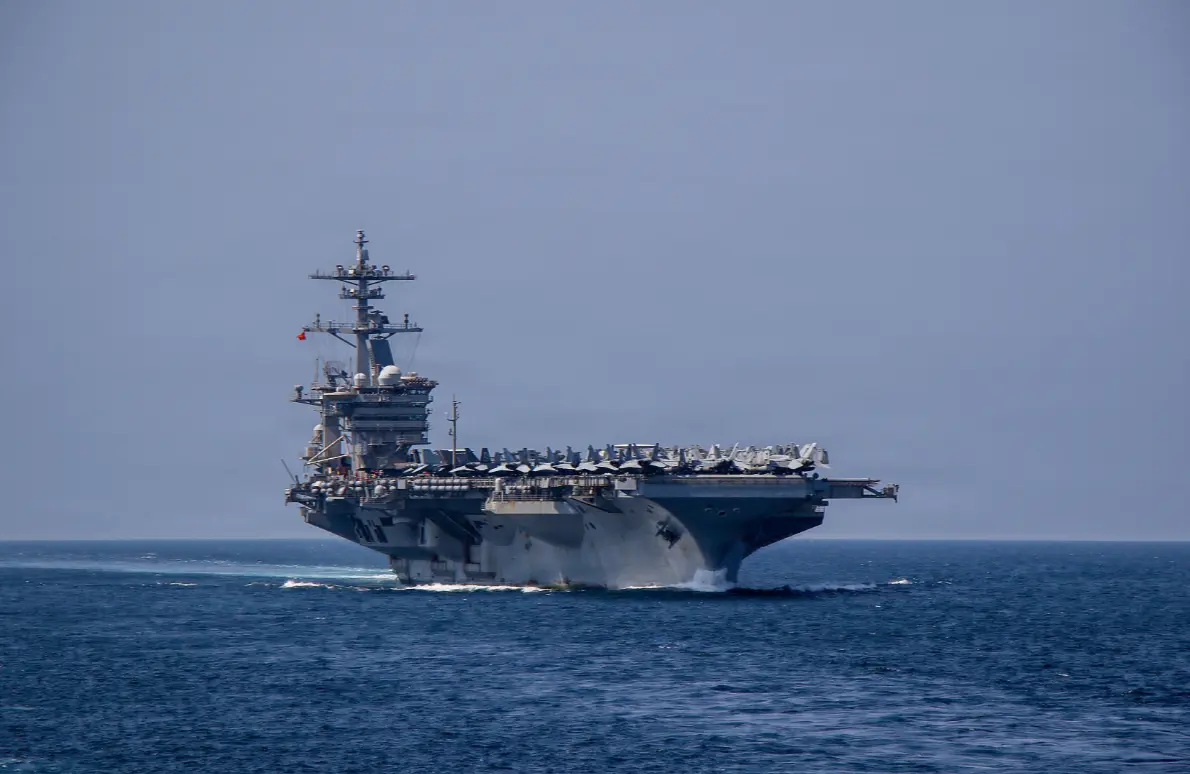
The USS Abraham Lincoln uses 1944 sound-powered phones that convert voice pressure into current. Requiring zero external power, this analogue tech ensures communication during severe blackouts.
Relies on 1944 Tech
Sound-powered telephones were introduced in 1944 during World War II to ensure reliable communication. Today, they remain a mandatory failsafe on modern vessels like the Nimitz-class USS Abraham Lincoln. This legacy equipment serves as the primary backup system when all electronic communications fail.
100 Per Cent Voice-Powered
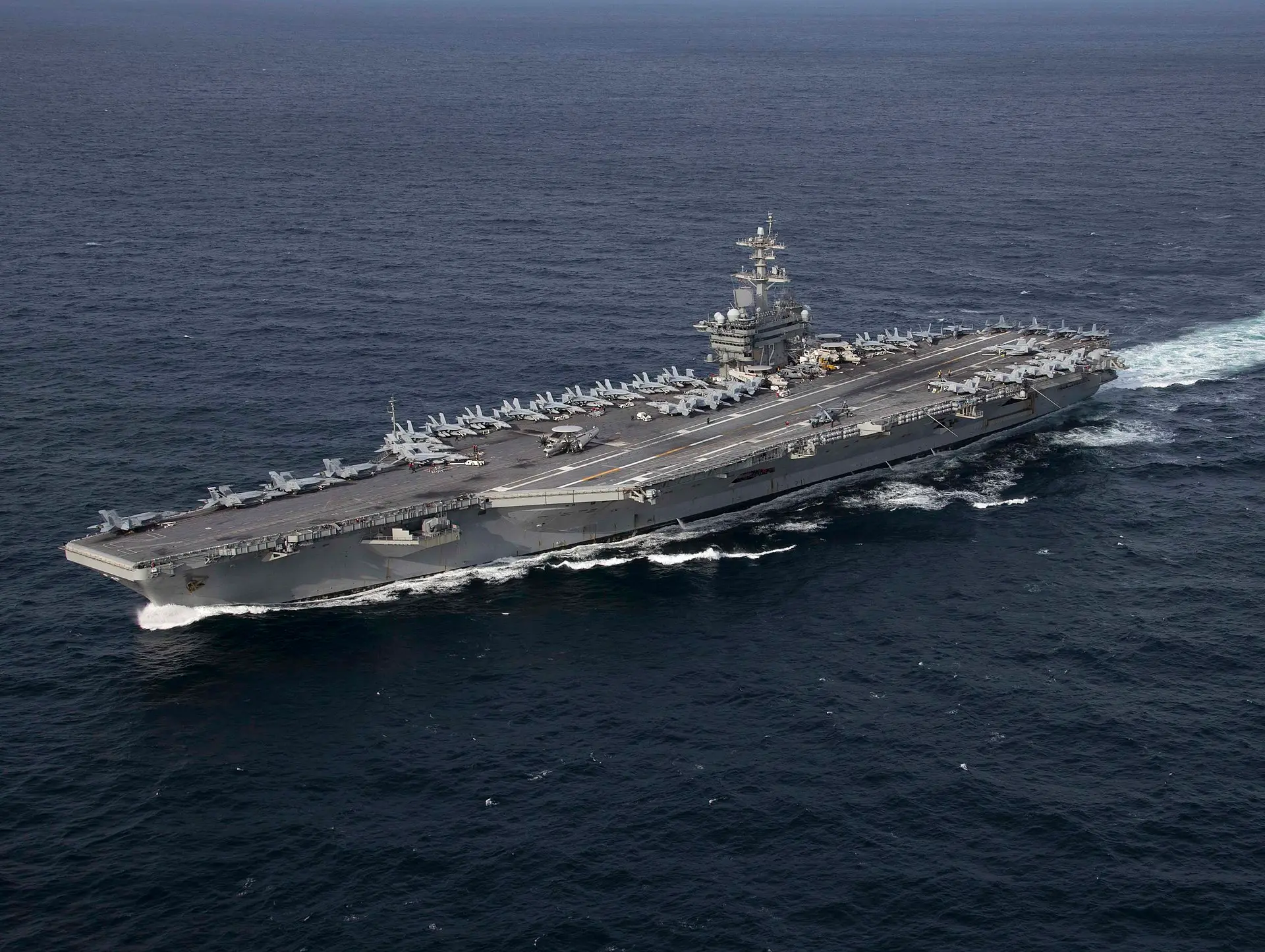
These phones work by capturing the acoustic pressure generated by a user's voice. The sound waves hit a dynamic microphone, moving a coil within a magnetic field to create a tiny electrical current. This mechanism converts voice energy directly into an electrical signal without external assistance.
Requires 0 External Batteries
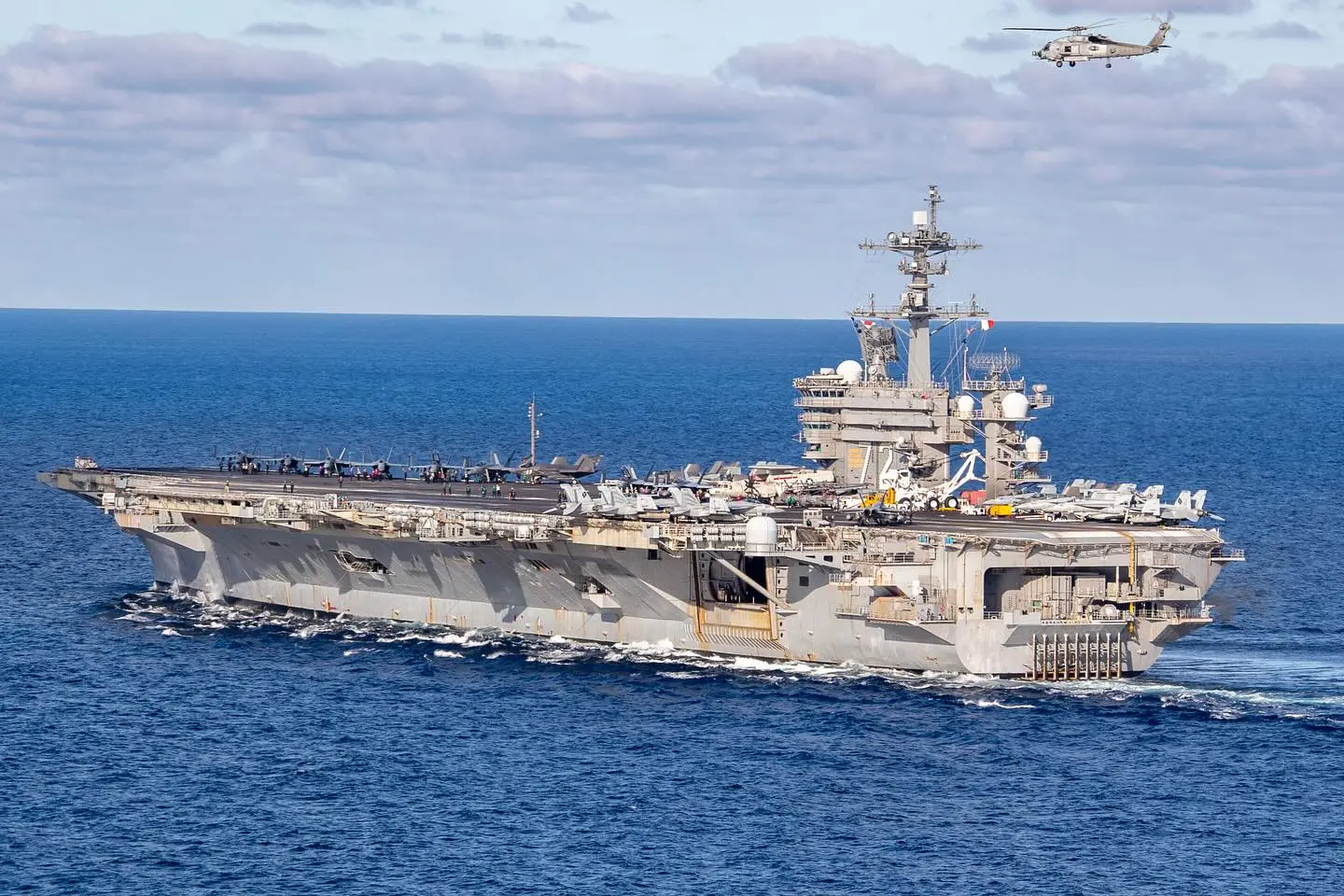
Because the human voice generates the necessary electrical current, the system requires zero external power or complex circuits. It is completely immune to electrical grid failures, battery degradation, or main generator loss. This makes the system rugged and well-suited for severe combat or emergency environments.
0 Grid Power Needed
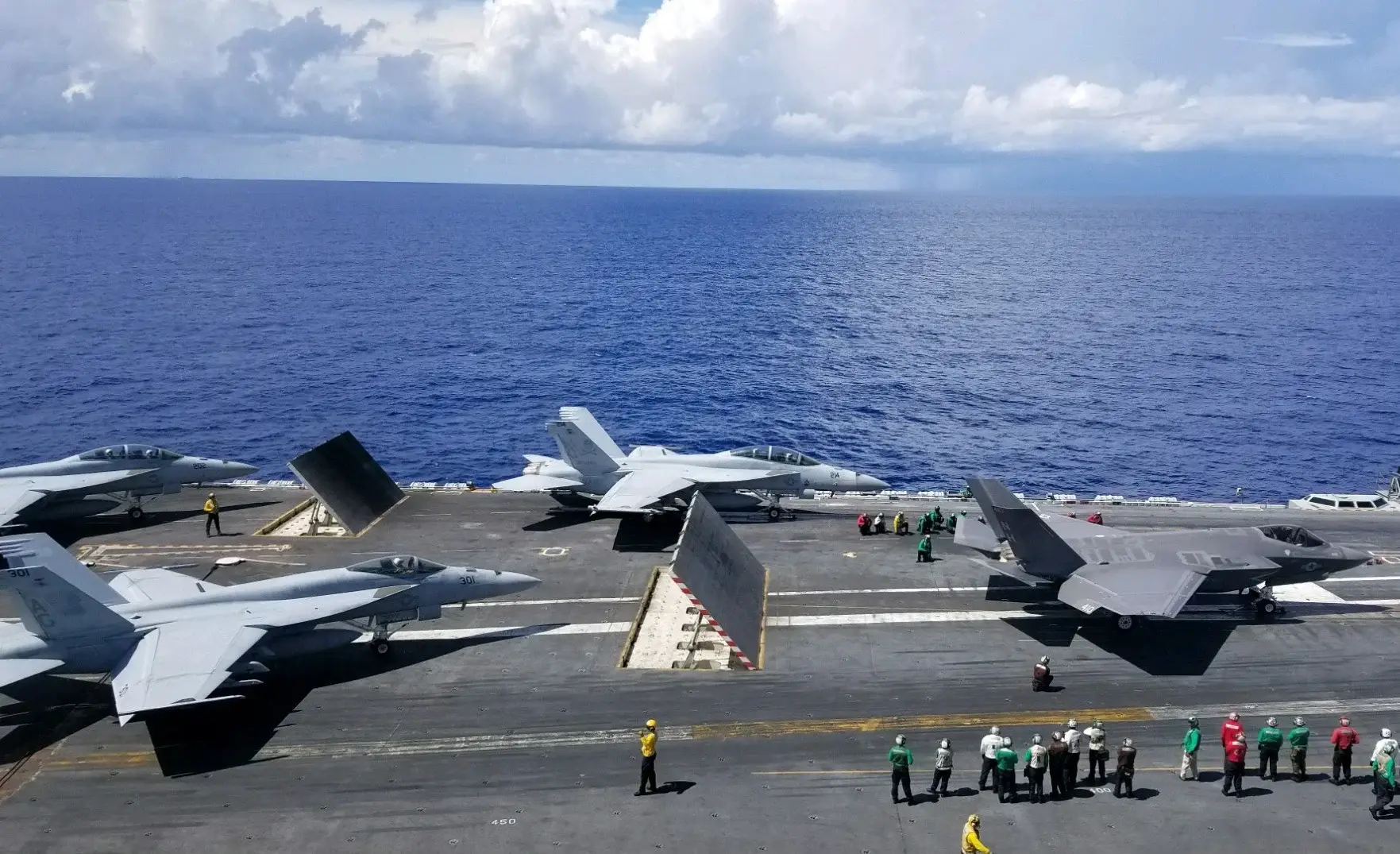
During total blackouts, fires, or combat damage, standard intercoms and digital networks immediately go offline. Sound-powered phones remain fully operational precisely because their voice-talk circuits are independent of the ship's electrical grid. Sailors can securely coordinate damage control and navigation in complete darkness.
Transmits Over 30 Miles
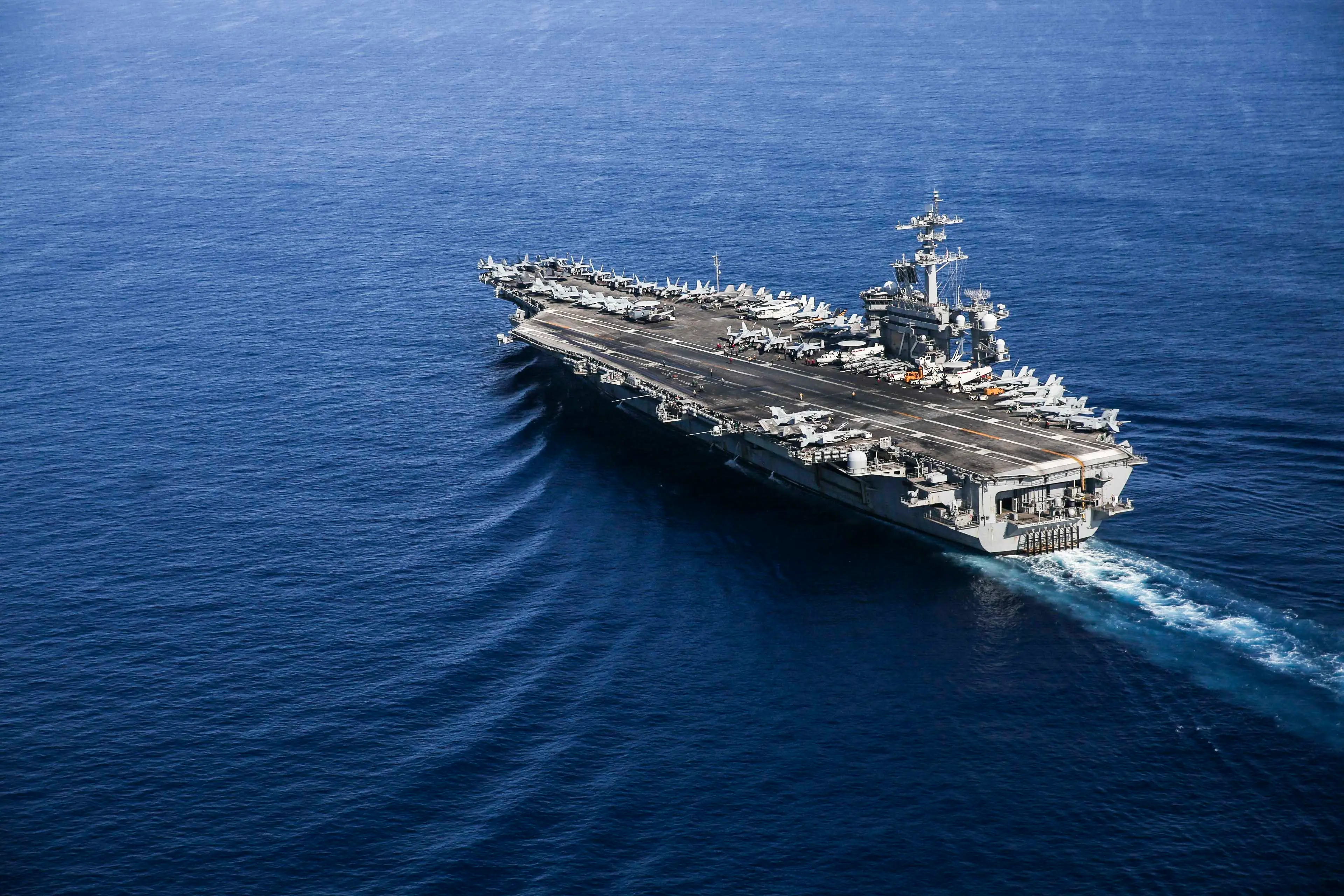
Despite relying solely on the power of a human voice, these analogue systems can carry signals across vast distances. Talk circuits can transmit clear audio over a pair of copper wires stretching up to 30 miles. This range easily covers the internal layout of a modern aircraft carrier.
Aboard 100,000-Tonne Naval Carriers
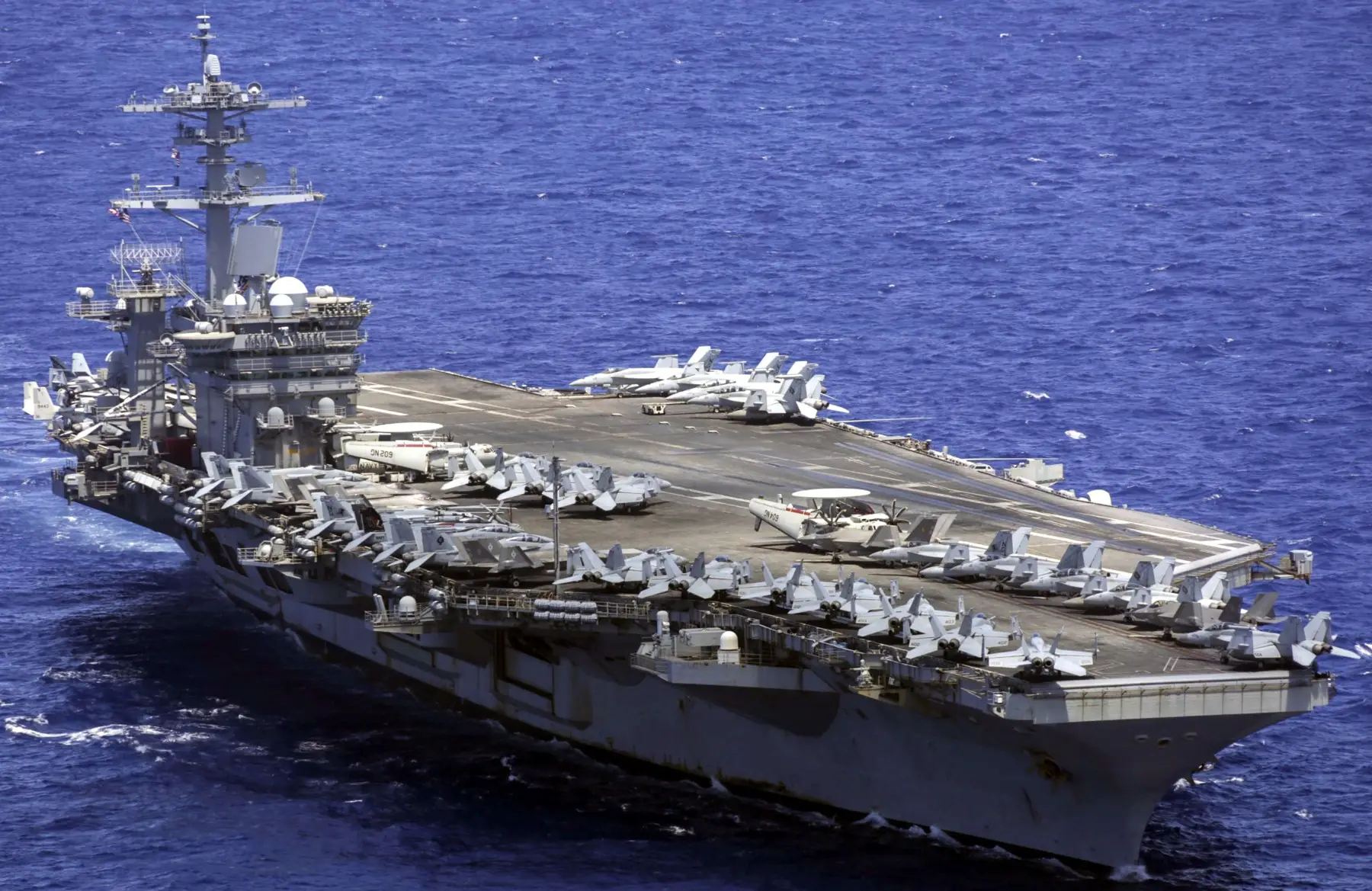
The USS Abraham Lincoln displaces over 100,000 tonnes and features thousands of compartments across multiple decks. Sound-powered phone stations are strategically positioned at key locations, including the pilot house, combat information centre, and engine rooms. This ensures seamless coordination across the large vessel.
0 Risk of Hacking
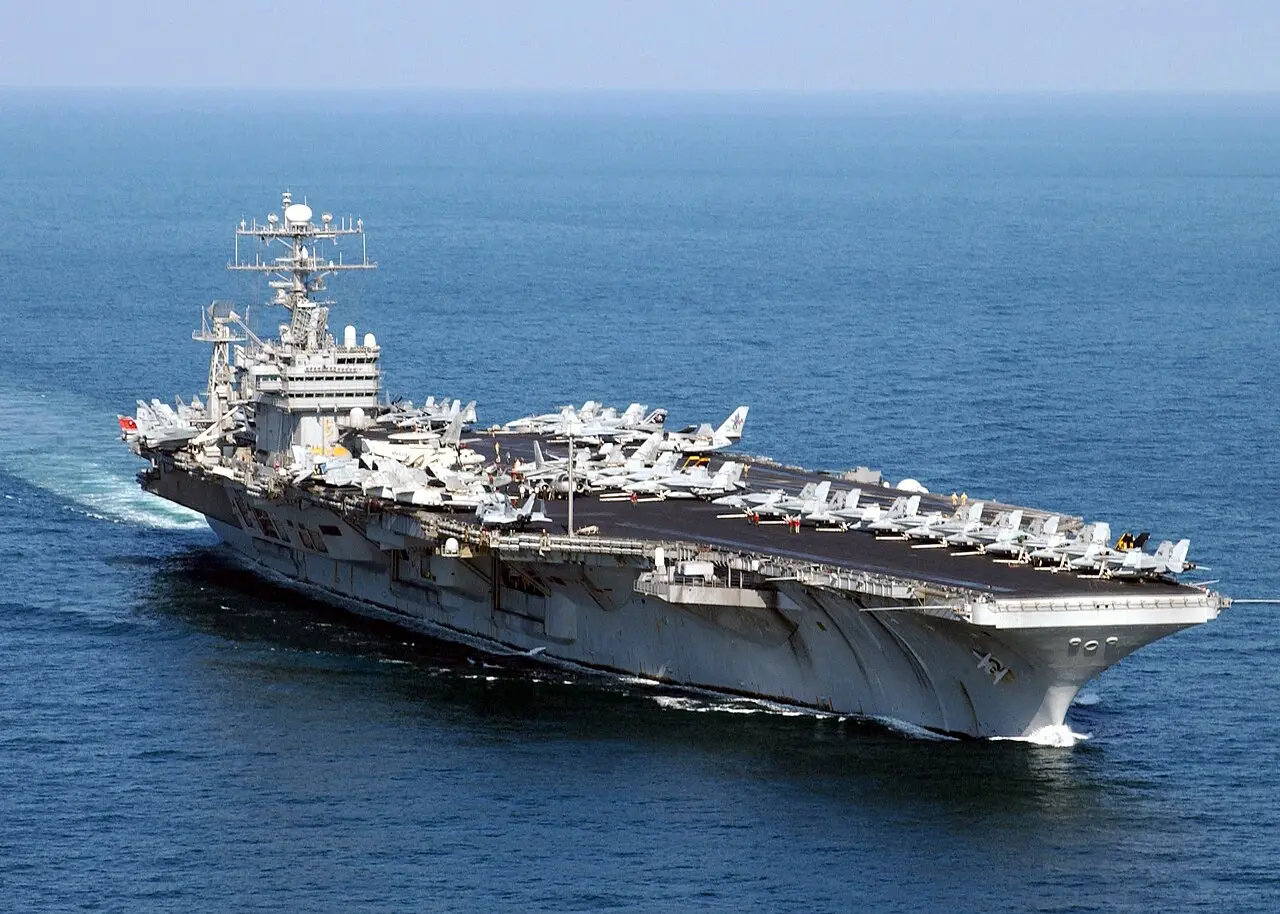
Modern warships are packed with advanced radars and satellite links, yet this analogue equipment remains irreplaceable. By stripping away complex electronics, the US Navy ensures a communication method that cannot be hacked or disabled by electromagnetic pulses. It stands as a highly reliable backup system for the crew.
)
)
)
)
)