'Runway killer': Can India’s BrahMos missile shoot down Bangladesh’s Eurofighter Typhoons?

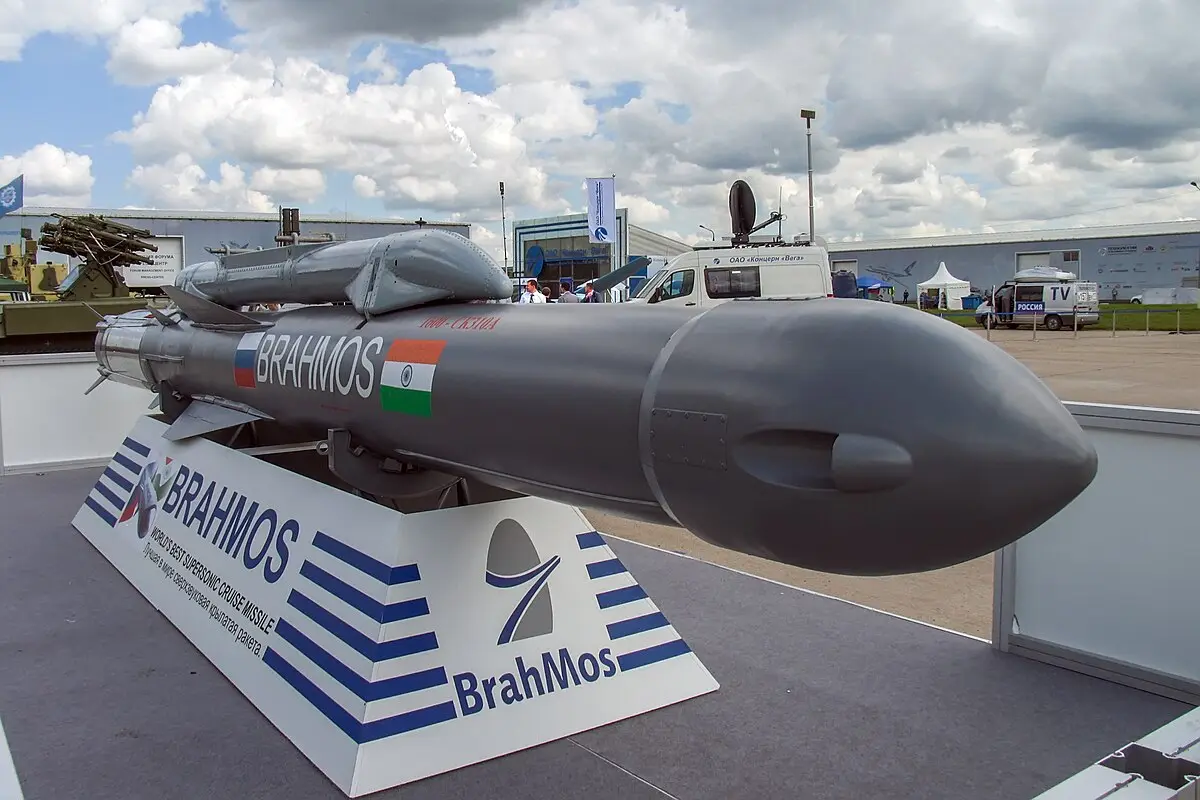
Indian military doctrine relies on a brutal strategy: Counter-Air Operations. Instead of fighting the jet in the air, the BrahMos is designed to destroy the jet while it is still parked on the runway.
1. The "5-Minute" Warning Gap
The distance between India’s border and Bangladesh’s primary airbases (like Kurmitola in Dhaka or the revived Lalmonirhat base) is extremely short. A BrahMos fired from West Bengal travels at Mach 2.8 (almost 1 km per second).
The Reality: The flight time to these bases is roughly 3 to 5 minutes. This gives the Bangladesh Air Force (BAF) almost zero reaction time to scramble their Typhoons. By the time the radars detect the launch, the missile is already in the terminal phase.
2. The "Concrete Killer" Doctrine
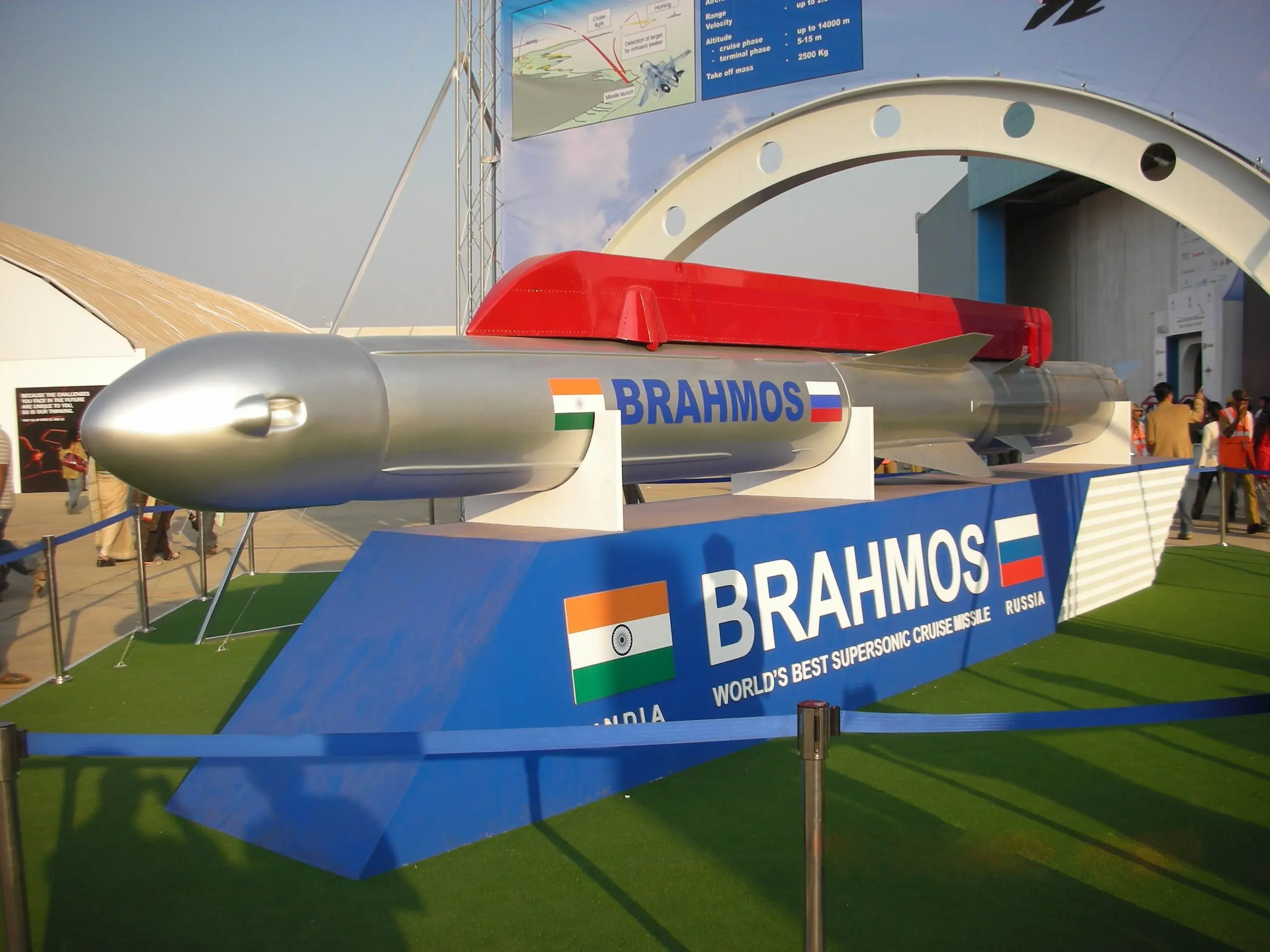
You don't need to hit the jet to stop the jet. The BrahMos is programmed for "steep dive" attacks, designed specifically to penetrate reinforced concrete.
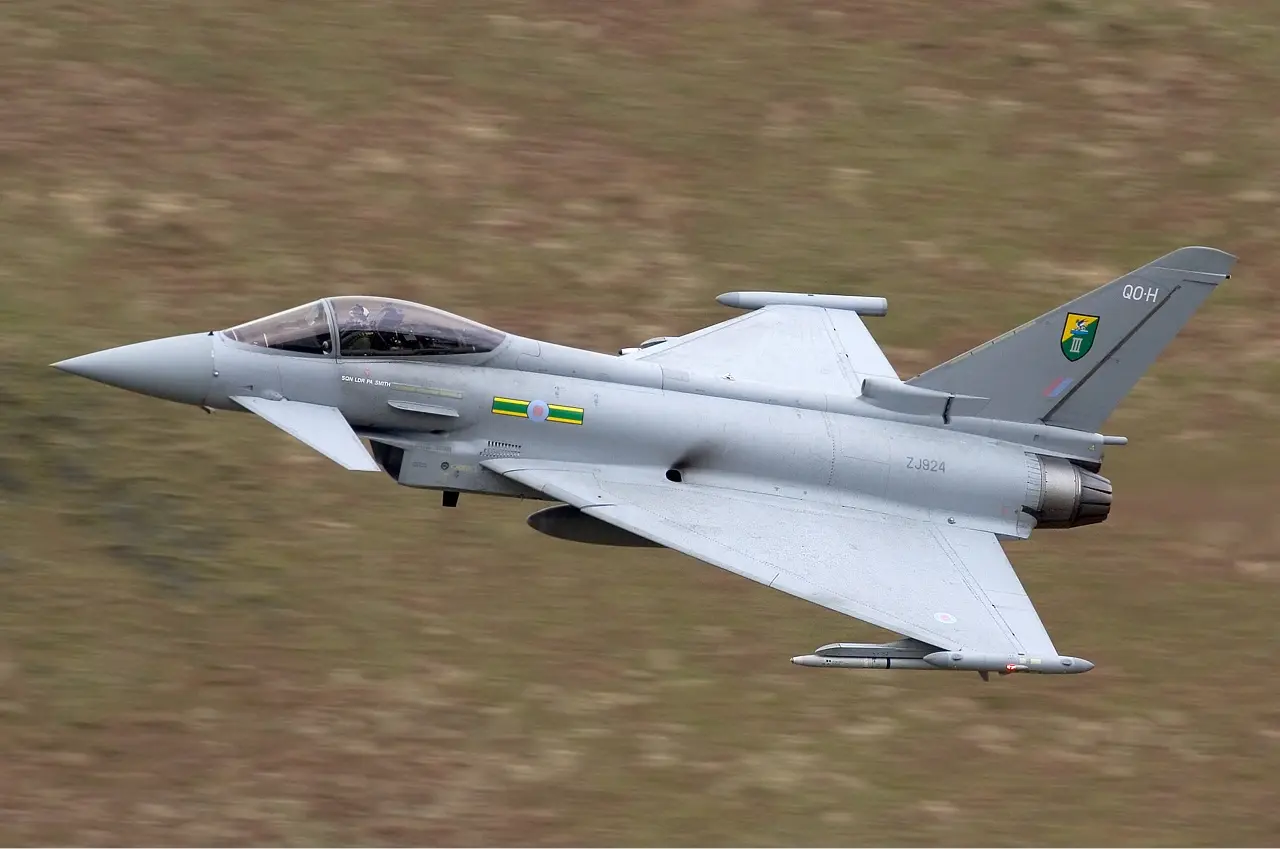
The Impact: A single squadron of BrahMos can crater the runways at Kurmitola and Zahurul Haque airbases in the first hour of a conflict. A Typhoon on a destroyed runway is nothing more than a $100 million paperweight. It effectively "shoots down" the fleet by keeping it grounded.
3. Hardened Shelter Penetration
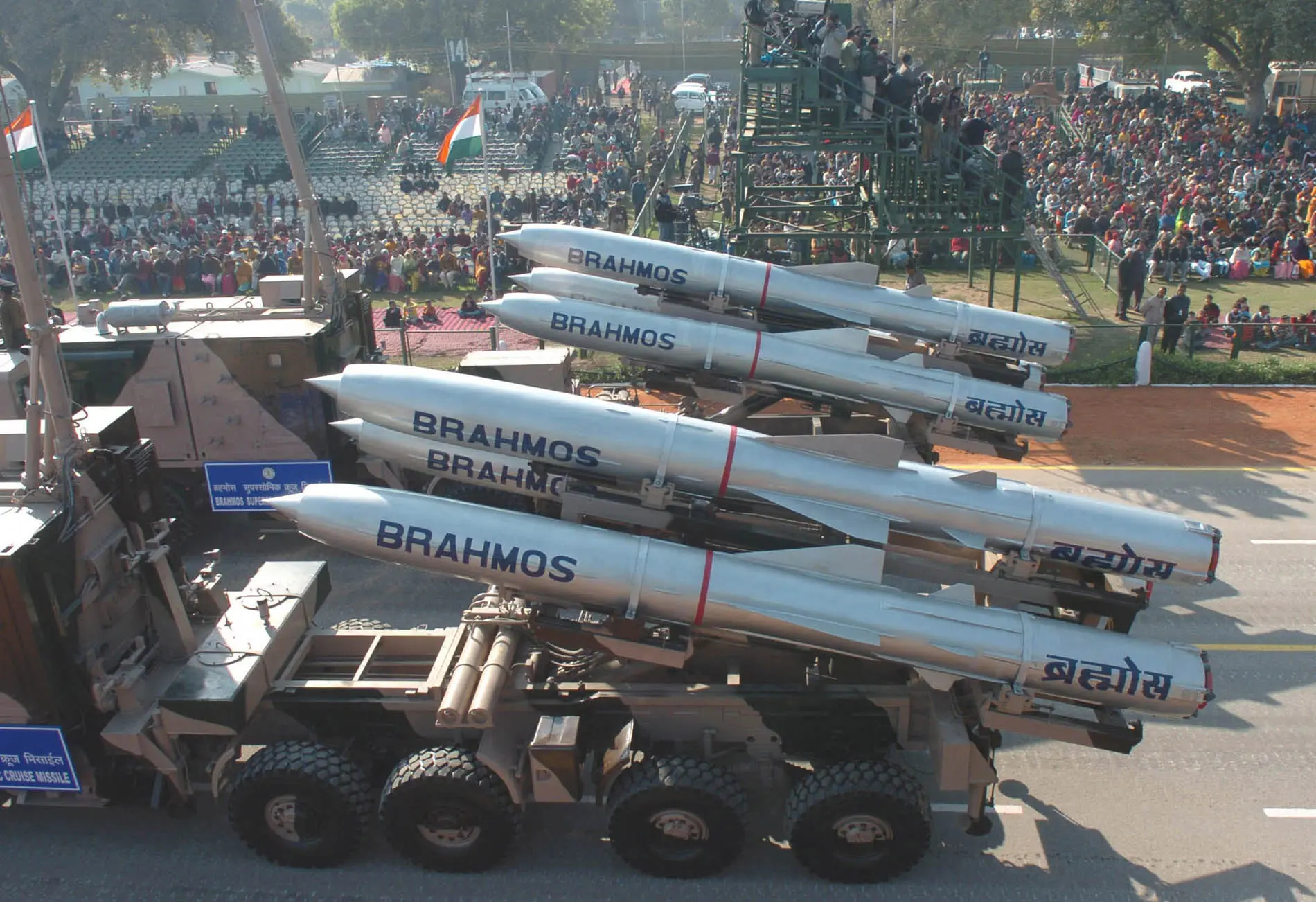
BAF Typhoons will likely be housed in Hardened Aircraft Shelters (HAS) to protect them from bombs. The BrahMos, however, carries a massive amount of kinetic energy due to its supersonic speed.
The Physics: When 3,000 kg of missile hits a bunker at Mach 3, the kinetic impact alone acts like a bunker buster. India has tested the BrahMos against reinforced targets specifically to prove it can destroy aircraft inside their hangars.
4. No "Iron Dome" to Stop It
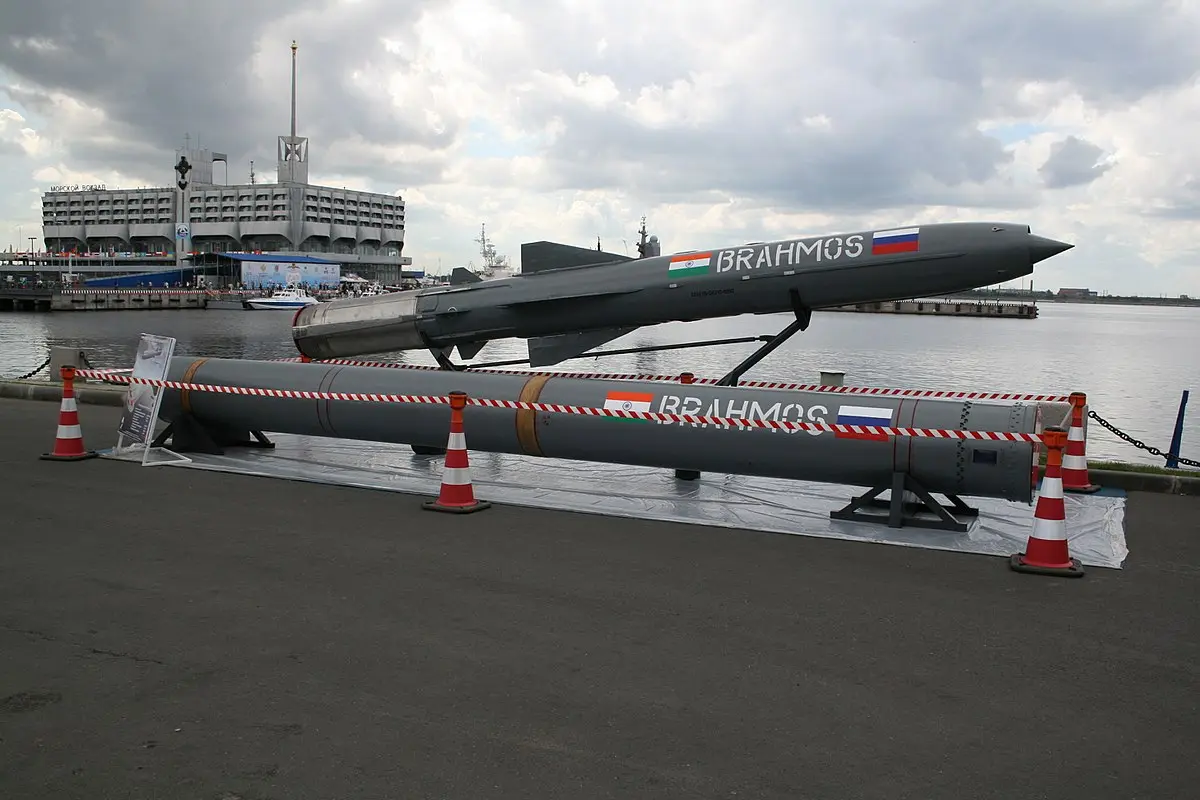
Crucially, Bangladesh currently lacks a missile defense system capable of intercepting a supersonic cruise missile.
The Gap: While they have short-range air defences (like the FM-90), these are designed for subsonic planes or drones. Stopping a sea-skimming missile flying at Mach 3 requires advanced systems like the Patriot PAC-3 or S-400, neither of which Bangladesh possesses. The Typhoons are currently defenseless against a missile strike on their home base.
5. The "Fuel & Data" Choke
The Typhoon is a "data-hungry" and "fuel-thirsty" machine. It requires specialised support trucks, datalinks, and pristine fuel to operate.
The Target: India’s doctrine targets the ATC towers and fuel depots first. If the BrahMos destroys the specialised ground support equipment (which is often imported from Europe and hard to replace), the Typhoons cannot fly combat sorties, even if the airframes themselves are untouched.
6. The "S-400 + BrahMos" Whipsaw
This creates a tactical "Catch-22" for BAF pilots.
On the Ground: They are vulnerable to BrahMos strikes.
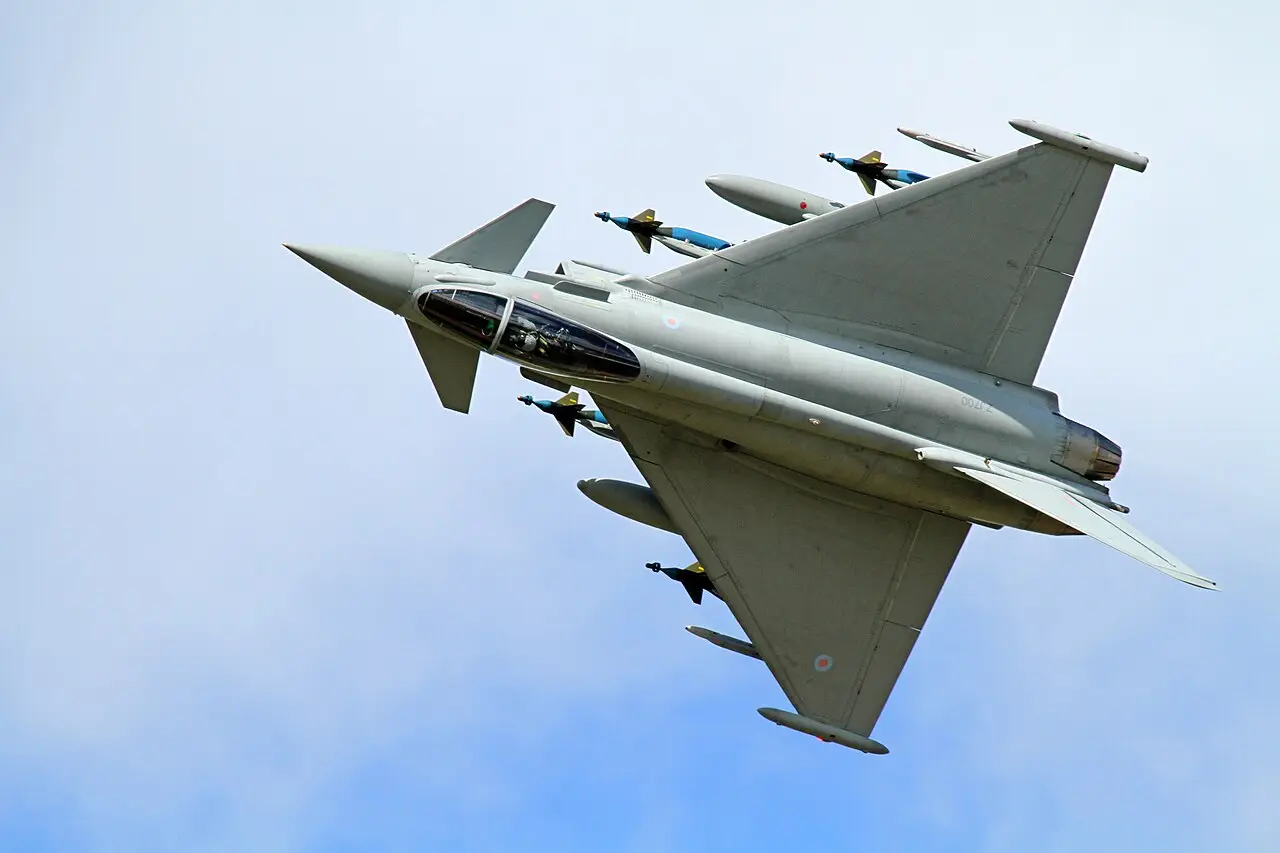
In the Air: If they manage to take off to escape the BrahMos, they instantly fly into the kill zone of India’s S-400 Triumf (which covers most of Bangladesh’s airspace).
The Result: They are hunted on the ground and hunted in the air, leaving no safe sanctuary.
7. The "Nuclear" Ambiguity
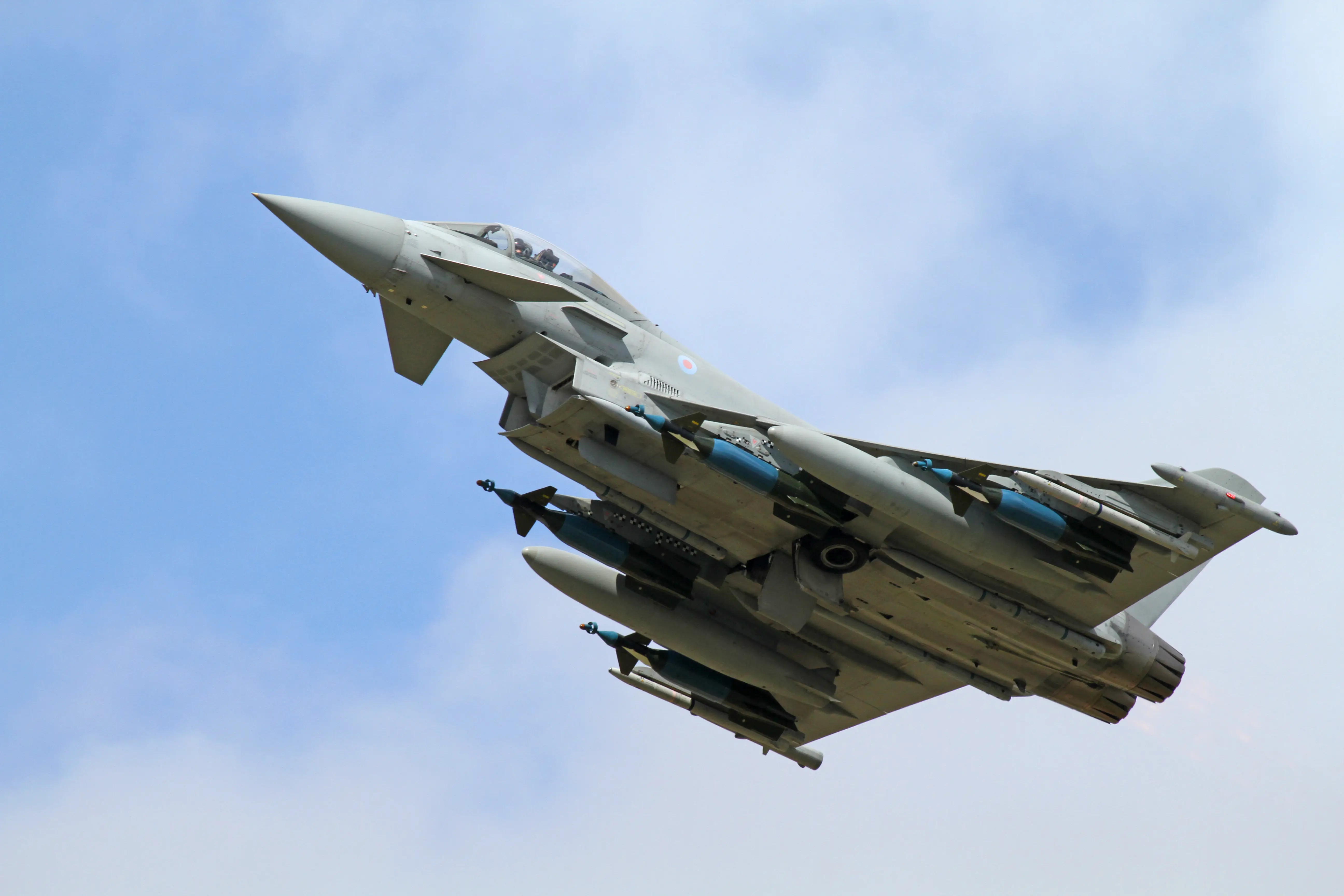
While unlikely to be used, the BrahMos is nuclear-capable. This creates a massive psychological deterrent. The mere presence of BrahMos regiments on the border forces the BAF to disperse its fleet to remote roadways or secondary airfields, disrupting their ability to concentrate force and operate effectively as a unified squadron.
)
)
)
)
)