‘Quantum-powered radar’: 5 countries testing quantum-powered radar systems

Quantum radar is set to reshape security and detection around the world. Several countries are advancing in experiments using quantum mechanics, especially to expose stealth aircraft and solve other defence challenges.
China - Fastest Progress, Detection up to 100 km
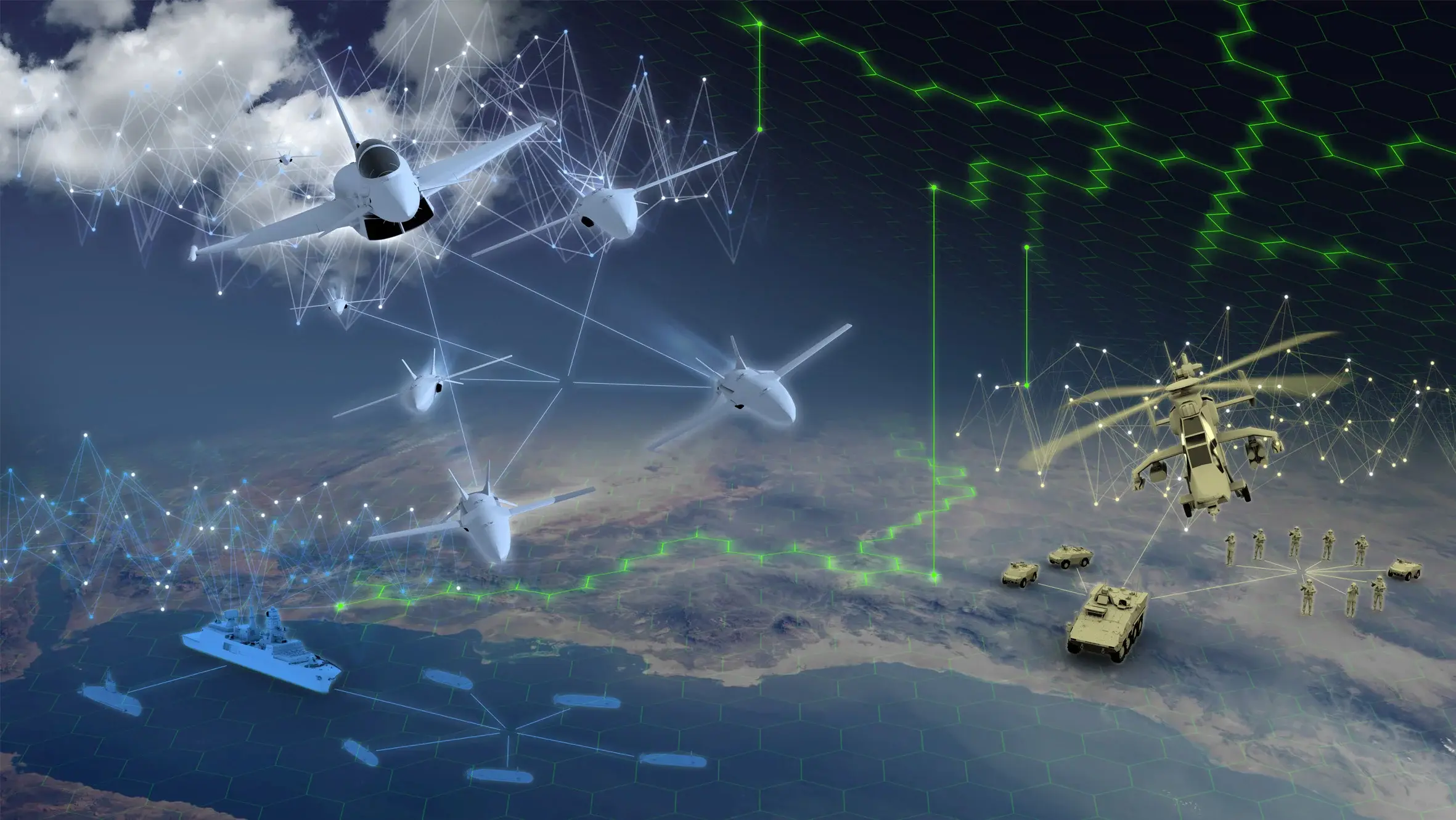
China leads with major claims and big investment. Its companies tested quantum radar that reportedly detected targets at 100 km in laboratory conditions, aiming to identify stealth jets and submarines. The National Laboratory for Quantum Information Sciences supports large quantum sensor projects, some mounted on drones and airships.
United States - Quantum radar
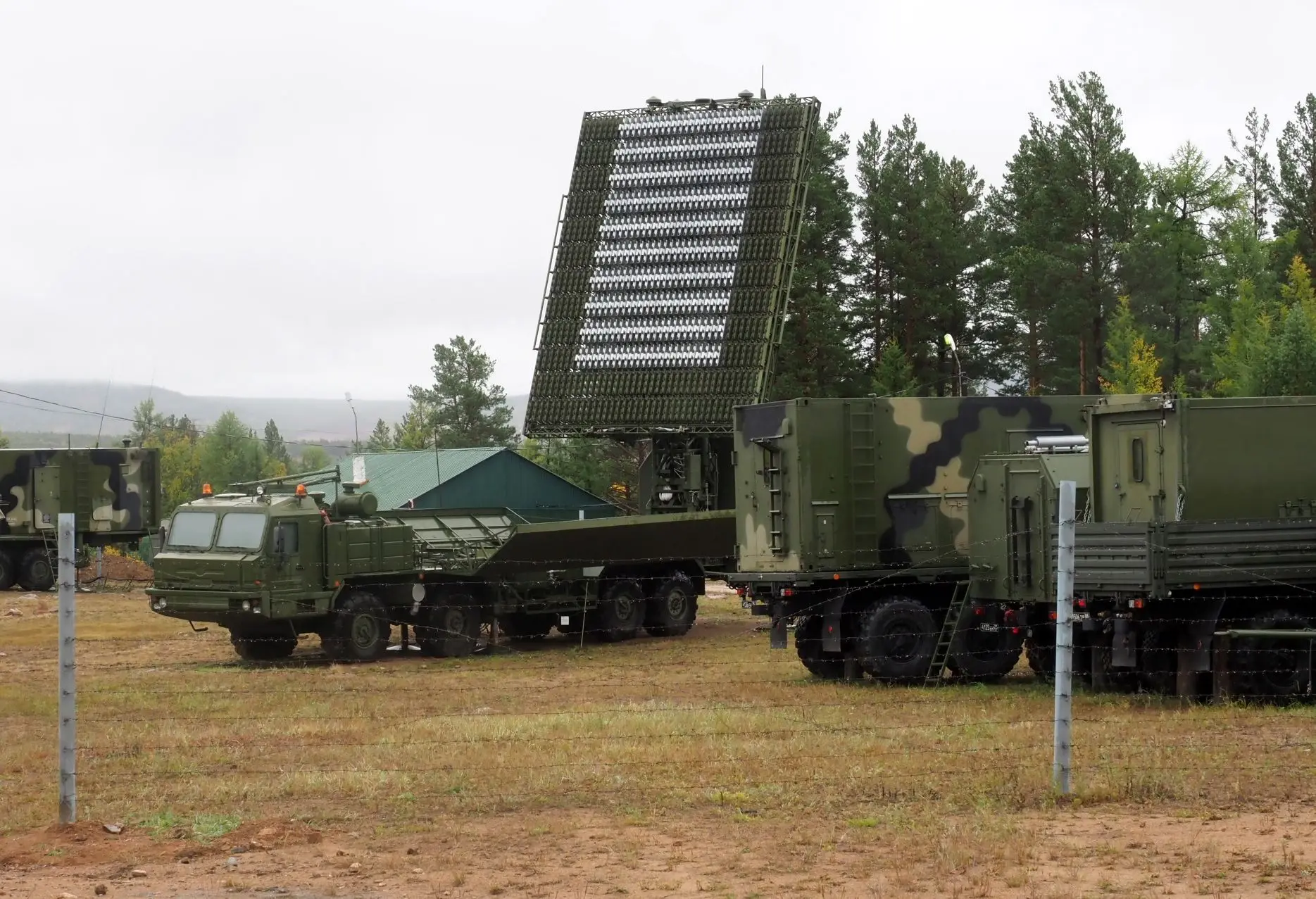
The US military and labs are researching quantum radar and navigation. In 2025, the US Navy tested GPS-independent quantum navigation on submarines. MIT Lincoln Laboratory confirmed quantum radar’s physics, but sees a limited range now. Major defence firms like Raytheon and BAE Systems fund research in quantum radar for next-generation sensors and battlefield awareness.
Canada - Arctic Quantum Radar, $2.7 Million Project
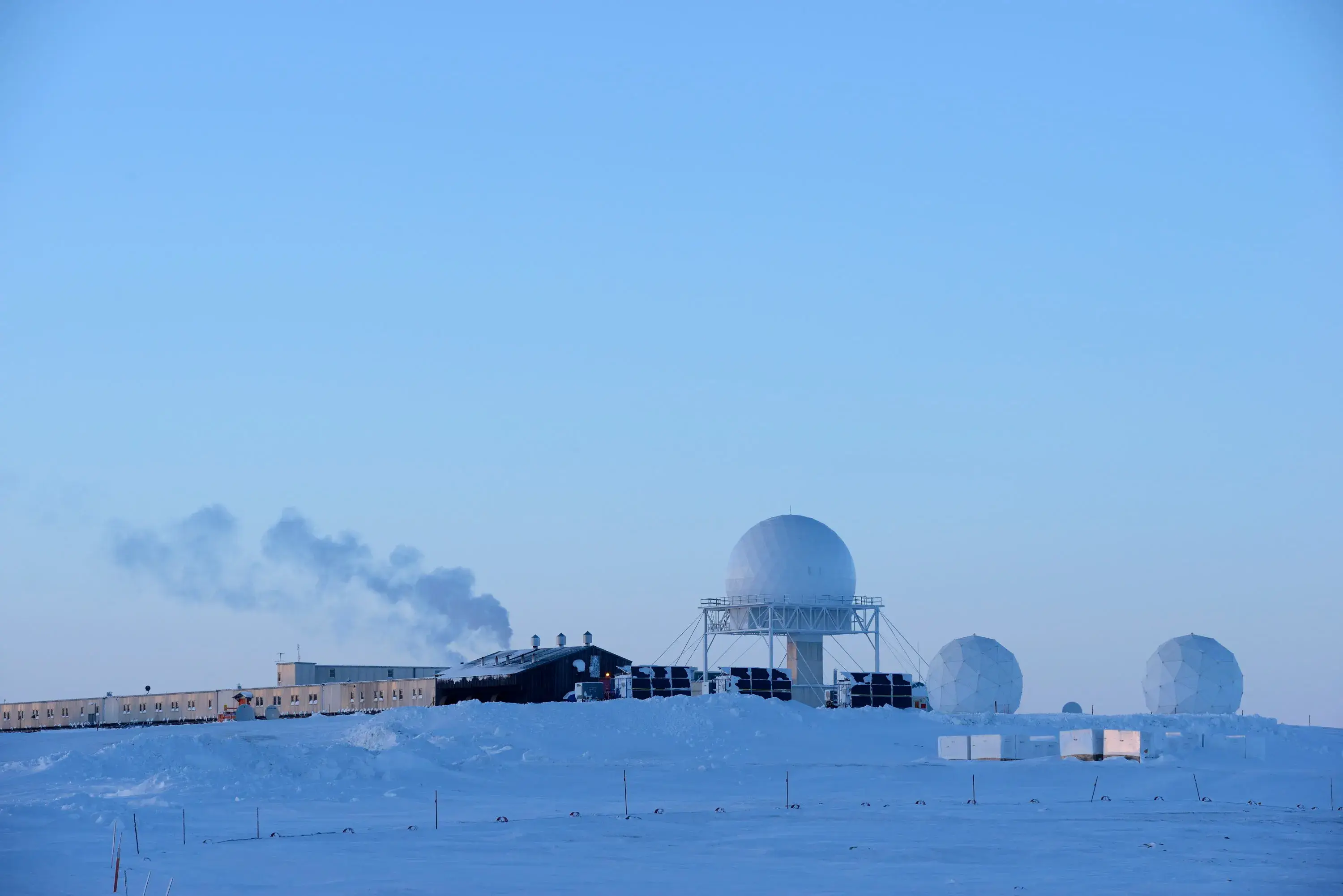
Canada is funding quantum radar for its Arctic surveillance. The University of Waterloo leads with a $2.7 million project to replace the Arctic’s old warning radars. Canada aims to improve the detection of stealth aircraft with quantum illumination, using entangled photons. Trials are mainly in laboratories now, but deployment is planned for border defence.

India - Quantum Sensing Push, National Research
India started testing indigenous quantum sensors and navigation, especially as China’s radar range now covers 5,000 km. Efforts include the Quantum Technologies Research Centre (QTRC) and growing research around quantum military applications. India is advancing partnerships for quantum-resistant networks and sensing under national plans.

European Union (EU) - Multi-country Projects, Quantum Flagship
EU member states like Germany, France, and the Netherlands invest over €1 billion in quantum technologies through the Quantum Flagship program. The UK’s Defence Science and Technology Lab studies quantum radar feasibility for national security. EU defence firms like HENSOLDT work with research agencies to improve military quantum sensing and deploy quantum radar for detection and resource management.
Quantum Radar - Military Role
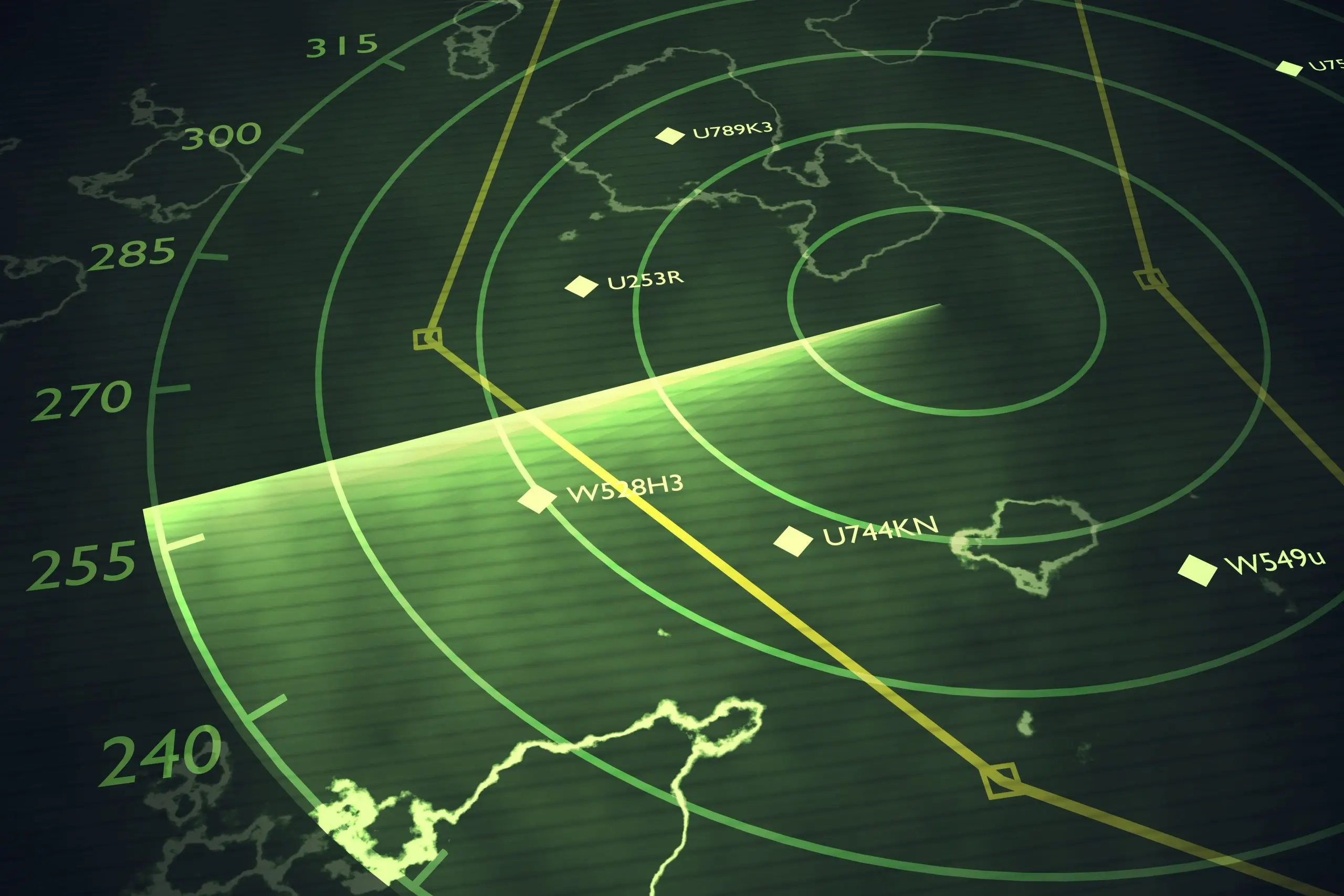
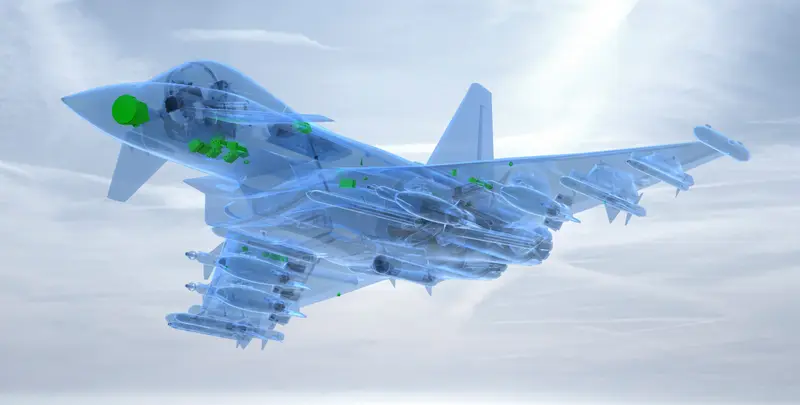
Quantum radar can detect stealth jets, missiles, and submarines where classic systems fail, thanks to quantum illumination and photon entanglement. It is less prone to jamming, offers enhanced accuracy, and is being miniaturised for airborne and mobile use. Predictions say the quantum radar market will grow fast as more real-world prototypes pass military tests.
What Happens Next?
By 2035, quantum radar might reshape national defence, making stealth less effective and giving nations a new surveillance tool. Reports forecast millions of high-tech jobs and broader coverage for security and civilian use. Still, practical challenges remain like scaling range, sensitivity, and reliability for operational deployment. Know more as nations advance this new frontier in technology.
)
)
)
)
)