'Pure Water': Why the USS Abraham Lincoln boils seawater just to launch its fighters

The USS Abraham Lincoln boils seawater to create pure, salt-free water for its steam catapults. Raw seawater causes severe mineral buildup, destroying the ship's pipes and nuclear reactors.
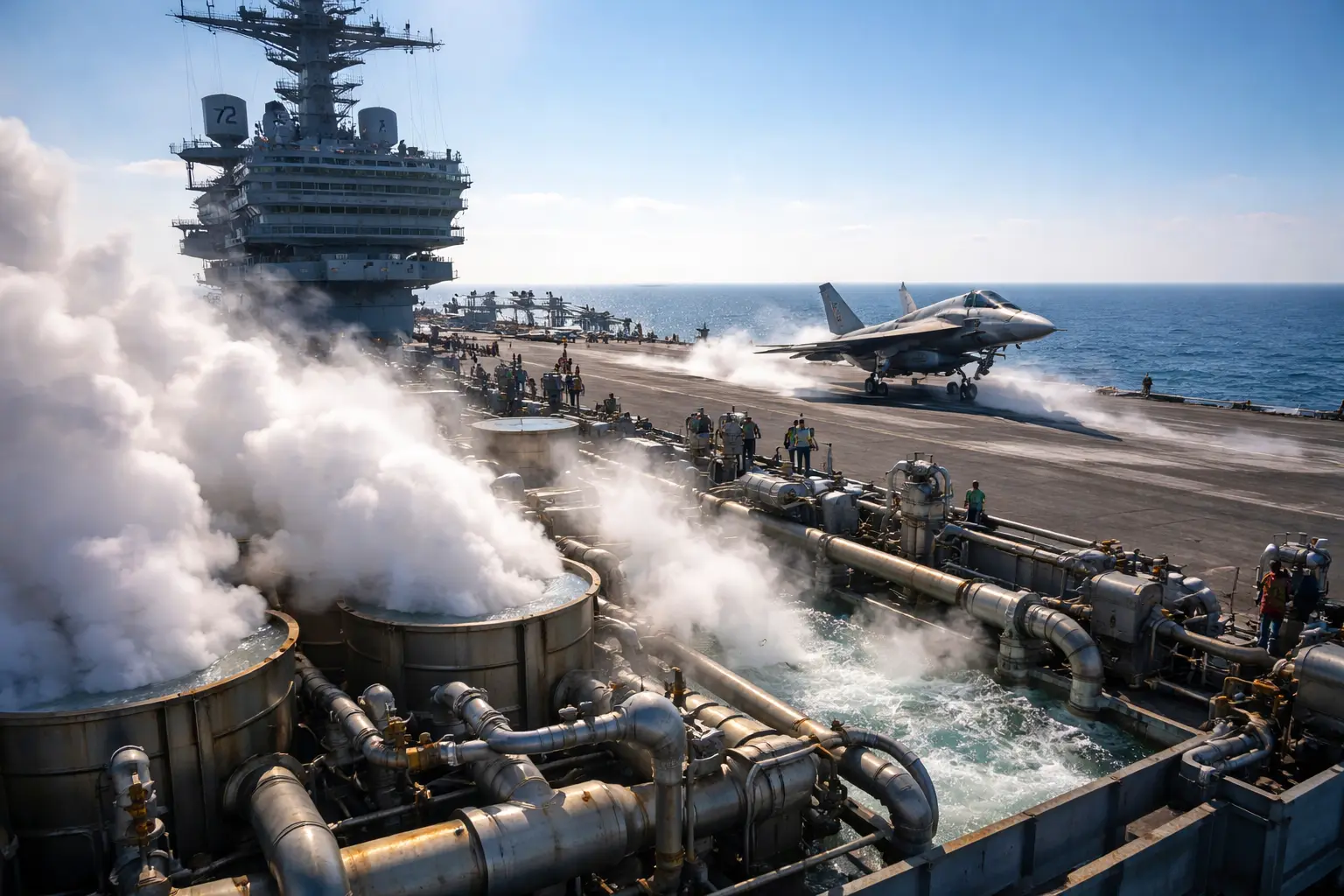
Launching in 300 Feet
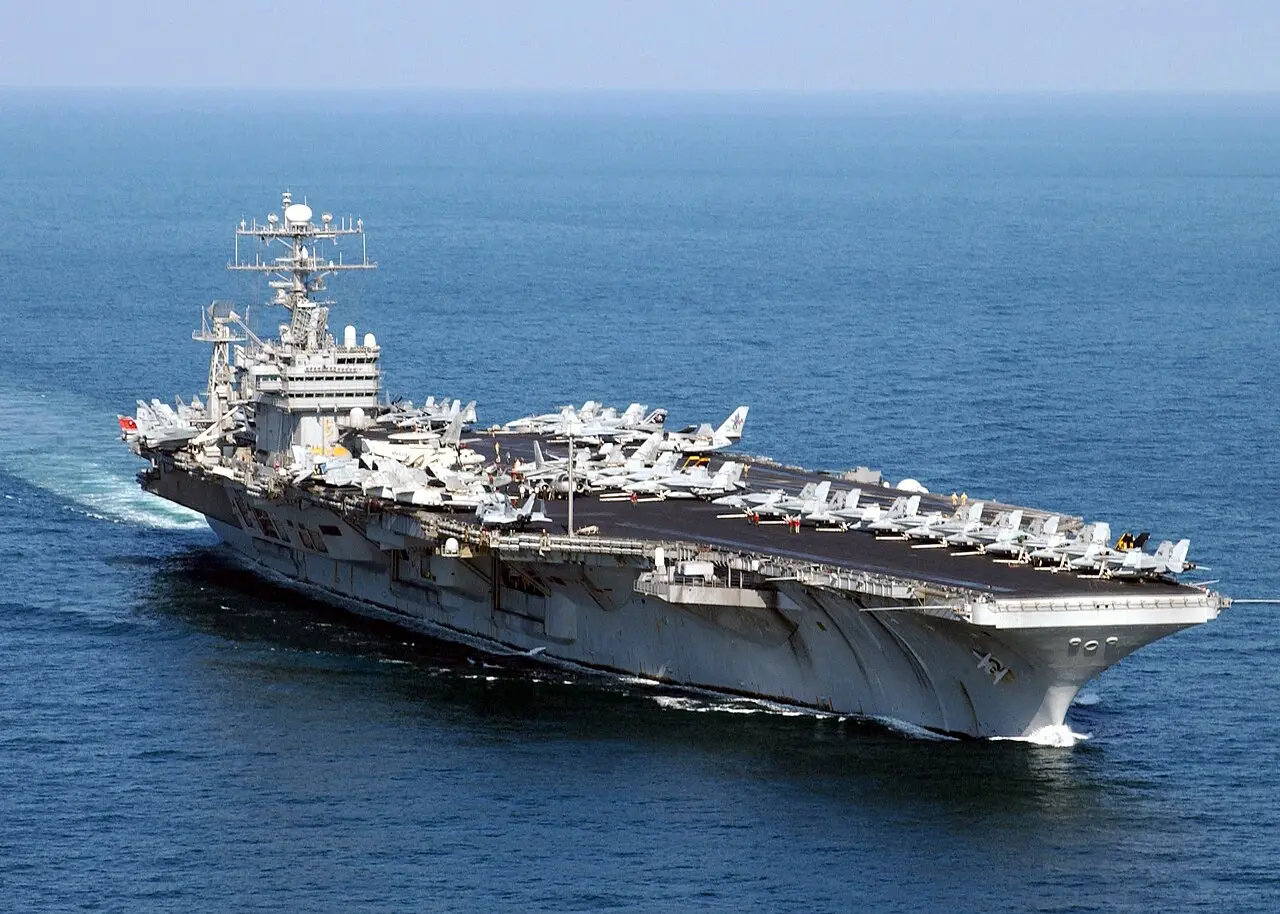
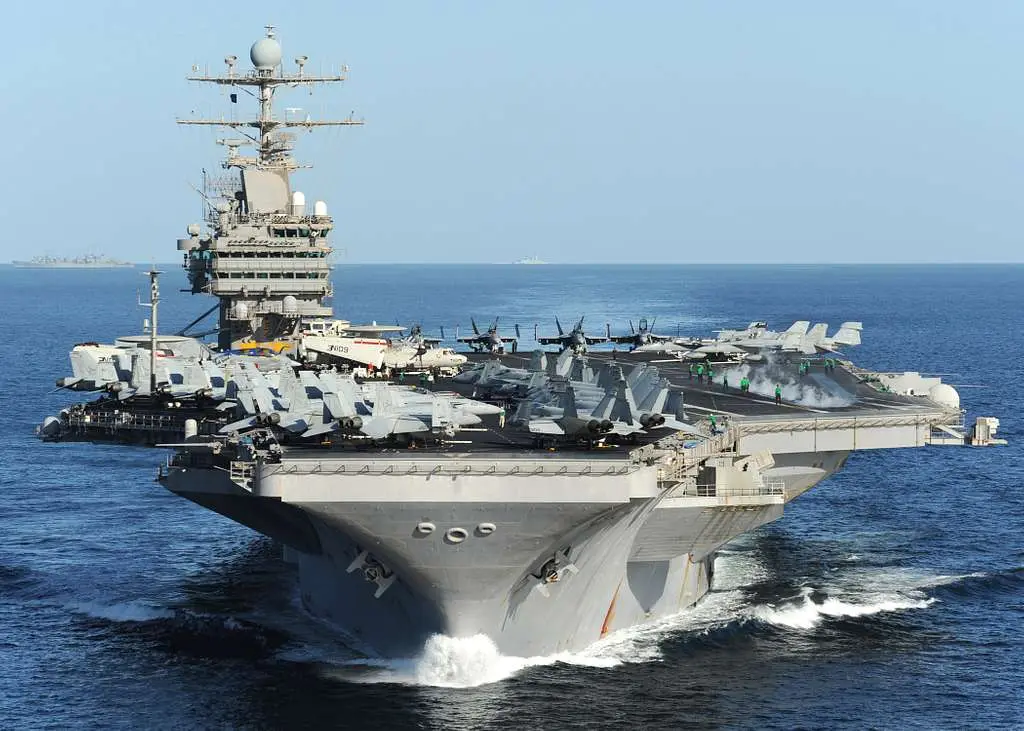
To get heavy fighter jets airborne, the USS Abraham Lincoln relies on a catapult track that is only 300 feet long. Standard engines cannot generate enough speed in such a short distance. The carrier uses mechanical systems to hurl the aircraft into the sky safely.
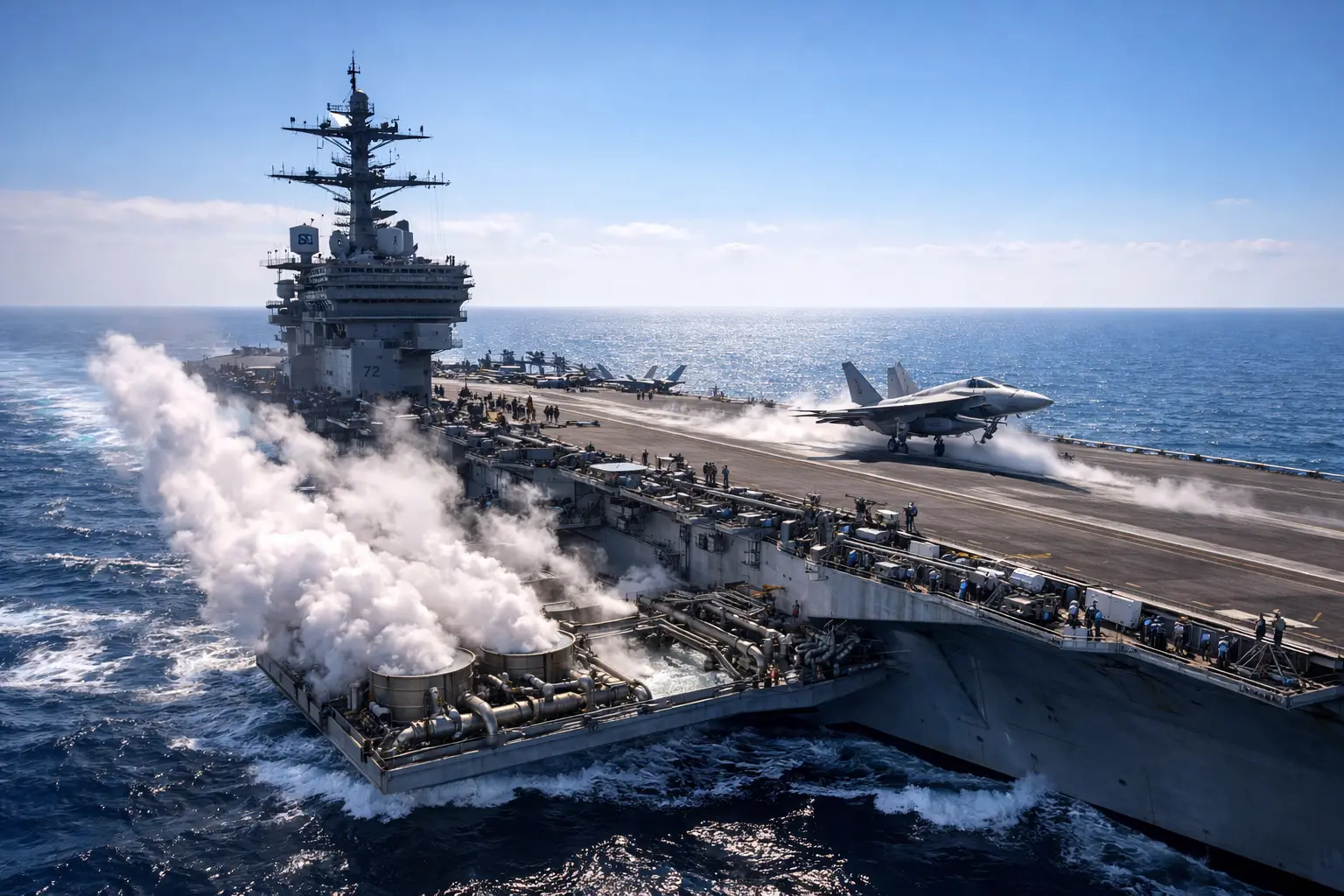
165 mph in Seconds
The carrier uses traditional steam catapults to assist the aircraft during take-off. These systems attach to the nose gear of the jet and forcefully pull it forward. They help a heavy fighter reach speeds of up to 165 mph in just two seconds.
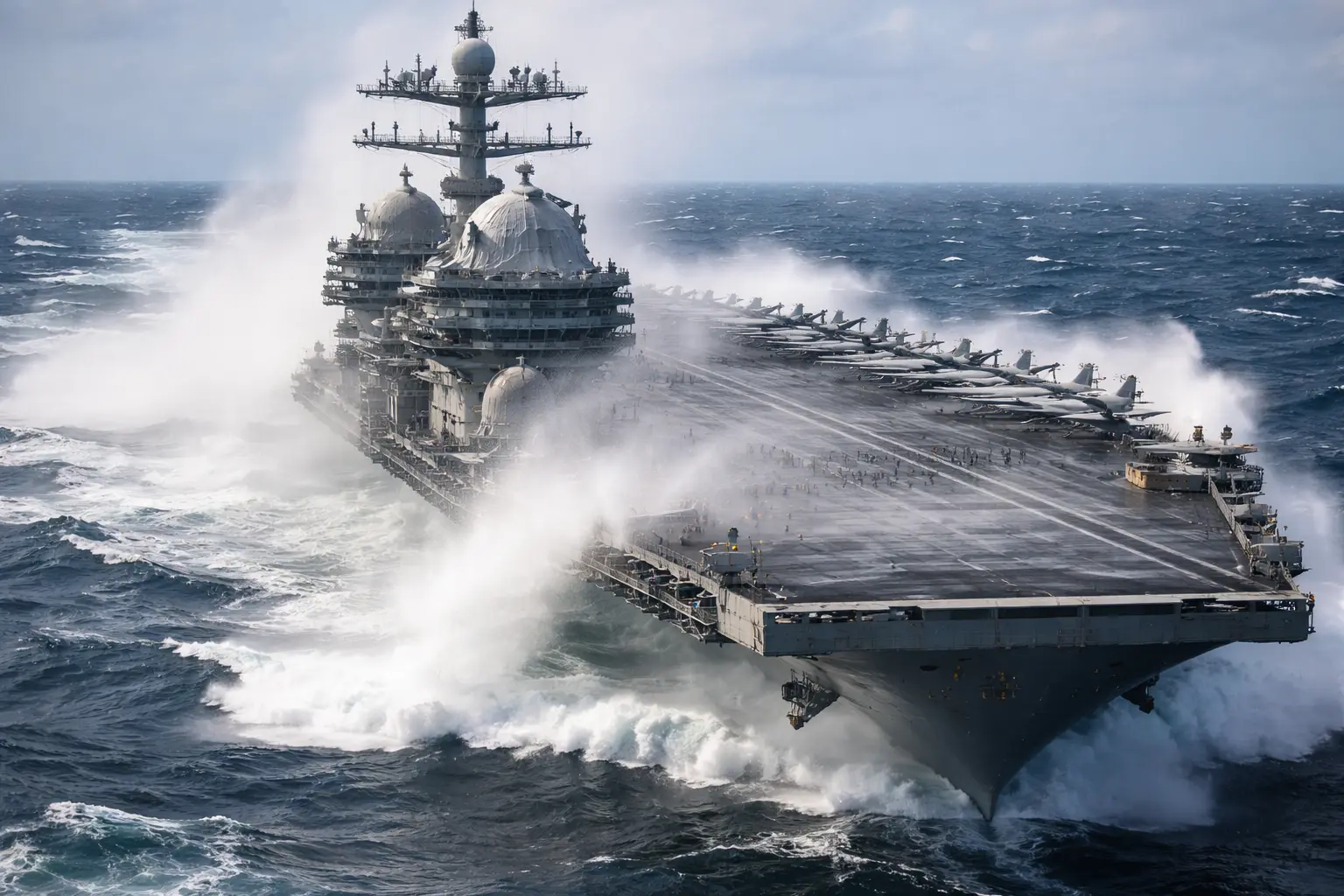
1,350 lbs of Steam
Each catapult launch requires approximately 1,350 lbs of high-pressure steam to generate the necessary force. A system of pipes and valves rapidly channels this steam into the catapult cylinders. This sudden burst of steam pushes the aircraft off the deck.
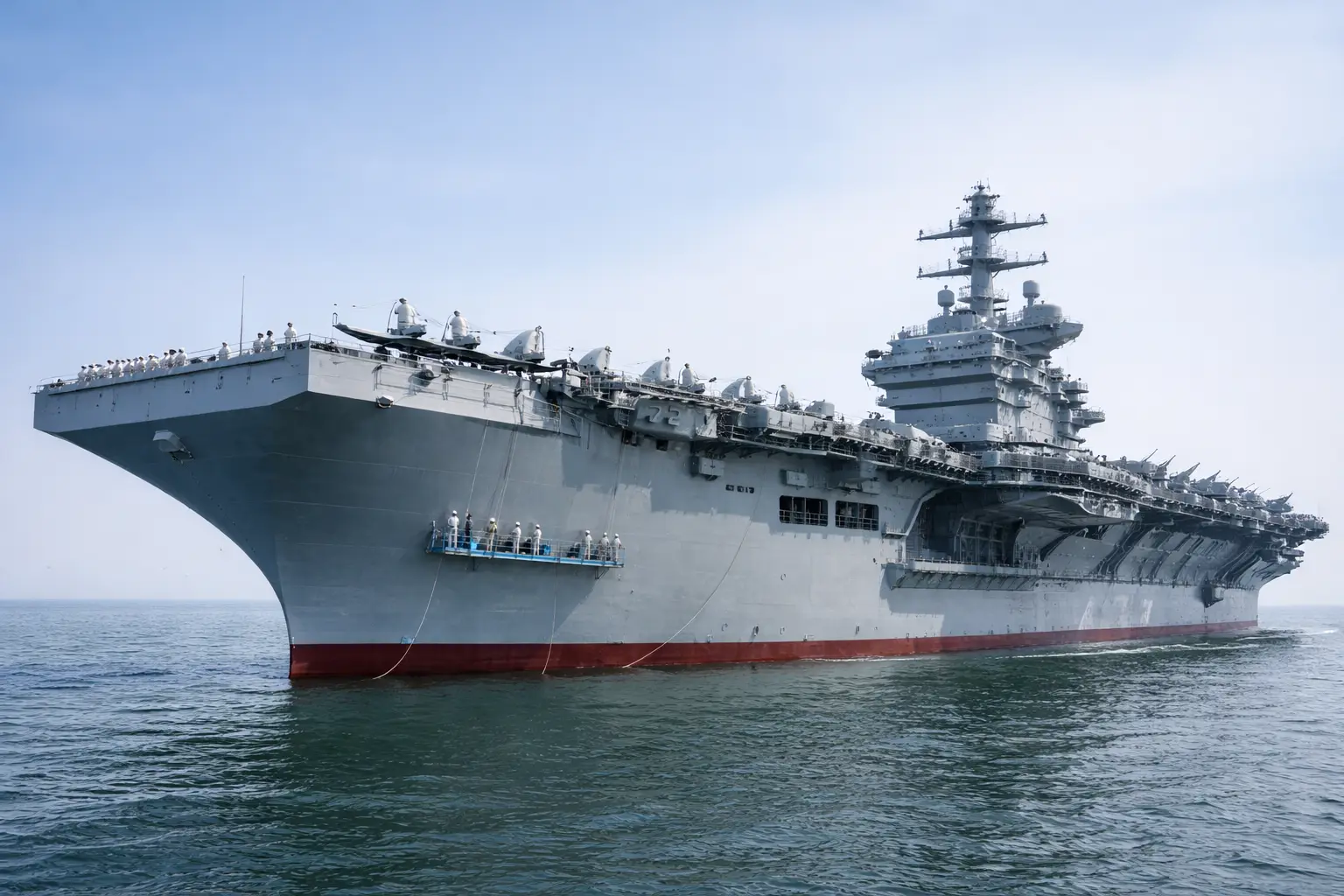
Zero Per Cent Salt
The catapults cannot use raw seawater to generate this steam. Seawater contains salt and minerals that leave behind thick scale deposits under high temperatures. This buildup would quickly corrode the metal pipes and destroy the catapult mechanisms.
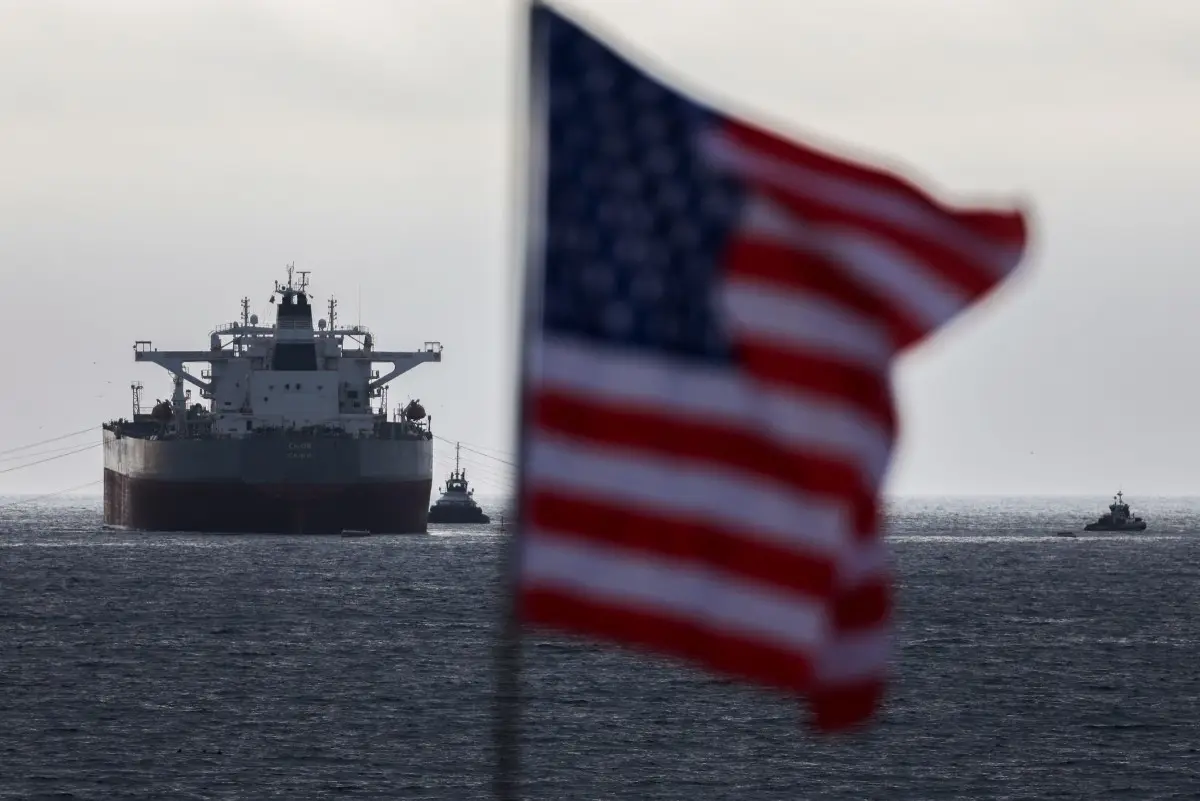
Boiling 400,000 Gallons Daily
To prevent catastrophic corrosion, the USS Abraham Lincoln operates onboard desalination plants. These units pull in raw seawater and boil it continuously to remove all impurities. The ship can produce up to 400,000 gallons of distilled water every single day.
100 Per Cent Pure
The distillation process creates pure freshwater that is entirely free of salt and minerals. This water is safely heated into high-pressure steam without leaving any damaging residue. It ensures the catapult valves remain clean and operate smoothly.
Protecting 2 Nuclear Reactors
This pure water is not just crucial for launching fighter jets smoothly. It is also fed into the two nuclear reactors that power the Nimitz-class aircraft carrier. Maintaining zero impurities protects the engineering core, ensuring a 50-year operational lifespan.
)
)
)
)
)