‘Pressurised and lethal’: How the B-29 bomber unleashed unprecedented destruction in 1945

Costing USD 3 billion, the Boeing B-29 Superfortress is history's most notorious aircraft. Featuring pressurised cabins and remote-controlled guns, it executed the deadliest conventional air raid in Tokyo and the only nuclear strikes in warfare.
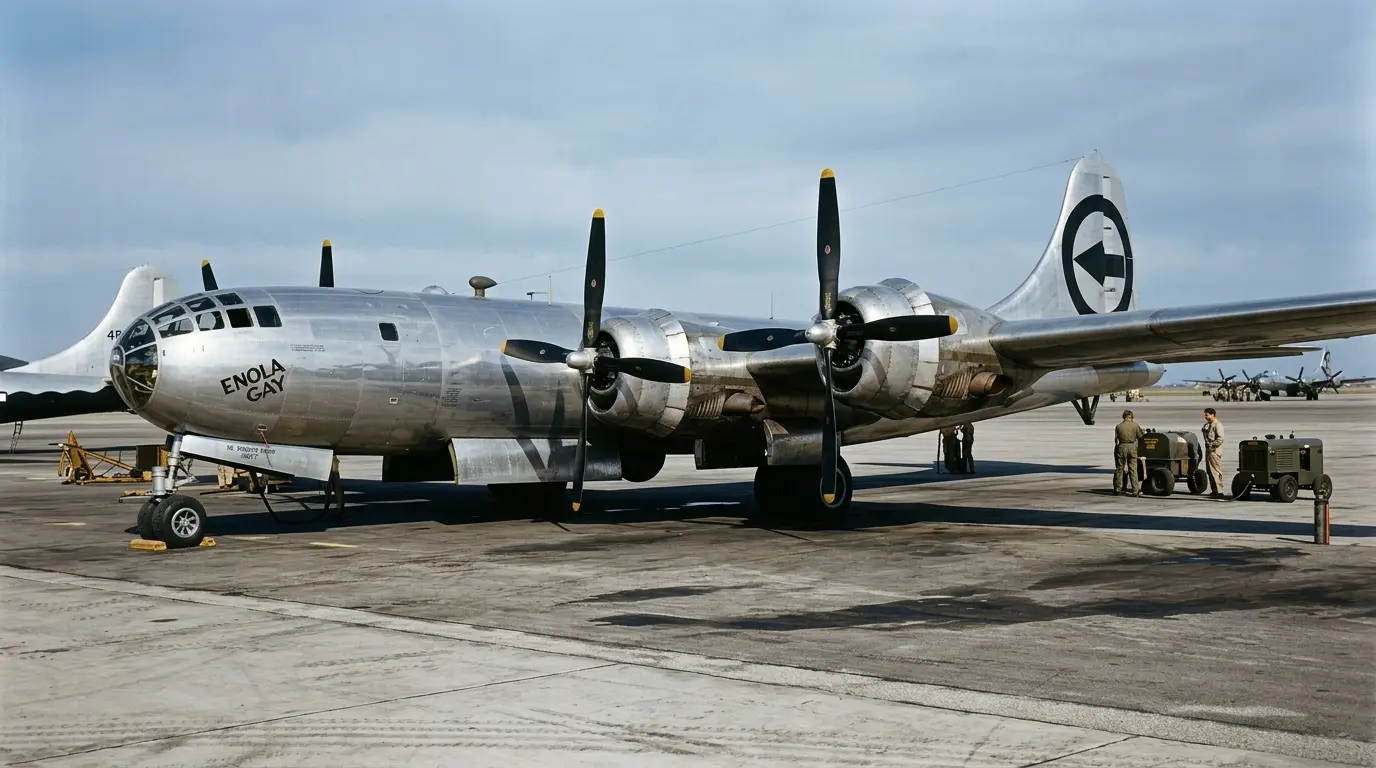
A Record-Breaking Investment
The Boeing B-29 Superfortress was the single most expensive weapons programme of World War II, costing the US government USD 3 billion. This massive financial gamble actually surpassed the secretive Manhattan Project, reflecting the sheer scale of the aircraft's technological ambition.
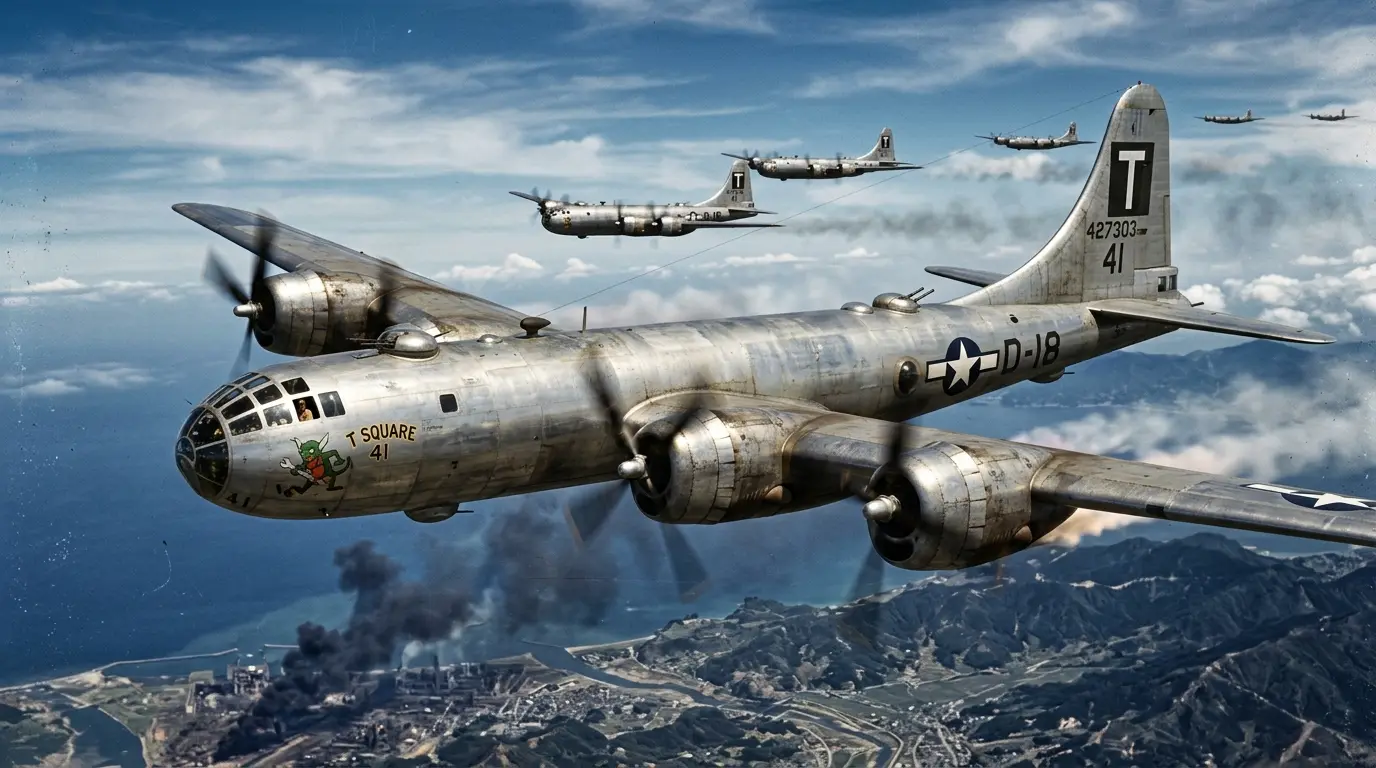
The Pressurised Advantage
Unlike older heavy bombers, the B-29 featured a fully pressurised cabin system. This allowed its 11-man crew to fly comfortably at an altitude of 33,000 feet, rendering the aircraft largely immune to most ground-based anti-aircraft fire and enemy fighters.
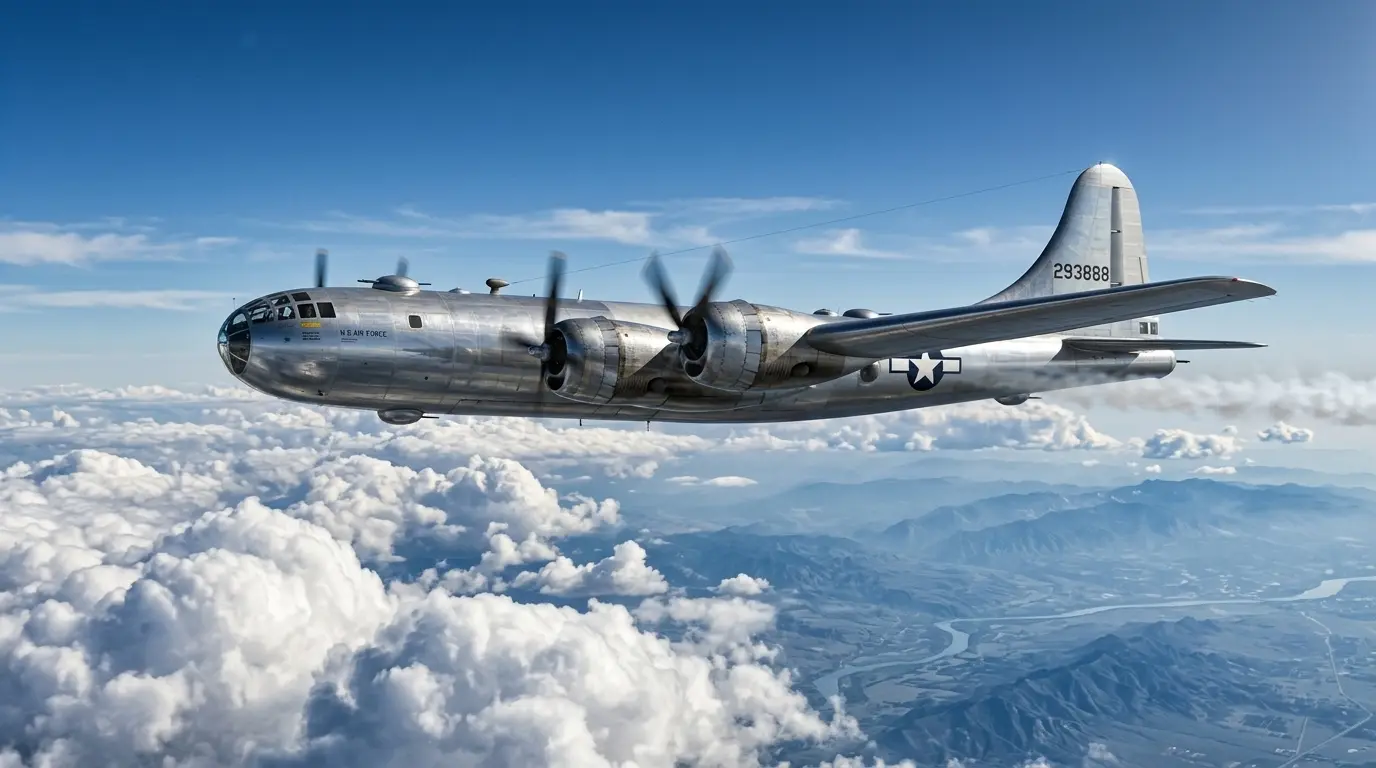
Remote-Controlled Lethality
Operating in the freezing upper atmosphere made traditional gun turrets impossible to man. To solve this, Boeing integrated an advanced analogue computer system, allowing gunners to fire the aircraft's ten .50-calibre machine guns via remote control from pressurised compartments.
The Firebombing Campaign
Before deploying atomic weapons, the US military used fleets of B-29s to drop incendiary cluster bombs across Japanese cities. These low-altitude night raids were specifically designed to ignite massive firestorms in urban centres built primarily of wood and paper.
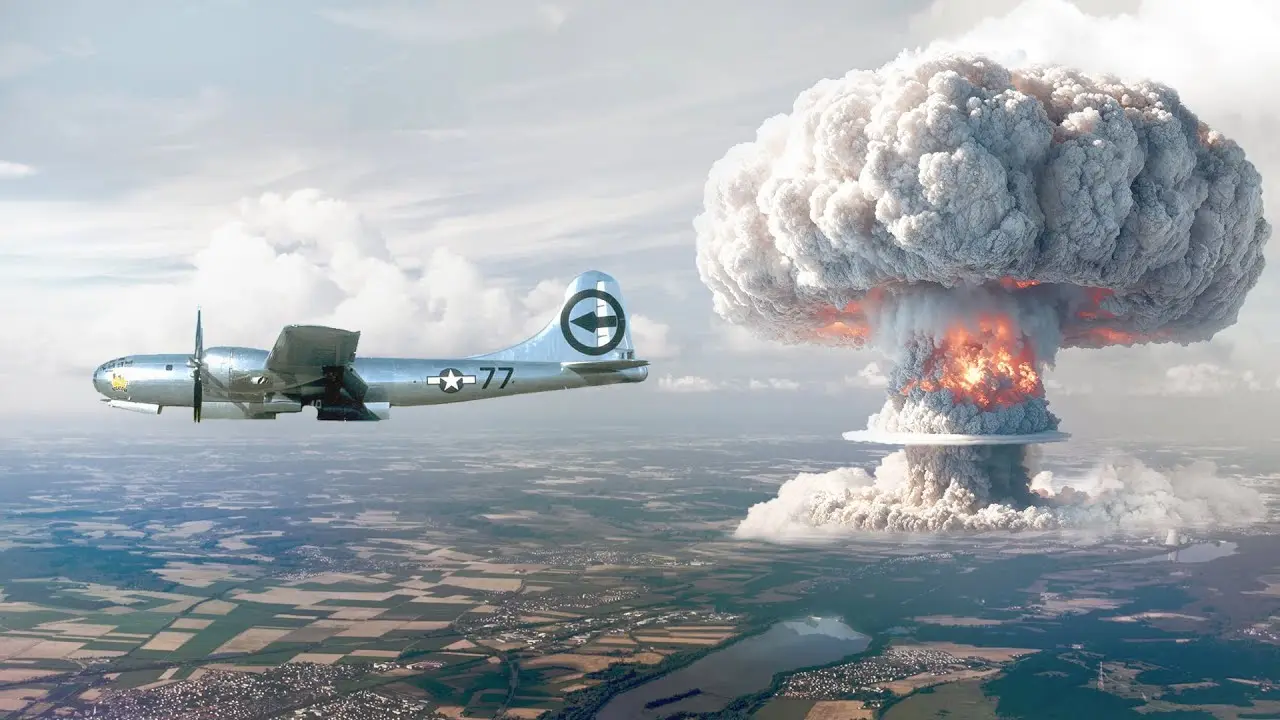
Operation Meetinghouse
On the night of March 9, 1945, 334 B-29 bombers executed 'Operation Meetinghouse' over Tokyo. The resulting firestorm killed an estimated 100,000 people and destroyed one million homes, making it the single deadliest air raid in human history.
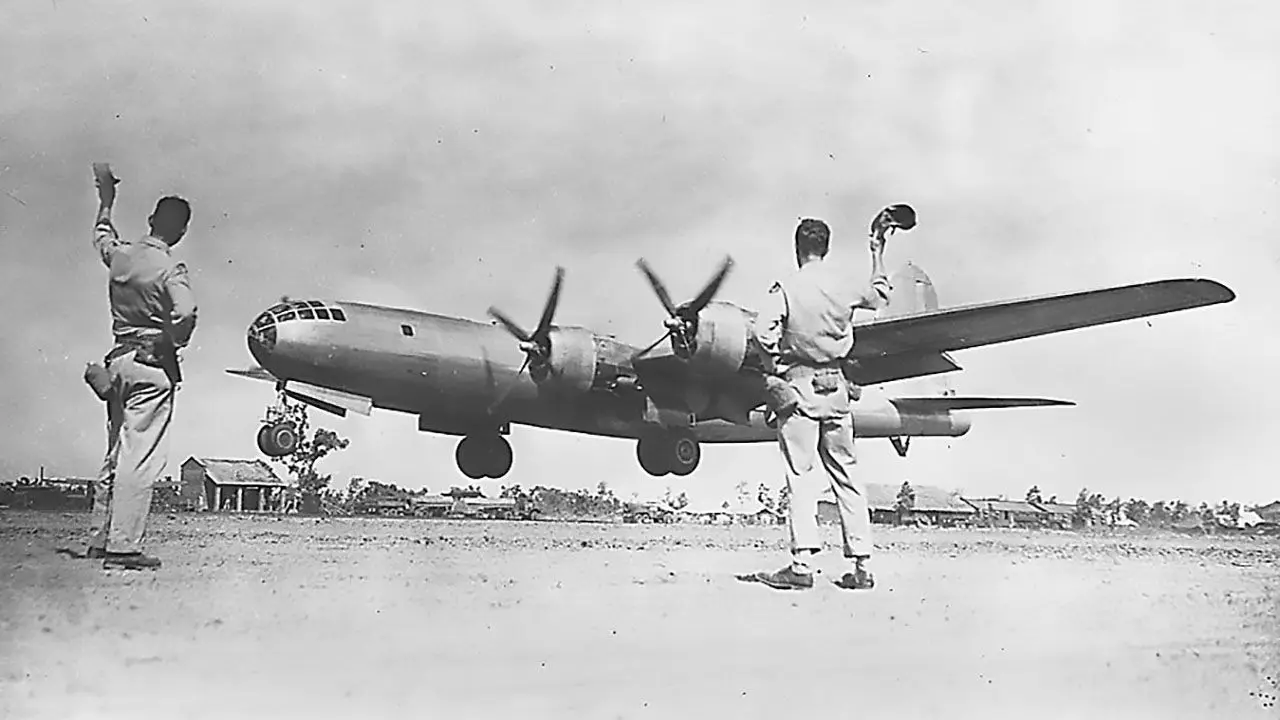
The Nuclear Threshold
The B-29 cemented its notorious legacy when the US military initiated 'Project Silverplate' to modify the aircraft for nuclear payloads. Engineers stripped away defensive armour to safely accommodate the massive 9,700-pound atomic bombs developed in the Manhattan Project.
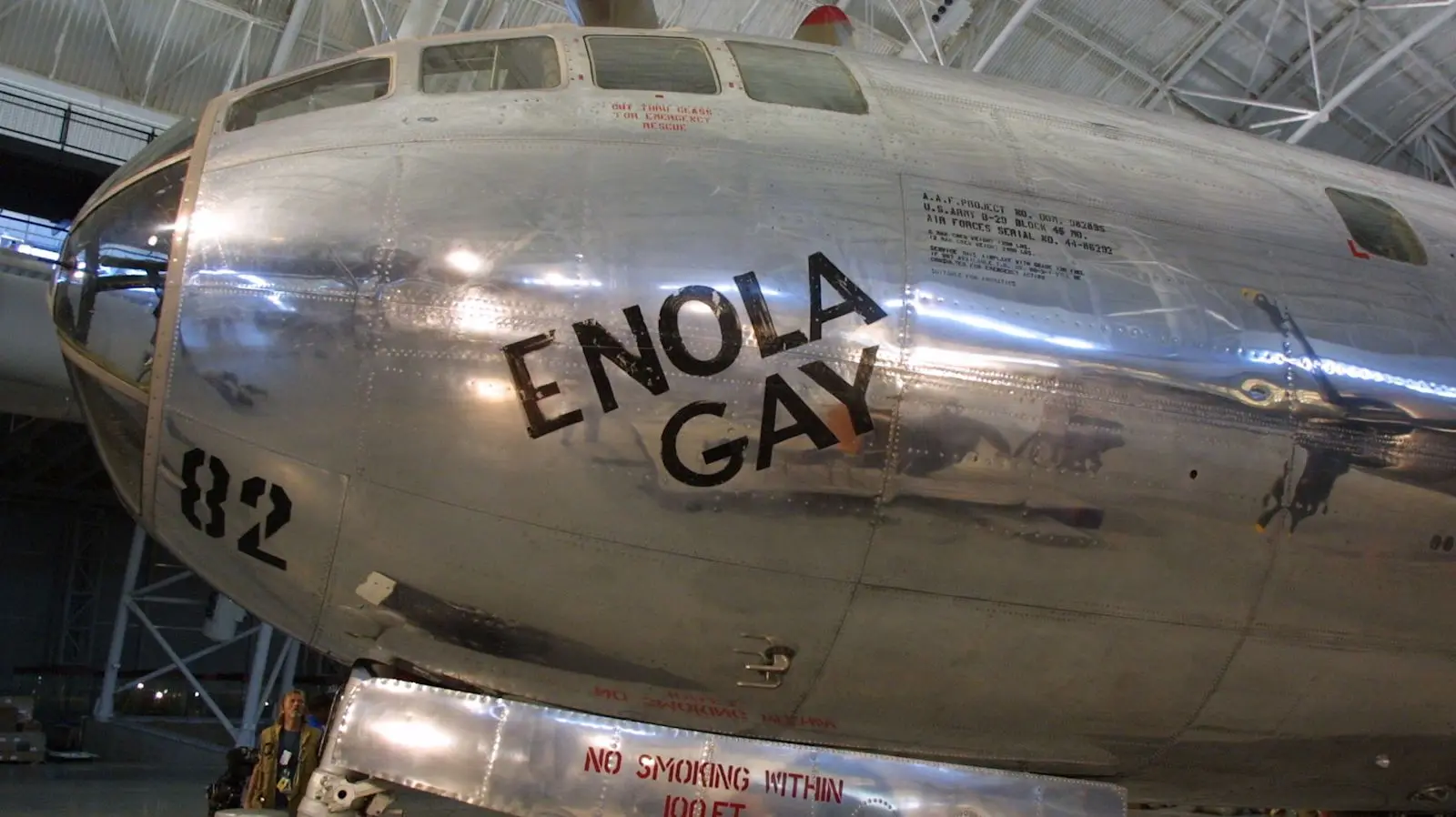
Changing Human History
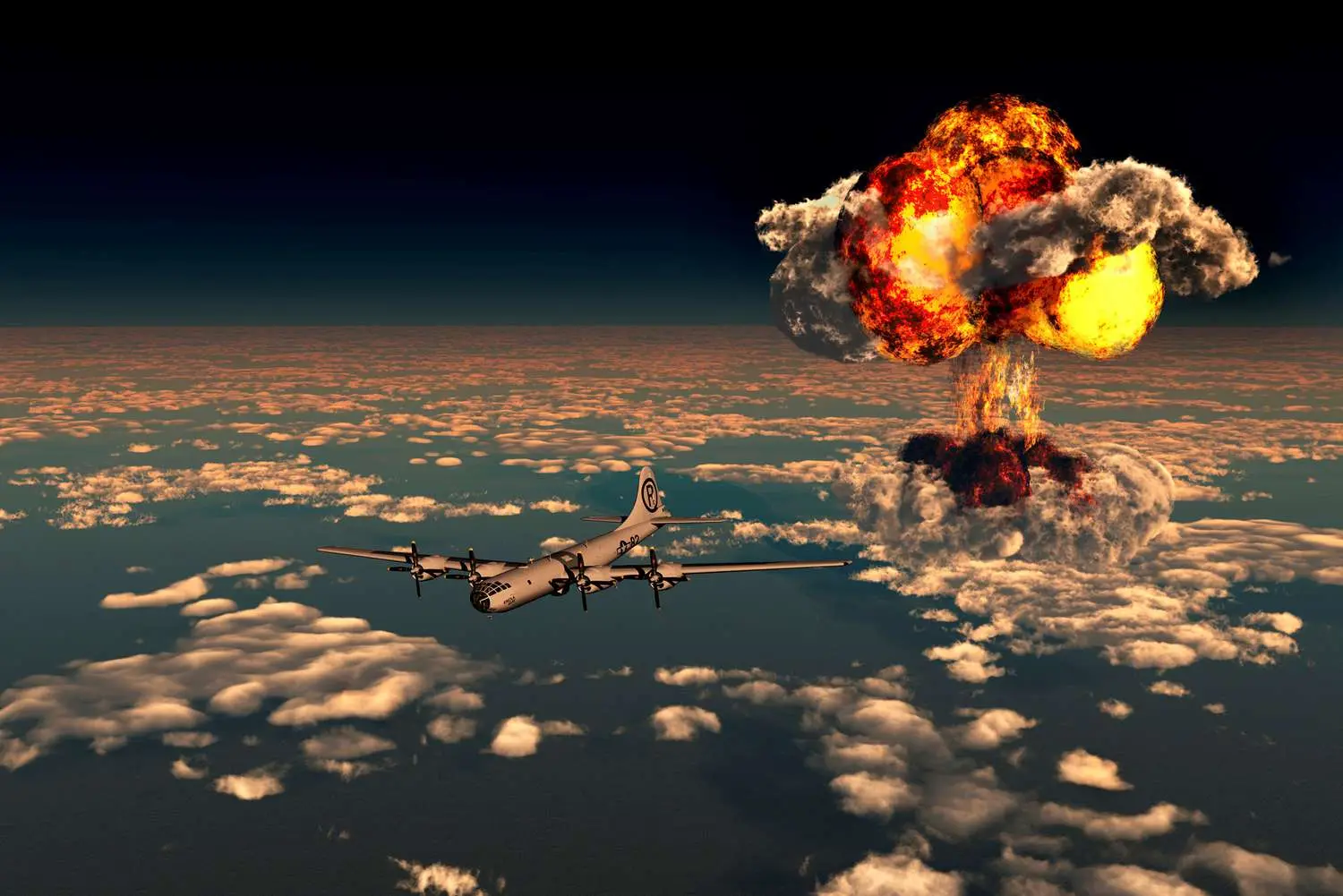
In August 1945, two modified B-29s named 'Enola Gay' and 'Bockscar' dropped atomic bombs on Hiroshima and Nagasaki. The unprecedented devastation caused by these two aircraft forced Japan's immediate surrender and ushered in the global nuclear age.
)
)
)
)
)