‘Porsche, Benz, BMW’: 5 fighter jets built for Hitler’s army by top car brands during WWII

5 deadly aircraft that were either built or powered by the brands that now sit in urban garages, but once served the Luftwaffe in their quest for aerial dominance during WWII.
Luxury cars to Fighter Jets
When we think of Porsche, Mercedes-Benz, and BMW, we picture luxury sedans, fast sports cars, and German precision on the road. But during World War II, these same companies weren’t just making cars — they were building the engines, frames, and designs for fighter jets and war machines that powered Nazi Germany’s military.
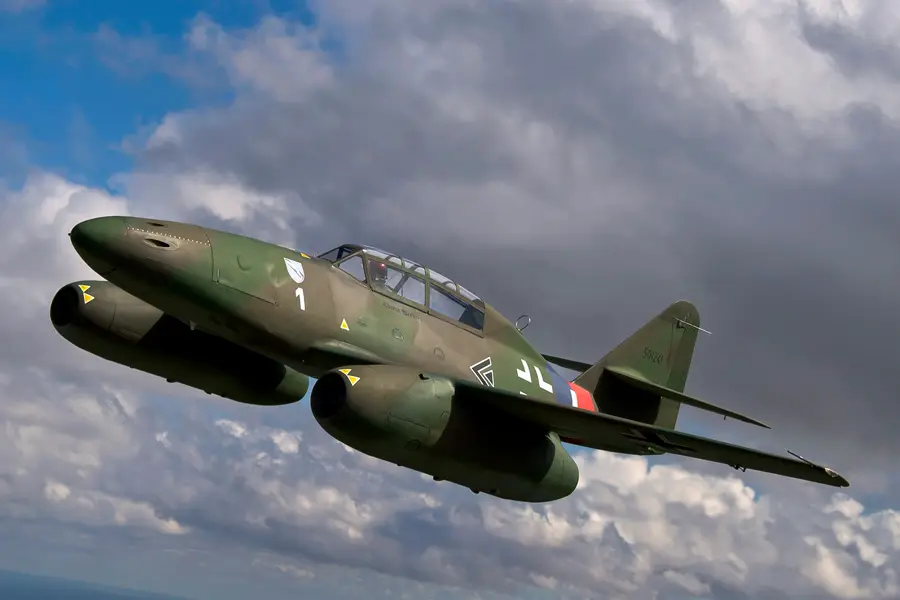
Messerschmitt Me 262 — Powered by BMW Turbojets
Often called the world’s first operational jet-powered fighter, the Me 262 was a game-changer. It could reach speeds of over 870 km/h, making it much faster than any Allied aircraft at the time. While Messerschmitt designed the aircraft, BMW developed the early jet engines (BMW 003) used in its prototypes. Though the final production model used Junkers engines due to delays, BMW’s engineering helped push Germany into the jet age. The Me 262 was feared for its speed — but Hitler’s insistence on using it as a bomber limited its effectiveness.
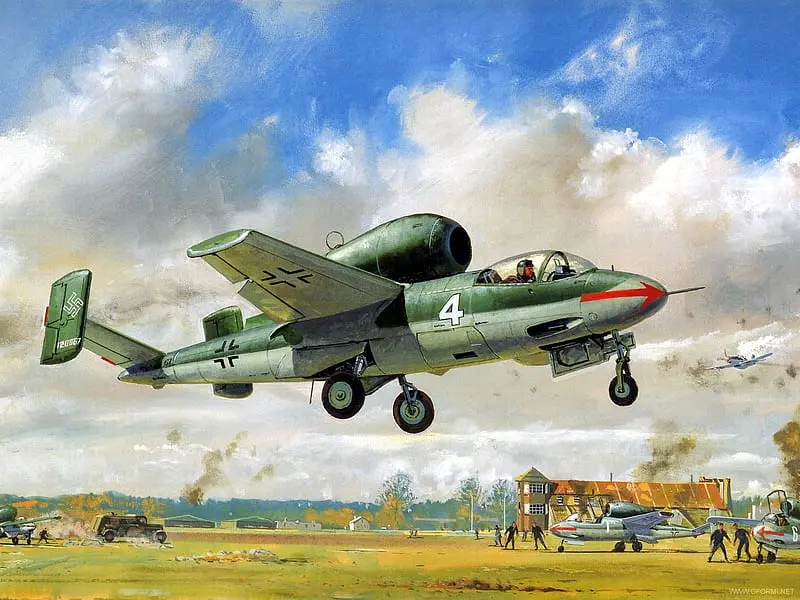
Heinkel He 162 — With BMW 003 Jet Engine
Nicknamed the “Volksjäger” (People’s Fighter), the He 162 was a desperate late-war effort to defend German airspace. It was lightweight, fast, and dangerously under-tested. The aircraft was powered by a BMW 003 turbojet engine mounted on top of the fuselage, an unconventional design that made it unstable but quick. Intended to be flown by teenage pilots with minimal training, the He 162 became a symbol of Nazi Germany’s collapsing war machine. Only a few saw combat before the war ended.
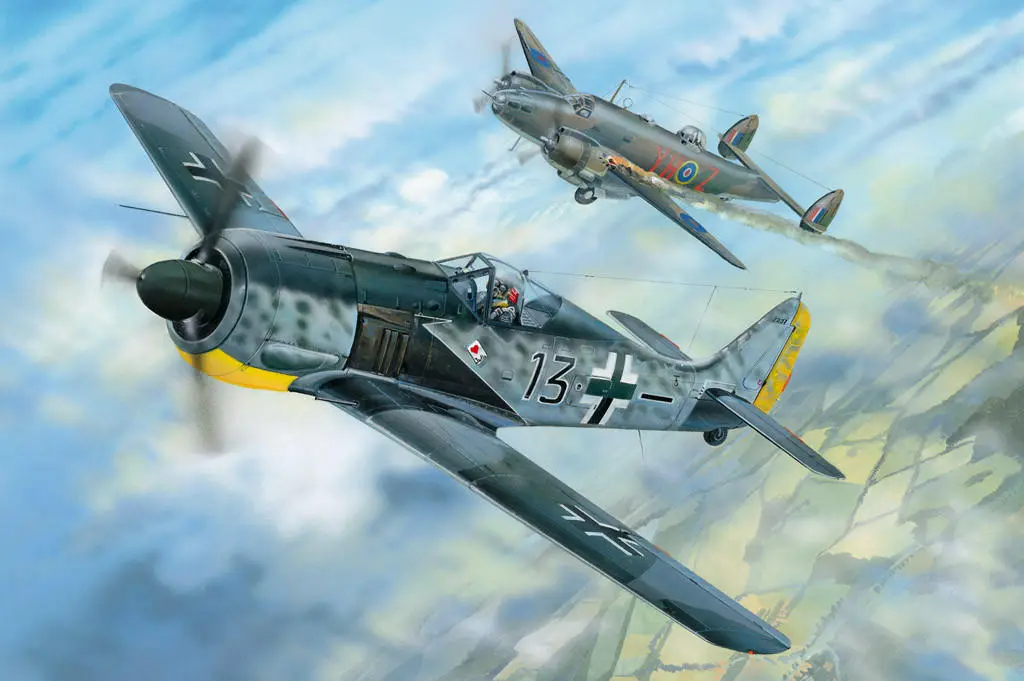
Focke-Wulf Fw 190 — Engineered by BMW
One of the most iconic German fighters of the war, the Fw 190 was known for its manoeuvrability, firepower, and powerful BMW 801 engine. This radial engine gave it the edge in dogfights against early Spitfires and helped it dominate European airspace in the early years. BMW’s 801 was reliable and more powerful than many rival engines, making the Fw 190 one of the Luftwaffe’s most successful designs. It was produced in large numbers and served on nearly every front.
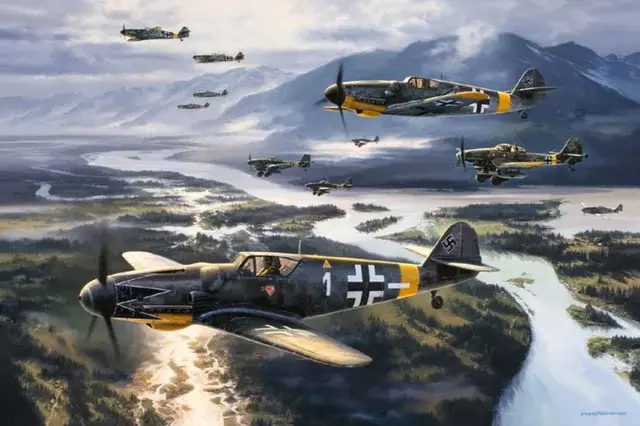
Mercedes-Benz Powered Transport Planes & Support Aircraft
While Mercedes-Benz is better known for its ground vehicles like the Kubelwagen and military trucks, its engineering expertise was also used in aircraft engine development and maintenance. Daimler-Benz built the DB 601 and DB 605 engines, used in legendary aircraft like the Messerschmitt Bf 109 and Bf 110. These planes were mainstays of the Luftwaffe and saw action from the Blitz in London to the Eastern Front in Russia. Mercedes-Benz engines were renowned for their speed and vertical climb capability, vital in dogfights.
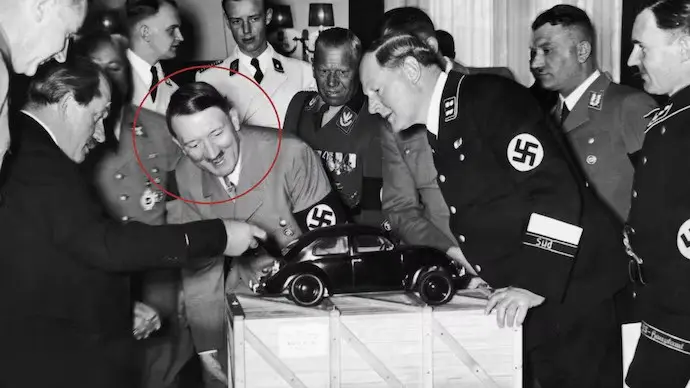
Porsche’s Role in Experimental Nazi Aircraft
Though Porsche is best known today for high-performance cars, Ferdinand Porsche’s firm worked closely with Hitler’s government. While it didn’t directly build fighter jets, Porsche contributed to aircraft systems and experimental war tech, including designs that supported Luftwaffe innovation. More notably, Porsche designed the Tiger tank, but his team’s influence also touched early propulsion and fuel efficiency research that fed into the Luftwaffe's advanced aircraft development. They were part of Germany’s military-industrial ecosystem that blended car innovation with combat applications.
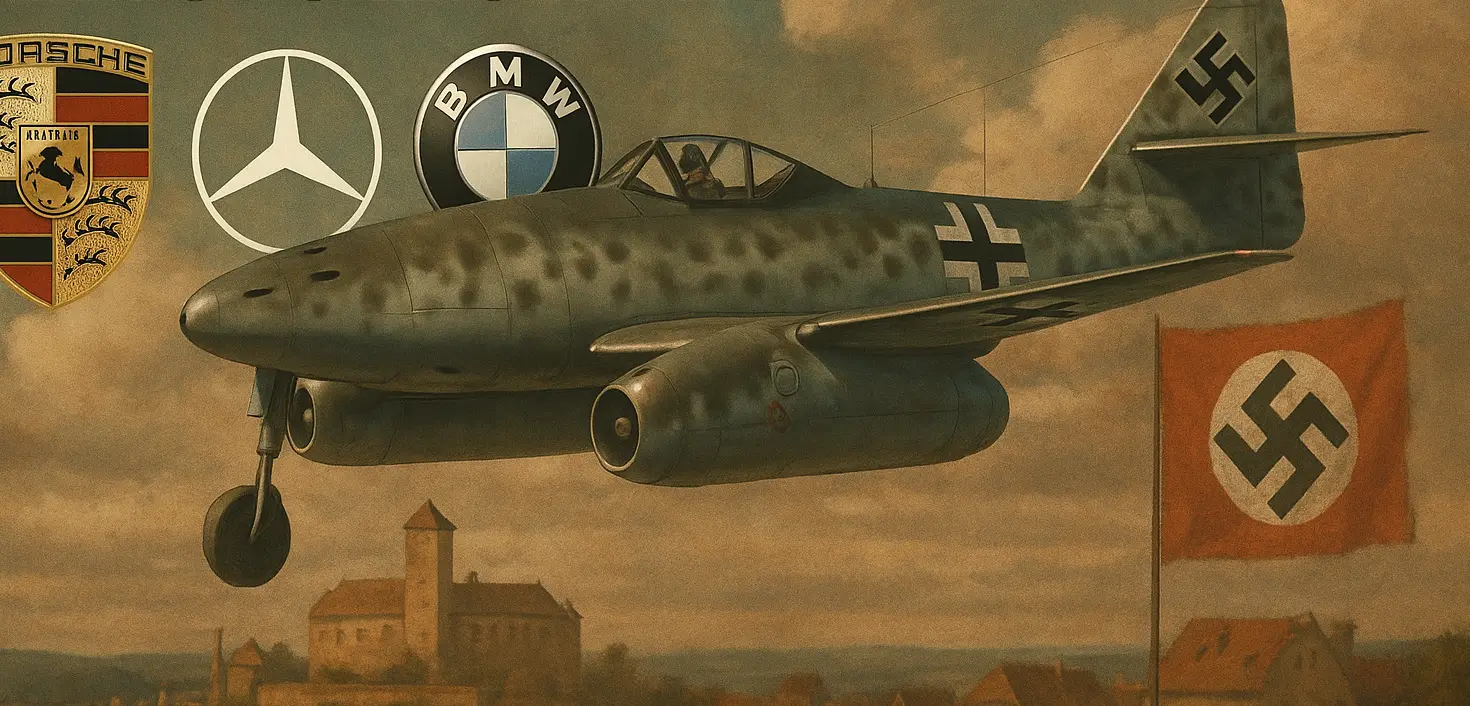
From Warplanes to Luxury Brands
Today, we know BMW, Mercedes-Benz, and Porsche as makers of elite road machines. But during WWII, these companies were key parts of the Nazi war machine, fuelling the Luftwaffe with powerful engines, technology, and design expertise. Their pasts are deeply tied to a global conflict that changed history and the aircraft they helped build left scars that outlast their time in the skies.
)
)
)
)
)