‘Mountain to desert’: 5 airbases in extreme terrains

Airbases in extreme terrains like mountains and deserts offer crucial strategic advantages. These bases use advanced technology and strategic locations to ensure rapid response. It show how specialised infrastructure and tough conditions help countries.
Why extreme terrains matter for airbasesWhy extreme terrains matter for airbases
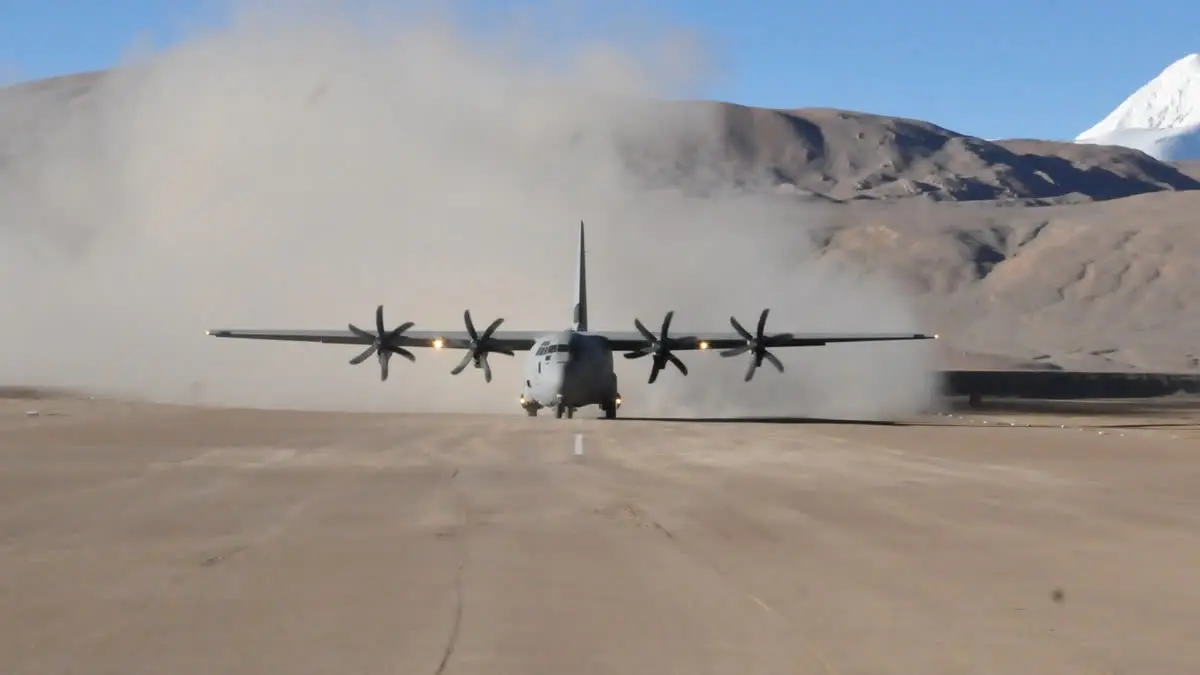
Airbases in tough terrains, like mountains or deserts, give strategic advantages. Which enables quick reach to hostile borders or remote areas. They require specialised infrastructure to cope with the environment and keep jets ready for action.
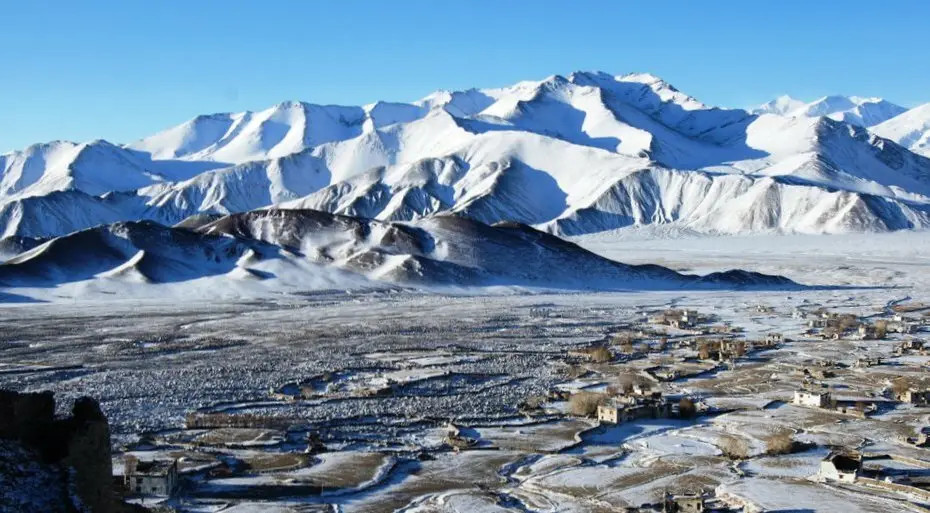
Nyoma Airbase, India - High-altitude frontline
At almost 14,000 feet in Ladakh, Nyoma is one of the world’s highest operational airbases. It’s designed for harsh cold and thin air, with a long runway and advanced facilities to host fighter jets like Rafale and Su-30MKI.
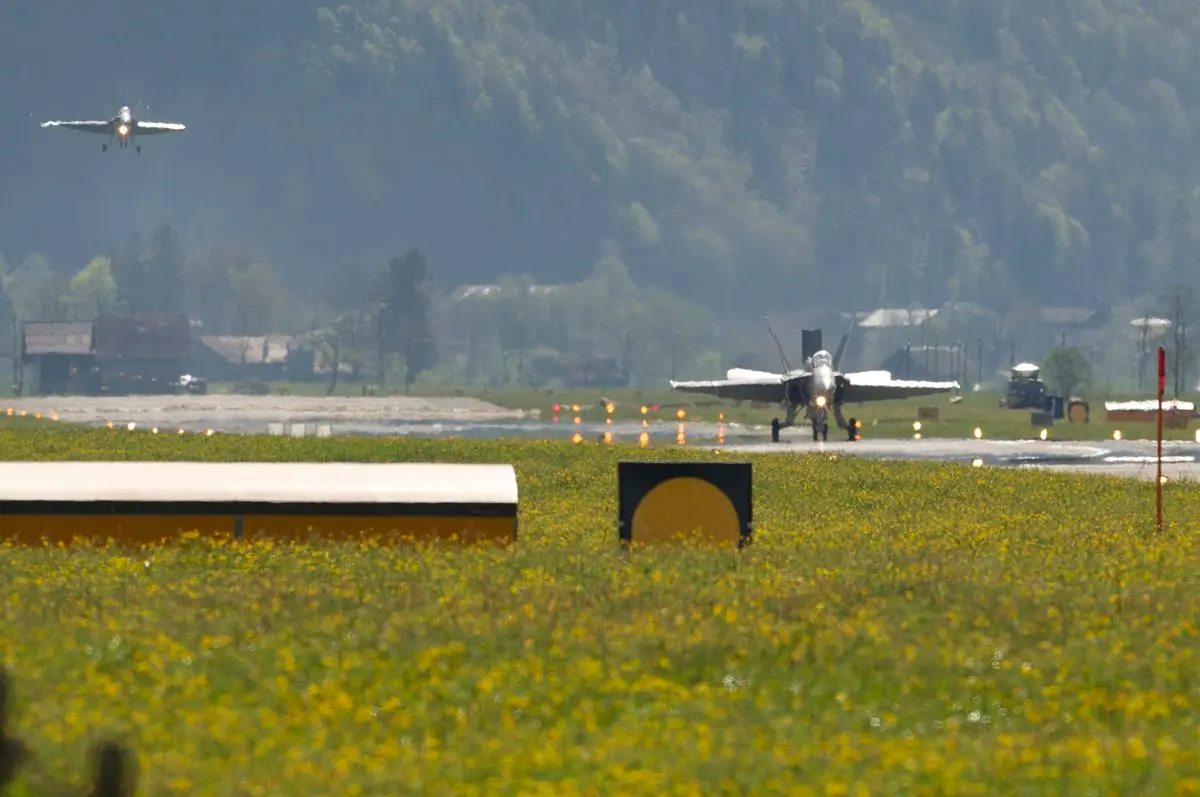
Meiringen, Switzerland - Hidden mountain fortress
Meiringen Airbase is built inside mountains, with underground hangars that shelter jets from attacks. It features special tunnels allowing rapid refuelling and launch even during conflict, making it a natural fortress in the Alpine region.
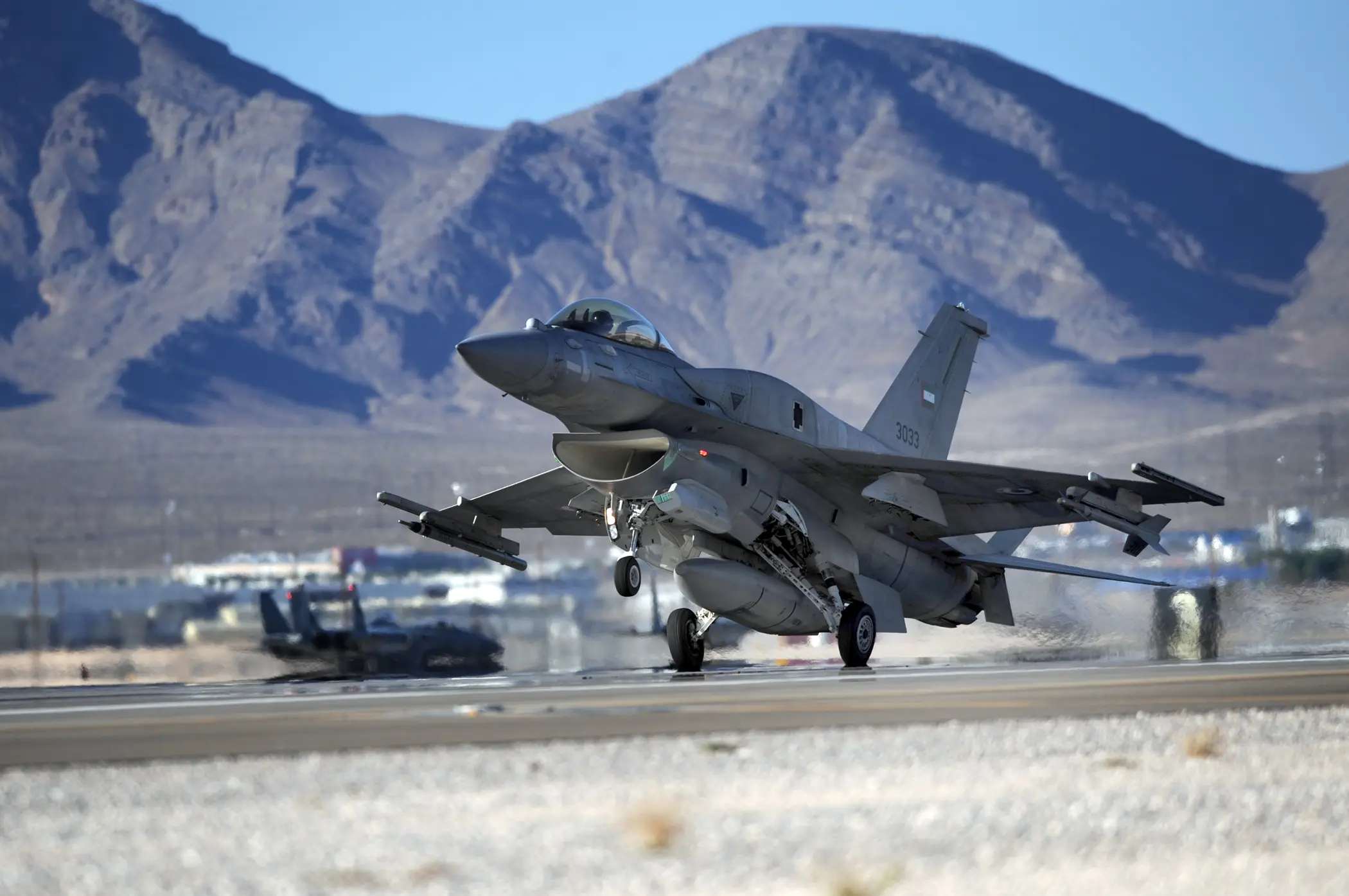
Al Dhafra Airbase, UAE - Desert-ready hub
Situated in the desert, Al Dhafra supports advanced jets including F-15Es and provides vital reconnaissance and air defence in the Gulf. Its facilities are built to endure extreme heat and sandstorms, enabling the US and UAE forces to operate efficiently.
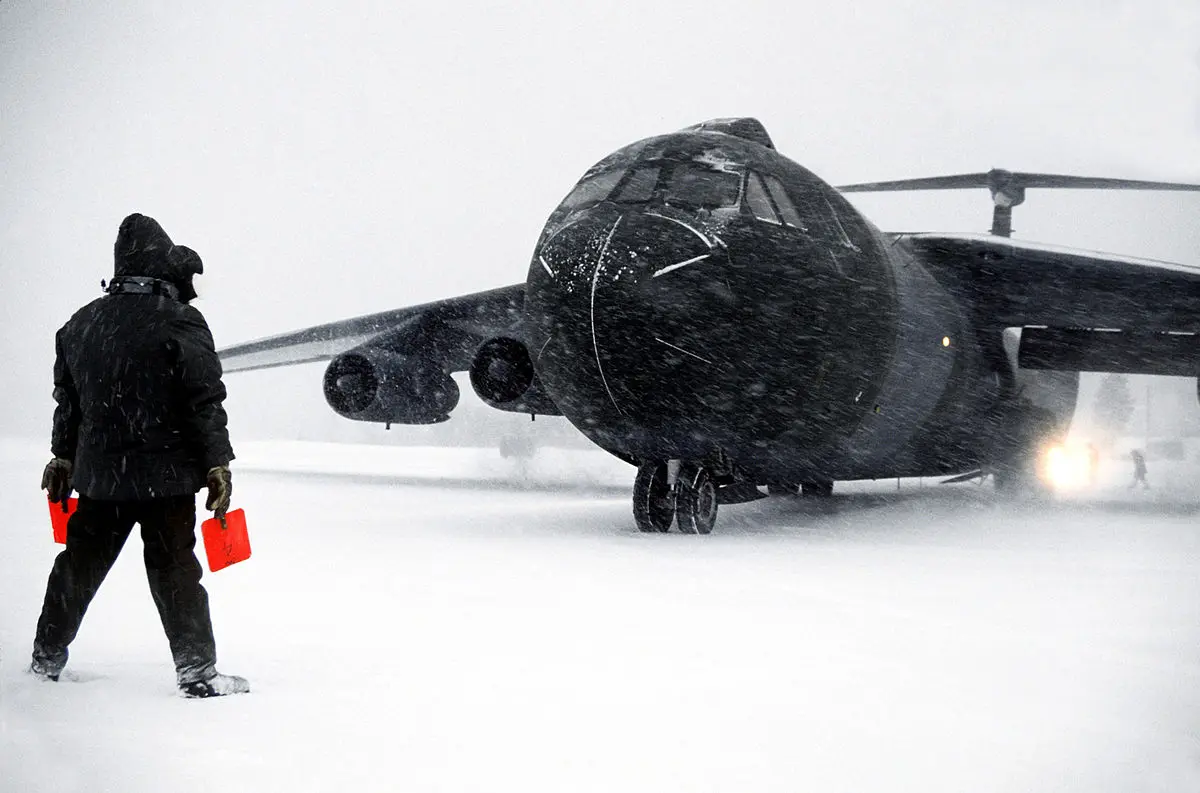
Bardufoss Airbase, Norway - Arctic mountain base
Located within Norway’s rugged Arctic mountains, Bardufoss has been upgraded for cold-weather operations and features hardened hangars. It plays a key role in guarding northern airspace with F-35 stealth fighters in a challenging climate.
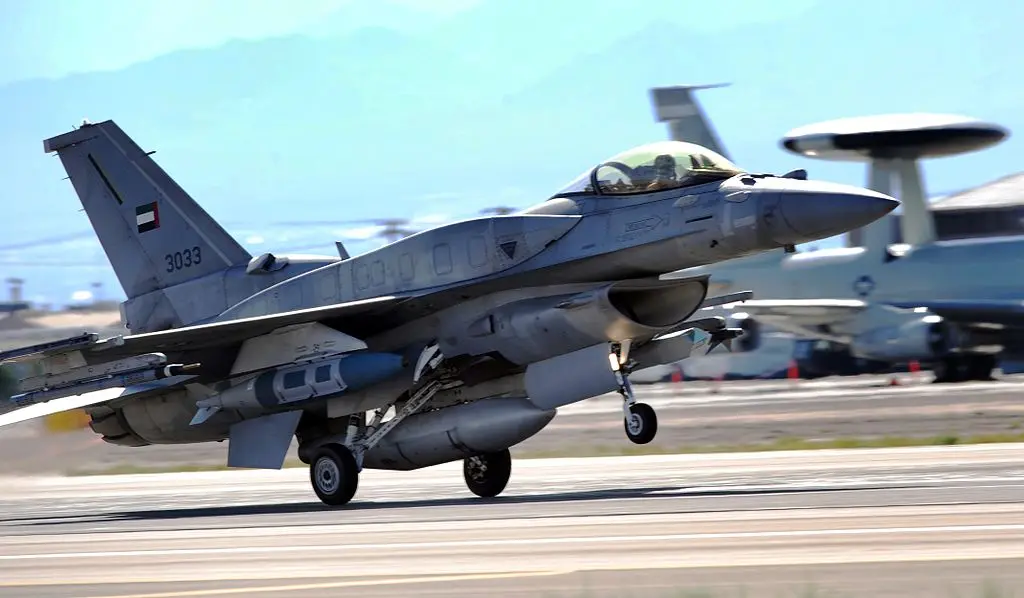
Jebel Ali, Dubai - Strategic desert port base
While primarily a port, Jebel Ali hosts many air operations and accommodates naval and air assets despite desert conditions. Its proximity to the Persian Gulf makes it critical for logistics and rapid deployment.
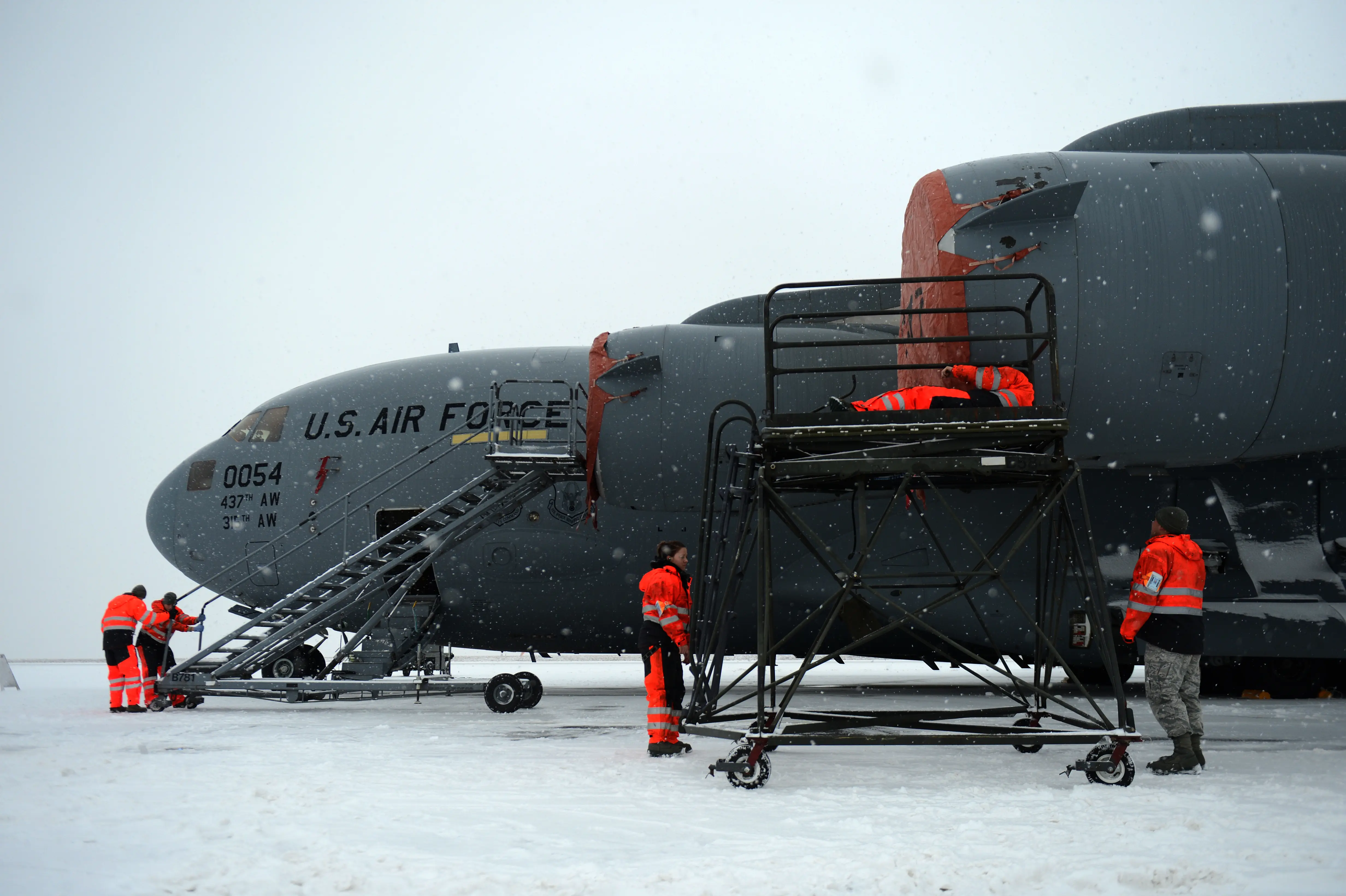
Extreme airbases
Operating airbases in harsh terrains demands innovative engineering and resilient teams. These bases show how geography shapes defence strategy, ensuring readiness where it matters most from mountain strongholds to desert expanses.
)
)
)
)
)