'Mojtaba option': Inside Trump’s classified option to decapitate Iran’s leadership

Trump has consistently campaigned against dragging the US into "endless wars" or massive, boots-on-the-ground invasions like Iraq. A decapitation strike aligns perfectly with his preference for sudden, high-impact, surgical operations.
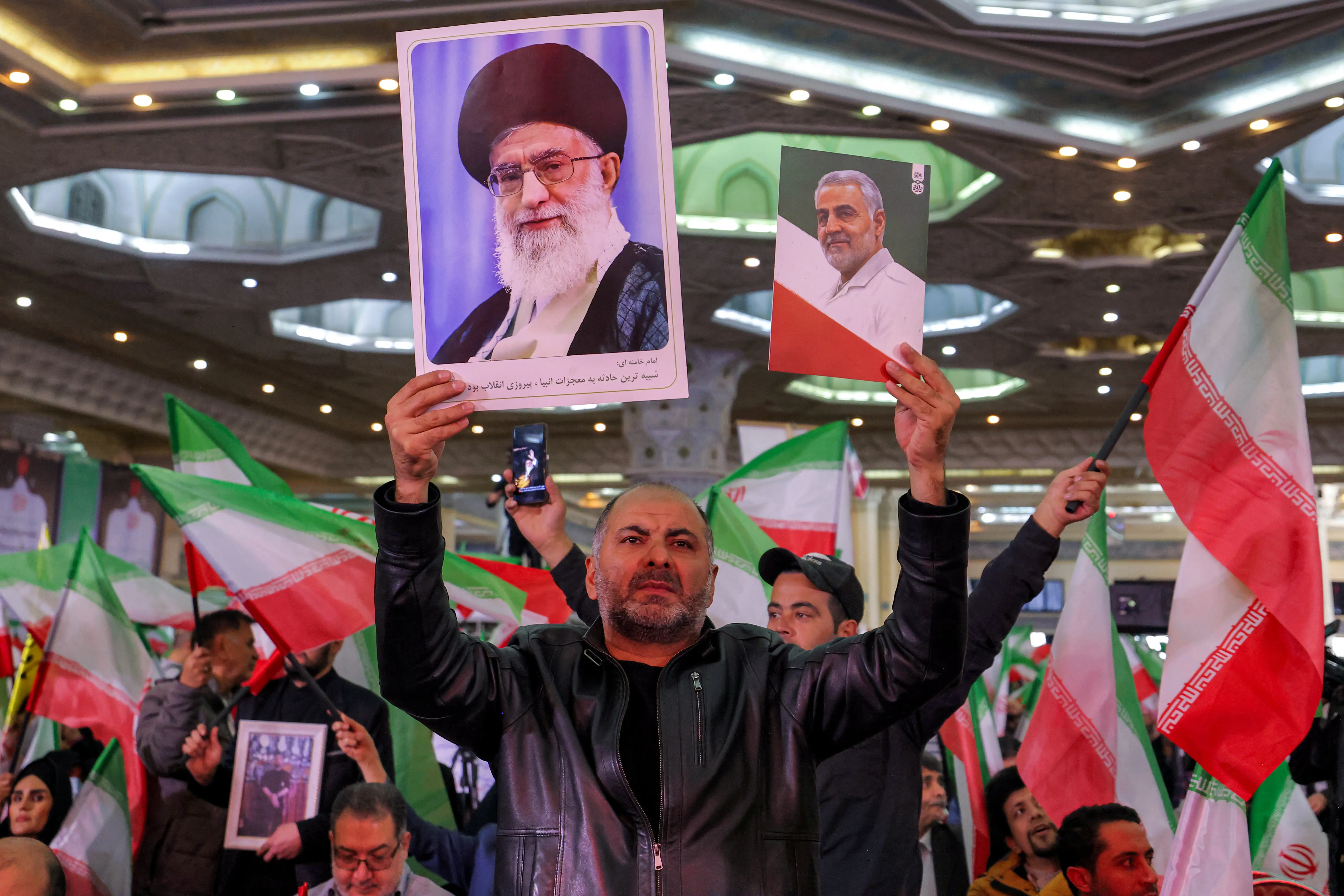
1. The "Mojtaba Option"
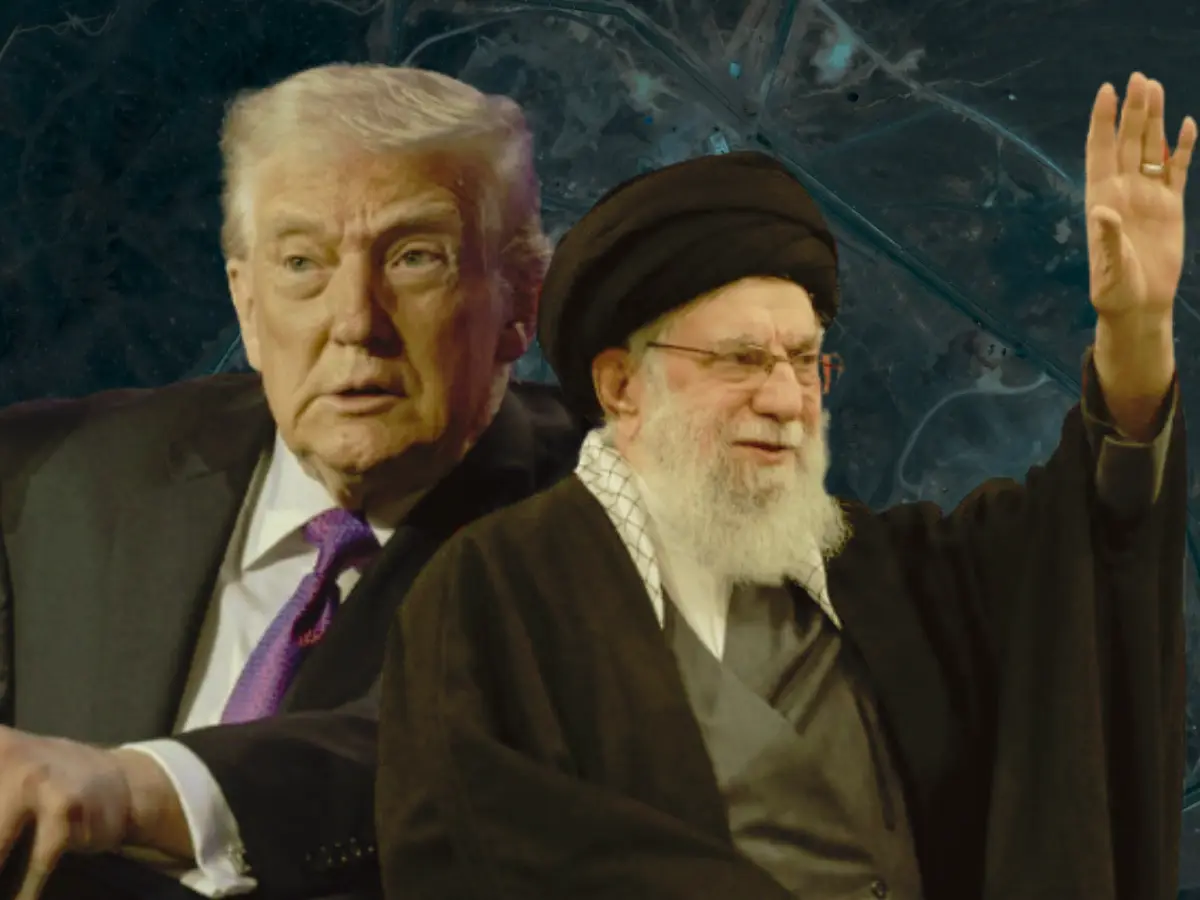
According to recent reports from Axios citing senior US officials and Trump advisers, the Pentagon has provided military options that involve directly targeting Supreme Leader Ayatollah Ali Khamenei. Crucially, the plan also allegedly includes taking out his son, Mojtaba Khamenei, a powerful, shadowy figure widely viewed as his father's most likely successor, along with other senior clerics.
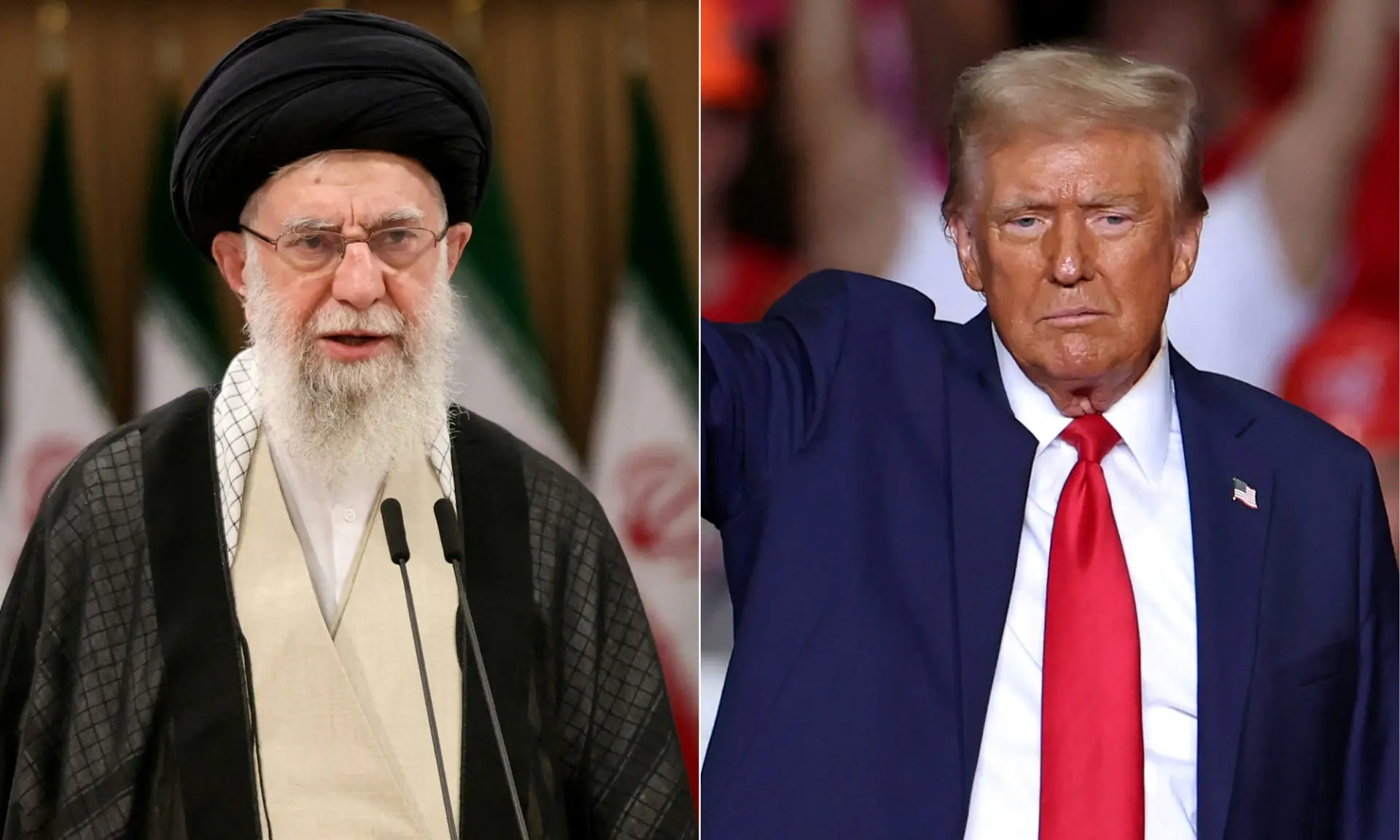
2. The "Maduro Playbook"
Trump has consistently campaigned against dragging the US into "endless wars" or massive, boots-on-the-ground invasions like Iraq. A decapitation strike aligns perfectly with his preference for sudden, high-impact, surgical operations. Military analysts point to the recent US extraction of Nicolás Maduro in Venezuela (early 2026) as the blueprint. By removing the linchpin of the regime, Washington hopes to force a rapid collapse of the system without committing hundreds of thousands of American troops to a prolonged ground war.
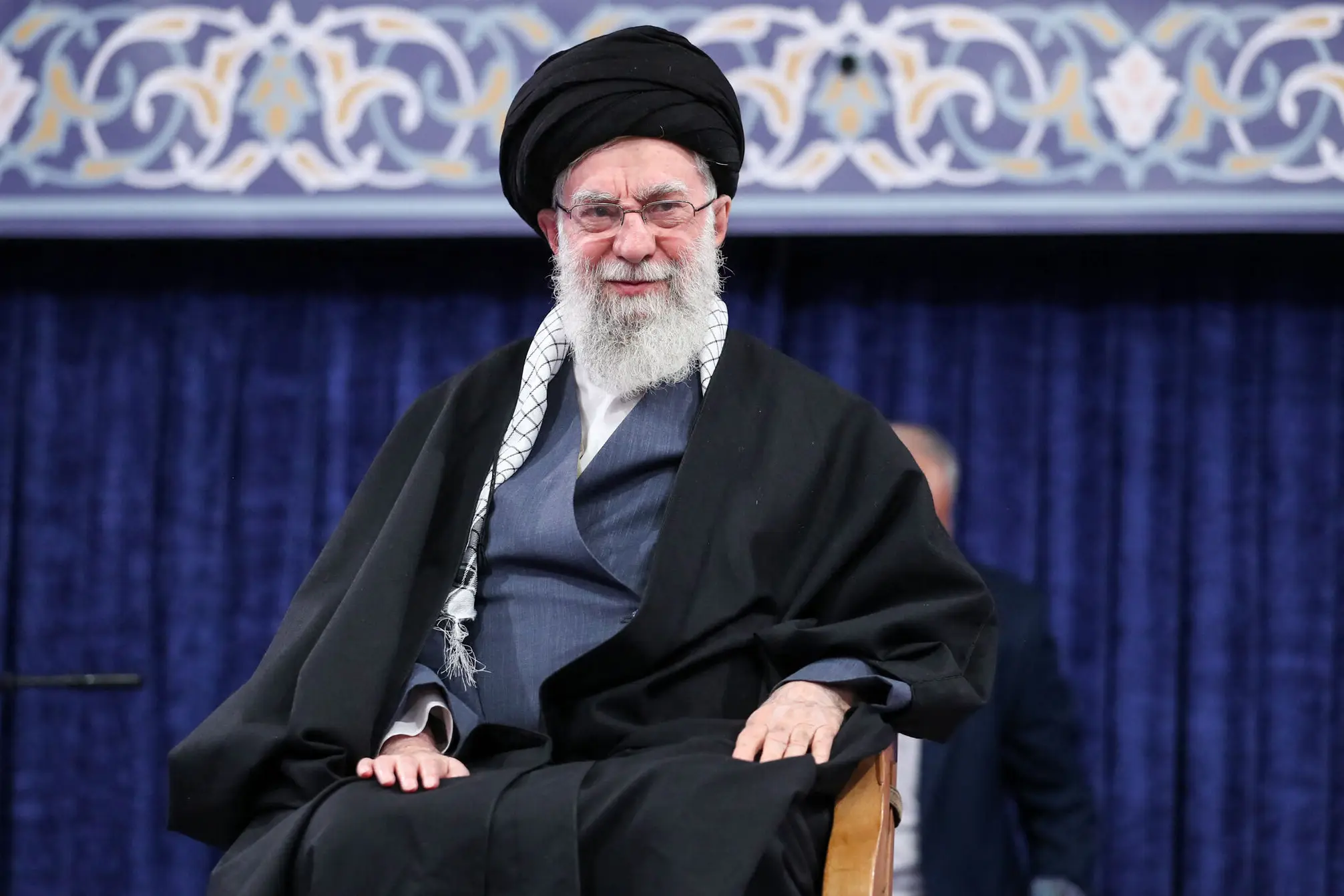
3. Triggering a Succession Crisis
Targeting the 86-year-old Supreme Leader and his heir apparent wouldn't just be an act of war; it is designed to trigger immediate, paralyzing internal chaos. Without a clear successor, the decapitation strike would force the Islamic Revolutionary Guard Corps (IRGC), the political clerics, and the military into a violent, internal power struggle. The US strategy bets that a regime fighting itself cannot effectively fight a coordinated war against America or Israel.
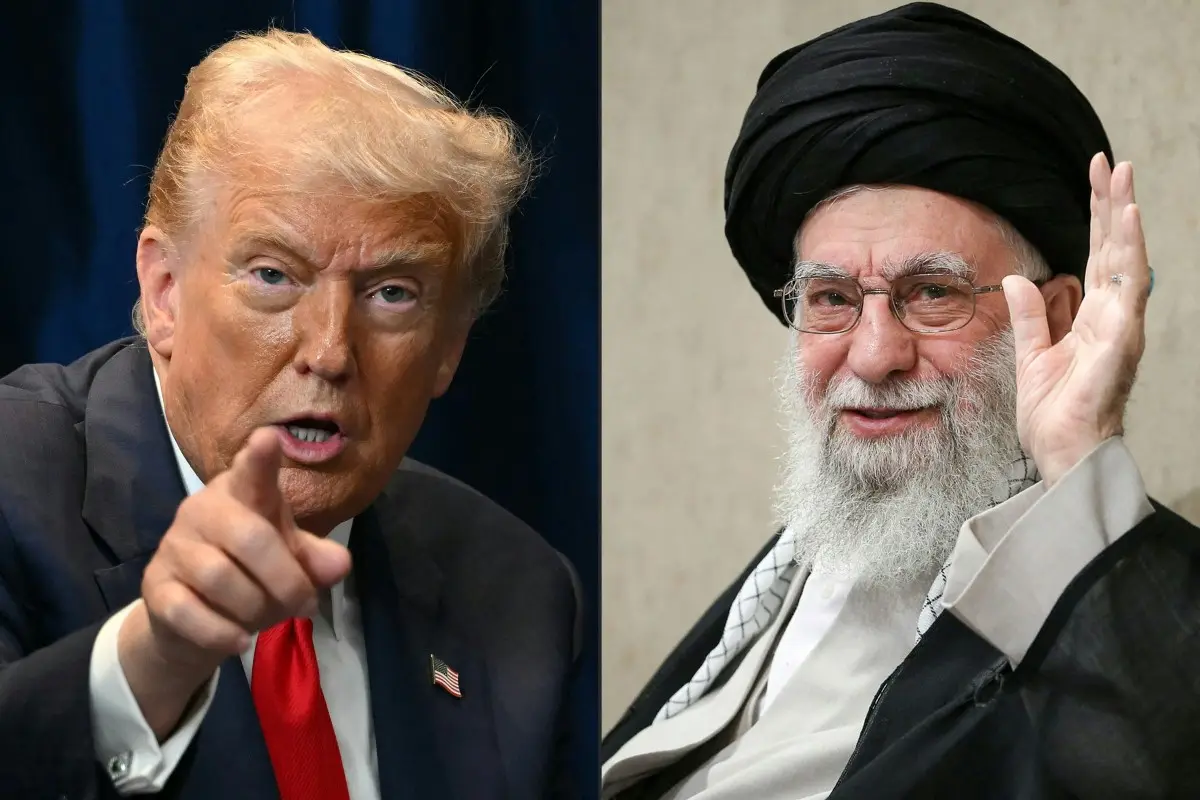
4. Bypassing the "Concrete Sarcophagus"
Targeting leadership solves a massive logistical nightmare for the US military. Iran has spent years burying its nuclear program under mountains of earth and concrete (such as the heavily fortified sites at Fordow and Parchin), making them incredibly difficult to destroy even with 30,000-pound bunker-buster bombs. Human targets, however, have to move, communicate, and breathe, making them uniquely vulnerable to stealth aircraft, drone strikes, and advanced intelligence tracking.
5. The Threat of the IRGC "Remnant"
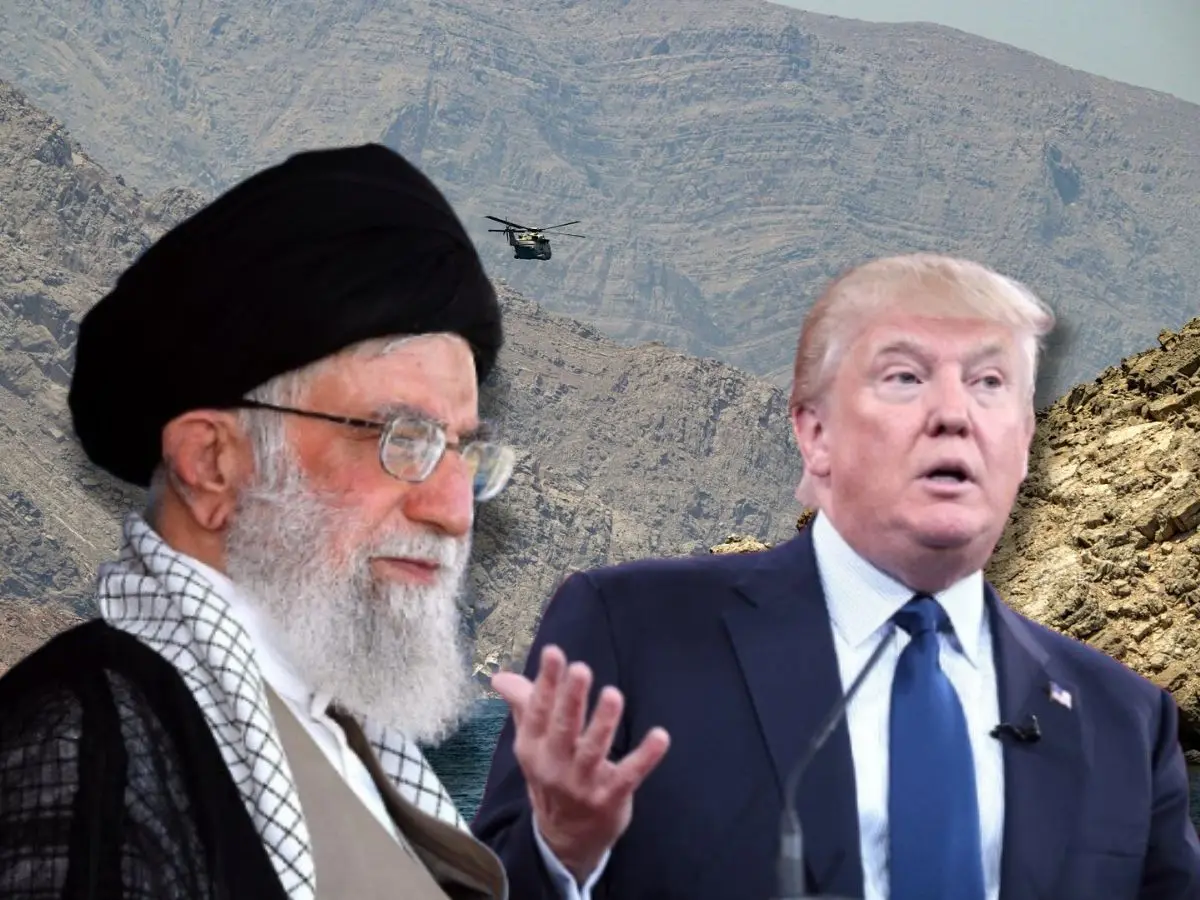
The decapitation strategy carries immense, unpredictable risks. Security experts warn that while removing Khamenei might shatter the current political structure, it could inadvertently hand total, unchecked control of the country to the most radical factions of the IRGC. A headless, furious IRGC, still in possession of a massive ballistic missile arsenal, could launch a scorched-earth retaliation campaign across the Persian Gulf, targeting U.S. bases and global oil infrastructure with nothing left to lose.
6. The "Token Enrichment" Wildcard
Interestingly, the threat of this decapitation strike is being used as extreme leverage for a diplomatic off-ramp. Senior officials note that Trump is simultaneously willing to accept an Iranian proposal that allows for "token" civilian nuclear enrichment, provided there are ironclad guarantees against building a bomb. The strategy is clear: present Tehran's leadership with a binary choice between a politically viable diplomatic deal, or their own physical elimination.
)
)
)
)
)