'MIRV technology': How Agni-V can carry multiple nuclear warheads at once

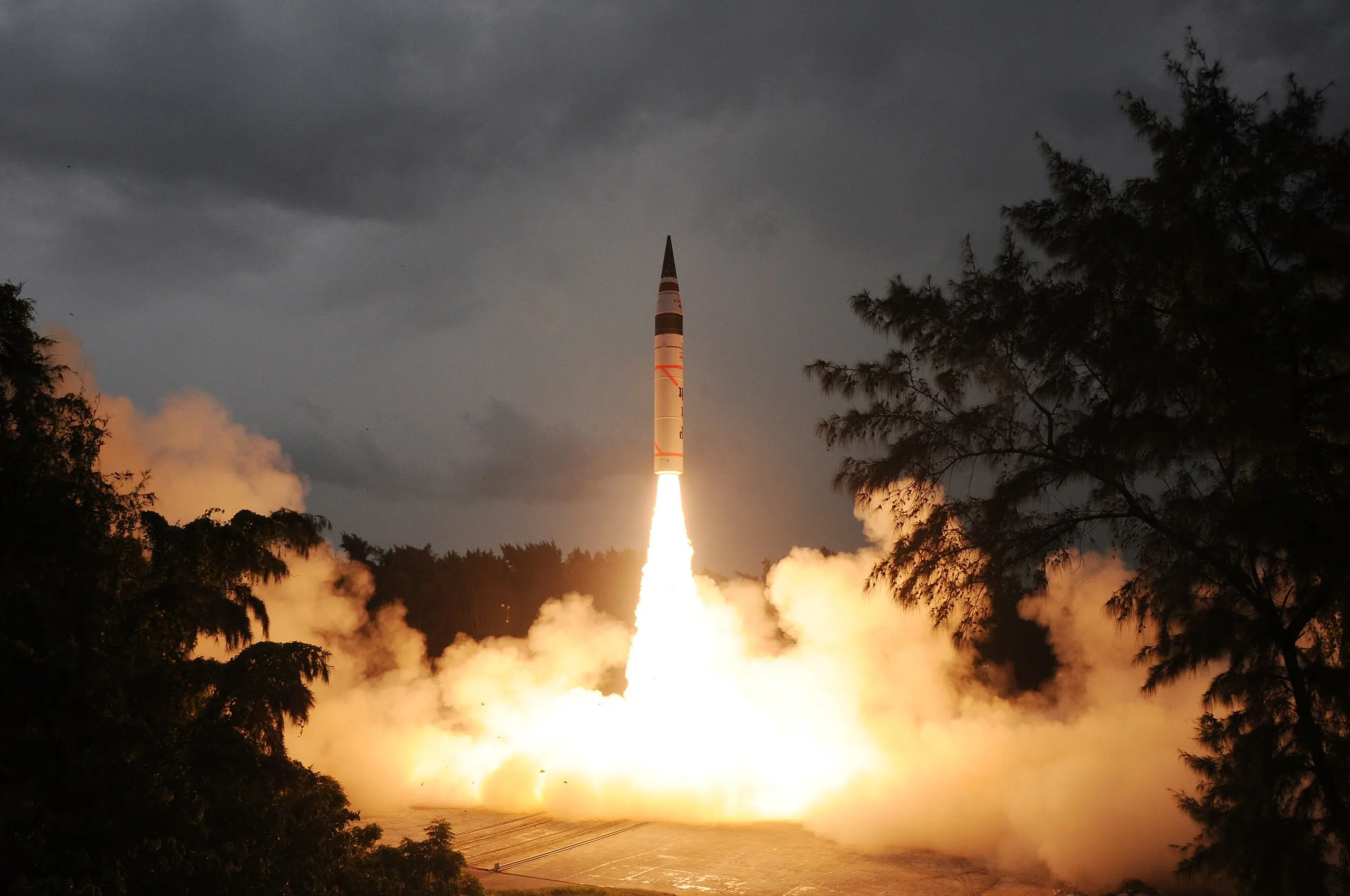
India’s Agni-V now features MIRV technology, allowing it to multiple nuclear warheads to strike multiple targets. This makes India one of the few nations with such advanced power.
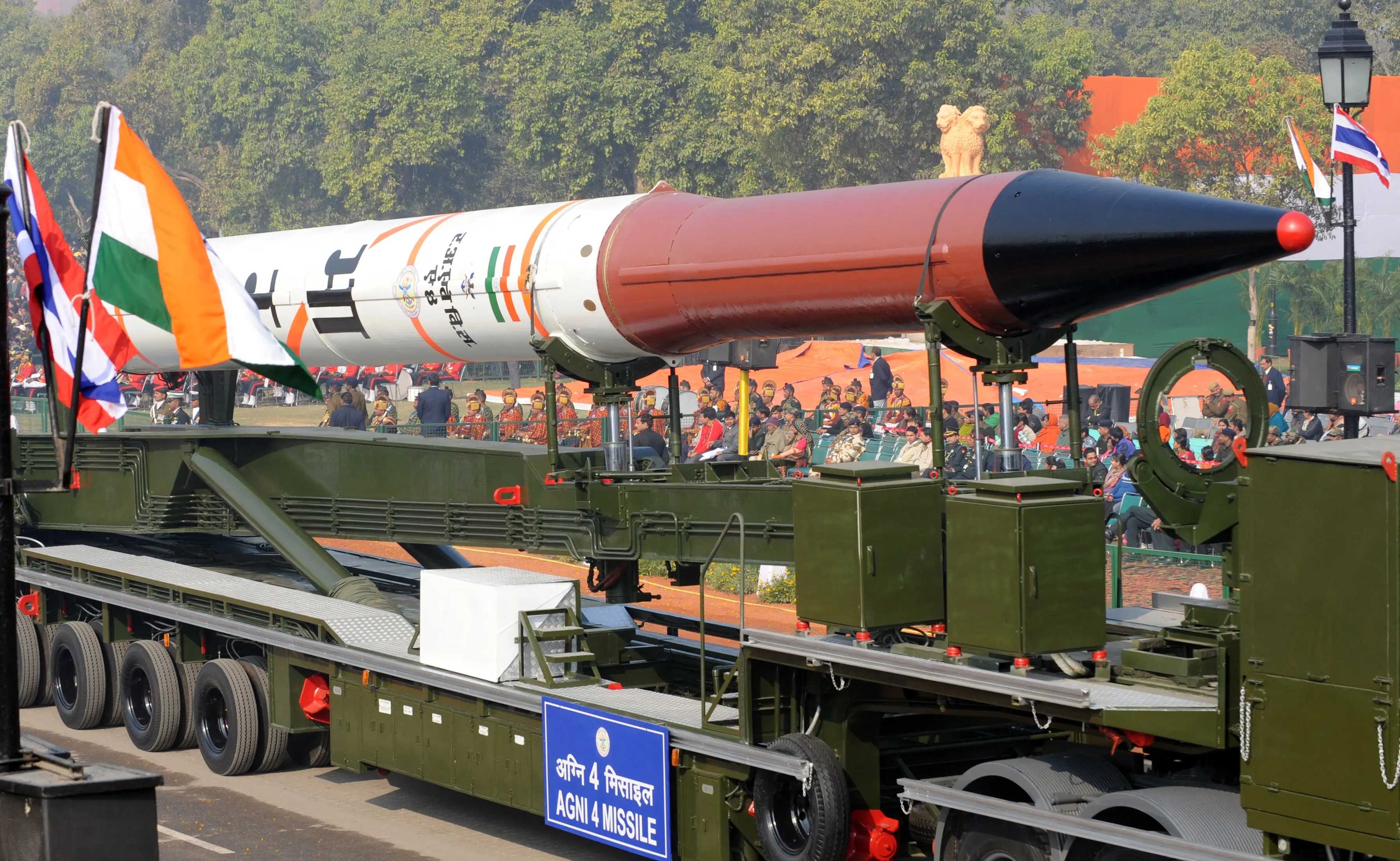
What is MIRV technology?
MIRV stands for Multiple Independently Targetable Re-entry Vehicle. Unlike traditional missiles that carry a single warhead, this system allows a single Agni-V to deploy multiple nuclear weapons against different locations.
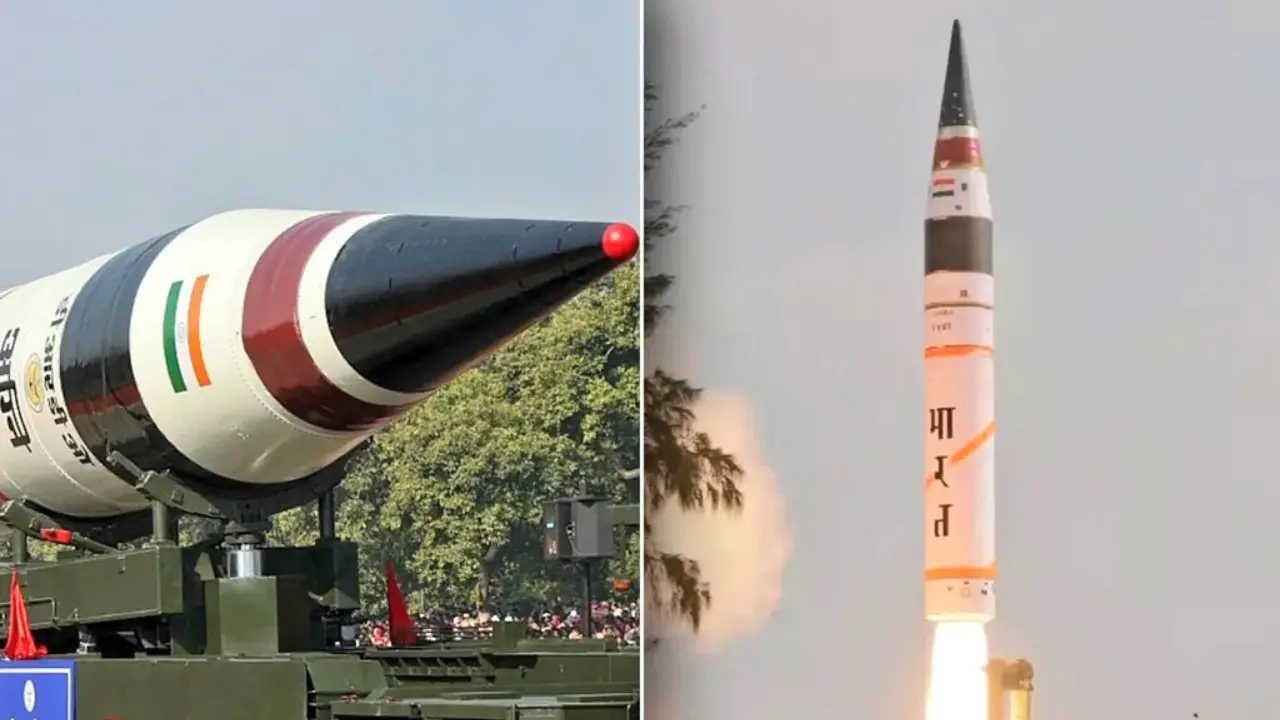
Striking multiple targets at once
The advanced Agni-V variant is designed to carry multiple warheads. This capability means a single launch can saturate enemy air defences by attacking various strategic points simultaneously with high precision.
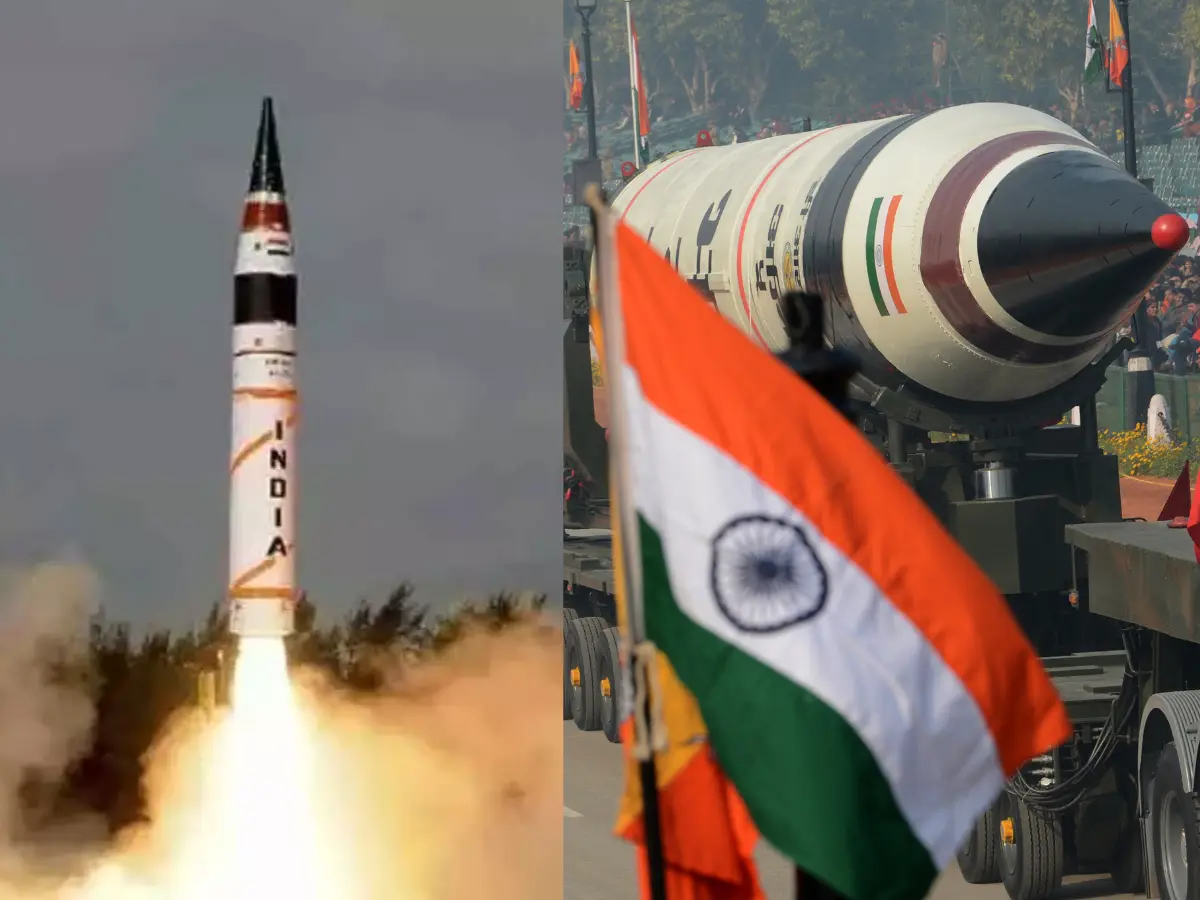
Global club
By mastering this complex technology, India joins a small group of nations including the US, UK, Russia, France, and China. It demonstrates India's growing indigenous expertise in sophisticated missile physics and navigation.
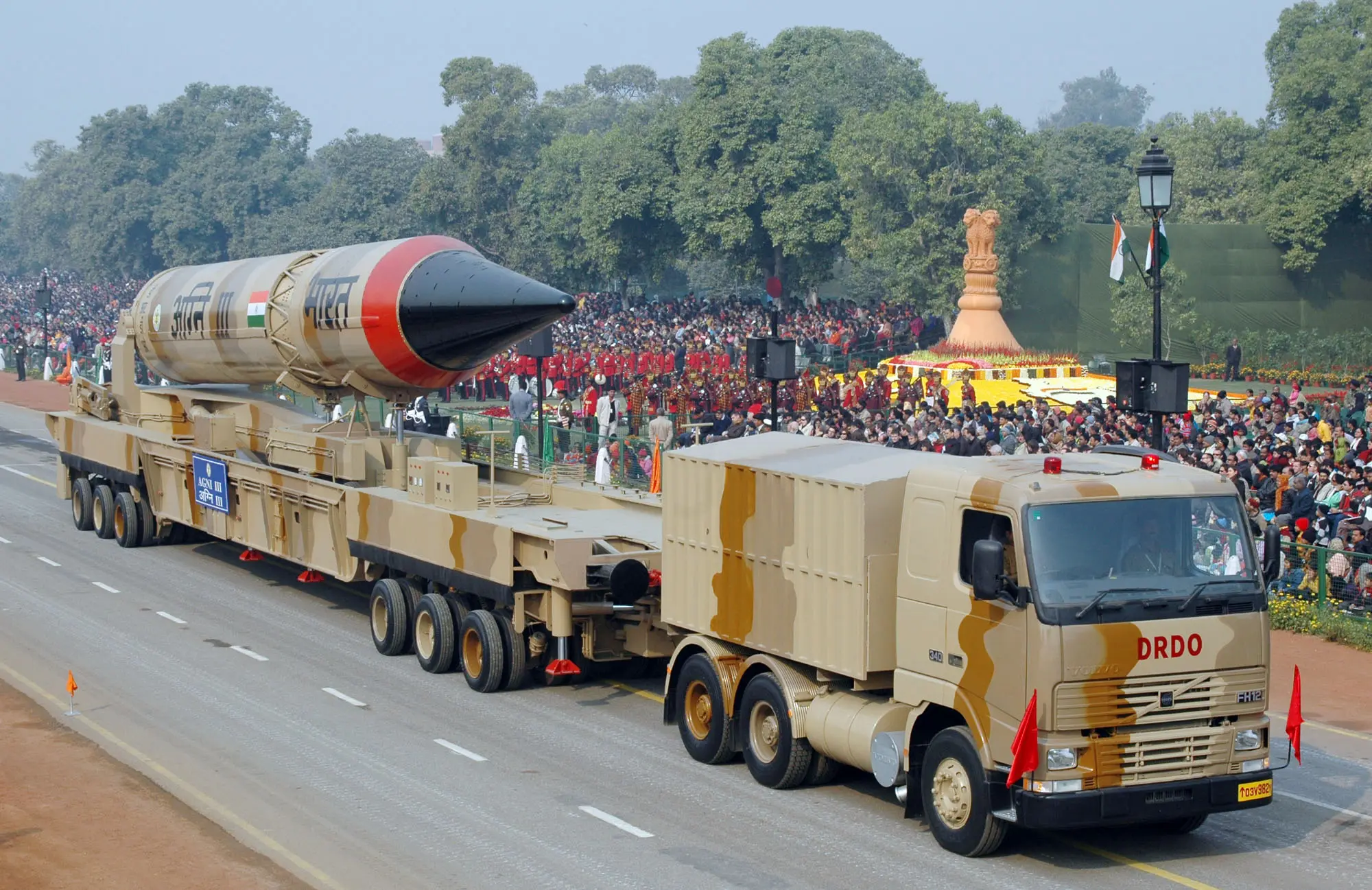
Precision and range
The Agni-V has a range exceeding 5,000 kilometres, covering nearly all of Asia and parts of Europe. MIRV tech ensures that even if some warheads are intercepted, others can still reach their intended targets.
Indigenous development
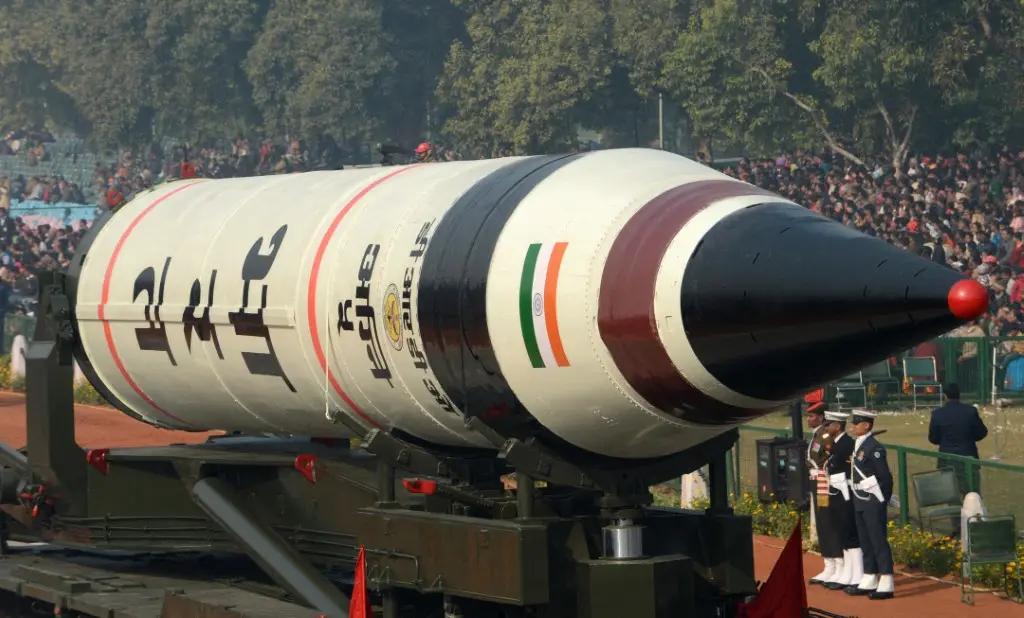
The MIRV-equipped Agni-V was developed by the Defence Research and Development Organisation (DRDO). It features high-accuracy sensor packages and avionics that ensure the warheads hit their targets with extreme reliability.
Boosting strategic deterrence
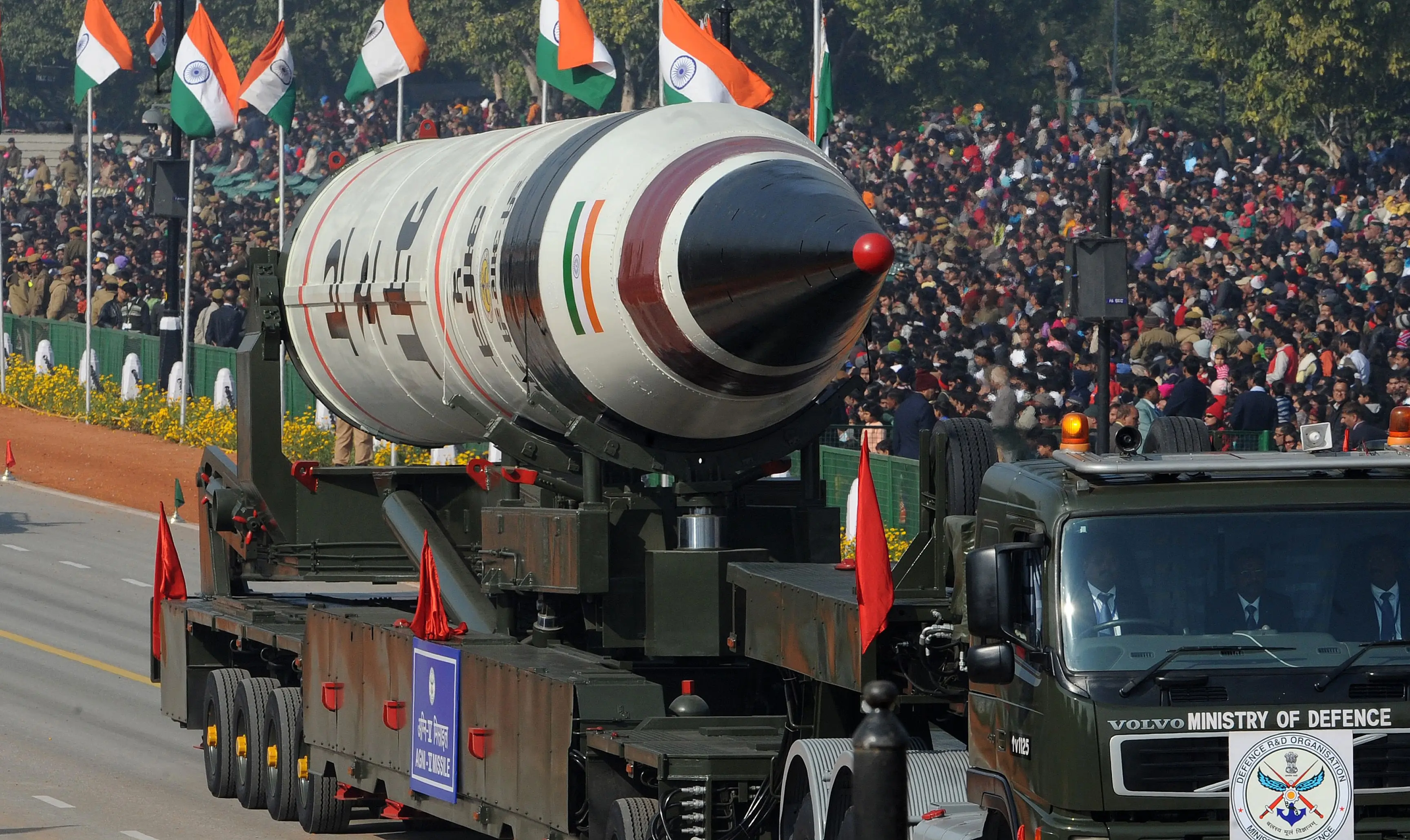
This upgrade is a major leap for India’s "no first use" policy. It ensures a credible second-strike capability, making it difficult for an adversary to neutralise India's entire nuclear arsenal in one go.
Mission Divyastra success
The successful flight test of Mission Divyastra confirmed the seamless performance of the re-entry vehicles. This milestone marks a significant shift in the regional power balance and India's technological standing.
)
)
)
)
)