‘Mine sweepers’: How US Navy underwater robots are deployed alongside USS Abraham Lincoln destroyers

The US Navy deployed underwater drones alongside USS Abraham Lincoln destroyers to clear Iranian mines from the Strait of Hormuz. Using the Mk 18 Kingfish and SeaFox neutralisers, the military safely detonates explosives without risking human lives.
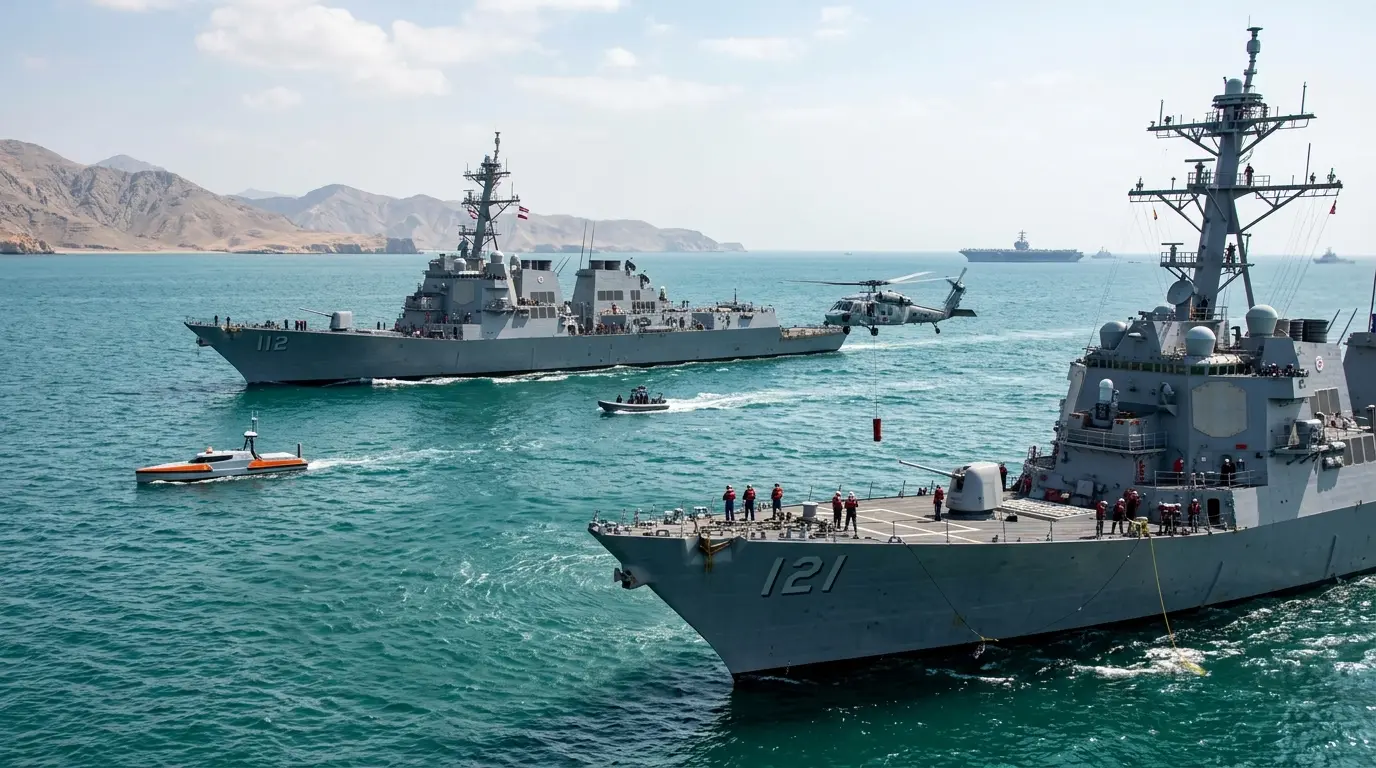
The Hormuz Clearance Mission
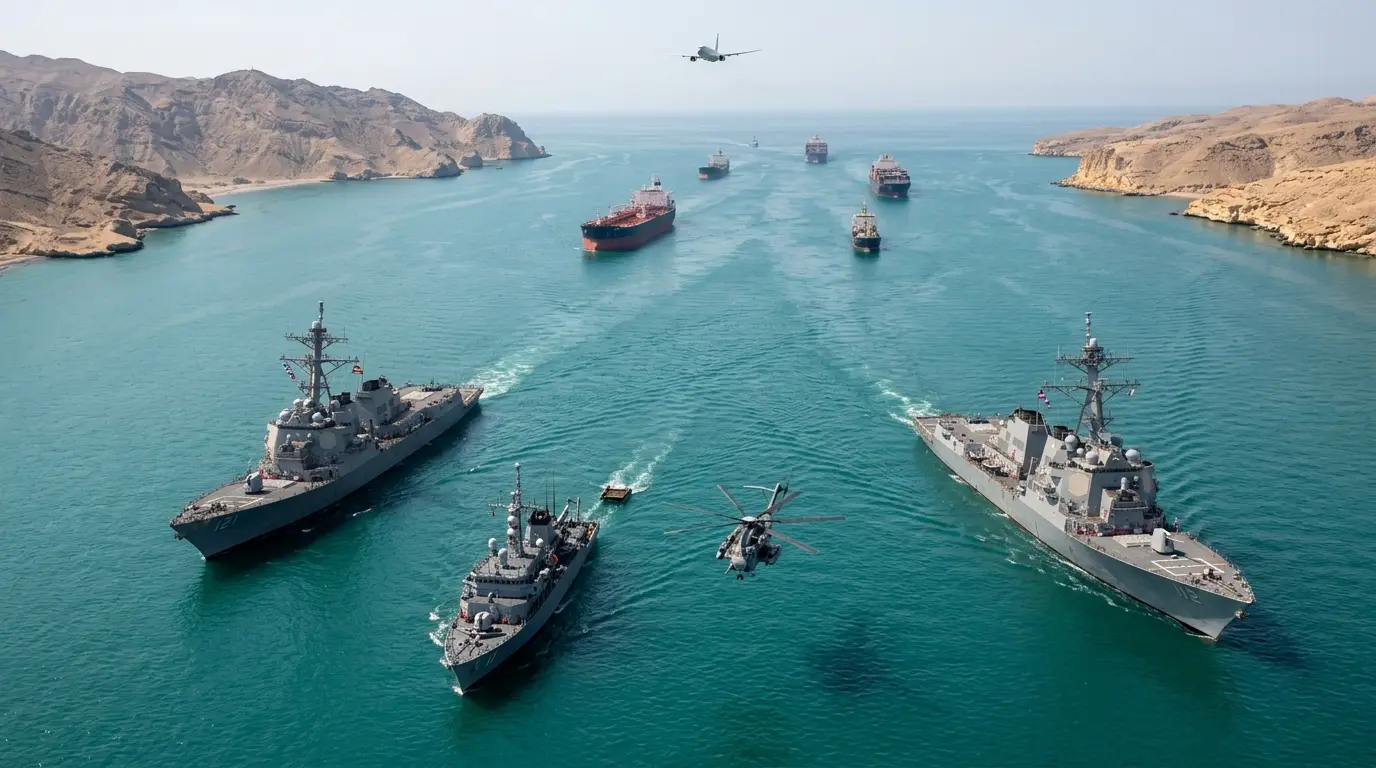
Following Iran's aggressive mining campaign, the US Central Command deployed advanced underwater robots to the Strait of Hormuz. Operating alongside guided-missile destroyers from the USS Abraham Lincoln strike group, these drones aim to safely reopen the global oil chokepoint.
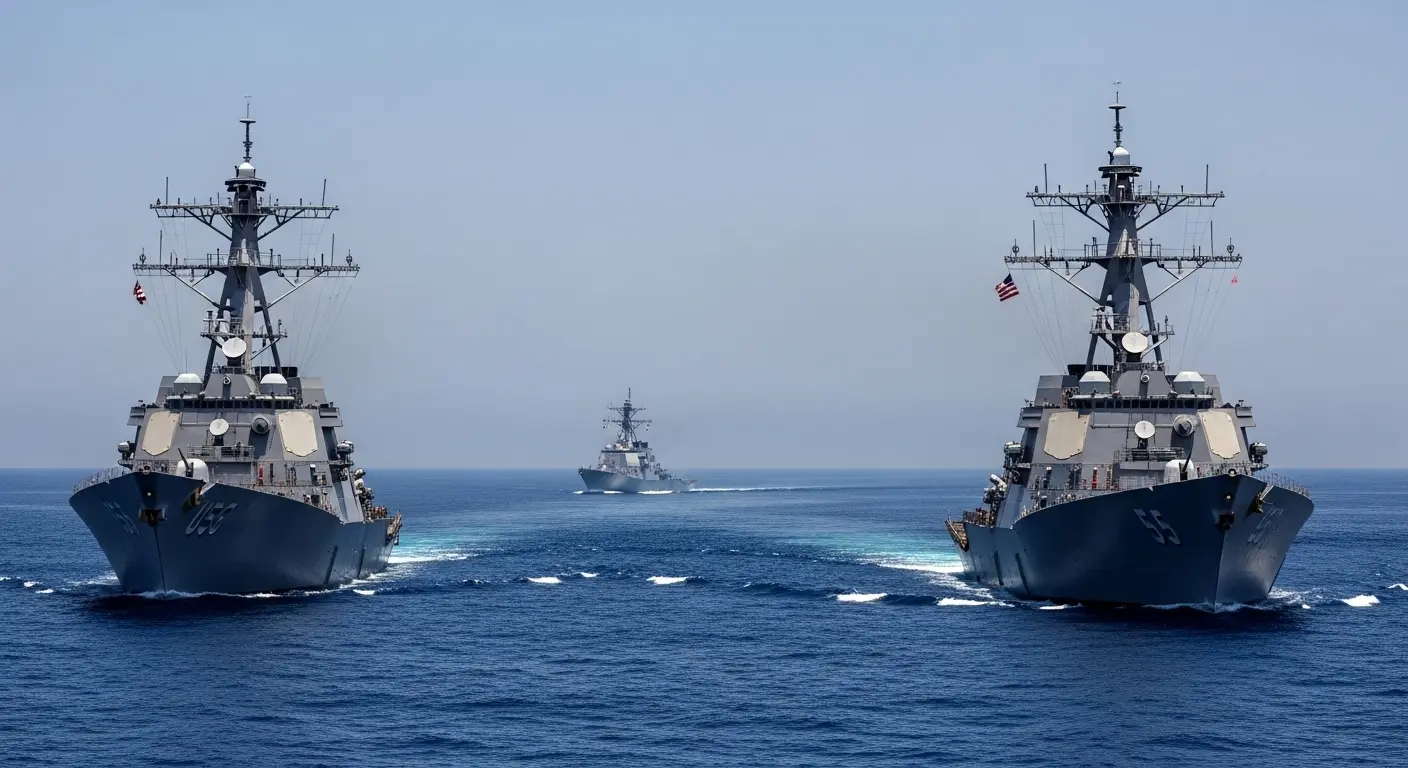
The Destroyer Overwatch
Clearing heavily contested waters requires an impenetrable defensive shield against the Islamic Revolutionary Guard Corps. Arleigh Burke-class destroyers, including the USS Frank E. Peterson and USS Michael Murphy, provide overwhelming firepower to protect the vulnerable uncrewed mine-sweeping units.
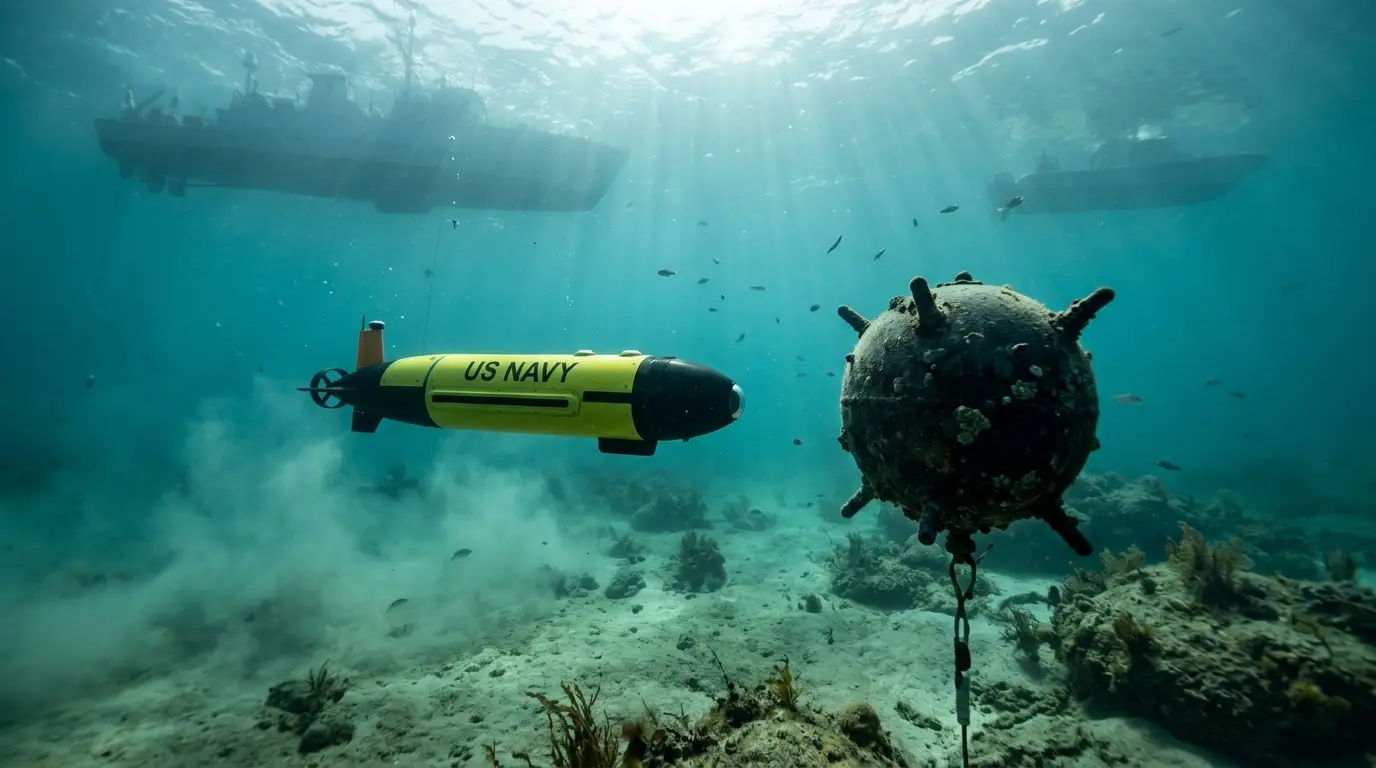
The Mk 18 Kingfish
To hunt deep-water explosives without risking human divers, the Navy deploys the Mk 18 Mod 2 Kingfish. This torpedo-shaped Uncrewed Underwater Vehicle navigates the ocean floor using high-resolution side-scan sonar to map and identify hidden explosive anomalies.
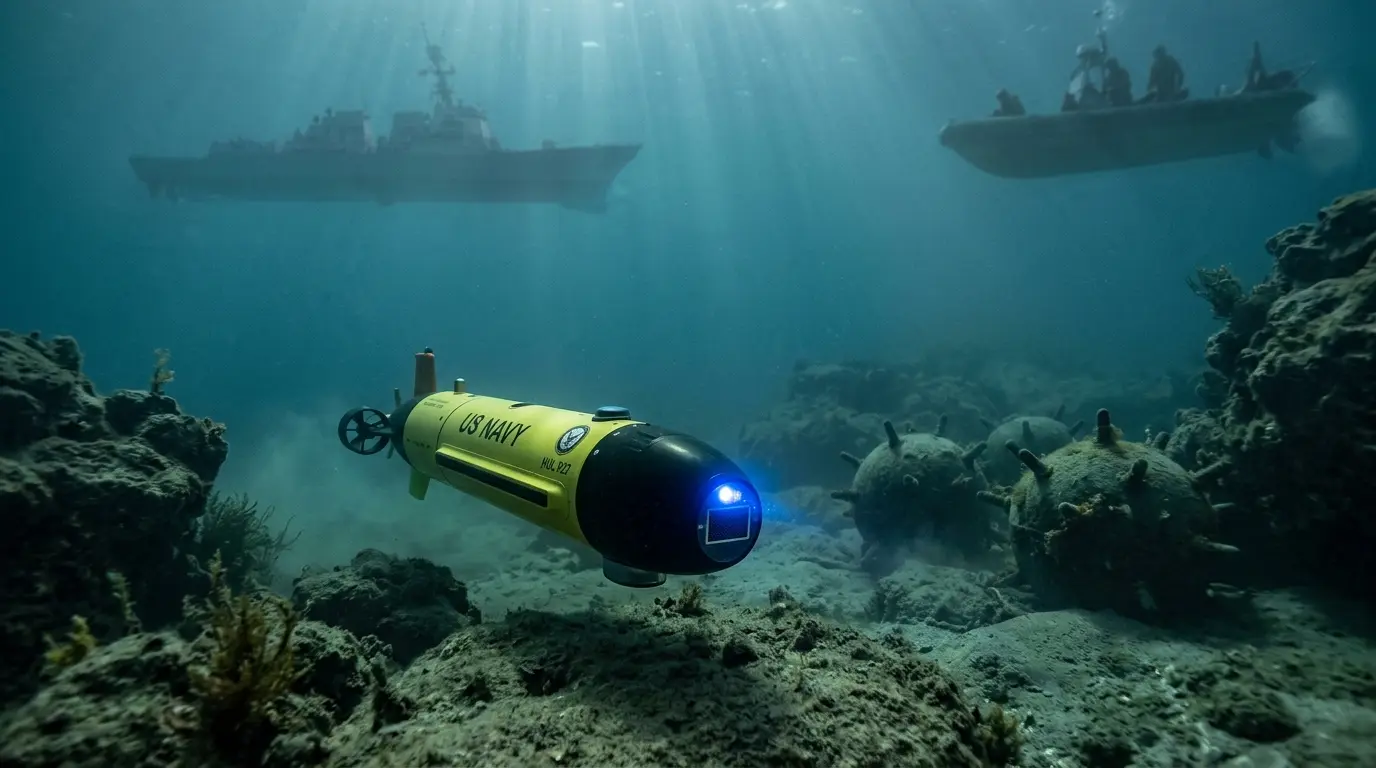
Removing the Risk
Historically, naval mine clearance required highly trained explosive ordnance disposal divers to manually inspect deadly underwater threats. By deploying autonomous submarine drones, the US Navy entirely removes its sailors from the lethal blast radius of Iranian contact mines.
The SeaFox Neutraliser
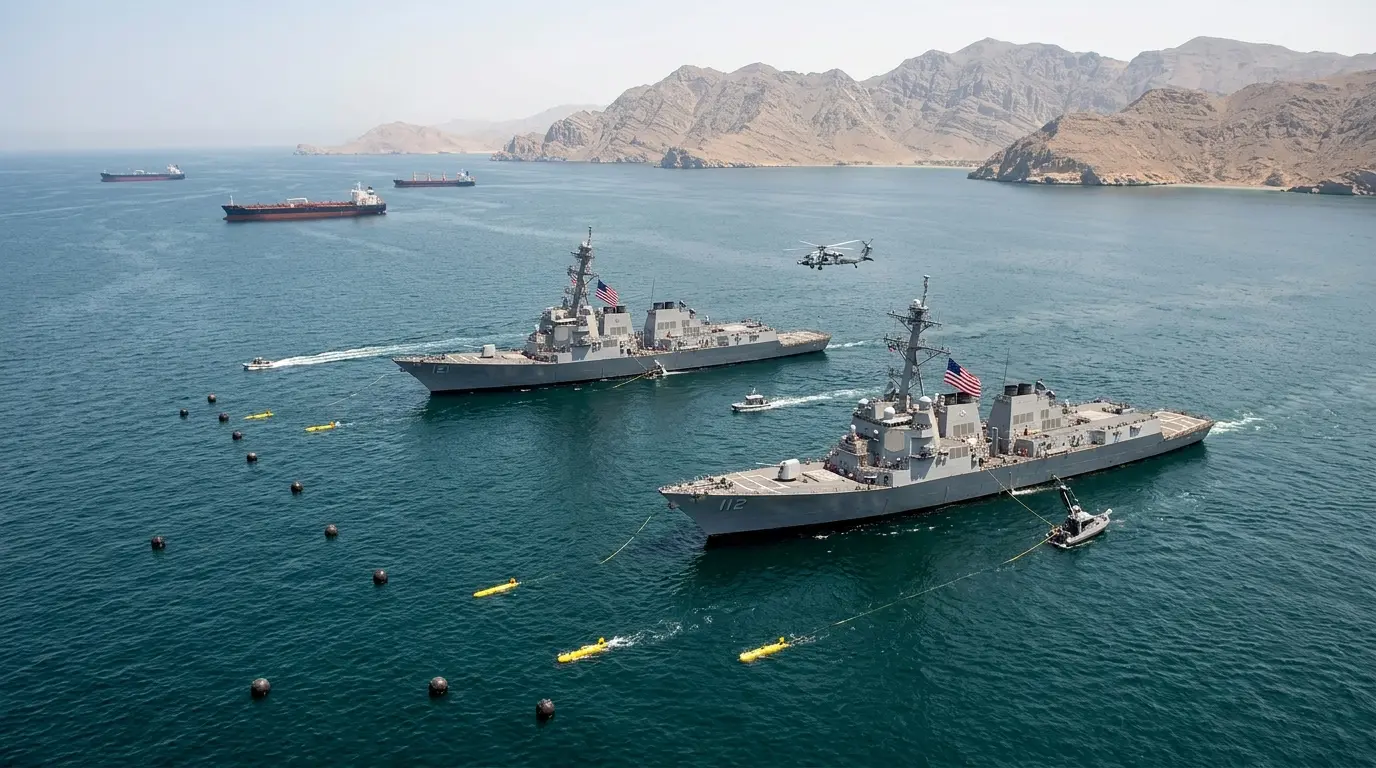
Once a Kingfish drone identifies a potential Iranian mine, operators launch the SeaFox expendable neutraliser. This $100,000 fibre-optic guided robotic torpedo swims directly into the explosive and detonates a shaped charge, safely destroying both itself and the target.
Airborne Laser Detection
Complementing the underwater robots, the destroyers launch MH-60S Seahawk helicopters equipped with the Airborne Laser Mine Detection System. These advanced aircraft use pulsed laser beams to rapidly locate floating and near-surface explosive devices across the Persian Gulf.
Navigational pathway
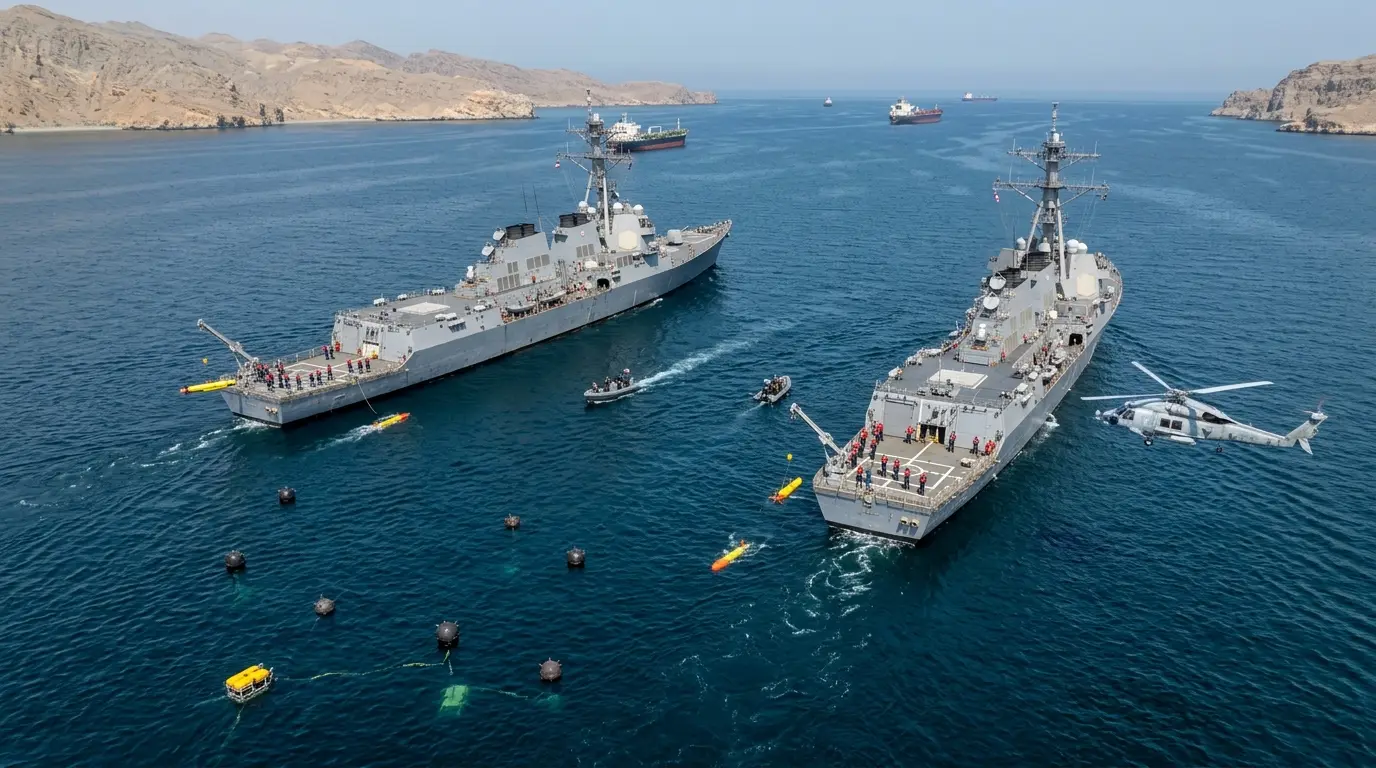
Admiral Brad Cooper confirmed that these meticulously coordinated robotic sweeps will establish a secure, verified navigational pathway. CENTCOM plans to share these exact coordinates with the maritime industry to immediately encourage the free flow of global trade.
)
)
)
)
)