'Io and Europa overlap': Jupiter’s rare moon transit today on October 4

October 4 marks a moment when two of Jupiter’s moons cross the planet’s face together, their shadows moving slowly across its clouds. This event shows how the moons orbit in close paths, revealing a step-by-step pattern of movement across the giant planet.
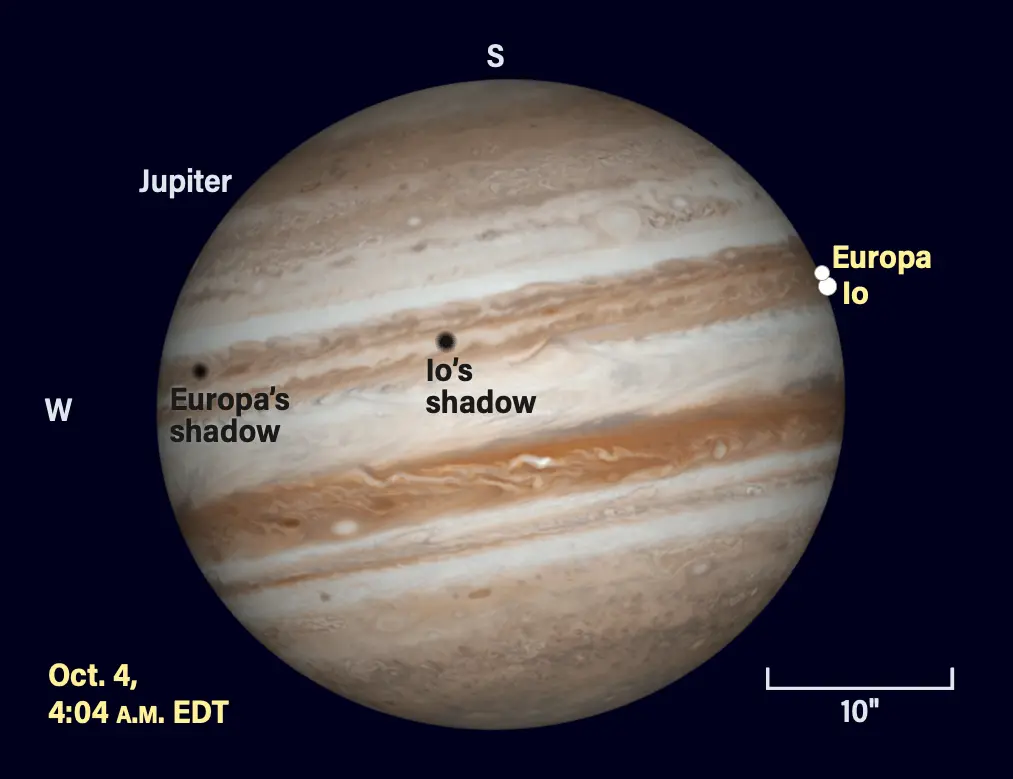
A Rare Event: Io and Europa Overlap
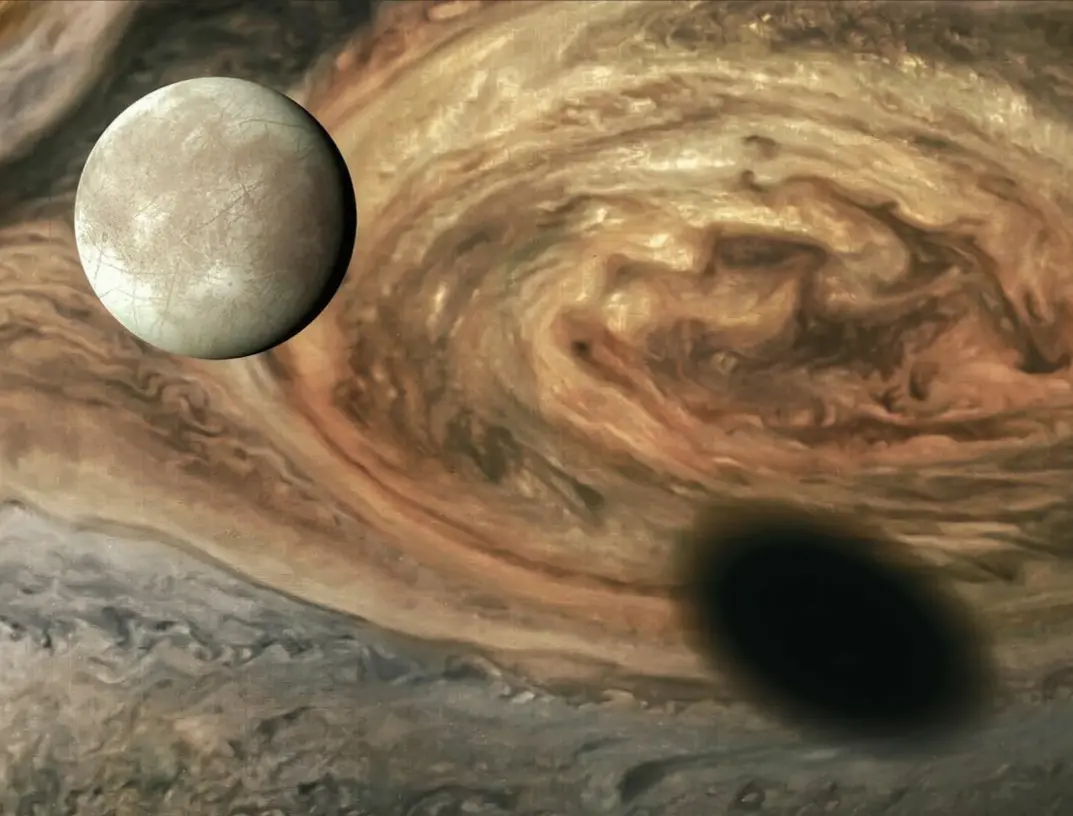
Io and Europa began crossing Jupiter’s face early this morning. Io, the faster moon, moved onto Jupiter first and is now well into its transit. Europa followed closely behind, overlapping Io as they passed. Both moons cast shadows on Jupiter’s cloud tops. This rare overlap gives observers a fantastic show of their orbits in action.
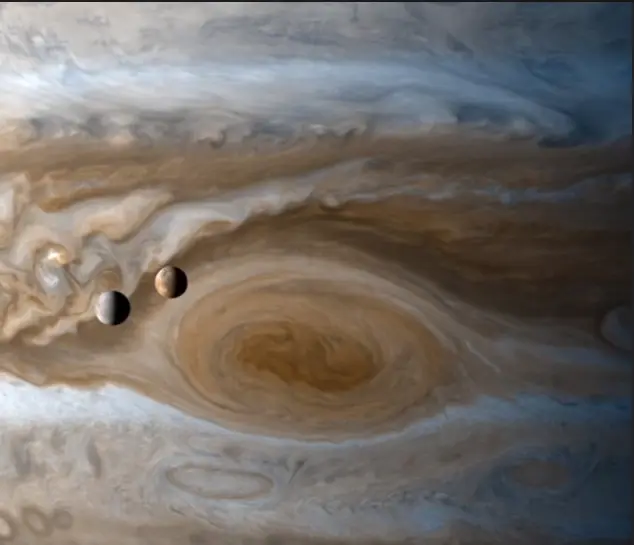
Jupiter’s Bright Rise and Moving Shadows
Jupiter rose high in the eastern sky before dawn near the stars Castor and Pollux. The shadows of Io and Europa started crossing Jupiter’s disk well before 4 a.m. Io’s shadow moved steadily toward the western edge, nearly finishing its journey. Europa’s shadow traced a slower path and lingers near the western limb.
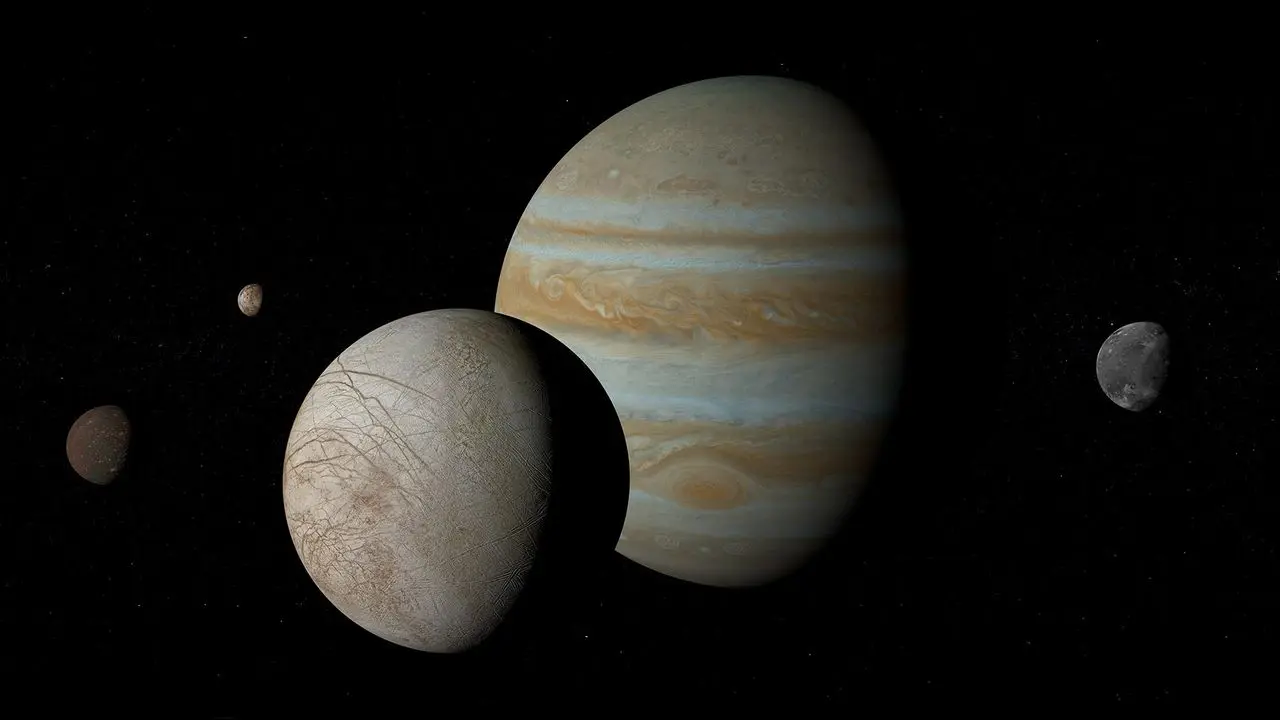
The Shadow Dance Progresses
Io’s shadow has almost completed its transit across Jupiter’s disk and is about to disappear over the edge. Europa’s shadow is still visible, moving steadily across the planet. The overlapping shadows showcase the moons’ orbital movement and their distances from Jupiter. Their shadows offer live insight into the complex gravitational system.
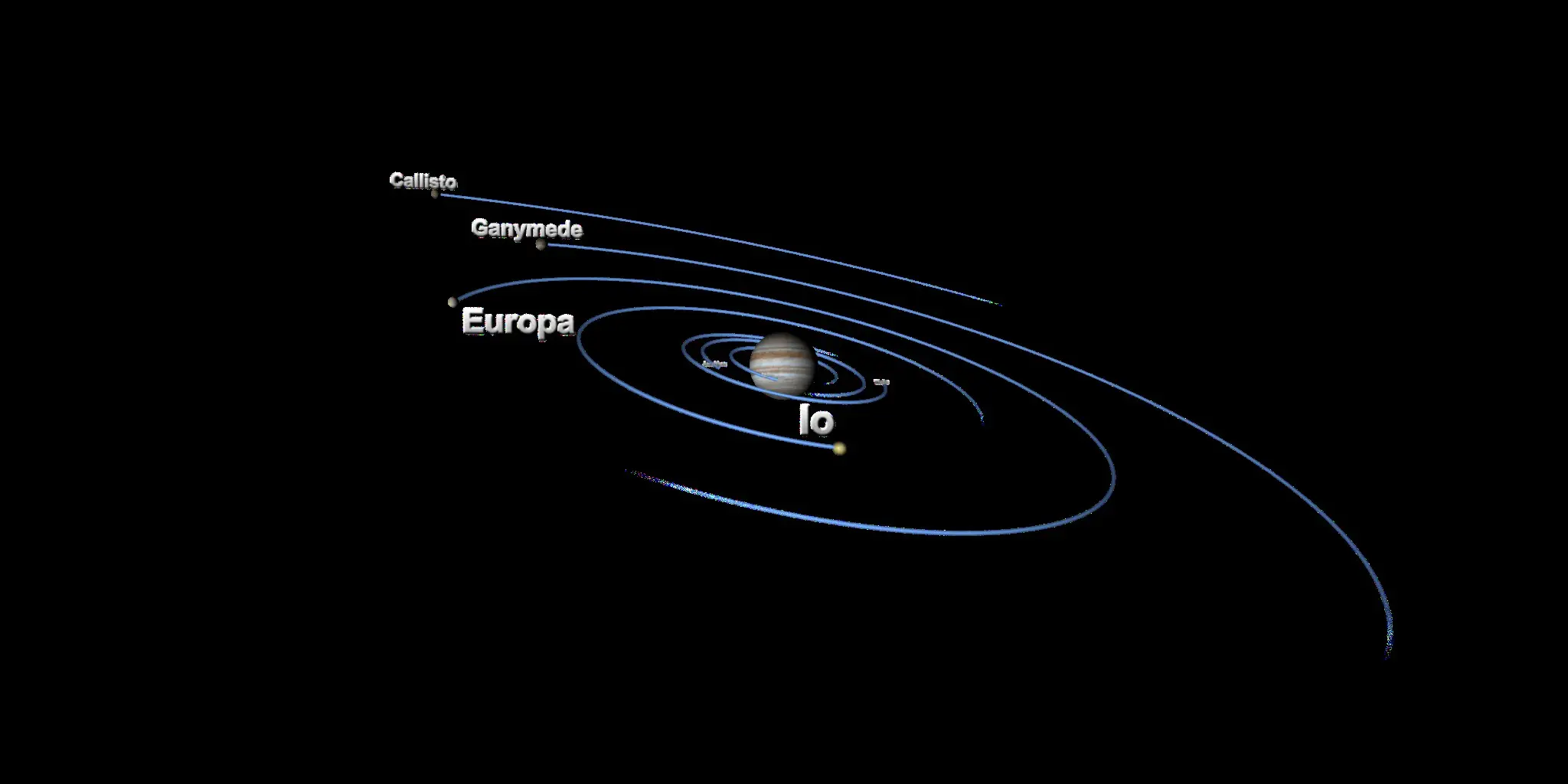
The Moons’ Orbital Paths
Io keeps moving faster since it orbits closer to Jupiter, completing its transit earlier today. Europa orbits farther away and moves more slowly, so its transit lasts longer. The two moons continue their intricate dance, shaped by Jupiter’s gravity and mutual resonance. Observing their paths reveals the dynamic nature of the Jovian system.
Other Galilean Moons in the Scene
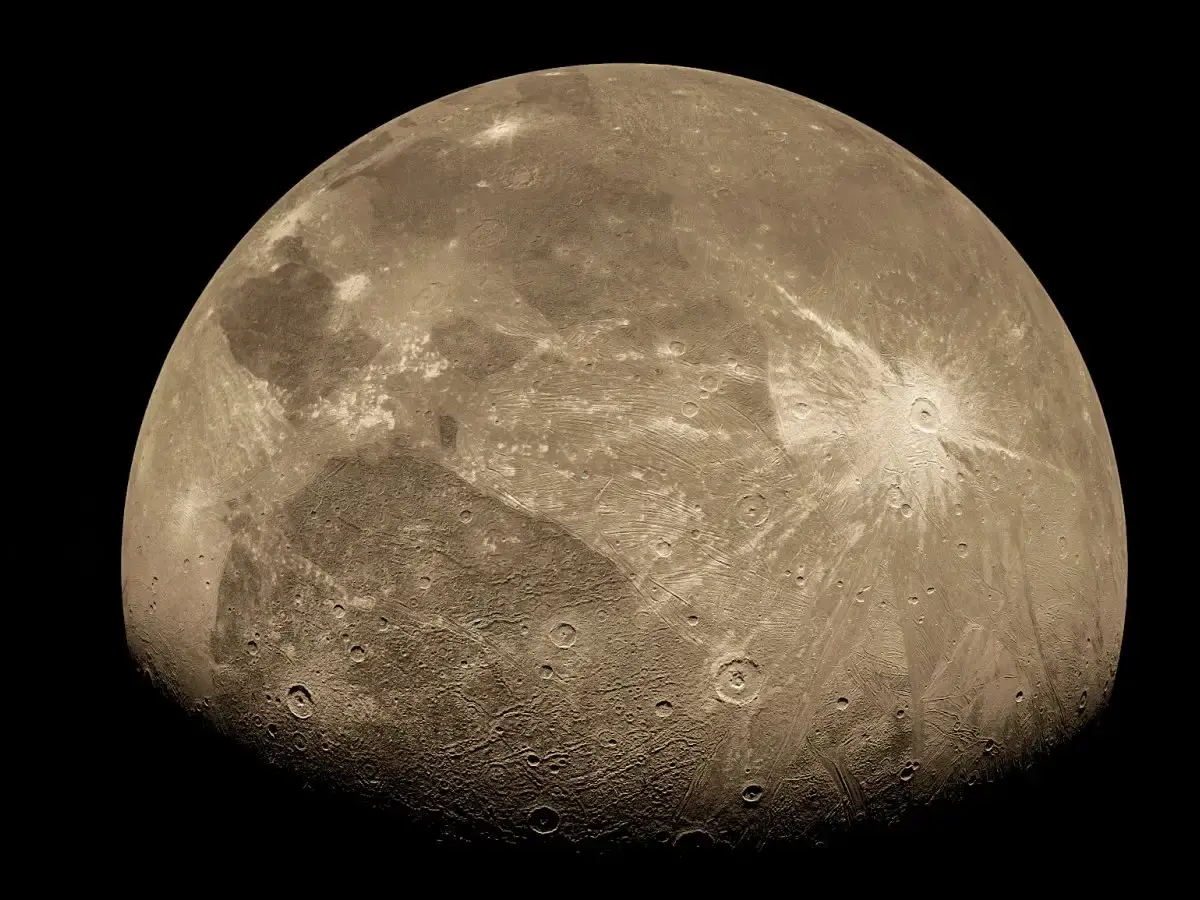
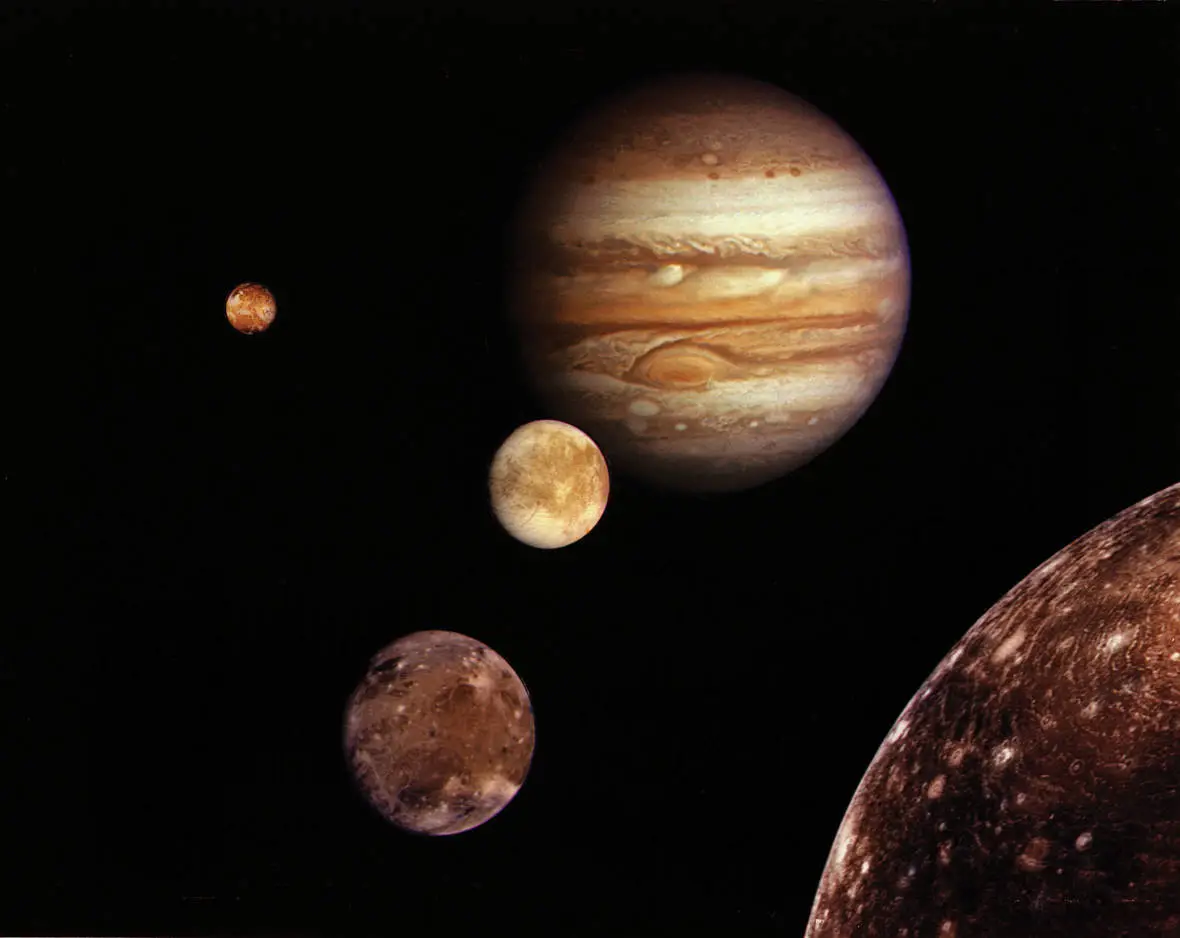
Ganymede, the largest Galilean moon, remains visible east of Jupiter after completing its transit earlier. Callisto is positioned west of Jupiter but is out of view from most telescopes during this event. These moons add to the rich and ever-changing cast of bodies orbiting the giant planet, providing ongoing interest for skywatchers.
How to Watch This Event
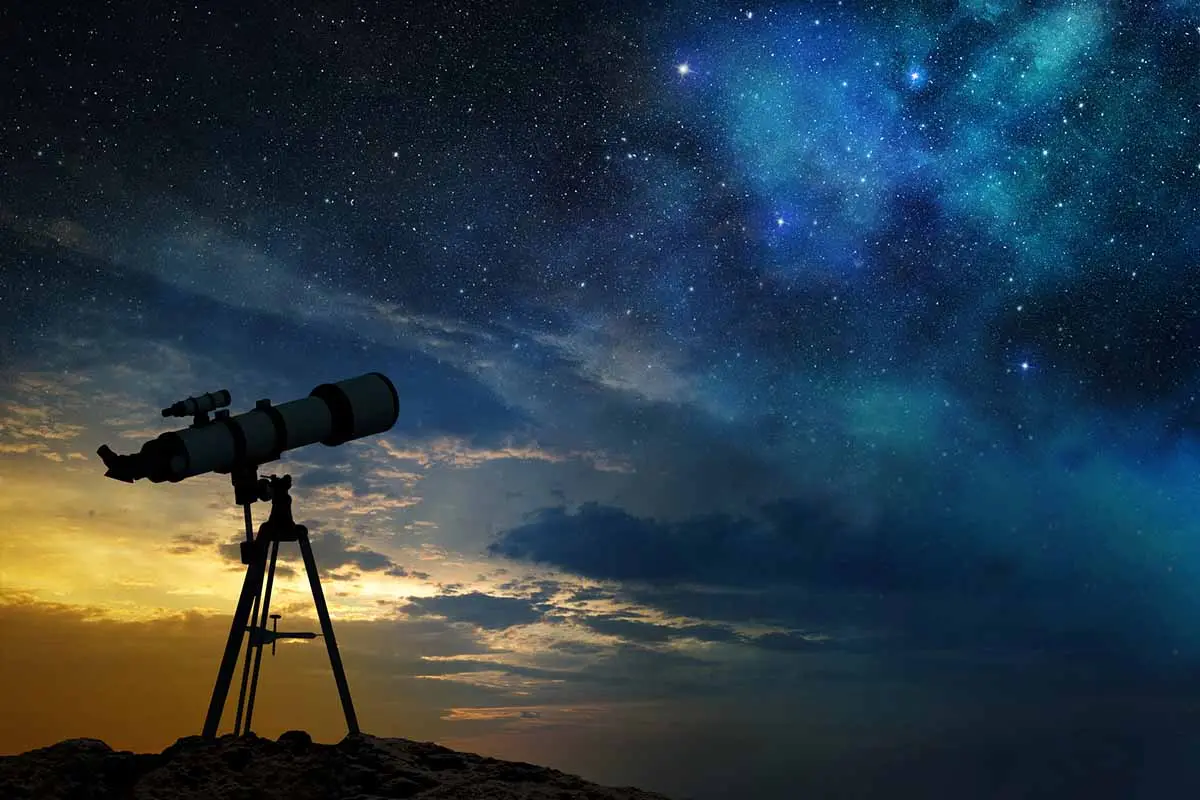
Observers use telescopes with magnifications around 50x to see the moons and about 100x to view their shadows clearly. The best views are during the early morning hours when Jupiter is high and skies are dark. Patience is important to watch the slow movement of shadows crossing Jupiter’s cloudscape.
Why This Event Is Special
This overlapping transit gives astronomers a chance to confirm moon orbits and observe celestial mechanics in real time. It highlights the precise gravitational balance that governs Jupiter’s moons. For stargazers, it is a rare opportunity to witness the dynamic, living nature of our solar system up close.
The Transit Nears Its End
Io’s shadow has almost disappeared beyond Jupiter’s edge, finishing its transit. Europa’s shadow still crosses the disk but will soon move off as well. The moons continue their orbital journey, promising more exciting transits later in the month. This event is a reminder of the constant motion and complexity of Jupiter’s system.
)
)
)
)
)