'From Tyler Robinson, Charlie Kirk to Nepal revolution': How Discord became Gen Z’s playground of chaos

The shocking murder of Charlie Kirk by Tyler Robinson and the ongoing Nepal revolution may seem unrelated but both highlight how Discord has evolved into a digital hub where Gen Z blurs activism, extremism, and community into chaotic new realities.Untitled Summary
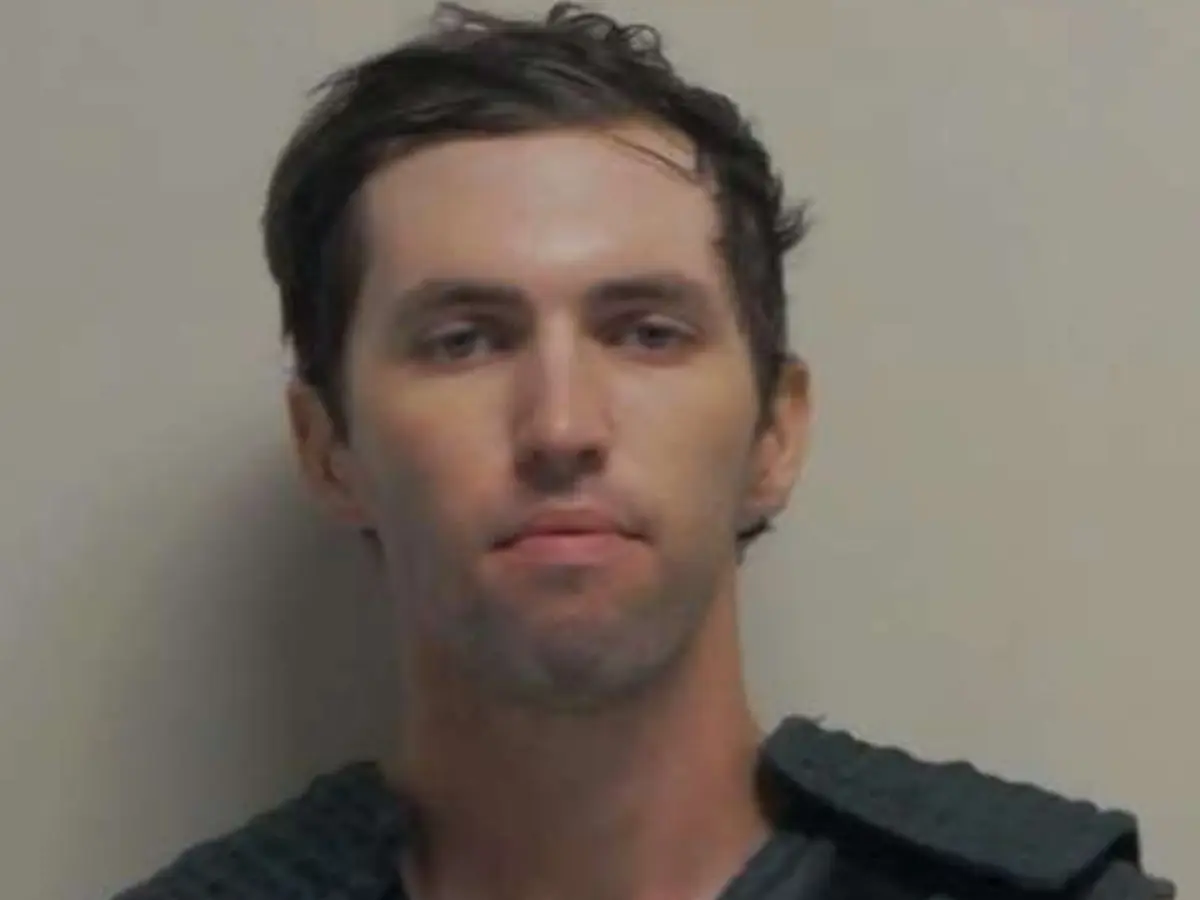
Tyler Robinson’s Digital Echo Chamber
Before killing Charlie Kirk, Tyler Robinson allegedly spent long hours in online spaces like Discord, where radical debates and ideological echo chambers can normalize extreme views. For Gen Z, these virtual rooms often feel more real than physical communities.
Discord as a Political Warzone
Originally built for gamers, Discord is now a hub for politics, activism, and movements. From far-right groups to leftist collectives, young users turn servers into strategy boards, shaping opinions, protests, and sometimes violent actions.
Originally built for gamers, Discord is now a hub for politics, activism, and movements. From far-right groups to leftis
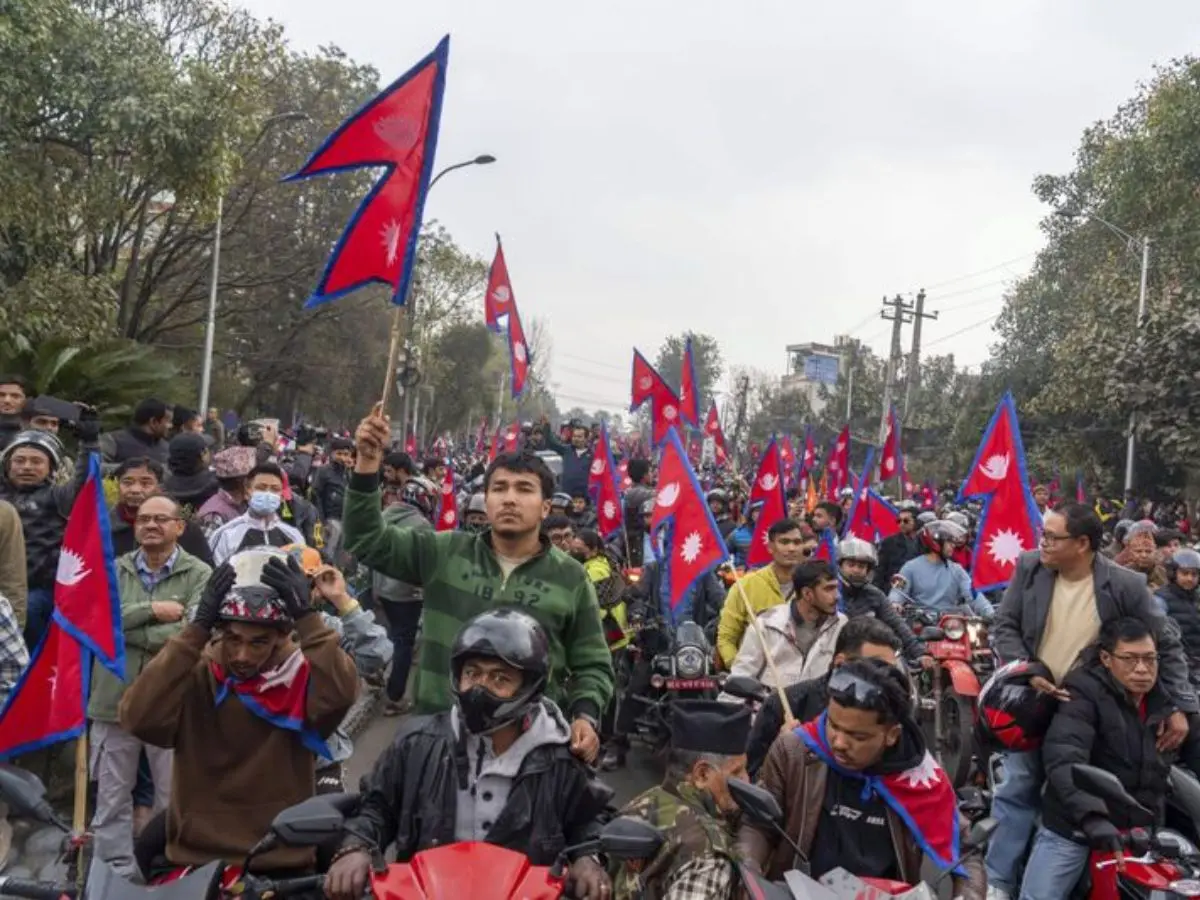
In Nepal, student groups and activists have used Discord servers to organize rallies, share propaganda, and coordinate resistance. What began as chatrooms quickly morphed into digital war councils fueling real-world uprisings.
Gen Z’s Blurred Line Between POV and Reality
For Gen Z, memes, discussions, and heated takes on Discord often become indistinguishable from reality. Tyler Robinson’s actions show how an online “point of view” can spiral into real-life consequences with global repercussions.

Unmoderated Spaces = Unpredictable Chaos
Unlike mainstream platforms, Discord servers offer little oversight. Private groups foster conspiracy theories, extremist ideologies, and violent fantasies that can embolden vulnerable individuals—making chaos inevitable.
From Community to Cults
The same intimacy that makes Discord communities strong also allows them to become cult-like. Leaders and influencers can manipulate narratives, brainwash followers, and radicalise them, sometimes to deadly effect.

The Bigger Picture: Discord as Gen Z’s Digital Battleground
The murder of Charlie Kirk and Nepal’s uprising show two sides of the same coin, how Discord empowers young people to challenge authority but also risks becoming a breeding ground for extremism. It’s not just an app anymore; it’s a stage for Gen Z’s war with the world.
)
)
)
)
)