'Fighter jets, missiles, warships': Which weapons will define future wars? Inside the most in-demand systems of next decade

Data on high-value systems such as combat aircraft and major warships suggests that the United States will remain “by far the largest supplier of major arms beyond 2025”, with other suppliers trailing at varying distances.
Future orders signal long-term trends
The United States continues to dominate the global arms market, accounting for 42 per cent of exports, “more than the next seven largest suppliers combined”. Findings suggest that future demand for advanced weapons systems will remain closely tied to alliance structures, regional tensions and sustained rearmament efforts across Europe and beyond. SIPRI notes that while predicting future arms transfers is difficult, existing orders and ongoing negotiations provide a clear indication of emerging trends. Data on high-value systems such as combat aircraft and major warships suggests that the United States will remain “by far the largest supplier of major arms beyond 2025”, with other suppliers trailing at varying distances.
Combat aircraft dominate global demand
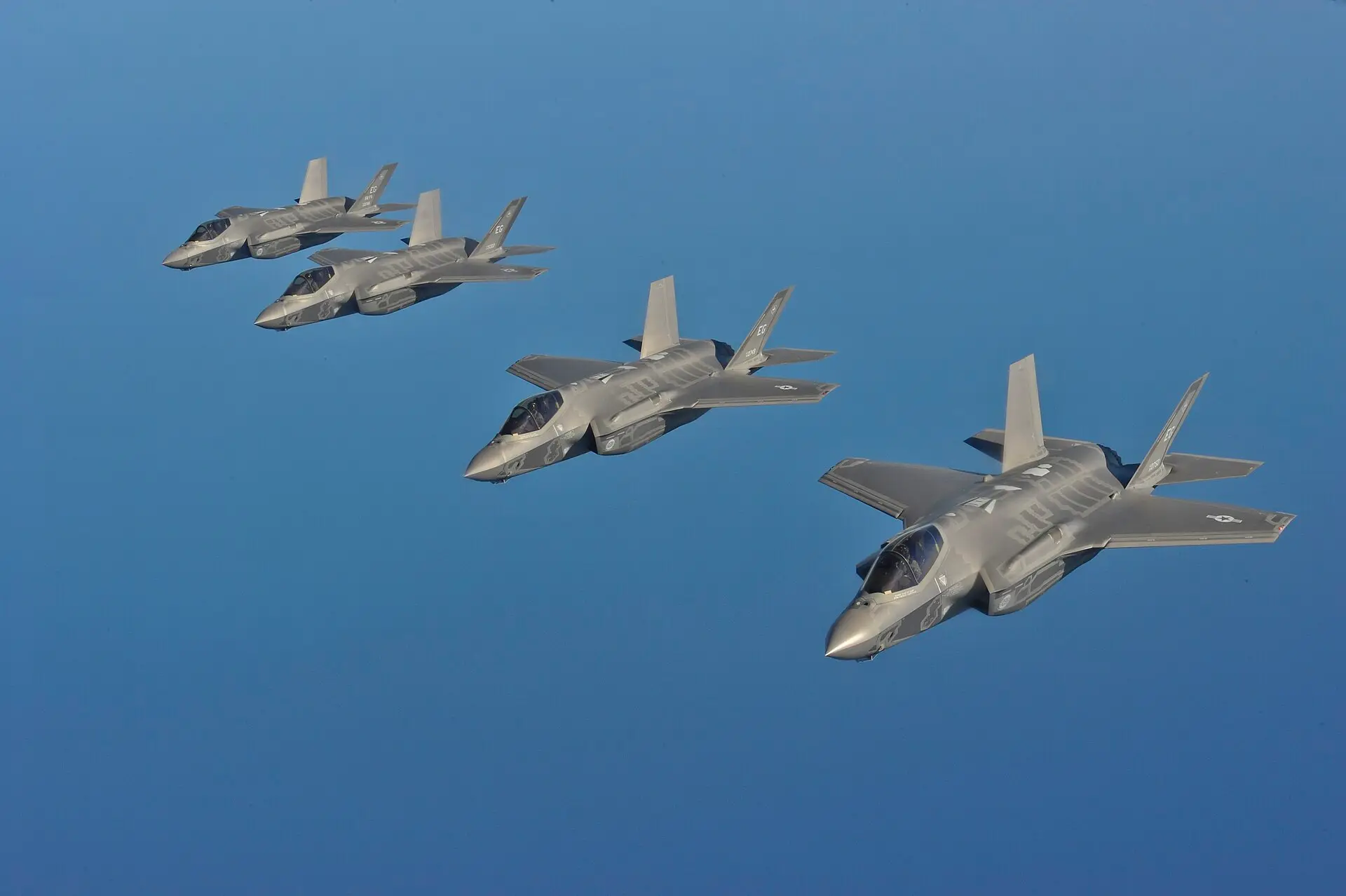
Combat aircraft remain the most significant category in future orders. The United States leads overwhelmingly with 936 aircraft on order or preselected for export. France follows with over 180, while China (90), South Korea (88) and Italy (69) also show notable volumes. These figures underline sustained global demand for advanced air combat capabilities.
Combat helicopters and tactical mobility
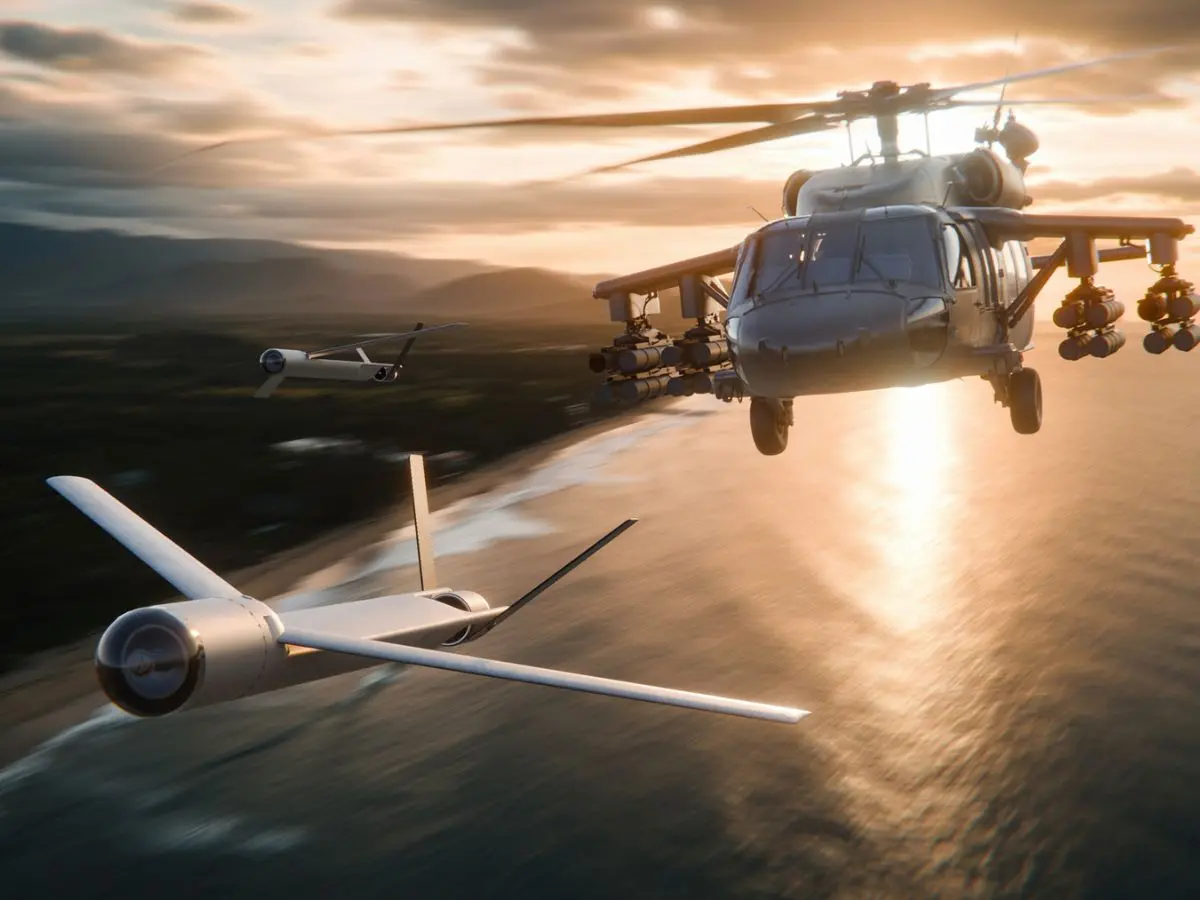
In the combat helicopter segment, the United States again leads with 254 units, far ahead of China (29) and Italy (12). Russia and France report minimal pending orders, indicating a more limited role for this category compared to fixed-wing aircraft.
Major warships and maritime strategy
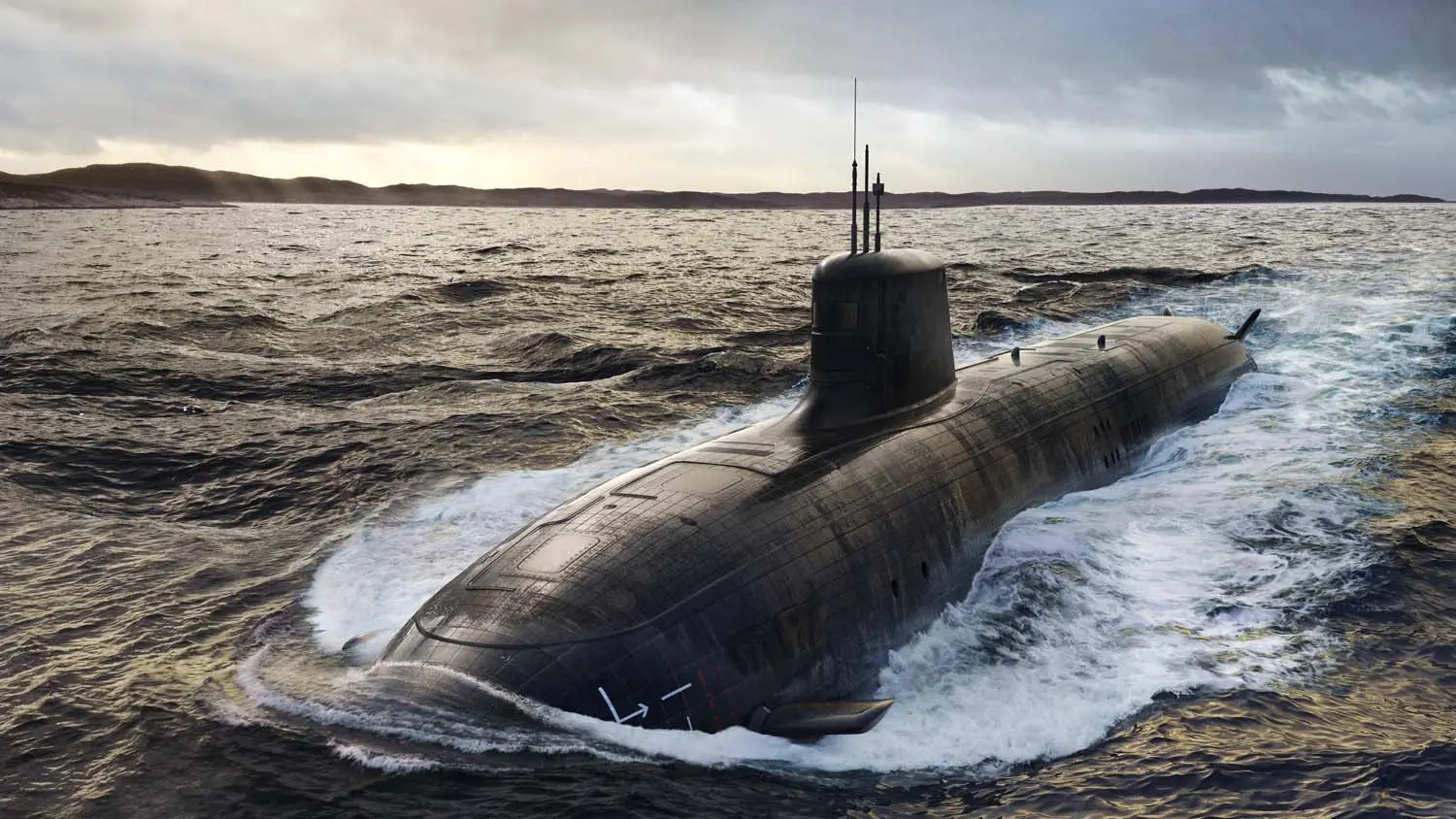
Naval systems, including submarines and surface vessels, remain a key area of procurement, these platforms remain central to strategic planning. Germany leads in this category with 34 major warships on order, alongside the United Kingdom with over 34. France (16) and China (11) also maintain significant pipelines, reflecting continued investment in maritime security and power projection.
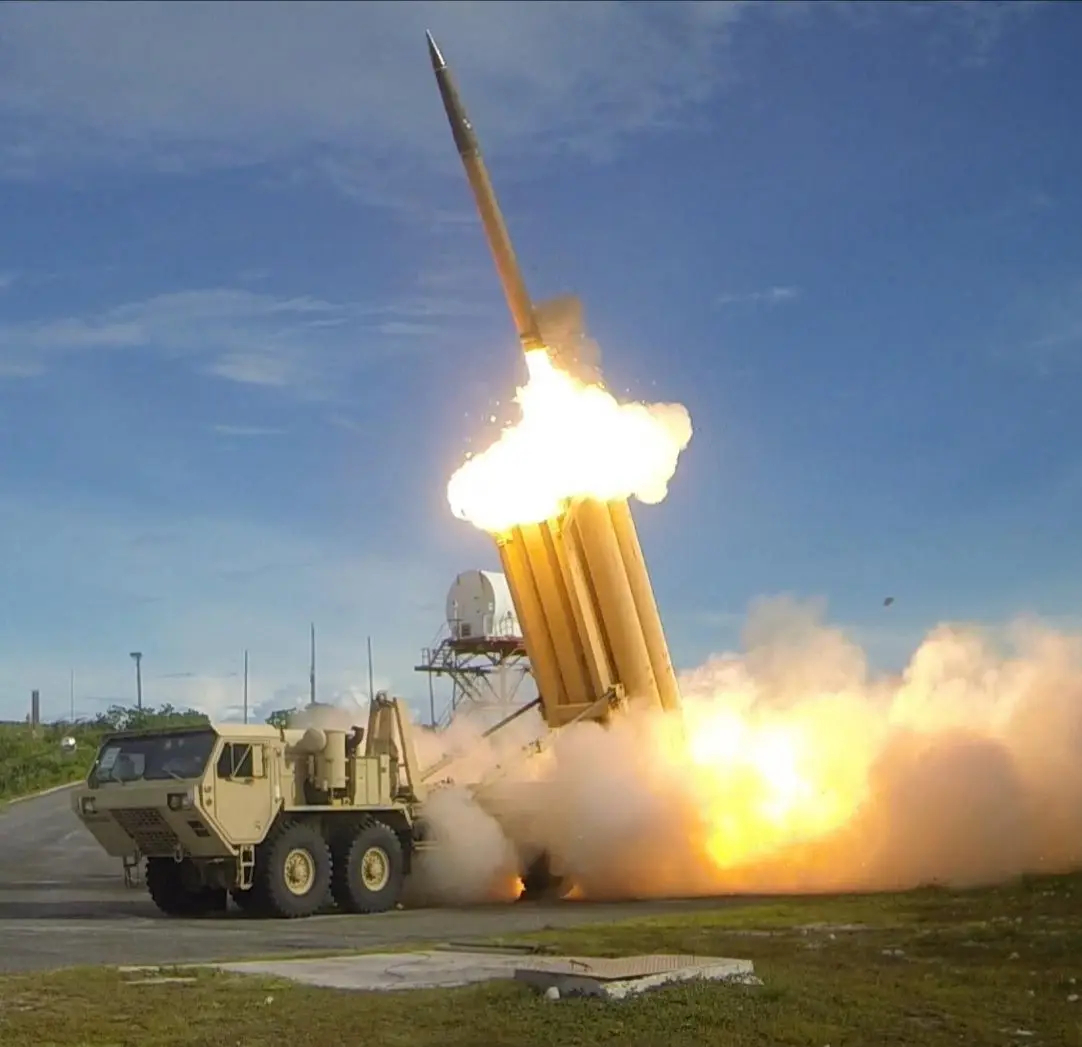
Air defence systems gain traction
The growing threat from missiles and aerial attacks has increased demand for air defence systems. Countries across Europe and the Middle East are investing in surface-to-air missile systems and layered defence networks to “protect themselves better” in an increasingly volatile security environment, according to SIPRI. SAM systems show strong demand - Germany (66+), Israel (78+) and the United States (55+) hold substantial orders.
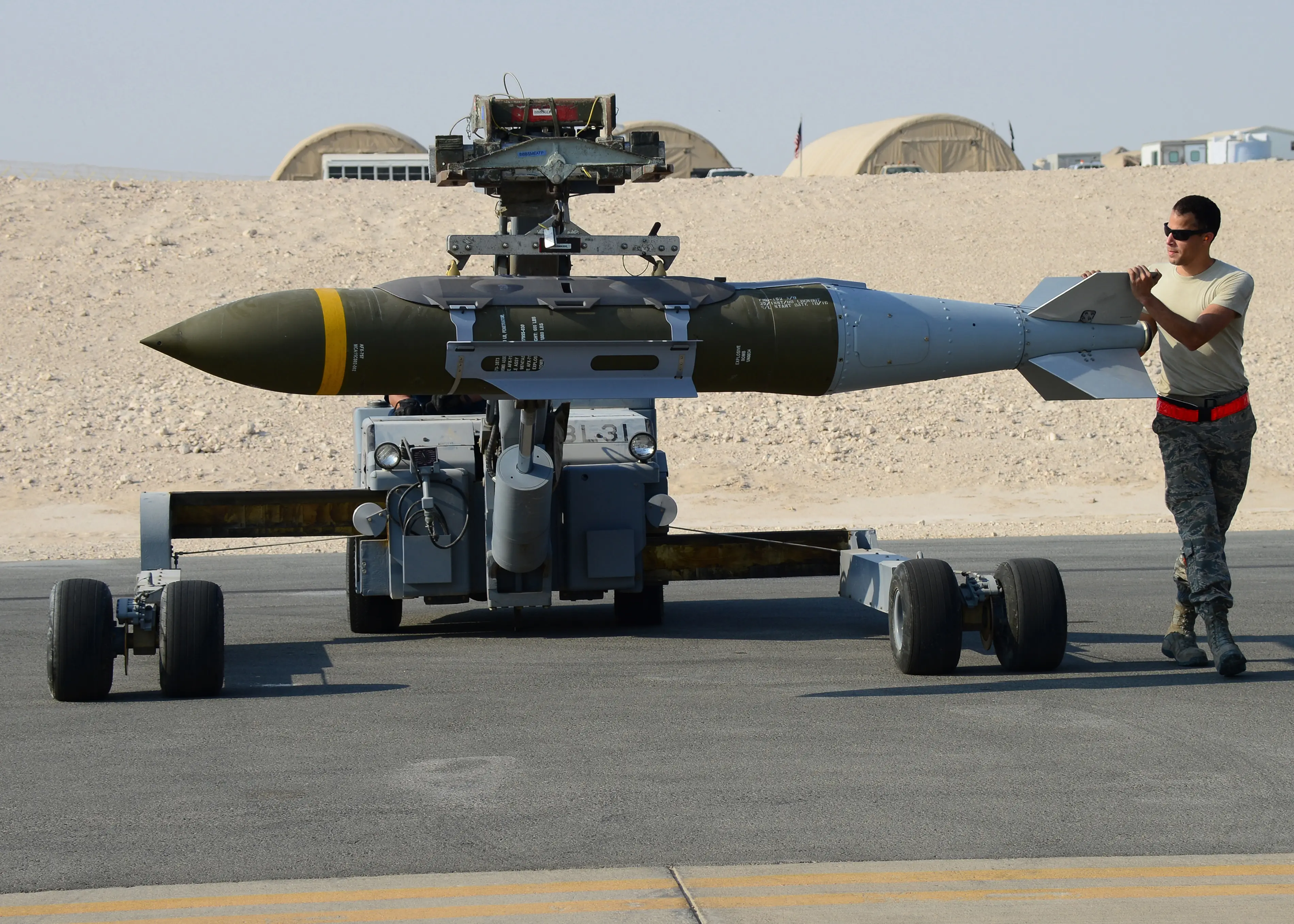
Precision weapons and military aid reshape supply
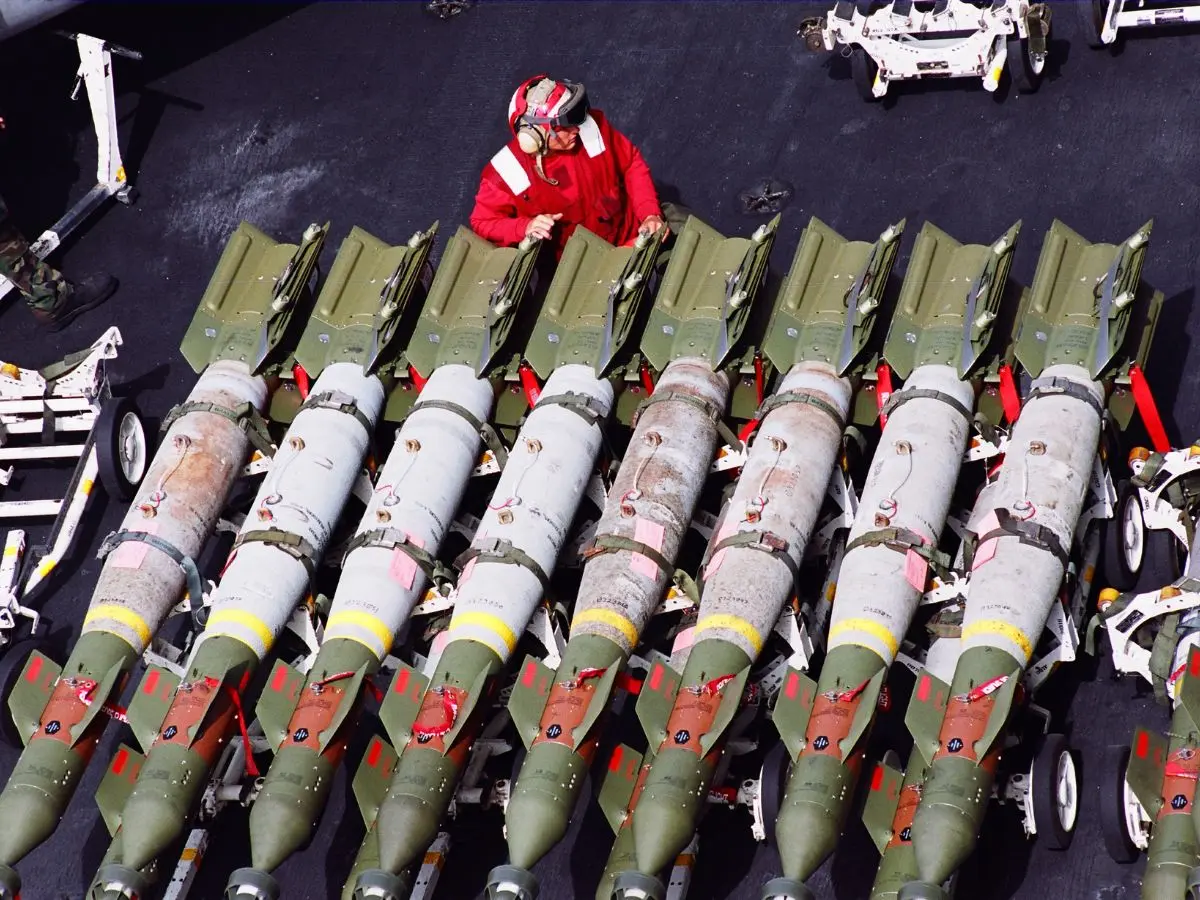
Modern conflicts are accelerating the use of precision-guided munitions and long-range strike systems. Large-scale military assistance, particularly to Ukraine, highlights the operational importance of such weapons in contemporary warfare and underscores their role in shaping future demand patterns.
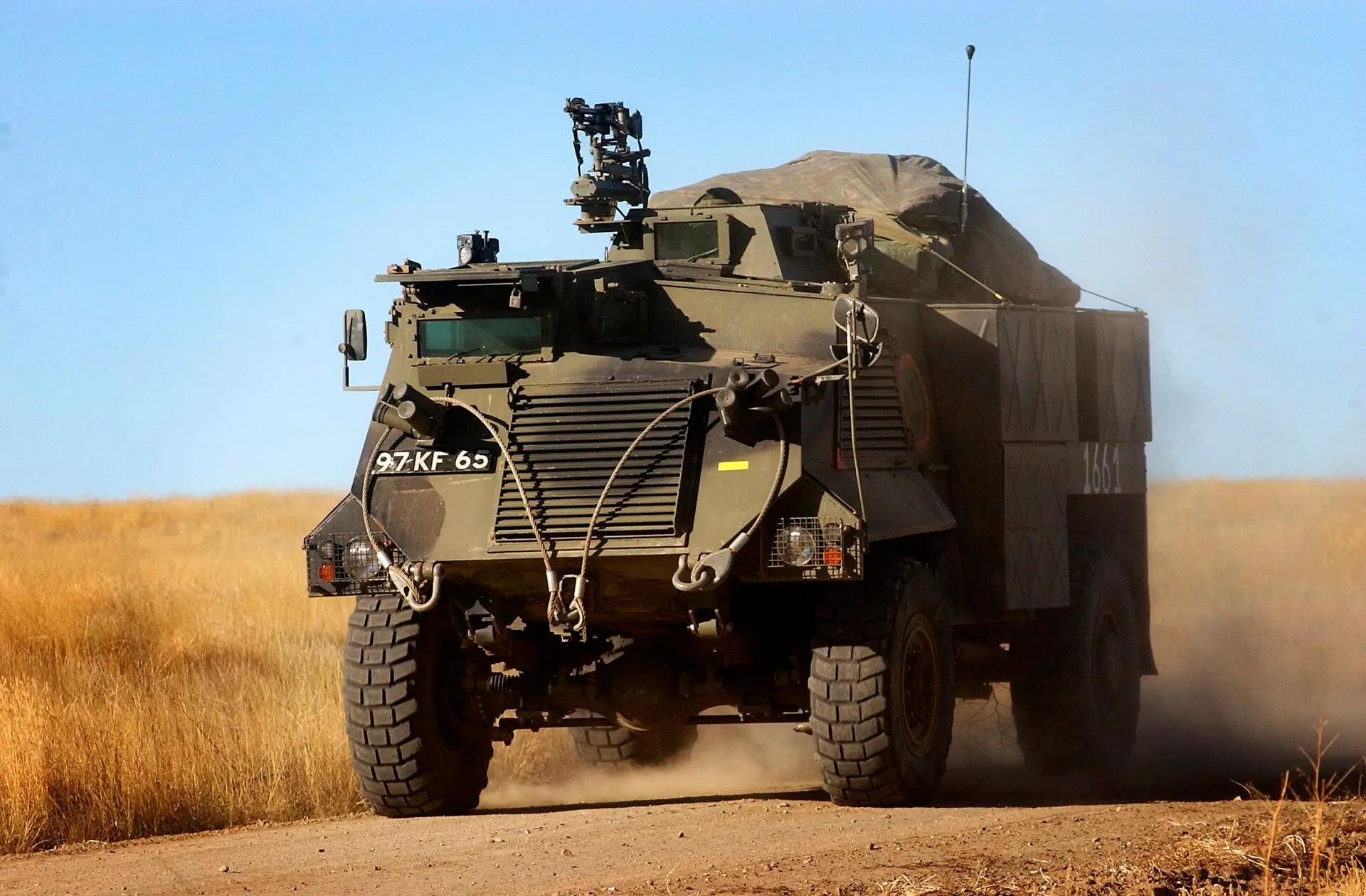
Tanks and armoured vehicles remain critical
Despite the rise of advanced technologies, traditional heavy systems continue to feature prominently. Recent transfers include hundreds of tanks and armoured platforms, indicating that land-based capabilities remain critical for both conventional warfare and territorial defence strategies. South Korea leads with 820 tanks and fire-support vehicles on order, followed by China (440) and Germany (422+). In other armoured vehicles, Italy (1,857) and the United States (1,415+) dominate, highlighting sustained demand for ground-based mobility and protection.
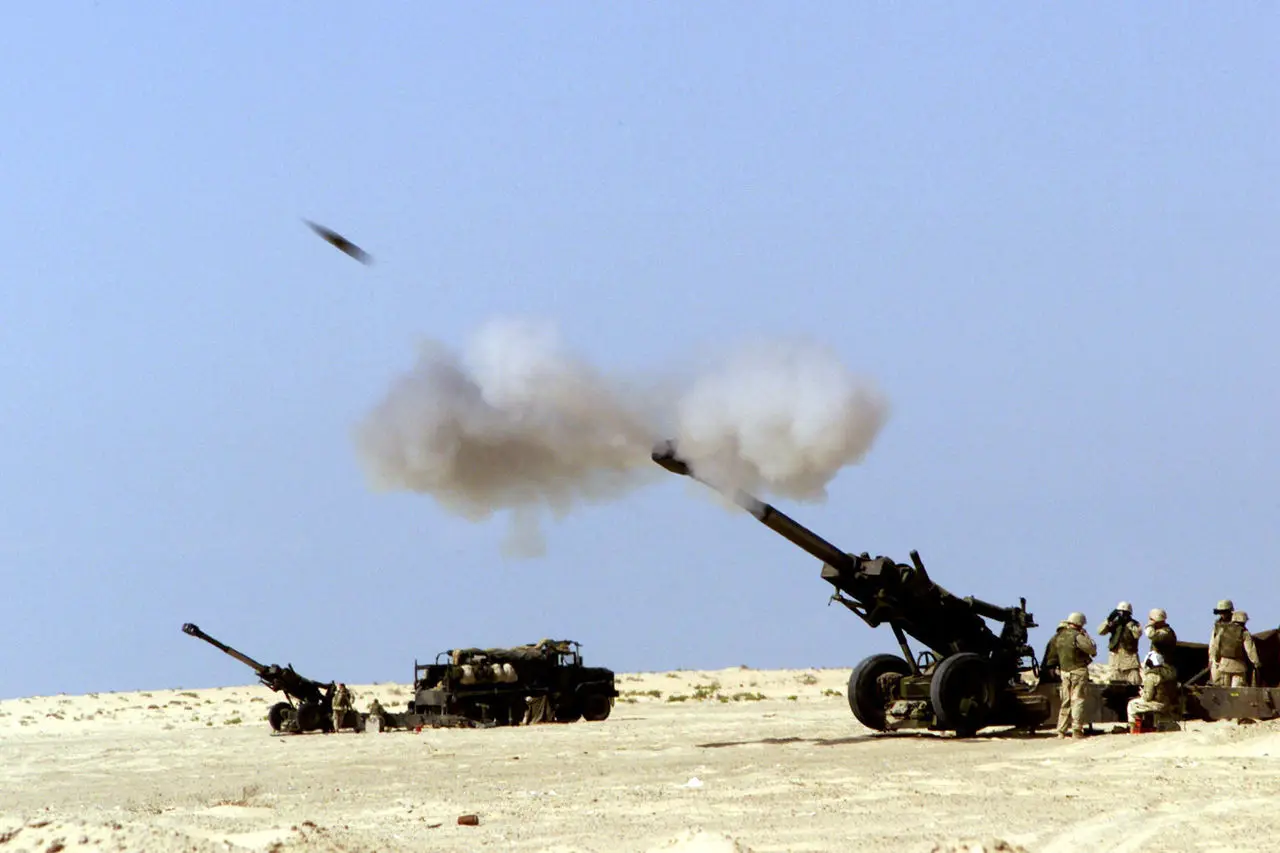
Artillery and battlefield support systems
Artillery systems also show robust demand, with South Korea leading at 1,114 units, followed by the United States (803+) and France (341+). SIPRI data indicates that despite technological advances, conventional firepower remains a cornerstone of military capability in future procurement plans.
)
)
)
)
)