'Costlier than a Country': Why USS Abraham Lincoln’s total value exceeds the GDP of small nations?

The USS Abraham Lincoln is a nuclear-powered aircraft carrier with a total value exceeding $12 billion (over Rs 1 lakh crore). This single US Navy ship is worth more than the entire GDP of nations like the Maldives, Fiji, and Bhutan, making it a true floating economy.
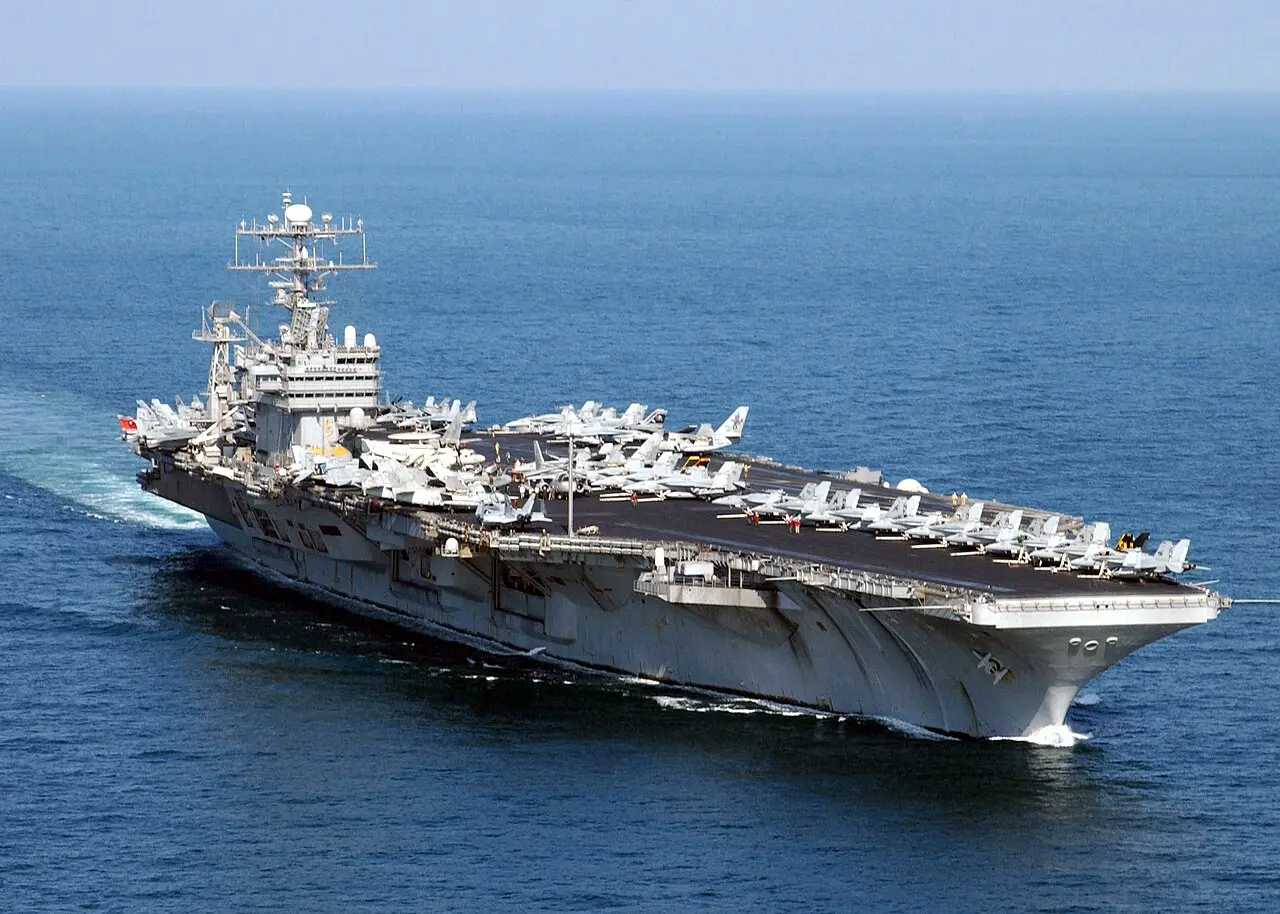
A Floating Giant
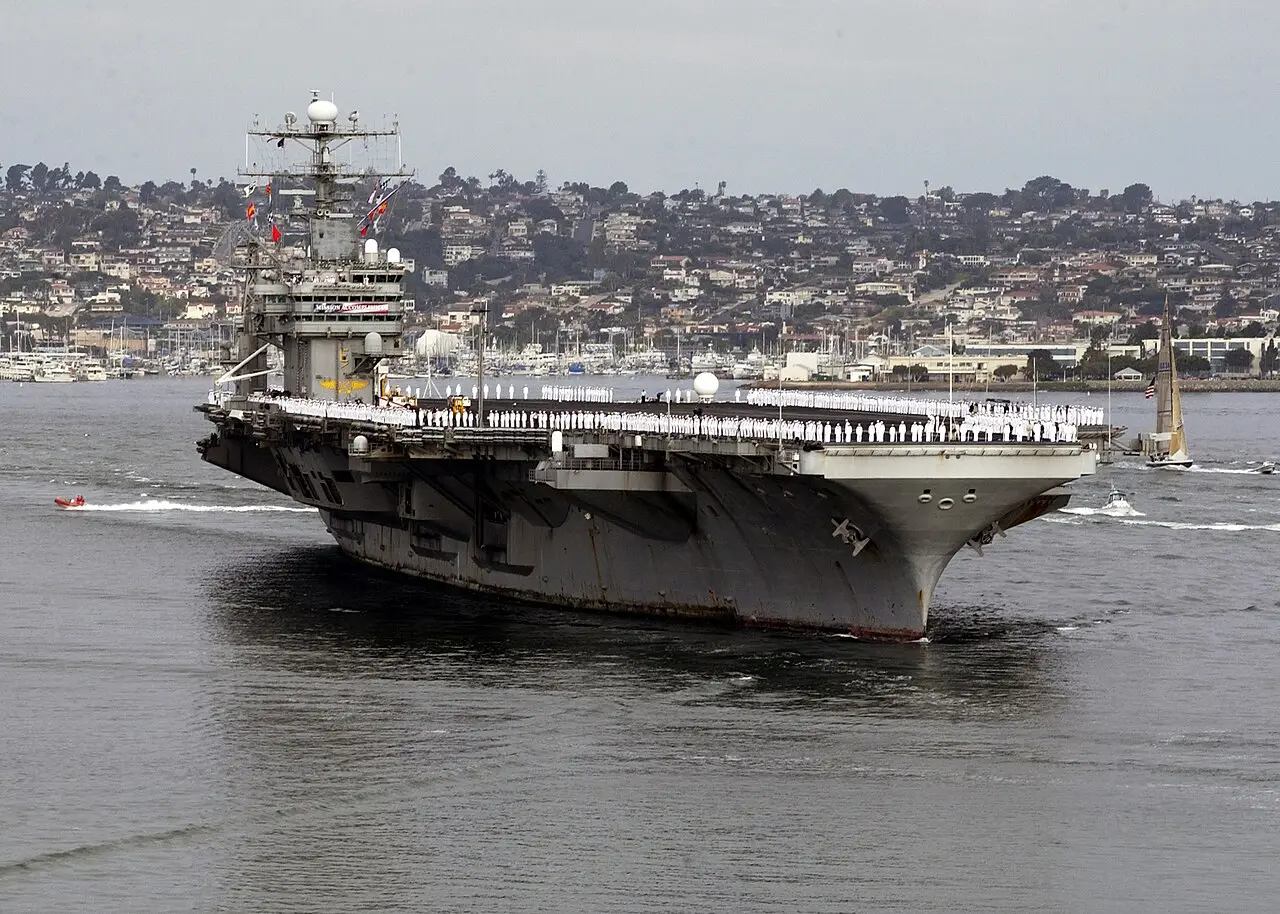
The USS Abraham Lincoln (CVN-72) is a Nimitz-class aircraft carrier, one of the largest warships ever built. It stretches over 330 metres in length and displaces about 100,000 tonnes, serving as a sovereign US territory at sea.
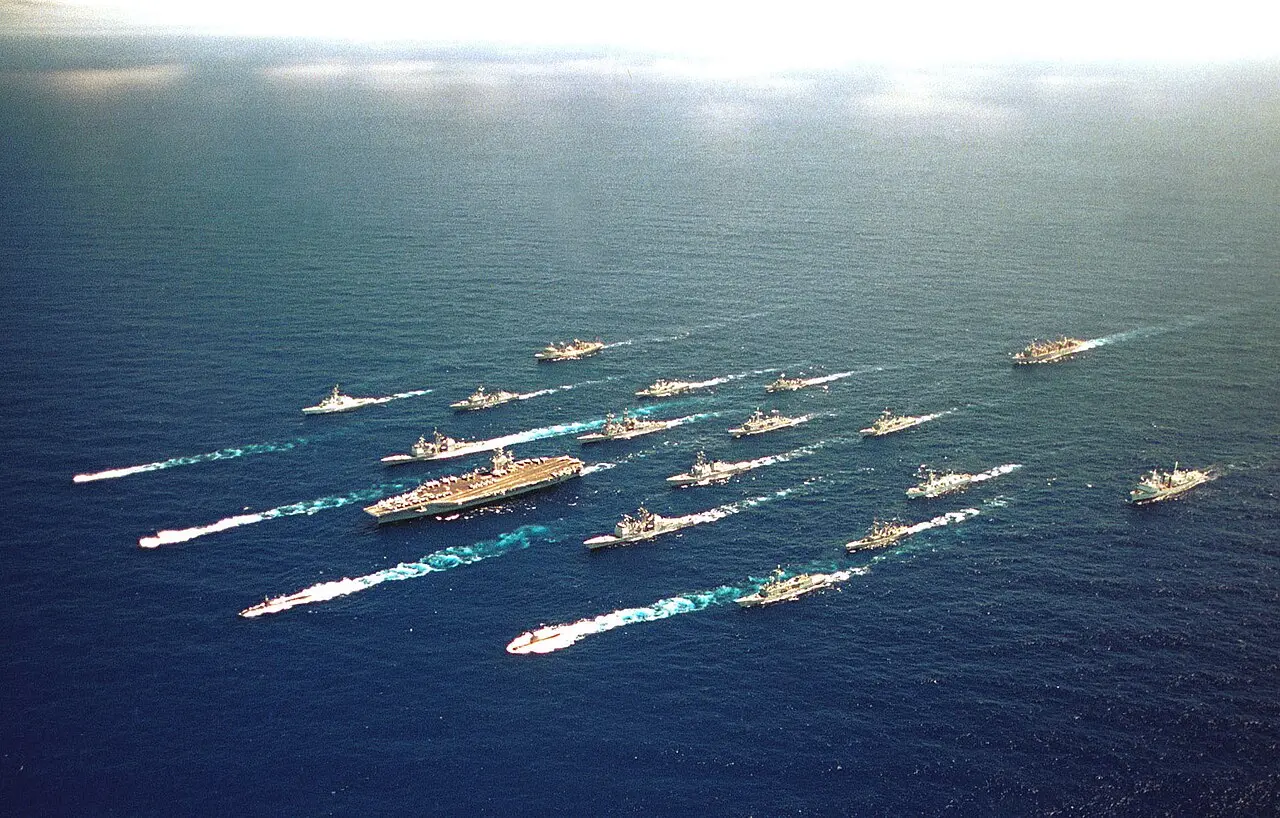
The Construction Bill
Building this steel behemoth cost approximately $4.5 billion in the late 1980s. Adjusted for inflation today, the hull alone represents an infrastructure investment of over $11 billion (approx Rs 92,000 crore).
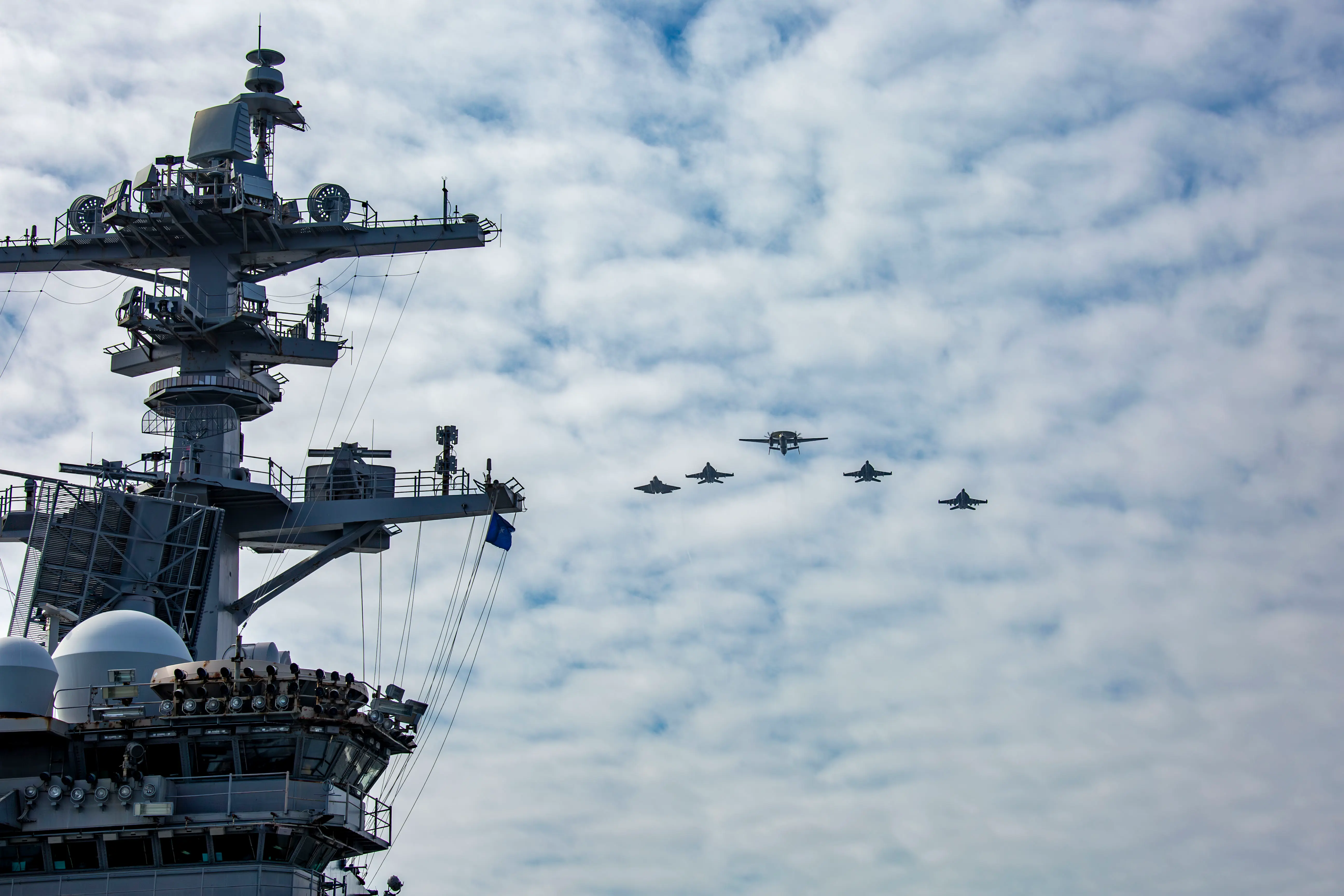
Deadly Air Wing
The real cost lies on the flight deck, which hosts advanced F-35C Lightning II stealth fighters and Super Hornets. This air wing alone adds another $5 billion to the ship’s total value, making it an incredibly expensive asset.
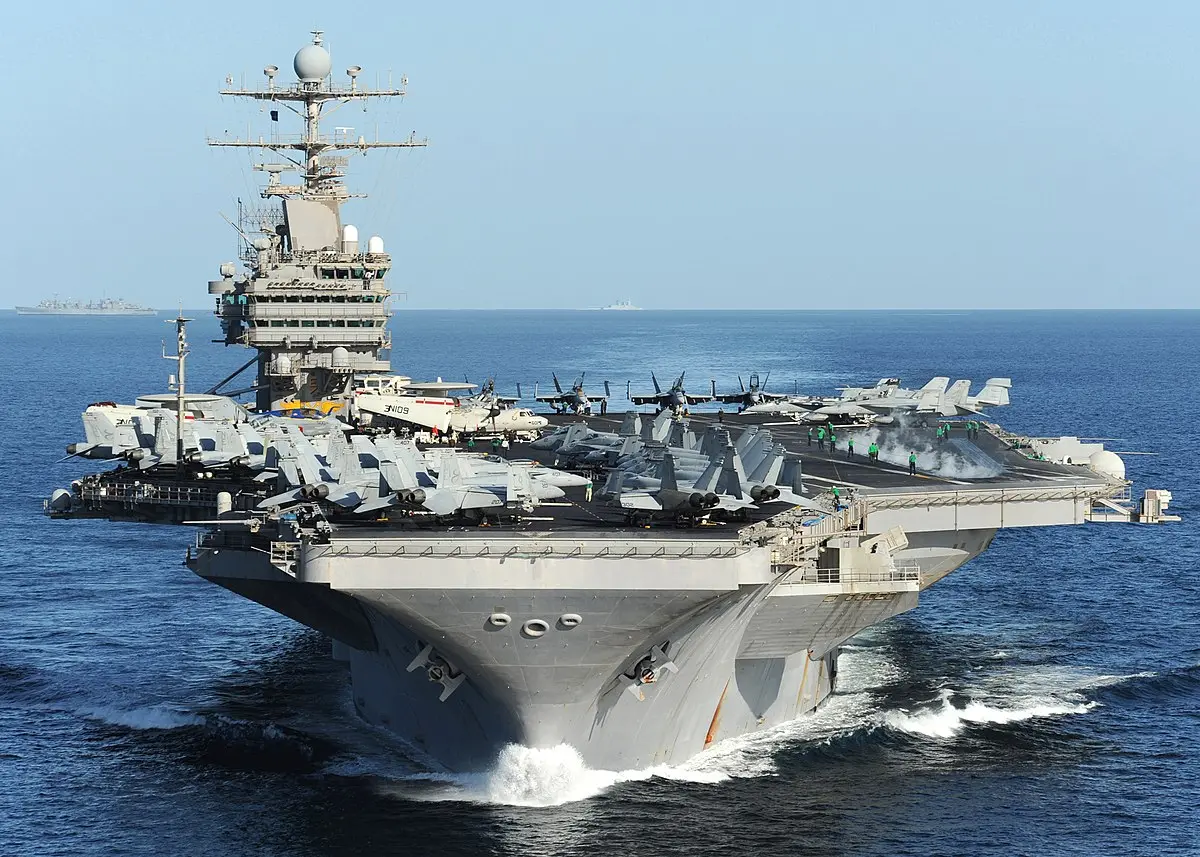
Total Asset Value
When you combine the ship’s updated value with its aircraft, the total floats between $12 billion and $16 billion. In Indian currency, this single naval strike group asset is worth well over Rs 1 lakh crore.
Richer than Maldives
The total estimated value of the USS Abraham Lincoln exceeds the entire GDP of the Maldives. The island nation’s economy stands at approximately $7.5 billion, far less than this single American ship.
Exceeds Fiji’s Economy
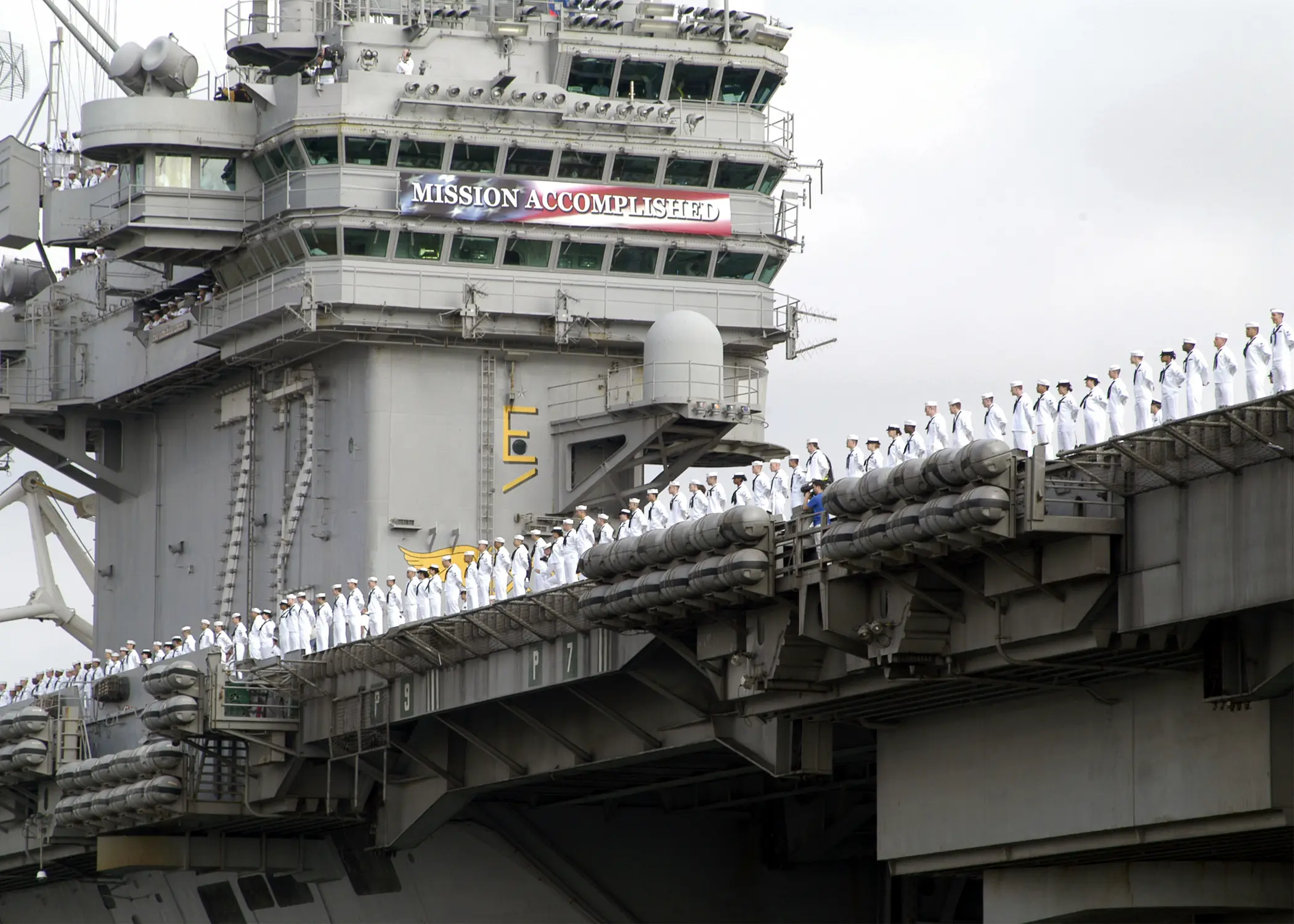
The warship’s value also surpasses the economic output of Fiji, which has a GDP of roughly $6.3 billion. The sheer concentration of wealth in this one vessel is higher than the annual earnings of the entire Pacific nation.
Five Times Bhutan's Economy
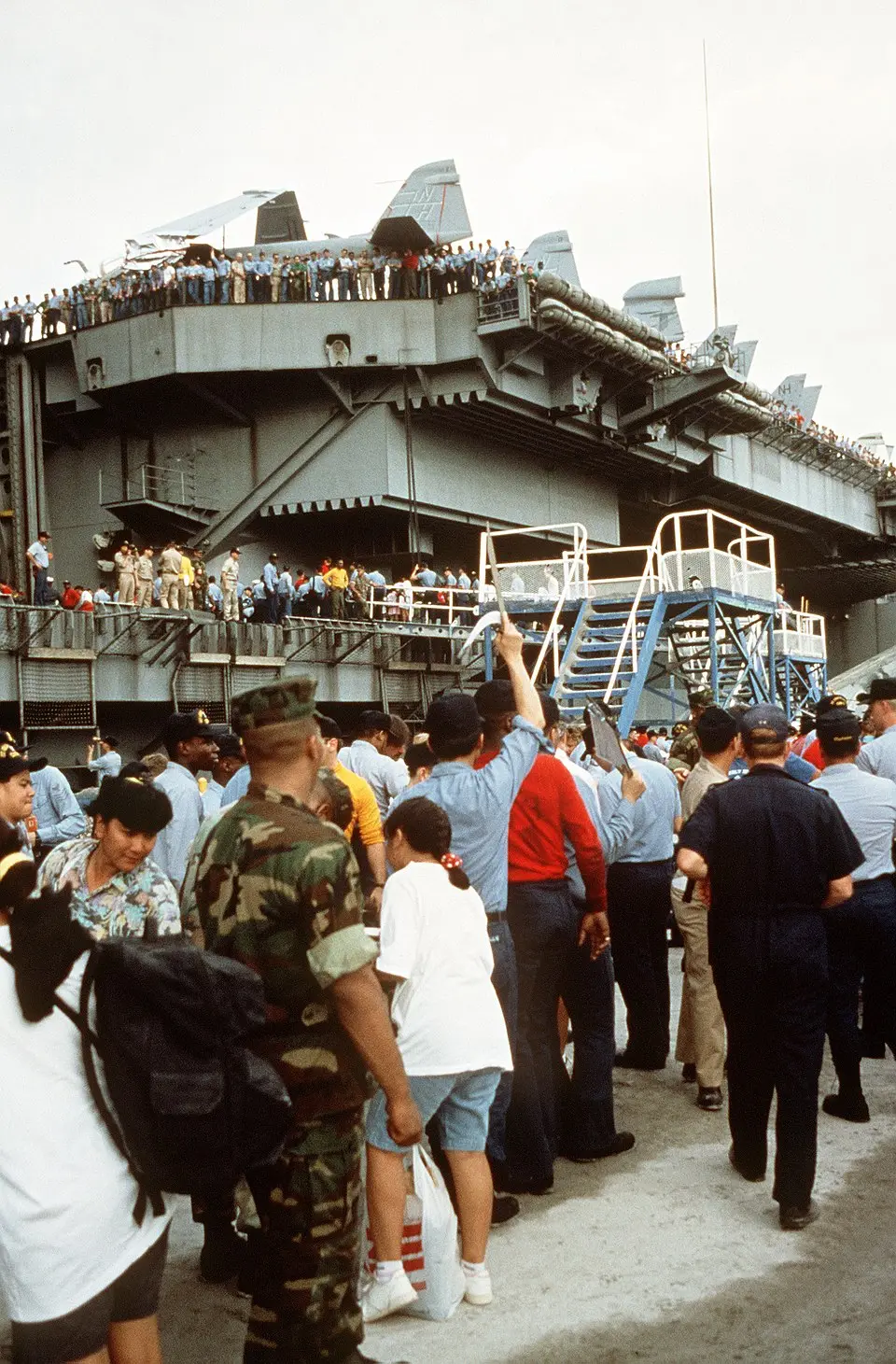
The carrier’s value is nearly five times the GDP of Bhutan, which is estimated at roughly $3.1 billion. A single US Navy asset holds more financial weight than five years of economic output from this entire Himalayan kingdom.

Rs 21 Crore Daily
Operating this giant is not cheap; it costs roughly $2.5 million per day. That means the US Navy spends approximately Rs 21 crore every single day just to keep this floating city running at sea.
Nuclear Heart
Two A4W nuclear reactors power the ship, allowing it to sail for 20 years without refuelling. This nuclear propulsion system is a massive engineering feat that contributes significantly to its astronomical price tag.

A Strategic Investment
While the costs are staggering, the US views the USS Abraham Lincoln as a priceless diplomatic tool. Its ability to project power anywhere in the world justifies a price tag that dwarfs the economies of many nations.
)
)
)
)
)