'Combat Radius': How far can the F-35C fly from the USS Abraham Lincoln without a tanker?

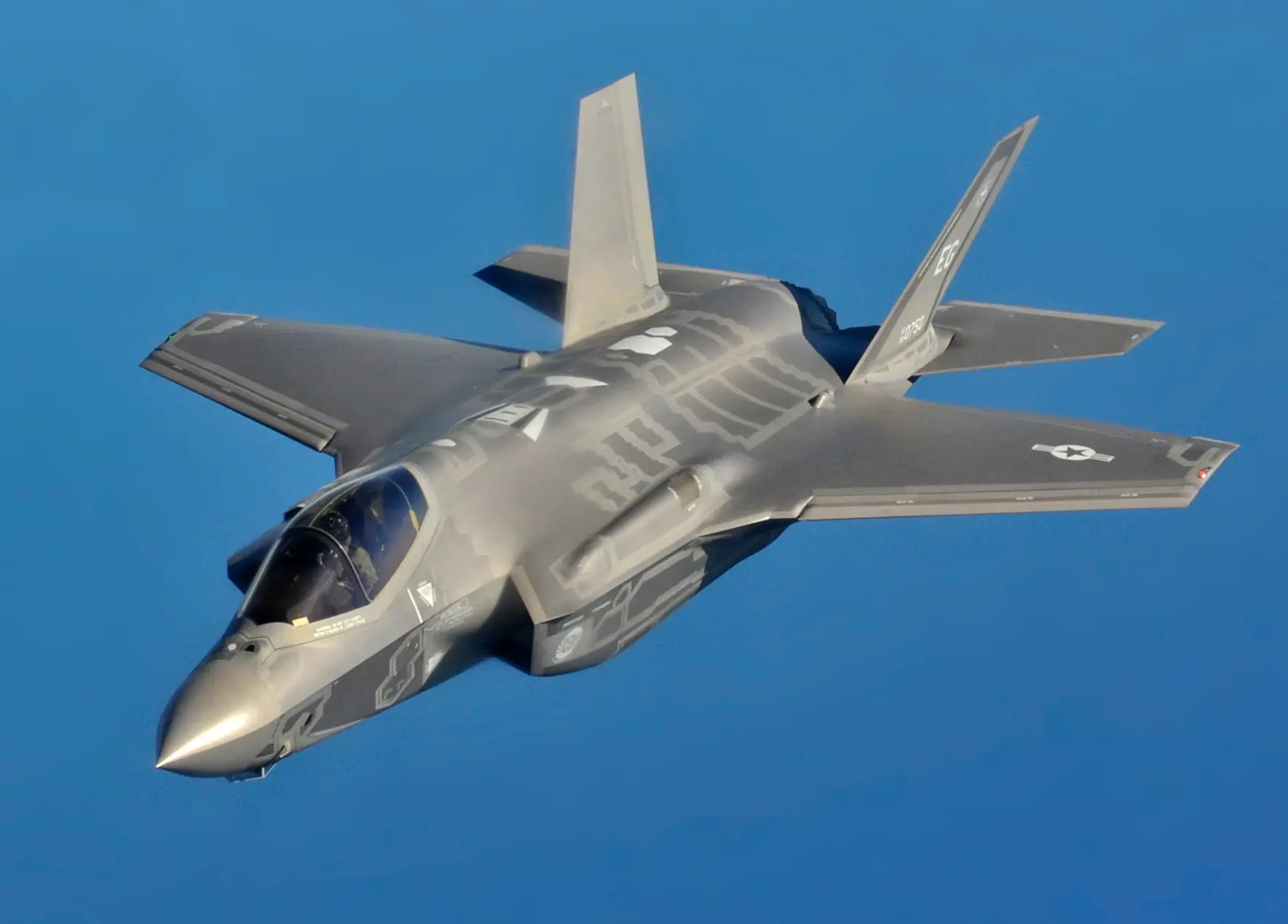
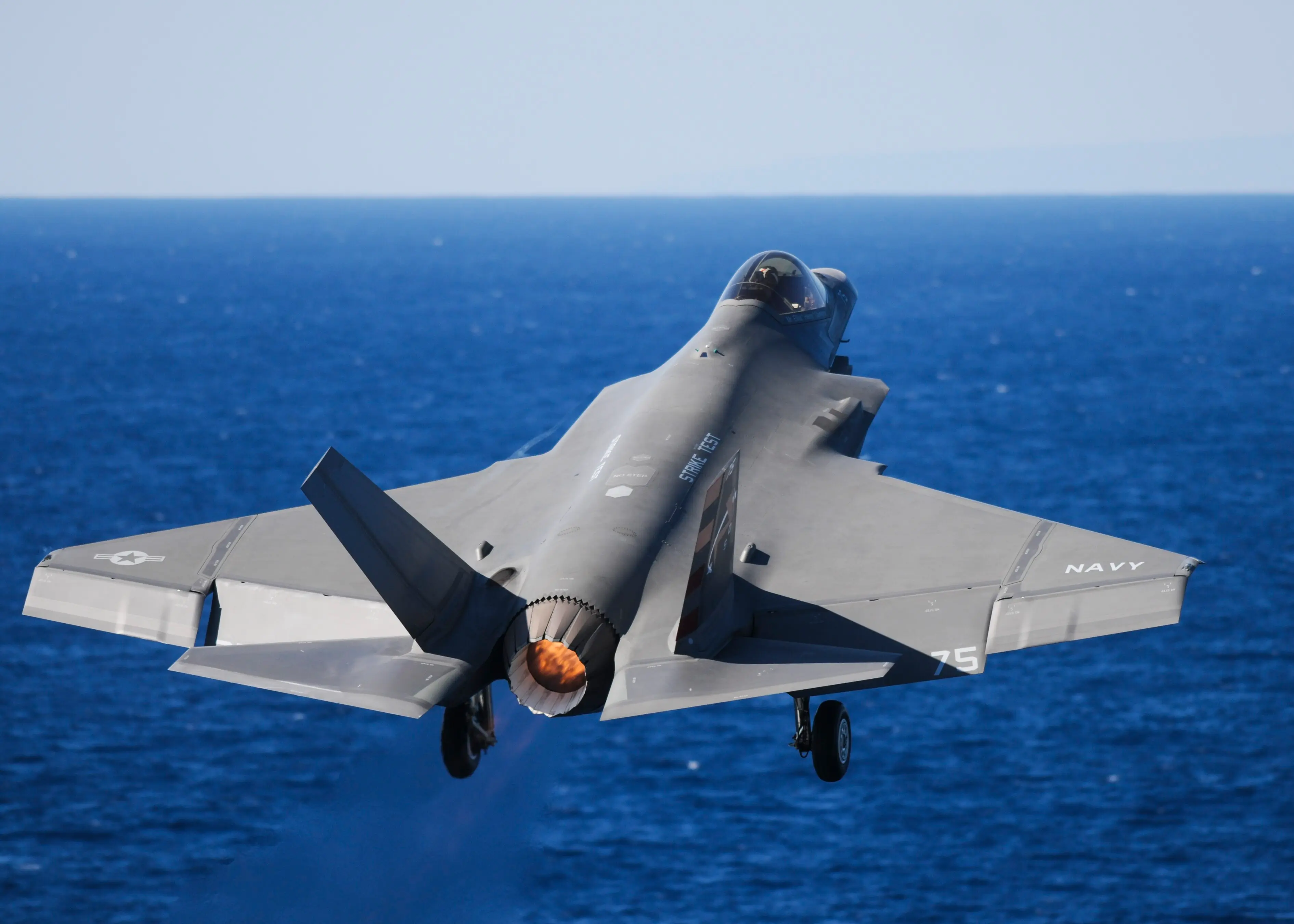
The F-35C Lightning II delivers a combat radius of over 600 nautical miles (1,111 km) on internal fuel. This capability allows the USS Abraham Lincoln to project stealth power from safe distances without relying on aerial tankers for every mission.
Defining Combat Radius
Combat radius differs significantly from ferry range; it measures the distance a jet can fly to a target, fight, and return to the carrier without refuelling. For the F-35C, this metric is vital for deep-strike missions where aerial tankers cannot survive in contested airspace. It defines the true 'leash' or operational distance of the aircraft carrier.
The Official Number
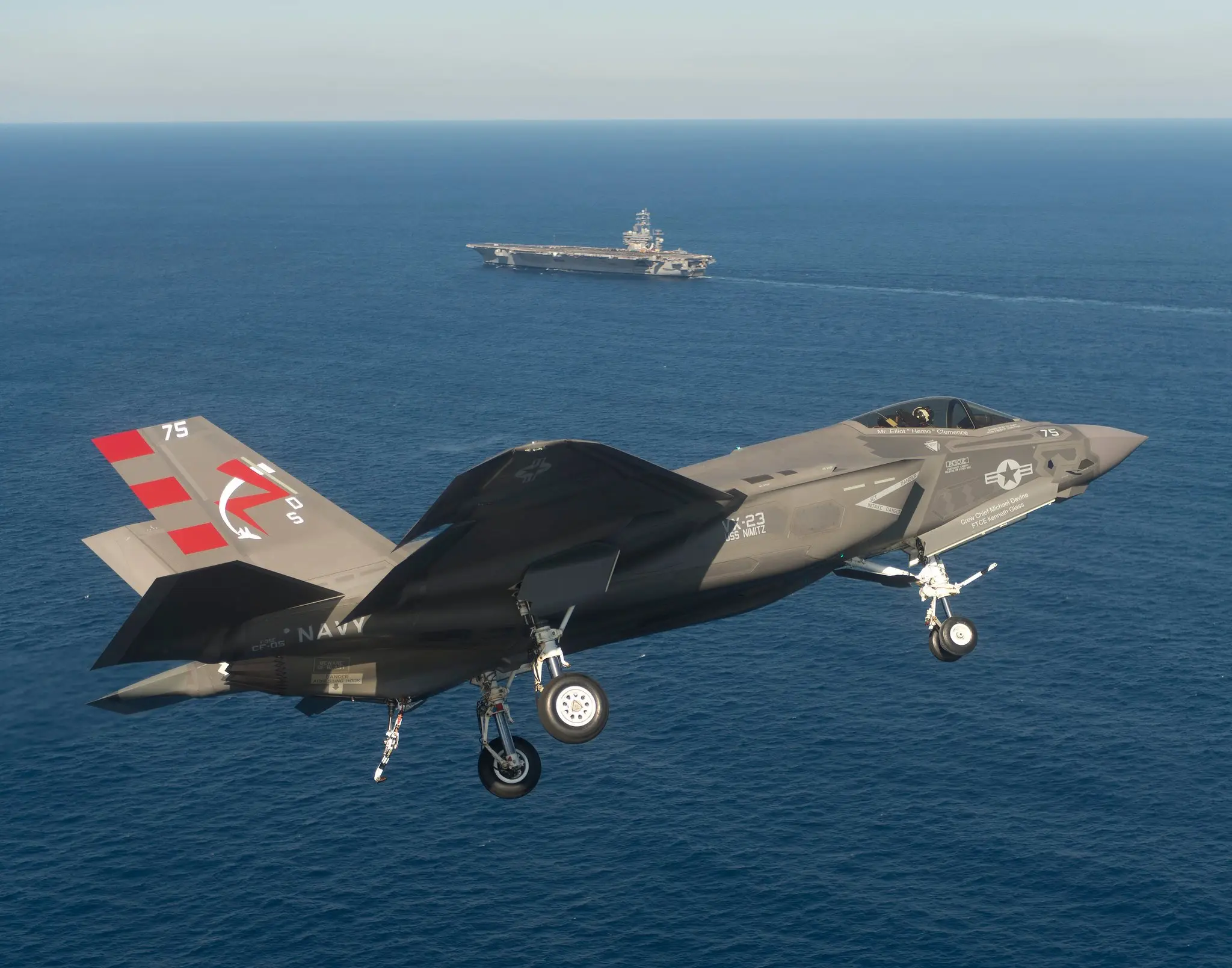
On internal fuel alone, the F-35C has a combat radius of more than 600 nautical miles (approx 1,111 kilometres). This figure allows the jet to strike targets well inland while the USS Abraham Lincoln remains far out at sea. This range is achieved without external fuel tanks that would compromise its stealth capabilities.
Largest Fuel Capacity
Among all three variants, the F-35C carries the most internal fuel to support naval operations. It holds approximately 19,200 lbs (8,708 kg) of fuel within its wings and fuselage. This massive internal tank eliminates the immediate need for drop tanks, preserving the aircraft’s aerodynamic stealth shape.
Comparison with F-35B
The F-35C significantly outperforms the Marine Corps’ F-35B variant in terms of unrefueled reach. The vertical-landing F-35B has a smaller combat radius of about 450 nautical miles due to its lift fan occupying internal fuel space. The C-variant’s larger wings allow it to carry significantly more fuel than its STOVL counterpart.
Stealth Configuration Range
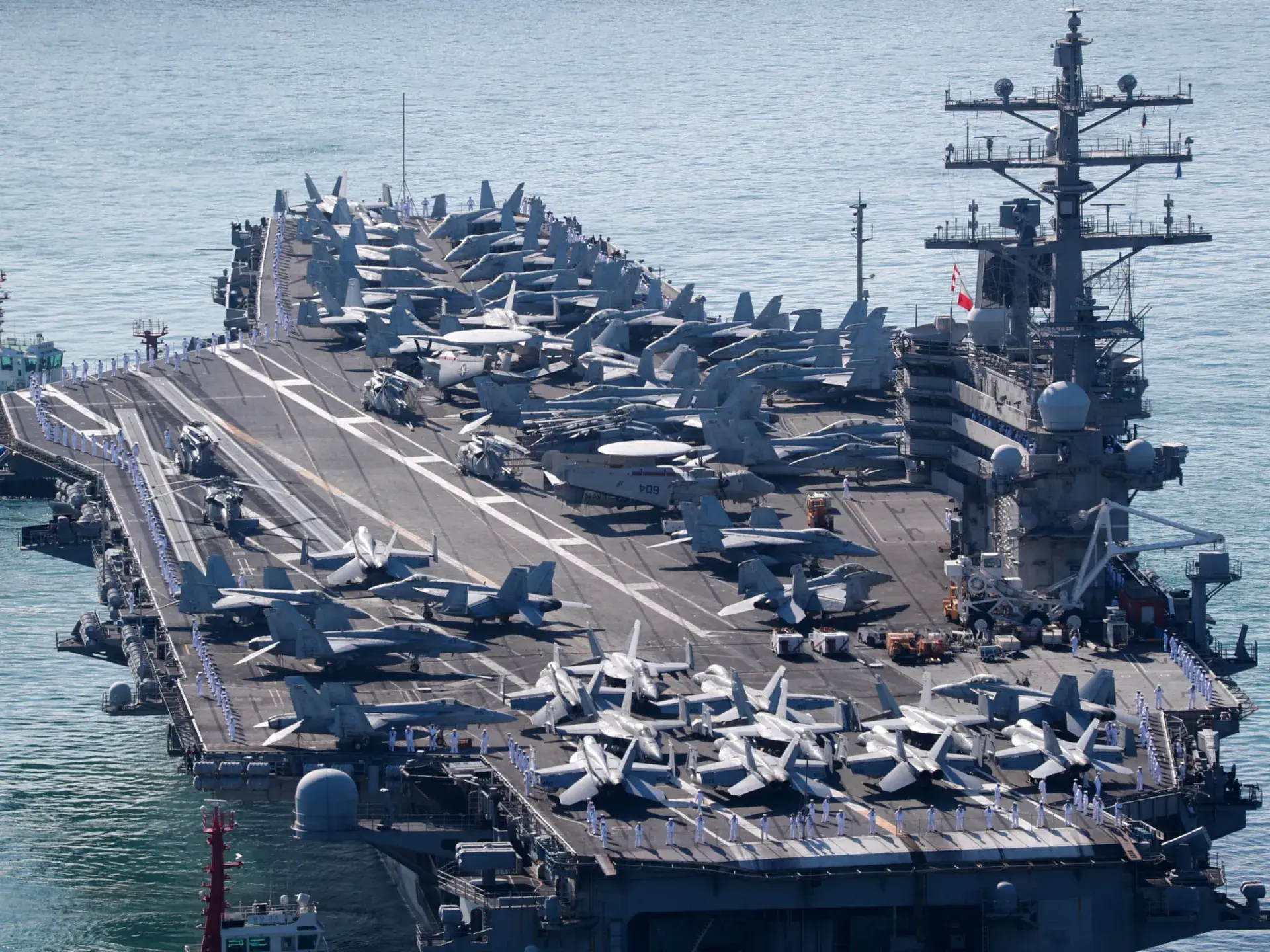
To maintain 'Very Low Observable' stealth, the F-35C must carry all weapons and fuel internally. Flying in this 'clean' configuration ensures the jet remains invisible to enemy radar while utilising its full 1,100 km radius. Adding external weapons would increase drag and drastically reduce this range, making the internal capacity critical.
Engine Efficiency Power
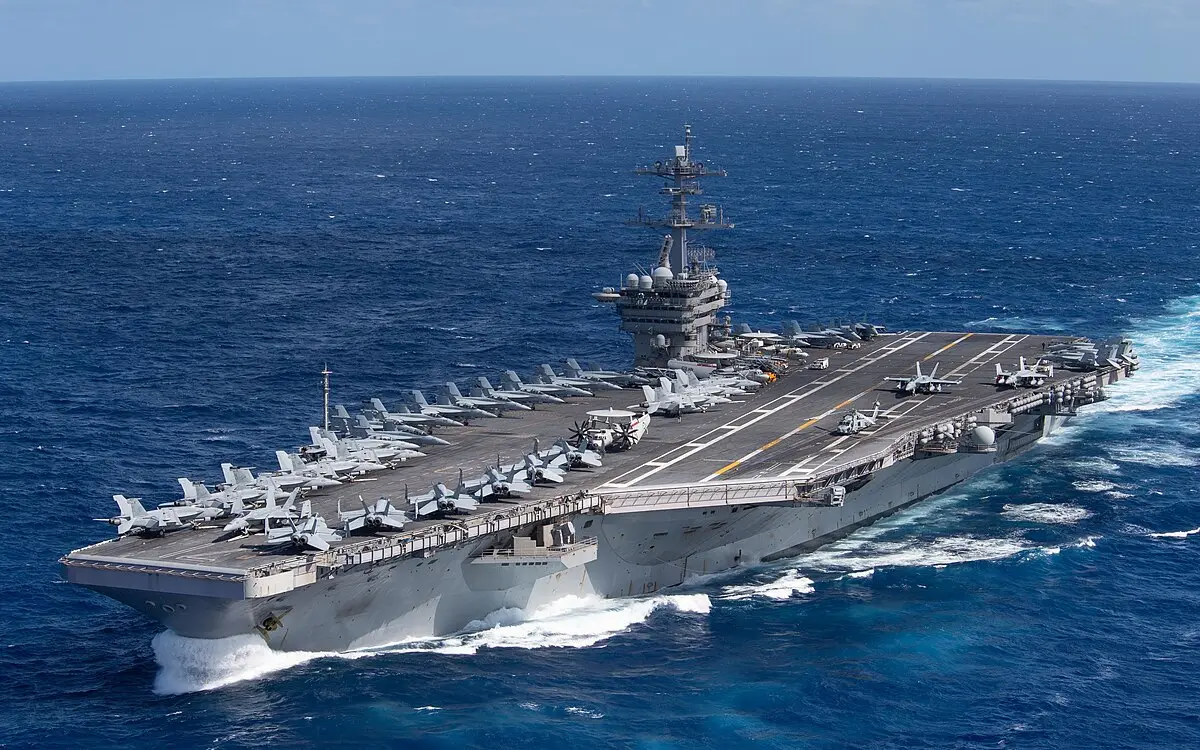
The single Pratt & Whitney F135-PW-100 engine generates 43,000 lbs of thrust while managing fuel consumption efficiently. This engine allows the F-35C to cruise at optimal altitudes, maximising its range per kilogramme of fuel. Its thermal management is also key to sustaining long-duration missions over the ocean.
Versus the Super Hornet
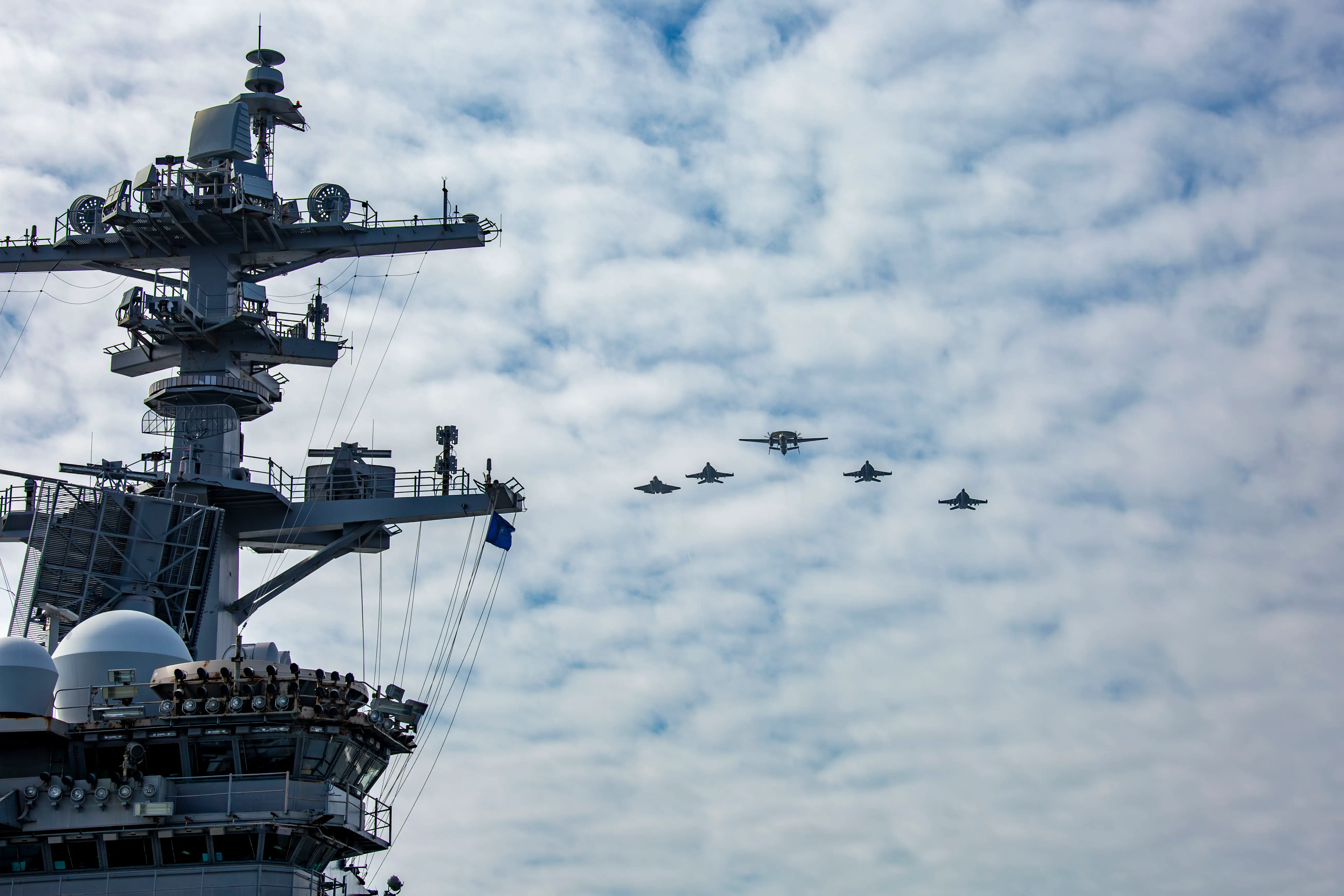
While the F/A-18 Super Hornet often relies on external fuel tanks to match long ranges, the F-35C achieves comparable reach on internal fuel alone. The F-35C has nearly double the combat radius of a Super Hornet flying on internal fuel (approx 390 nm for the Hornet vs 600+ nm for F-35C). This reduces the logistical burden of launching tankers for standard missions.
The 'Chain' of Safety
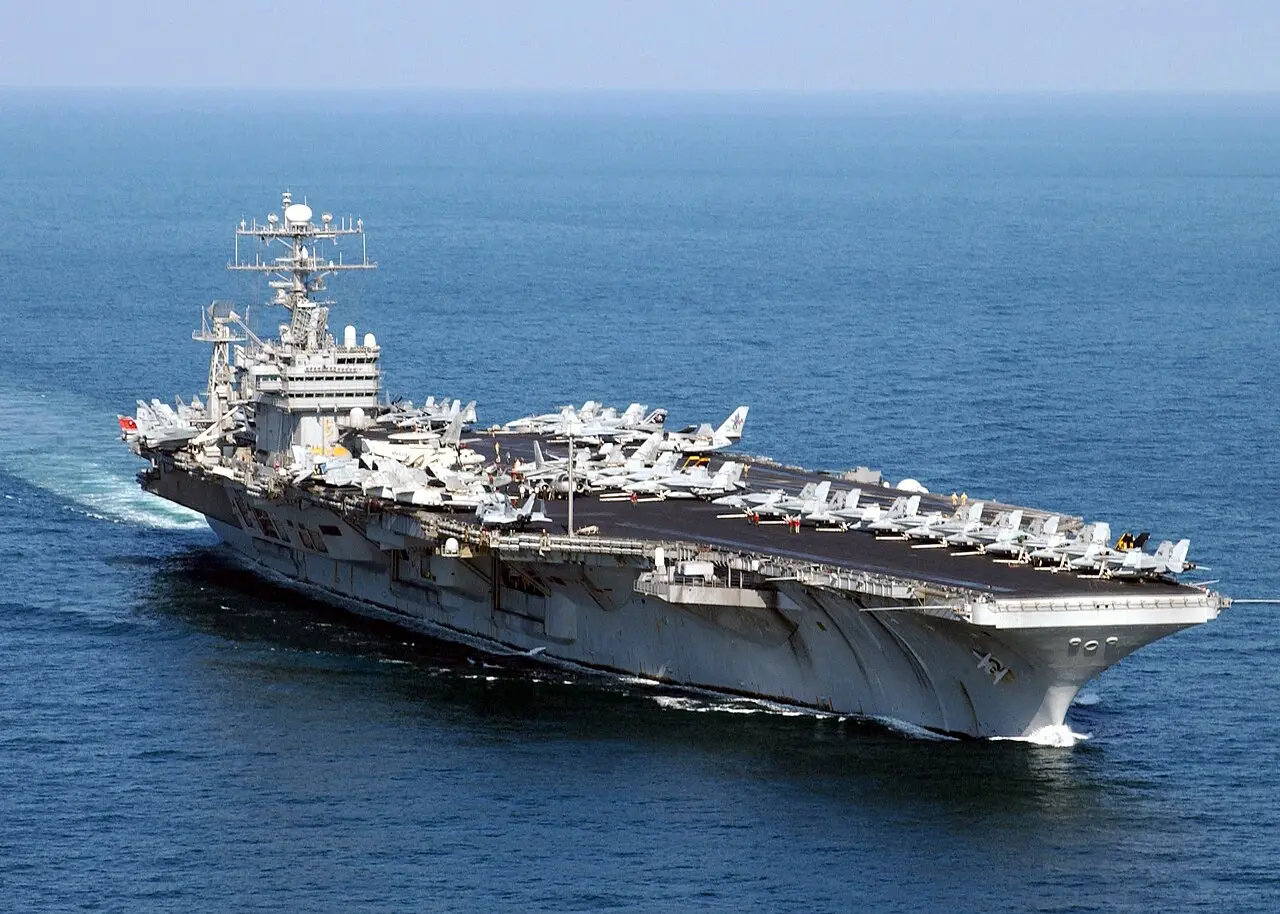
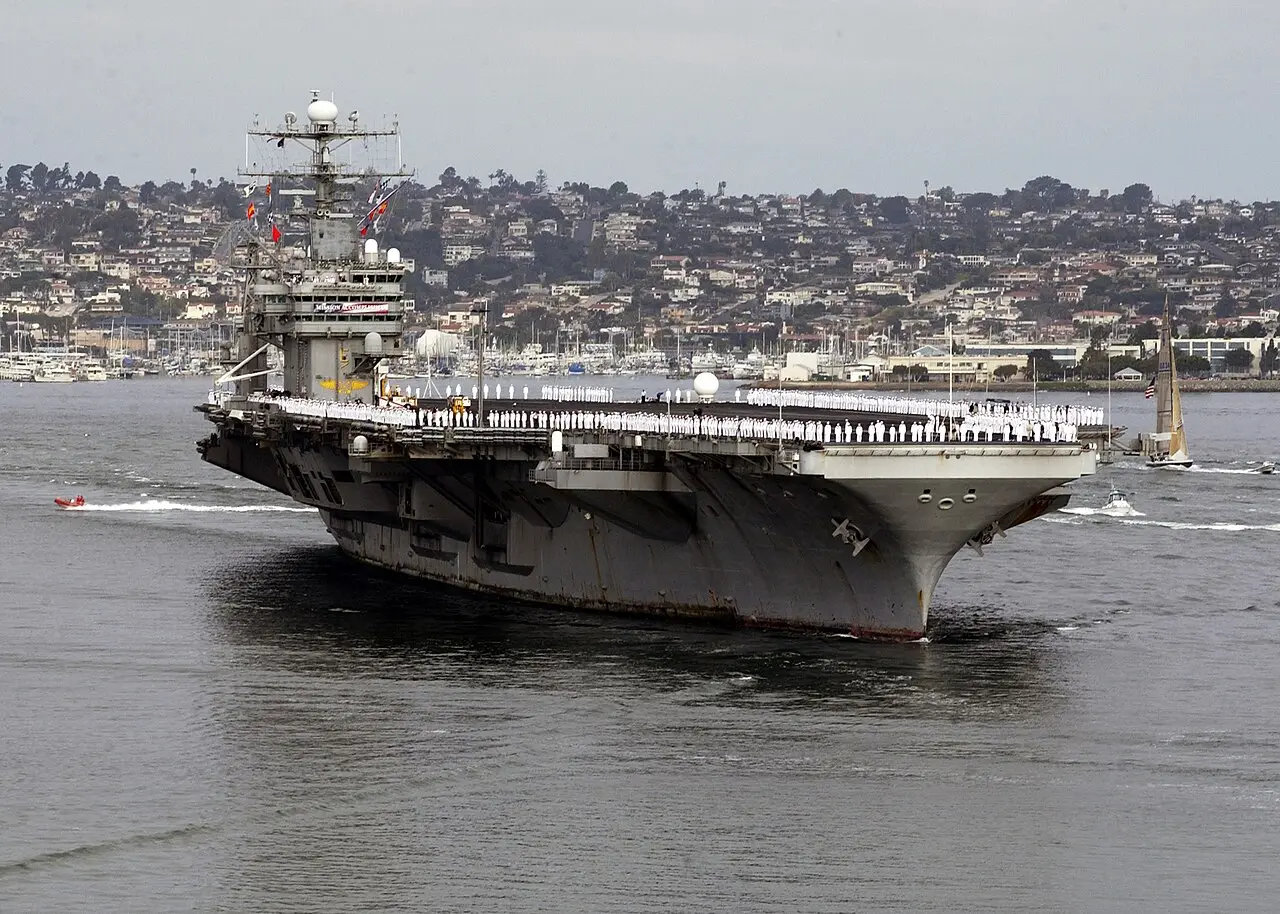
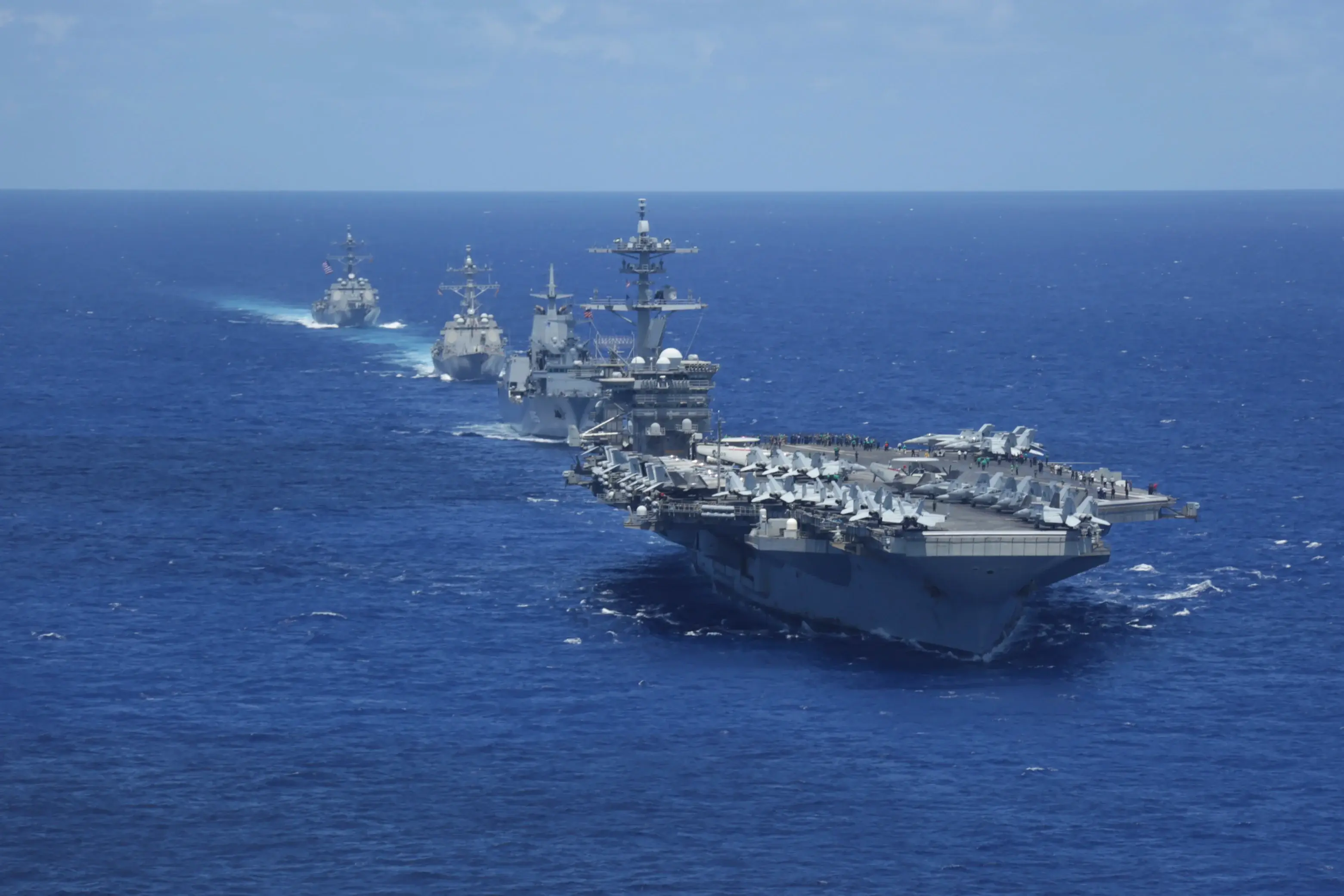
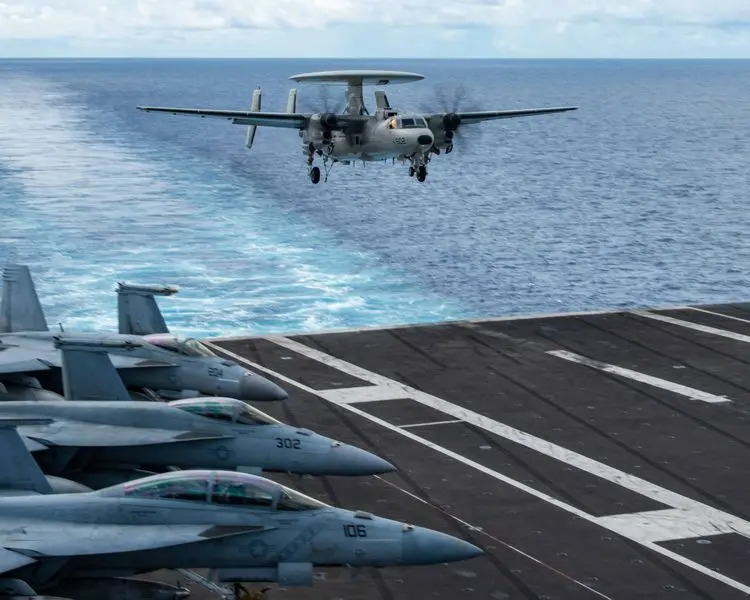
A combat radius of over 600 nautical miles keeps the USS Abraham Lincoln outside the range of many shore-based anti-ship missiles. This 'stand-off' distance is critical for the carrier’s survival in contested waters. The F-35C acts as a long-range shield, engaging threats before they get close to the fleet.
Loiter Time Capability
Beyond just distance, the large fuel capacity translates to increased 'loiter time'—the ability to wait over a target area. The F-35C can remain on station longer than heritage fighters, providing persistent surveillance or waiting for the precise moment to strike. This persistence is crucial for supporting ground troops or maintaining fleet defence.
Future Range Extension
While the current 600+ nm radius is impressive, the US Navy plans to extend this further with the MQ-25 Stingray drone refueller. However, even without this future asset, the F-35C remains the longest-legged stealth strike fighter on the deck of the USS Abraham Lincoln today. It stands ready for independent deep-strike operations without immediate refuelling support.
)
)
)
)
)