'Cat and Mouse': Why F-15E fighter jet remains vulnerable to Iranian air defenses

We examine the intricate technological vulnerabilities of the non-stealth F-15E Strike Eagle against Iran's heavily fortified, multi-layered air defense networks, including the formidable Russian S-300 and the highly lethal indigenous Bavar-373.
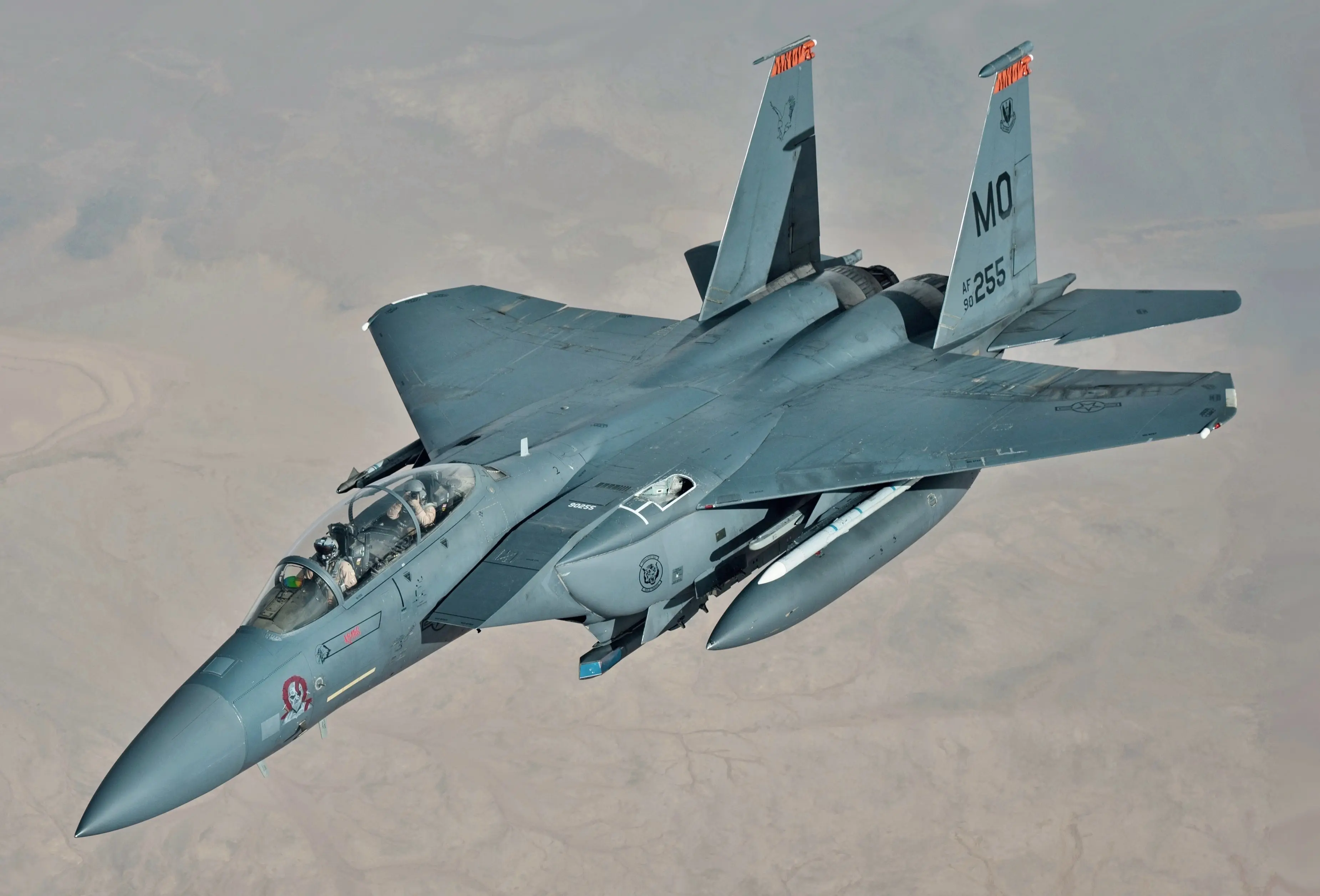
Fourth-Generation Aerodynamic Constraints
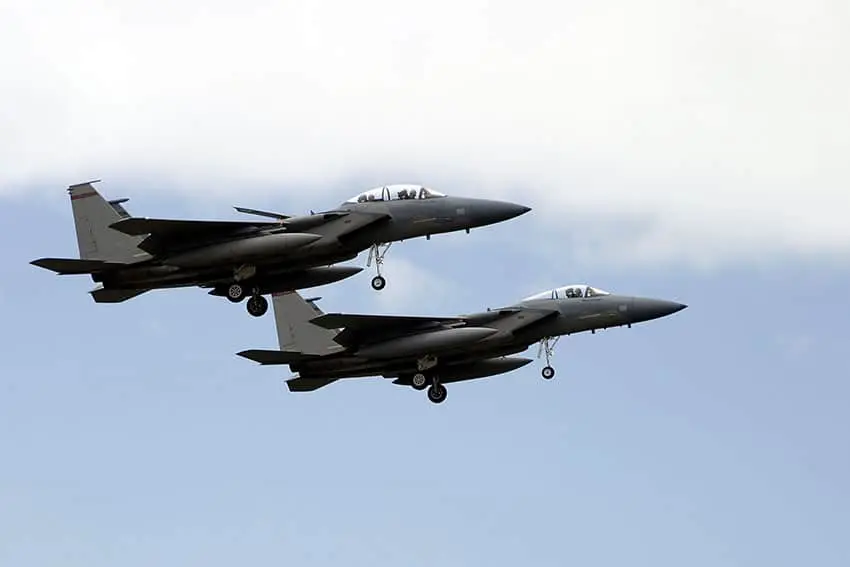
As a heavily upgraded fourth-generation strike fighter, the F-15E Strike Eagle fundamentally relies on its speed, sheer firepower, and extensive electronic warfare countermeasures for survival, rather than stealth. Its massive airframe—designed primarily for high-speed, low-altitude deep penetration missions—was not molded with the strict radar-absorbent geometric precision that defines modern stealth fighters like the F-35. Consequently, the F-15E possesses a significantly higher baseline radar signature, making it innately vulnerable to detection by modern, long-range enemy radar systems long before it reaches its weapon targeting range.
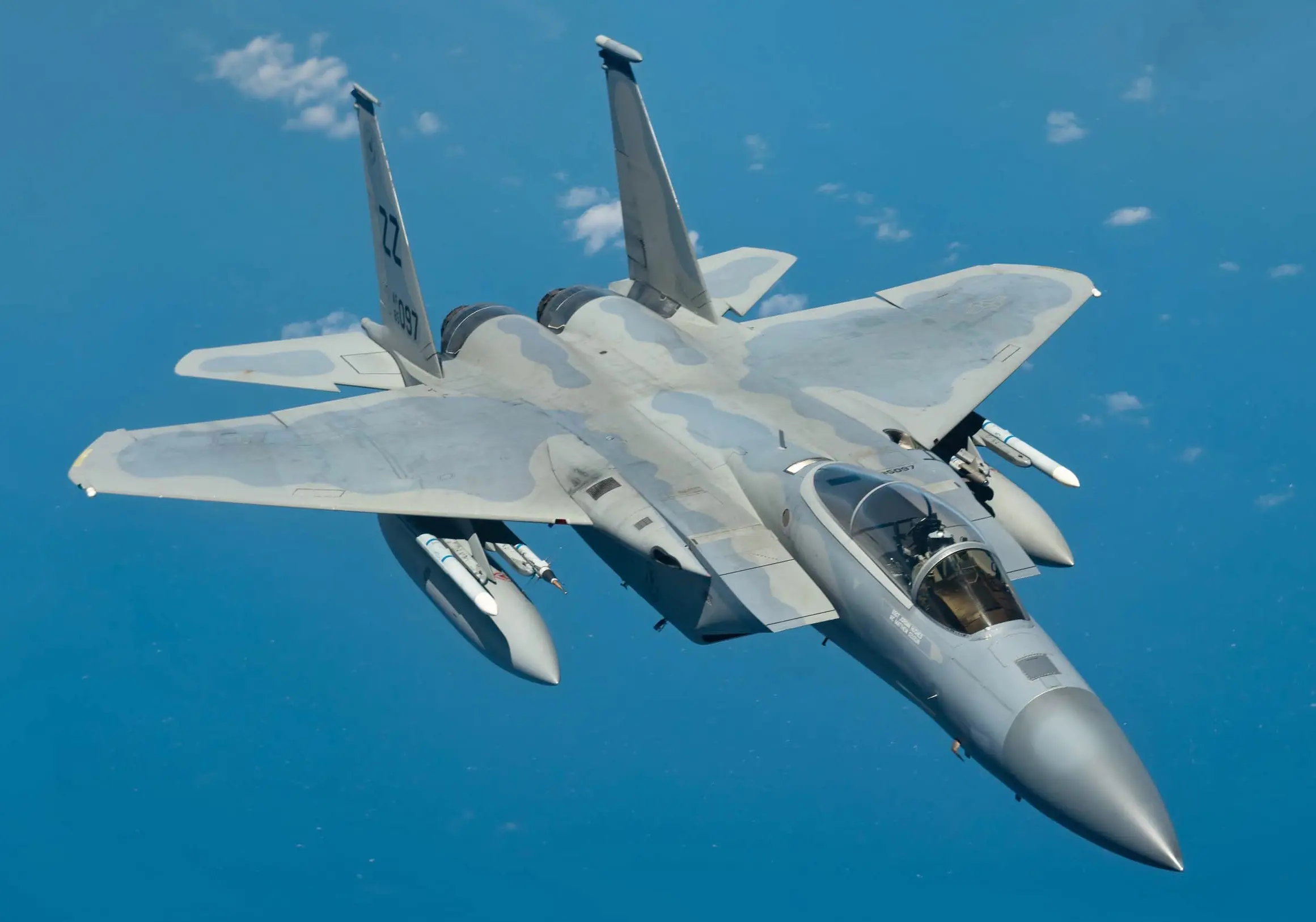
A Massive Radar Cross-Section
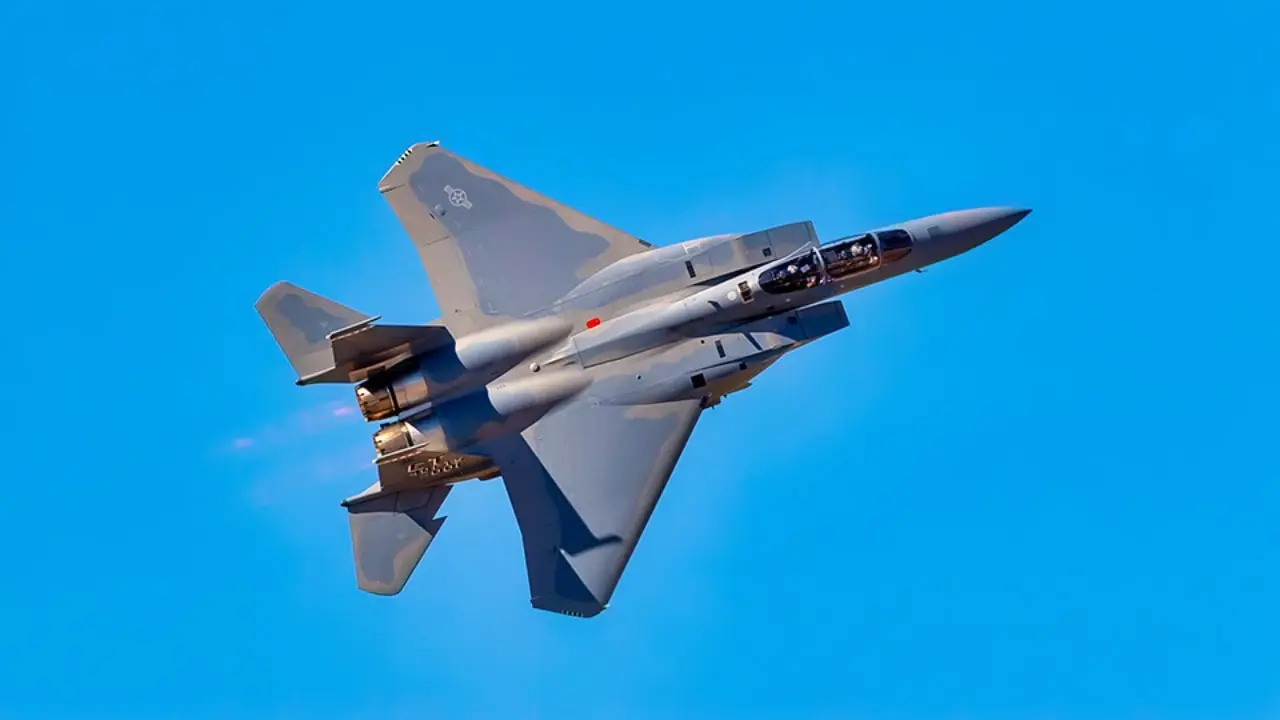
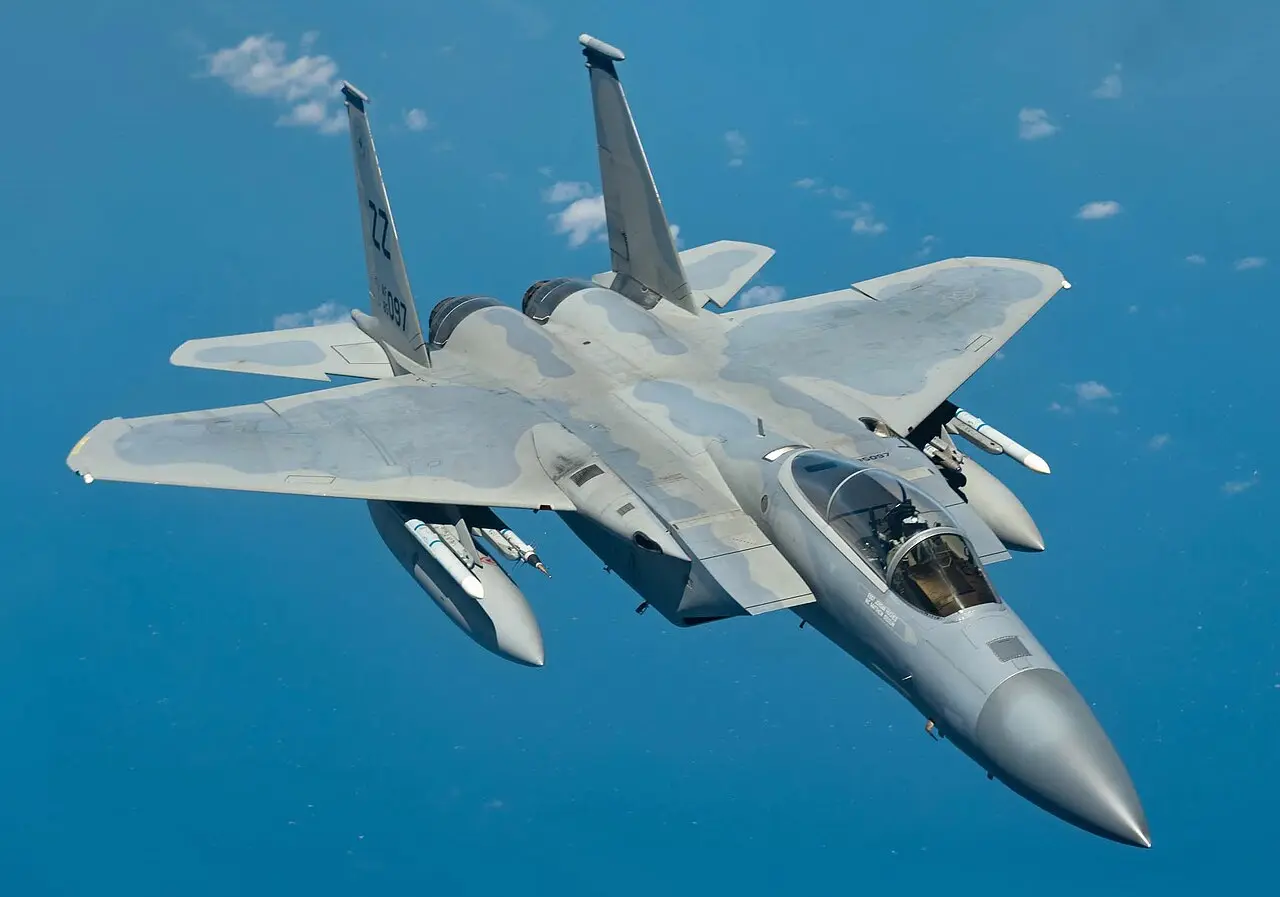
The radar cross-section (RCS) of an aircraft dictates how easily enemy radar can detect it. Compared to the extremely faint signatures of fifth-generation stealth jets, the F-15E carries a relatively massive RCS, commonly cited as roughly 10 square meters. The complex external hardpoints, heavily loaded with an array of conformal fuel tanks, bomb racks, drop tanks, and air-to-air missiles, inevitably reflect massive amounts of radar energy back to hostile sensors. This lack of stealth explicitly allows formidable Iranian surface-to-air missile systems to track the aircraft from hundreds of miles away.
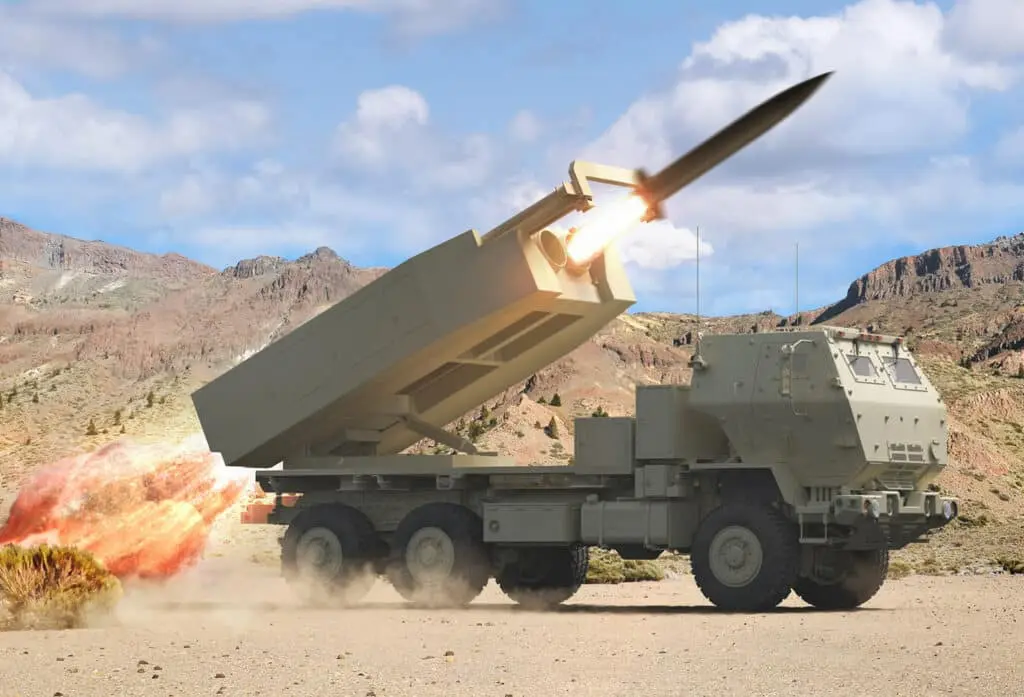
The Danger of the Indigenous Bavar-373
Iran’s Bavar-373 is an advanced, indigenous long-range mobile air defense system explicitly designed as a homegrown rival to Russian-made weapon platforms. Recently upgraded with the high-performance Meraj-4 Active Electronically Scanned Array (AESA) radar system, Iranian officials boldly claim the Bavar-373 can easily detect, lock onto, and entirely engage high-altitude fighter jets from over 300 kilometers away. Against a non-stealth target presenting a massive radar signature like the F-15E, the Bavar-373 poses a critical, lethal threat deeply capable of successfully intercepting the American aircraft without advanced radar jamming assistance.
The Russian S-300PMU-2 Threat Network
Beyond indigenous developments, Iran heavily relies on the formidable Russian-supplied S-300PMU-2 “Favorite” air defense system to protect highly sensitive military sites and critical nuclear infrastructure. The S-300 remains one of the world's most potent and widely respected strategic air defense platforms, completely capable of simultaneously tracking dozens of aerial targets and directing multiple high-speed missiles toward non-stealth aircraft. Without substantial electronic masking or the protective umbrella of dedicated radar-jamming aircraft, an F-15E aggressively pushing into an active S-300 engagement zone operates at extremely high risk of immediate destruction.
Critical Reliance on Electronic Warfare
To survive heavily contested airspace without stealth, the F-15E relies entirely on complex electronic warfare (EW) and sophisticated countermeasures. While capable of deploying robust localized jamming, chaff, and advanced decoy flares, the sheer density of a highly advanced national air defense network can rapidly overwhelm an isolated plane's internal defensive suites. Against incredibly sophisticated modern radar waves constantly switching frequencies to penetrate interference, even the very best localized electronic countermeasures deployed by an F-15E occasionally prove insufficient to completely blind highly concentrated ground-to-air tracking stations.
The Absolute Necessity of SEAD Missions
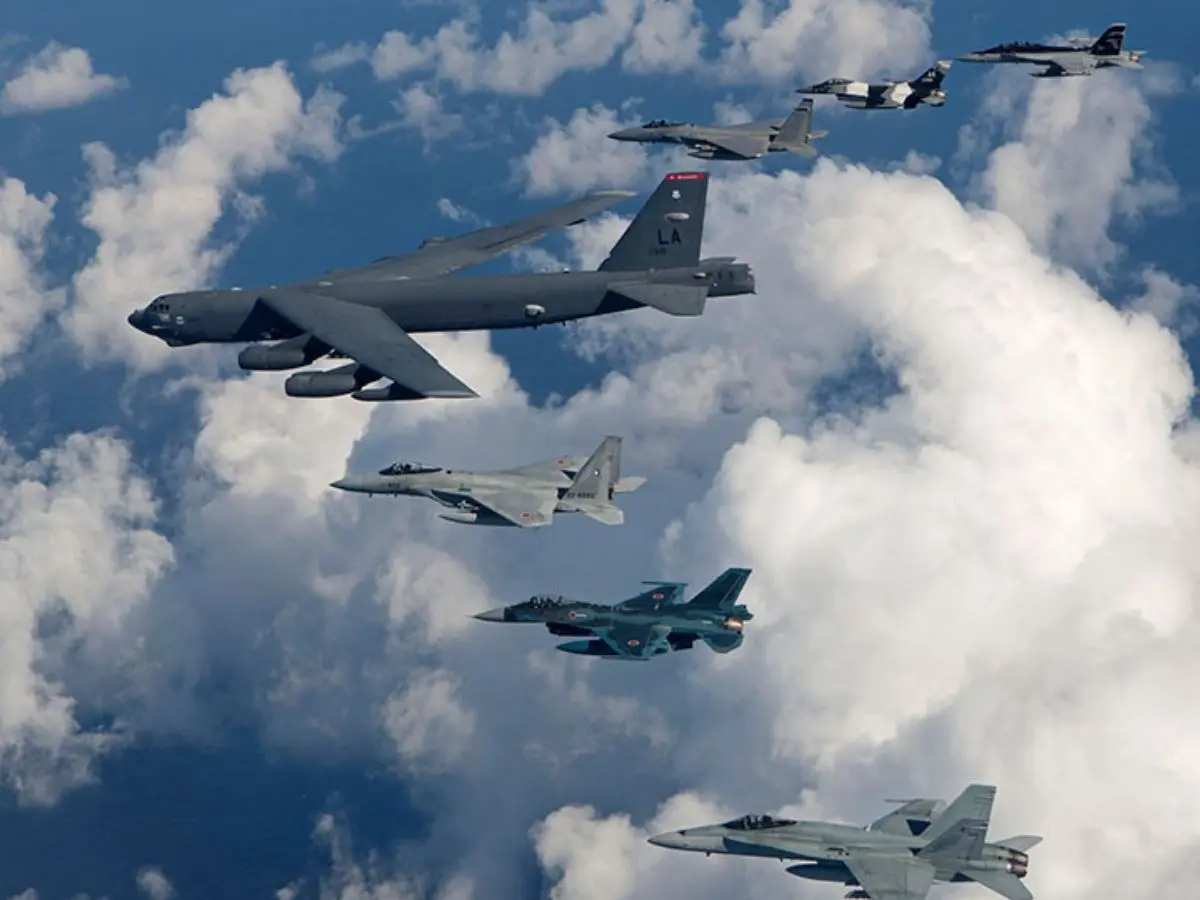
Due to these exact systemic vulnerabilities, modern military doctrine fundamentally dictates that F-15E squadrons almost never operate completely alone within heavily fortified enemy airspace. Any deep strike mission into territories protected by S-300 or Bavar-373 networks would absolutely require aggressive Support for Suppression of Enemy Air Defenses (SEAD). This involves heavily coordinated strikes using aircraft like the EA-18G Growler for overwhelming electronic jamming, combined with fighters firing specialized anti-radiation missiles designed specifically to home in on and violently obliterate active enemy radar dishes long before the main attack wave arrives.
Navigating a Layered Defense Structure
Iran strictly utilizes a complex “layered” air defense doctrine deliberately designed to fiercely overlap long, medium, and incredibly lethal short-range missile systems. If an F-15E successfully utilizes extreme low-altitude terrain masking to hide from massive S-300 systems, it violently exposes itself to an extensive network of short-range threats like the Mersad system, highly mobile anti-aircraft artillery, and localized shoulder-fired missiles. This incredibly perilous dynamic forces American pilots into a high-stakes, multi-dimensional cat-and-mouse game, constantly dodging interlocking networks where a single navigational error virtually guarantees a deadly missile intercept.
)
)
)
)
)