'Building the Su-57 and AMCA': 7 ways India could become a major fighter jet defence manufacturer

India is developing its indigenous fifth-generation fighter, the AMCA, while also exploring the potential of operating the Russian Su-57. Combining local production with imported technology could transform India’s defence manufacturing landscape.
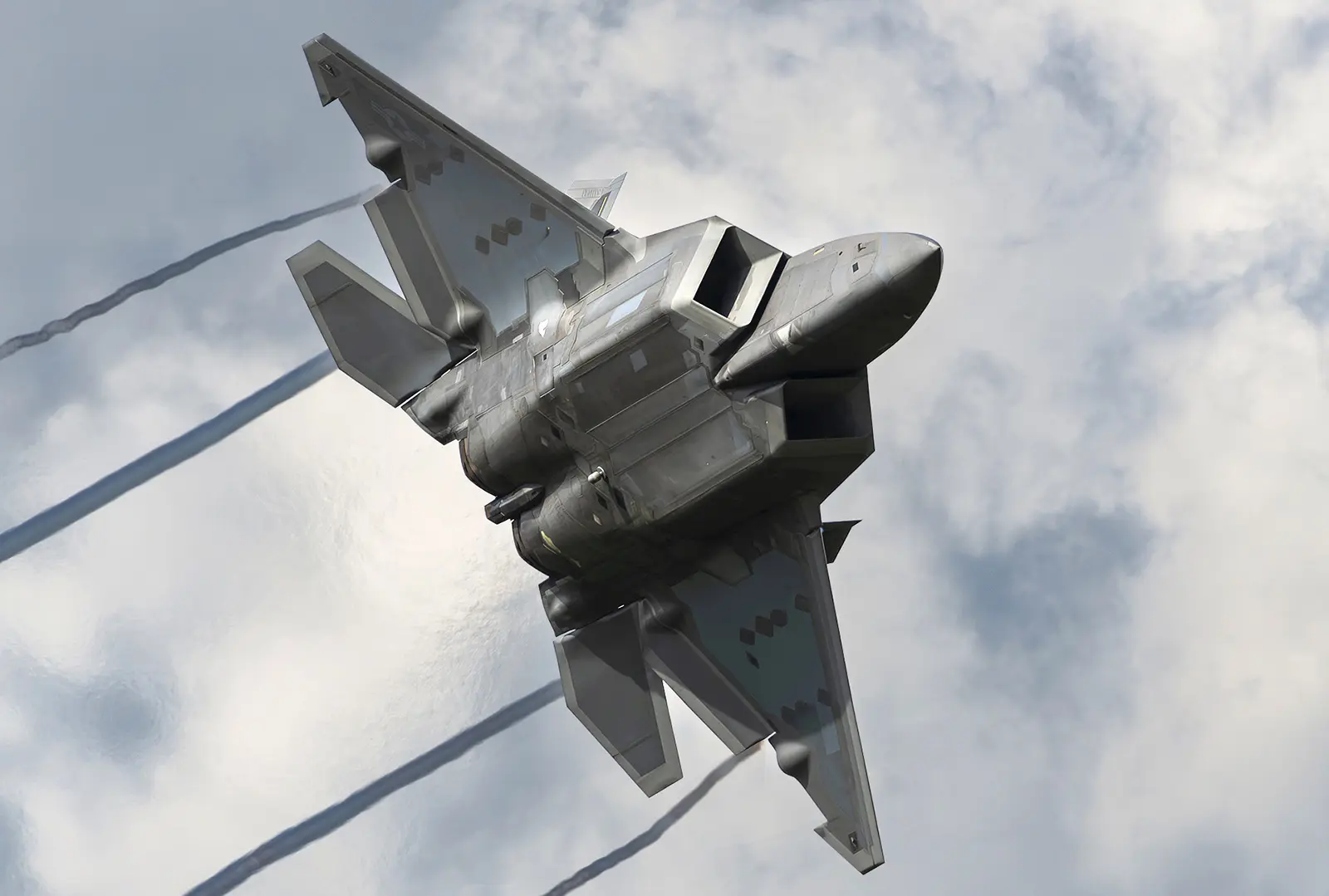
Boosting Domestic Aerospace Industry
Producing the AMCA locally would create a substantial demand for high-precision components, including stealth materials, advanced avionics, and propulsion systems. This could lead to the growth of specialised aerospace firms, research institutions, and defence suppliers, creating thousands of high-skill jobs and fostering a self-sustaining ecosystem for future fighter programmes.
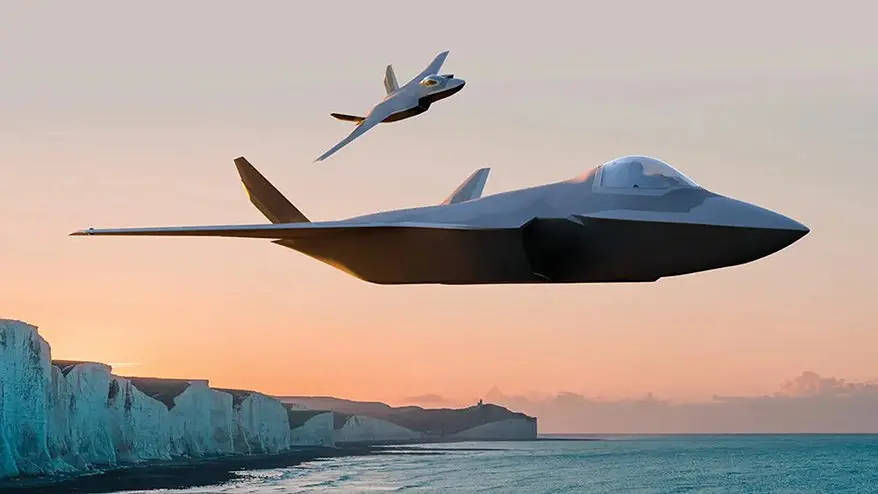
Technology Transfer from Su-57
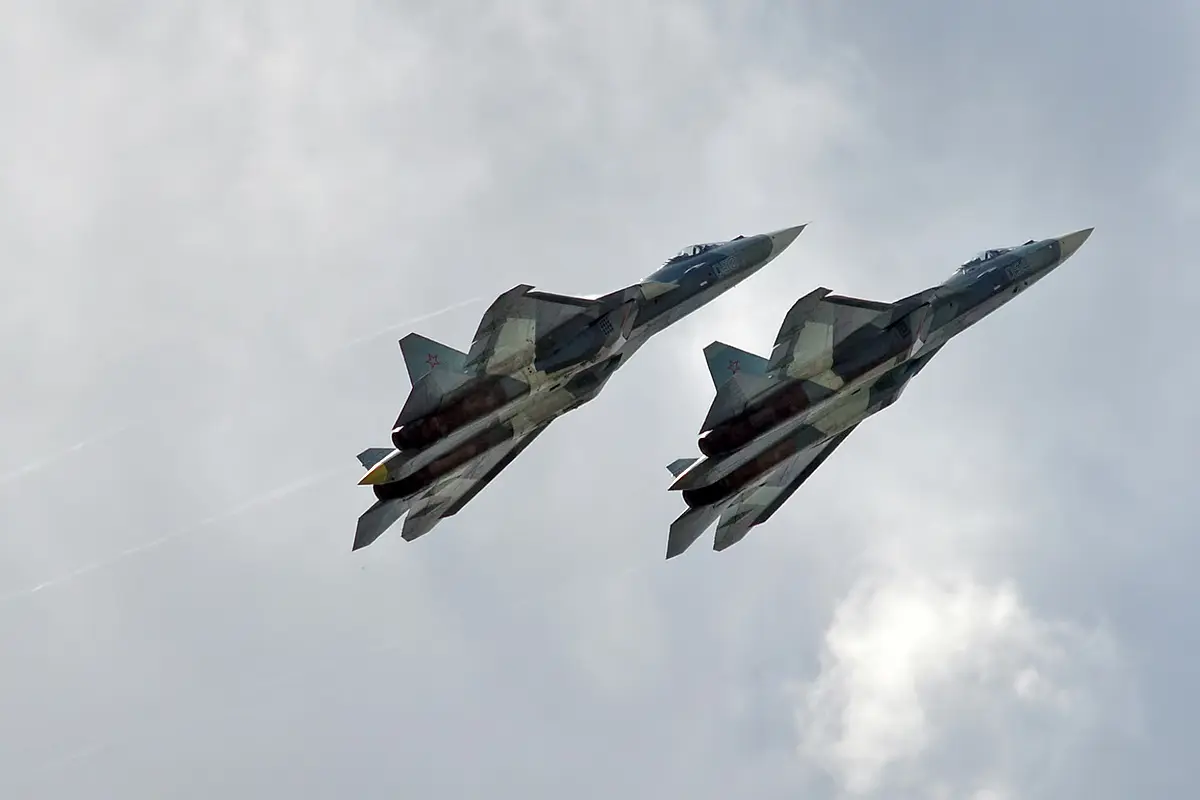
Operating or co-developing the Su-57 would provide India with insights into Russian stealth design, radar cross-section reduction, avionics integration, and aircraft engine technologies. Even partial technology transfer could accelerate the development of indigenous systems, allowing Indian engineers to apply lessons from an operational fifth-generation fighter to the AMCA programme.
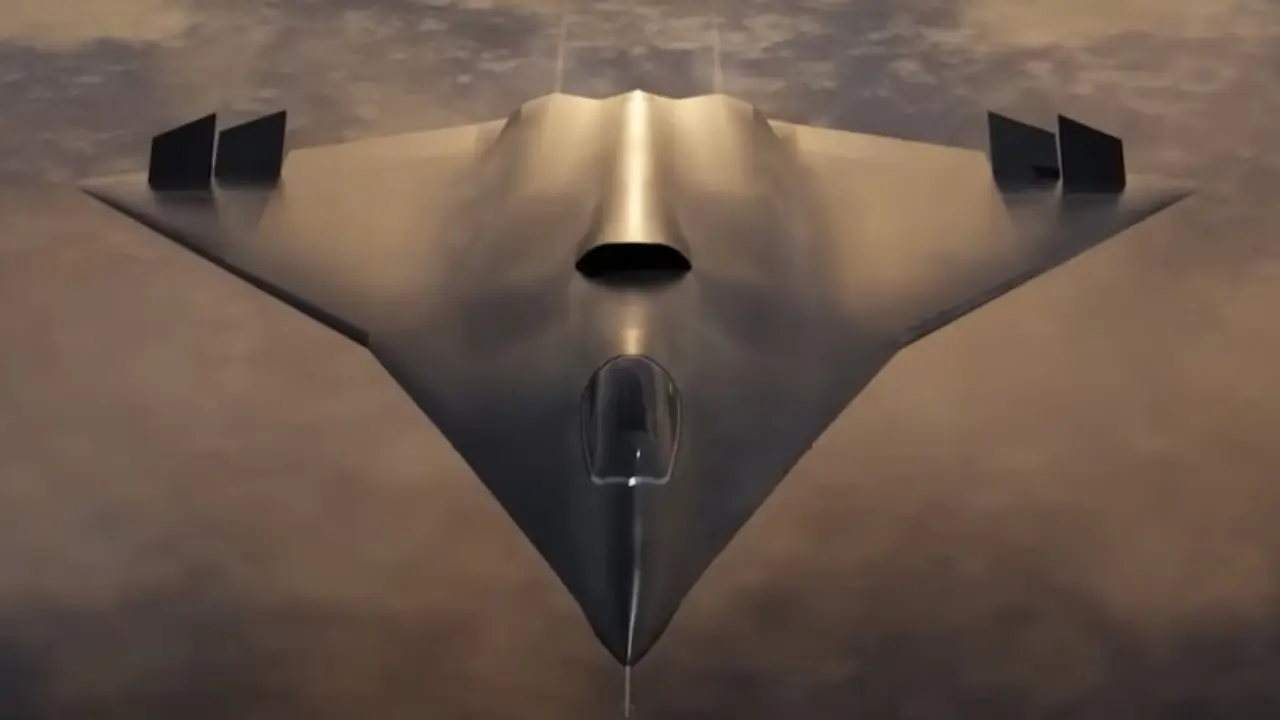
Enhancing Export Potential
Successfully producing the AMCA and integrating Su-57 learnings could position India as a competitive fighter jet exporter. Nations seeking affordable fifth-generation fighters might consider India’s offerings, creating new revenue streams and strengthening India’s geopolitical influence. This could also build credibility for India as a reliable supplier in the global defence market.
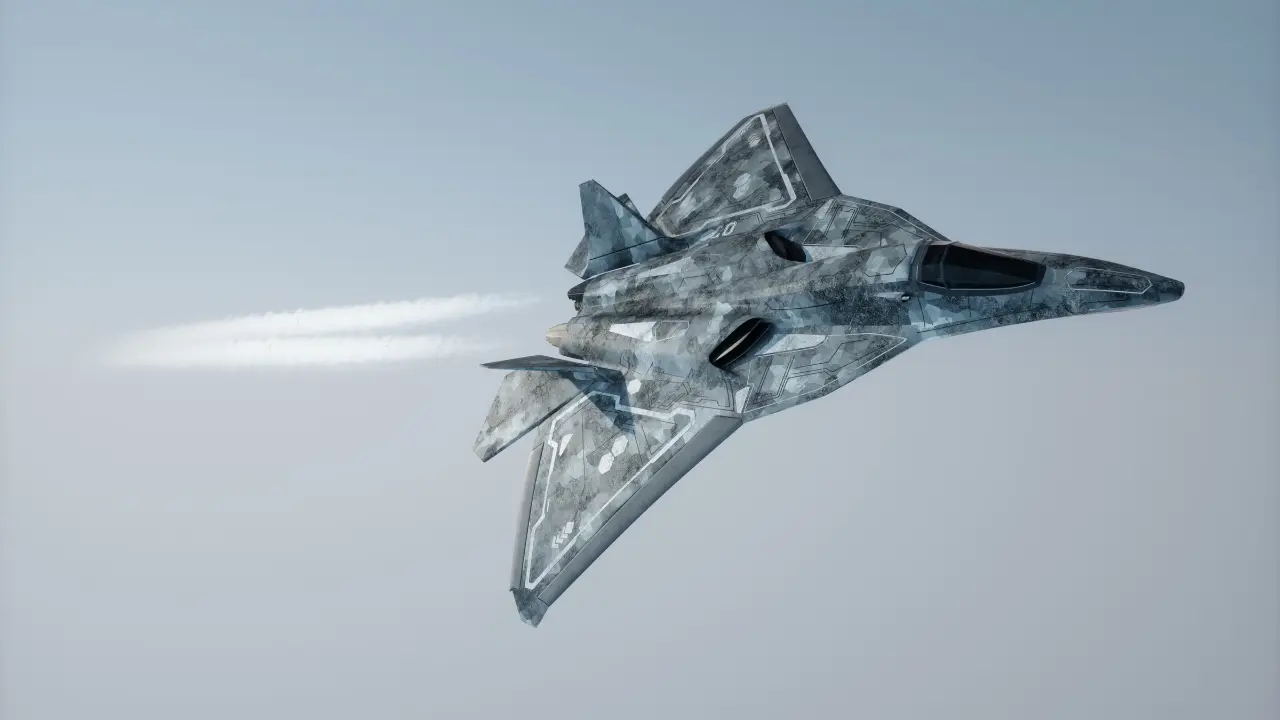
Strategic Independence
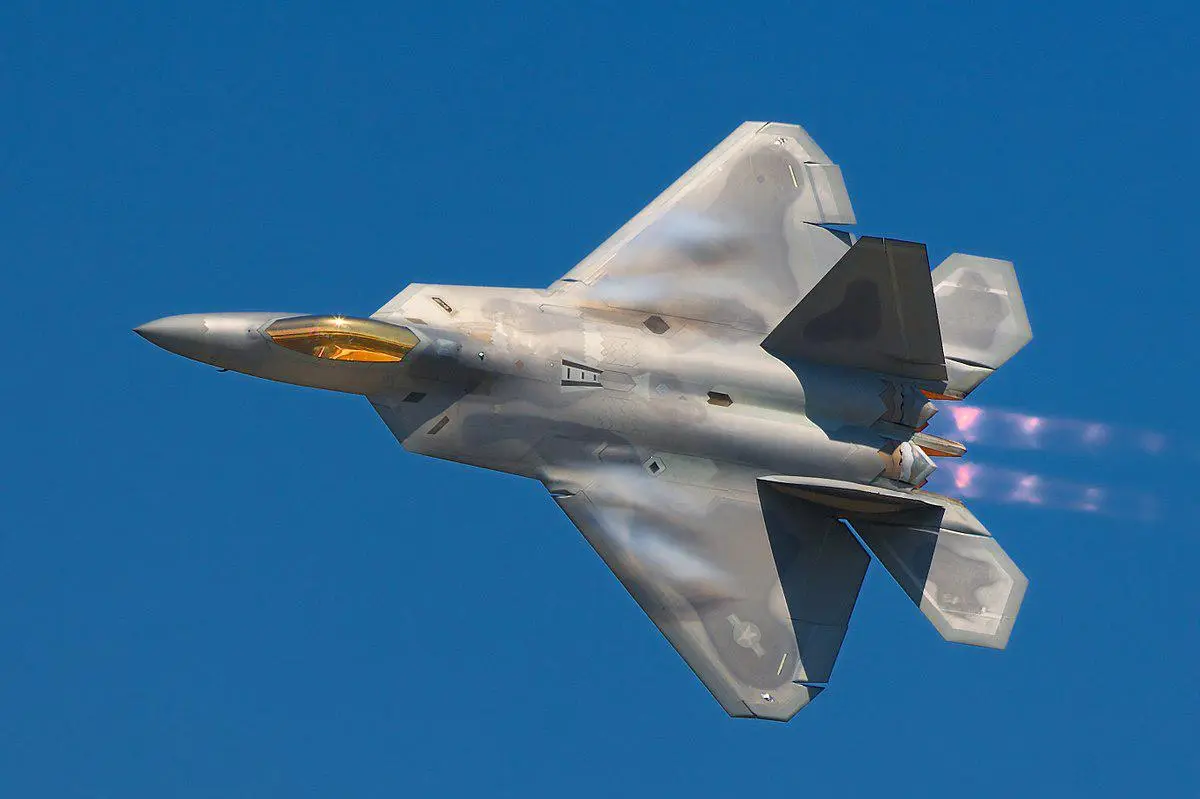
Local production of advanced fighters would reduce India’s dependence on foreign suppliers for critical defence technologies. By controlling production, maintenance, and upgrades domestically, India could ensure operational readiness, protect sensitive technologies, and avoid the risks associated with international supply chain restrictions or geopolitical tensions.
Supply Chain Development
Building both aircraft domestically would require a robust and diverse supply chain covering composite materials, microelectronics, radar systems, and jet engines. Strengthening this supply chain would not only benefit fighter jet programmes but also advance capabilities across other sectors such as satellites, UAVs, and naval aviation systems.
Training and Skill Development
Designing, assembling, and maintaining fifth-generation aircraft would provide Indian engineers, pilots, and technicians with highly specialised skills. Long-term exposure to complex systems like radar, avionics, and stealth technology would create a cadre of experts capable of leading future defence projects, including next-generation missiles, UCAVs, and aerospace innovations.
Global Defence Credibility
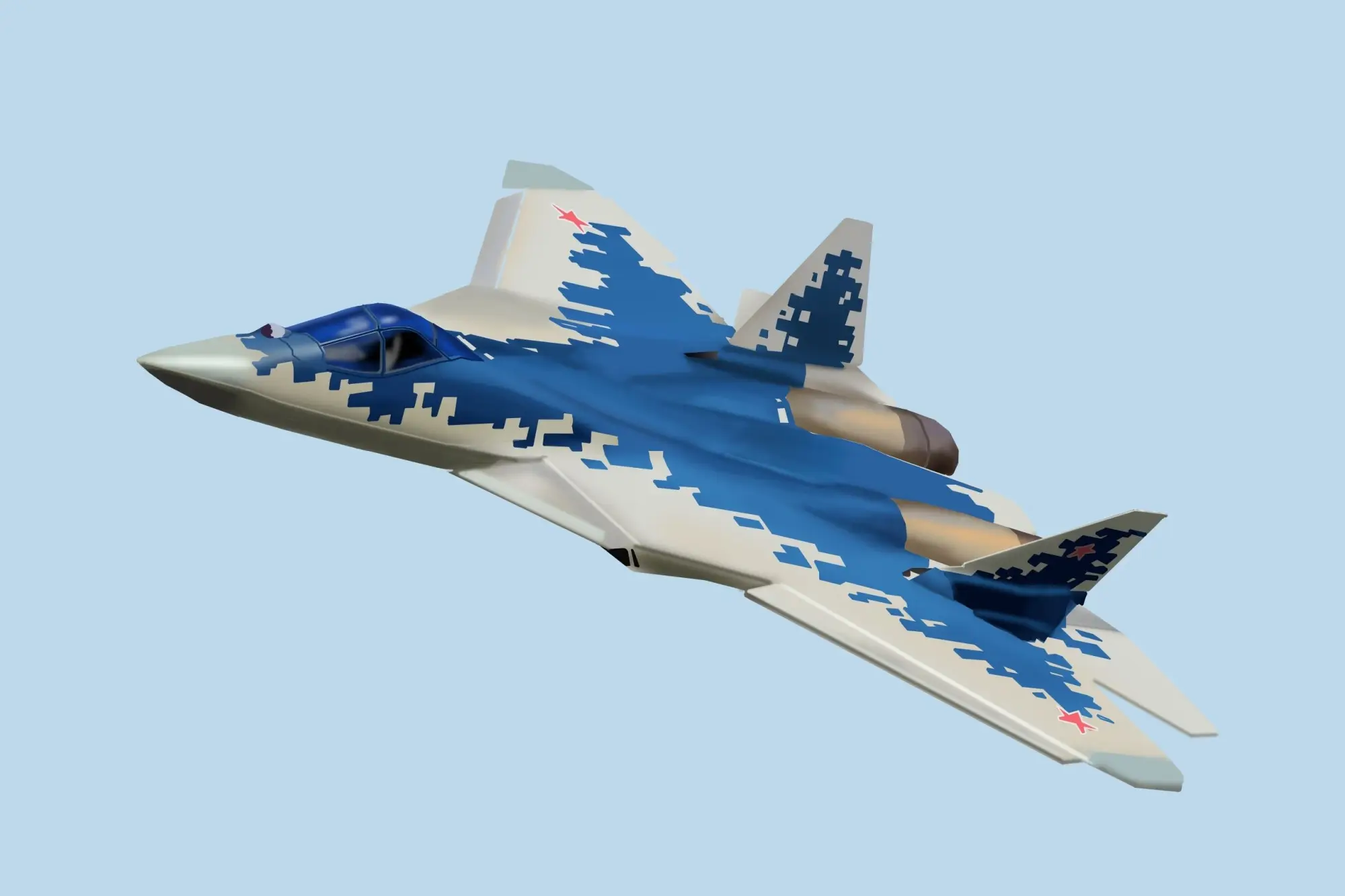
Successfully combining indigenous AMCA production with insights from the Su-57 would signal to the world that India can manage complex, high-value defence programmes. This credibility could enhance India’s negotiating power in international defence deals, attract foreign collaborations, and position the country as a serious competitor in advanced fighter jet development.
)
)
)
)
)