'Antifa, ISIS cells or Neo-Nazi': 5 US terrorist outfits that could have driven Tyler Robinson to murder Charlie Kirk

The shocking murder of conservative activist Charlie Kirk by 22-year-old Tyler Robinson has raised questions about who influenced him. While Robinson’s exact motivations remain unclear, experts warn that several US extremist organizations pose a rising threat to vulnerable Gen Z minds.
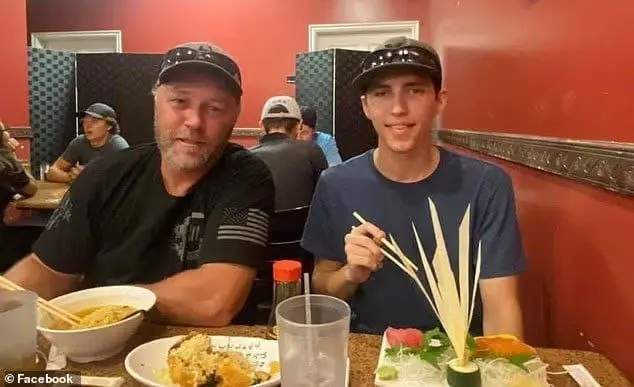
Antifa Networks
Antifa is a loosely organized left-wing extremist movement in the US. While not formally structured as a group, its decentralized operations have made it influential among young internet-savvy Americans. Authorities worry such radical circles can easily pull disaffected Gen Z individuals into violent ideologies.

Atomwaffen Division (AWD)
The Atomwaffen Division, a neo-Nazi terrorist organisation, is notorious for targeting disillusioned youth online through extremist propaganda. Known for violent attacks and radical manifestos, AWD represents one of the deadliest recruitment threats for Gen Z Americans seeking belonging in digital spaces.
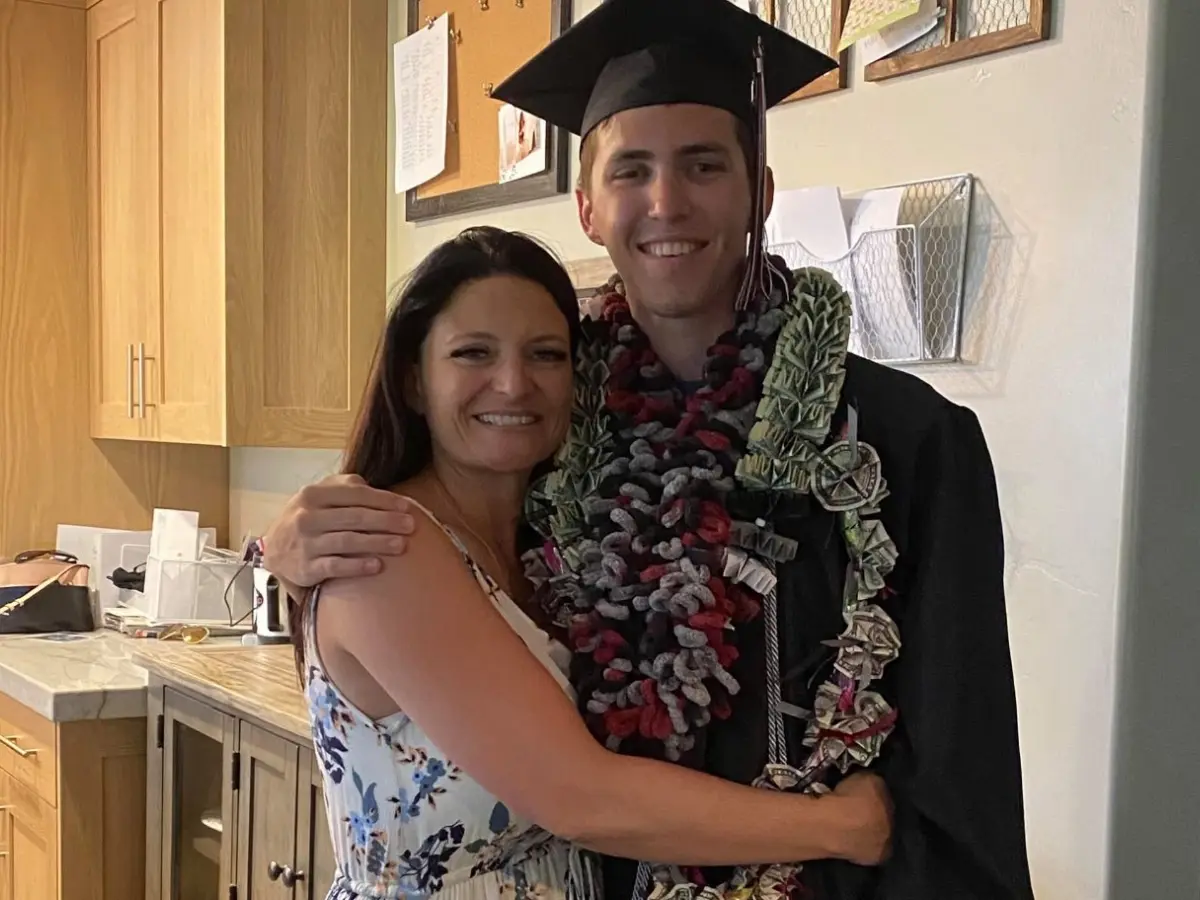
Boogaloo Bois
This far-right, anti-government extremist group thrives on memes and online communities, which strongly appeal to Gen Z. The Boogaloo Bois push narratives of civil war and violent rebellion, influencing younger individuals into seeing violence as a legitimate form of political expression.

ISIS-Inspired Online Cells
Though weakened in the Middle East, ISIS and its affiliates continue to inspire radicalization in the US through online propaganda. Gen Z, being the most internet-native generation, is highly exposed to these tactics, especially on encrypted platforms where recruitment often goes unnoticed.

Eco-Terrorist Cells
Radical eco-terrorist groups exploit Gen Z’s deep concern for climate change. By framing violent acts as “defense of the planet,” these organizations try to lure young people into illegal activities, blurring the line between activism and extremism.
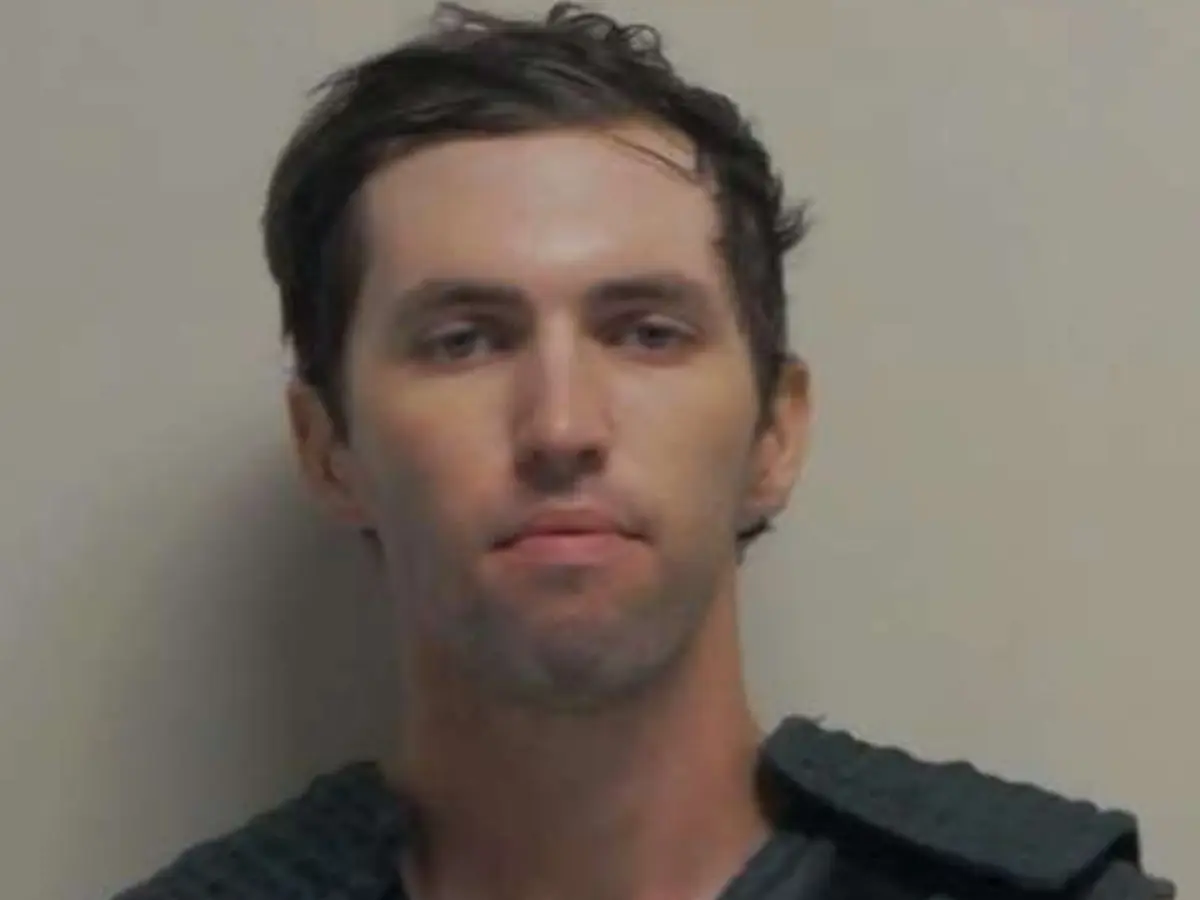
Closing Note
While investigators have not confirmed that Tyler Robinson was linked to any extremist organization, his radical shift raises concerns about how online ideologies and extremist groups manipulate young minds. The case underscores the urgent need to address digital radicalization in America.
)
)
)
)
)