'Ali Larijani, Iran’s security chief, killed in Israeli strike', claims Netanyahu

Israeli PM Netanyahu claims Israel killed Iran’s Ali Larijani amid escalating tensions and signaling a broader push to weaken Tehran’s leadership
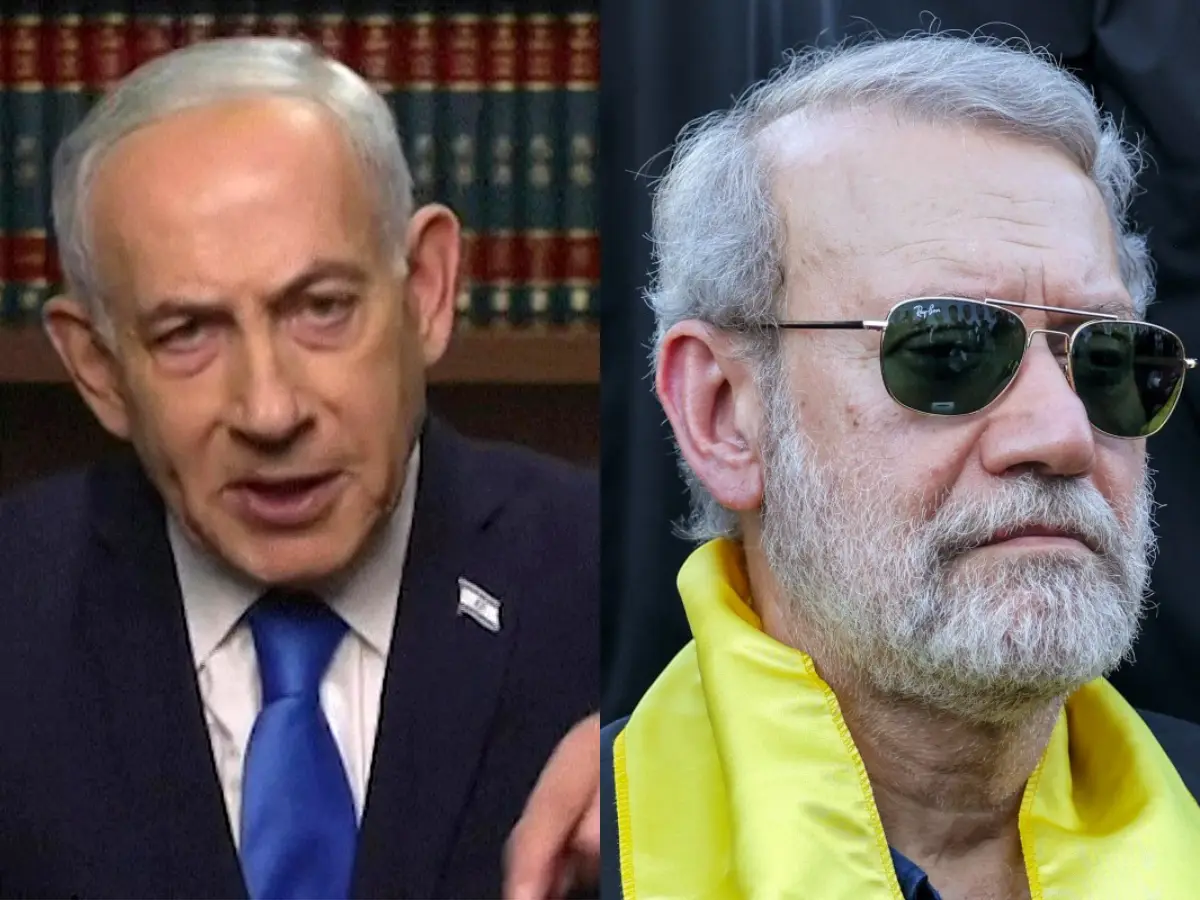
Israel claims major strike on Iran’s leadership
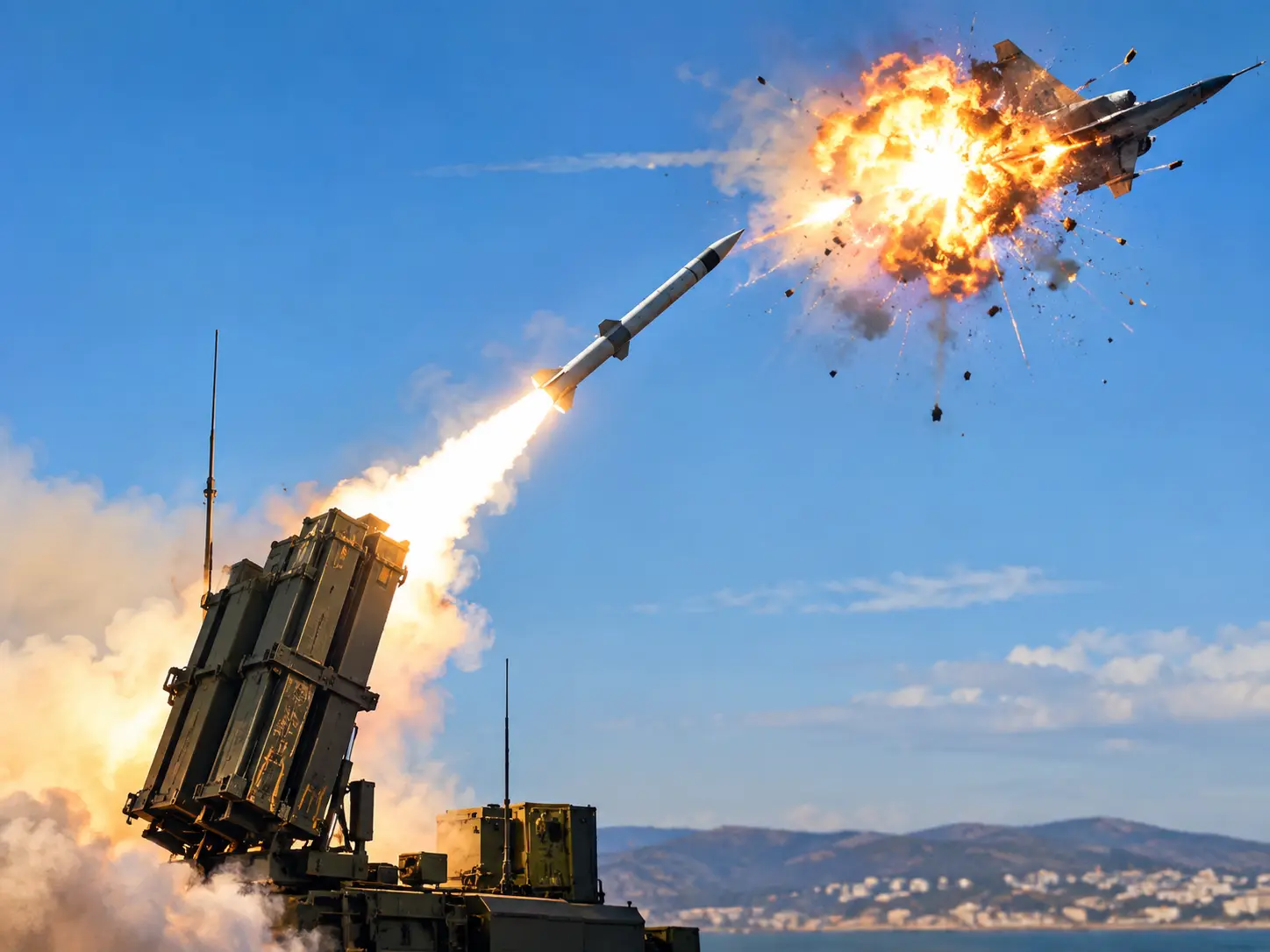
Israel has claimed a major escalation in its conflict with Iran, with Prime Minister Benjamin Netanyahu announcing the killing of senior Iranian official Ali Larijani. According to Netanyahu, the strike targeted key figures linked to Iran’s security and military infrastructure. The operation, reportedly conducted using Israeli Air Force jets and drones, signals a significant shift toward direct confrontation. While Iran has not officially confirmed Larijani’s death, the announcement has triggered global attention and raised fears of further escalation. The strike is being framed by Israel as a strategic move against what it calls Iran’s “terror apparatus.”
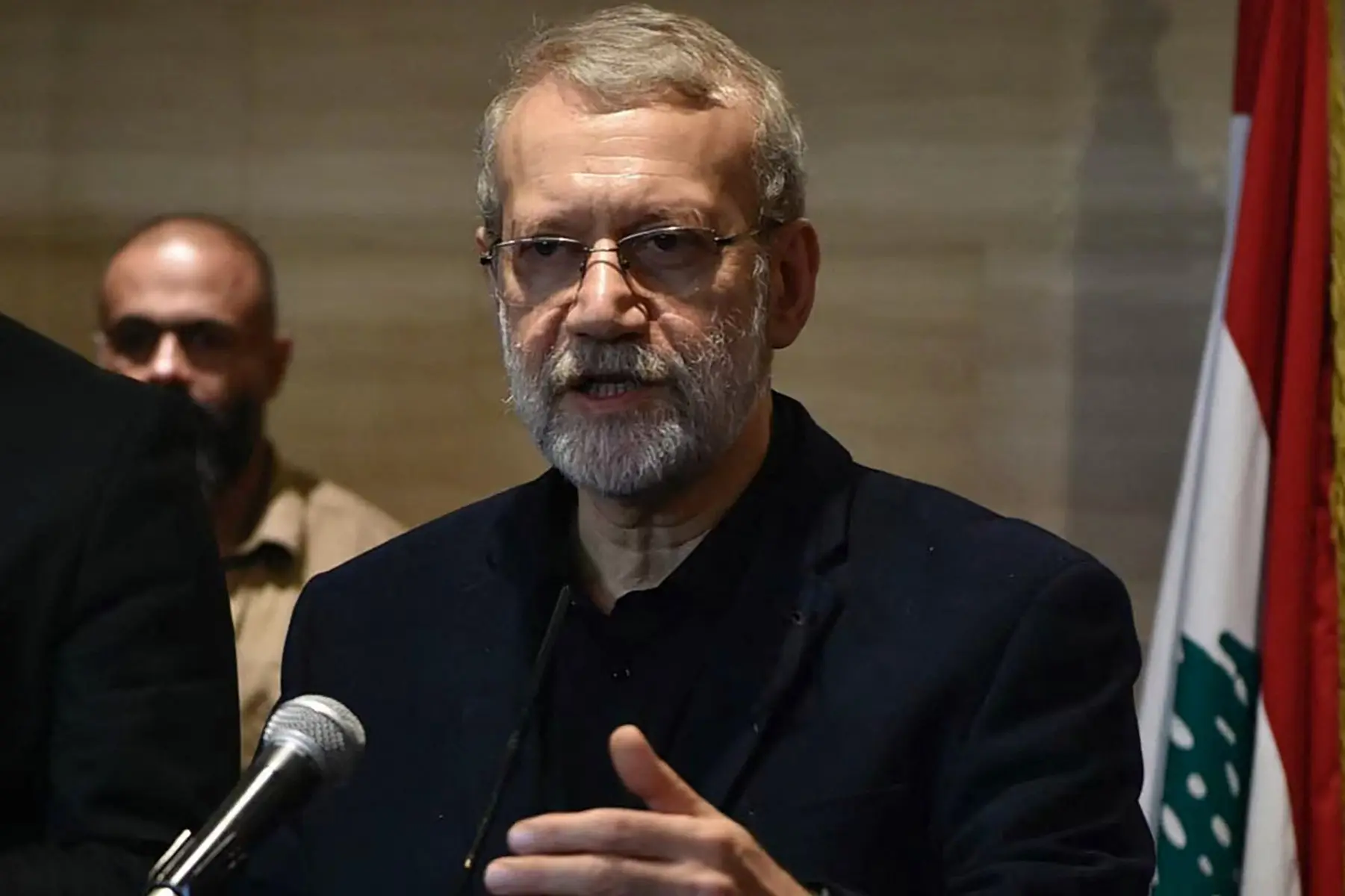
Who was Ali Larijani?
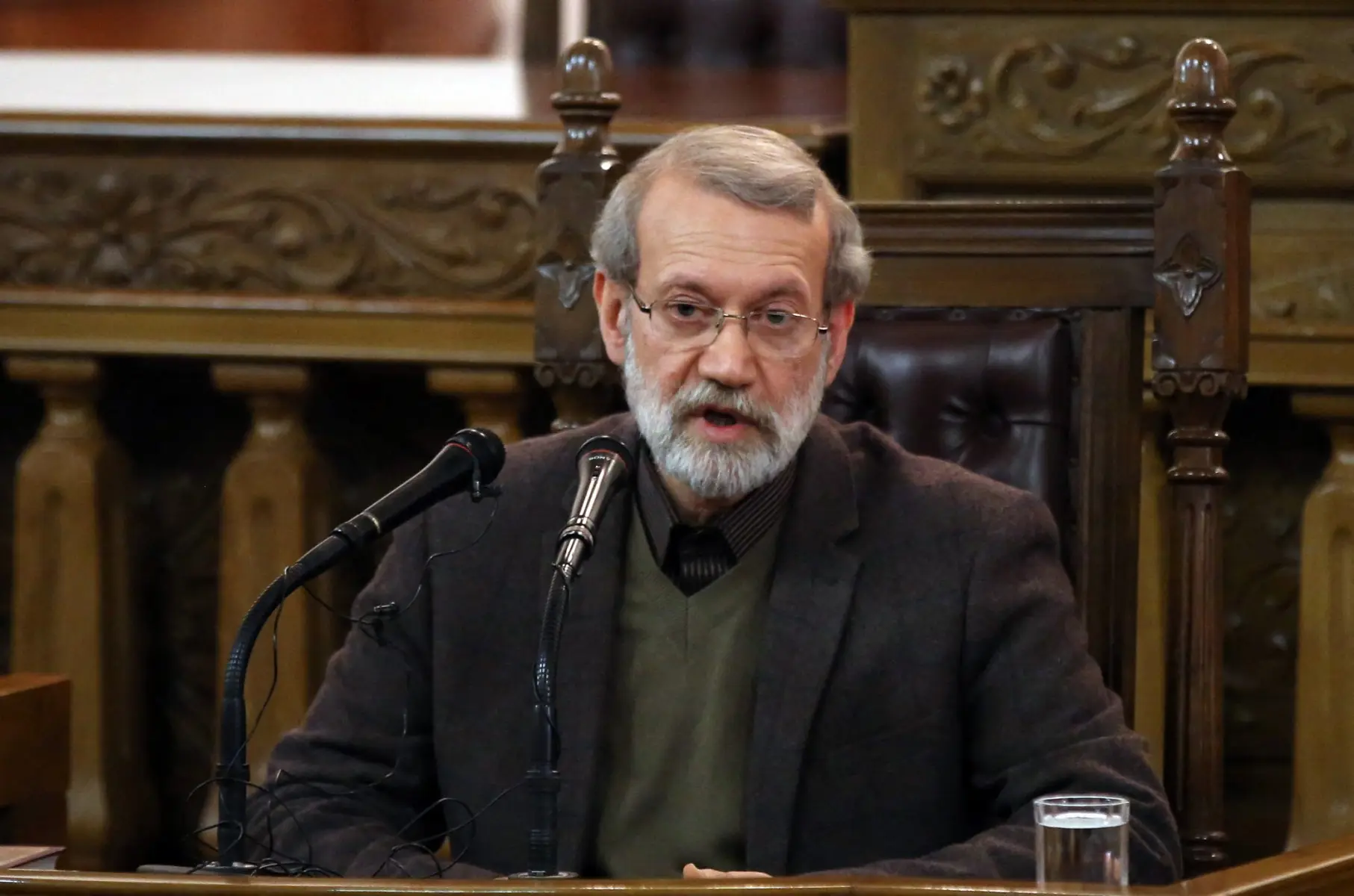
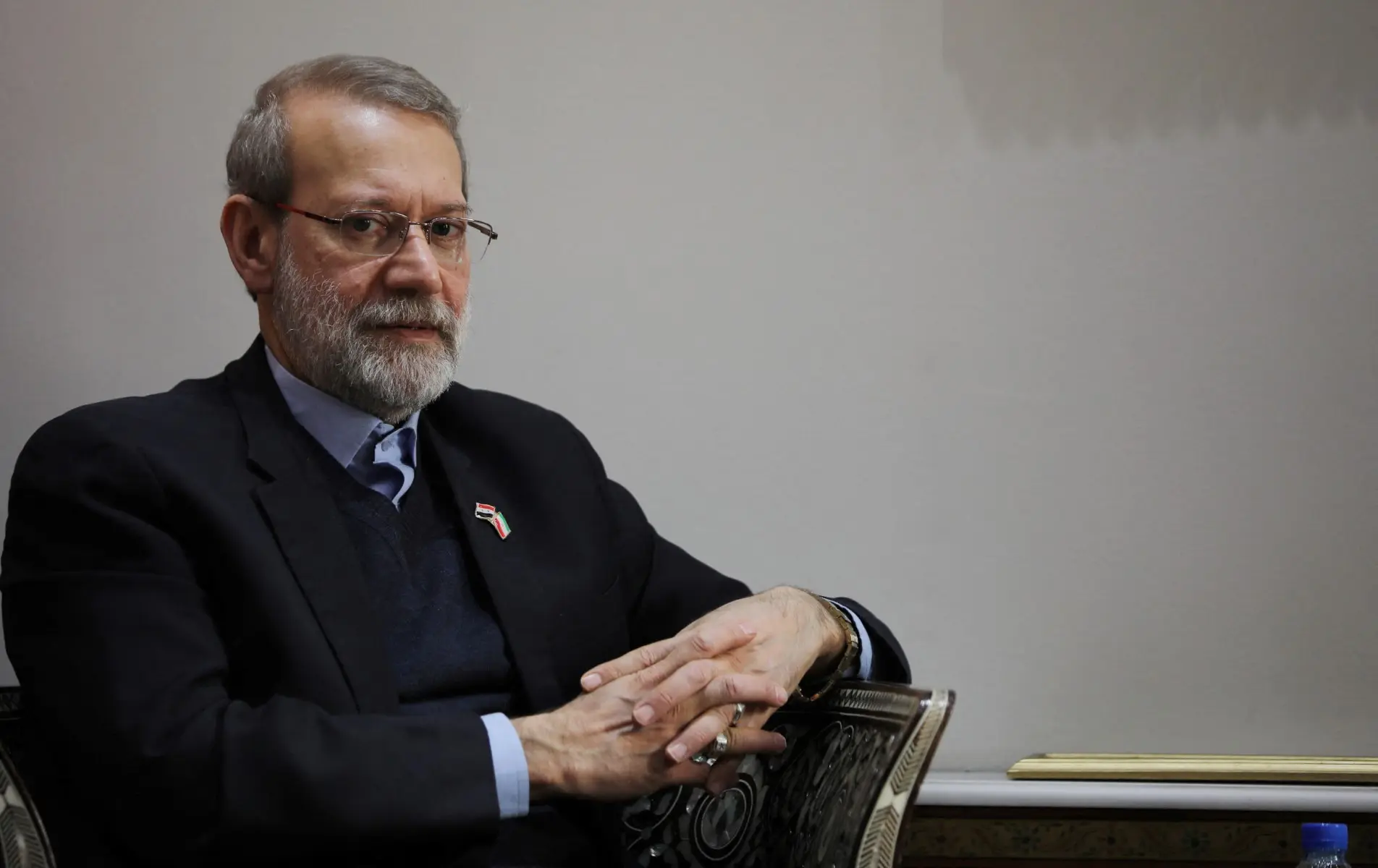
Ali Larijani was widely known as a prominent figure in Iran’s political and security establishment. In Netanyahu’s statement, he was described as the head of the Revolutionary Guards, though publicly he has been associated with high-level advisory and national security roles. Larijani has long been seen as influential in shaping Iran’s domestic and foreign policies. His reported killing, if confirmed, would mark one of the most significant losses for Iran’s leadership in recent years. The uncertainty surrounding his status has added to the tension, with conflicting reports and speculation continuing to circulate across international media platforms.
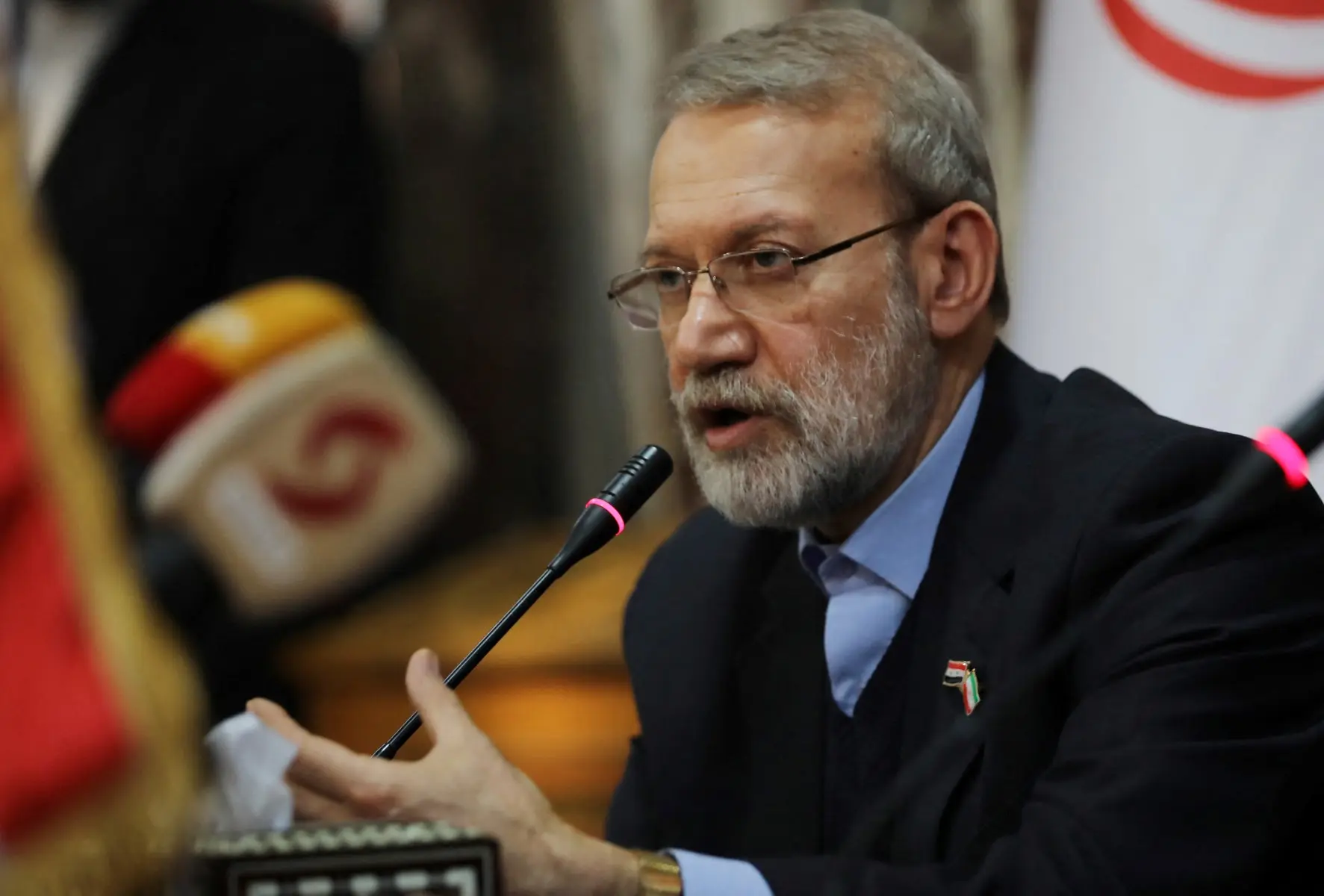
Netanyahu: ‘We are undermining the Iranian regime’
In a strong statement, Netanyahu said the strike was part of a broader effort to weaken Iran’s ruling system. He claimed Israel is actively working to “undermine the regime” and create conditions for internal change within Iran. According to him, sustained pressure through military operations could eventually allow Iranian citizens to challenge their leadership. He emphasized that such change would not be immediate or easy but framed the strategy as long-term. The remarks highlight Israel’s increasingly aggressive posture toward Iran, moving beyond containment toward a more direct approach aimed at altering the balance of power.
Coordination with the United States
Netanyahu also revealed ongoing coordination with the United States, saying he had spoken with President Donald Trump regarding the situation. He described cooperation between Israeli and American air and naval forces, suggesting a joint strategic approach in the region. While details remain limited, the mention of collaboration indicates a broader alliance at play in countering Iran. Netanyahu hinted at both direct and indirect actions being used to apply pressure. This development raises concerns about a wider regional conflict, as increased coordination between major military powers could escalate tensions beyond bilateral confrontation.
Mixed signals and uncertainty in Iran
Despite Israel’s claims, there is still no official confirmation from Iran regarding Larijani’s death. Reports, including social media activity linked to Larijani, have fueled speculation about whether he is alive. This uncertainty has created confusion and intensified the information war surrounding the conflict. Analysts note that such ambiguity is common in high-stakes geopolitical situations, where both sides control narratives carefully. The lack of clear confirmation keeps the global community on edge, as the truth behind the claims could significantly influence diplomatic responses and potential retaliation from Iran or its allies.
Rising regional tensions after October 7
Netanyahu framed the strike within the broader context of Israel’s security situation since the October 7 attacks. He said that Israel has transitioned from vulnerability to strength, positioning itself as a major power alongside its allies. The latest developments reflect a more assertive military doctrine aimed at deterring threats before they escalate. However, experts warn that such actions could provoke retaliation and deepen instability in the Middle East. With tensions already high, the situation remains volatile, and any further escalation could have far-reaching consequences for regional and global security.
)
)
)
)
)