'$67 million project': NASA’s NICER Telescope faces glitch in space, scientific missions paused

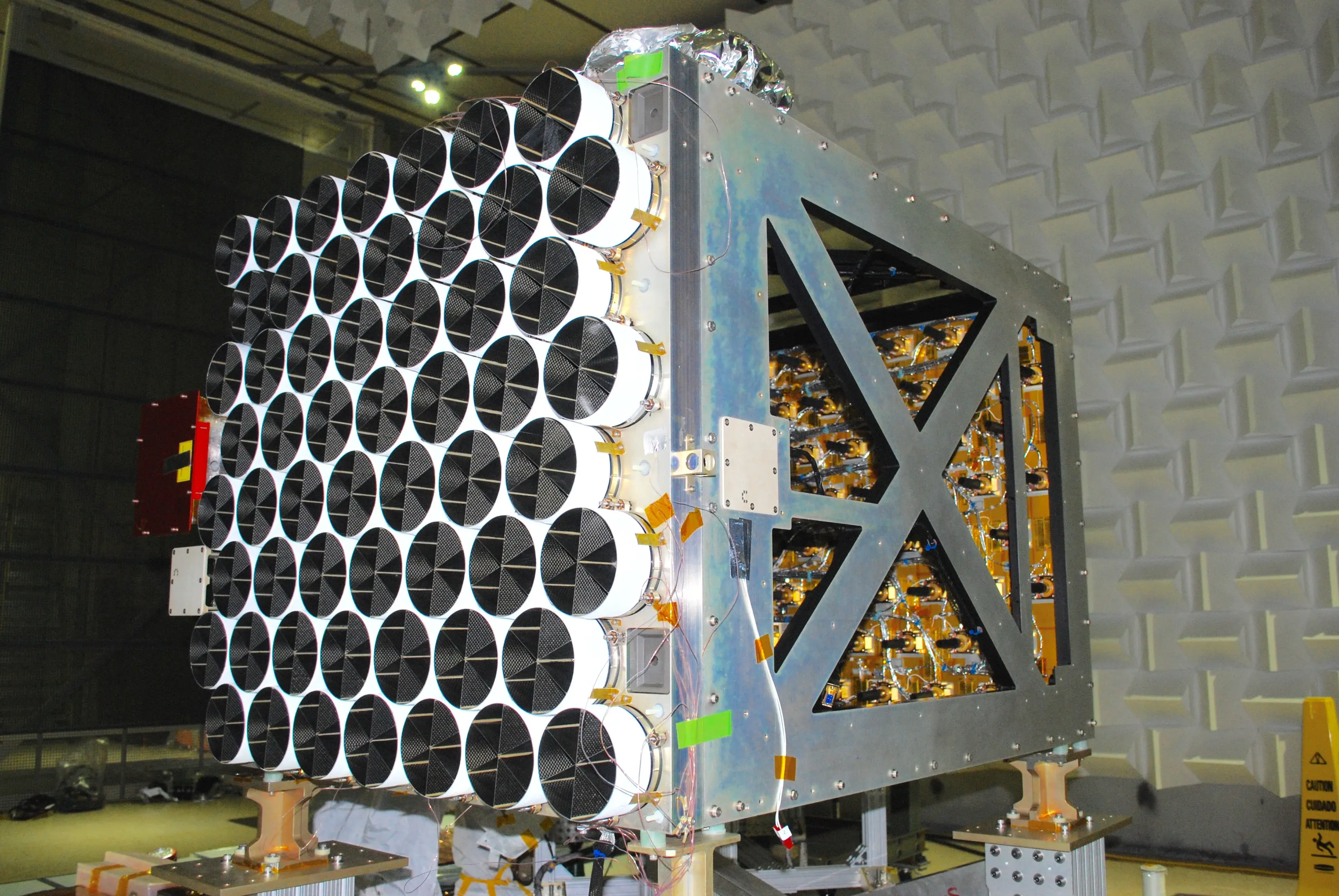
NASA’s Neutron star Interior Composition Explorer (Nicer) telescope, a $67 million X-ray instrument aboard the International Space Station (ISS), has halted science operations due to a sudden hardware malfunction.
Key Motor Failure Suspends Operations
Since June 17, Nicer’s primary motor, essential for moving the telescope side to side to track cosmic targets, has failed. This leaves the instrument unable to adjust its position, forcing scientists to pause all observations.
Mission Team Works on Safe Stowing
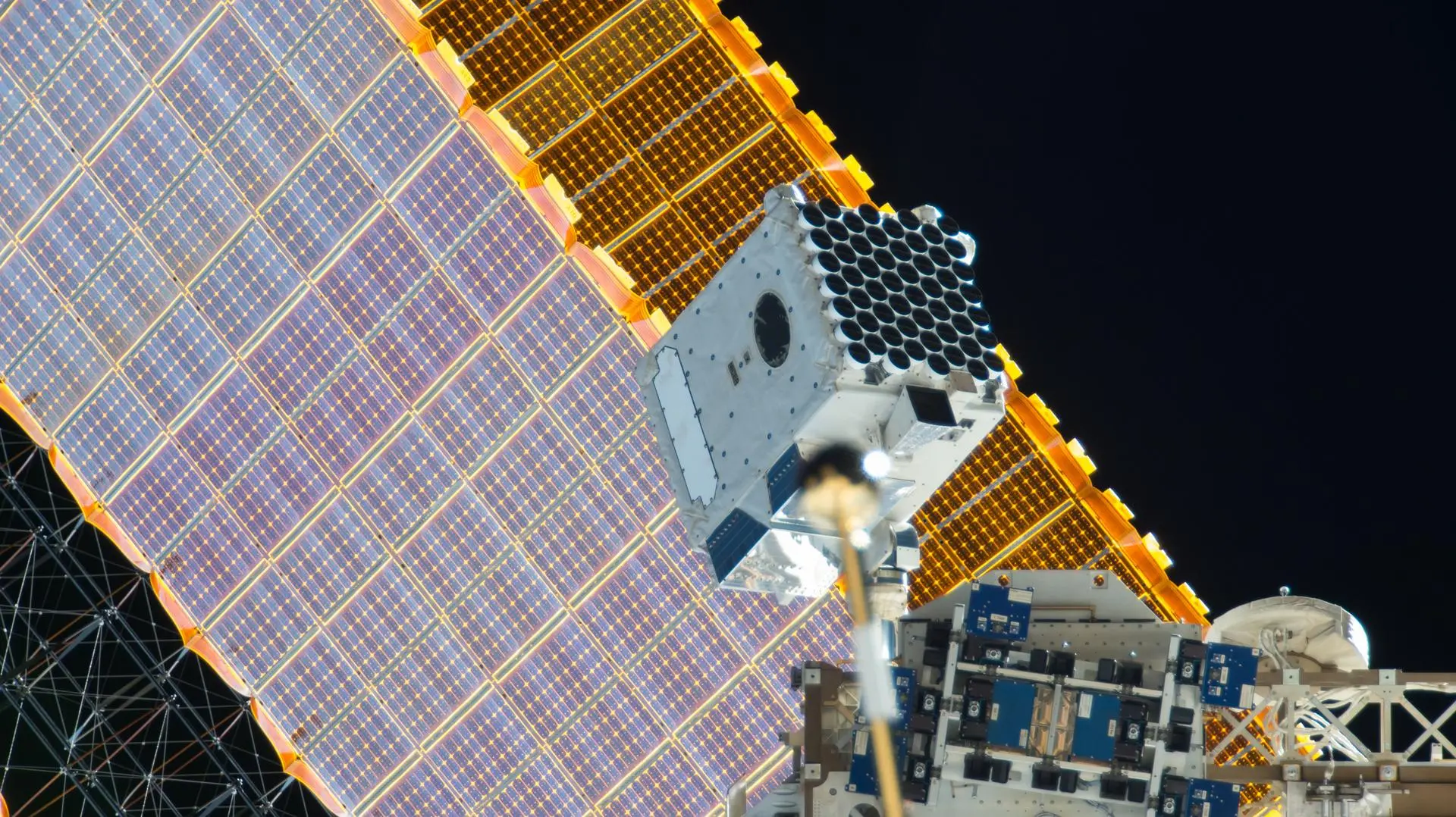
NASA engineers are focusing on placing Nicer into a safe “stowed” mode to prevent interference with ISS activities. Despite the motor failure, the fixed position currently poses no risk to the station or its crew.
Investigations Underway to Identify Cause
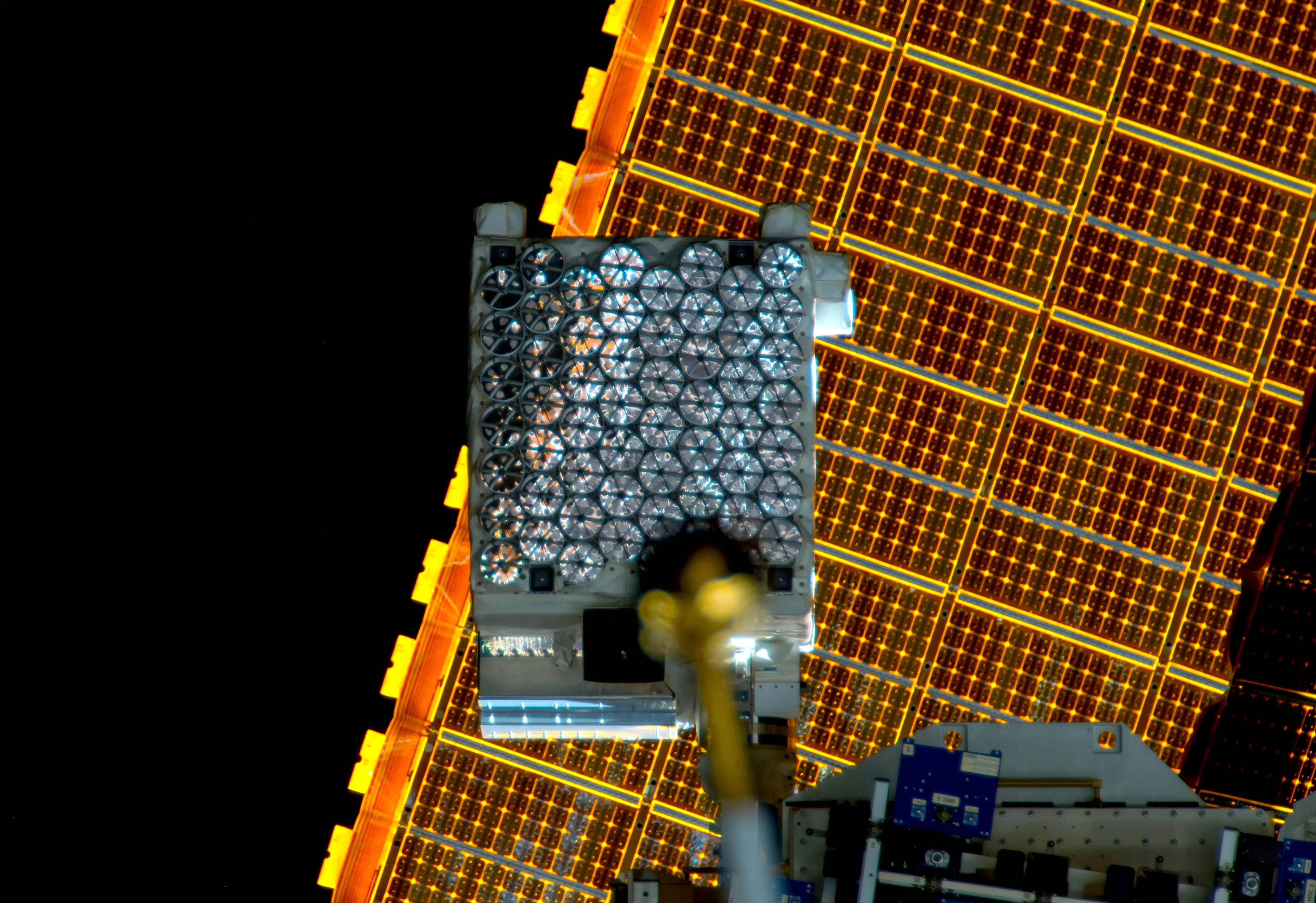
Robotic cameras monitor the telescope externally while ground teams collaborate with astronauts to diagnose the internal problem. So far, the root cause remains unknown, and no timetable has been set for restarting scientific investigations.
Extended Mission Beyond Expectations
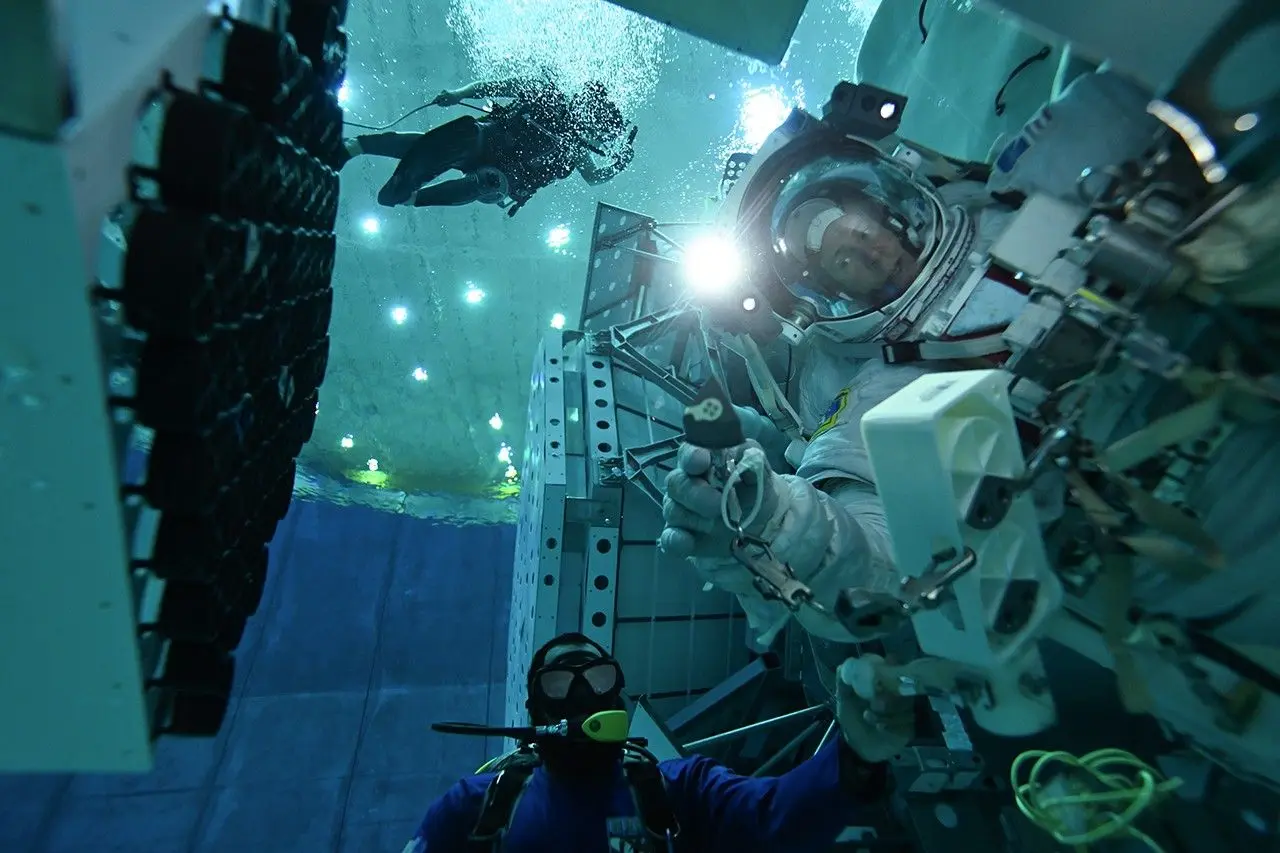
Launched in 2017 for an initial 18-month mission, Nicer has now been operating for over eight years, far surpassing expectations. It has provided groundbreaking insights into neutron stars, black holes, pulsars, and other cosmic phenomena.

Contributions to Space Navigation and Earth Applications
Nicer demonstrated autonomous X-ray navigation technology, an advance crucial for future deep space missions including Mars exploration. Its technology has also inspired developments like portable CT scanners used on Earth.

Past Challenges Highlight Complexity of Space Repair
This malfunction follows earlier issues, such as a “light leak” in 2023 that hampered observations. Previous fixes have extended Nicer’s scientific output, but the current failure underscores the challenges of maintaining complex instruments in orbit.
Impact on Scientific Community
The unexpected halt delays ongoing research that depends on Nicer’s continuous data. Scientists await further updates as teams work to restore full telescope functionality.
)
)
)
)
)