'667 million Hiroshima bombs': 3I/ATLAS hit could have released 10 million megatons of TNT energy on Earth

While it poses no threat to Earth today, theoretical calculations show that if it were on a collision course, the energy released would be equivalent to roughly 667 million times the energy of the Hiroshima bomb.
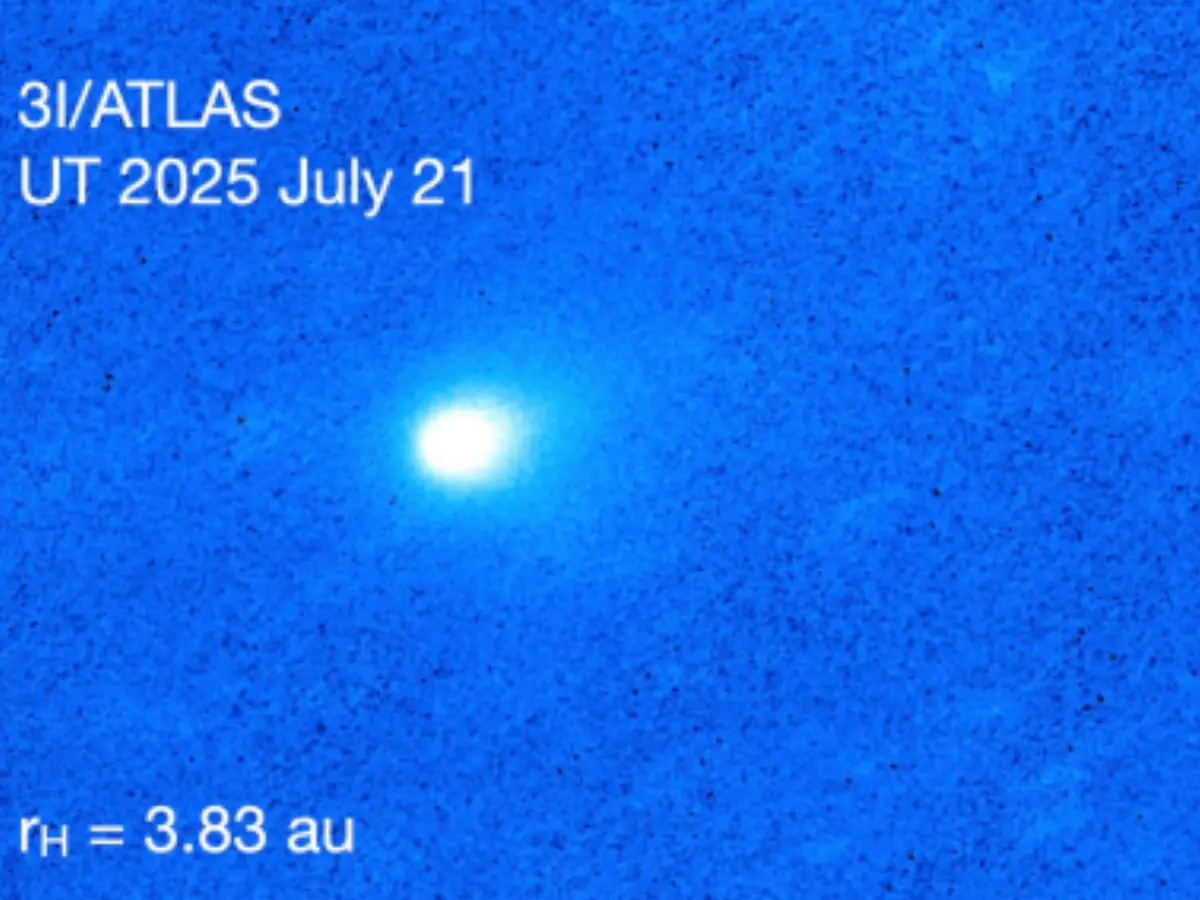
1. Size and Speed of 3I/ATLAS
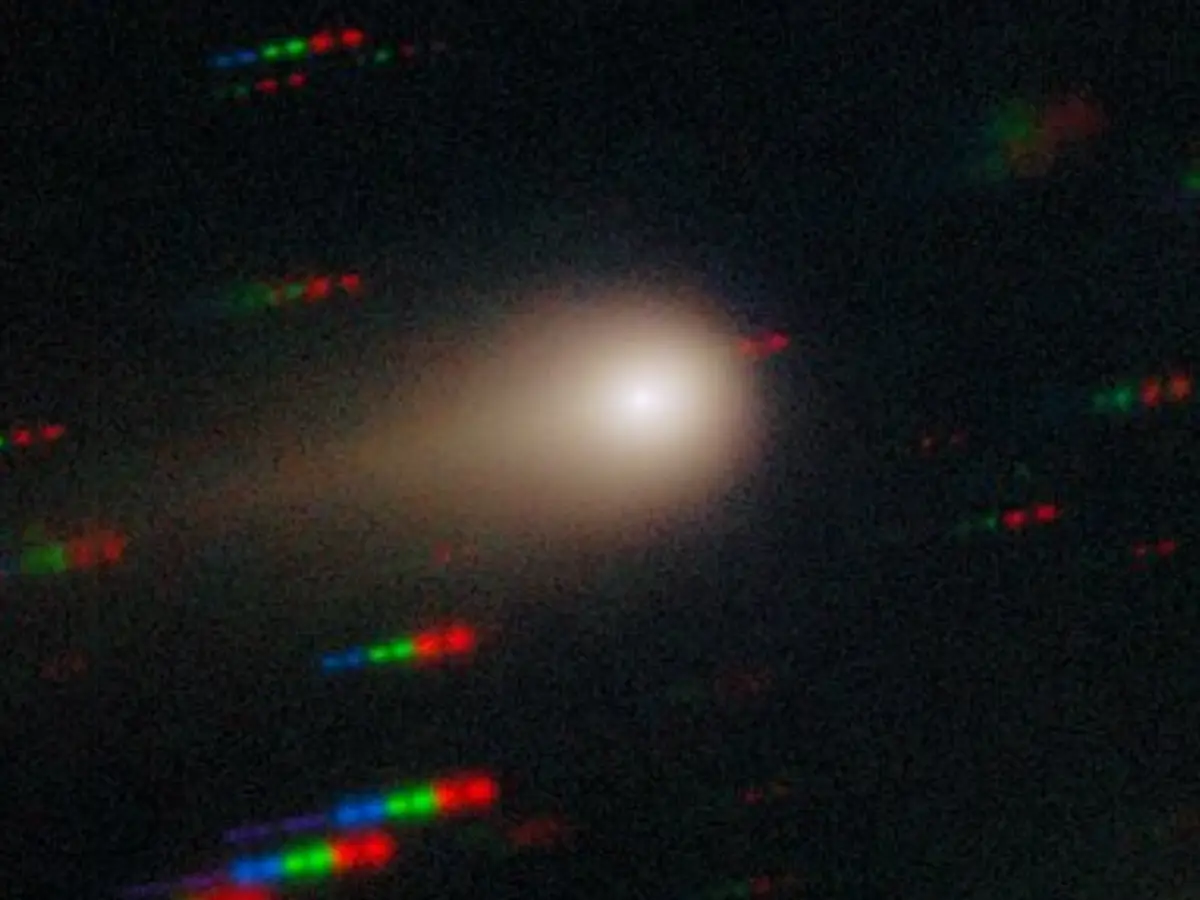
3I/ATLAS is estimated to be about 3 miles (5 km) in diameter and traveling at speeds of over 100,000 mph. Its combination of mass and velocity gives it enormous kinetic energy, enough to devastate large regions of the planet.
2. Calculating the Energy
- Energy released: 10 million megatons of TNT
- 1 Hiroshima bomb: ~15 kilotons of TNT
- Equivalent: 10,000,000 megatons×1,000,000 tons/megaton÷15,000 tons/Hiroshima bomb≈667,000,00010,000,000 \text{ megatons} \times 1,000,000 \text{ tons/megaton} ÷ 15,000 \text{ tons/Hiroshima bomb} \approx 667,000,00010,000,000 megatons×1,000,000 tons/megaton÷15,000 tons/Hiroshima bomb≈667,000,000 Hiroshima bombs
3. Regional and Global Impact
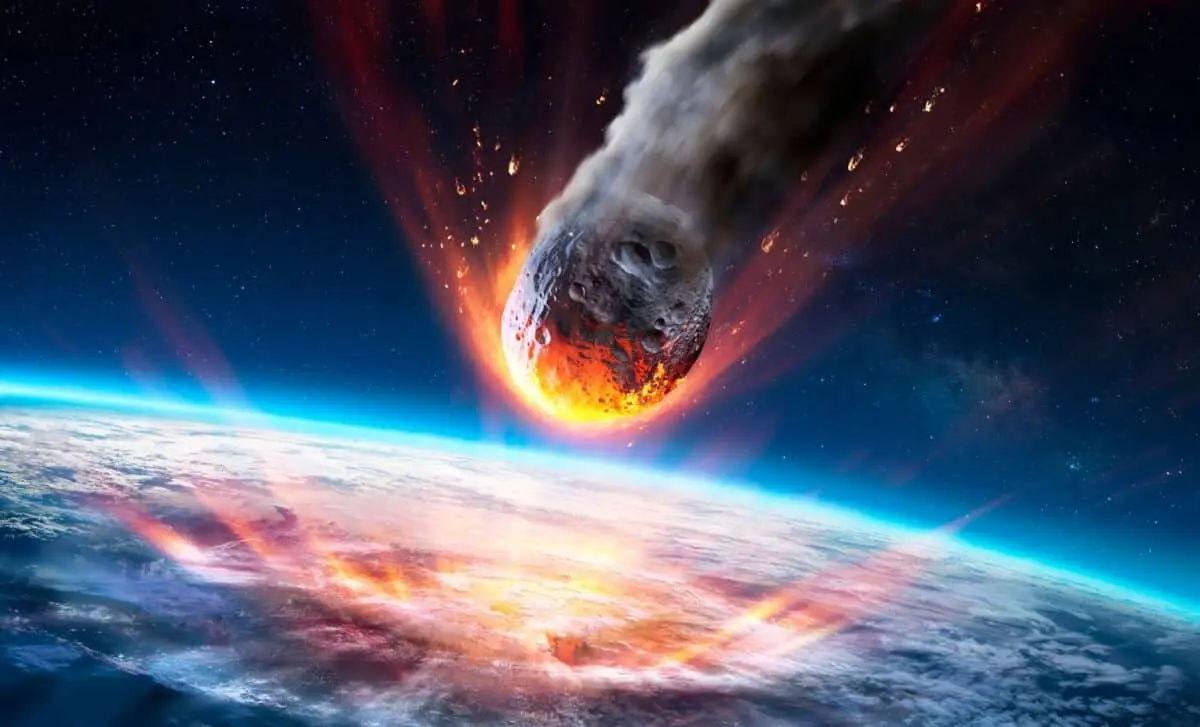
While 3I/ATLAS is smaller than the asteroid that caused the dinosaur extinction (~100 million megatons), an impact could still:
- Flatten entire continents
- Trigger tsunamis and massive earthquakes
- Produce global firestorms and atmospheric shockwaves
- Cause a temporary impact winter, severely disrupting climate and agriculture
4. Challenges for Planetary Defense
Current asteroid deflection strategies are designed for smaller, slower-moving objects. 3I/ATLAS’s high speed and interstellar trajectory would make it extremely difficult to divert or destroy with existing technology.
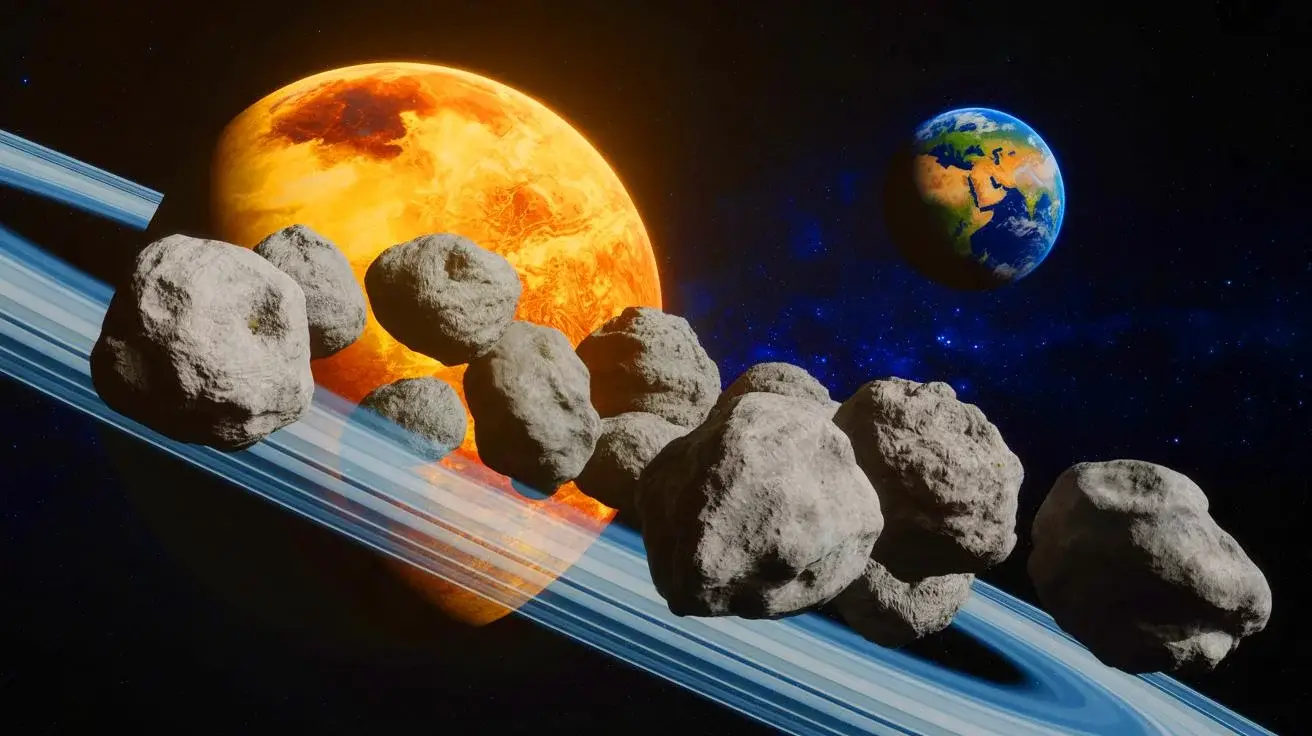
5. A Rare Interstellar Visitor
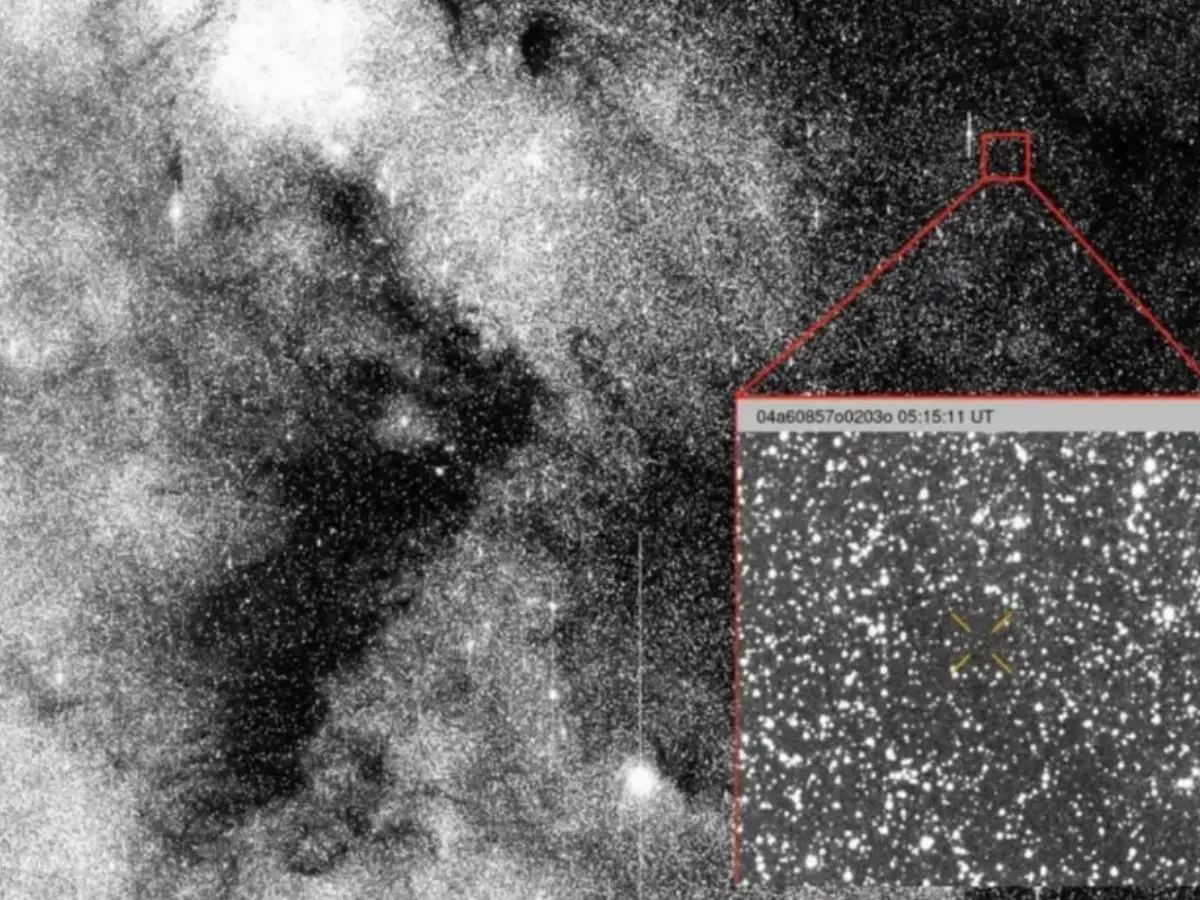
3I/ATLAS is only the third interstellar object detected in our solar system after 1I/‘Oumuamua and 2I/Borisov. Its unusual trajectory and properties provide a rare scientific opportunity to study a cosmic visitor from another star system.
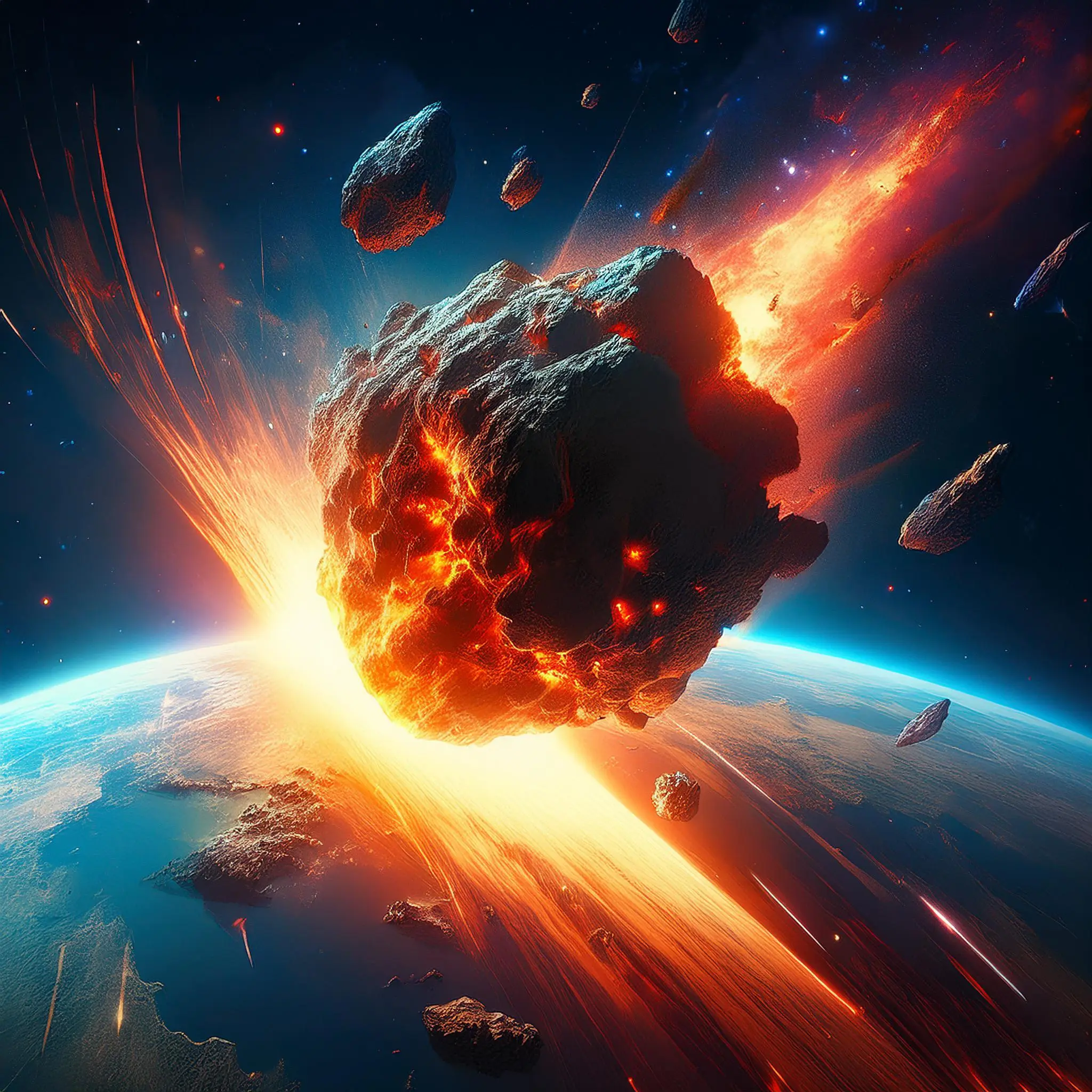
6. Why Scientists Are Watching Closely
Researchers are studying 3I/ATLAS not only for its scientific insights but also as a wake-up call for planetary defence. It shows that objects from interstellar space, even relatively small ones, could pose catastrophic regional risks if on a collision course.
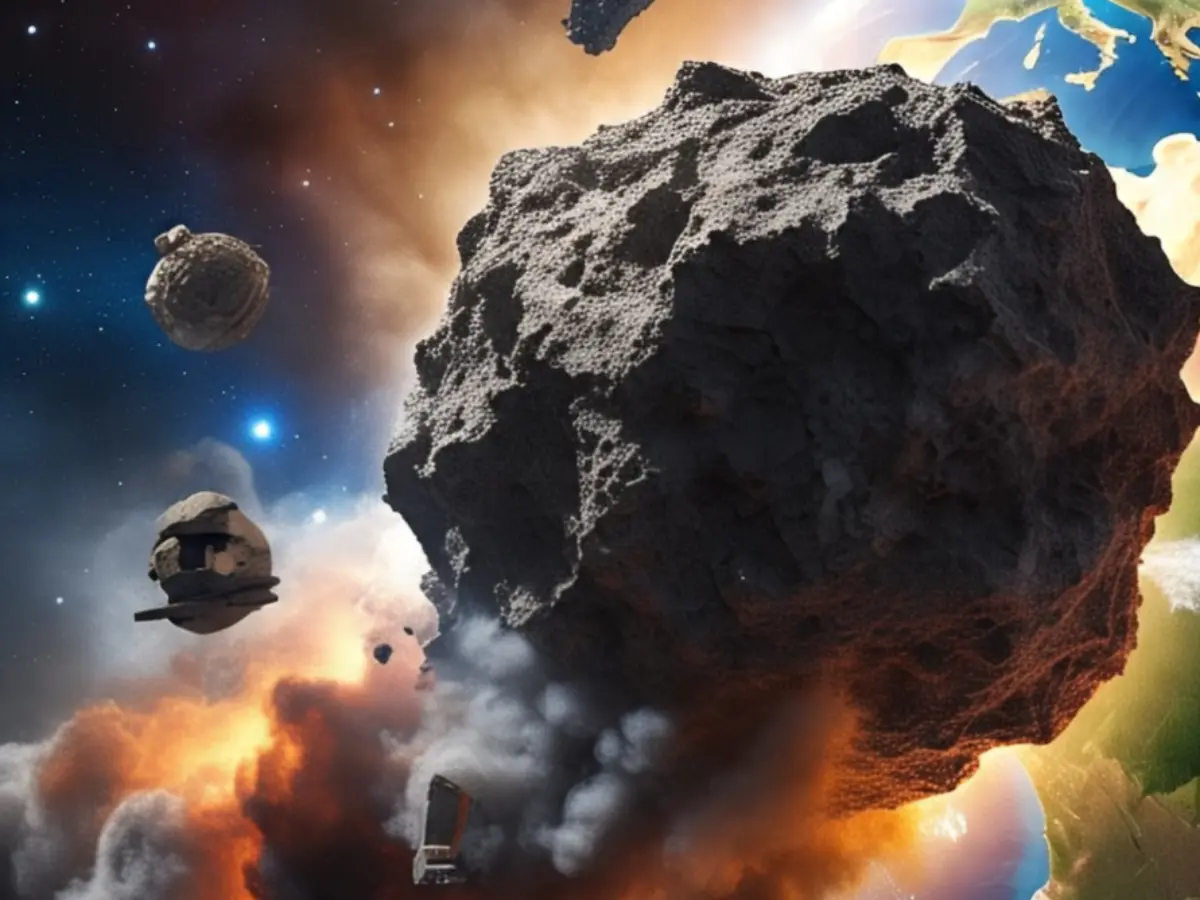
7. The Big Picture
Although 3I/ATLAS is currently safe, its potential energy, equivalent to 667 million Hiroshima bombs, demonstrates the importance of investing in asteroid detection and global defence systems to prepare for cosmic threats in the future.

Bottom line
3I/ATLAS highlights how even small interstellar objects can carry energy millions of times more powerful than nuclear bombs, reminding humanity that space is unpredictable and planetary defence is essential.
)
)
)
)
)