‘$3 Billion Bomber?’: What was the cost of the US aircraft that decimated a Japanese city

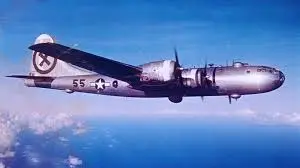
On August 6, 1945, the modified USD 3 billion B-29 Superfortress 'Enola Gay' dropped the 'Little Boy' atomic bomb on Hiroshima. The aircraft released the weapon from 31,000 feet, instantly changing the course of global military history.
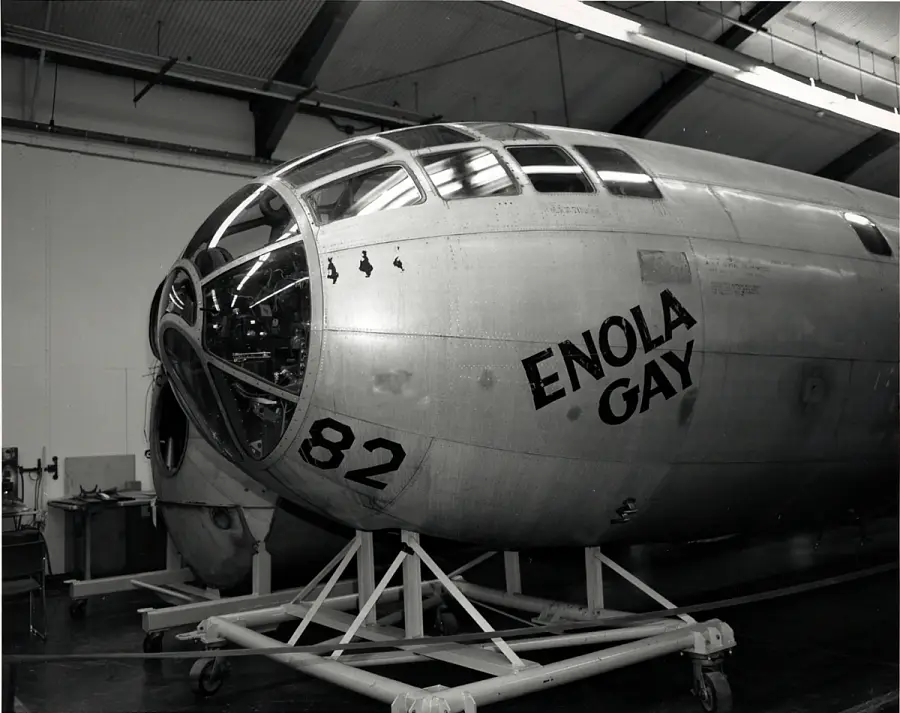
The Most Expensive Project
The Boeing B-29 Superfortress programme cost the US government an astonishing USD 3 billion during World War II. This massive financial investment actually exceeded the USD 1.9 billion spent on the highly secretive Manhattan Project that developed the atomic bombs.
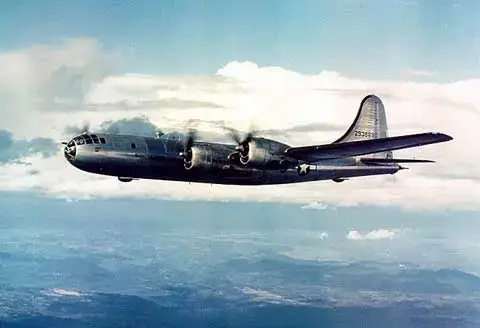
The 'Silverplate' Modifications
Standard heavy bombers could not physically carry the massive new nuclear weapons. Under a classified operation code-named 'Project Silverplate', engineers stripped the B-29 of its heavy armour and defensive gun turrets to accommodate the 9,700-pound payload.
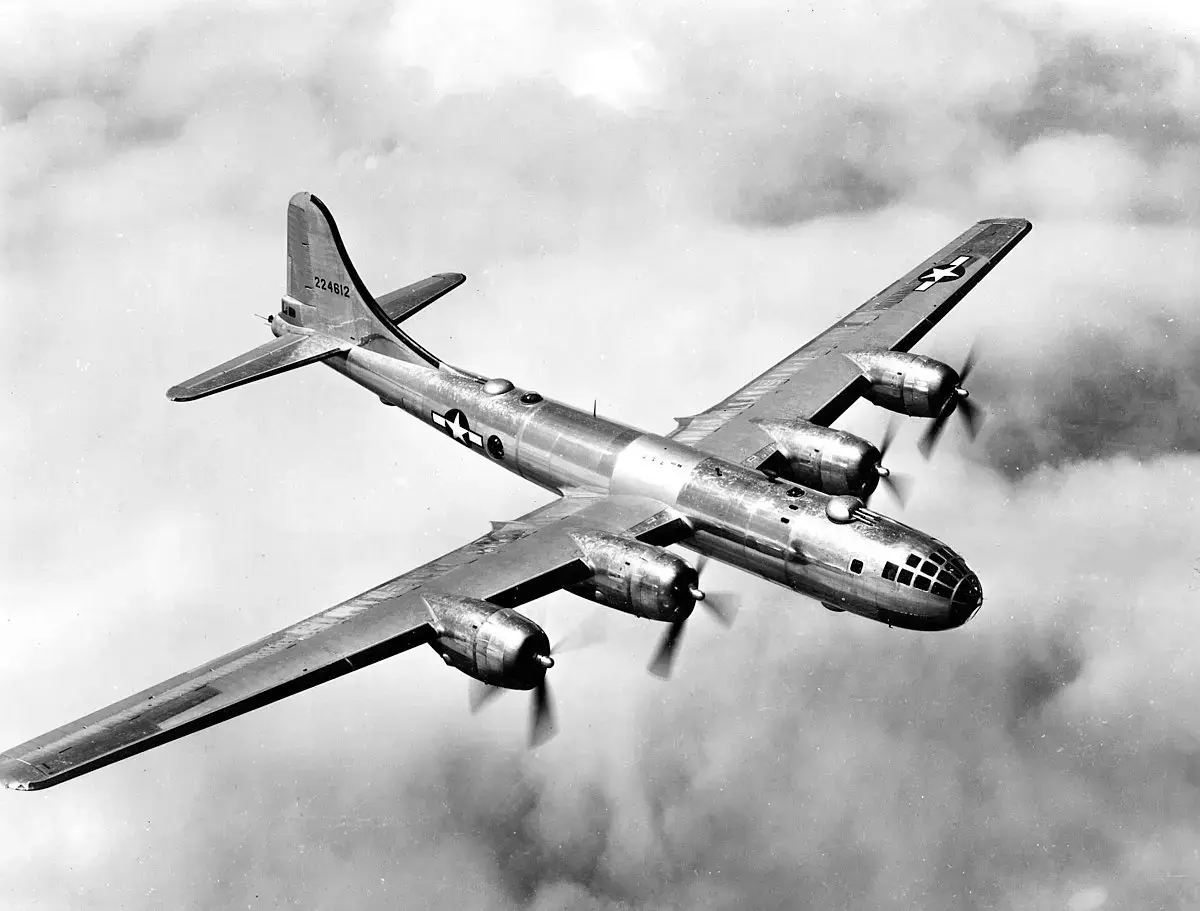
The 'Enola Gay' Designation
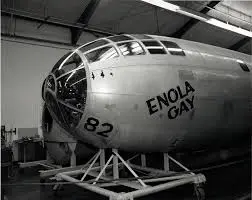
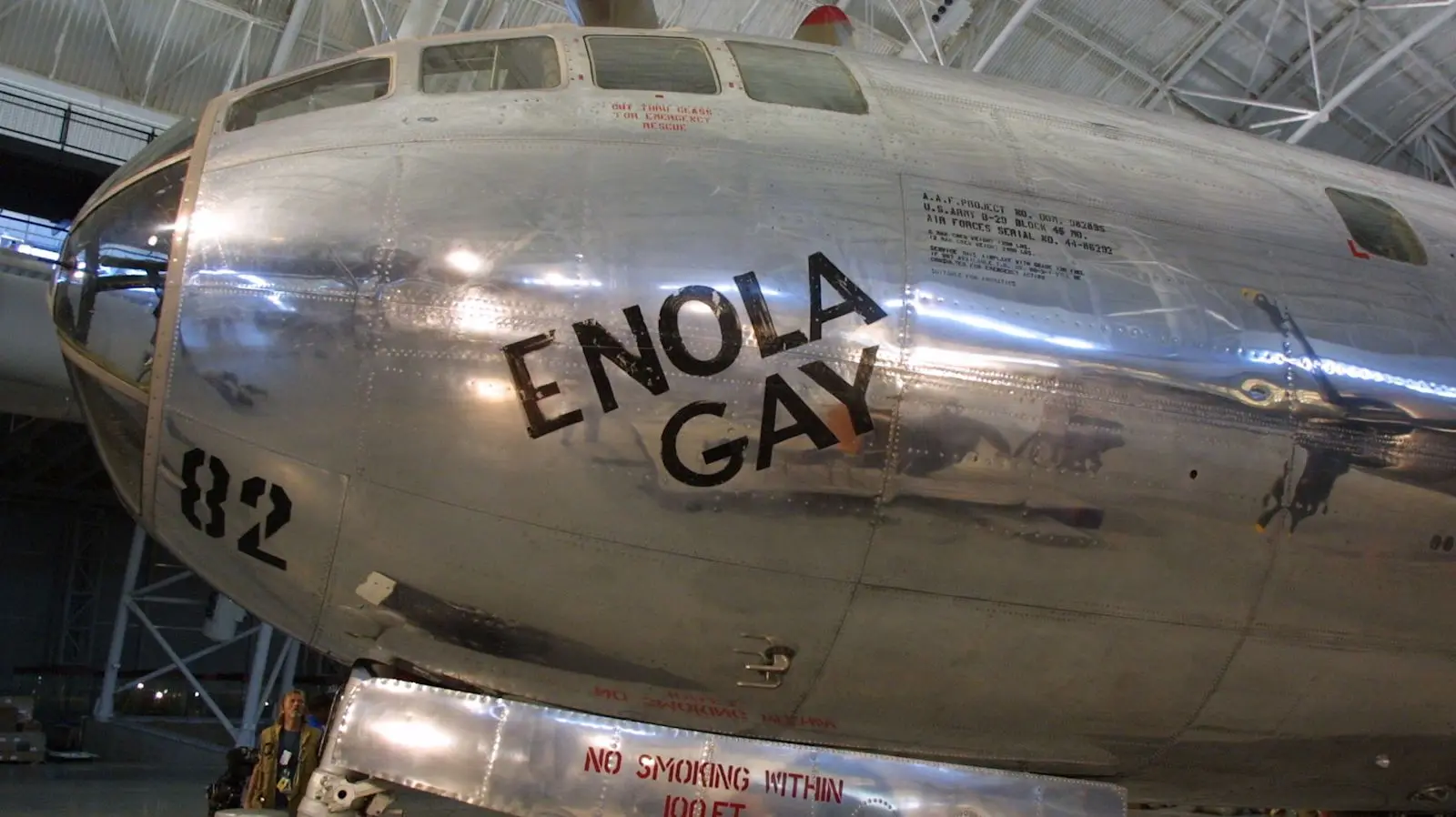
Colonel Paul W. Tibbets Jr. piloted the historic aircraft, naming it 'Enola Gay' after his mother shortly before the mission. The bomber operated out of Tinian Island, a highly strategic US military airbase located in the Pacific Ocean.
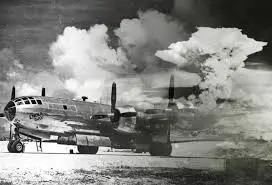
Carrying the 'Little Boy'
The aircraft carried a uranium-235 gun-type fission weapon nicknamed 'Little Boy'. Despite its innocent moniker, the highly complex bomb possessed an explosive yield equivalent to roughly 15,000 tonnes of TNT.
The 31,000-Foot Drop
At exactly 8:15 AM on August 6, 1945, the Enola Gay released the nuclear payload from an altitude of 31,000 feet. It took 43 terrifying seconds for the weapon to fall before detonating roughly 1,900 feet above the Shima Surgical Clinic.
The 155-Degree Escape
Immediately after dropping the bomb, Tibbets executed a violent 155-degree diving turn to escape the deadly blast radius. The aircraft was located 11.5 miles away when the shockwave hit, violently shaking the massive bomber twice.
The Devastating Aftermath
The single atomic blast instantly destroyed five square miles of Hiroshima, killing an estimated 70,000 to 80,000 people. The Enola Gay returned safely to its base, cementing its controversial legacy as the aircraft that launched the nuclear age.
)
)
)
)
)