'$13,317 million & counting': How much did US spend to build & keep its most advanced USS Gerald R. Ford combat-ready

When research and development costs are included, defence analysts widely consider the programme the most expensive military platform ever produced.
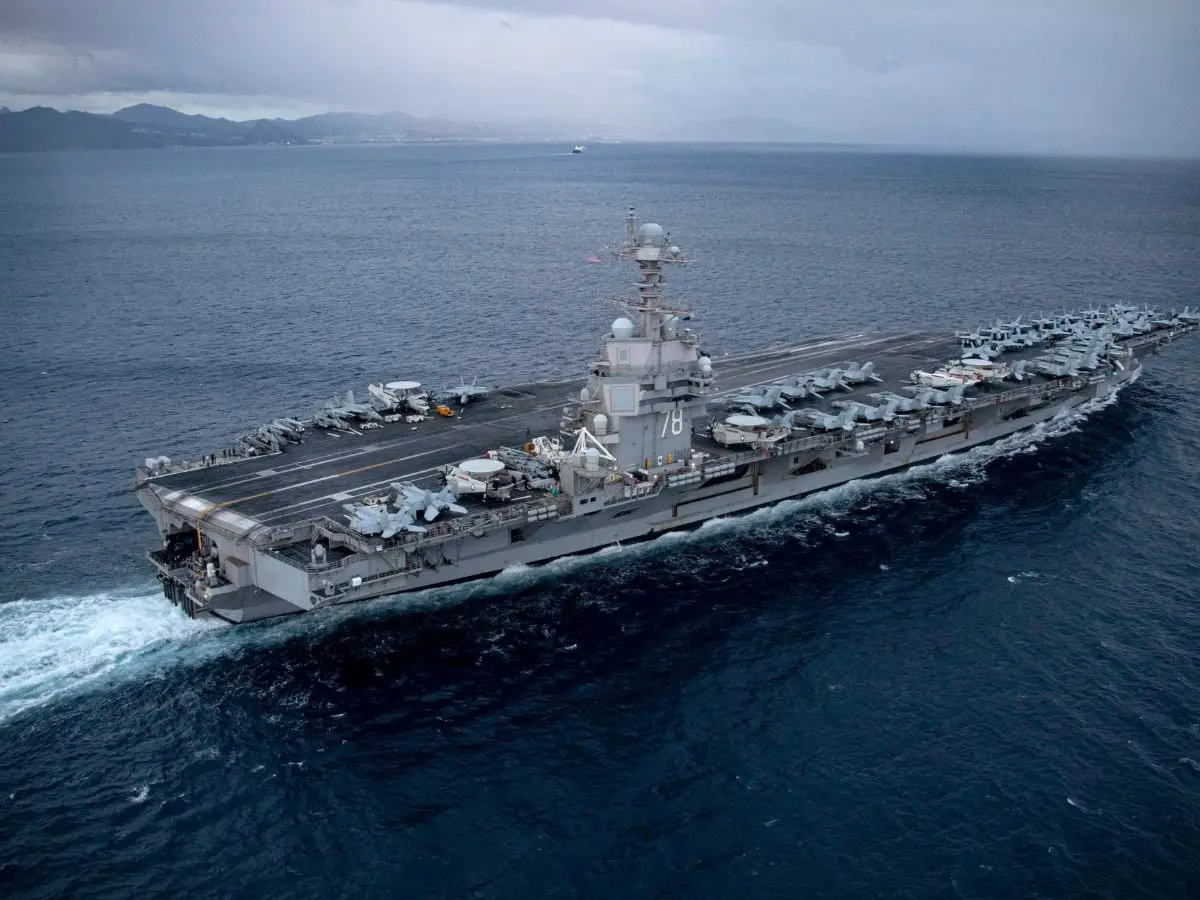
A Supercarrier at the Centre of Rising Regional Tensions
As tensions between Washington and Tehran deepen, the decision to deploy America’s most advanced aircraft carrier to the Middle East highlights the scale of military investment behind US power projection. The USS Gerald R. Ford represents the backbone of modern US naval strategy, combining advanced technology with unprecedented financial investment. Its deployment highlights how defence spending translates into operational military readiness during periods of heightened geopolitical strain.
Record-Breaking Construction Costs
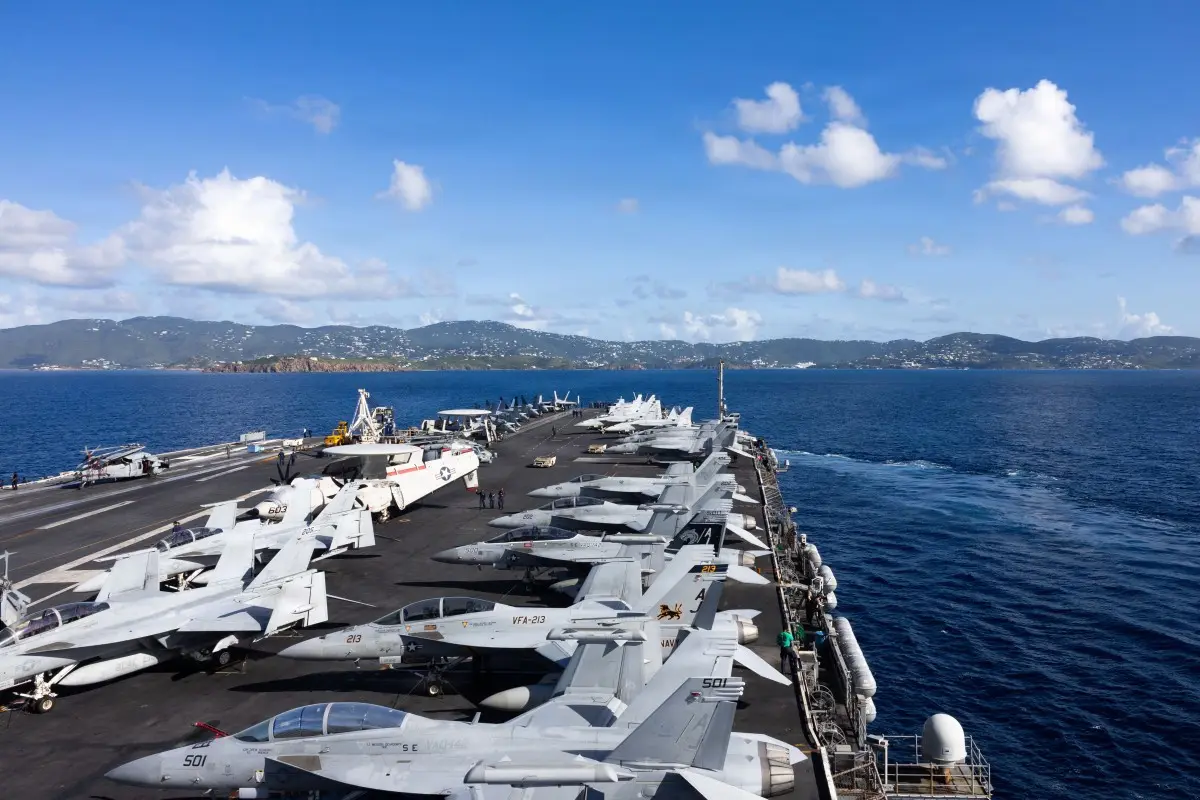
According to the United States Congress, the carrier, designated CVN-78 and named in 2007, was procured in 2008 with a final procurement cost of $13,316.5 million, or roughly $13.3 billion. Construction took approximately 12 years, reflecting the complexity of integrating next-generation technologies. When research and development costs are included, defence analysts widely consider the programme the most expensive military platform ever produced.
Commissioning and Early Operational Milestones
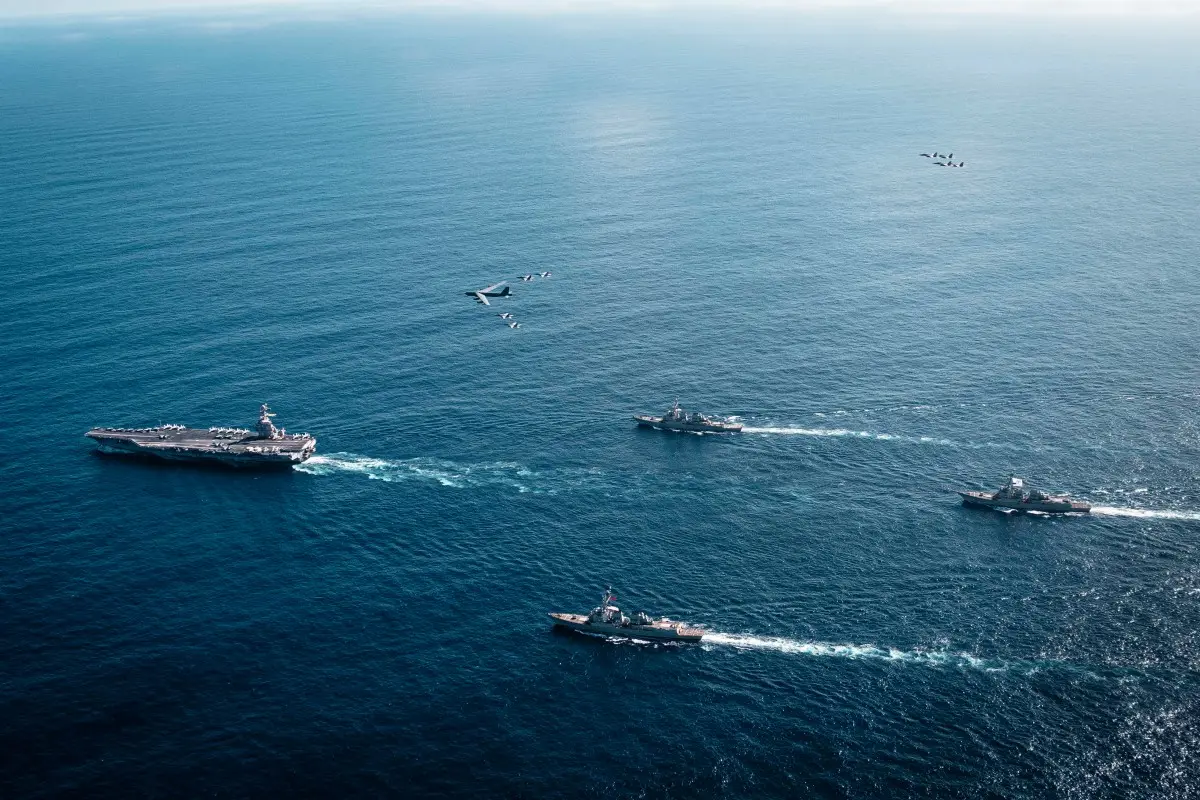
The carrier was officially commissioned into service on July 22, 2017. However, the ship reached initial operational capability only in December 2021 after extensive testing and system validation. According to the US Navy, these milestones were critical to certifying the vessel’s ability to support sustained combat operations and global deployment requirements.
Size, Capacity and Power
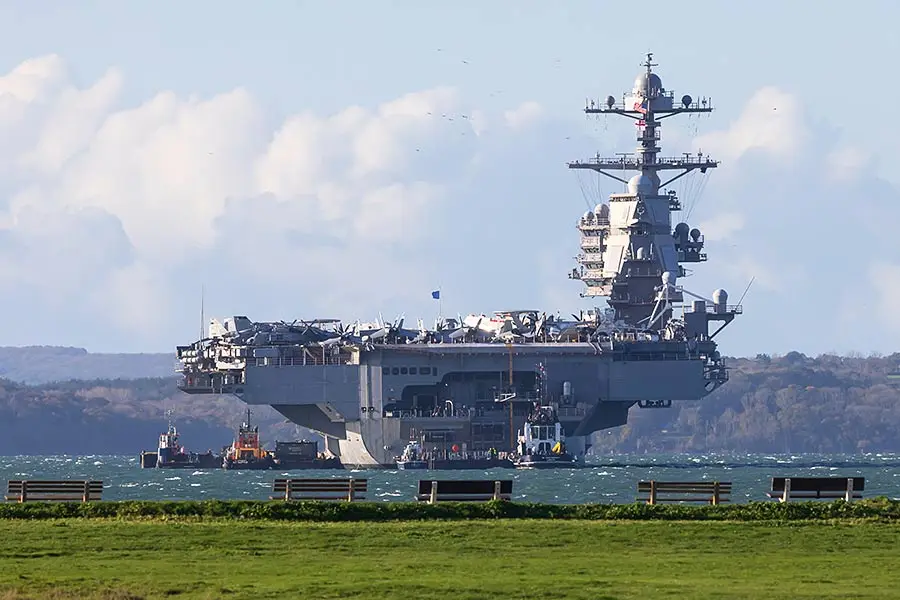
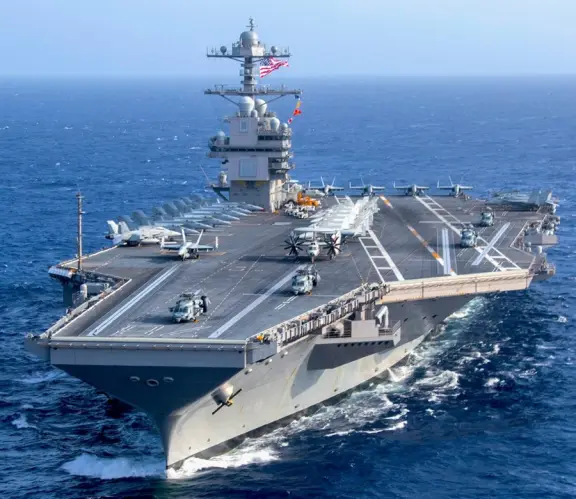
At more than 337 metres long and displacing over 100,000 tons, Gerald R. Ford is the largest aircraft carrier in the world. It can carry upwards at least 60 aircraft and accommodate more than 4,500 personnel. Its nuclear propulsion gives it virtually unlimited range, limited only by crew endurance and logistics.
Revolutionary Technology Onboard
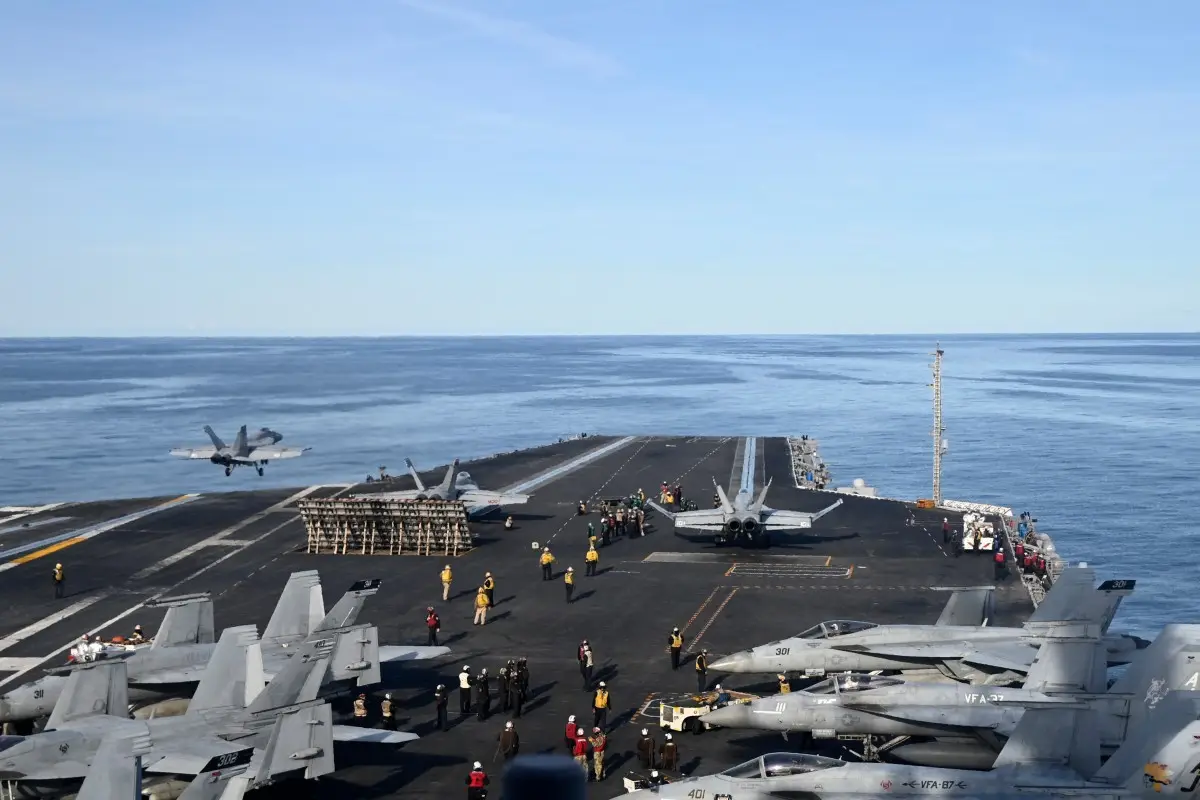
A defining feature of the carrier is its Electromagnetic Aircraft Launch System (EMALS), which replaces traditional steam catapults with an electric linear motor. It also has advanced arresting gear mechanism and automated weapons handling system. The system allows more precise launches and reduces stress on aircraft, supporting both manned jets and unmanned systems. Gerald R. Ford also has advanced radar, power generation and weapons handling systems aimed at improving sortie rates and overall capability.
Operational Costs Over Time
Beyond its construction cost, operating a Ford-class carrier is expensive. Public estimates suggest operating costs of $6 million to $8 million per day, accounting for crew, maintenance, fuel (nuclear and aircraft), and air wing activities. Over an extended deployment, these figures accumulate rapidly, reinforcing the strategic and fiscal weight of maintaining such a platform.
Strategic Value and Legacy
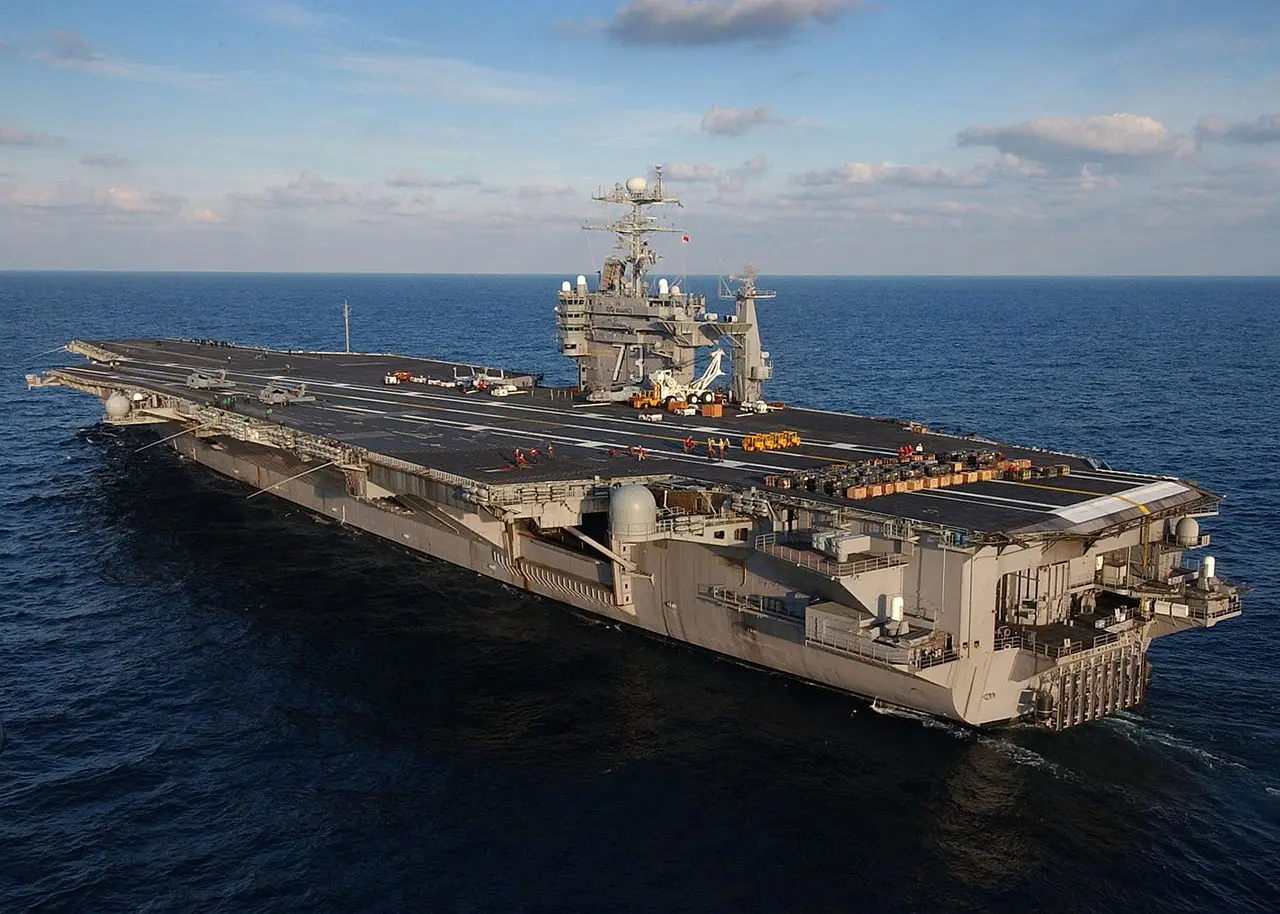
Gerald R. Ford is the lead ship of a planned class intended to replace older United States Navy carriers. Beyond construction, maintaining the carrier’s combat readiness requires continuous funding for maintenance, upgrades, and crew training. The Gerald R. Ford symbolises not only technological advancement but also the long-term financial commitment underpinning US naval dominance and global power projection.
)
)
)
)
)