$1.7 trillion F‑35 stealth fighter jet: 8 million lines of code, but can it be hacked?

Designed as the world’s first true multirole, fifth‑generation fighter, it blends stealth, supersonic speed and extraordinary situational awareness. Yet despite its cutting‑edge design, a troubling question remains: could this fighter jet be vulnerable to cyber attacks?
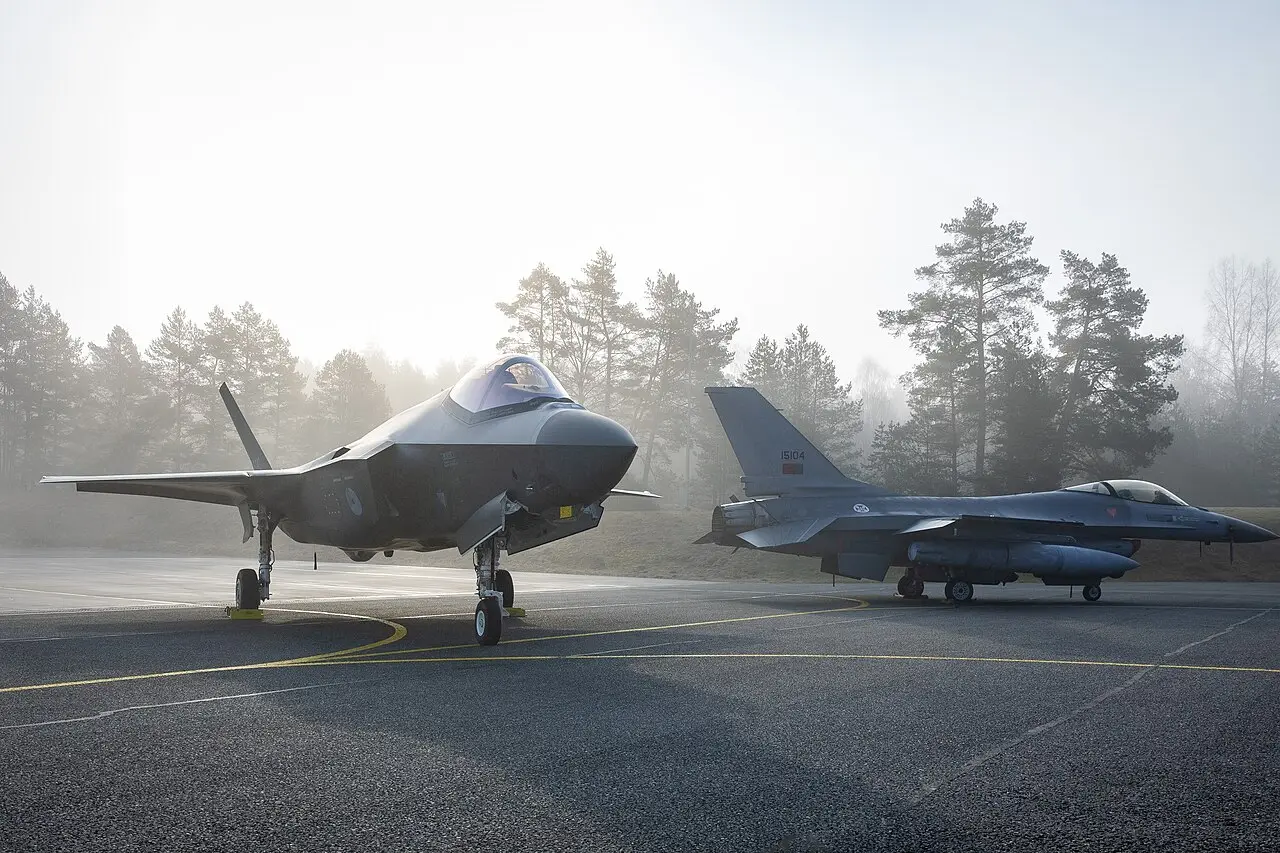
A Fighter Jet Unlike Any Before
The Lockheed Martin F‑35 Lightning II is far more than just another aircraft; it’s often called a flying supercomputer. Designed as the world’s first true multirole, fifth‑generation fighter, it blends stealth, supersonic speed and extraordinary situational awareness. Since its maiden flight in 2006, the programme has become the most expensive weapons project ever, with lifetime costs projected around $1.7 trillion. Intended to replace ageing aircraft like the F‑16, Harrier and AV‑8B, the F‑35 promised a transformative leap in air combat. Yet despite its cutting‑edge design, a troubling question remains: could this fighter jet be vulnerable to cyber attacks?
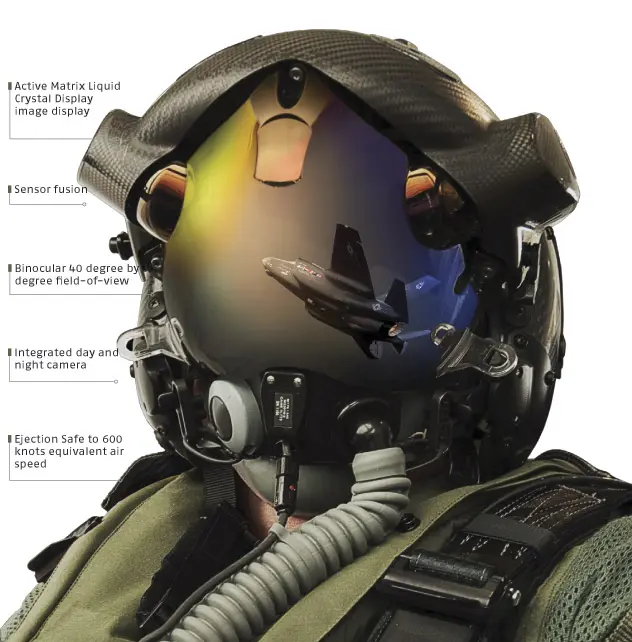
The Heart of the Machine: Software and Sensors
At the centre of the F-35’s power lies its software, over 8 million lines of code controlling everything from flight surfaces to weapons targeting. Its Distributed Aperture System gives pilots a seamless 360-degree view, while its advanced radar can track multiple targets simultaneously. The jet’s helmet, priced at roughly $4,00,000 per unit, allows pilots to see 'through' the aircraft, projecting real-time data directly onto the visor. Every second, the F-35 processes terabytes of information, fusing data from on-board and external sources to give the pilot what is arguably the clearest picture of the battlespace ever achieved.
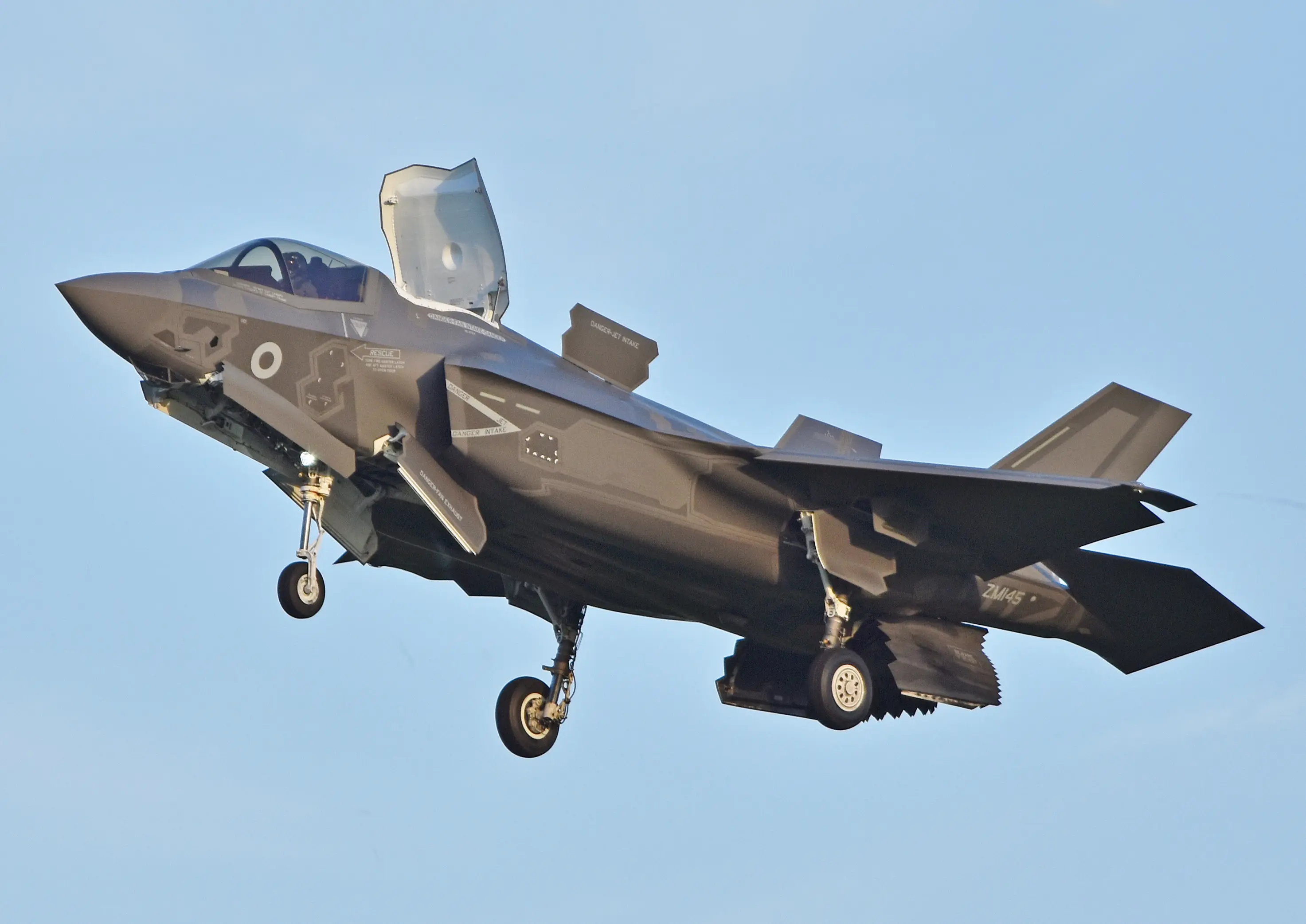
A Flying Smartphone: The Cost of Complexity
This staggering level of digital sophistication has led some analysts to call the F-35 a flying smartphone. Like any highly networked device, its greatest strength, connectivity, could also be its greatest weakness. The jet’s core processor, ALIS (Autonomic Logistics Information System), now replaced by ODIN (Operational Data Integrated Network), manages mission planning, maintenance and even parts logistics. The entire fleet is connected, exchanging data in real time to support allied operations.
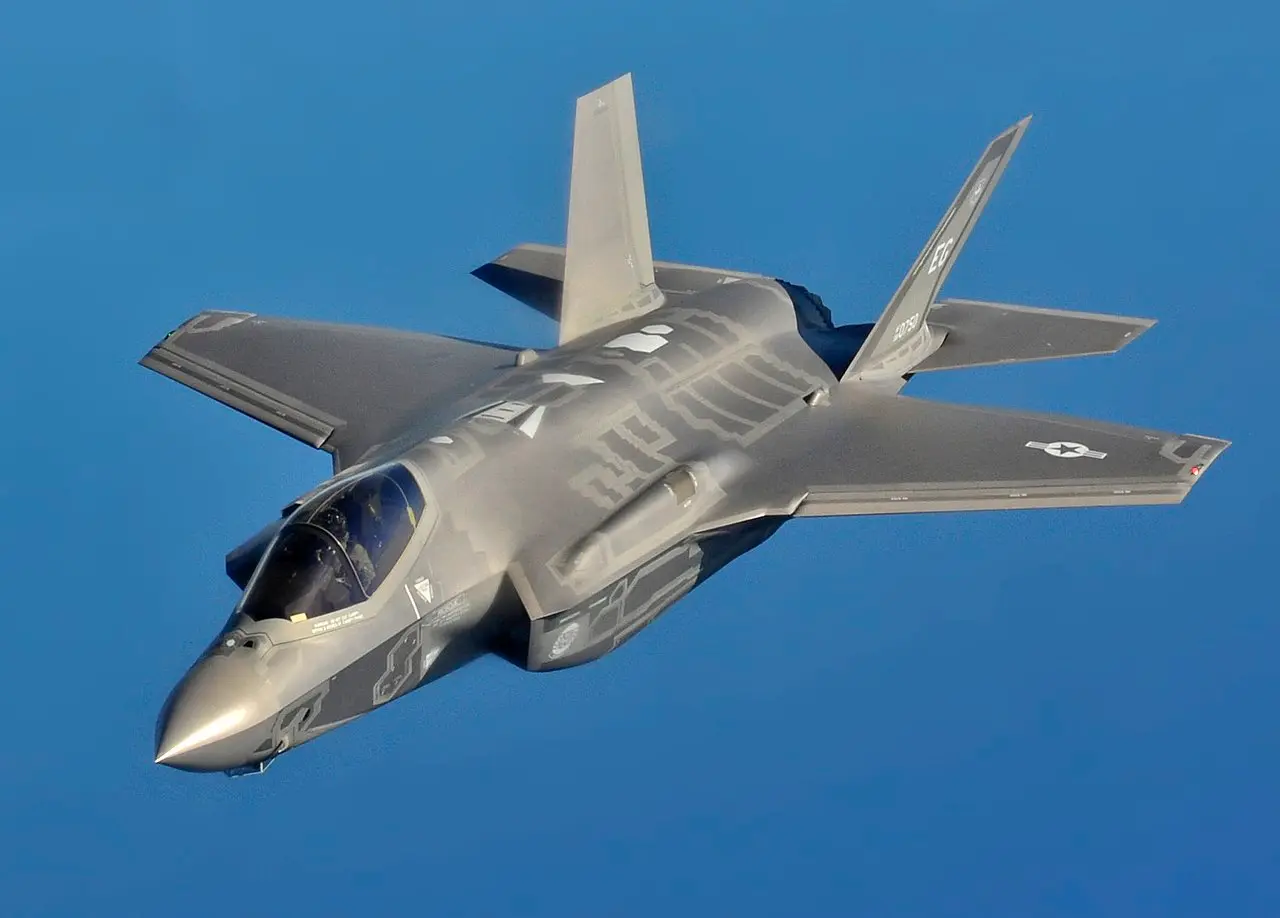
The Shock of Vulnerability
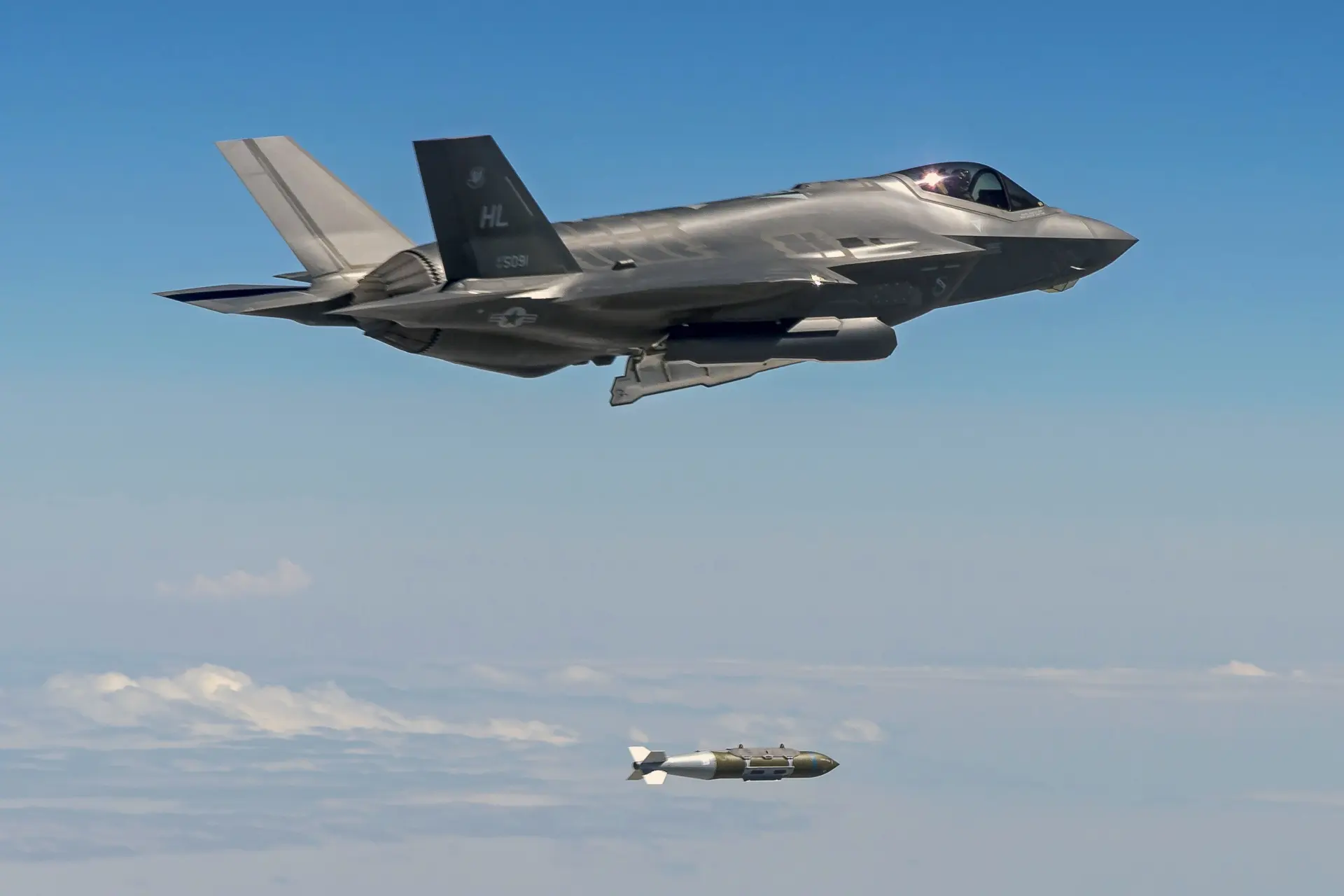
Concerns about cybersecurity emerged almost as soon as the F-35 programme began. In 2012, reports surfaced that foreign hackers had stolen terabytes of data related to its design and electronics. Although the Pentagon insisted the operational jets remained secure, the breach raised chilling questions. Could a hostile actor one day disrupt missions, corrupt critical data mid-flight, or worse, seize control of an aircraft remotely?
Why Hacking the F-35 Is So Alarming
The F-35 isn’t merely a fighter jet; it serves as a node in a larger digital warfare network. Compromise of even one aircraft could expose allied data, mission plans and intelligence gathered from multiple platforms. The possibility of inserting malicious code, whether by hackers or an insider, turns the jet’s unmatched computing power into a potential liability. With the F-35 designed to operate well into the 2070s, safeguarding its software has become as critical as protecting its stealth coating.
The Ongoing Cybersecurity Battle
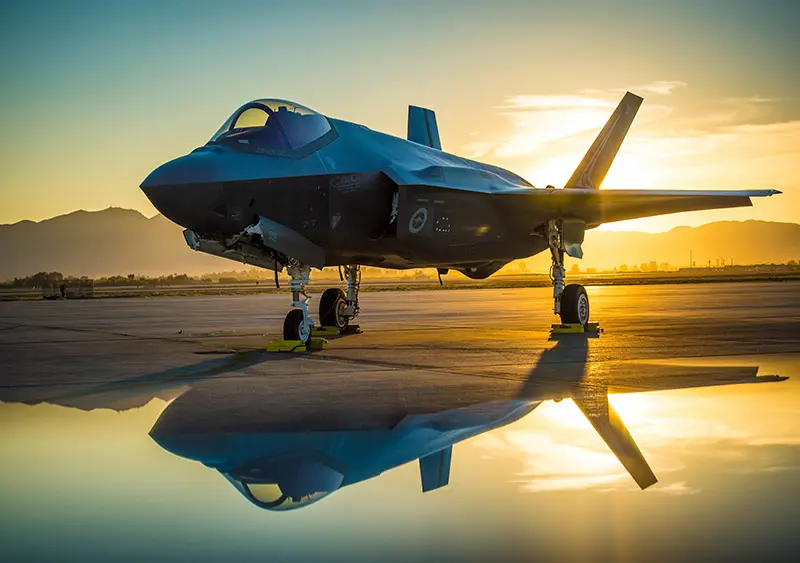
Like many advanced, computer-driven systems, the F-35 is potentially vulnerable to hacking despite its layered security measures. A 2018 US Government Accountability Office (GAO) report highlighted vulnerabilities across nearly all modern weapons systems tested, including the F-35. Potential attack vectors include targeting the ALIS logistics system (now ODIN), introducing malicious code into embedded software, or compromising the broader network. Such breaches could range from data theft to disabling critical flight systems, even grounding the fleet. In response, the US Air Force established the Cyber Resilience Office for Weapons Systems (CROWS) to improve cybersecurity. The F-35 programme continues to work actively on identifying and addressing these vulnerabilities.
A Price Beyond Imagination
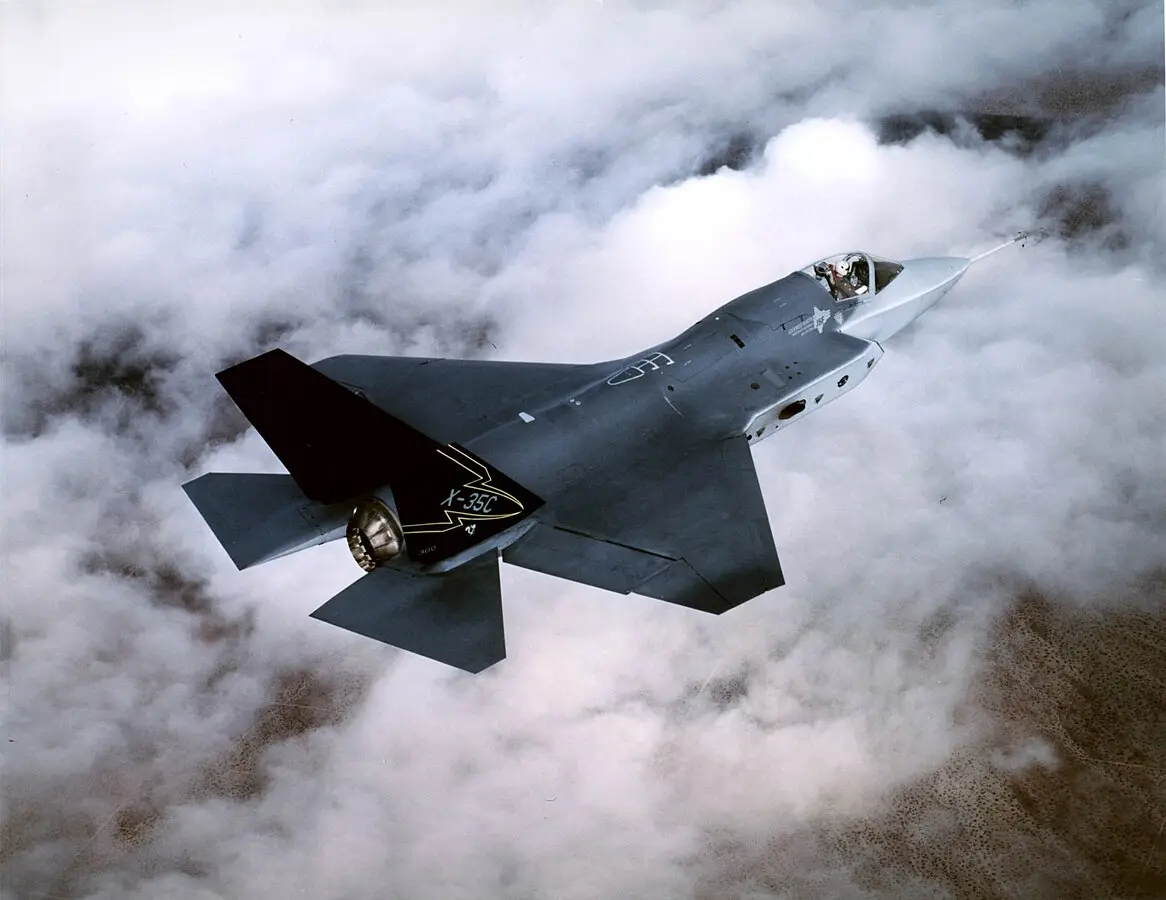
Each F-35 comes with a price tag exceeding $80 million, but the real cost stems from decades of maintenance, upgrades and integration into allied defence networks. The helmet alone, more expensive than some homes, symbolises the programme’s extremes. Yet even with this investment, the risk of cyberattack remains, a sobering reminder that in modern warfare, the battlefield often extends far beyond the physical world. As militaries deepen their reliance on data-driven platforms like the F-35, the threat of cyber warfare grows sharper. The very systems that make the F-35 the most advanced military aircraft ever built could also make it the most vulnerable.
)
)
)
)
)