The Norwegian journalist asked a question. The West missed the bigger one

&imwidth=600&imheight=450&format=webp&quality=medium "The Norwegian journalist asked a question. The West missed the bigger one")
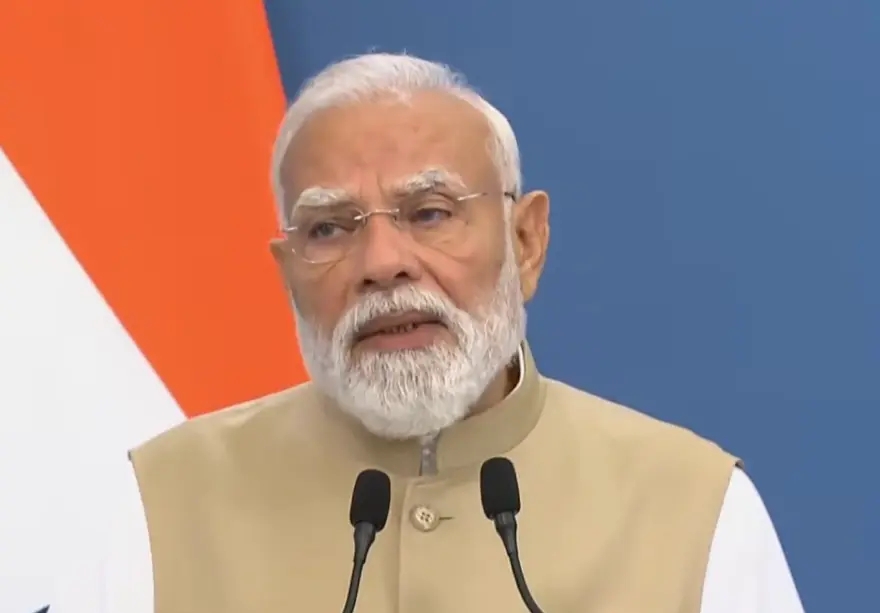
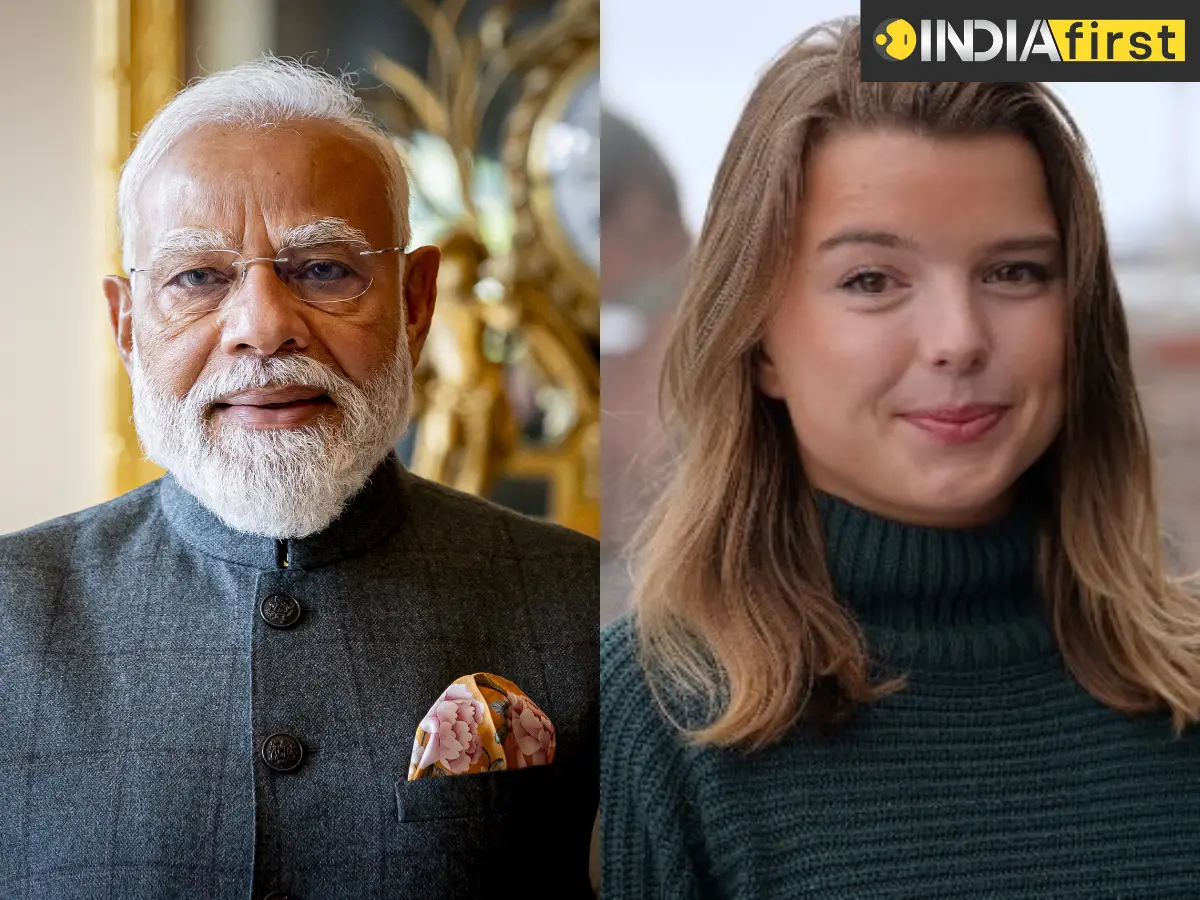
Indian PM Modi and Norwegian journalist Helle Lyng Photograph: (AFP/X)
The Modi-Norway journalist ‘controversy’ revealed a deeper global debate about democracy, media scrutiny and the West’s selective view of free speech
India’s relationship with Western media has often been uneasy. The latest controversy involving Prime Minister Narendra Modi and a Norwegian journalist once again exposed how quickly debates around democracy, press freedom and political perception can dominate international headlines. During PM Modi’s visit to Norway, journalist Helle Lyng publicly asked why he does not take questions “from the freest press in the world.” The moment instantly went viral. Opposition leaders in India cited it as evidence of discomfort with scrutiny, while supporters of the government saw it as another example of Western media arrogance toward India. But the incident was never just about one question or one press interaction.
India, as the world’s largest democracy, naturally attracts global attention. Every major democracy faces criticism, media scrutiny, and political debate. That is neither unusual nor unhealthy. Democracies are strengthened by disagreement and public accountability. However, the way some Western institutions frame India creates the impression that democratic values are measured differently depending on geography. For many Indians, this frustration is not entirely without basis.
Countries in Europe and North America frequently position themselves as global referees of democracy and free speech. Yet their own records are far from perfect. In recent years, Western nations have witnessed growing debates around surveillance laws, censorship on digital platforms, crackdowns on protests, media monopolies, and the treatment of whistleblowers. This does not mean India should reject criticism simply because the West is imperfect.
No democracy is flawless, including India. Concerns around media concentration, online hostility, political polarisation, and institutional independence deserve discussion in any democratic society. Mature democracies do not become weaker by addressing criticism; they become stronger. At the same time, there is a difference between scrutiny and moral superiority. Too often, Western commentary on India carries an undertone that suggests democratic legitimacy flows primarily through Western approval. India’s political and social reality, however, is far more layered than the simplistic binaries often presented in global discourse.
A confident democracy should not appear uncomfortable with difficult questions. Prime Minister Modi is among the most influential political leaders globally, and global influence naturally comes with intense scrutiny. International journalists asking tough questions is not extraordinary; it is part of modern political life. In that sense, the conversation should not become about whether journalists are allowedto ask questions. They are. Nor should criticism automatically be dismissed as anti-India. Democracies benefit when governments, media institutions, and citizens engage each other with confidence instead of suspicion.
That balance is important. The Modi-Norway controversy will eventually fade from public attention, like most viral political moments do. But the broader questions it raised will remain relevant. Who defines democratic values globally? Why are some nations judged more harshly than others? Can the West still claim moral authority on free speech while facing its own internal contradictions? And how should India respond to criticism without becoming defensive?
Disclaimer: The views of the writer do not represent the views of WION or ZMCL. Nor does WION or ZMCL endorse the views of the writer.