Gambhir, who had won the inaugural T20 World Cup in 2007 under MS Dhoni, has now led India to two back-to-back ICC white-ball trophies. Before the T20 World Cup 2026 title win, India had also won the Champions Trophy 2025 as well.
latest news
?&imwidth=252&imheight=189)
?&imwidth=252&imheight=189)
The escalating conflict in West Asia is beginning to shake global bullion markets, with Dubai’s gold trade facing major disruptions. Prices in Dubai have reportedly fallen about $30 below the benchmark price in London, signaling unusual stress in one of the world’s busiest gold trading hubs.
?&imwidth=252&imheight=189)
India wicketkeeper-batter Ishan Kishan was also fighting an emotional battle of his own. During the post-match press conference, Kishan revealed that he had lost his cousin sister, to whom he was very close, in a car accident a day before the final.
?&imwidth=252&imheight=189)
Israeli forces have intensified airstrikes across Lebanon, including a rare strike in the capital Beirut targeting members linked to Iran’s Quds Force, according to Israeli officials. The escalation comes amid a widening regional conflict involving Iran and Israel. Lebanon’s health ministry says at least 394 people have been killed in Israeli strikes over the past week, including 83 children and 42 women, while several rescue workers are also among the dead. Authorities say strikes have hit multiple areas across southern Lebanon and Beirut, raising fears that the conflict could further destabilize the region as fighting between Israel and Iran-aligned groups intensifies.
?&imwidth=252&imheight=189)
A gripping final-day duel at the Bay Hill Club & Lodge in Orlando ended with Bhatia pocketing the third PGA Tour title of his career – all via playoffs -- on the first sudden death hole.
?&imwidth=252&imheight=189)
A United Arab Emirates-flagged tugboat has sunk in the strategically vital Strait of Hormuz, leaving three crew members missing as tensions in the Iran war continue to disrupt global shipping. The vessel, Musaffah 2, reportedly caught fire after an explosion before sinking, according to officials. The boat had seven crew members from Indonesia, India and the Philippines, with four surviving while three Indonesian sailors remain missing as search operations continue
?&imwidth=252&imheight=189)
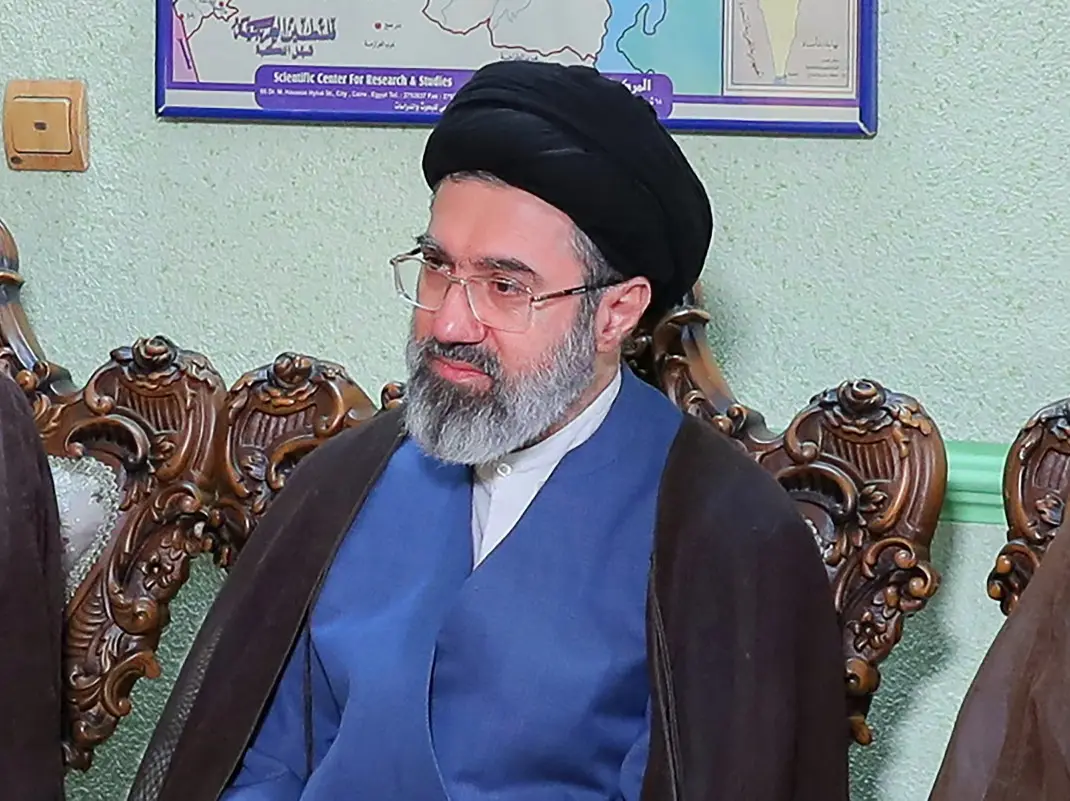
Iran’s Assembly of Experts has named Mojtaba Khamenei, son of slain leader Ali Khamenei, as the country’s new supreme leader. The Revolutionary Guards pledged loyalty, while Foreign Minister Abbas Araghchi warned against foreign interference as the US-Israel war with Iran intensifies.

The escalating war involving Iran, Israel, and the United States is sending shockwaves through the global economy. Israeli officials warn the conflict could cost the country about $3 billion every week, as businesses shut down, schools close, and thousands of reservists are mobilized. Emergency wartime restrictions have forced much of Israel’s economy to slow or stop, with only essential services operating while many employees work from home. Analysts say the longer the conflict continues, the greater the damage to Israel’s growth and government finances.
?&imwidth=252&imheight=189)
Iran’s capital Tehran has been engulfed in toxic smoke and oily rainfall after massive fires erupted at fuel depots struck during the ongoing war. Authorities have issued urgent advisories asking residents to stay indoors and avoid exposure to rainfall due to fears of hazardous “toxic rain.” The fires released large amounts of hydrocarbons, sulfur compounds and nitrogen oxides, creating dense black clouds over the city and severely degrading air quality. Officials warned that when these pollutants mix with rainwater, they can produce highly acidic precipitation capable of causing skin burns and lung damage
?&imwidth=252&imheight=189)
The United States and Israel are reportedly considering a high-risk special forces operation inside Iran to secure the country’s highly enriched uranium stockpile. Intelligence estimates suggest Iran possesses around 450 kilograms of uranium enriched to 60%, material that experts say could potentially be further enriched to weapons-grade levels within weeks.
?&imwidth=252&imheight=189)
Fresh reports have raised concerns over China’s possible link to Iran’s missile fuel supply amid the escalating conflict in West Asia. Two Iranian vessels reportedly departed from Gaolan Port in Zhuhai, sparking speculation that they could be transporting chemicals used in rocket fuel. According to US officials, the ships are connected to a sanctioned Iranian shipping line and may be carrying materials that could support Tehran’s missile program. Ship tracking data suggests the vessels left China as the war intensifies between Iran, Israel, and the United States, raising new geopolitical questions about Beijing’s role in the crisis.
?&imwidth=252&imheight=189)
Israeli forces have intensified airstrikes across Lebanon, including a rare strike in the capital Beirut targeting members linked to Iran’s Quds Force, according to Israeli officials. The escalation comes amid a widening regional conflict involving Iran and Israel. Lebanon’s health ministry says at least 394 people have been killed in Israeli strikes over the past week, including 83 children and 42 women, while several rescue workers are also among the dead. Authorities say strikes have hit multiple areas across southern Lebanon and Beirut, raising fears that the conflict could further destabilize the region as fighting between Israel and Iran-aligned groups intensifies.
?&imwidth=252&imheight=189)
Israeli Prime Minister Benjamin Netanyahu has pledged to target members of Iran’s Islamic Revolutionary Guard Corps (IRGC) who are accused of oppressing Iranian citizens. Netanyahu emphasized that Israel will focus on individuals responsible for human rights abuses, signaling a potential intensification of the ongoing Israel-US military campaign in Iran. Analysts warn this could escalate regional tensions further as the conflict spreads across the Middle East.
?&imwidth=252&imheight=189)
Satellite imaging company Planet Labs has delayed the release of satellite imagery from the Gulf conflict zone by 96 hours, citing safety concerns as the regional war continues to escalate. The move comes amid growing fears that real-time imagery could expose sensitive military positions or strategic infrastructure during ongoing strikes.
?&imwidth=252&imheight=189)
The escalating war in West Asia is triggering a global energy shock as disruptions spread across the region’s critical oil and gas routes. The strategic Strait of Hormuz, a passage that normally carries about 20% of the world’s oil and LNG supplies, has seen shipping severely disrupted amid the conflict. Energy markets are already feeling the impact. Iraq’s oil production has plunged dramatically, with exports falling as tanker traffic through the strait stalls and storage tanks fill up. Meanwhile, several Gulf producers are cutting output, widening the shock to global oil supply and pushing crude prices sharply higher.
?&imwidth=252&imheight=189)
A dramatic power shift has taken place in Iran as Mojtaba Khamenei has been named the new Supreme Leader following the death of his father, Ali Khamenei, who was reportedly killed in an airstrike at the start of the ongoing war involving United States and Israel.
?&imwidth=252&imheight=189)
As the war in West Asia enters its eighth day, the Israel Defense Forces claims Iran still possesses over 2,500 ballistic missiles, raising alarm about the scale of Tehran’s strike capability. Israeli military officials say Iran has been rebuilding its missile production and stockpiles after the 2025 Israel-Iran conflict, restoring a large part of its arsenal.
?&imwidth=252&imheight=189)
As the Iran–Israel–US war intensifies across the Middle East, regional governments are taking unprecedented steps in the information battle. Officials in Bahrain have issued strict warnings to residents against filming or sharing videos of strike sites — threatening arrests and penalties amid concerns over misinformation and national security. Meanwhile, satellite imagery provider Planet Labs has announced a 96‑hour delay on new images over the Gulf states and adjacent conflict zones, citing safety concerns and the risk of real‑time battlefield data being misused.
?&imwidth=252&imheight=189)
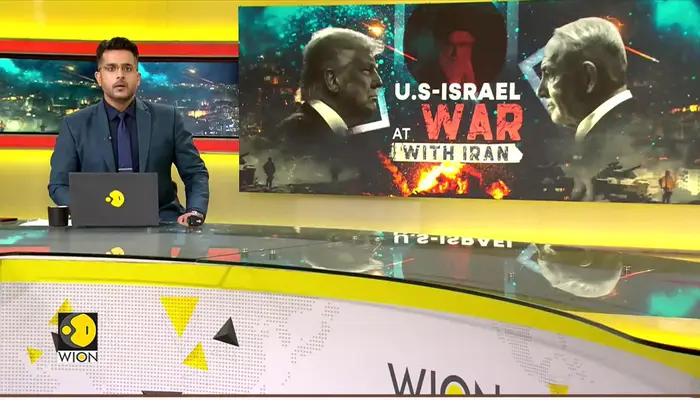
Iran’s capital Tehran has been engulfed in toxic smoke and oily rainfall after massive fires erupted at fuel depots struck during the ongoing war. Authorities have issued urgent advisories asking residents to stay indoors and avoid exposure to rainfall due to fears of hazardous “toxic rain.” The fires released large amounts of hydrocarbons, sulfur compounds and nitrogen oxides, creating dense black clouds over the city and severely degrading air quality. Officials warned that when these pollutants mix with rainwater, they can produce highly acidic precipitation capable of causing skin burns and lung damage.